


Quick Facts:
- Topic: Choosing a camping knife for overlanding and vehicle camping.
- Most-used knife at camp: The pocket folder or Swiss Army knife, followed by the multitool.
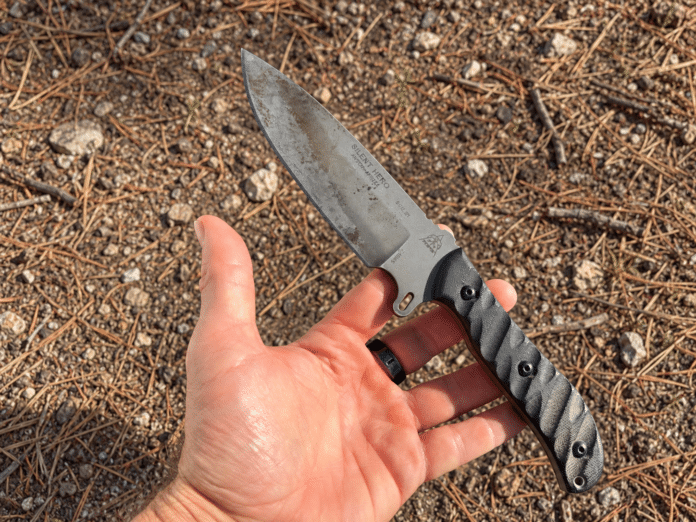
- Fixed blade sweet spot: A 3.5 to 4.5 inch stainless blade.
- Food prep: A thin camp kitchen knife slices better than a thick bushcraft knife.
- Heavy wood: A folding saw and a hatchet, not a big survival knife.
- Steel for the truck: Stainless handles a damp cab or gear bin with less rust.
- Legal note: Knife rules change at state and city lines; in federal facilities, pocket knives under 2.5 inches fall outside the weapon ban.
- Best for: Overlanders, truck campers, and anyone packing a camp kitchen.
8 min read
In This Guide
- Overview: How to Pick a Camping Knife for Overlanding
- What Campers Use Most, Ranked
- Fixed Blade Camping Knife: Length, Tang, and Sheath
- Folders, Multitools, and the Kitchen Blade
- Fixed Blade vs Folding Knife: 6 Camp Chores Compared
- Blade Steel: Carbon, Stainless, and Rust in the Truck
- Keeping a Camping Knife Sharp on the Road
- Camping Knife Laws on an Interstate Trip
- Final Thoughts
- Frequently Asked Questions
Overview: How to Pick a Camping Knife for Overlanding
The best camping knife for overlanding is smaller than many buyers expect. In fact, experienced campers say a pocket folder handles most daily cuts, while a multitool covers repairs. Meanwhile, a 4-inch fixed blade covers fire prep, and the big survival knife often rides along without real work.
We dug deep into Reddit and the overland forums to learn which knives campers reach for, then checked the popular models against manufacturer specs. As a result, this guide ranks knife types by the jobs they do at camp, from cutting cord to slicing onions. It also covers blade length, steel, sharpening, and the carry rules you face on an interstate trip.
For me, the two-knife setup wins: a stainless fixed blade near 4 inches plus a locking pocket folder. In addition, keep a multitool in the door pocket for repairs. Add all three to your off-road packing list so nothing stays home.
The grid below shows the three tools campers mention most, one for each job. First comes the Morakniv Companion fixed blade for fire prep, then the Opinel No. 8 folder for food, and finally the Leatherman Wave+ multitool for repairs.
The three tools campers reach for most
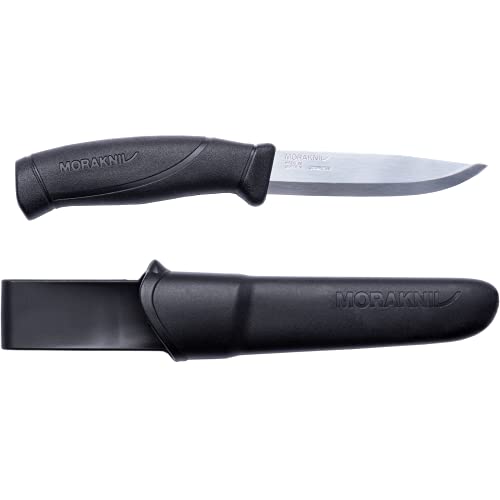
Morakniv Companion Stainless Steel Fixed-Blade Knife with Sheath


What Campers Use Most, Ranked
Owner reports across Reddit and the overland forums line up in a clear order. Notably, the knife people buy for camping is rarely the one they use most. Here is the ranking by how often each tool gets pulled out at camp:
- Pocket folder or Swiss Army knife: packaging, cord, snacks, and often the whole dinner.
- Multitool: pliers and drivers for repairs and for handling hot items at the fire; the blade sees less use.
- Kitchen knife: meal prep from a bin next to the stove.
- Small fixed blade in the Mora or ESEE class: feather sticks, kindling, and light batoning.
- Large fixed blade or machete: brush clearing, plus a rarely used backup role.
The pattern fits vehicle campers well. Because a truck carries weight easily, many overlanders pack a folding saw and a full-tang hatchet for splitting wood instead of asking a knife to split logs. Owners also report a folding saw cuts far more wood than a knife, with less risk to your hands.
Skip the 8-inch survival blade. Owners who bought one say it rarely leaves the sheath, so a good folding saw is the better buy.
Fixed Blade Camping Knife: Length, Tang, and Sheath
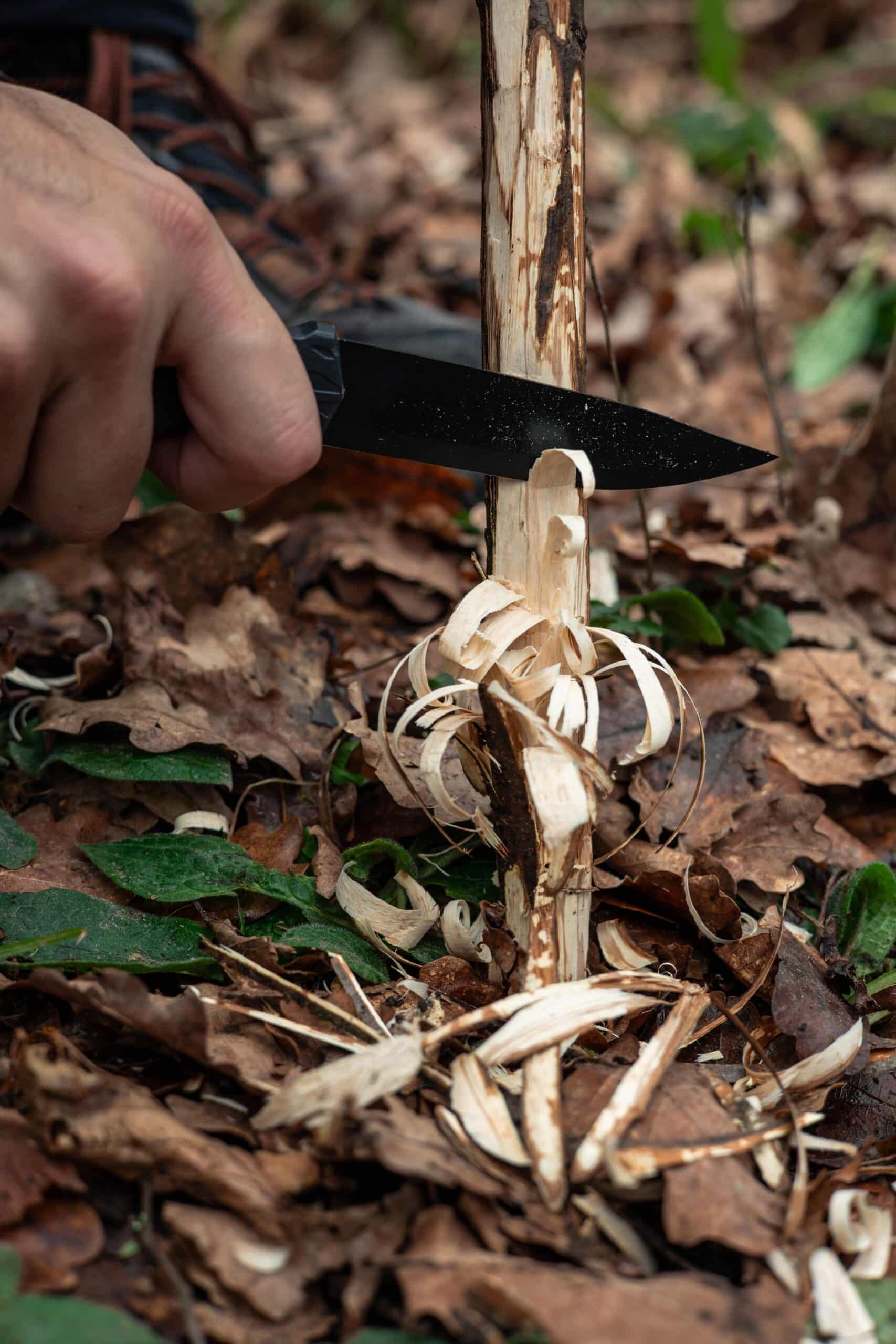
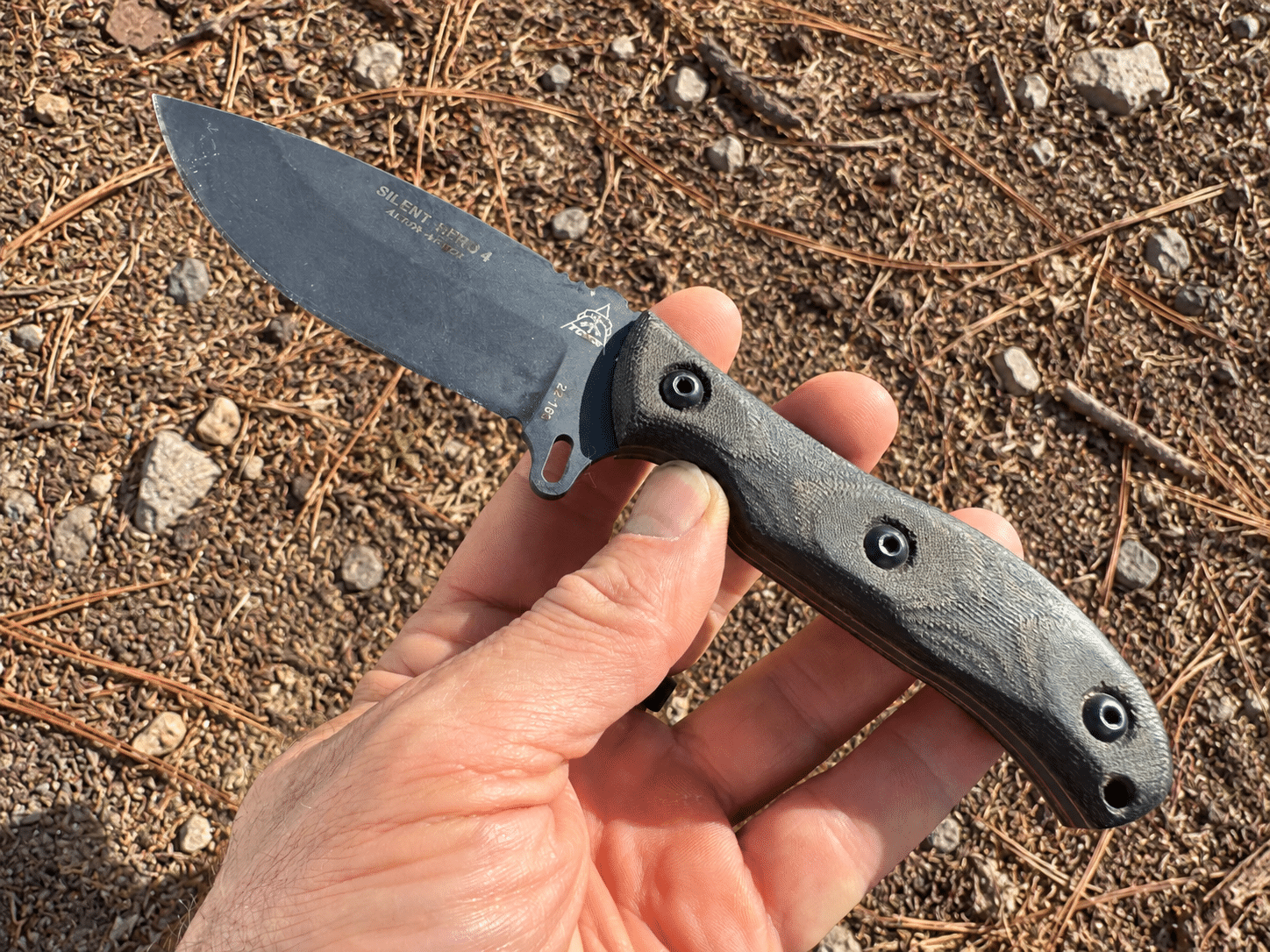
A fixed blade camping knife earns its spot through fire prep and hard use. Specifically, many experienced campers settle on a blade between 3.5 and 4.5 inches. This length stays controllable for carving feather sticks, yet it still splits wrist-thick kindling with a baton.
The Morakniv Companion shows why the budget end works. Its 4.1-inch stainless blade uses a Scandi grind, which bites into wood for clean shavings. In contrast, the ESEE-4 carries a 4.5-inch blade of 1095 carbon steel, 0.188 inches thick, for heavier batoning.
Why Tang Matters for Batoning
Tang describes how far the steel runs into the handle. It matters for batoning, where force loads the handle joint. A full tang runs the steel through the whole handle, as on the stainless Morakniv Garberg with its 4.3-inch blade. The Garberg belongs to the bushcraft knife class, built for batoning and shelter work more than for slicing. However, a partial tang like the Companion handles kindling well as long as you split small pieces.
Check the Sheath Before the Trip
The one trade-off I’d flag on budget fixed blades is the sheath, not the steel. Owners of molded plastic sheaths, the Mora type included, report the retention loosens after months of use. As a result, the knife rattles or drops out when the sheath hangs upside down. Before a trip, test retention and mount the sheath where you reach it from the tailgate.
Folders, Multitools, and the Kitchen Blade
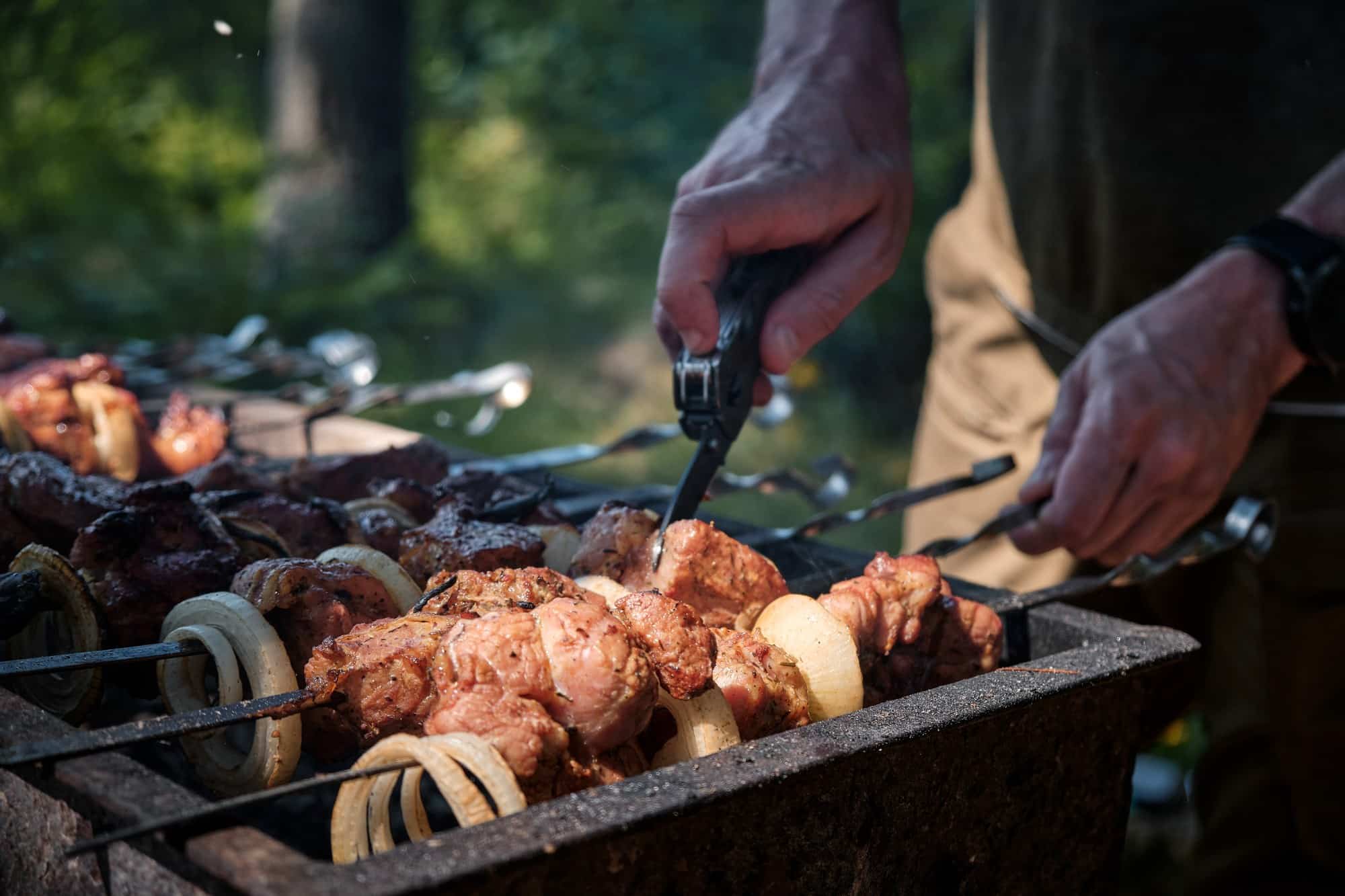
A folder in your pocket does most of the cutting at camp. The Benchmade Bugout carries a 3.24-inch S30V blade and weighs under 2 ounces, so it rides in a pocket all day. Meanwhile, the Buck 110 offers a 3.75-inch blade with a lockback for a heavier, classic option. Choose a locking blade for camp work, since a lock keeps the blade from folding onto your fingers during a hard cut. Also, rinse the pivot after sandy or muddy days, because grit makes the action crunchy.
Pliers and drivers make a multitool useful at camp, more than the blade does. The Leatherman Wave+ packs 18 tools into 8.5 ounces. Campers use it to fix vehicles and gear, and to pull hot items off the fire. For model-by-model picks, see our best camping multi tool picks.
Food prep calls for a thin blade. Thick Scandi-ground knives wedge into potatoes and send carrot slices flying off the board. For this reason, many cooks keep a separate camp kitchen knife in the stove bin. Good options include the Opinel No. 8, with its thin 3.28-inch blade, or a Victorinox Fibrox Pro chef’s knife in a blade guard. Our guide to camp cooking for overlanders covers the rest of the kitchen kit.
Fixed Blade vs Folding Knife: 6 Camp Chores Compared
The fixed blade vs folding knife question comes down to which chores you do most. Below, the table rates each type on six common camp jobs, based on owner reports and manufacturer specs.
| Camp chore | Fixed blade (3.5 to 4.5 in) | Locking folder (about 3 to 4 in) |
|---|---|---|
| Food prep | Fair; thick grinds wedge in food | Good; thin blades slice cleanly |
| Cord, straps, and packaging | Good | Best; already in your pocket |
| Feather sticks and kindling | Best; Scandi grinds bite into wood | Fair; short handles tire your hand |
| Batoning wrist-thick wood | Best with a full tang | Poor; stresses the pivot and lock |
| Cleanup after meals | Best; no pivot to trap food | Fair; rinse the pivot |
| Road-trip carry | Check state rules on concealed fixed blades | Easier; small folders draw fewer questions |
The fixed blade wins on wood and cleanup, since it has no pivot to trap food or grit. On the other hand, the folder wins on carry comfort and travel. For these reasons, many overlanders settle the fixed blade vs folding knife debate by carrying one of each.
Blade Steel: Carbon, Stainless, and Rust in the Truck
Steel choice matters most for a knife living in a vehicle. Carbon steel such as 1095 takes a keen edge and sharpens quickly. However, some owners see rust after one wet use in a plastic sheath, and citrus juice pits the blade.
Stainless options such as Sandvik 12C27 and 14C28N resist rust far better, and Morakniv uses them in the Companion and Garberg. Still, stainless means the steel stains less, not never. For this reason, wipe any blade dry after use, and oil carbon blades with food-safe mineral oil.
I’d pick stainless for any knife riding in the truck full time. Instead, save carbon steel for a bushcraft knife you clean and oil after every trip. For a closer look at one common stainless choice, read why 440C steel matters.
Keeping a Camping Knife Sharp on the Road
A dull knife slips, and a slipping blade cuts hands. Therefore, carry a compact sharpener instead of a full bench kit. The Work Sharp Guided Field Sharpener is the tool owners name most often, since it pairs diamond plates and ceramic rods with built-in angle guides.
Use the 25-degree guide on a fixed blade you baton, because a wider edge holds up better to wood. Meanwhile, the 20-degree guide suits a folder or kitchen knife used for slicing. Several owners warn against pull-through carbide sharpeners. Finally, plain edges are easier to touch up at camp than serrated ones.
To round out the kit, the grid below pairs the Work Sharp Guided Field Sharpener with two knives from this guide. The stainless Morakniv Garberg is the full-tang upgrade, and the Victorinox Fibrox Pro chef’s knife belongs in the camp kitchen bin.
Sharpener and upgrades from this guide


Camping Knife Laws on an Interstate Trip
Knife laws change at state lines and sometimes at city limits, so check each state on your route before you leave. For example, California bans carrying a concealed dirk or dagger, and a fixed blade counts. However, the state treats a knife in a sheath worn openly on the waist as not concealed.
Federal buildings add another layer. Under 18 U.S.C. 930, federal law bans dangerous weapons inside federal facilities. Pocket knives with blades under 2.5 inches fall outside the ban. As a result, leave the fixed blade in the truck before you walk into a ranger station or federal office.
The safest habit for a long drive is easy to follow. Keep the fixed blade and any large knife packed in a closed bin, and carry a small locking folder on your person. Also, confirm local rules before a city stop, since some cities set tighter blade limits than their states. Chicago, for one, bans concealed knives with blades over 2.5 inches. This section is general information, not legal advice.
Final Thoughts
The best camping knife setup is smaller than many buyers expect, with each tool matched to one job. A 3.5 to 4.5 inch stainless fixed blade handles fire prep, while a locking folder covers the daily cuts. Meanwhile, a thin kitchen knife stays with the stove, and the saw and hatchet take the heavy wood.
The trade-offs are small and fixable. Budget sheaths loosen over time, carbon blades need oil, and folders need a rinse after sandy days. Also, the big survival knife is a common impulse buy, and a folding saw is the better use of the money.
If I were starting from scratch, I’d pick a Morakniv Companion and an Opinel No. 8. Then I’d add a Leatherman Wave+ and a Work Sharp Guided Field Sharpener. Later, if the Companion feels too light for your wood work, the stainless Garberg is the natural next step. Most of all, keep a sharp blade within reach, because the knife you carry is the one you use.
Frequently Asked Questions
What is the best type of camping knife?
A fixed blade with a 3.5 to 4.5 inch stainless blade suits most campers, paired with a locking folder or multitool. The fixed blade handles fire prep, while the folder covers everyday cuts. Add a thin kitchen knife for meal prep.
Is a fixed blade better than a folder for camping?
A fixed blade is stronger for batoning and easier to clean, since it has no pivot. However, a folder is easier to carry all day and draws fewer questions on road trips. Many overlanders carry one of each.
What is a good budget camping knife?
The Morakniv Companion is the budget knife campers recommend most. It has a 4.1-inch stainless blade with a Scandi grind, which carves feather sticks cleanly. Check the sheath retention, since molded plastic sheaths loosen over time.
Is it legal to carry a fixed blade knife on a road trip?
The answer depends on the state and city. For example, California bans concealed fixed blades. However, it treats one sheathed openly on the waist as not concealed. Pack fixed blades in a closed bin while you drive, and check each state on your route.
What is a full tang knife, and does it matter?
A full tang knife has steel running through the entire handle. It matters for batoning and heavy splitting, where force loads the handle joint. For slicing, cord, and food prep, a partial tang works fine.