


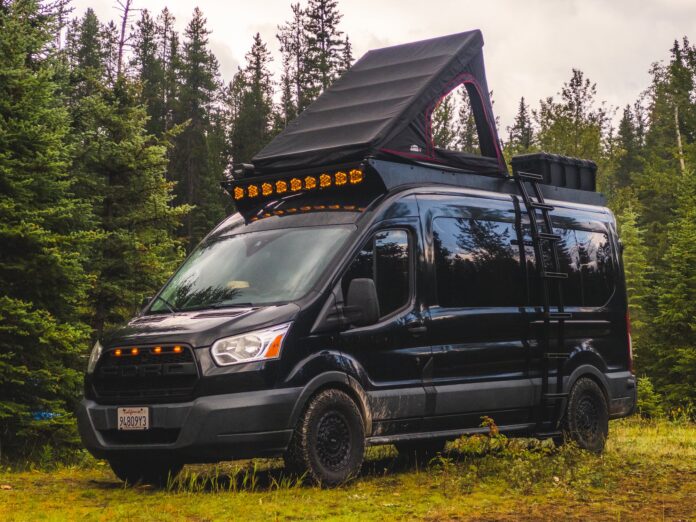
Quick Facts:
- Product: Featherlyte Baseline 2 Person rooftop tent, Medium, by Featherlyte Outdoors
- Type: Aluminum clamshell hardshell, sleeps two
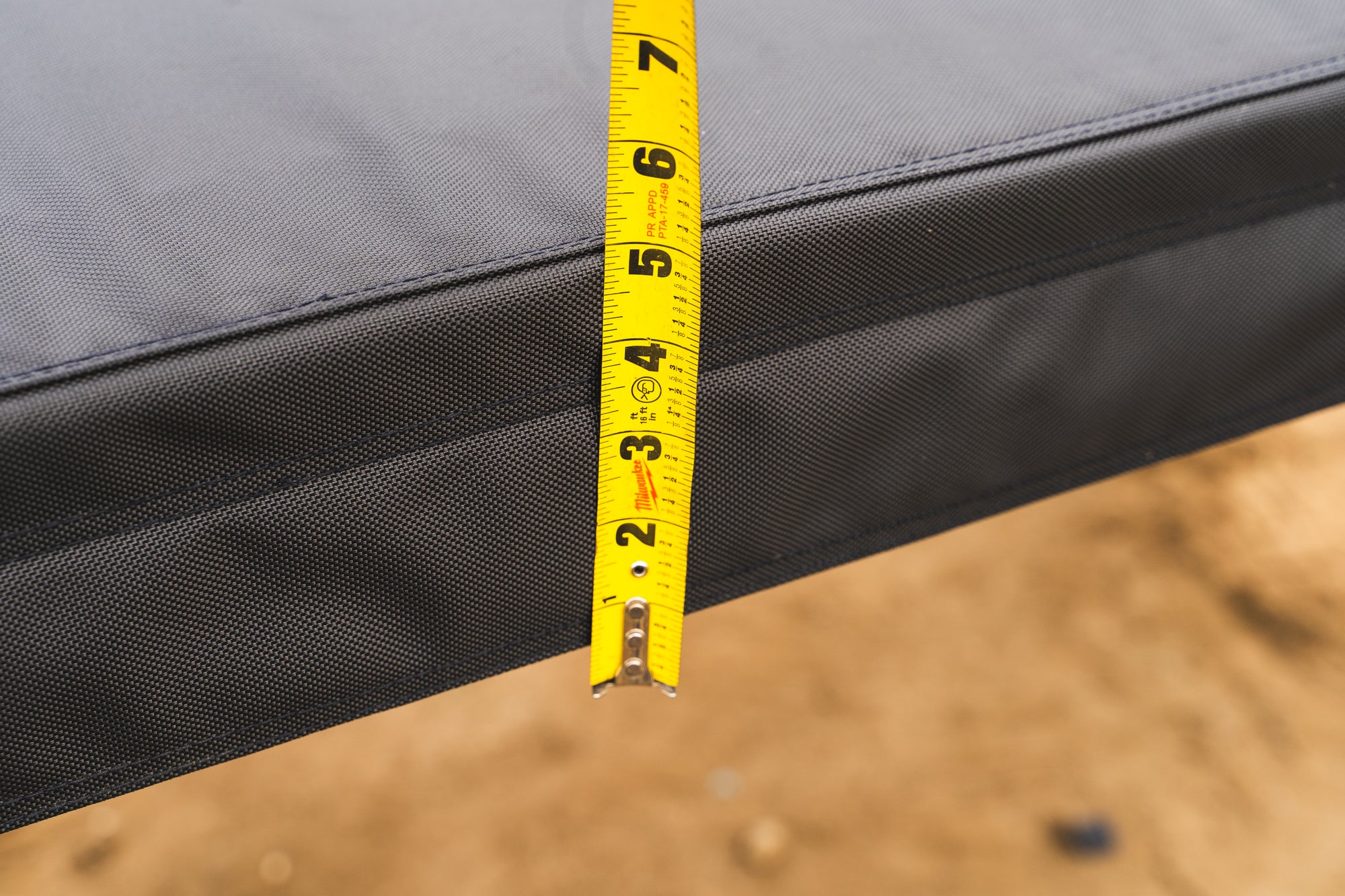
- Closed size: 88.5″ L x 53″ W x 7″ H
- Open size: Not published
- Weight: 110 lbs
- Mattress: 1 inch, no foam type published
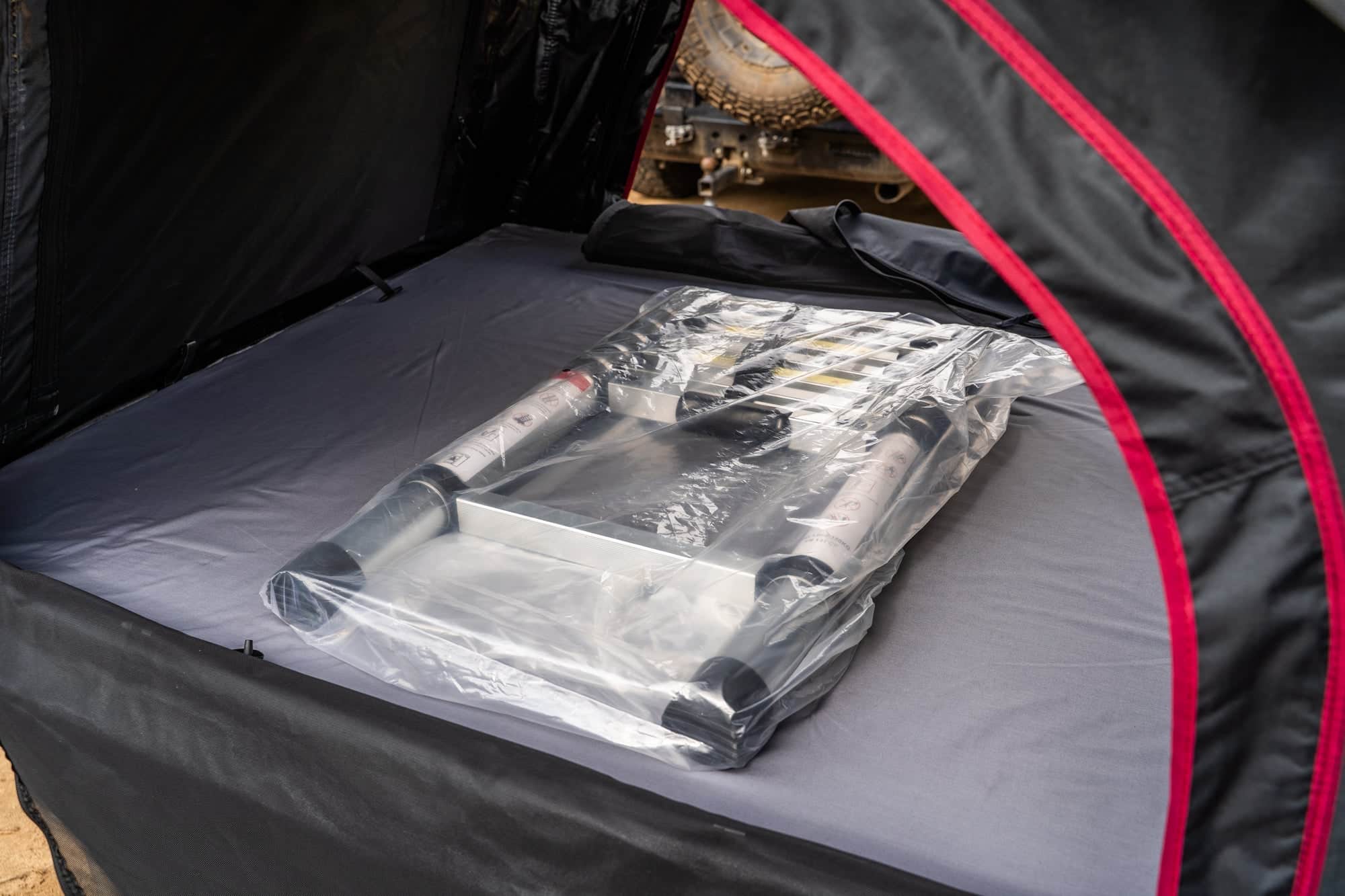
- Included: Ladder, mattress, accessory pouches, mounting hardware
- Not included: LED lighting, which the pricier Featherlyte models ship with
- Warranty: 1 year limited, per Featherlyte’s warranty page
- Price: $1,199, the cheapest tent Featherlyte makes
- Public owner reviews: None, at any retailer
- Best for: First rooftop tent buyers who want a real aluminum shell at the lowest price
11 min read
Disclosure: Spirit of 1876 is a 4wdTalk advertising partner and sells this tent. The two product modules in this review, including the five-tent carousel, are paid placements. Spirit of 1876 did not pay for, review, or approve this article. We have not field-tested this tent overnight.
In This Review
Featherlyte Baseline Overview
Rooftop tents rarely start below $1,500 with an aluminum shell attached. The Featherlyte Baseline does, at $1,199, and it is the cheapest tent Featherlyte Outdoors builds. So understanding what the company removed to hit the number matters more than any single specification.
The Baseline is a clamshell hardshell in the same family as Featherlyte’s AIRCREST and AIRRUSH. It shares their gas-strut lid and 7-inch packed height. Closed, it measures 88.5 by 53 inches and weighs 110 pounds. Featherlyte sells it in one configuration. In addition, no size or color options exist.
Featherlyte published a short introduction video for the line, and it shows the fold better than photographs do.
Spirit of 1876 lists it at $1,199, matching Featherlyte’s own price exactly. No discount, no compare-at figure, no sale. So $1,199 is the real price rather than a promotion, which is worth knowing before you wait for a deal.
How We Evaluated This Tent
I flew from California to Castle Rock, Colorado to work through this category in person. Owner Mike walked me across the Spirit of 1876 warehouse floor. However, I have not been hands-on with this specific model, and I have not slept in one. So every claim below traces to Featherlyte’s published material or to a documented source. I label which is which throughout.
Key Specs at a Glance
These figures come from Featherlyte’s published product page, which Spirit of 1876 mirrors exactly. The blank rows are not oversights on our part.
| Specification | Details |
|---|---|
| Type | Aluminum clamshell hardshell, gas-strut lid |
| Capacity | 2 people |
| Weight | 110 lbs |
| Dimensions closed | 88.5″ L x 53″ W x 7″ H |
| Dimensions open | Not published |
| Interior height | Not published |
| Mattress | 1 inch, no foam type or cover fabric published |
| Body fabric | Not published |
| Aluminum thickness | Not published |
| Load rating | Not published for any Featherlyte model |
| Season rating | Not published |
| Setup time | Not published |
| Included | Ladder, 1″ mattress, accessory pouches, mounting hardware |
| Warranty | 1 year limited, stated on Featherlyte’s warranty page, absent from the product page |
| Price | $1,199, no compare-at price |
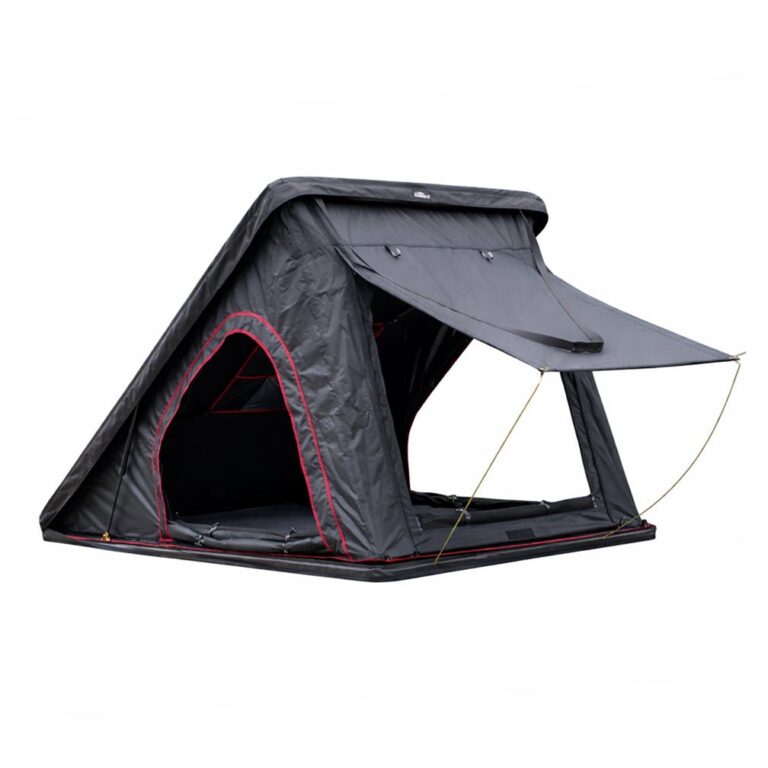
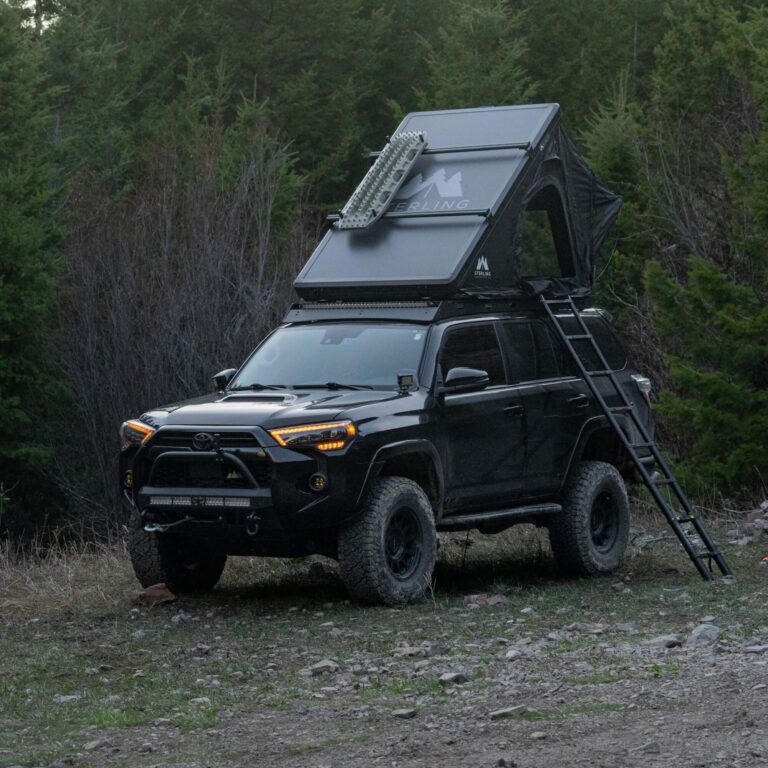
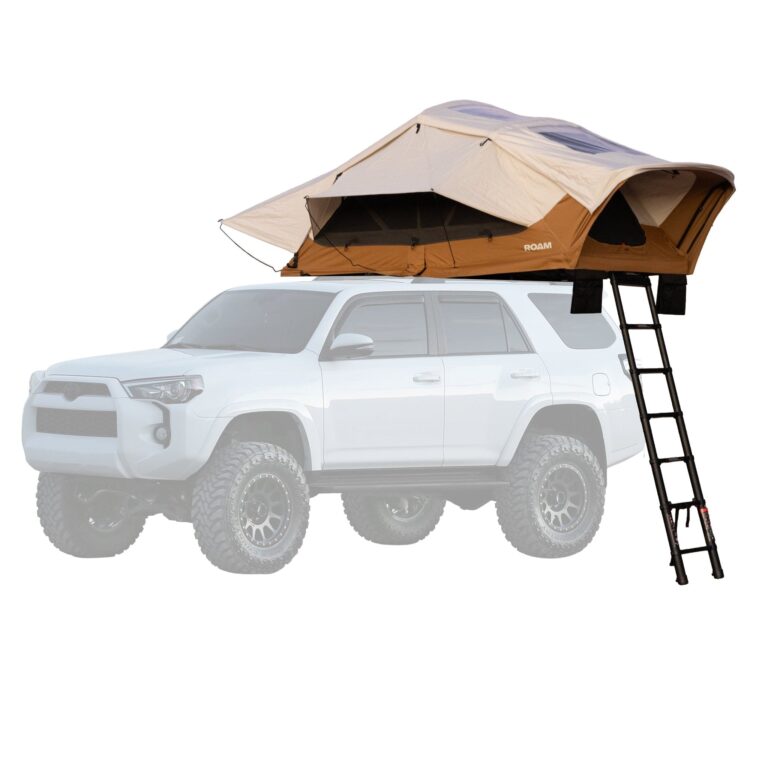
Other Rooftop Tents Worth Comparing

What Featherlyte Does Not Publish
Count the blanks above. Eight specification lines are missing, and they are the ones a buyer uses to compare tents. Open dimensions, interior height, fabric denier, aluminum thickness, load rating, season rating and setup time all go unpublished.
The omission is specific to this model rather than to the brand. For its pricier AIRRUSH and AIRCREST, Featherlyte publishes a full material breakdown. It covers aluminum thickness, fabric denier, strut force in newtons, zipper gauge, roof liner and top structure material. For the Baseline it publishes closed dimensions, a weight, and the phrase “1 inch Mattress.”
Two of those gaps carry real consequences. Without an open dimension or interior height, you cannot check whether you sit up inside. The closed 88.5-inch length tells you nothing about the sleeping floor either. A missing load rating leaves you no manufacturer figure to check your rack against. So plan around 110 pounds of tent plus occupants, and confirm your crossbars independently.
To be fair to the brand, no Featherlyte model publishes a load rating. Plenty of budget tents skip it too. Naming the gap simply lets you ask the dealer before you order rather than after.
What Got Stripped Out to Reach $1,199
Compare the Baseline against its siblings and the $400 to $600 gap resolves quickly. Three items come off the list.
First, the mattress. Featherlyte gives the Baseline a 1-inch pad and publishes nothing else about it. Its AIRRUSH and AIRCREST carry roughly 2.75 inches. Featherlyte builds those from a foam layer over high-density sponge, under a peach-skin velvet cover. Anyone who has slept on a thin pad over an aluminum floor knows how much difference two inches makes.
Second, the lighting. The AIRRUSH and AIRCREST include a USB-powered LED strip. The Baseline does not. Featherlyte’s parts store also labels its LED strip for the AIRCREST rather than selling it as a universal accessory. Budget for a separate camp light.
Third, the roof liner. Featherlyte specs a peach-skin velvet liner on its pricier tents and describes it as insulation for heat and cold. No liner appears in the Baseline’s inclusions. The accessory pouches also lose the iPad holder the other models advertise.
None of this makes the Baseline a bad tent at its price. Rather, it tells you where to spend your first upgrade dollars. A better mattress is the obvious one.
The Open Floor Nobody Advertises
Featherlyte tents use an open floor rather than a sealed base. The company has never put this on a product page. It surfaced instead in a September 2024 overlanding forum thread, where a Featherlyte co-designer explained the reasoning directly.
His argument, verbatim: “We wen with an open floor design so if water always has a way out, but not a way in.” He continues: “The open floor allows air in, and water out. Tents with sealed bottoms have more issues with water because it gets trapped on the frame and can’t air out while driving.”
The engineering logic holds up, and it partly explains the weight. Prospective buyers in the same thread pushed back on climate grounds, though. One reader in the Pacific Northwest asked how waterproof the underside is. He would not remove the tent for most of the year. Another described a friend in Sweden who runs an open-bottom tent and “HAS to dry the tent out thoroughly before closing it up using a diesel heater.”
So treat this as a genuine design tradeoff rather than a defect. In dry climates the open floor helps the tent air out on the drive home. In persistently wet ones it becomes a maintenance chore, and the Baseline ships with no heater port to speed drying.
The Serviceability Promise
Featherlyte’s central marketing claim is repairability. Its copy reads: “All our tent models are fully serviceable, with every part easily replaceable in minutes.” The company backs it up by selling gas struts, ladders, mounting plates, bolts, rail caps and tent fabric individually. In this category, such a parts catalog is unusual.
One caveat belongs alongside it. Featherlyte’s replacement parts catalog is built around the AIRRUSH and AIRCREST platform, and its listings name those models. We found no Baseline-labelled part in the catalog. The Baseline uses a different mattress, no LED strip and no roof liner. So confirm parts availability with Featherlyte in writing before treating serviceability as a Baseline feature.
The warranty deserves the same scrutiny. Featherlyte’s warranty page describes a one-year limited warranty against manufacturing defects. It excludes misuse, neglect, natural disasters, aesthetic changes, and items deemed improperly maintained. Neither Baseline product page mentions a warranty at all. One year is short for this category, where two years is common.
Baseline vs. the Rest of the Featherlyte Line
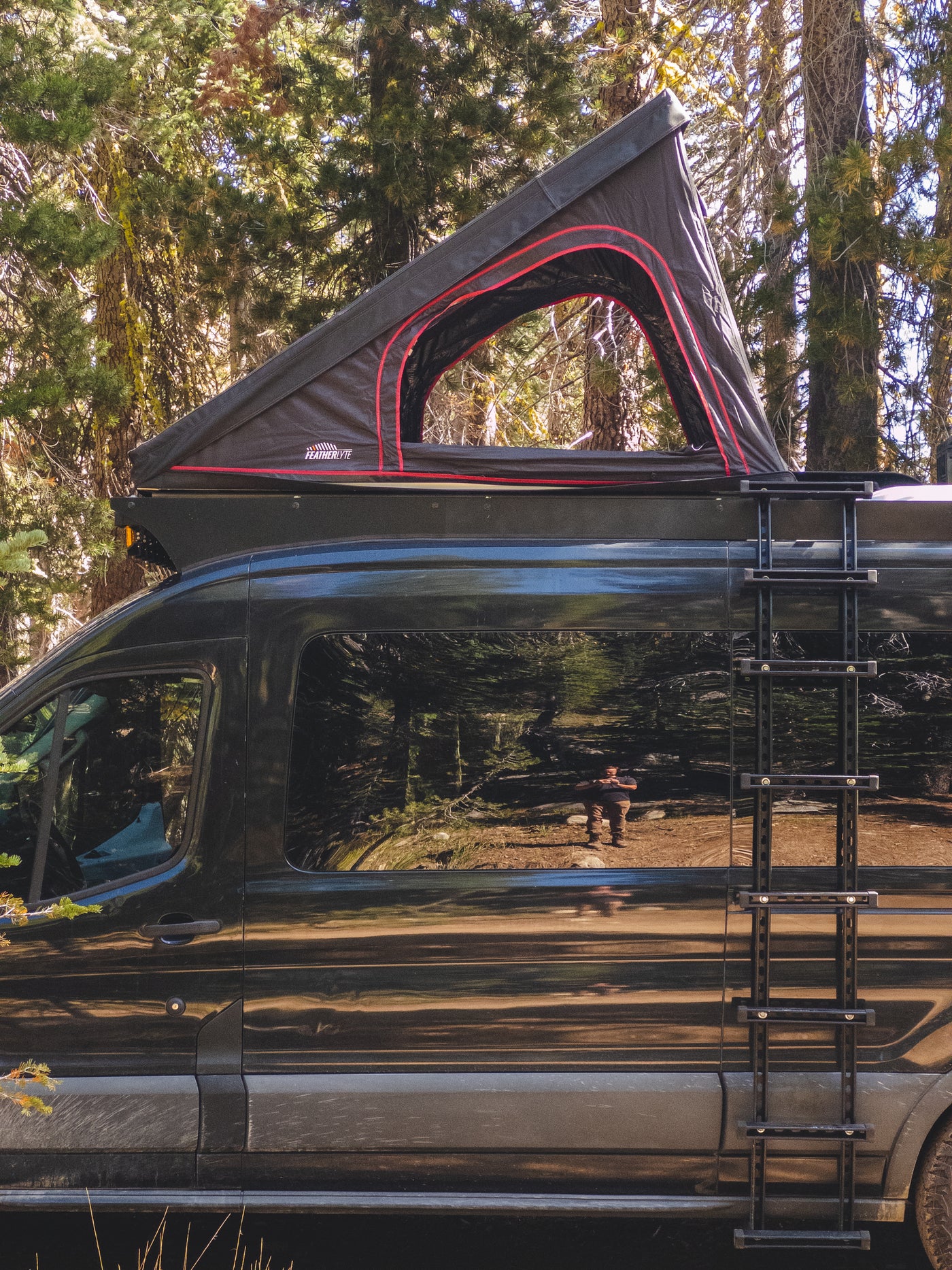
Featherlyte sells six rooftop tents. Picking between them is mostly a question of how much mattress and lighting you want.
| Model | Price | Weight | Mattress | LED strip |
|---|---|---|---|---|
| Baseline Medium | $1,199 | 110 lbs | 1″ | No |
| Baseline XL | $1,299 | 110 lbs | 1″ | No |
| AIRRUSH | $1,599 | 104 lbs | ~2.75″ | Yes |
| AIRCREST | $1,799 | 112 lbs | ~2.75″ | Yes |
Medium or XL
The XL question resolves quickly. For $100 more it grows to 90.5 by 58 inches closed, at the same 110 pounds and with identical inclusions. If your rack takes the extra 5 inches of width, take the XL.
The step up to the AIRRUSH is the more interesting one. Four hundred dollars buys the thicker mattress, the LED strip, the roof liner, and a published spec sheet. Notably, the AIRRUSH is where Featherlyte starts documenting what its tents are made of. Our Featherlyte Aircrest review covers the platform in detail, and the AIRRUSH is the same tent 6 inches narrower.
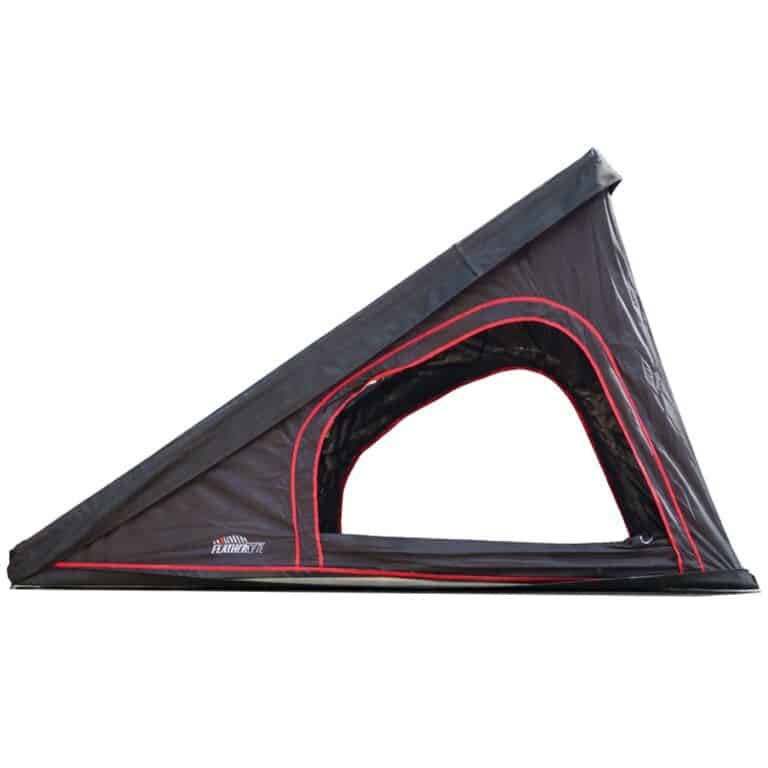
Featherlyte Baseline 2 Person Rooftop Tent, Medium
An aluminum clamshell at $1,199, packing to 7 inches closed and weighing 110 pounds. Ladder, mattress, pouches and mounting hardware all ship in the box.
- Cheapest aluminum-shell rooftop tent Featherlyte makes
- 7-inch closed height keeps drag and garage clearance manageable
- 110 lbs makes it a two-person install
- Replacement parts sold individually rather than whole-tent swaps
- Ladder, mattress, pouches and hardware included
- 1-inch mattress against roughly 2.75 inches on the pricier models
- No LED lighting or roof liner, both standard further up the line
- Featherlyte publishes no open dimensions, load rating or fabric spec
- 1-year warranty, where 2 years is common in this category
Is the Featherlyte Baseline Worth It?
For a first rooftop tent, yes, with your eyes open. At $1,199 the Baseline gets you an aluminum clamshell, a gas-strut lid, a 7-inch packed height and a ladder. Call it a hardshell package at a softshell price. Most tents at this number are fabric fold-outs.
Meanwhile the serviceability angle is real and undersold elsewhere. Featherlyte sells struts, ladders, plates and fabric as individual parts, so a failed component does not condemn the whole tent. Confirm Baseline-specific parts availability first, since the published catalog names the pricier models.
Three reservations belong on the record. First, the 1-inch mattress is thin. Most owners will replace or supplement it, so budget for the upgrade on day one. Second, Featherlyte publishes no open dimensions, interior height, load rating or fabric spec for this model. Comparing it against anything is therefore difficult. Third, no owner review of the Baseline exists at any retailer, so there is no field record to lean on.
So here is the practical read. Buy the Featherlyte Baseline if $1,199 is your ceiling and you want a hard shell rather than a fold-out. Plan a mattress upgrade with it. Step up to the AIRRUSH or the AIRCREST for thicker foam, lighting and a published spec sheet. If a documented track record matters more than price, buy an established shell instead. Our best rooftop tents roundup covers the longer-running options.
Frequently Asked Questions
How much does the Featherlyte Baseline weigh?
The Baseline weighs 110 pounds in both Medium and XL. Featherlyte publishes no roof load rating for any of its tents. So check your own crossbars against 110 pounds plus occupants before ordering.
What is the difference between the Baseline and the AIRCREST?
Price and content. Specifically, the Baseline runs $1,199 with a 1-inch mattress and no lighting. The AIRCREST runs $1,799. It adds roughly 2.75 inches of layered foam, a USB LED strip, a roof liner and a published material spec.
Does the Featherlyte Baseline have a solid floor?
No. Instead, Featherlyte tents use an open floor, which a company co-designer explained publicly in 2024 as a drainage and airflow choice. Neither product page mentions it. In wet climates you will need to dry the tent thoroughly before closing it.
How many people does the Featherlyte Baseline sleep?
Two, per Featherlyte. Specifically, the Medium measures 88.5 by 53 inches closed and the XL 90.5 by 58 inches. However, Featherlyte publishes no open dimensions or interior height, so confirm the sleeping floor with your dealer.
What warranty comes with the Featherlyte Baseline?
Featherlyte’s warranty page states a one-year limited warranty against manufacturing defects. Neither Baseline product page mentions a warranty. One year is shorter than the two years common in this category, so factor it into the price comparison.
Is the Featherlyte Baseline worth it?
For a first hardshell on a $1,199 budget, yes. Above all, the aluminum shell and included ladder justify the price. Buyers who want a thick mattress, interior lighting or a published spec sheet should step up to the AIRRUSH instead.
Related Reading
Advertising disclosure. Spirit of 1876 is a 4wdTalk advertising partner and an authorized dealer of this tent. The two product modules above, including the five-tent carousel, are paid placements. Spirit of 1876 did not pay for, review, or approve this article before publication. This review draws on Featherlyte’s published specifications, retailer listings, and a public statement from a Featherlyte co-designer. 4wdTalk has not slept in this tent or deployed it in the field.