


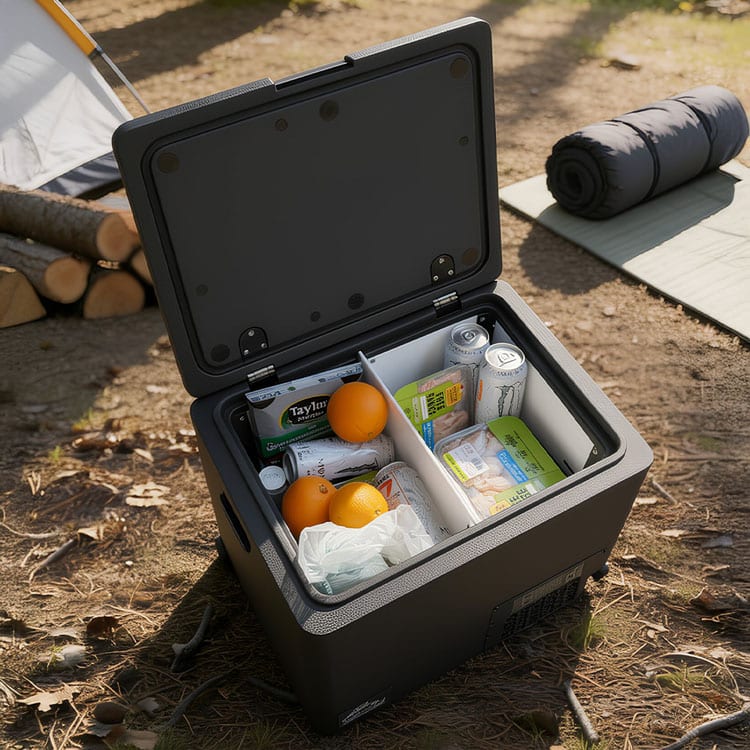
Food storage becomes a real challenge the moment your trips stretch beyond a single night. Ice melts faster than expected, soggy packaging ruins meals, and the search for fresh groceries cuts into valuable trail time. Many travelers reach a point where the cooler that once felt sufficient suddenly feels like the weakest part of the setup.
A quality overlanding fridge changes how you plan trips, how long you stay out, and how comfortable camp life feels. Reliable refrigeration removes the daily ice run, protects your food supply, and gives you the freedom to bring real ingredients instead of shelf-stable compromises. That shift in capability explains why portable compressor fridges have become one of the most discussed upgrades in vehicle-based travel.
This guide explains how to choose the right overlanding fridge by focusing on the factors that matter most in real-world travel. Instead of chasing brand names or marketing features, you will learn how weight, power use, cooling performance, construction, and usability affect your experience on the road. The TRP4x4 Mammoth, which I’ve reviewed in detail here, will serve as a practical example of what to look for when evaluating options.
Why a Portable Overlanding Fridge Matters
Long trips depend on reliable food storage. Without refrigeration, meals revolve around dry goods, canned food, and frequent grocery stops. Those stops cost time and limit how far you can travel between towns. An overlanding fridge removes that limitation and lets you plan trips around destinations rather than supply runs.
Food safety becomes easier to manage when temperatures remain stable, too. Meat, dairy, and fresh produce can stay safely chilled for days instead of hours. That consistency reduces waste and allows better meal planning. Many travelers find they eat healthier and spend less money on last-minute convenience meals.
Comfort also improves in ways that people often underestimate. Cold drinks after a long trail day feel refreshing. Frozen ice packs help manage injuries. Fresh ingredients allow proper breakfasts and dinners instead of repetitive snacks. These small upgrades add up and transform the experience of extended travel.
Compressor Fridge vs Traditional Cooler
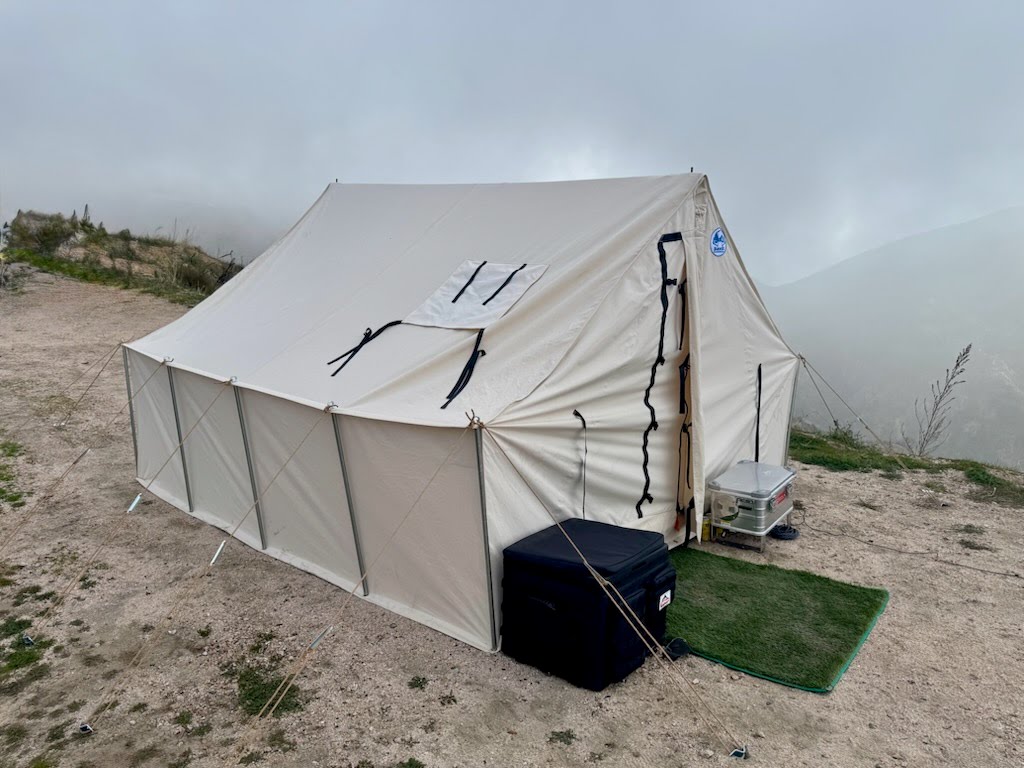
Traditional coolers rely on ice to maintain low temperatures. Ice melts, water accumulates, and temperatures fluctuate. Even high-end rotomolded coolers still depend on frozen water as the cooling source. That approach works for short trips but becomes inconvenient for extended travel.
Compressor fridges operate more like a home refrigerator. A small compressor circulates refrigerant to actively cool the interior. This system maintains consistent temperatures regardless of outside heat. It also eliminates the need to manage melting ice.
Long-term costs often favor a compressor fridge. Regular ice purchases add up quickly, especially during summer travel. Removing that recurring expense makes a fridge easier to justify over time. The convenience factor alone often becomes the deciding point for many travelers.
Core Buying Considerations for an Overlanding Fridge
Shoppers often focus on brand reputation first. A better approach involves evaluating the core specifications that determine daily usability. Weight, capacity, power use, cooling performance, and durability should guide the decision.
Understanding these factors helps buyers avoid overspending on features they will never use. It also prevents frustration caused by choosing a fridge that does not match real travel needs.
Weight and Portability
Weight affects every stage of travel. Loading gear, organizing storage, and rearranging camp setups all become harder when equipment grows heavier. Many traditional portable fridges weigh 45 to 60 pounds before adding food.
A lightweight overlanding fridge changes how you use it. Instead of permanent mounting, you can lift, carry, and reposition it easily. This flexibility benefits solo travelers and smaller vehicles where every pound matters.
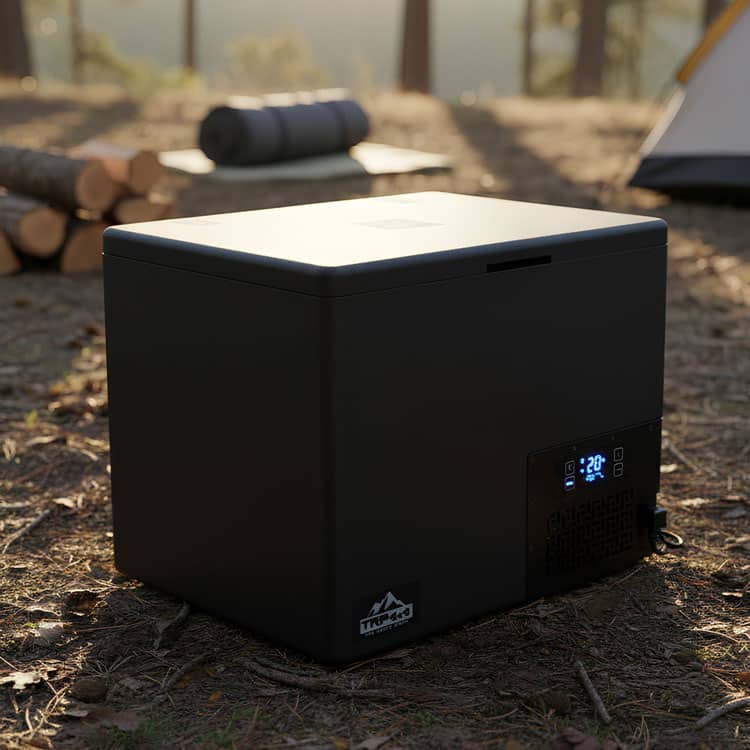
The TRP4x4 Mammoth demonstrates how weight can redefine usability. At only 15 pounds, it removes the need for heavy-duty fridge slides or mounting brackets. This difference affects packing efficiency, installation cost, and daily convenience.
Capacity and Real-World Storage
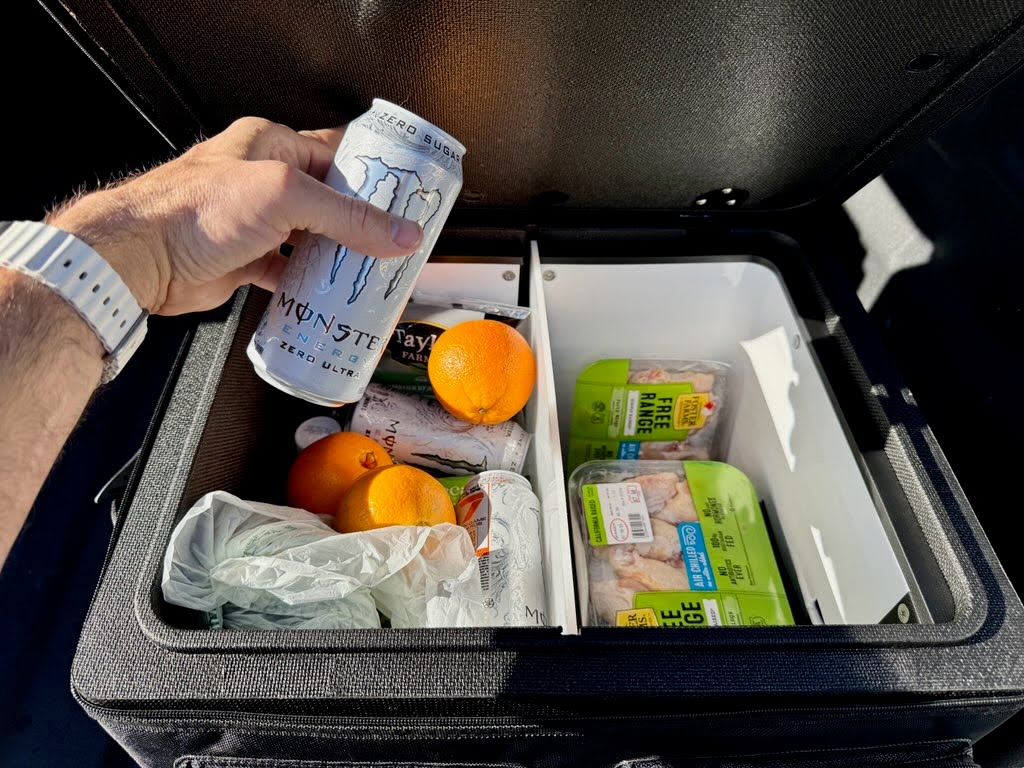
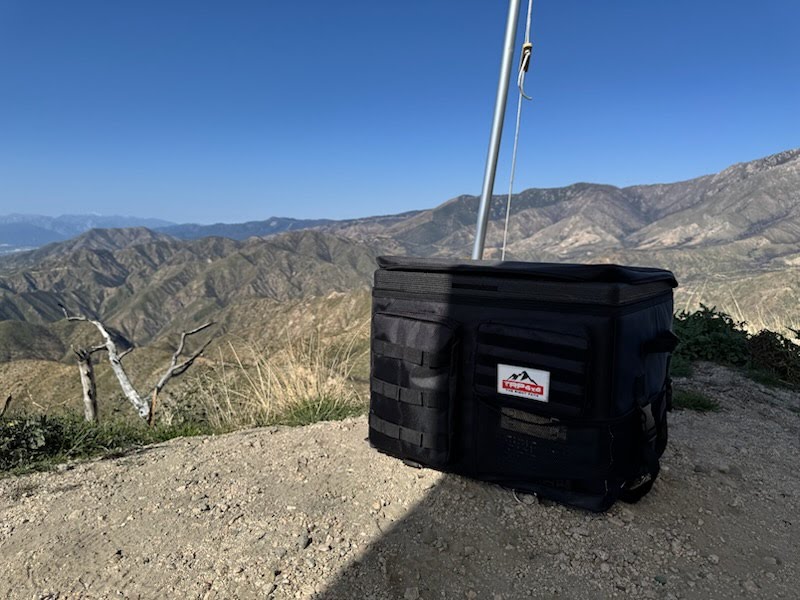
Capacity measurements can be misleading. Liters describe total volume but do not always reflect usable space. Internal layout plays a major role in how efficiently food fits inside.
A 40-liter fridge often suits solo travelers or couples on multi-day trips. Families and larger groups may need additional storage or multiple units. Choosing the right size prevents wasted space and unnecessary power consumption.
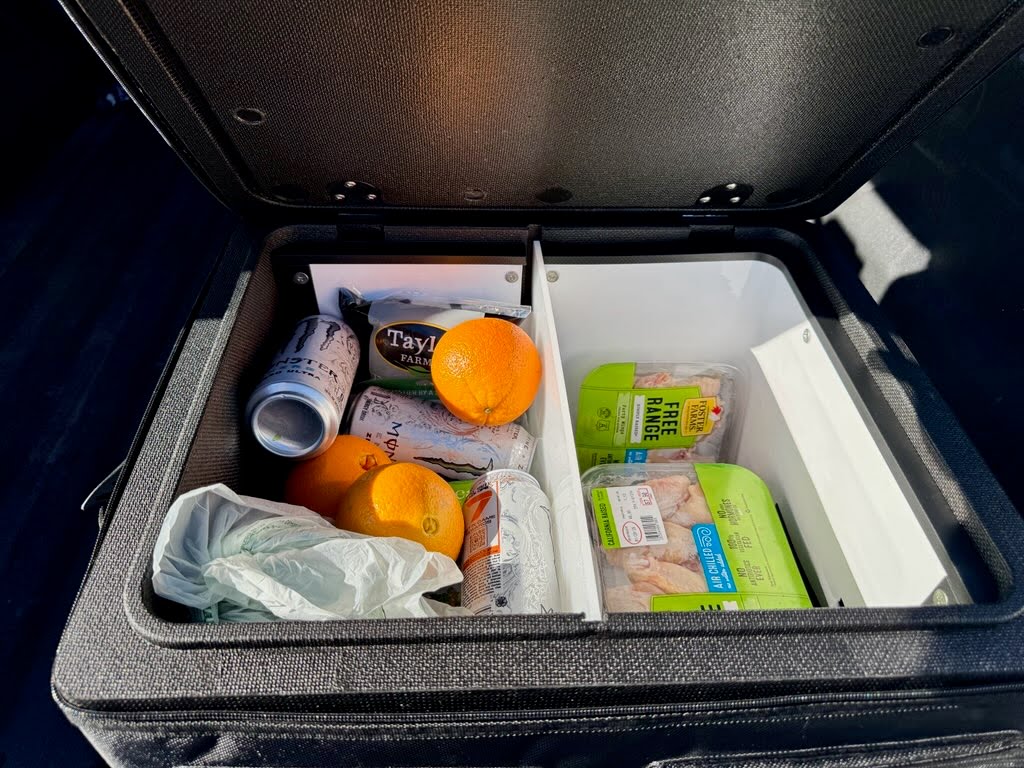
The TRP4x4 Mammoth offers 40 liters of capacity in a compact footprint. Its removable divider allows flexible organization, enabling a cooler and freezer-style setup within a single compartment. That flexibility helps travelers adapt to different trip styles.
Power Efficiency and Battery Friendliness
Power use determines how long your fridge can run without draining your battery. Energy efficiency becomes critical during multi-day trips when solar or battery systems must sustain multiple devices.
Many compressor fridges draw between 30 and 60 watts while cooling. Efficient insulation reduces how often the compressor runs, which saves power over time.
For example, the Mammoth has demonstrated cooling draws around 24 to 36 watts during testing. This level of efficiency supports battery and solar setups and helps reduce power anxiety during extended trips.
Cooling Performance and Temperature Range
Fast cooling matters when loading groceries after a long drive. Warm food placed inside the fridge needs rapid temperature reduction to maintain safe storage.
A wide temperature range increases versatility. Some travelers want refrigeration only, while others want freezing capability for longer trips.
The TRP4x4 Mammoth cools from 50 degrees Fahrenheit to 14 degrees Fahrenheit and can move from warm conditions to near freezing in about 12 minutes under MAX cooling mode. This performance supports both fridge and freezer use.
Build Materials and Durability
Off-road travel exposes gear to vibration, dust, and temperature extremes. Durable construction protects internal components and extends product lifespan.
Expanded polypropylene, or EPP, offers strong insulation while remaining lightweight. This material also absorbs vibration well, reducing stress on internal components.
The Mammoth uses an EPP body that balances insulation and durability. This construction helps reduce compressor workload while maintaining structural toughness.
Mounting vs Grab-and-Go Design
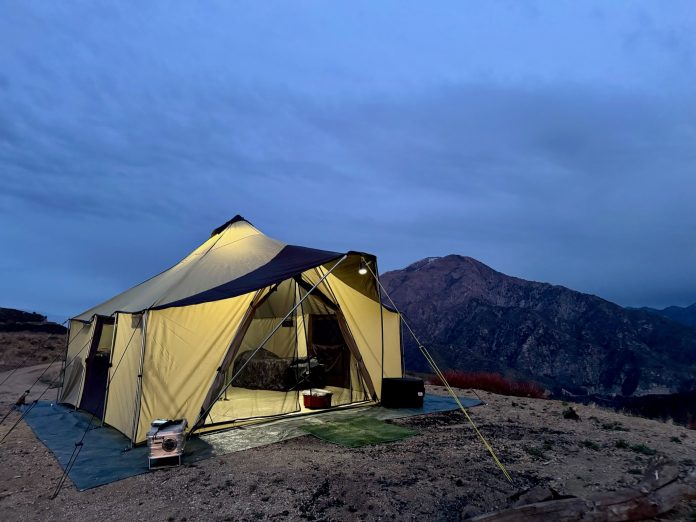
Many traditional fridges require permanent mounting systems. Slides and brackets improve accessibility but add cost, weight, and complexity.
A grab-and-go overlanding fridge offers greater flexibility. You can move it between vehicles, bring it into campsites, or use it for daily errands.
Lightweight construction makes the Mammoth suitable for portable use without mounting hardware. This approach appeals to travelers who value adaptability.
Smart Features and Connectivity
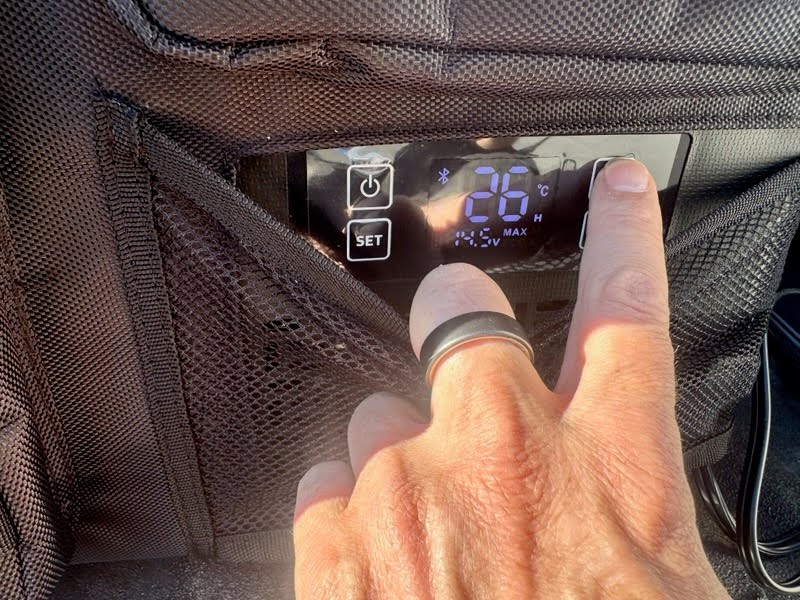
Modern fridges increasingly include wireless connectivity. Remote monitoring allows travelers to adjust temperatures without opening the lid.
Bluetooth apps provide temperature control, mode selection, and system monitoring. These tools help maintain food safety and reduce energy use.
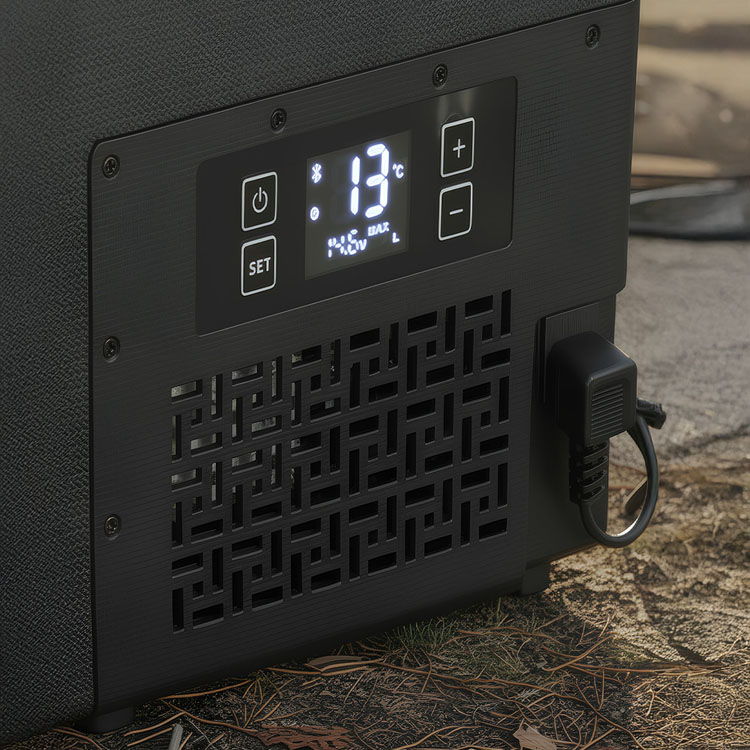
The Mammoth includes Bluetooth control through a dedicated app. Users can switch between ECO and MAX modes and adjust temperatures remotely.
Power Options and Charging Flexibility
Multiple power inputs improve versatility. Vehicle power supports travel days, while AC power allows home use or campsite hookups.
The Mammoth supports 12V and 24V DC as well as 100V to 240V AC. This flexibility allows use at home, on the road, or at powered campsites.
How to Choose the Right Size Fridge
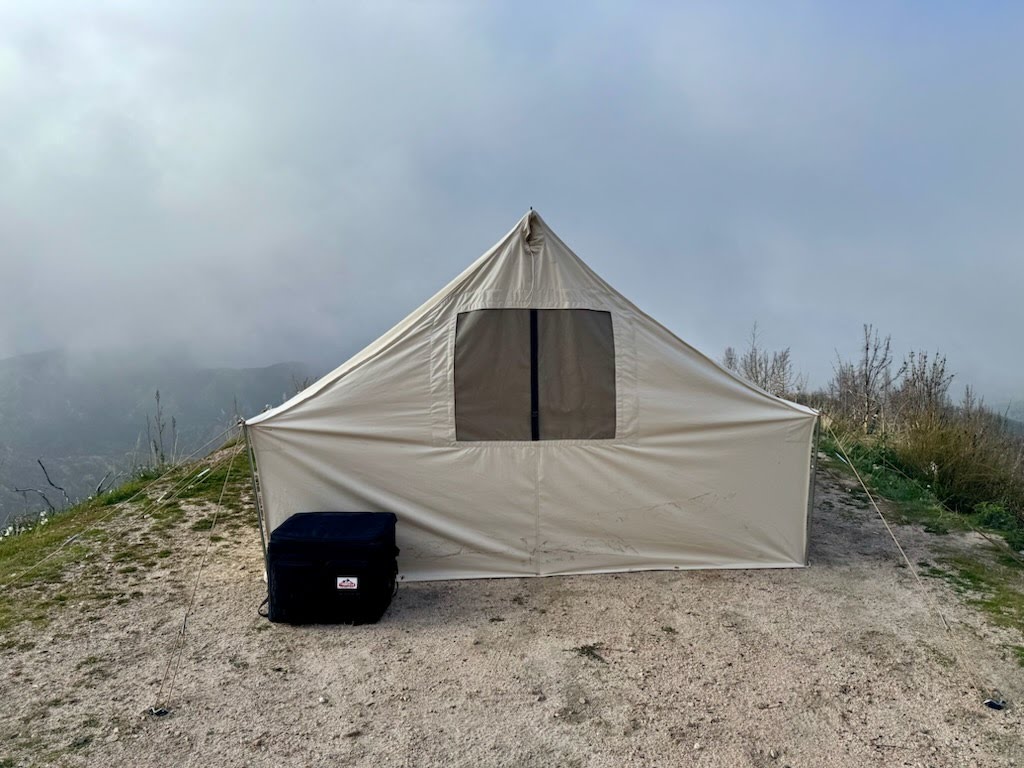
Choosing the right size overlanding fridge starts with an honest look at how you travel and how you eat on the road. Capacity is usually measured in liters, but real-world storage depends on how efficiently you pack and how long you plan to stay out. A smaller fridge forces more frequent resupply stops, while an oversized unit wastes space, power, and payload capacity.
Solo travelers often find that a 30 to 40-liter fridge provides a practical balance between storage and efficiency. This size can hold several days of meals, drinks, and basic ingredients without taking over valuable cargo space. A compact fridge also fits more easily into smaller SUVs, crossovers, and trucks where storage space is limited.
Couples typically benefit from slightly more capacity, especially when trips extend beyond a long weekend. A 40 to 50 liter fridge allows room for fresh meals, snacks, drinks, and leftovers without constant reorganization. The extra volume also helps when shopping in bulk before heading into remote areas.
Families and group travelers often move beyond single fridge setups. Two smaller units can work better than one large fridge because they allow the separation of food categories. Many experienced travelers dedicate one unit as a freezer and the other as a refrigerator. This setup improves organization, protects frozen food, and allows longer trips without resupply.
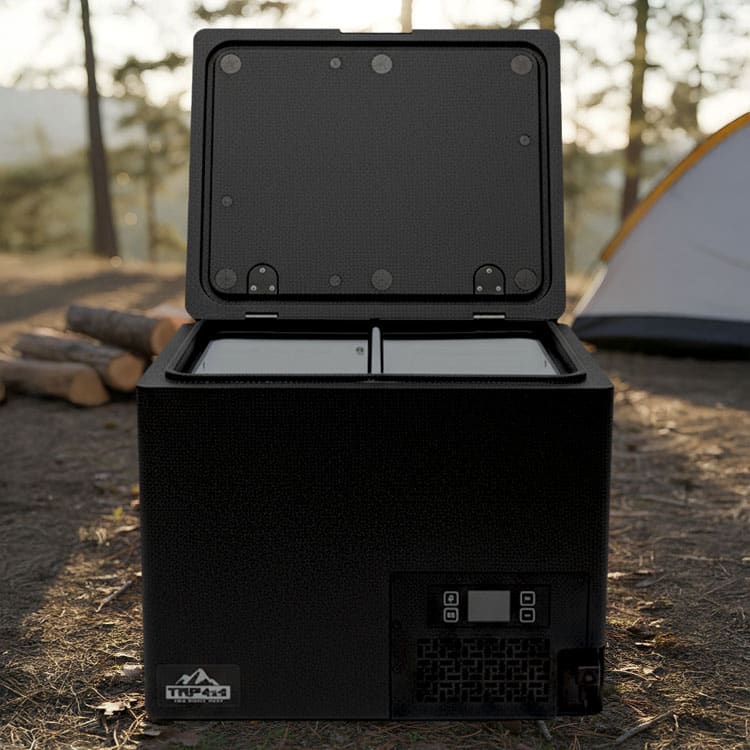
The TRP4x4 Mammoth offers a useful example of how flexible sizing can work in practice. Its 40-liter capacity fits the needs of solo travelers and couples while remaining compact enough to move easily between vehicles or campsites. The removable divider allows users to create warmer and colder zones, which adds flexibility without the complexity of a dual-zone system.
Common Mistakes Buyers Make
One of the most common mistakes buyers make when choosing an overlanding fridge is focusing on maximum capacity instead of realistic needs. A larger fridge seems appealing at first, but it requires more space, more power, and more effort to move. Many travelers discover that oversized fridges become inconvenient during daily use.
Weight is another factor that often gets overlooked. A heavy fridge may seem manageable in a showroom, but lifting it in and out of a vehicle quickly becomes tiring. This issue becomes more noticeable during solo travel or when reorganizing gear at camp.
Power consumption also causes problems for new buyers. Compressor fridges rely on batteries and solar systems, and inefficient units can drain power faster than expected. Buyers who underestimate energy use often find themselves worrying about battery levels instead of enjoying their trip.
Some buyers also spend money on features they rarely use. Advanced displays, complicated dual-zone systems, and unnecessary accessories can increase cost and complexity. A simpler overlanding fridge that focuses on efficiency and portability often provides a better long-term experience.
Portability becomes especially important after the first few trips. Travelers quickly realize that a fridge is not just a vehicle accessory. It gets moved, repositioned, and used in many environments. Choosing a model that is easy to carry and store helps avoid frustration later.
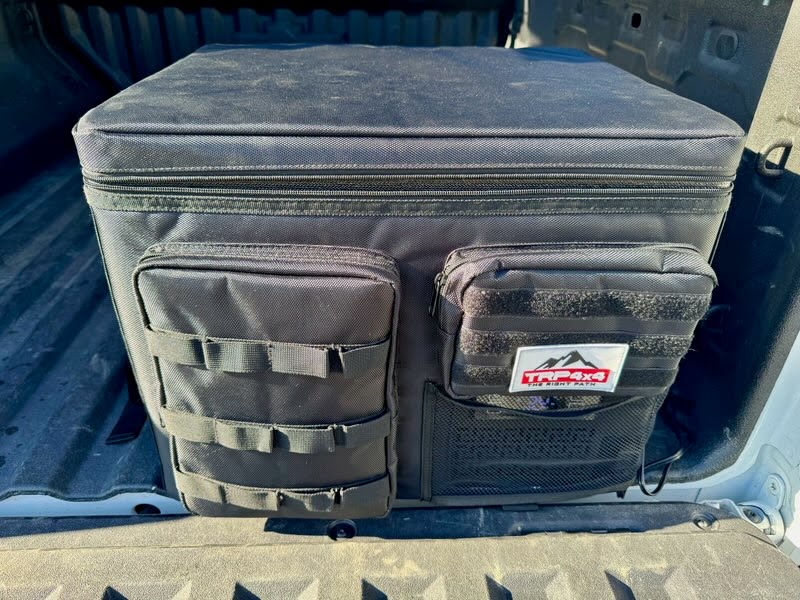
How the TRP4x4 Mammoth Fits Into the Market
The portable fridge market includes a wide range of options, from heavy-duty expedition units to lightweight travel-focused designs. Many traditional models prioritize large capacity and permanent mounting. This approach works well for dedicated overland builds but does not suit every traveler.
The TRP4x4 Mammoth represents a different approach that focuses on portability and efficiency. At only 15 pounds, it sits far below the weight of many comparable 40-liter fridges. This difference changes how the fridge fits into real travel scenarios.
Energy efficiency also plays a major role in its positioning. Efficient cooling reduces strain on battery systems and simplifies power planning. Travelers who rely on solar setups or portable power stations benefit from lower energy draw.
The Mammoth also highlights the value of simplicity. Instead of overwhelming users with complex features, it focuses on core functionality such as reliable cooling, flexible storage, and Bluetooth control. This approach appeals to travelers who want dependable performance without unnecessary complexity.
Checklist for Choosing Your Overlanding Fridge
- Start with weight. Choose a fridge you can lift safely and move without assistance. This single factor influences daily usability more than most buyers expect.
- Match capacity to your travel style. Consider how many people you travel with, how long trips last, and how often you resupply. Realistic planning prevents wasted space and unnecessary power use.
- Confirm compatibility with your power system. Your fridge should work with your vehicle, battery setup, and campsite power sources. Flexible power options simplify travel and reduce stress.
- Evaluate cooling performance based on climate. Hot environments demand efficient insulation and reliable compressors. Strong cooling performance protects food and extends trip duration.
- Consider portability and storage. The fridge should fit your vehicle layout and allow easy access at camp. Flexible placement improves convenience during daily use.
- Align your purchase with real needs and budget. A reliable mid-range overlanding fridge often provides better value than a feature-heavy premium model.
Choosing a Fridge That Matches How You Travel
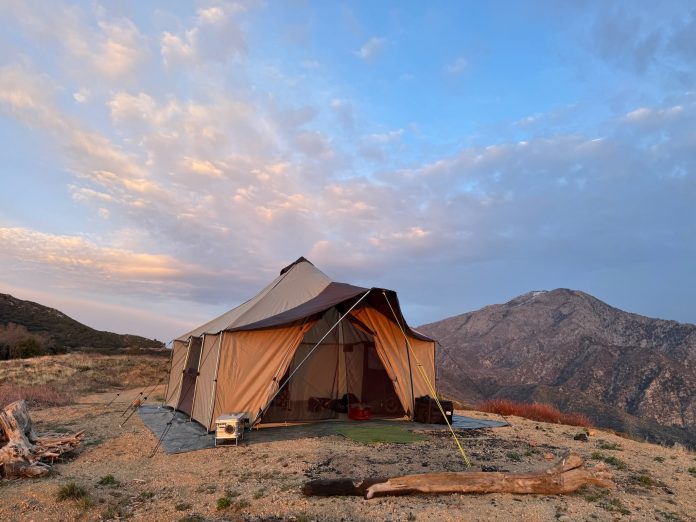
A portable fridge becomes valuable when it removes friction from daily routines. Meal planning becomes easier because you can shop once and trust that your food will stay safe. Camp setup becomes faster because you stop dealing with melted ice, draining water, and reorganizing soggy food. The real benefit is not the appliance itself. The benefit is the time and mental energy you get back on every trip.
Long-term reliability matters more than feature lists. Travelers depend on refrigeration for food safety and trip planning. Consistent performance builds confidence to travel farther from towns and remain out longer. A dependable overlanding fridge quietly supports this independence. Lightweight and efficient designs, such as the TRP4x4 Mammoth, show how thoughtful engineering can support that confidence without adding complexity.
Versatility also becomes more important over time. Many travelers discover that their fridge sees year-round use beyond camping. Grocery runs, road trips, sporting events, and emergency food storage all become easier with portable refrigeration. A fridge that adapts to different roles delivers value far beyond occasional weekend trips.
The best decision focuses on long-term usefulness rather than short-term excitement. When a fridge fits naturally into your routine and supports how you travel, it stops feeling like gear and starts feeling essential.