



Quick Facts:
- Topic: Bead grip wheels, beadlocks and InnerLock, three ways to keep a tire seated at low pressure.
- Stock wheel floor: About 12 psi on most trucks and SUVs, according to MotorTrend.
- Beadlocks: A bolted ring clamps the bead, so the seal does not depend on air pressure.
- Bead grip wheels: Grooves and a more aggressive safety hump grip the bead on a one-piece wheel.
- InnerLock: ICON uses O-ring-sealed pins along the inner bead, with no outer ring.
- Street use: Many true beadlocks are marked off-road only, while ICON states InnerLock is DOT compliant.
- Best for: Trail drivers deciding whether a stock wheel is enough.
8 min read
In This Guide
Overview
Bead grip wheels, beadlocks and InnerLock all solve one problem: keeping the tire bead seated when you air down. Lose a bead on a remote trail and your day gets long. Each design answers it differently. If you stay near 12 psi, most trucks and SUVs need none of them. MotorTrend reports stock wheels hold a bead to about 12 psi on most rigs.
Below, you get the pressure range where each design earns its cost. You also get the legal and shop-service questions behind each choice.
Treat every psi figure below as a range owners report on enthusiast forums, instead of a guarantee. Tire load range, rim width and rig weight shift each number, and your wheel maker’s specification always wins.
Why Your Tire Loses Its Bead Below 12 PSI
A tire stays on a standard wheel because air pressure presses the bead against the rim flange. Specifically, Method notes a standard wheel relies on inflation pressure alone to seal. As pressure drops, the grip weakens, and sideways force might peel the bead off the seat.
The sideways force comes from terrain. For example, an off-camber rock or a hard turn in sand loads the sidewall far more than a straight crawl does. MotorTrend reports about 12 psi works on non-beadlock wheels for most trucks and SUVs, although debeading risk rises below it.
Owners tell a similar story. Many run 12 to 15 psi on ordinary wheels for years without losing a bead. MotorTrend says its testers peeled tires off non-beadlock wheels during spirited driving in sand. In my view, most trail drivers never need true beadlocks.
Your tire and load also matter. A stiff load range E tire on a heavy, loaded overland rig behaves differently from a soft tire on a light Wrangler. Owners of heavy, loaded rigs report airing down only to about 18 to 25 psi. The floor you run sets the wheel you need. Our off-road PSI chart by terrain lists starting pressures. Meanwhile, tire pressure mistakes new off-roaders make covers the errors behind many lost beads.
Deflators and Gauges for Keeping the Bead Seated
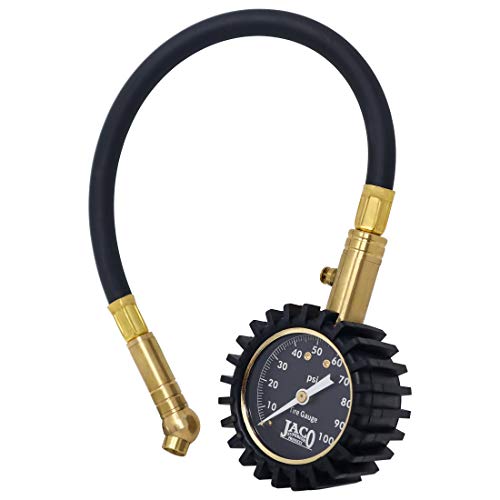
Before you air down, pick a reliable tool. The widget below shows deflators and gauges worth a look, while our best tire deflators for overlanding guide explains how to pick one.
Tire deflators and a pressure gauge for airing down


ARB ARB505 Deflator Kit 10-60 PSI Tire Pressure Gauge Rapid Air Dow…

JACO RapidFlow Tire Deflator with Gauge (0-60 PSI) | Rapid 4x4 Off …
How True Beadlocks Work
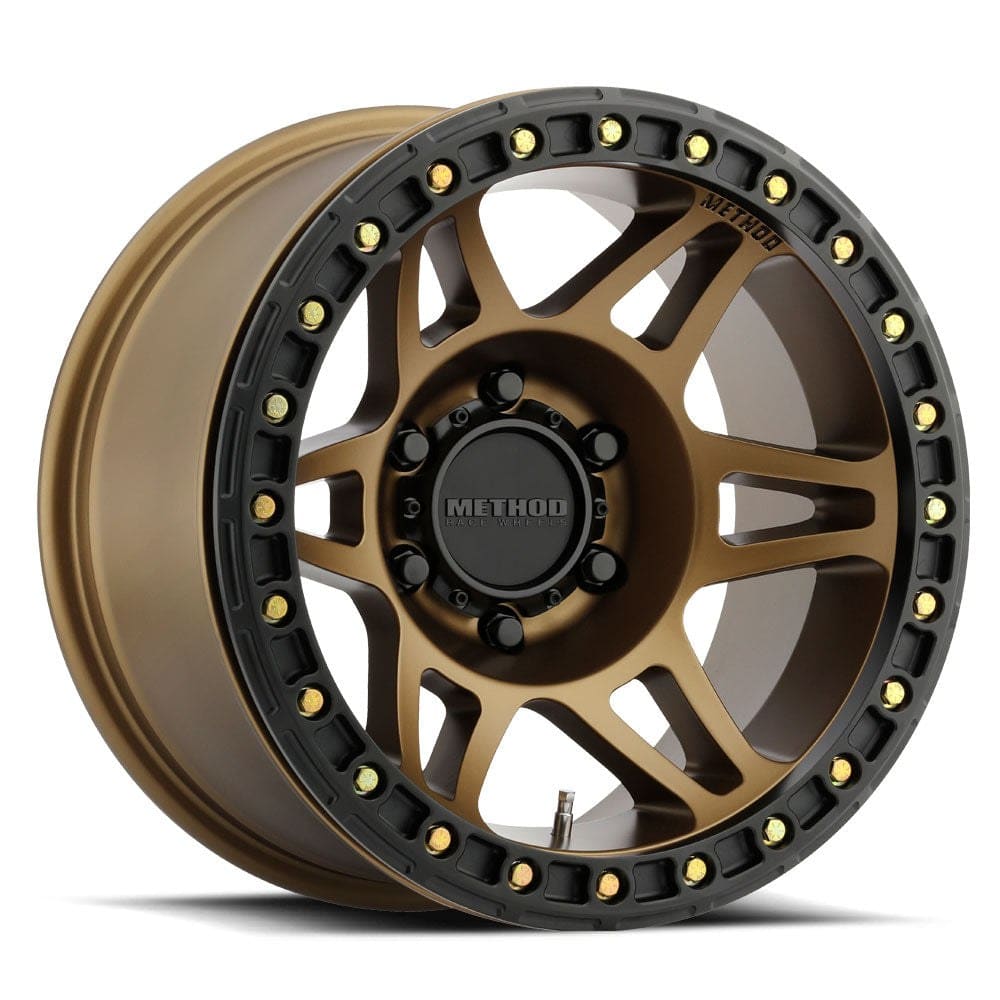
When air alone stops holding the bead, a mechanical clamp takes over. A true beadlock bolts a metal ring over the tire bead and clamps it to the wheel. Method explains this clamping force keeps the seal independent of air pressure. As a result, the tire stays put at pressures where a standard wheel would let go. Read how a beadlock wheel works for a part-by-part breakdown.
MotorTrend lists about 3 psi for sand and snow and 7 to 10 psi for rock. Owners who run beadlocks also report similar single-digit pressures.
However, the trade-off is upkeep. KMC tells owners to check air before each use. It also says to tighten the bolts in a star pattern, repeating it two more times. Torque figures differ by brand and bolt size, so use your wheel maker’s number.
Mounting is the hidden cost. KMC says a professional with beadlock experience should install the wheels, and Discount Tire notes not every store installs them. Owners report many shops refuse beadlocks. Others bill shop-rate labor, so get a quote first. In my opinion, true beadlocks only make sense if you routinely live in single-digit psi and accept the upkeep.
How Bead Grip Wheels and InnerLock Wheels Work
How Bead Grip Wheels Hold the Bead
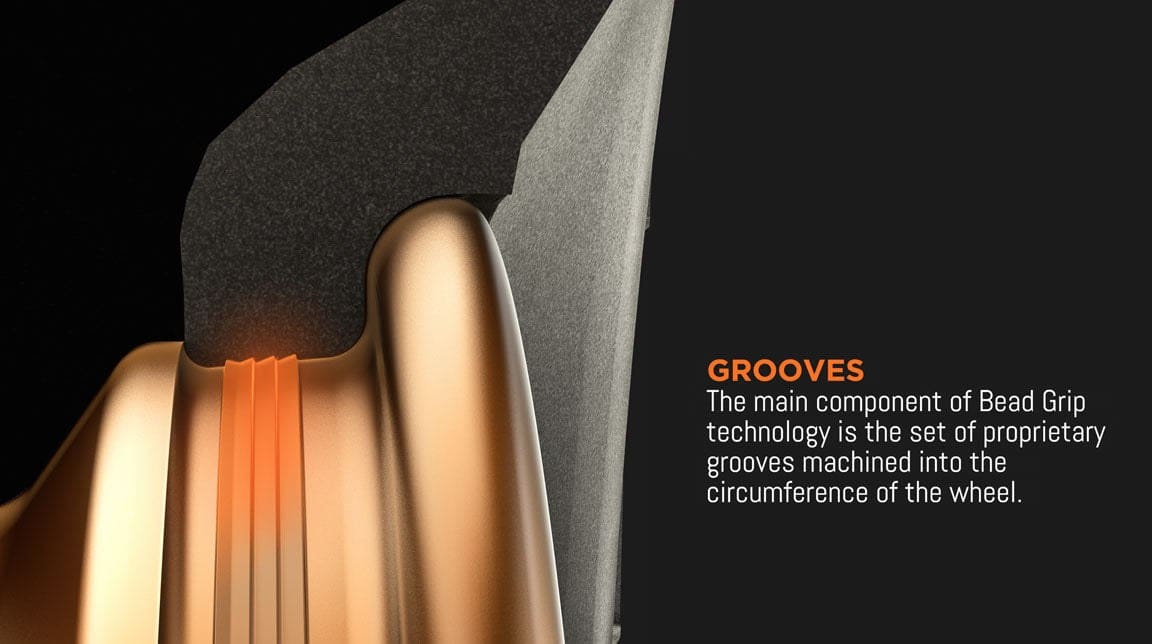
Bead grip wheels keep a one-piece design. Method puts grooves on both the inner and outer bead seats and gives the safety hump a more aggressive profile. The brand says Bead Grip aims to be the bridge between a conventional street wheel and a beadlock.
Owners who air down to the low teens report bead grip wheels hold up. Several also run them near 10 psi. One owner reports two lost beads on bead grip, once on rock and once in fast sand. Treat the design as extra margin. Bead grip wheels mount at an ordinary tire shop with no bolts to retorque. However, owners say the tires are tight to dismount.
Rock rash on the lip and valve stems close to the edge are the common complaints, especially on rock trails. Method lists its 703 machined and 708 gloss black Bead Grip wheels at about $366 each. Bead grip is the setup I would point most weekend wheelers toward.
How InnerLock Wheels Hold the Bead
ICON’s InnerLock wheels hide the retention inside the wheel. According to ICON, patented, O-ring-sealed alloy pins sit along the inner bead, with no outer ring and no bolts to retorque. Moreover, the company states the design is DOT compliant. Any shop with a standard machine mounts it after backing out the pins, ICON adds.
ICON also cites a lab test using the FMVSS 139 bead-unseat procedure, modified to 10 psi. The tire withstood more than 7,600 pounds without debeading. Because the lab is not named, treat the result as a manufacturer claim. ICON also lists a 28-pound assembled weight, a 3,200-pound load rating and prices from about $347 to $414 per wheel.
Independent owner reports on InnerLock are thin, and some come from brand-affiliated voices. One owner said his tire shop saw O-rings tear during installs, while an ICON employee reported no issues. For this reason, the InnerLock comparison here stays descriptive, not a verdict.
Bead Grip Wheels vs Beadlocks vs InnerLock Side by Side
In the table below, prices come from the makers’ own pages at the time of writing, while pressure ranges come from owner reports and MotorTrend.
| Feature | True beadlocks | Bead grip | InnerLock |
|---|---|---|---|
| How it holds the bead | Bolted clamp ring | Grooves and a safety hump | Internal O-ring-sealed pins |
| Pressure range owners report | About 3 to 10 psi | Low teens down to about 10 psi | Few owner figures; ICON cites a 10 psi lab test |
| Highway use | Many marked off-road only | Method says it stays highway legal | ICON states DOT compliant |
| Upkeep | Torque checks and bolt replacement | No bolts to retorque | No bolts to retorque |
| Shop mounting | Many shops refuse | Ordinary shops, tight to dismount | Any shop after backing out the pins, per ICON |
| List price per wheel | About $587 to $608 (Method) | About $366 (Method) | About $347 to $414 (ICON) |
The pattern is clear. Cost and upkeep rise from bead grip to true beadlock as the pressure floor drops. Therefore, pay only for the range you drive in.
Simulated Beadlocks and Street Legal Beadlocks Explained
A simulated beadlock is a regular wheel with a decorative ring added to the face. Since the ring adds no retention, you air down no lower than you would on any standard wheel. A simulated look is a style choice, not bead retention.
Street legal beadlocks sit in a gray area. In practice, the label rests on the maker’s DOT compliance claim. KMC says its beadlocks are not intended for regular highway use. TR Beadlock Wheels says its models are DOT compliant, yet its real beadlock versions are still marked for off-road use. Discount Tire also says beadlocks are generally not legal for highway use unless they carry DOT approval.
No single label settles it, since state inspection requirements differ. Ask your wheel maker for the exact marking and check with your state before you buy.
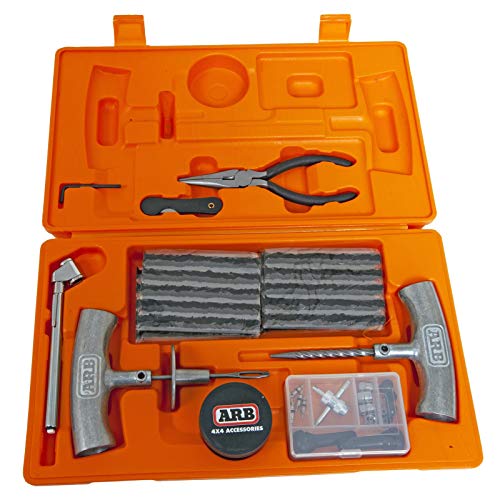
Legal status aside, every design still needs a refill at the trailhead. A portable compressor and a plug kit keep a low-pressure day from ending early.
Portable compressors and a plug kit for the trailhead refill



Which Bead Retention Fits Your Driving
Start with the lowest pressure you routinely run, then weigh legality and shop access.
Weekend Trails and Overland Travel
If you air down to 12 to 15 psi on gravel and moderate trails, a stock wheel is usually enough. Some owners with heavy, loaded rigs stay higher, around 18 to 25 psi. Bead grip wheels also make sense when you want a margin for rocky or sandy days.
Sand and Snow
Sand and snow push pressure down toward 3 psi, and this is where retention pays off. Bead grip wheels suit the 10 to 12 psi crowd. True beadlocks earn their cost for drivers who stay in single digits for long stretches. InnerLock has few independent pressure figures so far.
Rock Crawling and Daily Drivers
Slow technical rock work is the classic beadlock use. Our rock crawling technique guide shows why the pressure drops so low. If the rig is also your daily driver, convenience and legality should weigh heavily. Bead grip fits the daily driver better, because ordinary shops mount it. ICON says the same of InnerLock. Pick the wheel for the pressure you run, not the pressure you picture yourself running.
Final Thoughts
Most drivers should start with the simplest answer. If your trips stay near 12 psi on a stock wheel, you need no extra bead retention. Keep the cash for tires, recovery gear or a good compressor.
When you want more margin, bead grip wheels are the first upgrade to consider. They mount at ordinary tire shops and ask for no bolt maintenance. Their one-piece design also stays close to a stock wheel. True beadlocks reward the driver who lives in single-digit pressures and enjoys the maintenance routine. InnerLock is worth watching, although most of the evidence comes from the maker for now.
Whatever you choose, carry a gauge and a compressor, and follow your wheel maker’s torque and pressure guidance. Then you will enjoy the trail without worrying about where your tire bead sits. Pick the wheel for the trails you love.
FAQ
Do I need beadlocks for overlanding?
Many overlanders do not. Owners of heavy, loaded rigs report staying around 18 to 25 psi. Also, MotorTrend reports stock wheels hold a bead to about 12 psi on most trucks and SUVs. Consider true beadlocks only if you routinely run below 10 psi.
Are beadlock wheels street legal?
It depends on the wheel and your state. Many true beadlocks are marked off-road only, while Discount Tire says they are generally not legal for highway use without DOT approval. Check the marking and your state rules first.
How low should you air down without beadlocks?
MotorTrend reports about 12 psi works on most trucks and SUVs. Owners often stay at 12 to 15 psi on ordinary wheels. Terrain, tire stiffness and rig weight also move the floor.
Are bead grip wheels as good as a beadlock?
Not at the extreme low end. Owners call bead grip a compromise: simpler mounting, no maintenance and lower cost, but less margin than a bolted ring in single-digit pressures.
How do simulated beadlocks differ from real ones?
A decorative ring on the wheel face only changes the look. Real beadlocks use the ring to clamp the tire bead, which keeps the tire seated in single-digit pressures.
How often should you torque beadlock bolts?
Sources differ. MotorTrend suggests roughly quarterly bolt checks, and owners report monthly routines. KMC adds an air check before each use. Follow the schedule and torque spec from your wheel maker.
Related Reading