


Quick Facts:
- Result: The Jeep Recon highway range measured 160 miles at a steady 75 mph.
- Efficiency: 1.7 miles per kWh from a 94-kWh pack, per Car and Driver.
- EPA estimate: 222 miles for the Moab trim, so the result fell about 28 percent short.
- Test vehicle: 2026 Jeep Recon Moab launch edition, the only trim on sale.
- Price: $66,995 including destination.
- Weight: Car and Driver’s scales read 6,190 pounds.
- Best comparison: Jeep Wagoneer S, which covered 280 miles in the same test.
- Source: Car and Driver Testing Hub story from October 2, 2026.
5 min read
In This Article
Jeep Recon Highway Range: What the Test Found
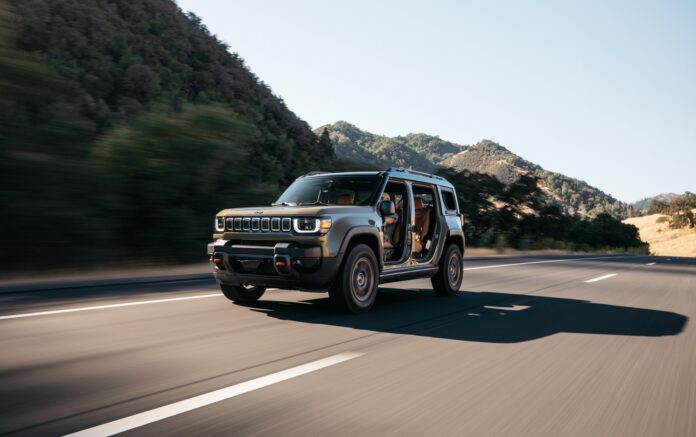
The Jeep Recon highway range measured 160 miles in Car and Driver’s standard test. First, the editors charge the SUV to 100 percent. Then they hold a steady 75 mph on the highway near their office. They have run more than 100 EVs through this routine.
Against the EPA estimate of 222 miles for the Moab launch edition, this result lands far lower. Car and Driver also recorded 1.7 miles per kWh from the 94-kWh pack. However, Jeep’s spec sheet lists the pack at 100.5 kWh, so battery figures differ by source.
We also covered the 222-mile claim, the price, and the Trail Rated hardware in our 2026 Jeep Recon overview. For wider context, see our look at electric off-road vehicles and overlanding.
I have owned five Jeeps and love the brand, so I wanted the Recon to do better here. At about $67,000, I expect more than 160 highway miles from any Jeep, and a short range makes home charging matter.
Because a short range makes home charging matter, a 240-volt charger is the first purchase to consider. For example, the AIMILER 32A, the Grizzl-E Classic, and the Emporia 48A each use a J1772 plug. Also, Car and Driver lists an 11 kW onboard charger, so units up to 48 amps fit.
Level 2 home chargers for an EV

AIMILER Level 2 Electric Vehicle (EV) Charger(WIFI APP/Plug-play)


Recon Test Numbers at a Glance
The table below pairs the Recon with the Wagoneer S and two other EVs from the same Car and Driver test.
| Vehicle | Range at 75 mph | Efficiency | Battery | Weight |
|---|---|---|---|---|
| 2026 Jeep Recon Moab | 160 miles | 1.7 mi/kWh | 94 kWh | 6,190 lb |
| Jeep Wagoneer S | 280 miles | 3.0 mi/kWh | 94 kWh | Not stated |
| 2022 GMC Hummer EV Edition 1 | 290 miles | 1.4 mi/kWh | 205 kWh | 9,640 lb |
| 2025 Mercedes-Benz G580 | 160 miles | 1.4 mi/kWh | 116 kWh | 6,908 lb |
Car and Driver puts the Hummer and G580 results at roughly half the efficiency of many EVs on sale today. Similarly, the Recon, at 1.7, lands in the same bottom group. Notably, it does so while weighing far less than the Hummer.
Why the Jeep Recon Highway Range Drops
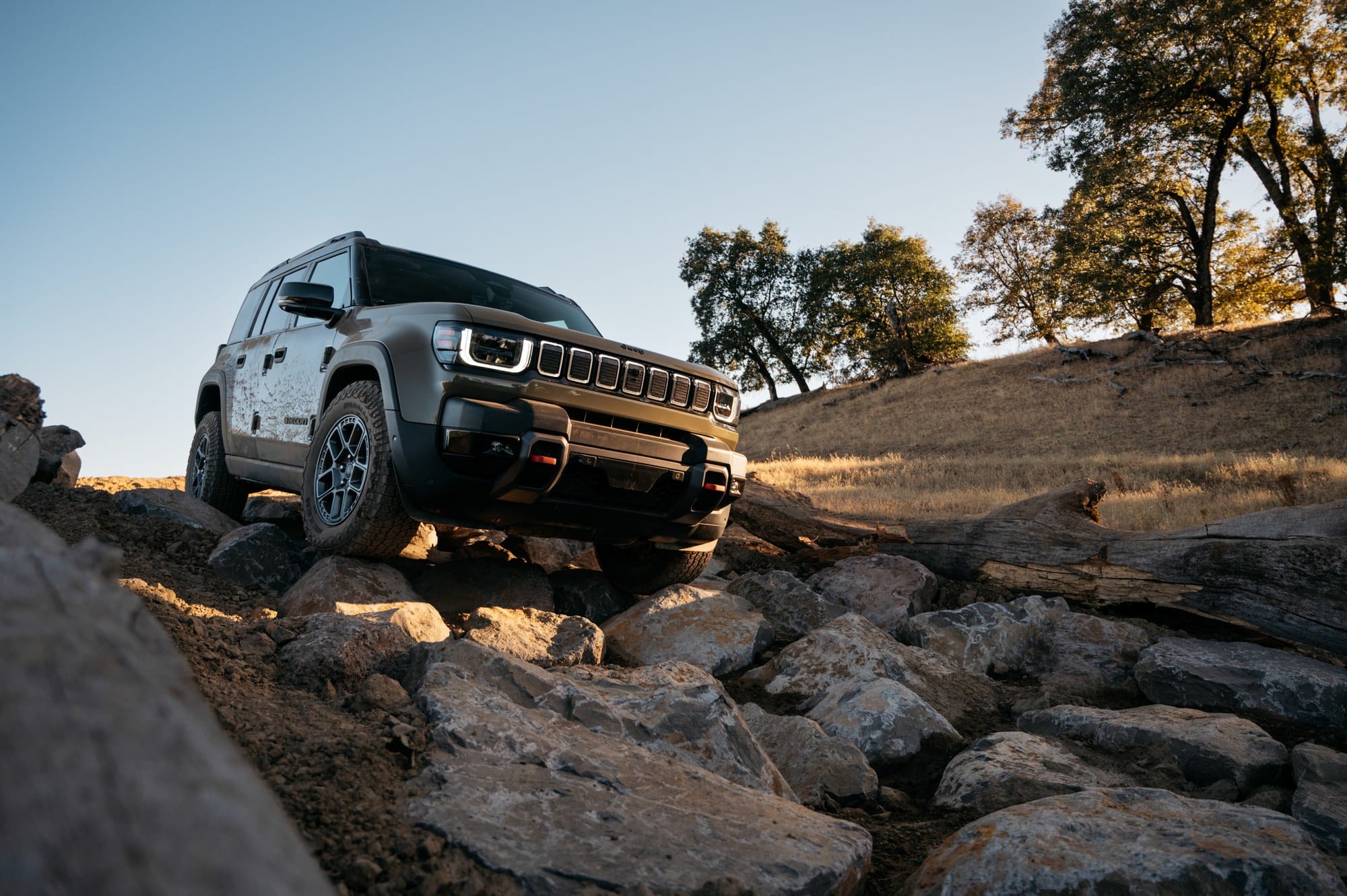
Aerodynamic drag grows fast at highway speed, and the Recon has a boxy shape. Car and Driver lists the Recon’s drag coefficient at 0.40 and its frontal area at 32.7 square feet.
Next, multiply those two numbers to compare drag between vehicles. The Recon scores about 13.1, while the Wagoneer S scores about 8.4 from its 0.29 coefficient and 29.1 square feet. As a result, the Recon faces roughly 55 percent more air resistance at the same speed.
Ground clearance and tires also add to the range penalty. The Recon sits 9.1 inches off the ground and rides on 265/70R18 all-terrain tires, according to Jeep’s spec sheet. In contrast, the Wagoneer S sits 6.4 inches up on more street-oriented tires, says Car and Driver.
Weight is not the whole story either. The Recon weighed 6,190 pounds on Car and Driver’s scales, which is 718 pounds less than the G580. Yet both vehicles stopped at 160 miles, and the G580 carries a larger 116-kWh pack.
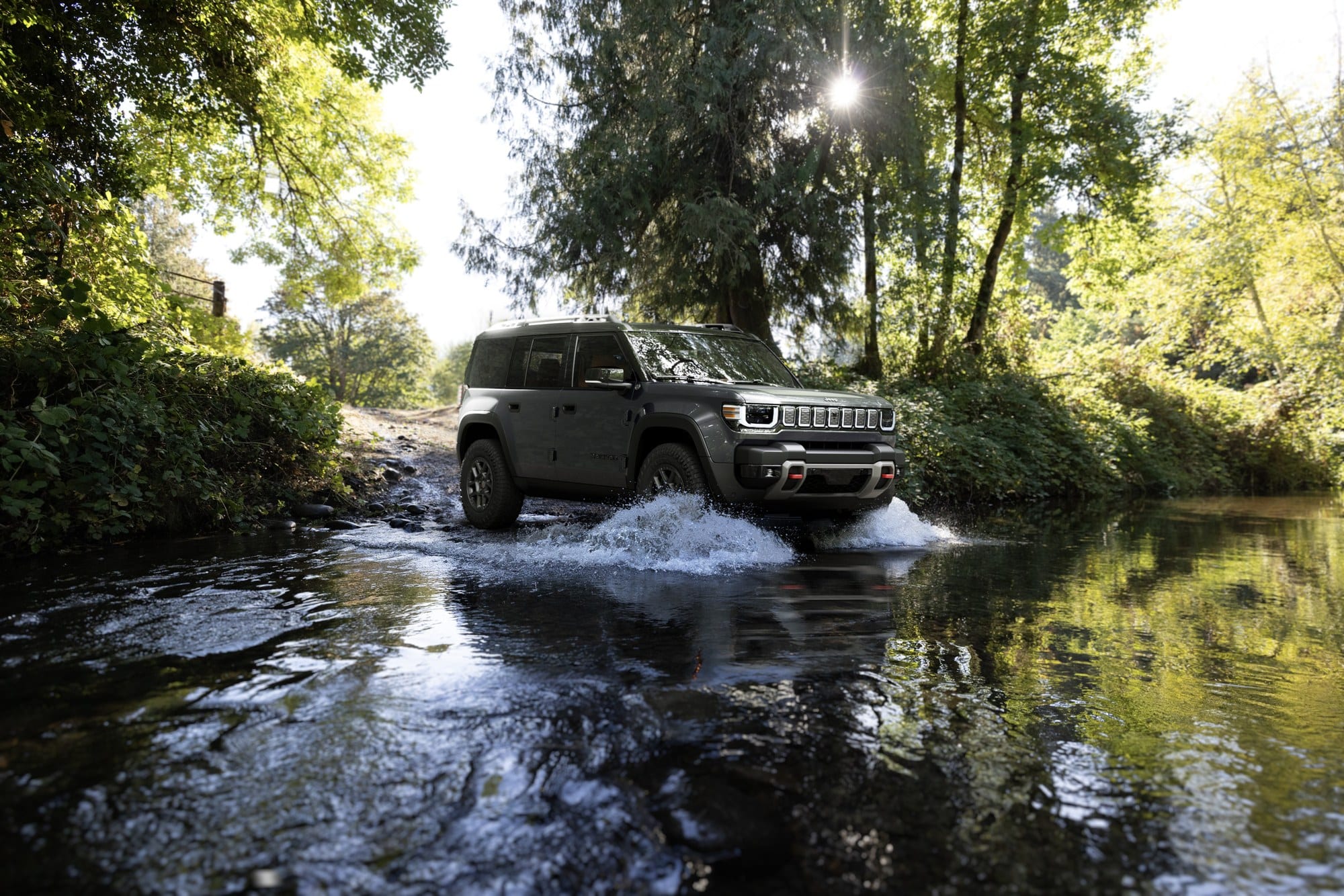
The trail hardware explains part of the trade-off. Jeep lists 670 horsepower, a 24-inch wading depth, and approach and departure angles of 33.8 and 33.1 degrees. Those traits help on rocks and creek crossings, but they cost energy on the highway. According to Car and Driver, the Recon’s efficiency falls short of industry standards for the sake of its off-road credentials.
Jeep Recon Highway Range vs. Wagoneer S Range
The Wagoneer S shares the Recon’s platform, and Car and Driver says it uses the same 94-kWh pack. In the same test, it covered 280 miles at 3.0 miles per kWh. Put simply, the Wagoneer S range beat the Recon’s range by 120 miles.
Jeep rates the Wagoneer S at 294 miles by EPA estimate, while its test result came in about 5 percent below the label figure. In contrast, the Recon missed its label by 28 percent. The pair shows pack size alone does not set highway range.
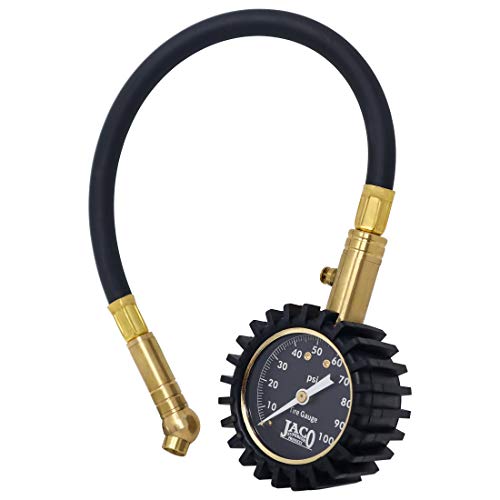
Tires shape highway efficiency, and pressure is the setting you control. First, a reliable gauge matters, so the JACO ElitePro digital gauge gives a quick reading and the JACO ElitePro dial gauge serves as a backup. Then the VIAIR 400P compressor tops off the Recon’s 265/70R18 tires, since it handles up to 35 inches.
Tire pressure and inflation gear



What This Means for You
Plan interstate trips around 160 miles instead of 222, and keep a reserve. Car and Driver tests at a steady 75 mph from a full charge, so your results will vary with speed, weather, and tires. The 62-mile gap equals about 28 percent of the EPA estimate. For example, a 300-mile interstate day at 75 mph needs at least one charging stop. Our look at the Toyota Hilux EV range problem shows how rated range fades at highway speed on another electric truck.
Charging also needs a plan. Jeep lists a 5 to 80 percent DC fast charge in 28 minutes, according to its Recon FAQ. At home, Jeep lists about 6.8 hours on a 240-volt circuit and about 52 hours on a standard 120-volt outlet, both for a 5 to 80 percent charge. Therefore, most buyers will want a 240-volt charger in the garage.
Trail trips add another constraint. Since many trailheads have no charger, you need enough range for the round trip plus a reserve. Shoppers on the Jeep and EV forums raise this worry, especially with larger tires. Charging access is improving, and our summary of the Rivian Adventure Network charging buildout shows where overlanders stand today.
Tire pressure is the cheapest range tool you control. Because low pressure raises rolling resistance, check it cold at least once a month, and again before a long highway day.
Final Thoughts
The Recon is a Trail Rated Jeep with a real highway range problem. Although Car and Driver’s 160 miles at 75 mph comes from a demanding test, long road trips happen at those speeds.
I love the Jeep brand, and I want electric Jeeps to succeed. Still, at about $67,000, I would want more highway range before I signed the paperwork.
If you drive mostly around town and camp within a short drive of home, the 222-mile EPA rating and a garage charger fit your routine. Drivers who road-trip often should test-drive the Wagoneer S as well, since it went 120 miles farther in the same test.
Finally, wait for real owner reports. Because the Recon is new, everyday numbers from drivers will tell you more than any single test, and I hope those numbers beat 160 miles.
Recon Range FAQ
What is the Jeep Recon highway range?
Car and Driver measured 160 miles at a steady 75 mph from a full charge. However, Jeep’s EPA rating for the Moab trim is 222 miles.
How many miles per kWh does the Recon get?
Car and Driver recorded 1.7 miles for every kWh from the 94-kWh pack. In contrast, the Wagoneer S managed 3.0 in the same test.
Why does the Recon use more energy than the Wagoneer S?
It has a higher drag coefficient, a larger frontal area, more ground clearance, and all-terrain tires. As a result, it fell 120 miles short of the Wagoneer S in the test.
How long does a Jeep Recon take to charge?
Jeep lists 28 minutes for a 5 to 80 percent DC fast charge. On the other hand, a 240-volt home circuit takes about 6.8 hours for a 5 to 80 percent charge, per Jeep.