


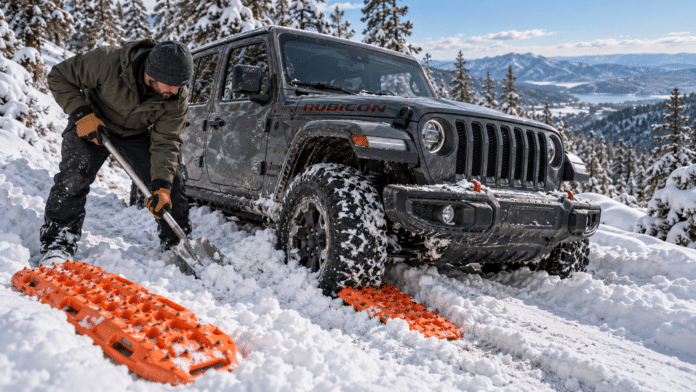
Quick Facts:
- Topic: Snow recovery gear for trucks and SUVs, ranked by what to buy first.
- Core problem: Frozen ground and packed snow leave a winch few places to anchor.
- Buy first: A steel shovel, then traction boards, then dry insulated gloves.
- Add next: Tire chains, then a tree saver, soft shackles and a snatch block for winch pulls.
- Biggest cold-weather trap: Wet winch line freezes on the drum.
- Skip: Ground anchors driven into frozen soil.
- Best for: Drivers heading out in winter, with or without a winch.
8 min read
In This Guide
- Why Frozen Ground Changes Your Snow Recovery Gear
- Shovel, Boards and Gloves: The Three First Buys
- Tire Chains and Airing Down: Add Grip Before You Get Stuck
- Winch vs. Traction Boards vs. Kinetic Rope: Which Gets You Out First?
- Winch Line Care in Freezing Weather
- Anchoring Snow Recovery Gear on Frozen Ground
- Daily Kit Versus Trip Kit for Snow Recovery Gear
- Final Thoughts
- FAQ
Why Frozen Ground Changes Your Snow Recovery Gear
Snow recovery gear ranks differently once the ground freezes. Buy a steel shovel first, then traction boards, dry gloves and tire chains. A winch needs something solid to pull against, and frozen ground gives you few places to anchor. Packed snow adds to the problem, because a buried rig has no dry footing to push from.
This guide ranks a vehicle recovery kit for snow wheeling by what to buy first. Most lists treat every item as equal. I treat them as a sequence, since a shovel needs no anchor and a winch does. For broader rig prep, start with our winter off-roading guide, which covers batteries, fluids and cold tire behavior.
I have owned five Jeeps, including two Wranglers and a Gladiator, so I understand why drivers trust four-wheel drive and skip the kit. Still, I put the shovel ahead of every other purchase. Owners in the forums name the shovel first, then traction boards. I add dry, insulated gloves, because you handle wet straps and shackles in the cold.
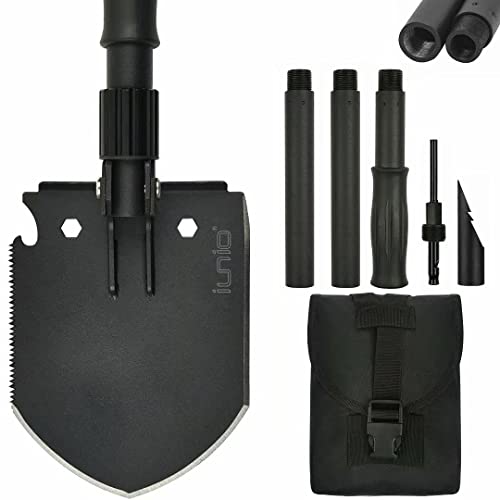
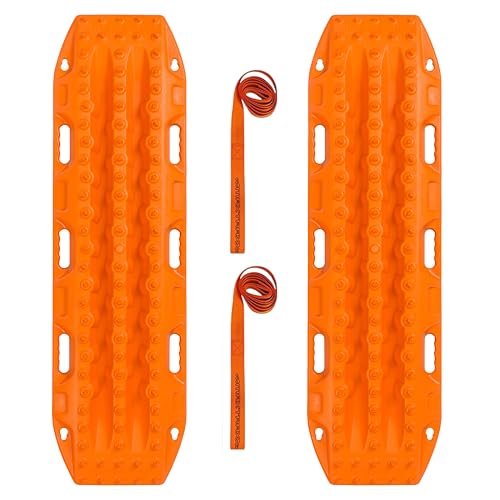
The iunio 35-inch Folding Survival Shovel, the MAXTRAX MKII recovery boards and the Carhartt Men’s Waterproof Insulated Knit Cuff Glove show what this starter set looks like.
The three first buys for frozen ground

Shovel, Boards and Gloves: The Three First Buys
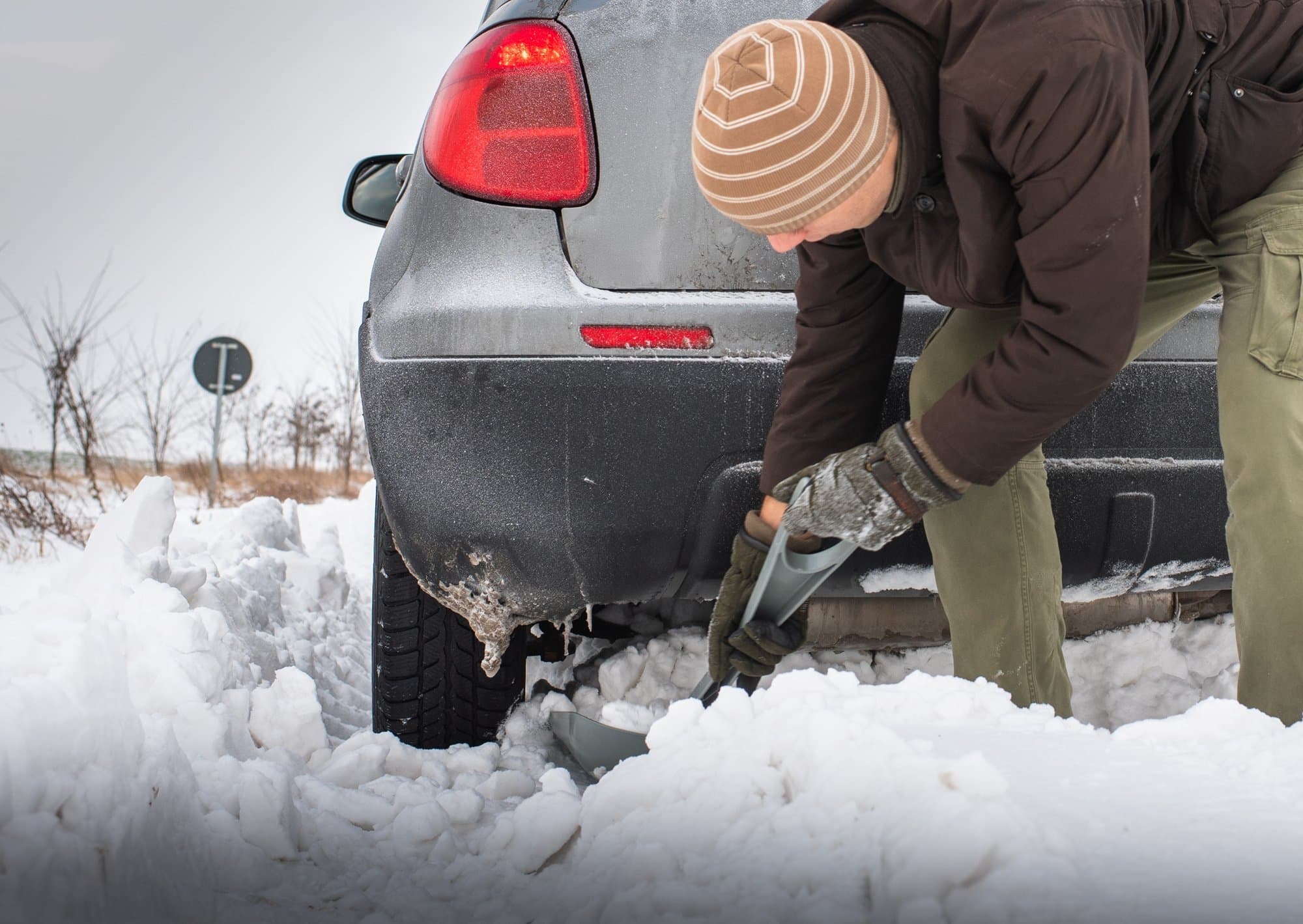
A shovel comes first because it works in every stuck situation. Digging out the tires and clearing the frame lets every other tool work. In the owner threads we read, a long-handled steel shovel beats gadgets, and some owners add firewood or sandbags for improvised traction.
Choose steel over plastic. A folding shovel like the iunio lists a steel blade and a 35-inch length. It folds for storage. Full-length shovels give more leverage, so carry one if you have bed space.
Traction boards come second. Owners praise boards because they work in mud, sand and snow, and several say they would pick boards if they carried only one item. However, owners also report boards move you only a short distance in deep snow. Chains or flotation matter more there, which makes deep snow the main limit of boards for snow wheeling. Boards also sink out of sight, so tie a leash to each one. MAXTRAX instructions list a minimum use temperature of minus 4 F, so check your maker’s rating. For picks, see our traction board buyers guide.
Gloves come third. Wet insulation loses warmth, and you handle straps, shackles and shovel handles with your hands. Keep a dry insulated pair in the cab, like the Carhartt waterproof glove, and swap before you start rigging.
Tire Chains and Airing Down: Add Grip Before You Get Stuck
Chains are the snow and ice specialist. Owners who run them prefer heavy-duty link patterns such as V-bar, and they add rubber tensioners to keep the chains tight. Chains need something firm to bite into, however. In deep snow with no base, they dig you in deeper. Our guide to tested tire chains for trucks covers fit and picks.
Read your owner’s manual before you buy. Some vehicles allow chains on only one axle, and tight wheel wells leave no clearance at all. Practice the install in your driveway, because the trailhead at dusk is a poor place to learn.
Airing down adds flotation. Owners say to do it before you are stuck, because you lose clearance once the frame sits on snow. Carry a portable air compressor too, since you need to air back up before you reach pavement. They disagree on combining the two, though. Some air down first and add chains for short pulls. Others warn a soft tire flexes and loosens chains, which risks broken links. Follow the chain maker’s limits, and read our breakdown of airing down in snow and ice for the pressure trade-offs.
Winch vs. Traction Boards vs. Kinetic Rope: Which Gets You Out First?
Your situation decides the order. When you are alone, you have no second vehicle and often no solid anchor, so the shovel and boards come first. A winch pulls hard, but it needs an anchor. Likewise, a kinetic rope needs a second vehicle with footing of its own.
Frozen ground weakens the winch most, because the anchor is the part most likely to fail. Some owners name a winch with synthetic line as the top solo pulling tool, once you have a solid anchor. Those with years of sub-freezing use report no damage from the cold. Their real warning is wet line, which freezes on the drum.
With a second vehicle, a kinetic rope moves a stuck rig quickly. Our comparison of a kinetic rope versus a snatch strap explains when each belongs in your kit. Cold also stiffens nylon rope, a point the winter guide above covers in detail.
My order is simple. Take the shovel and boards for solo recovery, add a winch if your bumper has a mount, and treat the rope as a partner tool.
Winch Line Care in Freezing Weather
Wet line is the main cold-weather winch trouble owners report. Owners report winch line freezing on the drum after a warm daytime drip or a few minutes in snow, and they share the same fixes. Spool the line tight, keep it dry, and carry alcohol-based washer fluid in a spray bottle to loosen ice on the line. Some owners store synthetic line inside the vehicle in winter. One owner thread on frozen winch line collects these fixes in one place.
Owners also call the idea of ice cutting synthetic rope a myth. Grit is the abrasion risk, so rinse and dry the line after a run.
Build your winter recovery kit around this routine. Add a bag for wet gloves, a spare dry pair and the spray bottle of washer fluid.
Anchoring Snow Recovery Gear on Frozen Ground
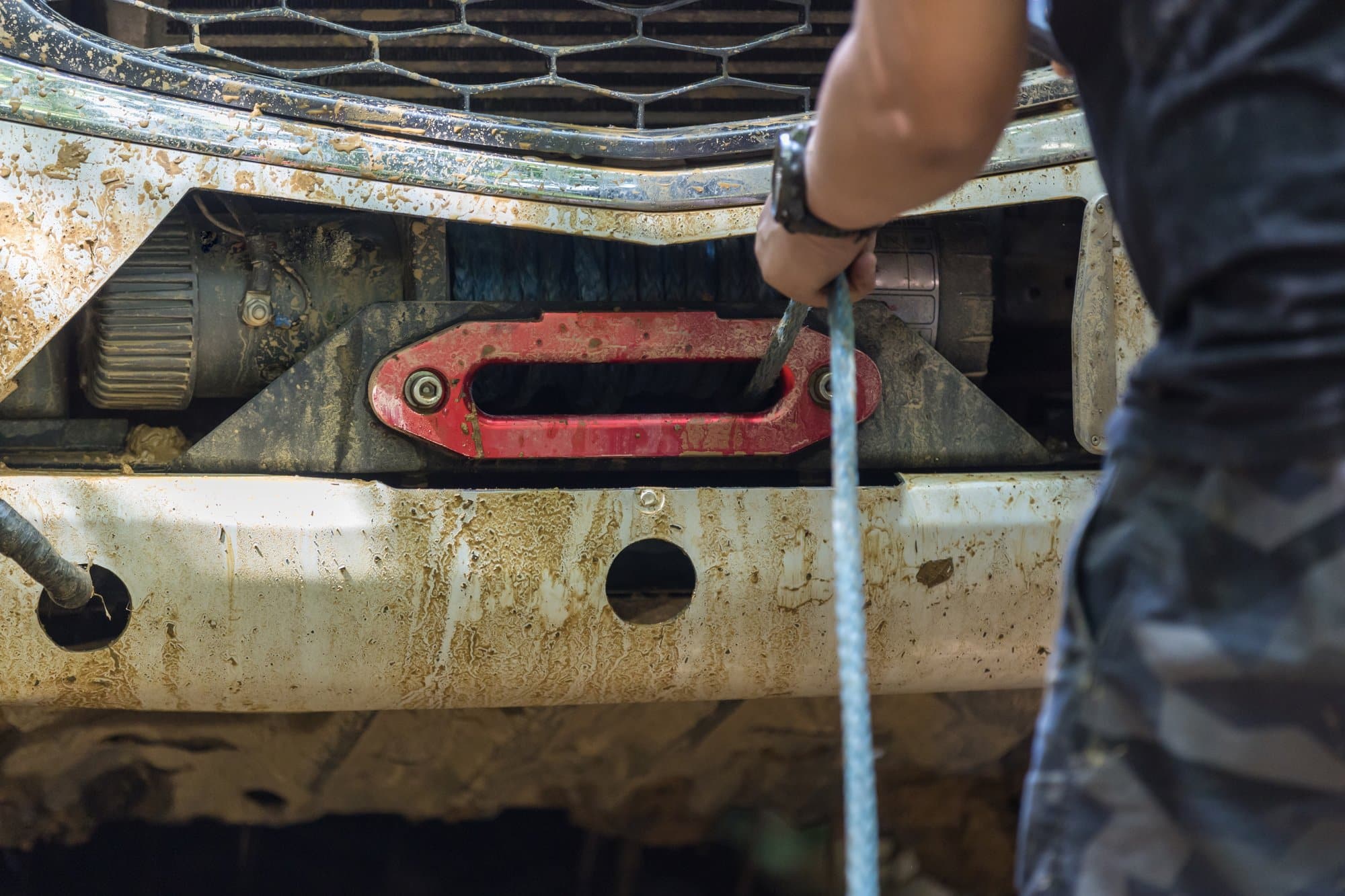
Our owner research found no clear wins for anchors in snow or frozen soil, so I would skip them. Trees make better anchors. Wrap a tree saver around a live, solid trunk, low to the ground, and join it to your winch hook with a shackle. The strap spreads the load and protects the bark. Skip dead, rotten or leaning trees, which give way under load.
If no tree is near, a second vehicle on firmer ground is the other option. Set its parking brake and put it in park or gear. Attach only to its rated, frame-mounted recovery point, never a tow ball. With neither a tree nor a second vehicle, put the winch away and dig out with boards.
Snatch Blocks and Soft Shackles
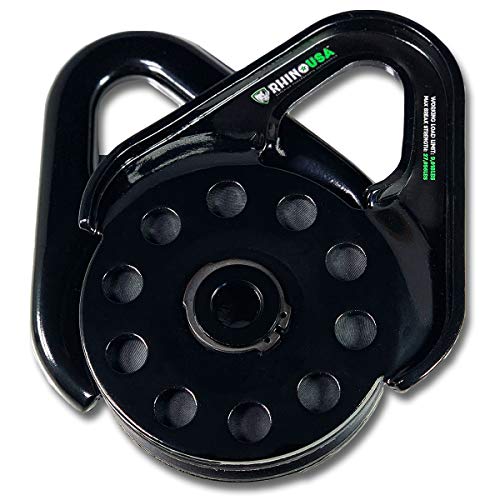
A snatch block roughly doubles the pull of your winch and lets you change the direction of the line. Hang the block from your anchor with a soft shackle. Run the line through it and hook back to a rated recovery point on your own rig. Soft shackles are synthetic rope loops with no pin to thread, so they are easy to handle with gloves on.
Safety note: A loaded line stores energy. Keep everyone clear of the line, the anchor and the stuck vehicle, and lay a jacket or winch damper over the line before you pull. Stop if the anchor shifts.
The Rhino USA Tree Saver Tow Strap lists a 3-inch width, an 8-foot length and a 31,518 lb break strength. Next, the Rhino USA Synthetic Soft Shackle Rope (2-Pack) lists 44,050 lb in the half-inch size. The Rhino USA Snatch Block lists a 13.5 ton break strength. Those figures are breaking strengths, not working loads, so size the rig to your winch, not to the biggest number on the box.
Anchor and pulling hardware for winch pulls



Daily Kit Versus Trip Kit for Snow Recovery Gear
Split your snow recovery gear in two. The daily kit lives in the vehicle all winter and holds the shovel, boards, gloves, a spare dry pair and the washer-fluid spray bottle. It covers a stuck rig in a parking lot, at a snowy trailhead or in a plowed-in driveway.
The trip kit adds the heavy, specialized pieces for snow wheeling, including chains, a compressor, the tree saver, soft shackles and the snatch block. Add a kinetic rope if you travel with a second vehicle. Pack it for backcountry days when a tow truck cannot reach you. A winter recovery kit built this way stays light on weekdays and complete on the trail.
Add personal gear to the trip kit too. Pack warm layers, water, a charged phone and a way to call for help, because a long dig in freezing weather drains energy and body heat. Tell someone your route and return time before you leave.
Final Thoughts
If I were building this kit today, the order would be shovel, boards, gloves, chains, then the anchor hardware. The shovel and boards need no anchor, so they work when you are alone. Buy the pull gear after those, and match it to your winch.
The trade-offs are real. Boards stop short in deep snow, chains need something firm to bite, and a winch is only as good as its anchor. Frozen ground raises all three problems, so plan to avoid getting stuck rather than count on recovering.
Practice before the trip. Set the chains in your driveway, rig the snatch block once in daylight, and spool the winch line dry. A vehicle recovery kit you have used once is worth more than one still in the box. Keep the kit modest and learn each piece before the first hard freeze.
FAQ
What snow recovery gear should I keep in my truck?
Start with a steel shovel, a pair of traction boards and dry insulated gloves. Add tire chains sized for your vehicle. Then add a tree saver, soft shackles and a snatch block if you carry a winch.
What goes under the tires to get unstuck in snow?
Traction boards work best. Dig out the tires first, then wedge each board against the tread in your direction of travel. Firewood or sandbags work as improvised traction, according to owners.
Do ground anchors hold in frozen ground?
Our owner research found no clear wins for ground anchors in snow or frozen soil. Use a live tree with a tree saver strap instead, or a second vehicle parked on firm ground.
Does cold weather change how kinetic ropes and straps perform?
Cold stiffens nylon rope and straps, which makes them harder to handle and rig. Check the maker’s temperature rating, and see our winter off-roading guide for kinetic rope limits.
Does cold weather damage a synthetic winch line?
Owners with years of sub-freezing use report no damage from the cold itself. The risks are wet line, which freezes on the drum, and grit, which abrades the fibers. Keep the line dry and clean.
What is the most important snow recovery gear to buy first?
A steel shovel. Owners name it first because it solves many stuck situations and needs no anchor or second vehicle.