


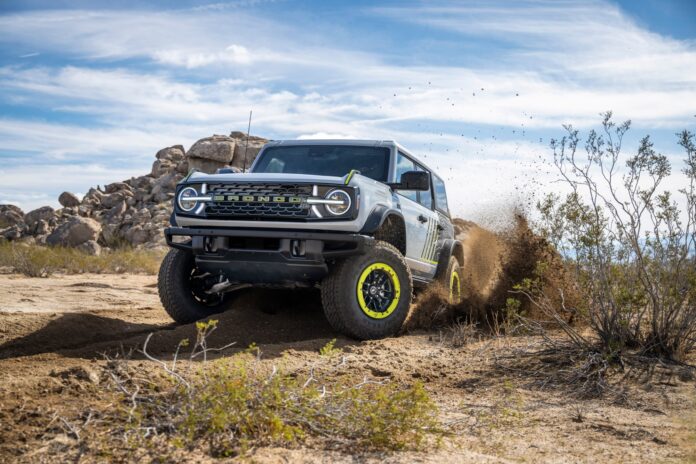
Quick Facts:
- Topic: The light truck definition in NHTSA’s SAFE III fuel economy rule.
- Published: September 30, 2026, effective November 30, 2026.
- Applies from: model year 2030.
- Off-highway test: minimums of a 28 degree approach angle, 14 degree breakover, 20 degree departure and 7.9 inches of running clearance.
- Removed: the third-row seat criterion and the axle clearance measurement.
- Added: a work factor of 8,500 pounds, payload plus tow rating.
- Unchanged: 4WD and AWD both count as four-wheel drive.
- Best for: buyers of Wranglers, Broncos, AWD crossovers and three-row SUVs.
5 min read
In This Article
Overview: The Light Truck Definition Gets a Rewrite
NHTSA has rewritten the light truck definition used in fuel economy rules. The agency published its final SAFE III rule on September 30, and the new criteria start with 2030 models. No vehicle on a dealer lot today changes classification. However, two things do change: the off-highway test gets tougher, and a payload and towing test replaces the third-row seat route.
The rule says 68 percent of the light-duty fleet meets the current light truck definition. NHTSA argues most of them, such as AWD crossovers and three-row SUVs, cannot realistically operate off highway. Instead, they carry features added solely to meet regulatory definitions.
For the mpg targets, read our breakdown of the new CAFE fuel economy targets. This article covers the other half of the rule, which decides who counts as a truck at all.
Angles decide whether a truck reaches an obstacle, while gear decides how a stuck day ends. For example, the MAXTRAX MKII Black Vehicle Recovery Board adds traction on sand and mud, and the Rhino USA Synthetic Soft Shackle Rope 2-Pack gives you a rated recovery point. The ARB ARB505 Deflator Kit helps you air down. None of this gear depends on the new rule.
Recovery gear for when approach angle runs out


ARB ARB505 Deflator Kit 10-60 PSI Tire Pressure Gauge Rapid Air Dow…
Light Truck Definition: Current Rules vs. Model Year 2030
The rule changes two sets of criteria. Specifically, it tightens the off-highway test and swaps the third-row seat criterion for a work factor. The table below compares the old criteria with the new ones, using the thresholds in the Federal Register text.
| Criterion | Today | From 2030 models |
|---|---|---|
| Off-highway test | Four of five measurements | All four: 28 degree approach, 14 degree breakover, 20 degree departure, 7.9 inches running clearance |
| Axle clearance | 7.1 inches counts as one measurement | Dropped |
| Drivetrain | 4WD, AWD or over 6,000 lb GVWR | Unchanged |
| Three-row seats | Qualifies if seats fold or stow flat | Removed |
| Payload and towing | No test | Payload plus trailer weight rating of 8,500 lb or more |
| Open cargo bed | Qualifies | Unchanged |
The 28 Degree Approach Angle Test Gets Stricter
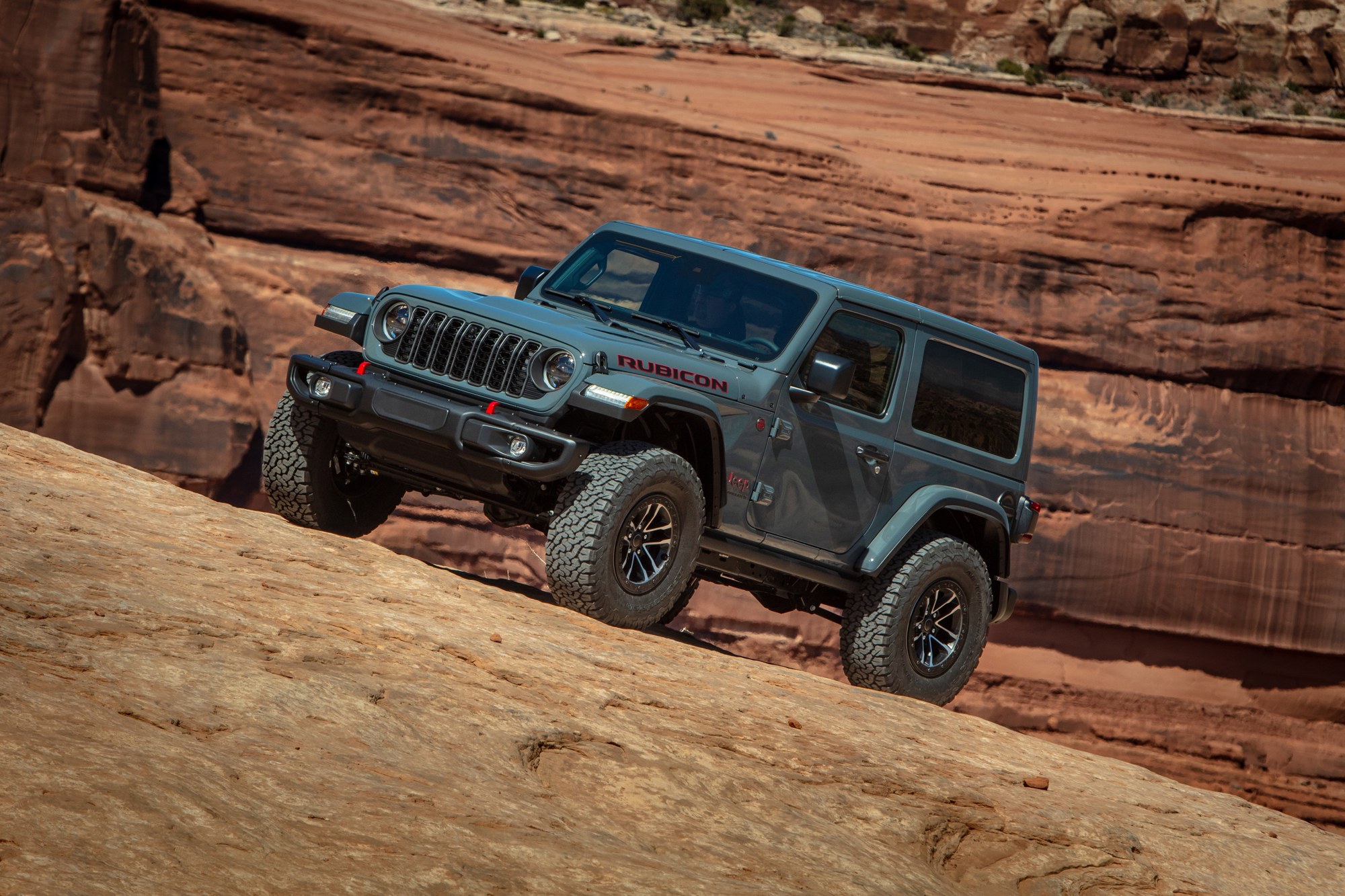
Most 4×4 owners will care about the off-highway pathway. A vehicle needs 4WD or AWD, or a GVWR above 6,000 pounds. It also needs a significant off-highway feature, which NHTSA defines as high ground clearance.
Today, a vehicle passes with four of five measurements. NHTSA checked model year 2024 vehicles passing with exactly four measurements. Of those, 98.9 percent miss the 28 degree approach angle. The rule says some makers cut approach angles to as low as 14 degrees for aerodynamics.
From 2030 models, a vehicle must meet the approach, breakover, departure and running clearance minimums together. So the 28 degree approach angle is no longer optional. In the rule, NHTSA names the Jeep Wrangler, Ford Bronco and Land Rover Defender as examples of high approach angles. Then compare the 2027 Jeep Wrangler lineup and the 2027 Ford Bronco V6 lineup.
Drivetrain still does not decide the question alone. NHTSA kept 4WD and AWD on equal footing because their traction hardware overlaps. If you want the basics, see how AWD and 4WD differ.
Why NHTSA Is Changing Light Truck Classification
The old criteria date to 1977 and a 1975 fleet. Since then, non-passenger vehicles grew from 19.3 percent of light-duty automobiles to 64.7 percent in model year 2024. This share reaches 67.9 percent when counting only internal combustion models. NHTSA also says its criteria pushed makers toward design choices made to qualify, not to meet buyer demand.
Automakers pushed back. For example, Honda argued the new all-four requirement penalizes fuel-efficient designs. Also, Subaru said customer perception and usage is the most realistic test. NHTSA disagreed. One or a few of the four measurements do not make a significant off-highway feature.
The agency also moved the start date from the proposed 2028 models to 2030 models. Manufacturers asked for more lead time, and NHTSA gave them two extra model years.
A New Work Factor Adds a Towing and Payload Test
NHTSA removed the third-row pathway because a third row signals passenger use, not cargo use. As a result, three-row SUVs will lose an easy route into the truck category. In addition, the agency added the light-duty work factor.
The work factor is the plain sum of payload and trailer weight rating. Its rating follows SAE J2807. To pass this test, a vehicle needs 8,500 pounds or more. Payload is gross vehicle weight rating minus curb weight.
For example, NHTSA used a vehicle with 1,600 pounds of payload and a 5,000-pound trailer rating to explain weighting. Under the final formula, the sum is 6,600 pounds, 1,900 short of 8,500. NHTSA dropped its proposed weighting, which favored towing, after commenters said payload barely mattered under it.
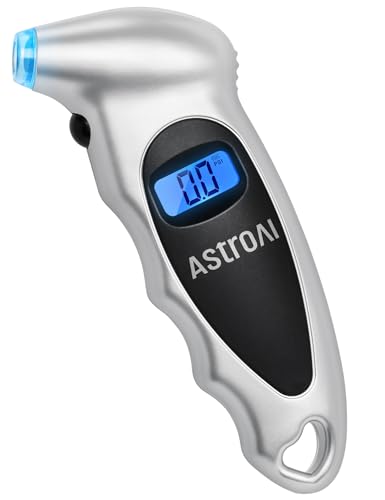
Tongue weight counts against your payload, so measure it. For example, the Sherline LM 2000 Trailer Tongue Weight Scale reads loads up to 2,000 pounds. Loaded tire pressure also matters, and the AstroAI Digital Tire Pressure Gauge covers this check. The Master Lock Trailer Lock 379ATPY protects the trailer you tow, but it is not a payload tool.
Towing and payload gear



What This Means for You
If you drive a Wrangler, Bronco or Defender, NHTSA cites your model as a high approach angle example. The rule also says reclassification does not change a vehicle’s utility or restrict how makers advertise off-road ability.
If you own an AWD crossover, expect many future versions to count as passenger cars for fuel economy. However, NHTSA says the move does not require feature changes. If you shop for a three-row SUV, expect a folding third row to stop earning truck credit. For towing, find your payload on the door placard. Then find the tow rating in the owner’s manual. Add the two and compare the total with 8,500 pounds.
I have owned a couple of Wranglers and a Gladiator, and I drive a 2025 Chevy Colorado ZR2 today. My read is simple: the category on the paperwork changes, and the truck in your driveway does not. I will watch which 2030 models change their geometry.
Final Thoughts
This rule matters less to your next trail than to the spec sheets of the next decade. It rewards real off-road geometry and real towing numbers, and it removes the credit for a folding third row. I like this direction, although I understand why Honda and Subaru objected. My Colorado ZR2 has an open bed, and the rule leaves the open bed route alone.
If you buy a 4×4 for the trail, read the approach, breakover and departure angles on the spec sheet. For crossover shoppers, ignore the marketing and compare actual clearance numbers. Buy on angles and clearance, not on a category label. Then check back on the light truck definition once makers publish 2030 specs.
FAQ
What is considered a light truck?
Under CAFE rules, a light truck is a non-passenger automobile. Vehicles qualify through routes such as carrying more than 10 people, offering living quarters, having an open cargo bed, or passing the off-highway test.
Is an F-150 a light truck?
Yes, because its open cargo bed qualifies it. This rule leaves the open bed pathway in place.
When does the new light truck definition take effect?
The rule takes effect November 30, 2026. Classification changes apply only to 2030 and later models.
Does 4WD still count as off-highway capable?
Yes, and AWD counts too. Drivetrain alone does not settle it, though. From 2030 models a vehicle must also pass all four clearance measurements.
Related Reading