


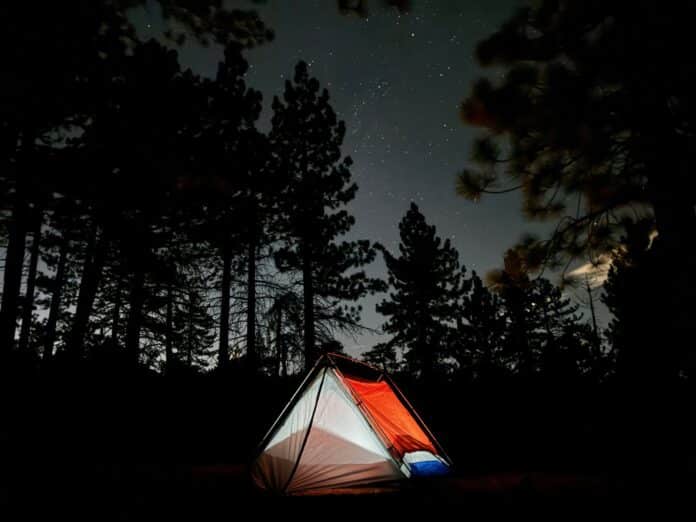
Quick Facts:
- Product: Sky View XL Gen 2 stargazing tent from Sky View Tents.
- Capacity: 3+ people, per the brand.
- Floor and peak: 90 x 90 inches with a 55-inch peak.
- Weight: 14.1 lb.
- Standout feature: a rainfly you close from inside the tent.
- Included: footprint, steel stakes, free shipping, and a free year of The Dyrt PRO.
- Price: $499 direct from Sky View Tents.
- Tested so far: one setup and walkaround in Big Bear, with no overnight or weather use yet.
- Disclosure: Sky View Tents is a 4wdTalk advertising partner.
- Best for: car campers and families who want the night sky overhead.
10 min read
In This Review
- Sky View XL Gen 2: A Stargazing Tent First Look
- Key Specs at a Glance
- Setting Up the Sky View XL After Midnight
- Interior Space in a Family Stargazing Tent
- How the Internal Rainfly Works
- The Stargazing Mesh Roof After Dark
- What a First Look Doesn’t Tell You
- Sky View XL vs. Duo and Solo Stargazing Tents
- Final Thoughts
- Stargazing Tent FAQ
Sky View XL Gen 2: A Stargazing Tent First Look
The Sky View XL Gen 2 is a stargazing tent with a clear mesh roof and a rainfly you close without stepping outside. This review is a first look, so I have not slept in it or seen it in weather yet. Still, it won me over far more than I expected.
The tent arrived the day before I left for Big Bear, where we were filming the 4wdTalk 2026 Bell Tent Shootout. I pitched it the night we arrived, then turned on the cameras during a break from the shoot. The night photos here come from the first setup, and the daylight shots from the next morning. If you follow 4wdTalk, you know this style differs from the tents we usually show on the channel.
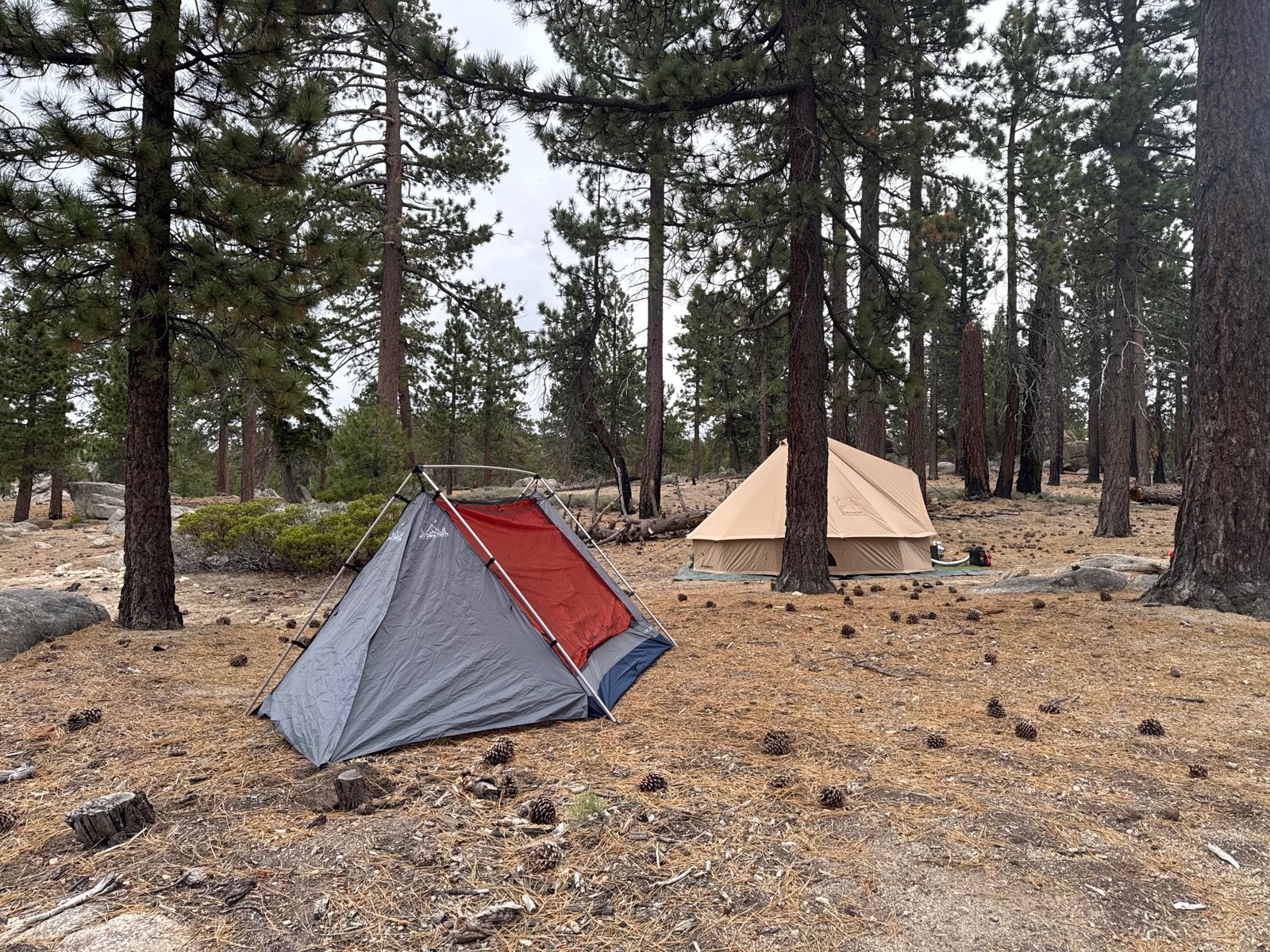
Sky View Tents is based in Buena Vista, Colorado, and sells the XL direct for $499. For full disclosure, the company is also a 4wdTalk advertising partner. Even so, my job here stays the same: show you what your money gets you.
The XL targets car campers, families, and anyone who wants the stars overhead without bugs on their face. At 14.1 lb, it suits truck and SUV camps far better than long hikes. For hike-in trips, the smaller Duo and Solo models make more sense.
Watch the First Look Video
Below is my full first-impressions video from Big Bear. This review expands on it with verified specs and feedback from owners and testers. In addition, it covers the questions a first look leaves open.
Key Specs at a Glance
These figures come from the Sky View Tents product page for the Gen 2 XL. Notably, the XL ships with the footprint and hardened steel stakes, so the $499 price covers a complete shelter. Check availability before you order, though, since the site shows a “coming 2026” pre-order banner for Gen 2 tents.
| Specification | Details |
|---|---|
| Capacity | 3+ people |
| Floor | 90 x 90 inches (about 56 square feet) |
| Peak height | 55 inches |
| Weight | 14.1 lb |
| Fabric | 210D ripstop polyester, PU5000 waterproof coating |
| Mesh | 18×18 stargazing mesh |
| Poles | 3/4-inch iron alloy |
| Rainfly | Patent-pending, deployed from inside |
| Vestibules and storage | Dual vestibules, 4 interior pockets |
| Included | Footprint, hardened steel stakes, free shipping, free year of The Dyrt PRO ($59 value) |
| Warranty and returns | 6-month defect warranty, 180-day returns on direct orders |
| Price | $499 |
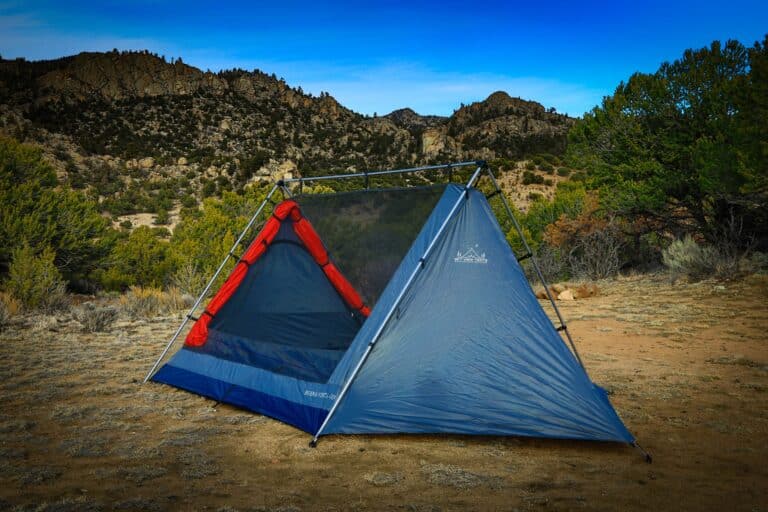
Sky View XL Gen 2 Stargazing Tent
A 3+ person tent with clear stargazing mesh and a rainfly you close from inside.
- 90 x 90-inch floor with a 55-inch peak
- Rainfly deploys from inside the tent
- Footprint and hardened steel stakes included
- Dual vestibules and four interior pockets
- 14.1 lb, so it suits car camping more than backpacking
- Wind and rain performance still needs longer testing
Setting Up the Sky View XL After Midnight
We rolled into our Big Bear site close to 10 p.m. The bell tent went up first, so I pitched the Sky View XL around 12:30 a.m. Even so, setup took me about five minutes, and the tent went together fast. For a tent delivered the day before, I call this crazy easy.
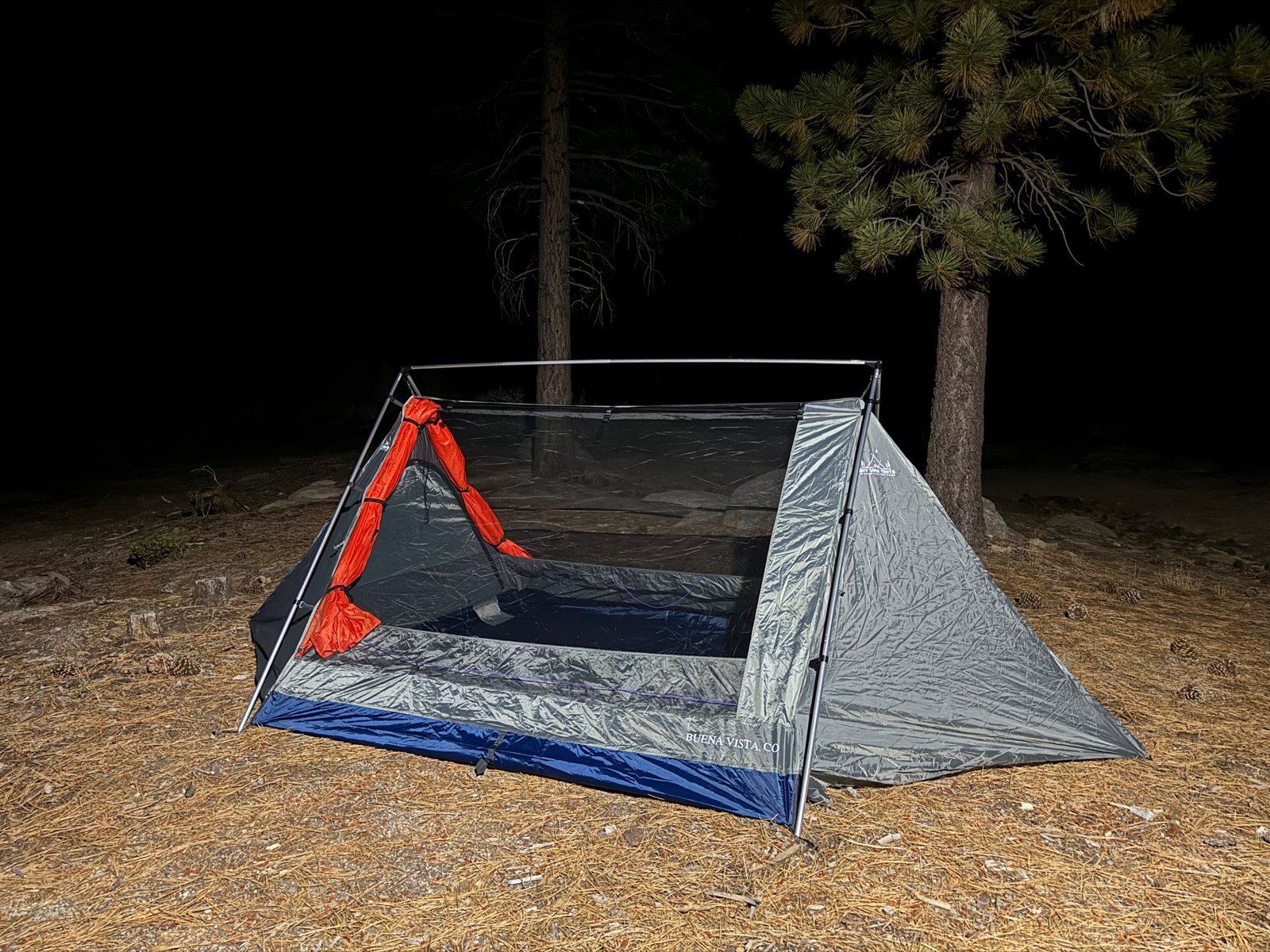
Three Frame Sections, One Hook per End
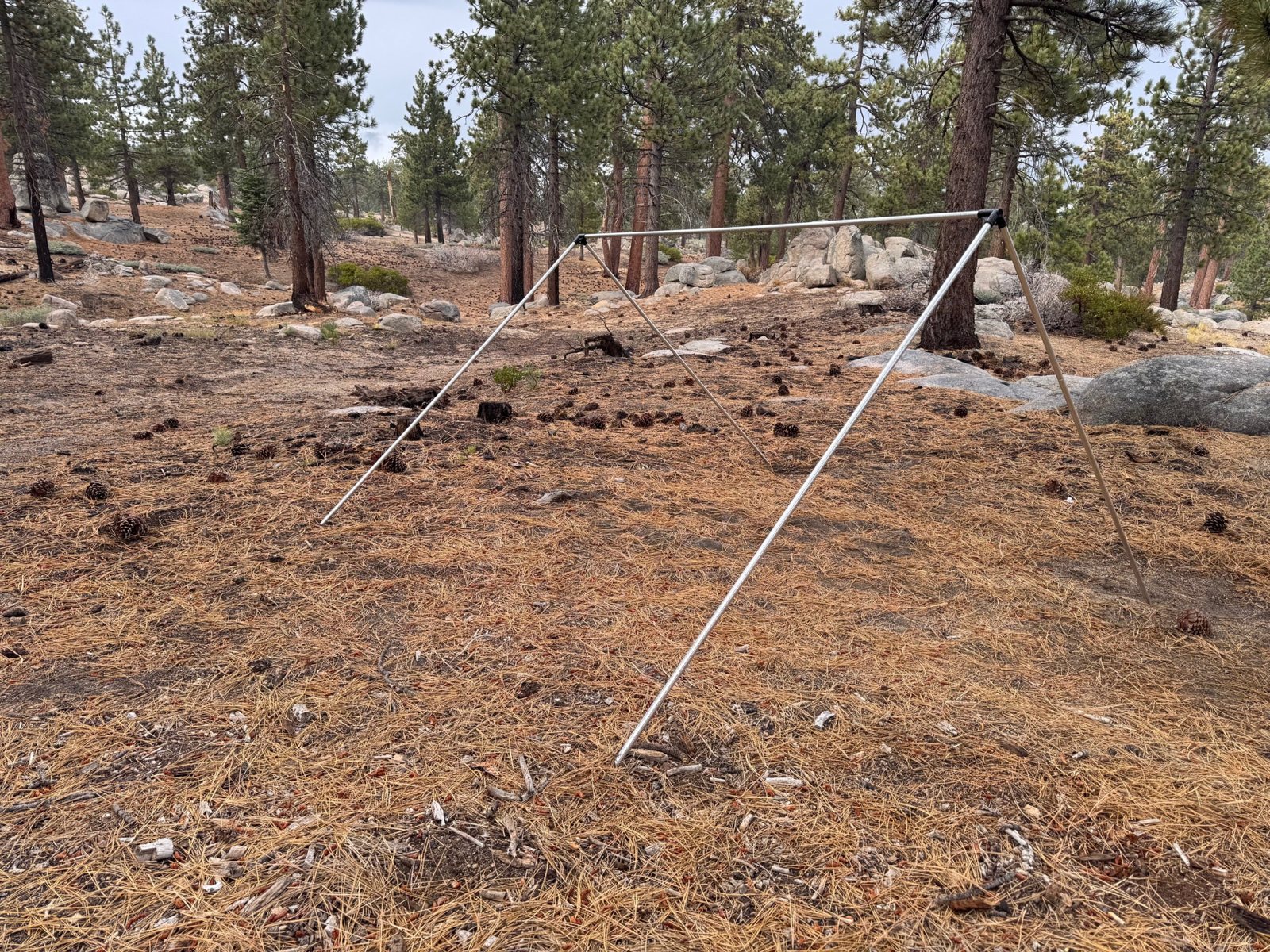
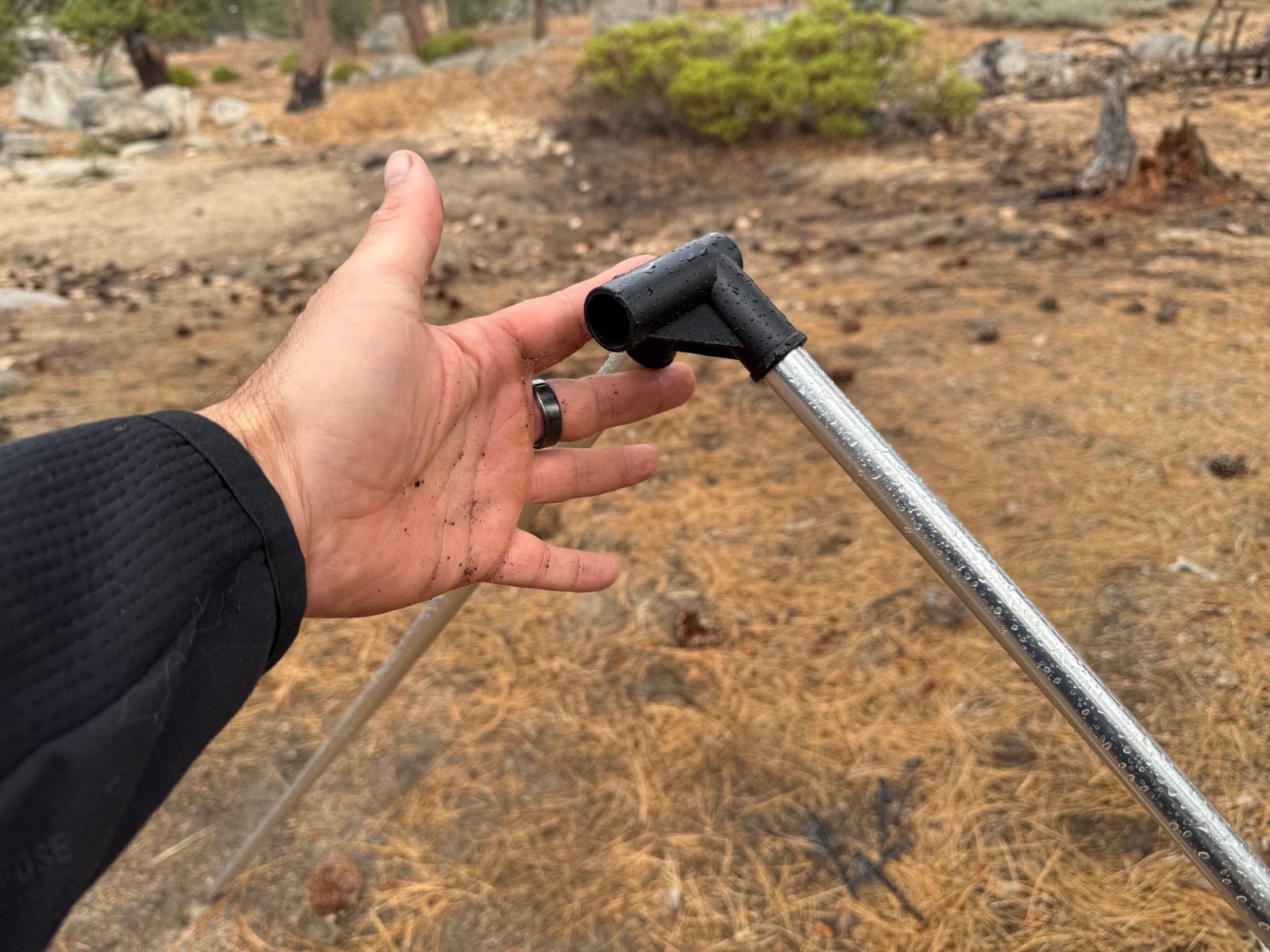
The frame comes in three main parts, one for each end and one for the middle. Pole pieces stay connected, so each section pops together in a compression fit. Sky View lists the poles as 3/4-inch iron alloy.
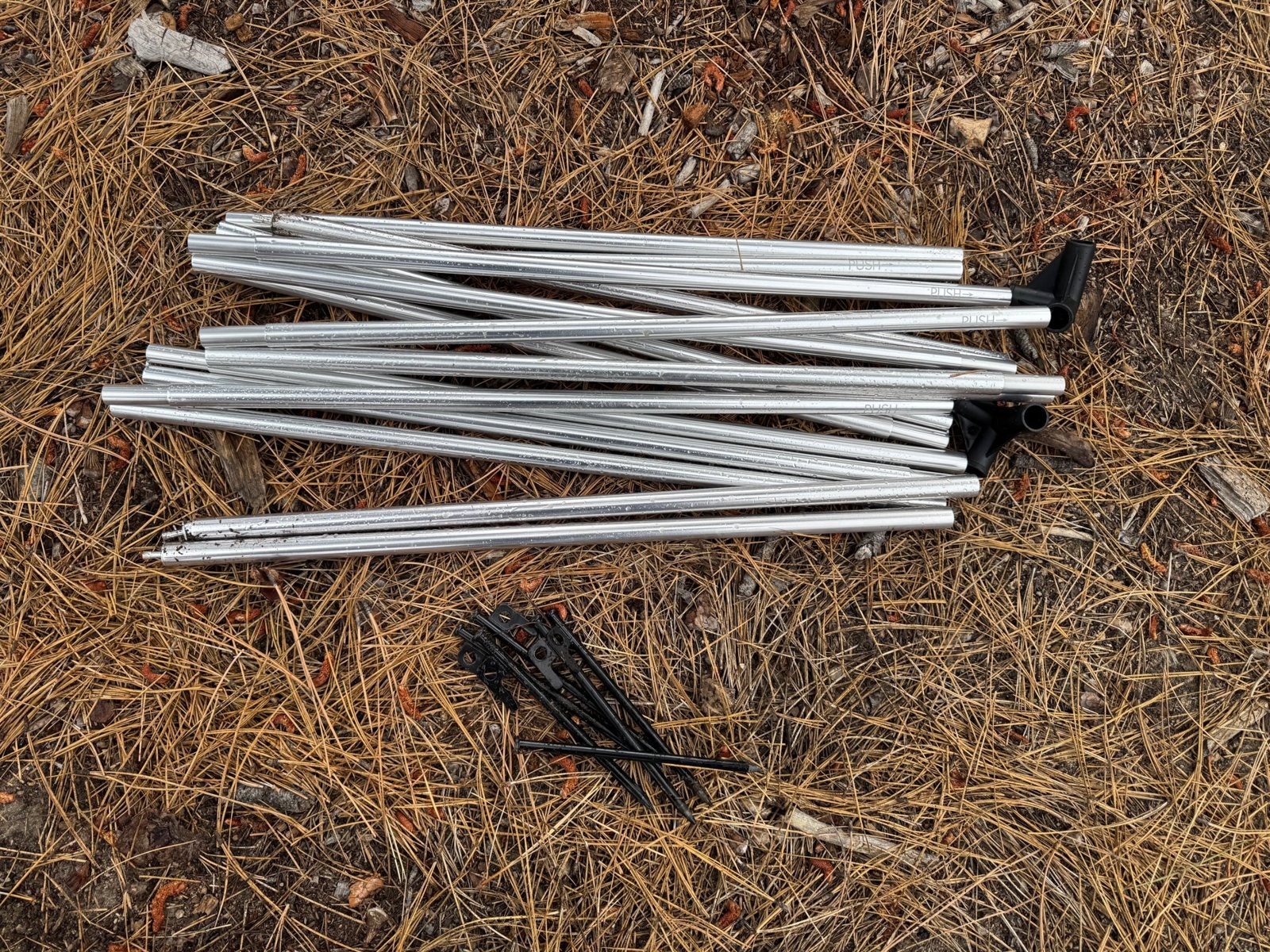
Once the frame stands, small ground spikes at the four feet pass through metal grommets on the tent body. Next, a main hook attaches at each end. Then you snap in three clips along each side, plus a few more across the top.
No Outer Fly to Wrestle in the Dark
Since the rainfly stays inside the tent, you never wrestle an outer fly over the frame in the dark. As a result, a late arrival stays simple. Sky View also posts written XL directions on its site, so read them once before your first trip.
Pack a headlamp with a red mode for night pitching. Red light keeps your eyes adjusted to the dark, which matters later when you lie back and look up.
Binoculars for the Night Sky
Binoculars show far more stars than the naked eye once you step outside the tent. For example, the Celestron Cometron 7×50, Celestron UpClose G2 10×50, and Celestron SkyMaster 15×70 each fit a different budget. Since all three sell on Amazon, the table below compares their field of view, weight, and tripod options.
| Best for Beginners | Best Middle Ground | Best for Deep Sky | |
|---|---|---|---|
| Product | TOP PICK Celestron Cometron 7x50 Celestron Cometron 7x50 |  Celestron UpClose G2 10x50 Celestron UpClose G2 10x50 |  Celestron SkyMaster 15x70 Celestron SkyMaster 15x70 |
| Rating | ★★★★☆ 4.5 4,100 ratings | ★★★★☆ 4.3 2,700 ratings | ★★★★☆ 4.4 8,600 ratings |
| Field of view | 6.8° | 6.8° | 4.4° |
| Weight | 1.7 lb | 1.7 lb | 3.3 lb |
| Tripod | Adaptable | Adaptable | Adapter included |
| Price | $39.99 as of Oct 16, 7:57 pm | $64.53 as of Oct 16, 7:57 pm | $89.00 as of Oct 16, 7:57 pm |
| Check Price → | Check Price → | Check Price → |
Interior Space in a Family Stargazing Tent
The interior size impressed me. I’m 6 feet tall. Even sitting with my back against the wall, I still had plenty of room around me. Sky View rates the XL for 3+ people.
Most of my camping trips include my girlfriend, her son, and my son. Thus, floor space is the first thing I judge. From what I saw, the XL earns the family camping tent label the brand gives it. Similarly, owners on Sky View’s own site report generous room. One Gen 2 XL owner fit two 25-inch sleeping pads with space on either side. Another fit a queen futon.
For sizing rules across every tent style, our guide on how to choose the right tent size walks through the math.
Four Pockets and Two Vestibules
Inside, you get four storage pockets for headlamps, phones, and glasses. Outside, a vestibule sits at each end. Each vestibule zipper lets you open half, open all of it, or keep it closed.
In bad weather, I see the vestibules as the place for muddy boots and wet gear. They let you air the tent out while keeping rain off the floor. Additionally, a full zippered door with fine mesh up top handles your entry and exit.
How the Internal Rainfly Works
The rainfly sets the XL apart from a standard family camping tent. Because the fly is already inside, you never step out into a storm to cover up. Elastic paracord runs down each side and acts as a rail. The fly rides along this rail, and hooks clip it into place, with three clips at each end.
Sky View says the fly slides on three tracks and overlaps every opening to seal the tent. When skies stay clear, you unclip it, roll it up, and secure it with snaps, three on each side. In wind, small tie-ins hold the walls in place and give the structure more shape.
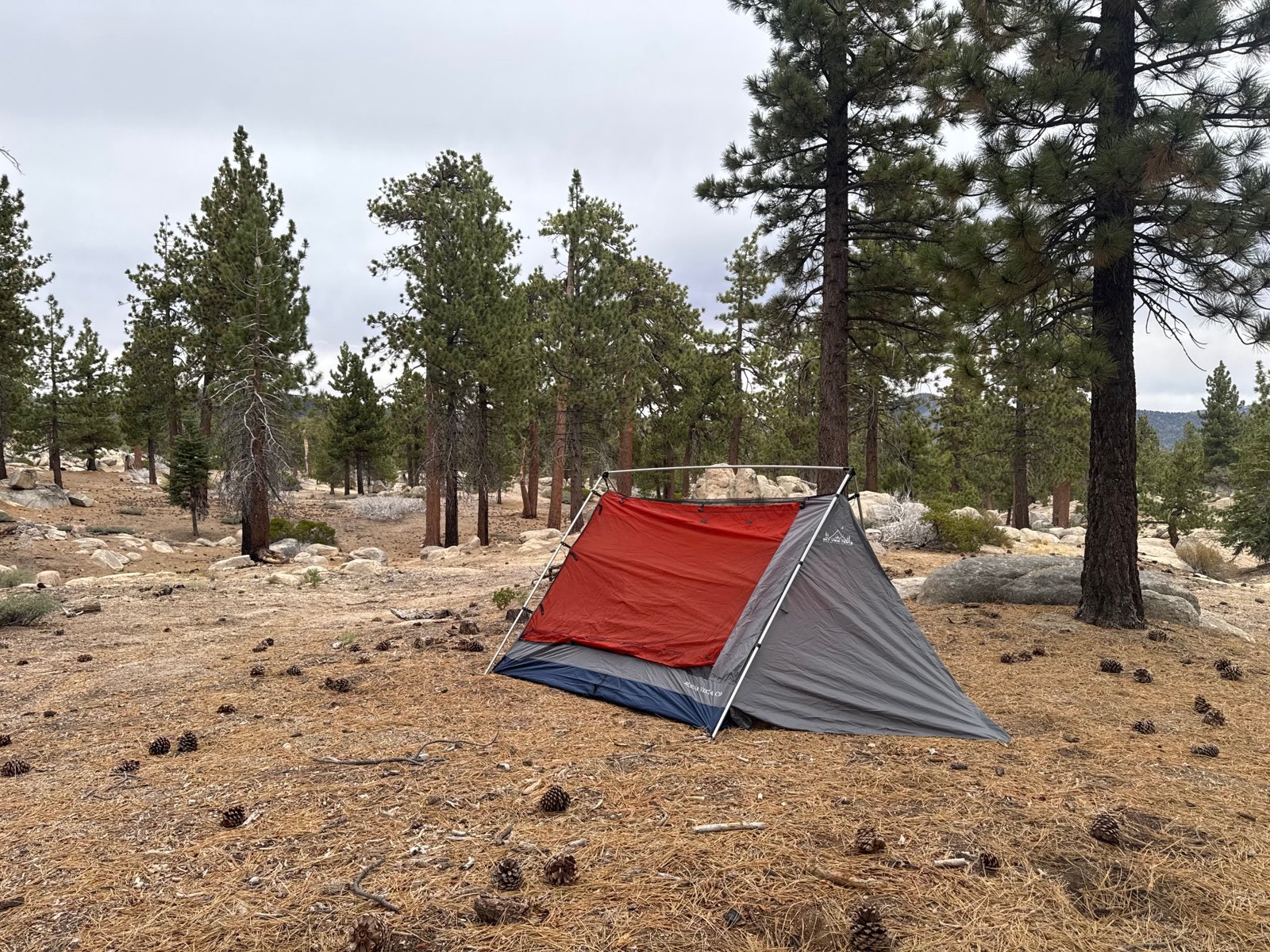
The brand claims you close the fly in seconds. Likewise, one Gen 2 XL owner on Sky View’s site said the fly dropped into place in seconds. Attaching it took about another minute. In contrast, Outside’s tester put full fly deployment on the smaller Backpacker model, now called the Duo, at under five minutes.
On paper, the internal rainfly is the reason I would buy this tent. You fall asleep under open sky, and if clouds roll in, the fix happens from your sleeping bag. I still need a stormy night to prove it. A closed fly also traps a layer of air. Moreover, our breakdown of does a rainfly keep you warmer explains the air-gap effect.
The Stargazing Mesh Roof After Dark
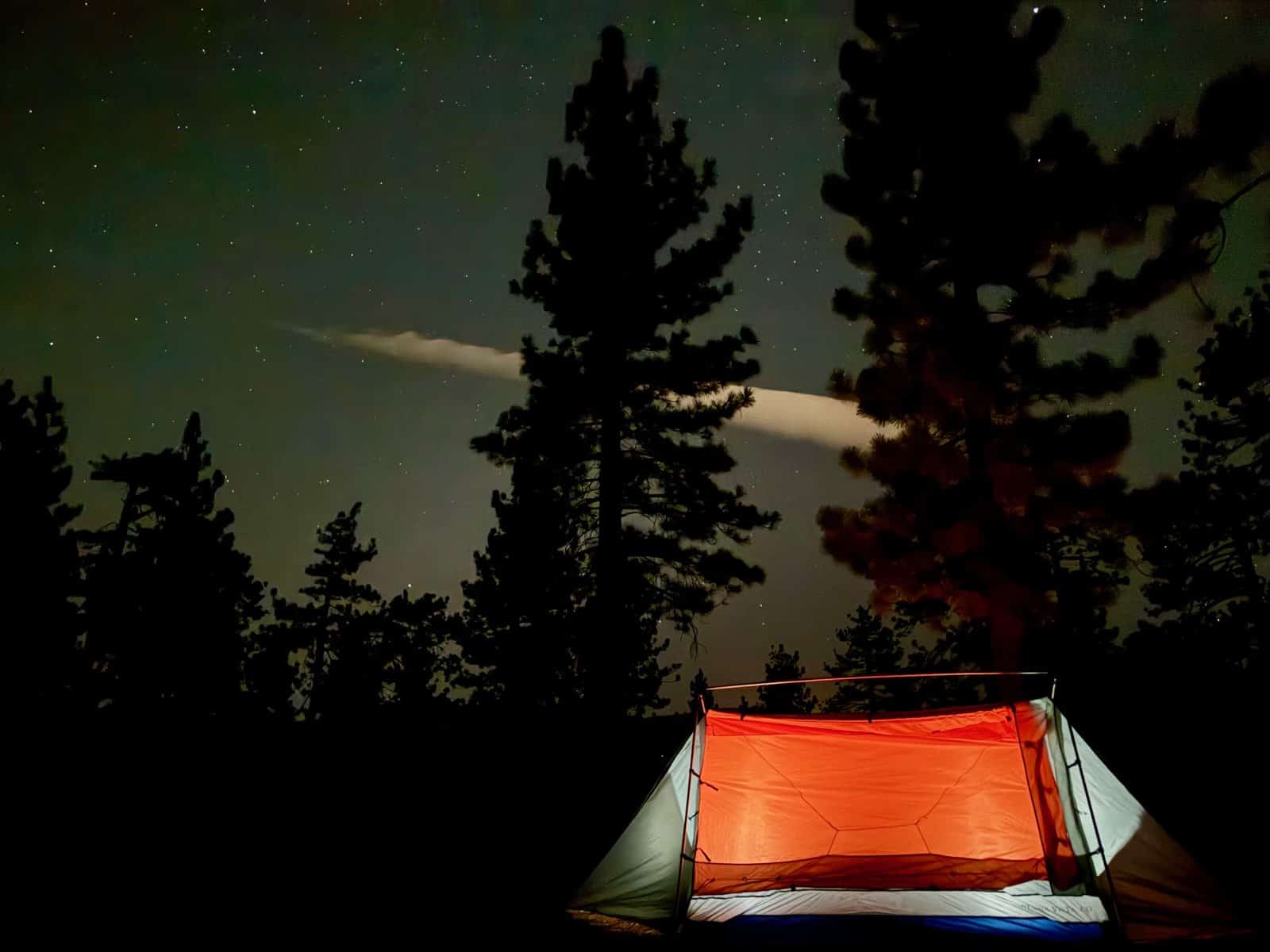
With the fly rolled away, the upper tent becomes fine mesh. Sky View calls it 18×18 stargazing mesh and says it disappears at night when no lights are on inside. My take from the first setup is simple. This is as close to sleeping outdoors as it gets, minus the critters.
Testers back this up. Space.com’s reviewer says the mesh nearly vanishes once the sky goes dark. Backpacker’s tester calls it the clearest tent mesh he has seen, a strong mark for a tent for stargazing. Both reviews cover smaller Sky View models, not the XL. For the details, read Backpacker’s review of the Sky View Solo.
Two habits help you get more from the mesh. First, switch to red light inside, since a white lamp lights up the mesh and ruins your night vision. Our guide on why you should ditch white camp lights covers the reasons. Second, pick a dark site. Our walkthrough on how to find a dark-sky campsite shows you where on public land. Every Sky View purchase also includes a free year of The Dyrt PRO camping app, worth $59 per the brand.
Keep privacy in mind, too. With the fly open and a light on, people outside see in. Because of this, busy campgrounds call for the fly or lights off.
What a First Look Doesn’t Tell You
This review covers setup, layout, and design after one pitch. Consequently, several questions need more nights before anyone gives a final verdict. Here is what I would weigh before buying, based on the specs and on what testers report.
Weight and Pole Material
At 14.1 lb, the XL is a car camping tent, not a backpacking tent. Sky View lists iron alloy poles on the Gen 2, and the first generation weighed less, as the comparison below shows. For a truck bed or SUV cargo area, though, the difference barely registers.
Airflow and Condensation
Testers at Outside and Space.com found the smaller model stuffy with the fly fully closed. However, Sky View says Gen 2 adds vents in both doors and in the fly. We found no independent test of those vents yet. In addition, open mesh nights bring their own morning dew. Our guide on how to reduce condensation inside your tent applies here.
Wind and Rain on a Stargazing Tent
The XL uses an A-frame shape. Notably, Sky View’s founder told Backpacker it is not the most wind-resistant design. Backpacker’s tester also found the smaller Solo struggles in heavy wind. On the rain side, the company’s own Gen 2 test on the Oregon coast found water near the side pockets. Afterward, Sky View changed the pocket placement and stitching.
For now, treat it as a fair-weather tent until longer tests prove otherwise. Use every included steel stake and park your rig upwind as a windbreak.
Warranty and Availability
Sky View covers defects for 6 months, or 180 days. Direct buyers also get a 180-day return window. Meanwhile, the Sky View site shows a “coming 2026” pre-order banner for Gen 2 tents. Yet the XL page offers an “add to cart” option. Therefore, confirm the ship date before you order for a specific trip.
Sky View XL vs. Duo and Solo Stargazing Tents
Sky View sells three sizes, and the right pick depends on how far you carry it. The Sky View Duo, formerly called the Backpacker, costs $399 and sleeps two on a 56 x 80.5-inch floor. It weighs 5.6 lb, or 3.6 lb when you hang it between trees without poles. By comparison, the Sky View Solo costs $299, fits one camper up to 6 feet 1 inch tall, and weighs 3.8 lb.
Both smaller models top out at a 41-inch peak, compared to 55 inches in the XL. For truck-based camps with kids, the XL makes the most sense to me as a stargazing tent. On the other hand, the Duo suits a couple hiking a few miles past the trailhead.
A Star Wheel for Family Stargazing
A star wheel helps families name what they see overhead from any Sky View size. The Night Sky 30°-40° planisphere turns the date and time into a simple map of the sky. Also, its two-sided layout keeps constellations readable near the edges.

The Night Sky 30°-40° (Large; North Latitude)
A rotating star finder to turn tonight's date and time into a map of the sky.
- Two-sided maps show north-facing and south-facing views with less edge distortion
- Dark stars on a white background read well under red light
- Plastic outer surfaces resist dew and a vinyl pouch protects the wheel
- Large 8-inch size suits learning the constellations
- Covers only 30 to 40 degrees north latitude, so northern states need the 40°-50° edition
- Large 8-inch wheel packs bigger than the small 5-inch pocket size
Gen 1 vs. Gen 2 XL
If you spot a used first-generation XL, know what changed. New Atlas reports the Gen 1 XL sold for $399 and weighed 11.8 lb with aluminum poles. By comparison, the Gen 2 costs $499 and weighs 14.1 lb with iron alloy poles. Sky View lists dual vestibules among the Gen 2 features, and its Gen 2 preview adds new door and fly vents. For a car camper hauling gear, those features favor the newer version as a tent for stargazing.
If none of the three fits, our ground tent buying guide covers the other designs worth a look.
Final Thoughts
The Sky View XL Gen 2 won me over far more than I expected. It went up in about five minutes at 12:30 a.m. Once inside, it left my 6-foot frame plenty of room while sitting up. Better still, its fly closes without leaving the tent. The ingenuity in this design impressed me. My brother has spent 16 or 17 years in Army infantry, and after a FaceTime look, he called it one cool tent.
Families who camp from a truck or SUV and love the night sky should shortlist this stargazing tent. Weigh the trade-offs, though. It weighs 14.1 lb, defect coverage runs 6 months, and its wind and rain performance still needs longer testing. If you camp in exposed, stormy country, a standard dome with a full outer fly remains the safer pick. Hikers, however, get more from the lighter Duo.
At $499, the XL includes the footprint, steel stakes, and free shipping. What sets this stargazing tent apart is the open view overhead. I plan to keep using it, and follow-up videos will show how my first impression holds up. As always, my goal is to help you see what your money buys before you spend it.
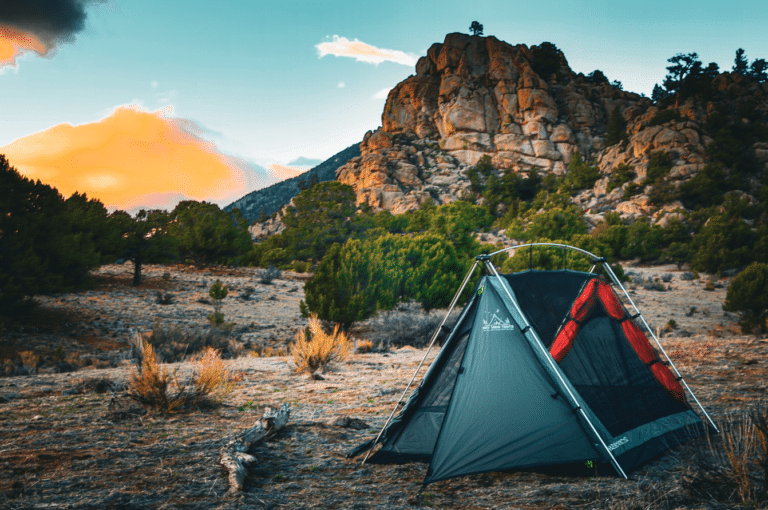
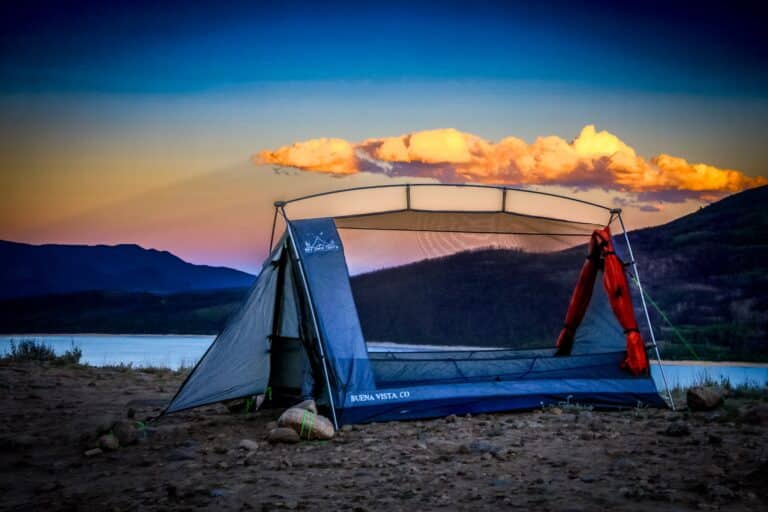
Pick Your Sky View Stargazing Tent

Stargazing Tent FAQ
Do you see stars through stargazing tent mesh?
Yes, with the inside lights off. Sky View says its 18×18 mesh disappears at night, and a Space.com tester reported the same effect. A white light inside makes the mesh visible again, so switch to red.
How long does the Sky View XL take to set up?
My first pitch took about five minutes, at 12:30 a.m. in Big Bear. The frame has three main sections, and clips attach the body to the frame. No outer fly goes over the top, which keeps the process short.
How many people fit in the Sky View XL?
Sky View rates the XL for 3+ people on a 90 x 90-inch floor. I’m 6 feet tall and had plenty of room sitting inside. For two adults with gear or a small family, the space works well.
Is a stargazing tent good in wind and rain?
It depends on the design, and I have not tested the XL in weather yet. Sky View says its inside fly seals every opening. Still, its founder admits the A-frame is not the most wind-resistant design. The brand’s own Oregon rain test also found water near the side pockets, and the company changed the pocket design afterward.
Does a stargazing tent get condensation?
Yes, any tent does under the right conditions. Open mesh nights bring dew, and testers found the smaller model stuffy with the fly closed. Sky View says Gen 2 adds vents in the doors and the fly to help.