


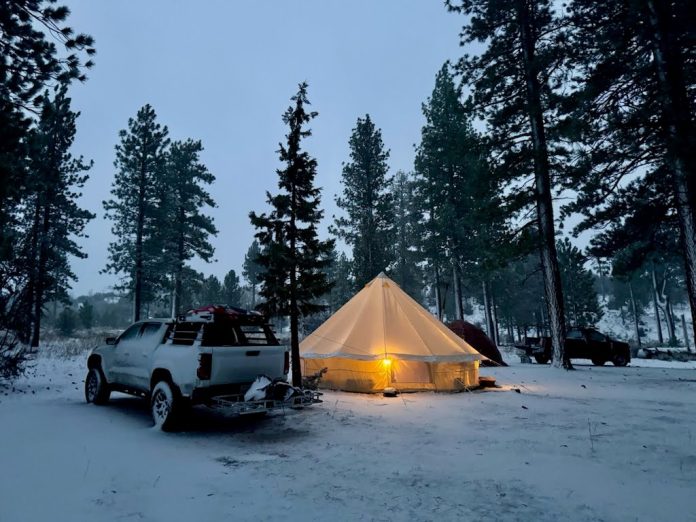

I’ve spent years testing overlanding and camping gear, and most of the tent failures I have seen in the field share the same root causes. A pole doesn’t snap because it is poorly made. It snaps because snow piled up faster than anyone expected and nobody knocked it down. A stake does not just pull loose. It pulls loose because the ground froze solid and the stake never had proper holding power to begin with.
This article breaks down the specific failure points that show up most often once temperatures drop and snow enters the picture, based on damage I have inspected firsthand rather than theoretical worst case scenarios. Consequently, the goal here is not to scare you away from winter camping. It is to help you recognize the early warning signs of pole stress, fabric fatigue, and anchor failure before a shelter fails at 2 a.m. in a storm, regardless of whether you run a dome tent, a wall tent, or a canvas bell tent.
Quick Facts:
- Topic: Common tent failure points in winter and how to prevent them
- Main causes: Snow load, pole stress, frozen fabric, stake and guy line failure
- Skill level: Beginner to intermediate
- Prevention cost: $20 to $150 for stakes, guy lines, and reinforcement gear
- Highest risk factor: Unattended snow accumulation on flat or low pitched roofs
- Best for: Anyone winter camping in a dome tent, wall tent, or bell tent
8 min read
In This Guide
- Why Winter Breaks Tents That Summer Never Touches
- Common Winter Failure Points at a Glance
- Snow Load: The Number One Tent Killer
- Pole and Frame Stress in Cold Temperatures
- Fabric Fatigue and Zipper Failure in the Cold
- Stakes, Guy Lines, and Frozen Ground
- Why Bell Tent Design Handles Snow Load Differently
- Steep Roof vs. Flat Roof: Which Shape Survives Winter Better?
- Pros and Cons of Winter-Rated Shelters
- Final Verdict
- Frequently Asked Questions
Why Winter Breaks Tents That Summer Never Touches
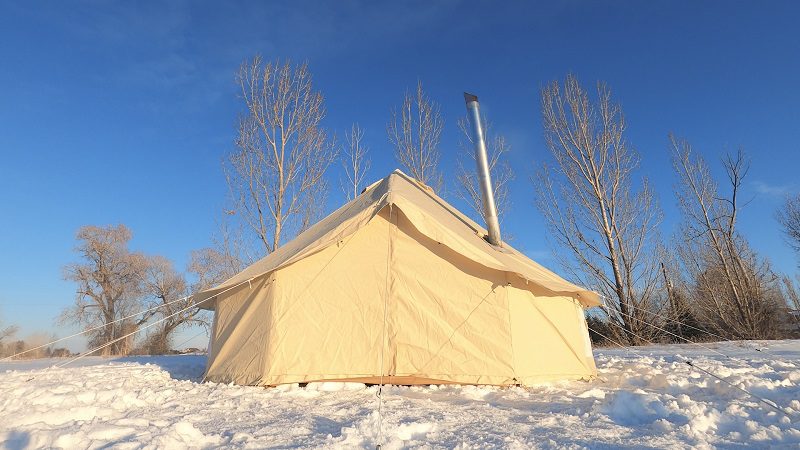
Every tent failure I have inspected in cold weather traces back to one of four causes: snow load, pole or frame stress, fabric and zipper fatigue in the cold, or anchor failure in frozen ground. None of these show up in a typical summer trip, which is why a tent that performed perfectly for years can suddenly fail during its first real winter outing.
The risk scales with how long a shelter sits unattended and how exposed the site is. A tent pitched for one overnight stop faces less cumulative snow load than a stationary basecamp left up for a week. Similarly, a site exposed to open wind and drifting snow puts far more stress on poles and guy lines than a sheltered spot in timber. Understanding which failure mode applies to your setup determines which prevention steps actually matter.
Consider a wall tent left standing during a multi-day snowstorm at a hunting camp. Six inches of snow accumulating on a flat or low pitched roof section can add well over 100 pounds of load in a matter of hours. Without someone knocking that snow down periodically, a ridge pole or rafter can bow, crack, or fail outright, often in the middle of the night when it is hardest to respond.
Common Winter Failure Points at a Glance
| Failure Point | What Causes It |
|---|---|
| Snow load collapse | Accumulated snow on flat or low pitched roof sections exceeding the frame’s rated capacity |
| Pole or frame fracture | Aluminum and fiberglass becoming more brittle in extreme cold, combined with uneven load distribution |
| Zipper failure | Ice buildup inside zipper teeth, forced open or closed while frozen |
| Fabric cracking or tearing | Cold canvas and synthetic fabrics losing flexibility, then tearing under wind or snow stress |
| Stake pull-out | Standard stakes failing to hold in frozen or snow covered ground |
| Guy line failure | Line tension changing as temperature drops, or ice forming and adding unexpected load |
Snow Load: The Number One Tent Killer
Snow load causes more winter tent failures than every other factor combined. Wet, heavy snow is especially dangerous because it can weigh several times more per inch than dry powder, and it accumulates fastest on flat surfaces or gently sloped roof sections where it has nowhere to slide off. Once a roof section holds more weight than its poles or rafters were designed for, something gives, whether that is a bent pole, a torn seam, or a full section collapse.
Prevention here is mostly about vigilance rather than gear. Knock snow off your shelter periodically during a storm, especially on flatter sections, rather than waiting until morning. A simple push broom or gloved hand works fine for most canvas and synthetic tents. Additionally, choose a shelter design with a steep enough pitch that snow sheds naturally, since a well angled roof needs far less manual clearing than a flat or low pitched one.
Pole and Frame Stress in Cold Temperatures
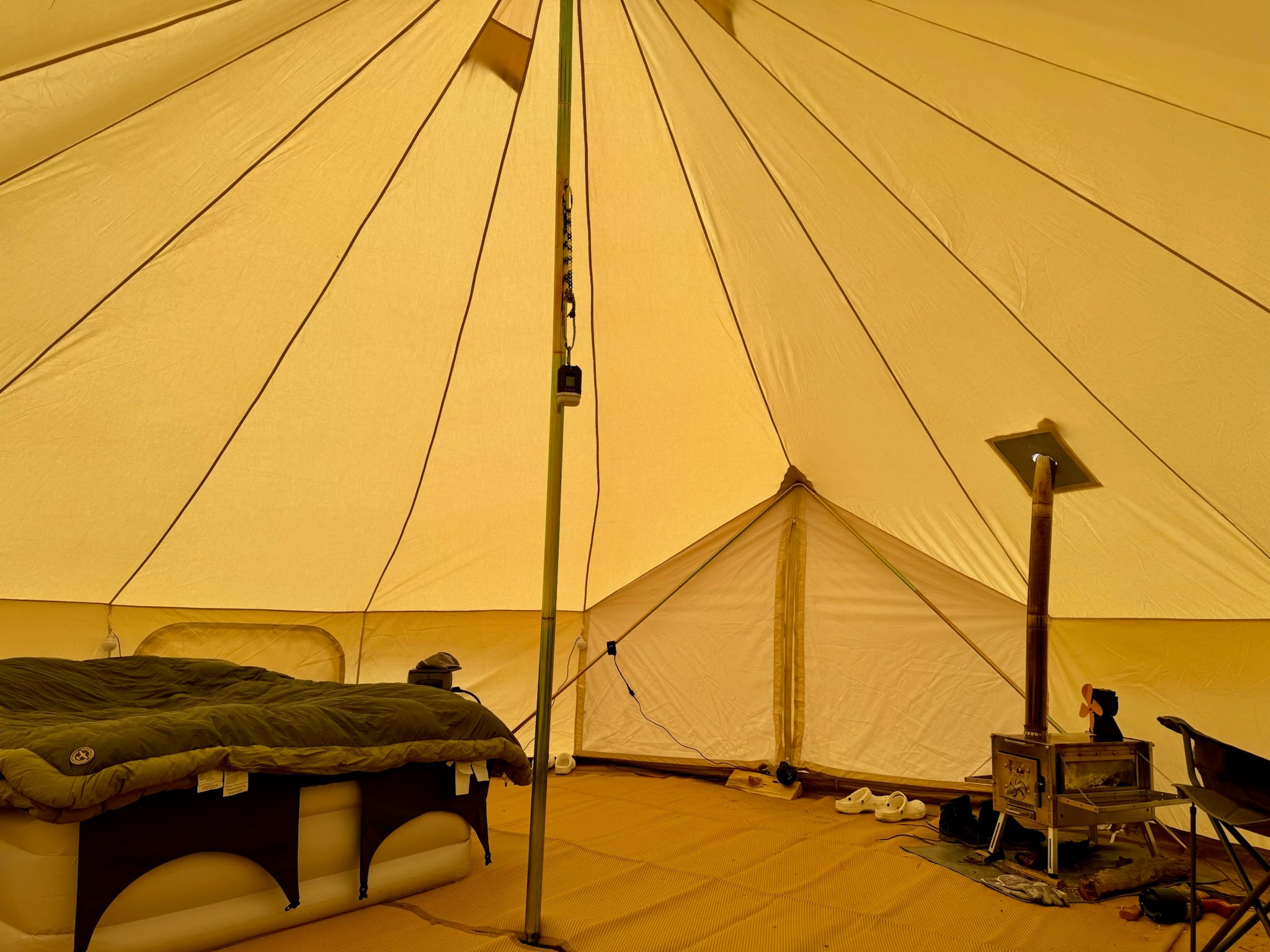
Aluminum and fiberglass poles both lose some flexibility in extreme cold, which makes them more prone to snapping under sudden stress rather than bending and recovering. This becomes especially dangerous when a pole is already under uneven load from snow buildup or wind gusts hitting one side of the shelter harder than the other.
Inspect poles for hairline cracks or bends before each winter trip, and replace any suspect sections rather than trusting them through a storm. Distribute load evenly by adjusting guy line tension symmetrically, and avoid setting up on a site where wind consistently hits from one direction without a natural windbreak. A frame under even load handles cold weather stress far better than one already fighting an imbalance before the storm even starts.
Fabric Fatigue and Zipper Failure in the Cold
Cold fabric behaves differently than warm fabric. Canvas and synthetic blends both stiffen in freezing temperatures, which means a fold or crease that would flex harmlessly in summer can crack or tear in winter. This is particularly common at high stress points like door corners, guy line attachment loops, and anywhere fabric folds tightly during setup.
Zippers present their own cold weather problem. Ice and frost can build up inside the teeth, and forcing a frozen zipper open or closed is one of the fastest ways to break a slider or tear the surrounding fabric. Warming a stuck zipper gently with body heat or a warm cloth works far better than force. Additionally, applying a zipper lubricant rated for cold weather before the season starts reduces ice adhesion significantly.
Stakes, Guy Lines, and Frozen Ground
Standard stakes rely on soil holding them in place, and frozen or snow covered ground often will not provide that holding power. A stake that seats firmly in September dirt can pull loose entirely once the ground freezes solid or turns to loose powder snow. This is one of the more preventable failure points, since dedicated snow stakes and deadman anchors solve the problem directly.
Guy line tension also shifts with temperature. Synthetic cordage can contract slightly in extreme cold, tightening lines beyond their intended tension, while ice buildup on the line itself adds unexpected weight and stress. Check and adjust guy line tension at least once during any overnight cold weather stay, and consider using guy lines rated specifically for cold weather elasticity.
Why Bell Tent Design Handles Snow Load Differently
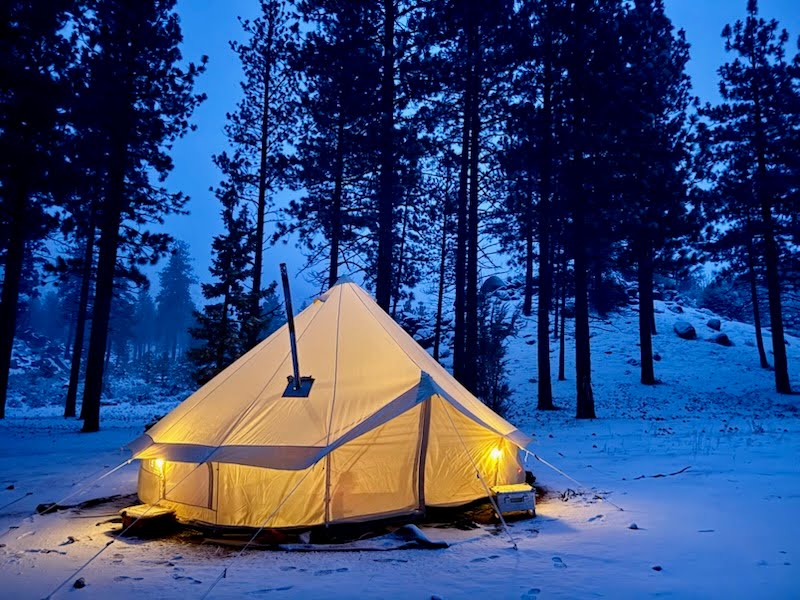
Roof shape plays a bigger role in snow load survival than most campers realize. The Elk Mountain Yukon Bell Tent uses a steeply sloped bell wall design rather than a flatter roofline, which sheds snow far more effectively than shelters with large flat or low pitched sections. That shape reduces how often someone needs to manually clear snow overnight, directly addressing the number one failure point covered above.
The Yukon’s Poly Shield canvas also resists the stiffening and cracking that plagues older cotton canvas in freezing temperatures, which lowers the risk of tears at fold points and door corners during a cold snap. Paired with a built-in stove jack, the design keeps the interior warmer, which can help reduce ice buildup on interior zippers as well. Available in 13, 16, and 20 ft sizes, the Yukon gives campers a shelter built around several of the exact failure points this article covers, rather than one that needs aftermarket fixes to survive winter conditions.
Buy Direct From Elk Mountain
Check Out the Yukon Bell Tent
A steep bell wall, Poly Shield canvas, and a built-in stove jack built for winter conditions.
Steep Roof vs. Flat Roof: Which Shape Survives Winter Better?
Steeply pitched roofs, like those on bell tents and many four season dome designs, shed snow naturally as it accumulates, which reduces both manual maintenance and the risk of a sudden overload failure. Flatter roof sections, common on some wall tents and tarp shelters, require far more active snow clearing since accumulation has nowhere to slide.
The trade off is usually interior space. Flatter roof designs often maximize standing headroom across a larger footprint, which appeals to basecamps prioritizing living space over structural simplicity in snow. Campers who accept more frequent snow clearing can still use these designs safely in winter, but steep roof shelters demand less vigilance during an unattended overnight storm.
Pros and Cons of Winter-Rated Shelters
Pros
- Steep roof designs shed snow with minimal manual clearing
- Reinforced poles and stitching hold up better under wind and load
- Built-in stove jacks reduce interior condensation and ice buildup
- Proper anchoring gear prevents the most common winter failure points
Cons
- Winter-rated shelters and gear typically cost more upfront
- Snow monitoring is still required even with a steep roof design
- Cold weather stiffens fabric and zippers regardless of shelter quality
- Frozen ground still requires specialized stakes or anchors
Final Verdict
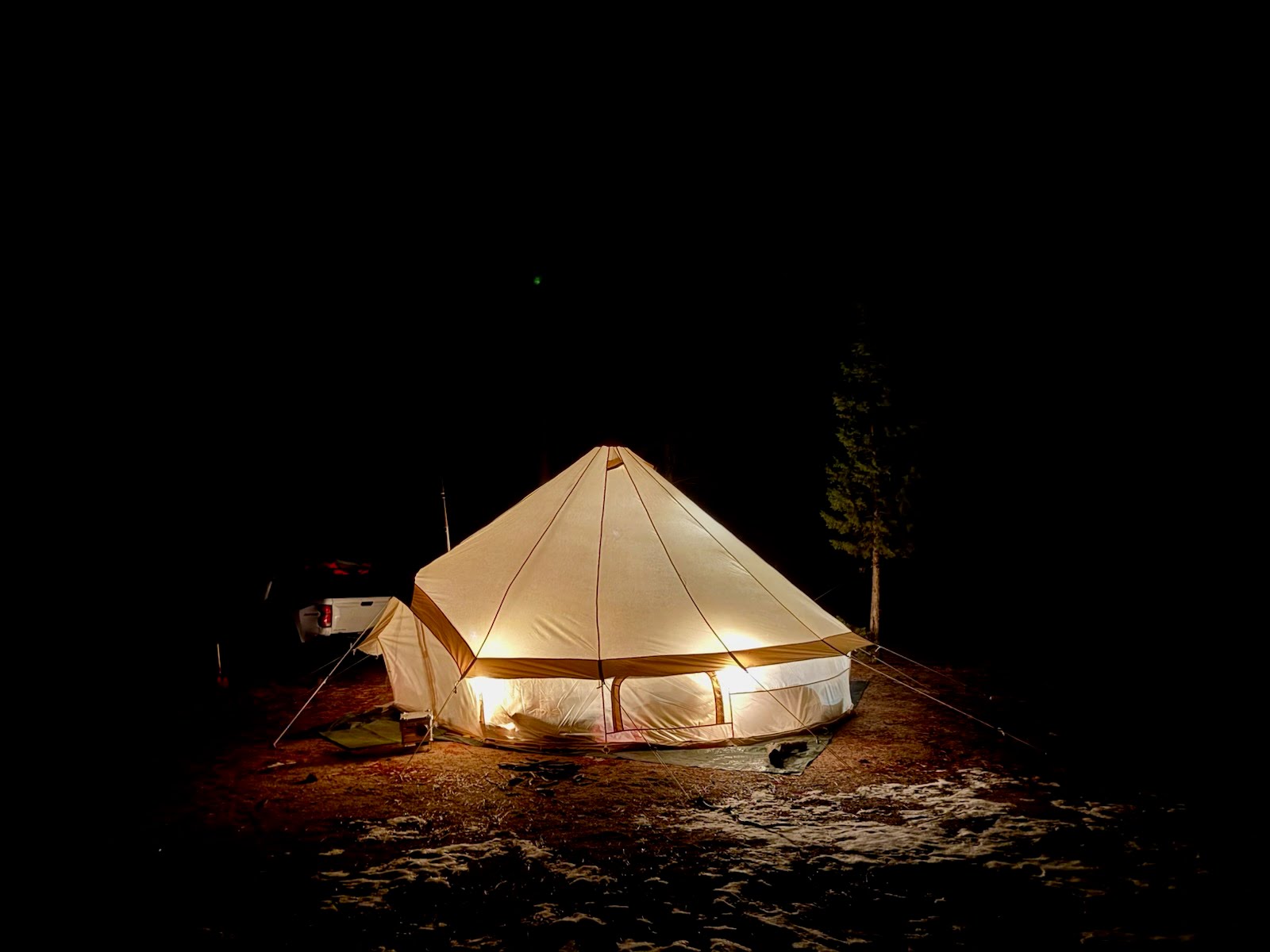
Most winter tent failures are preventable once you know what to watch for. Snow load causes the majority of collapses, pole and frame stress compounds under uneven weight, cold fabric and zippers become more fragile, and standard stakes lose their holding power in frozen ground. Addressing each of these directly, through active snow clearing, pre-season pole inspection, cold rated zipper care, and proper winter anchors, prevents the overwhelming majority of failures I have seen in the field.
The trade off is attentiveness. A steep roof shelter with a stove jack and quality anchoring gear reduces how often you need to intervene, but no tent design eliminates the need to monitor conditions during a serious storm. Campers heading into consistently harsh winter conditions benefit most from investing in a purpose built shelter, while those facing occasional cold snaps can often get by with careful setup and active monitoring of an existing tent.
Overall, understanding these failure points before a storm hits, rather than during one, is what separates a manageable winter camping trip from an emergency breakdown at 2 a.m. Inspect your gear each season, choose anchoring hardware suited to frozen ground, and pick a shelter shape that works with snow rather than against it.
Frequently Asked Questions
What is the most common cause of tent failure in winter?
Snow load causes the majority of winter tent failures, particularly on flat or low pitched roof sections where snow has nowhere to shed and accumulates faster than most campers expect.
Can tent poles actually break from cold weather alone?
Cold weather alone rarely breaks a pole, but it does make aluminum and fiberglass more brittle, which increases the risk of a fracture when combined with snow load or uneven wind stress.
Why do zippers fail more often in winter camping?
Ice and frost build up inside zipper teeth, and forcing a frozen zipper open or closed is one of the fastest ways to damage the slider or surrounding fabric. Gentle warming and cold rated lubricant help prevent this.
Do I need special stakes for winter camping?
Yes, in most cases. Standard stakes often fail to hold in frozen or snow covered ground, so dedicated snow stakes or deadman anchors provide far more reliable holding power.
How often should I clear snow off my tent during a storm?
Check and clear snow periodically throughout a storm rather than waiting until morning, especially on flatter roof sections where accumulation happens fastest and adds the most load.
Does roof shape really make a difference in winter durability?
Yes. Steeply pitched roofs, like those found on bell tents, shed snow naturally and require far less manual clearing than flatter designs, which reduces the risk of a sudden overload failure.
Friendly disclaimer: Our articles may contain affiliate links that support us without costing you more, and sometimes we spice things up with sponsored content—but only for products we truly stand behind!