



Quick Facts:
- Topic: No-shower camping hygiene hacks for long 4WD weekends
- Best for: Overlanders, truck campers, and families at off-grid sites
- Skill level: Beginner friendly
- Time required: 5 to 10 minutes a day
- Water needed: A few ounces per wipe-down, not gallons
- Kit cost: Under $60 for a full setup
- Hero item: Rinse-free sponge bath, one sponge per full-body clean
9 min read
In This Guide
- Camping Hygiene Hacks Overview
- Your No-Shower Hygiene Kit at a Glance
- Start Clean Before You Leave
- The Rinse-Free Sponge Bath
- Build a Two-Zone Wipe-Down Routine
- Hands, Dishes, and a Simple Water Station
- Feet, Socks, and Fresh Clothes
- Hair, Teeth, and Face
- Pack Out Your Hygiene Waste
- Rinse-Free Sponges vs. Baby Wipes
- Your Camping Hygiene Hacks, One Routine
- Frequently Asked Questions
Camping Hygiene Hacks Overview: Staying Clean on Long 4WD Weekends
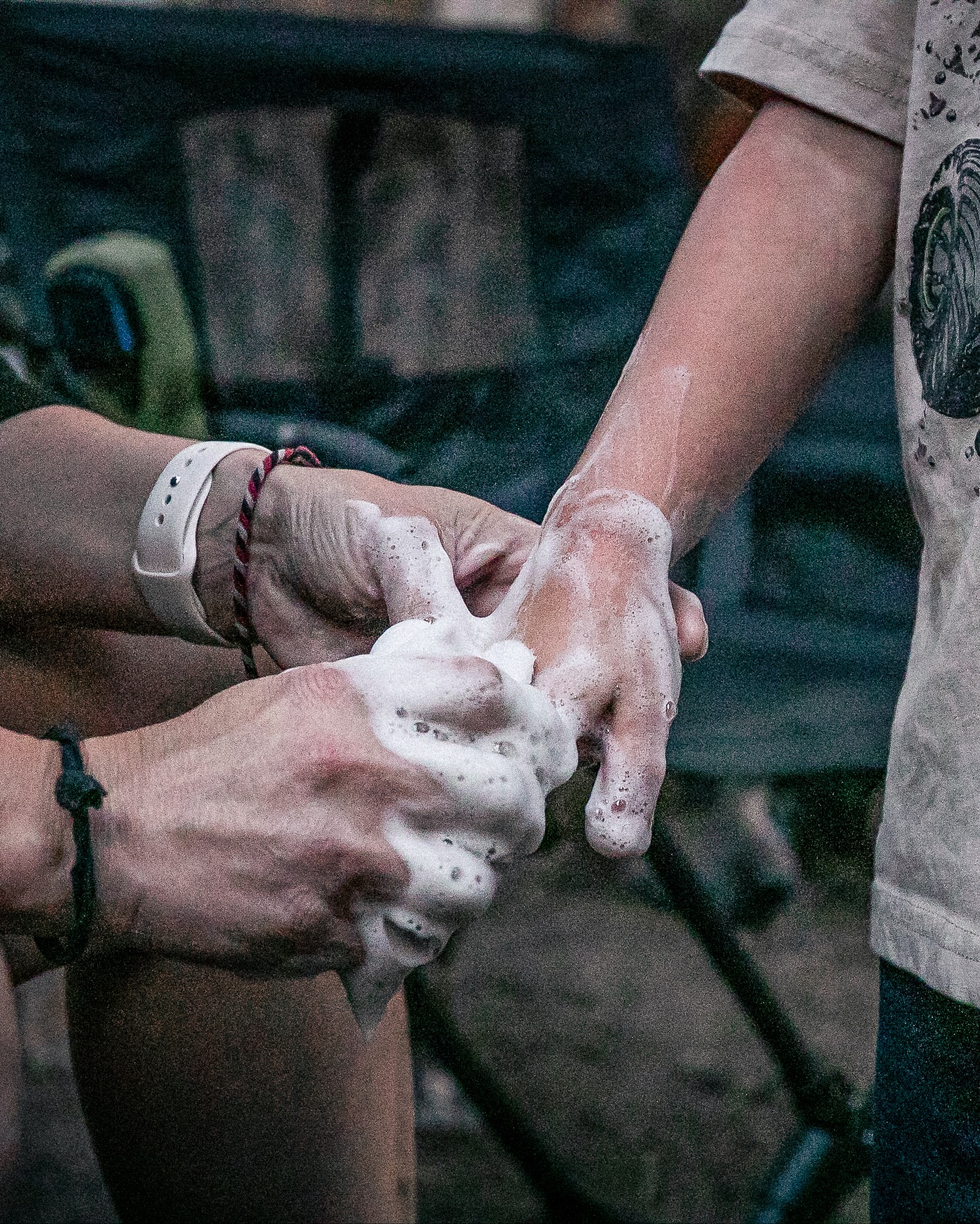
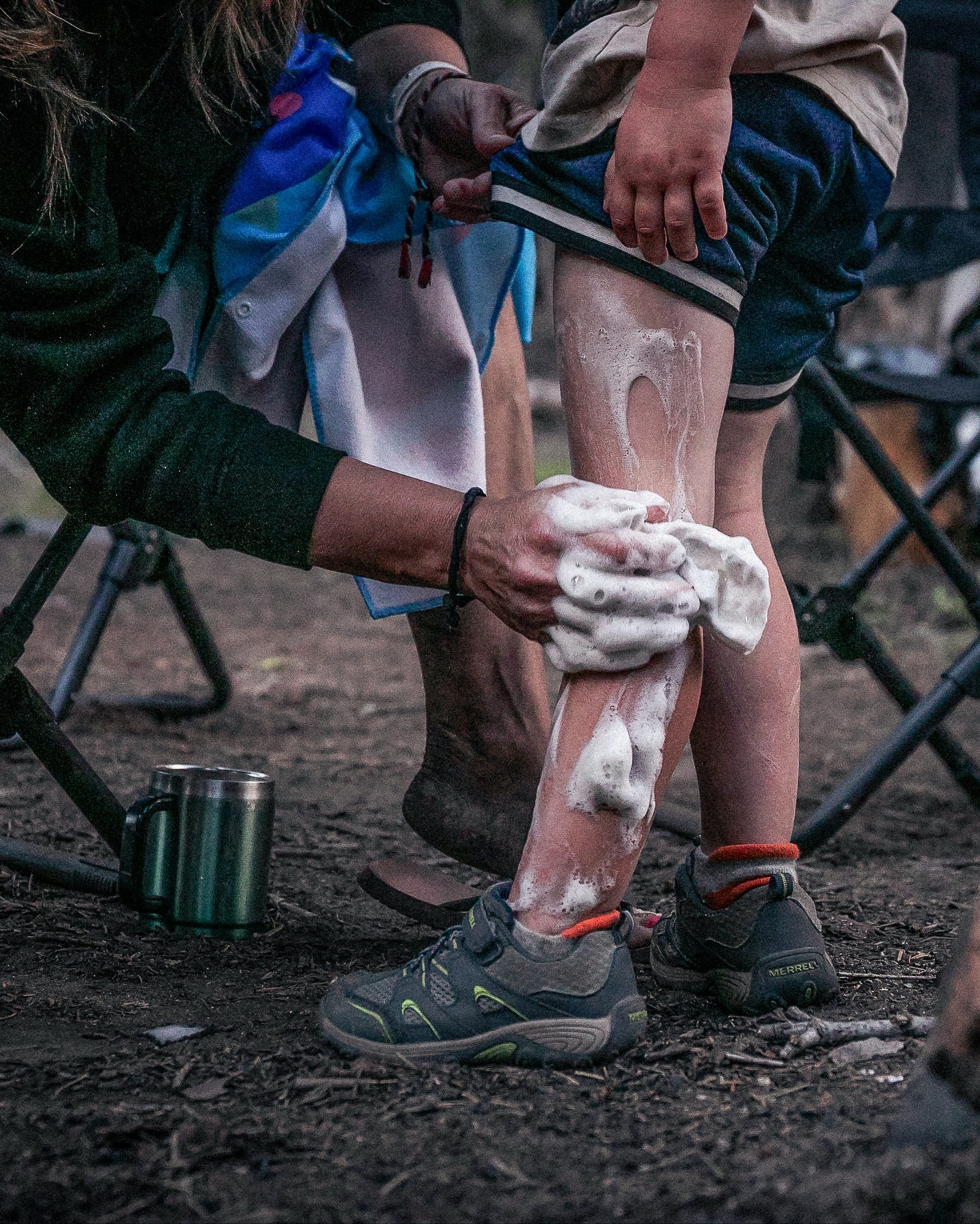
Long 4WD weekends put you far from any faucet, and smart camping hygiene hacks keep you from paying for it with itchy skin and funk by day three. I run these off-grid with my kid, who finds every mud puddle, dust cloud, and creek bank within a hundred yards of camp. After enough weekends without a shower, you learn what works and what wastes water. Below are nine field-tested moves, built around a grab-and-go hygiene station you set up once and reach for all trip.
These no shower camping hygiene hacks suit overlanders, truck campers, RVers, and families rolling into sites with no water hookup. For a sense of where this matters most, our guide to dispersed camping in Southern California maps free spots with zero facilities. On trips like those, your hygiene kit becomes the whole bathroom.

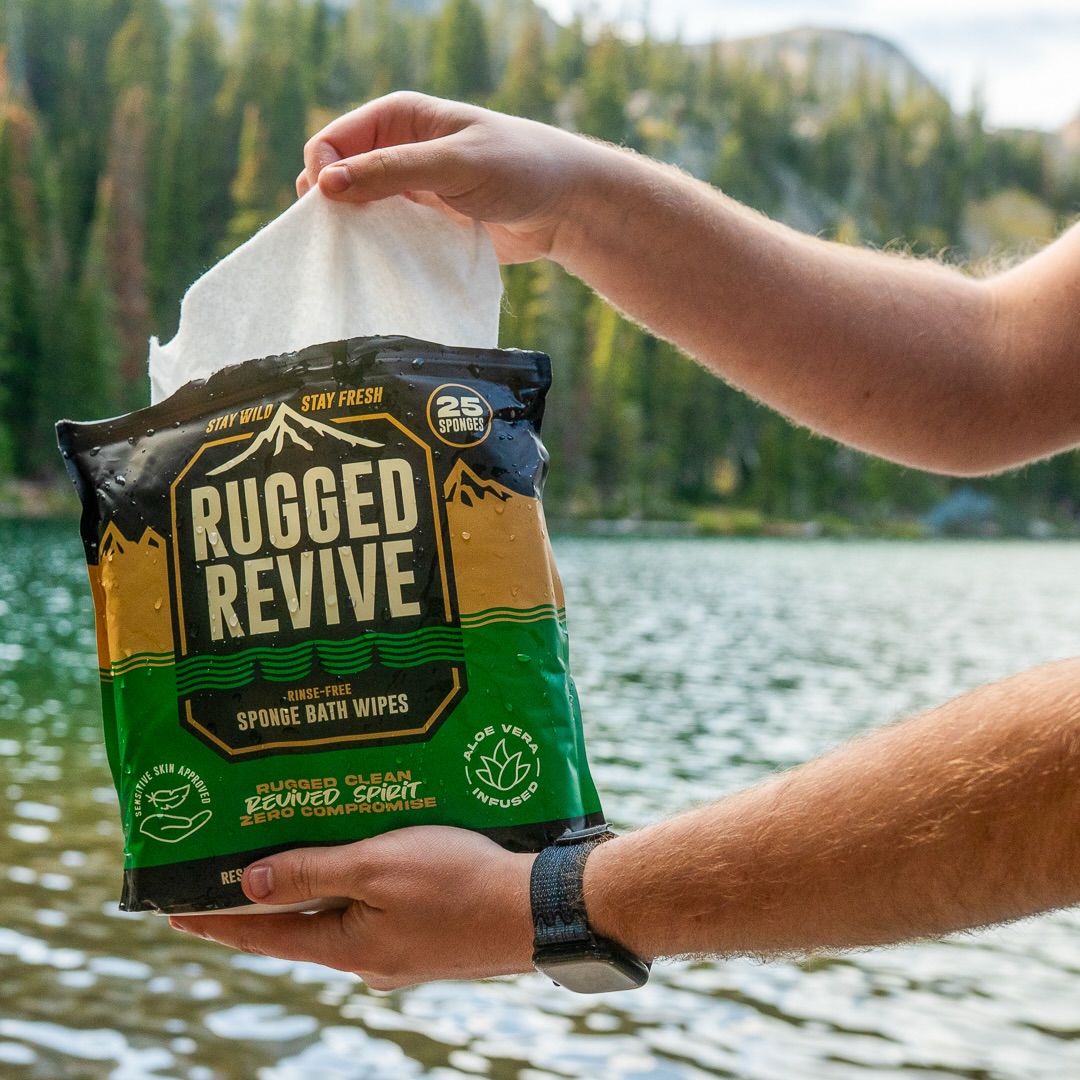
25 Pack Rugged Revive No Rinse Bathing Wipes for Adults, Body Sponge Bath
The rinse-free sponge bath this guide's nightly routine is built around, sized right for long weekends.
- Lathers with real soap from a few ounces of water
- One sponge handles a full nightly wipe-down
- Thicker than wet wipes, no residue
- Single-use sponges add pack-out trash
The plan is simple, and it answers how to stay fresh on camping trips with almost no water. First, stay clean enough to sleep well and avoid chafing. Second, keep skin healthy while stretching a few gallons of water across a whole weekend. Most of these hygiene tips for truck camping and 4WD trips cost under twenty dollars, and they pack into a single shoe-box.
Your No-Shower Hygiene Kit at a Glance
Before the tips, here is the gear list. Each item earns its space because it cleans well with little or no water. Build this kit once, then restock consumables before every trip. You will also want a small tote of camp cleanup accessories to round it out.
| Item | Why it earns space |
|---|---|
| Rinse-free sponge bath | Flat and washcloth-thin; a full-body clean from a few ounces of water |
| Biodegradable soap | One bottle for hands, dishes, body, and laundry |
| Collapsible jug or sink | A hands-free water source for washing up |
| Dry shampoo | Cuts oil and odor from hair without water |
| Microfiber pack towel | Dries fast, weighs little, and doubles as a washcloth |
| Foot powder and deodorant | Controls odor at the two spots it starts |
| Zip-top pack-out bags | Keeps used wipes and trash sealed until you reach a bin |
Start Clean Before You Leave the Driveway
The cleanest day of any trip should be the day you roll out. Take a full shower the morning you leave, and scrub with a washcloth or exfoliating mitt. Because exfoliation clears dead skin and grime, you leave with the cleanest possible starting point. I make my kid do the same, since a clean start buys us an extra day before anyone gets ripe.
Next, start the trip in fresh, moisture-wicking layers. Cotton traps sweat and holds smell, while merino wool and synthetics dry fast and resist odor. Pack one clean base layer per two days, and seal worn clothes in a separate bag. A strong pre-trip reset is the foundation under every other move here.
The Rinse-Free Sponge Bath: Your Camp Shower Replacement
Here is the centerpiece of the whole station. A rinse-free sponge bath gives you a shower-style clean with no plumbing, no solar bag, and no cold rinse. You add a few ounces of water to a pre-soaped sponge, work up a lather right on your skin, then towel dry. No rinsing follows, so a full wash costs you only a splash from your drinking supply.
I keep a pack of Rugged Revive rinse-free sponges in the truck for exactly this. Despite the name, each one is thin and flat, closer to a heavy-duty washcloth than a bulky kitchen sponge, so a full pack stows in a glovebox. Each sponge is aloe-infused and free of parabens, sulfates, and alcohol, so skin feels clean instead of sticky or heavily perfumed. One sponge handles a full body, and the brand suggests a second for a deeper clean. Because setup takes seconds, a sponge bath fits the tired stretch after a trail day, when a real shower is nowhere in sight.
Build a Two-Zone Wipe-Down Routine
A nightly wipe-down beats a full wash for speed, so make it a habit before bed. Split your body into two zones to keep things hygienic. First, clean the high-odor areas, meaning pits, groin, and feet. Second, use a fresh sponge or wipe for the rest of your body. Rugged Revive builds this split into its own guidance, recommending one sponge for pits and bits and a second for everything else.
Timing matters as much as method. A wipe-down at night clears the day’s sweat and salt, so you sleep cleaner and your bag stays fresher. Wash your feet last, then let them air-dry before socks. Because odor and bacteria start at the feet and groin, hitting those spots daily does most of the work.
Hands, Dishes, and a Simple Water Station
Clean skin is half the job, and your hands are the other half. Your hands protect the whole trip, since good handwashing is your best defense against camp stomach bugs. Set up a simple station with a jug, a spigot, and biodegradable soap. A portable camping sink makes this easier, because it catches grey water and keeps your site tidy. Add a small pump bottle of sanitizer for quick cleaning after bathroom breaks.
One bottle of concentrated castile or camp soap covers hands, dishes, and laundry, which trims your kit. Keep all washing at least 200 feet from any lake, stream, or spring. So carry your grey water away from the source, and scatter it widely. A tidy water station keeps hands clean and keeps the site cleaner for the next crew.
Feet, Socks, and Fresh Clothes
Feet take a beating on 4WD trips, so give them daily care. Each night, wipe your feet down, dry them fully, and dust them with foot or baby powder to cut moisture. Change into a dry pair of socks, and hang the day’s pair to air out. Clean, dry feet prevent blisters, hot spots, and odor from spreading through a tent.
Clothes drive how fresh you feel, so manage them with intent. Rotate a clean base layer every two days, and treat socks and underwear as daily items. A few pumps of deodorant and a shake of powder handle the rest. For a simple answer to how to stay fresh on camping trips, dry clothing and dry skin beat a full rinse every time.
Hair, Teeth, and Face: Quick Daily Care
Hair goes greasy fast outdoors, and dry shampoo fixes it without a drop of water. Apply it at the roots, wait a minute, then brush it through to lift oil and odor. A hat or bandana hides bed head and blocks trail dust between applications. This single step keeps hair from going greasy and flat by the second morning.
Dental and face care round out the routine. Brush morning and night with a travel brush, and spit into a small hole away from water sources. A face wipe or a corner of your sponge clears sweat, sunscreen, and grime before bed. Because these steps take two minutes, they fit even the latest, most tired camp night.
Pack Out Your Hygiene Waste
Clean skin should never mean a dirty campsite. Used wipes, sponges, and floss belong in a sealed zip-top bag, not a cathole and never a fire. Pack out everything, and follow the Leave No Trace principles for waste and grey water. These habits keep public land open and clean for the crews behind you.
Plan disposal before you leave home. Line an old coffee tin or dry bag as your trash bin, and empty it at the first trailhead dumpster. On longer routes through spots like our free dispersed camping spots, a sealed waste system keeps odor and mess out of your rig. Responsible cleanup is the quiet half of good camp hygiene.
Rinse-Free Sponges vs. Baby Wipes: What Gets You Cleaner
RuggedRevive No-Rinse Wipes: Pick Your Pack Size


For years I ran the default kit, meaning baby wipes and wet wipes, and they always hit their limits fast. Switching our camp kit to a rinse-free sponge fixed the problem overnight, since real soap and a thick lather left my skin feeling clean, not sticky. My experience was strong enough to make me curious whether other campers felt the same about the swap.
So I went looking, and the pattern held. On Reddit, multi-day campers voice the same complaint about wet wipes, since they dry out in the pack and leave you feeling wiped down rather than clean. One Rugged Revive owner review echoed it, describing how baby wipes kept drying out and never left the family feeling clean. A Tacoma owner who tested the sponges near Yellowstone reported fast foam, lasting lather, and one sponge covering both him and his wife. For a family with a grimy kid in tow, a soaped sponge does the job a stack of thin wipes cannot.
| Method | Water needed | Clean level | Skin feel | Packability |
|---|---|---|---|---|
| Rinse-free sponge bath | A few ounces | Full-body wash | Clean, non-sticky | Flat, packs small, single-use |
| Baby or wet wipes | None | Surface freshen-up | Often feels smeary | Compact, dries out over time |
| Solar shower bag | 2 to 5 gallons | Full rinse | Cleanest option | Bulky, needs sun and time |
Your Camping Hygiene Hacks, One Routine
Pull these no shower camping hygiene hacks into one nightly loop, and the whole system runs on autopilot. Start every trip with a real shower and fresh layers. Then wipe down each night with a rinse-free sponge, working high-odor zones first and the rest second. Add dry shampoo, foot powder, and a two-minute teeth-and-face pass, and you stay fresh across a long weekend.
The trade-off is honest. None of this replaces a hot shower after five days in the dust, and a hard multi-week trip will still call for a real scrub. For weekend and week-long 4WD runs, though, this routine keeps skin healthy and sleep clean on a few ounces of water a day. These hygiene tips for truck camping and 4WD trips scale from a single overnight to a full week.
Dollar for dollar, the rinse-free sponge earns the top spot in the kit. It solves the exact problem wet wipes leave open, and it packs small enough to ride in any rig. For a built-in shower someday, our roundup of overland teardrop trailers shows the upgrade path. Build the station once, restock before each trip, and staying clean stops being the hard part of the adventure.
Frequently Asked Questions
How do you stay clean camping without a shower?
Wipe down nightly with a rinse-free sponge or body wipe, cleaning pits, groin, and feet first. Then change into dry socks and a fresh base layer. Dry shampoo, foot powder, and a quick teeth-and-face pass round it out. These steps keep you clean on a few ounces of water a day.
What are the best camping hygiene hacks for long trips?
The strongest camping hygiene hacks are a pre-trip shower, a rinse-free sponge bath each night, a two-zone wipe-down, dry shampoo for hair, and daily foot care. Add a simple handwashing station and a sealed pack-out bag. Together they cover the whole body with little water.
Do rinse-free body wipes work well?
Yes, when they carry real soap and a thick lather. Rinse-free sponges like Rugged Revive foam with a few ounces of water and leave skin clean after a towel dry. Owners report they outperform baby wipes, which tend to smear and dry out in the pack.
How many body wipes do you need per day camping?
Plan on one to two per person for a full daily clean. Rugged Revive suggests one sponge for high-odor zones and a second for the rest of the body. A 25-count pack then lasts a solo camper one to two weeks, or a family a long weekend.
How do you dispose of hygiene wipes when camping?
Pack them out in a sealed zip-top bag every time. Wipes and sponges do not belong in a cathole, and burning them is unsafe and against Leave No Trace guidance. Carry a lined trash bag, and empty it at the first trailhead bin.