


Quick Facts:
- Topic: Free dispersed camping in New Mexico for off-roaders and overlanders
- Spots covered: 13 vetted free sites across 7 regions
- Land managers: BLM New Mexico, Santa Fe, Carson, Cibola, Gila, and Lincoln National Forests
- Typical cost: $0 on most BLM and national forest land
- Passes: None for dispersed sites; some developed areas charge a fee
- Stay limit: 14 days on forest and BLM land, with district variations
- Vehicle needed: High-clearance for most; 4WD for Mt. Taylor and wet byways
- Best season: High country in summer, low desert and the Gila in fall through spring
- Heads up: Stage 1 and Stage 2 fire restrictions are active across the state in 2026
- Best for: Overlanders who want solitude, dark skies, and real backcountry access
11 min read
In This Guide
- Dispersed Camping in New Mexico: What Off-Roaders Need to Know
- Rules and Passes for Dispersed Camping in New Mexico
- Seasons, Fire, and Road Conditions for Dispersed Camping in New Mexico
- High-Country Summer Sites in Northern New Mexico
- Free Dispersed Camping Near Albuquerque
- The Gila and the Sacramentos: Cool-Season Boondocking
- BLM Desert and Continental Divide Sites
- New Mexico State and Agency Resources
- Which New Mexico Spot Fits Your Rig and Season?
- Final Verdict
- Frequently Asked Questions
Dispersed Camping in New Mexico: What Off-Roaders Need to Know
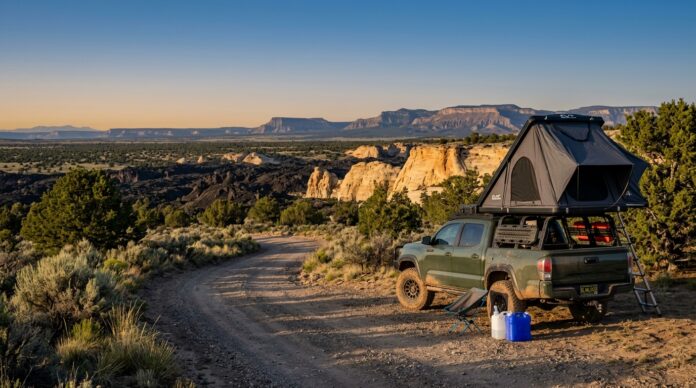
Dispersed camping in New Mexico is free on millions of acres of BLM and national forest land. The state rewards anyone willing to air down and drive past the pavement. You get two distinct camping worlds here. Up north, the Sangre de Cristo and Jemez ranges climb past 10,000 feet into cool conifer country. To the south, the Chihuahuan Desert and the vast Gila open up for fall and winter trips. Those low routes shine once the high passes lock up with snow.
This guide covers 13 vetted free sites across seven regions. Every spot below sits on public land managed by the BLM or one of five national forests. The camping itself costs nothing. We focused on places a capable rig reaches, then graded each by road difficulty. Now you know where a stock crossover taps out and where you want lockers and low range.
New Mexico also asks more honesty than most camping guides give. Several famous areas charge fees. A few have closed to camping. The 2026 fire season clamped restrictions across the state, and we flag all of it. Yet the payoff is real. You get dark skies, the Continental Divide Trail, lava fields, and quiet mesa rims. Some days you might not see another vehicle.
Rules and Passes for Dispersed Camping in New Mexico
The core rules are simple, though they shift by agency. On national forest and BLM land, dispersed camping is free and needs no permit or reservation. Stay limits are the main thing to track, and they differ enough to matter when you plan a longer trip. Below is the quick reference for free camping in New Mexico on federal land.
| Rule | Details |
|---|---|
| Cost | $0 for dispersed sites on BLM and national forest land |
| Permit or reservation | None required for dispersed camping |
| Stay limit (most forests) | 14 days within any 30-day period |
| Stay limit (Carson NF) | 14 days within a 45-day period, through 2027 |
| Stay limit (BLM) | 14 days within 28 days, then move at least 25 miles |
| Distance from water | Camp at least 100 to 150 feet from streams and lakes |
| Campfires (2026) | Banned at dispersed sites under current restrictions; stoves only |
| Waste | Pack out all trash; bury human waste 6 to 8 inches, 200 feet from water |
Use a Motor Vehicle Use Map for each forest, since dispersed camping is allowed only along roads open to motor vehicles. On BLM land, stay within the road distance local rules allow. Usually the limit runs around 25 to 300 feet depending on the area. Following leave no trace principles keeps these places open, and overuse has already closed a few. New to this, want a primer first? Our guide on dispersed camping done right walks through the basics.
Dispersed Camping Essentials: Water, Traction, Light


X-BULL New Recovery Traction Tracks Sand Mud Snow Track Tire Ladder…

Lighthouse 600 Multi Functional Adjustable Light Perfect for Camping
Seasons, Fire, and Road Conditions for Dispersed Camping in New Mexico
New Mexico splits into two camping seasons, and reading them correctly saves your trip. The high country to the north stays comfortable from late spring through fall. Snow then gates many of those roads in winter. Meanwhile the southern desert and the lower Gila shine from fall through spring, before they bake under brutal heat in midsummer. Match your destination to the calendar and the whole trip gets easier.
Fire restrictions and the 2026 season
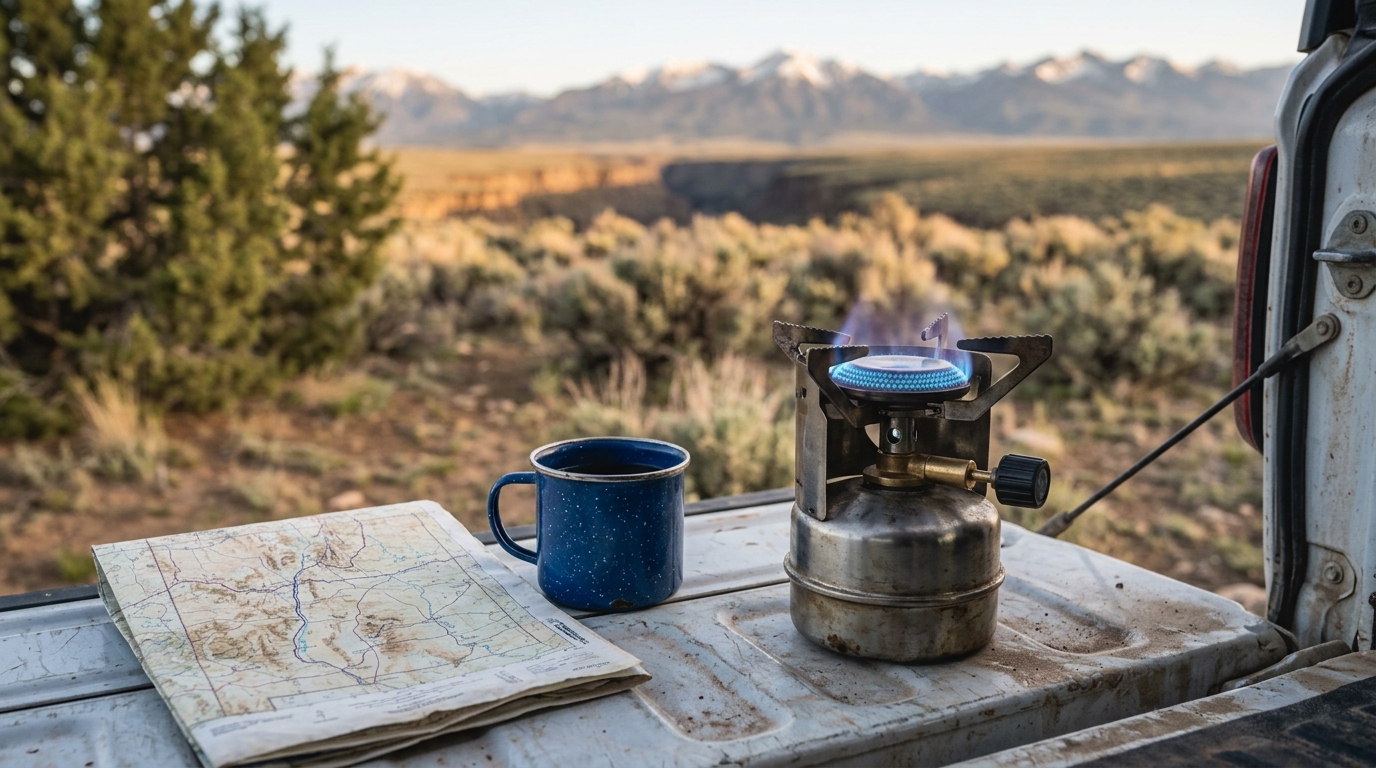
Fire danger drives access here more than anything else. As of summer 2026, every major forest sits under restrictions. Santa Fe National Forest moved to Stage 2, which bans campfires even in developed sites. Carson also went to Stage 2, while the Gila, Lincoln, and most Cibola districts hold at Stage 1. Under any stage, assume no open flame at a dispersed site. Carry a propane or liquid-fuel stove instead. Active fires this season include the McCauley Springs Fire in the Jemez and the Beehive Fire near Tres Piedras. Check each forest alerts page before you leave.
Monsoon and mud
Monsoon season runs from mid-June through September, and the first real storms usually arrive by early July. Afternoon thunderstorms then flood arroyos and turn clay forest roads to greasy gumbo. So camp on high ground, never in a wash, and travel in the mornings before storms build. Burn-scar areas flood fastest, so give the Hermits Peak and Seven Cabins scars extra room. By early summer the snow gates on the high passes have already opened. As a result, fire closures, not snow, become the limiter for a summer trip.
High-Country Summer Sites in Northern New Mexico
When the desert turns into an oven, the northern mountains become the move. These three sites sit high enough to deliver cool nights and pine shade through summer. Each one offers a different flavor of access, from graded gravel to a genuine 4×4 climb.
Pacheco Canyon, Santa Fe National Forest
Forest Road 102 climbs into the pines minutes from Santa Fe, with free creekside sites along the way. The graded road suits most trucks and crossovers, though low sedans struggle on the rougher upper stretches. Snow closes it in winter, so plan on late spring through fall. This is the cleaner free option near Santa Fe. The core Caja del Rio area has closed to camping after years of trash and overuse.
Carson National Forest near Taos
Carson’s Tres Piedras district north of Taos sits around 8,000 feet, where sagebrush mesas meet ponderosa and aspen. Graded roads like FR 578 carry most high-clearance rigs to open camps with long views toward the San Juans. Cool summer nights make this a classic high-country base, and the quiet runs deep once you leave the highway. Two cautions apply here. The Carson stay limit tightens to 14 days within 45. Stage 2 fire restrictions also reached the district in 2026, so confirm orders before you build any plan.
Mt. Taylor, Cibola National Forest
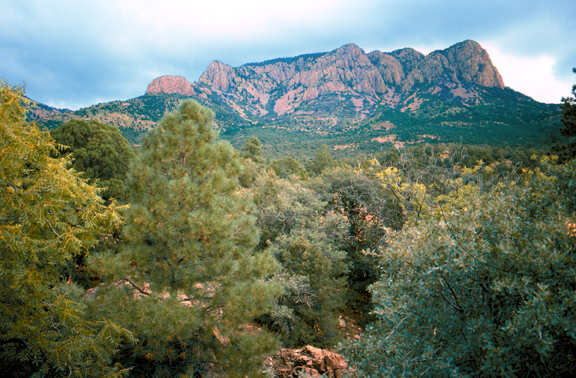
For a true backcountry climb, Mt. Taylor near Grants tops out as a sacred 11,301-foot peak with dispersed sites along its MVUM roads. You want 4WD and high-clearance here, especially on the San Mateo side and near the summit. Meanwhile the southern approach from I-40 stays easier. Most roads turn impassable in winter, so mid-May through early fall is your window. As a destination route rather than a roadside pullout, it rewards a capable rig.
Free Dispersed Camping Near Albuquerque
Dispersed camping near Albuquerque is easier to reach than many newcomers expect. The Sandia Ranger District of the Cibola National Forest sits right against the city. These two clusters work as a first dispersed trip or a quick overnight. Both stay open across most of the year at mid elevation.
Manzanita Recreation Zone
This designated dispersed zone on the Sandia district keeps camping free. The final stretch of roads like FR 242 DC1 ruts out and turns impassable for low-clearance vehicles. Bring high-clearance and you reach quiet sites within 40 minutes of the city. Trails for hiking, biking, and motos run right from camp. The sites are free designated dispersed, not fee or reservation spots, so first come gets the spot.
Sandia and Cedro forest roads
Nearby, the Sandia district lists free dispersed pullouts along FR 462 and FR 542 toward Cedro Peak, with numbered spurs and no amenities. The grading runs from smooth to rough. Most high-clearance rigs reach the main sites, while some spurs ask for more. This cluster is the easiest free camping in New Mexico close to the city. As a result, it makes a solid place to test gear before a deeper trip. Pinyon and juniper give way to pine as you climb.
The Gila and the Sacramentos: Cool-Season Boondocking
Boondocking in New Mexico gets remote fast in the south. The Gila spreads across millions of acres of wild country. Nearby, the Sacramento Mountains near Cloudcroft hold cool pine forest above the desert. These four sites peak in fall and spring. Their elevation even keeps the Sacramentos pleasant in summer.
Gila National Forest along NM-15
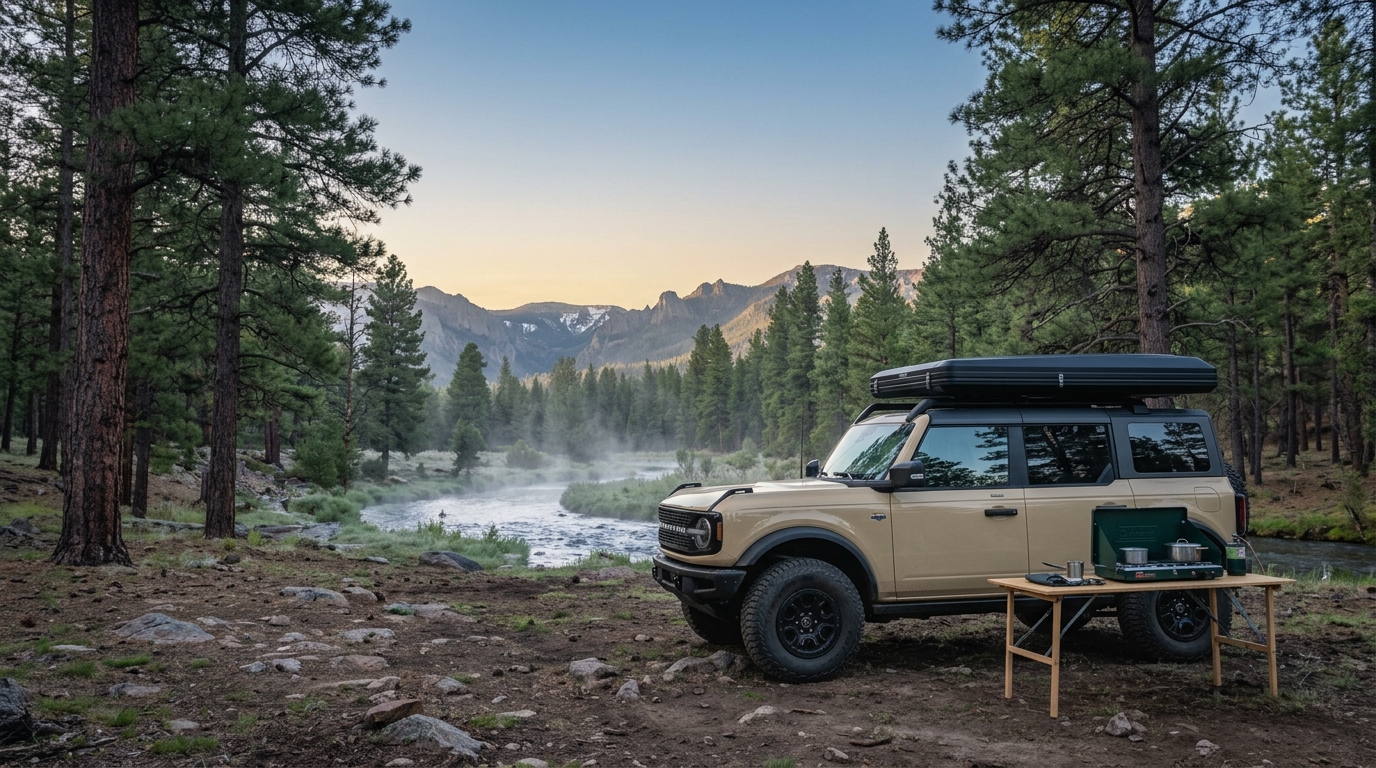
The NM-15 corridor toward the Gila Cliff Dwellings offers free roadside pullouts and dispersed sites near Lake Roberts and Sapillo. Its paved highway is slow, steep, and winding. Many access roads need high-clearance, and a few want 4WD, such as the bumpy run to Meadow Creek. Spring and fall feel mild here. This stretch opens the door to the Gila Wilderness, the Continental Divide Trail, and trout fishing. Stage 1 restrictions and fire risk run high, so check alerts.
Gila forest roads off NM-35
For more solitude, the forest roads off NM-35 in the upper Mimbres valley stay quieter than the NM-15 side. High-clearance helps on most spurs, and conditions worsen quickly when wet. Like its neighbor, this area suits cooler months best and keeps the same Stage 1 fire rules. The Mimbres River valley adds water and a softer landscape to the rugged country around it.
Lincoln National Forest, FR 568 near Cloudcroft
Up in the Sacramento Mountains, Forest Road 568 holds established free pullouts in tall pines at 7,500 feet and higher. The graded road reaches most high-clearance vehicles, and the elevation delivers a rare cool summer in southern New Mexico. Snow arrives in winter. Note a standing Sacramento district order limiting where dispersed camping is allowed, so confirm the current map before you settle in.
Bluff Springs and the Sunspot Highway
About 10 miles south of Cloudcroft, spurs off the Sunspot Highway reach creekside meadows in the pines. The main route is paved, while the spurs reward high-clearance. Late spring through fall brings cool nights and the scenic observatory corridor nearby. A temporary closure hit part of the Bluff Springs area in 2026, so verify access on the Lincoln forest alerts page first.
BLM Desert and Continental Divide Sites
Some of the best free camping in New Mexico sits on BLM desert land. Out here the crowds thin out and the dark skies take over. These three areas trade pine shade for mesas, lava, and badlands. They work best from fall through spring, once the desert cools off.
Rio Grande del Norte mesa land near Taos
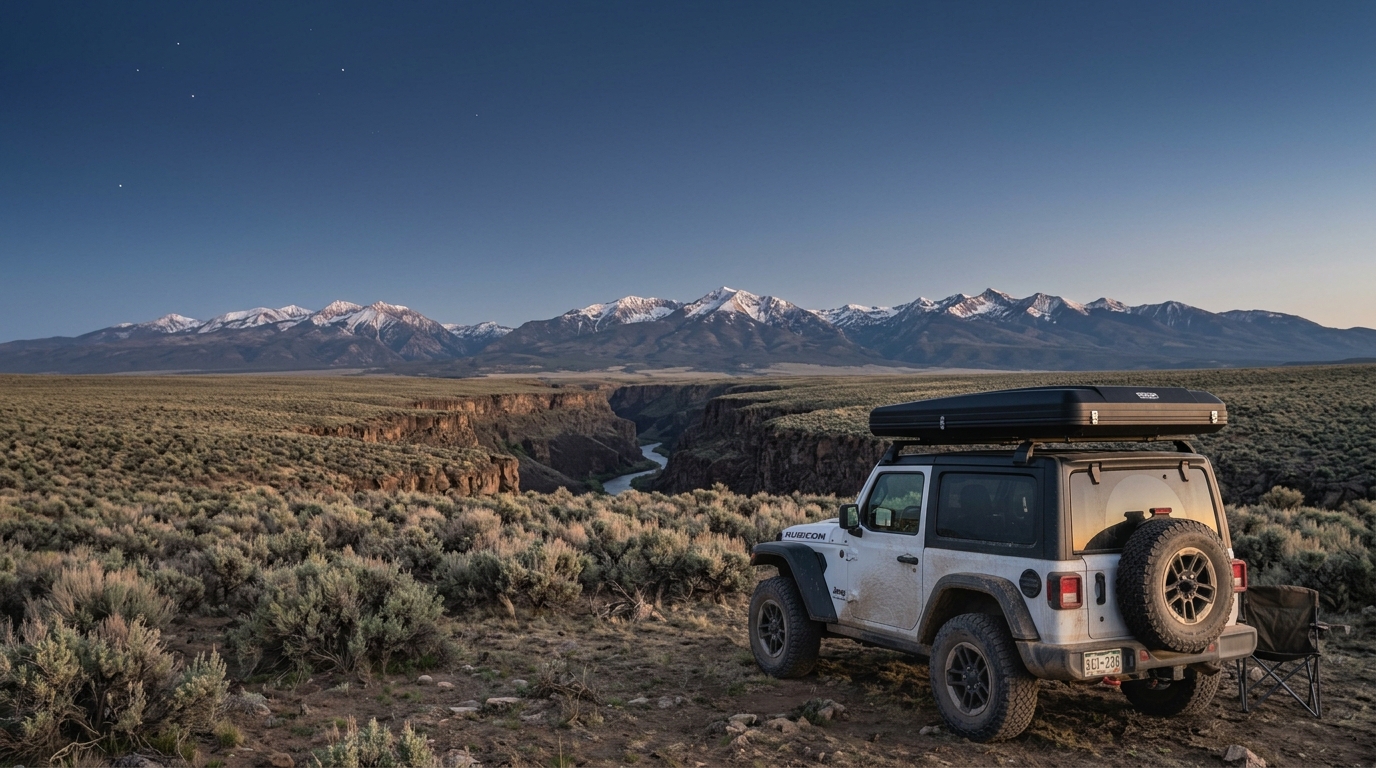
The famous Wild Rivers and Orilla Verde recreation areas charge fees and run developed campgrounds. Free camping sits on the broader BLM mesa land around them, under the 14-day BLM rule. Most graded approaches suit high-clearance 2WD, while spurs toward the gorge rim get rougher. Spring and fall feel ideal, with cold winter nights and hot midday sun. The reward is free mesa camping with Rio Grande Gorge views and exceptional dark skies.
El Malpais National Conservation Area
Off County Road 42, the BLM-managed El Malpais NCA offers free dispersed camping. From camp you reach the Continental Divide Trail, sandstone bluffs, and ancient lava flows. CR 42 is a graded backcountry road, passable to high-clearance 2WD when dry and rough when wet. The free Joe Skeen Campground on Highway 117 adds 10 sites with pit toilets at no charge. It is a rare free developed option. Spring and fall suit the high-desert lava country best.
Quebradas Back Country Byway near Socorro
This colorful badlands byway near Socorro delivers total solitude and dark skies under the 14-day BLM rule. High-clearance is the baseline. 4WD becomes wise when rain hits, since the arroyo crossings flash flood and the surface turns slick when wet. Fall through spring is the only sensible window, because the low Chihuahuan desert roasts in summer. Carry all your water, as the byway has no facilities at all.

Garmin inReach® Mini 2, Satellite Communicator, Black | SOS Satellite Communicator with Navigation, Two-Way Messaging Beyond Cell Service, 24/7 Garmin Response℠
Two-way satellite texting and interactive SOS over Iridium, in a 3.5-ounce unit for canyon country where phones go silent.
- Two-way messaging works anywhere on Earth
- Interactive SOS reaches a 24/7 response center
- Up to 14 days of battery in tracking mode
- 3.5 ounces and IPX7 water resistance
- Messaging needs an active satellite subscription
New Mexico State and Agency Resources
Conditions shift fast in New Mexico, so bookmark the official sources before any trip. Each link below resolves to the agency managing the land or the road. Together they cover fire restrictions, closures, paved-route conditions, and reservations for the developed alternatives.
| Resource | Use it for | Link |
|---|---|---|
| BLM New Mexico | BLM dispersed rules, maps, district contacts | blm.gov |
| Santa Fe National Forest | Alerts, fire orders, Jemez and Pecos info | fs.usda.gov |
| Carson National Forest | Taos-area restrictions and conditions | fs.usda.gov |
| Cibola National Forest | Sandia, Mt. Taylor, Mountainair fire orders | fs.usda.gov |
| Gila National Forest | Wilderness info, restrictions, dark-sky sites | fs.usda.gov |
| Lincoln National Forest | Sacramento district camping and OHV orders | fs.usda.gov |
| NM Fire Info | Current wildfires and fire restrictions | nmfireinfo.com |
| NMRoads (511) | Real-time paved-highway conditions and closures | nmroads.com |
| Recreation.gov | Reservations and Scan and Pay for developed sites | recreation.gov |
| NM State Parks | Developed paid camping alternatives | emnrd.nm.gov |
| NM Dept. of Wildlife | Hunting, fishing, OHV, wildlife areas | wildlife.dgf.nm.gov |
From the 4wdTalk Garage
New Mexico camping is an elevation game, and your rig setup should follow the map. For graded forest roads like Pacheco Canyon or the Sandia spurs, a high-clearance crossover or a stock truck handles things fine. Airing down to around 20 psi smooths the washboard. On Mt. Taylor and the wet desert byways, you want real 4WD, a low range, and recovery gear. Caliche and clay go from firm to hopeless in one storm.
Two habits matter most here. First, carry more water than you think you need. Most of these sites have none, and the desert pulls it out of you fast. Second, treat the fire restriction page as part of your packing list, not an afterthought. With Stage 2 orders live across the north in 2026, a propane stove separates a legal camp from a citation. Travel mornings during monsoon, pick high ground, and you will sleep through the storms instead of digging out of them.
Which New Mexico Spot Fits Your Rig and Season?
Start with clearance. If you drive a stock crossover or a 2WD truck, you have solid choices. Aim for Pacheco Canyon, the Sandia forest roads, or the graded approaches at El Malpais and Rio Grande del Norte. These reach good camps without drama when the weather stays dry. Manzanita works too, as long as you respect the rutted final stretch.
If you run 4WD with low range and recovery gear, the better prizes open up. Mt. Taylor delivers a real high-country climb. The Quebradas byway and the rougher Gila spurs reward a capable setup with deep solitude. Save the clay and caliche routes for dry spells, because monsoon turns them dangerous.
Then match the season. During June through September, climb high to Carson, Pacheco Canyon, Mt. Taylor, or the cool Sacramento sites near Cloudcroft. From October through April, drop into the Gila, the Rio Grande mesas, El Malpais, and the Quebradas byway. Down there the desert finally cools and the dirt roads firm up between storms.
Final Verdict
New Mexico is one of the most underrated free camping states in the West. The off-road angle is exactly why. Few places pair this much empty public land with this little competition. Meanwhile the dark skies over the Gila or El Malpais stand with the best in the country. For overlanders who value solitude over amenities, the state delivers again and again.
The trade-off is responsibility. You have to read the fire orders, carry your own water, and check which famous areas charge fees. People who skip this homework get turned around at a closure or stuck in monsoon gumbo. Those who plan around the season and the restrictions get the whole state nearly to themselves.
Value is the easy part, since the camping itself stays free across every site here. Your real budget is fuel, water, and preparation. A high-clearance rig stretches the options further than any dollar amount would.
Pick your first trip by elevation. For a summer shakedown near a city, run the Sandia forest roads outside Albuquerque. Want a cooler season with room to roam? Aim at the Gila or El Malpais. Pair this guide with our nearby free dispersed camping in Arizona roundup. Lean on how to find free camping for scouting new spots, and you gain a region to explore for years.