



Quick Facts:
- Topic: 15 camping tips campers wish they knew sooner
- Sources: Reddit (r/camping, r/overlanding, r/backpacking, r/WildernessBackpacking), X, and guides from Forbes, Hipcamp, REI, Campway and Habitual Balance
- Lesson to start with: your sleeping pad, more than your bag, decides how warm you sleep
- R-value for cool nights: 2.0 to 3.9, per REI
- Tent sizing rule: buy one person more capacity than you need
- Cost: most lessons are free habits; a few involve gear
- Skill level: first-time to intermediate campers
- Best for: tent campers, car campers and overlanders planning their next trip
12 min read
In This Guide
Where These Camping Tips Came From
Campers ask each other the same question every season: what do you wish you knew sooner? We gathered the answers from threads on Reddit’s r/camping, r/overlanding, r/backpacking and r/WildernessBackpacking, posts on X, and guides from Forbes, Hipcamp, REI, Campway and Habitual Balance. This list of camping tips comes from those answers, grouped by topic, starting with sleep.
The lessons fit first-time tent campers, car campers and overlanders heading out in a truck or SUV. Most cost nothing. They change how you pack, pitch and sleep. For example, one of the most repeated answers points at the pad under your sleeping bag, not the bag itself.
The From experience notes come from the site owner’s own trips, where a lesson matched something he lived through. Those include a cold night in Big Bear, a case of freeze-dried meals and a 16-foot bell tent shared by a family of four.
Each lesson covers what campers said, why it matters and what to change before your next trip. If you read only one section, make it the sleep section. Sleep problems came up again and again in the answers we read.
Key Numbers Behind These Camping Tips
Several lessons hinge on a number. R-value, for example, measures how well a sleeping pad blocks heat loss to the ground, and higher numbers mean warmer pads. The table pulls those figures into one place, so you have them before you shop or pack.
| Specification | Details |
|---|---|
| Sleeping pad R-value, warm weather | Under 2.0 (REI) |
| Sleeping pad R-value, cool weather | 2.0 to 3.9 (REI) |
| Sleeping pad R-value, cold weather | 4.0 to 5.4 (REI) |
| Sleeping pad R-value, extreme cold | 5.5 and up (REI) |
| Two stacked pads | Add the two R-values together (REI) |
| Floor space for two sleepers | About 29 to 33 sq ft (REI) |
| Elk Mountain Yukon bell tent floor space | 133, 201 or 304 sq ft (13, 16 or 20 ft) |
| Big Bear day high vs. night low, late summer | Mid-70s to low 40s °F (our trip) |
| Time to make a freeze-dried meal | 10 to 15 minutes (our trips) |
Sleep and Warmth Camping Tips
Sleep takes up the first three lessons. Campers raised them again and again, so they lead the list.
1. Your Sleeping Pad Keeps You Warmer Than Your Bag
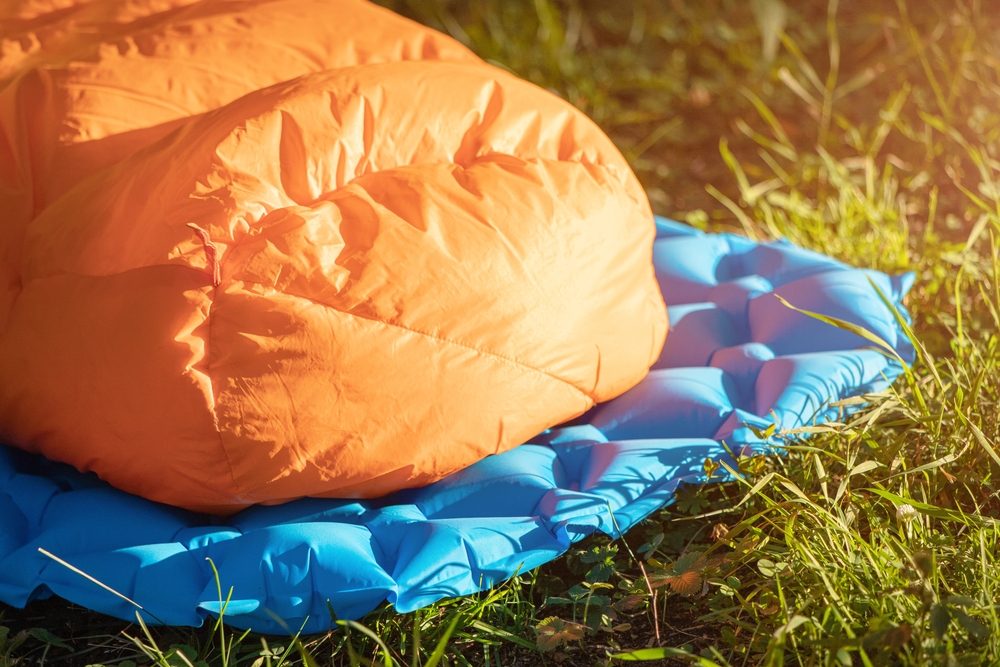
This lesson showed up in at least 10 separate r/camping threads we checked. One reply put it in seven words: “You’re cold because of your sleeping pad.” Your bag’s insulation flattens under your weight. As a result, the cold ground pulls heat from your back all night, no matter how warm the bag’s rating looks.
A pad with a higher R-value stops the heat loss. REI’s sleeping pad guide lists 2.0 to 3.9 for cool weather and 4.0 to 5.4 for cold weather. Campers in the threads gave a similar minimum, and two replies recommended at least R-3 for cool nights or cold sleepers. Also, R-values add up when you stack pads, so a foam pad under an air pad adds warmth for little money.
Before you buy a warmer bag, check the pad under it. Our HEST Foamy Wide review rates one foam option at R-8.8. It measures 30 inches wide and weighs 13 lbs.
From experience: This lesson is the reason I use the HEST Foamy Wide, an extra-wide foam camping mattress.
2. Camping Nights Get Cold, Even in Summer
Campers repeat this one every summer. One r/camping reply called it the golden rule: warm summer days still turn into cold nights. Another first-timer thread listed the fix, which included layers, a warm hat and a blanket, even in summer.
Elevation adds to the chill. Mountain campgrounds lose heat fast after sunset, especially under clear skies. Therefore, pack for the overnight low at the campground, not the daytime high back home.
From experience: In late summer, I was up in Big Bear while triple-digit temperatures baked Orange County. During the day in Big Bear, it sat in the mid-70s. After dark, it dipped into the low 40s. Thankfully, I was up there testing the Velit gasoline air heater.
Safety note: Fuel-burning heaters produce carbon monoxide. Route any heater exhaust outside the tent, follow the maker’s install instructions, and run a battery-powered CO alarm inside the tent.
3. Bring a Real Pillow and Get Off the Ground
One camper summed it up in one line: “I wish I knew you didn’t have to sleep on the ground in your tent.” The same reply recommended a wide, long pad and a good pillow. In a separate thread, another camper described an early setup with a sleeping bag straight on the tent floor, with no pillow and no mattress.
Car camping tips differ from backpacking advice here, since car campers and overlanders rarely face a weight limit on sleep gear. For instance, a cot, a thick foam mattress or the pillow from your own bed all fit in a truck bed or cargo area. Habitual Balance, a lifestyle and travel blog, listed a pillow and comfortable socks among the small comforts worth packing.
Of all the tent camping tips here, experienced campers push this one hardest. Pair the pad from lesson 1 with a real pillow, and treat sleep comfort as a priority, not a luxury.
Tent and Campsite Camping Tips
The next five lessons cover the tent and the campsite: sizing, pitching, working after dark and keeping water out.
4. Buy a Tent Rated for One More Person
A two-person tent fits two people and none of their gear. Hipcamp’s list of first-trip lessons says it directly: a two-man tent is a one-man tent. Forbes contributor Geoffrey Morrison made the same point: tent makers underestimate the space people and their gear need.
REI notes no industry standard sets per-person tent dimensions, so capacity ratings vary by brand. For sizing, REI suggests about 29 to 33 sq ft for two people, with more space for restless sleepers or a dog. So size up by one person, or more if you camp with kids, dogs or bulky gear. Headroom counts too, since standing up to change clothes beats kneeling on a cold floor. The same rule scales up for families: count heads, dogs and gear, then add room.
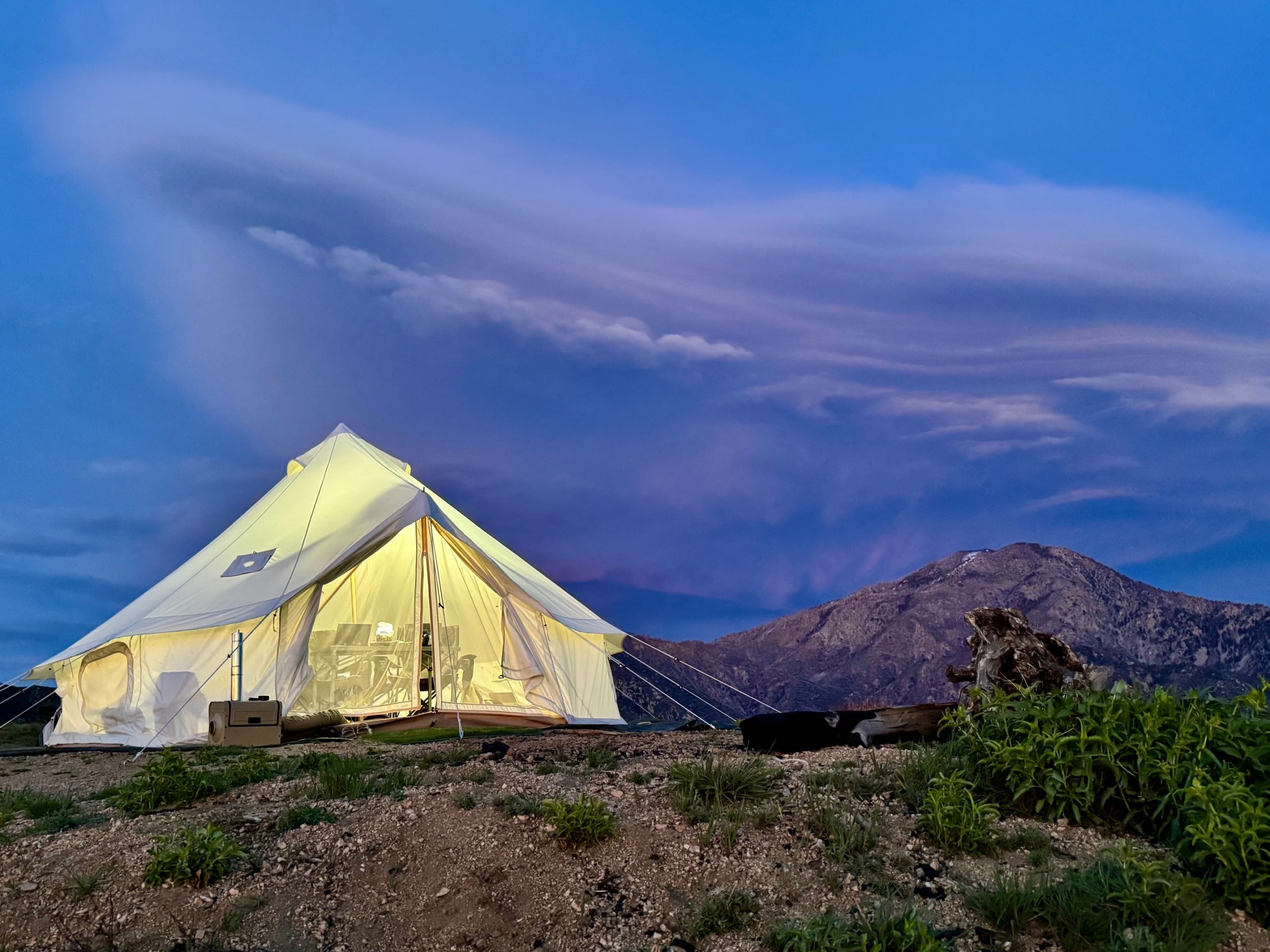
From experience: I test a lot of different tents. One of my favorites is the 16-foot Elk Mountain Yukon, because it is massive. I usually head out with my girlfriend, her son and my son, so space is important. If you have a large family or entertain, I highly recommend these 16-foot bell tents.
According to Elk Mountain, the 16-foot Yukon offers 201 sq ft of floor space under a 10-foot center pole. Elk Mountain Tents advertises on 4wdTalk. Our Elk Mountain Yukon bell tent review covers how the larger 20-foot version held up in wind and snow.
5. Set Up Your Tent at Home First
Campers in three separate r/camping threads gave this advice, and Forbes, Hipcamp and Campway repeated it. One reply said to set your tent up once at home before you go. Another named the yard, the driveway or the living room as practice spots. A trial run shows you missing stakes, a bent pole or a confusing rainfly while you still have time to replace them.
Per Hipcamp, a home trial lets you find and fix missing parts before the trip. In addition, you learn the order of steps, which matters most in wind or rain. Campway gave rooftop tent owners the same advice, so overlanders benefit too. Few tent camping tips on this list take less effort.
6. Finish Camp Chores Before Dark, With a Headlamp Handy
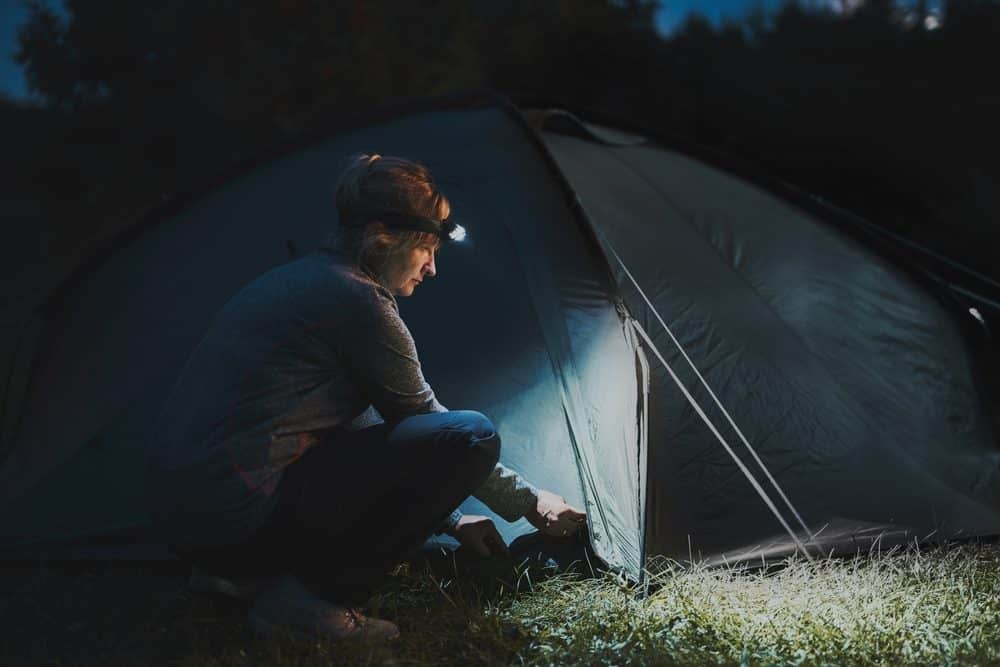
Darkness turns simple jobs into hard ones. One r/camping reply said to make food well before the sun goes down and to check sunset times before the trip. Another reply kept it shorter: set up camp in daylight.
After sunset, a headlamp frees both hands for cooking and zipping doors. One camper’s favorite habit: hang it around your neck like a necklace before dark. Another prefers a red beam, which helps your eyes adjust to the dark. Morrison at Forbes also favors a red LED, since it impacts night vision less.
7. Tent Condensation Is Not Always a Leak
Wet walls in the morning panic new campers. However, one r/camping reply noted half the time the culprit is condensation from poor ventilation, not a leak. Your breath and damp gear add moisture overnight, and the cool tent wall then collects it.
Open the vents, even on cold nights, and crack a door in the rainfly. Also, avoid pitching in low, damp spots where cold air settles. Our guide on reducing condensation inside your tent covers the full list of fixes.
8. Keep the Ground Tarp Inside the Tent Edge
A ground tarp protects the tent floor, but a tarp edge poking out past the floor catches rain. The tarp then funnels the water under you. Replies in at least three r/camping threads warned about this exact mistake.
Fold the excess tarp under itself, so no edge extends past the tent floor. One camper added a refinement: pitch where the grade pulls water away from the tent. Among car camping tips, this fix costs nothing and saves a soaked floor.
Food, Packing and Gear Camping Tips
These four lessons save time at camp and money before the trip.
9. Freeze Water Bottles Instead of Buying Ice
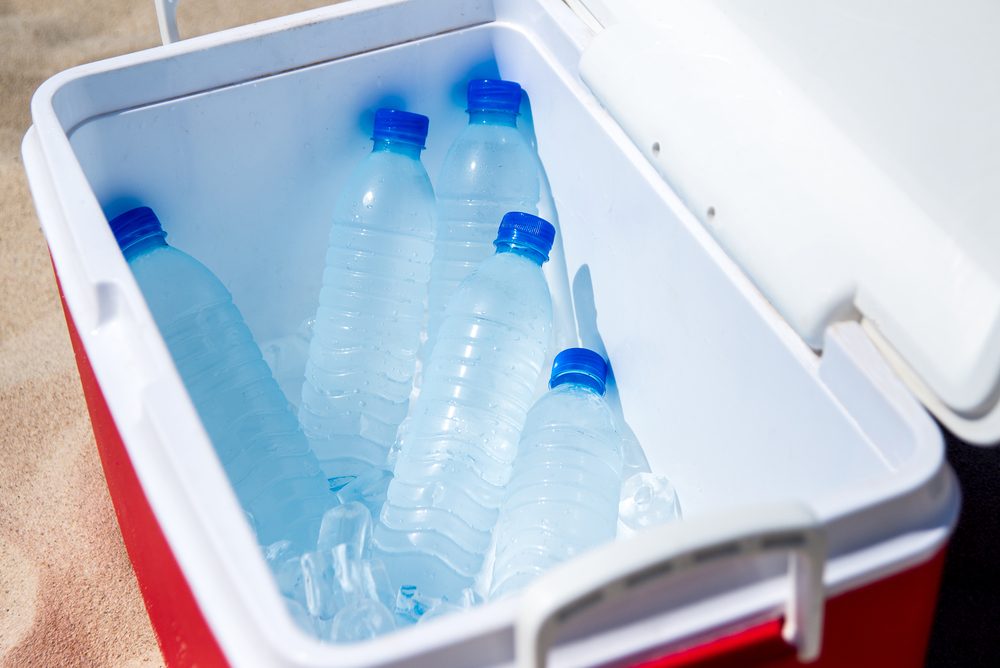
Loose ice melts into a slush bath around your food. Several r/camping replies recommended frozen water bottles instead. The bottles keep the cooler cold, and they turn into drinking water as they melt.
One reply added a second step: put the food inside a large zipper bag, with the ice or frozen bottles outside the bag. Another reply suggested freezing as much of the food as possible, too. Forbes advised first-timers to skip a 12V fridge, since an inexpensive cooler handles a first trip.
10. Prep Meals at Home and Pack a Backup
Meal prep at a picnic table eats daylight. One r/camping reply put it plainly: prep all food at home, not at the campsite. A family in another thread said they repeat the same meals every trip, because those meals work for them. Forbes and Habitual Balance both told first-timers to keep camp food simple.
From experience: I prep meals, but I also like to bring freeze-dried meals up. Usually, I head up with a case of 15 to 20, which helps when I get into camp late at night with no time to cook. One of these meals takes a whopping 10 to 15 minutes to make, sometimes less.
For the backup, pack two or three shelf-stable meals for a late arrival or a rainy night. If you want to try freeze-dried food, our ranking of Peak Refuel meals covers nine flavors we tested.
11. Keep a Camp Tote Packed Between Trips
Packing from scratch every trip leads to forgotten items. Several campers answered with the same fix: keep totes of gear packed and ready to go. Habitual Balance listed bins and a packed camping tote as a way to cut packing stress.
Hipcamp’s writer keeps a little box of kitchen basics ready at all times, and warned how easy an opener for canned food is to forget. Sort bins by job, such as kitchen, lighting and first aid. Then restock each bin as soon as you get home, while you still remember what ran low.
12. Start With Gear You Already Own
One r/overlanding reply listed this lesson: start with what you have and build up from there. The same camper added a second point: don’t be afraid of used gear. On r/backpacking, one reply warned new campers not to pack their fears, meaning gear for every unlikely what-if.
Forbes suggested skipping a camp chair for a first trip, since most campsites have picnic tables. Still, one exception came up again and again: several replies warned against going cheap on the sleeping pad. Among camping tips for beginners, this one protects your budget best: buy the pad, borrow the rest and upgrade after you know what you missed.
Small Habits Seasoned Campers Swear By
The last three lessons are small habits, each one easy to add to your routine.
13. Change Into Dry Clothes Right Before Bed
Your clothes from the day hold sweat, even when they feel dry. One r/camping reply pointed out a camper might feel cold because they did not change into dry clothes right before bed. An r/WildernessBackpacking reply went further and kept one pair of socks for the sleeping bag alone.
Pack a dedicated sleep outfit in its own bag. Change into it last thing at night, and keep it out of the campfire smoke.
14. Pack Earplugs
A tent wall blocks wind, not noise. On X, one camper who shared a list of gear lessons called earplugs “the MVP.” Hipcamp made the same point, noting canvas is not soundproof against late-night neighbors, their music or a snoring camper.
An r/camping reply singled out noisy critters. Foam earplugs weigh almost nothing, so keep a pair in your sleep kit for every trip.
15. Dry Your Tent Completely at Home
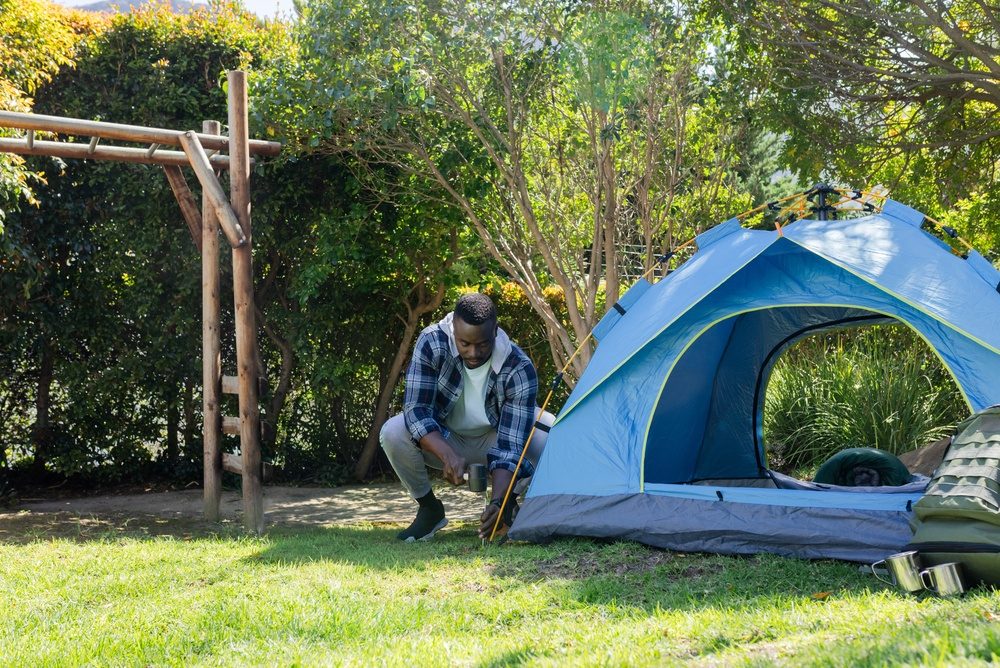
Store a tent wet for a week, and mold and mildew move in. Campway told rooftop tent owners to dry the tent before storing it, and to air it out completely at home after packing up in rain. One rooftop tent owner on r/camping put it bluntly: it always rains on the last day, so you always open the tent to dry at home.
Forbes added the sleeping bag to the list, noting how fast both turn stinky. Pitch the tent in the yard or drape it over a railing until every seam feels dry.
Which Camping Tips to Start With
These 15 lessons fit any camper, but they work best as camping tips for beginners heading out on a first or second trip. The biggest single change is the sleeping pad, because cold nights drove answer after answer in the threads we read. Fix sleep first, and the rest of the trip gets easier.
A few lessons cost money. Costs for a warmer pad, a larger tent and a cot add up fast, so plan those purchases one trip at a time. In contrast, practicing setup, finishing chores before dark and drying the tent at home cost nothing.
Most of the value here comes from habits, not gear. Before your next trip, start with three free habits: pitch the tent at home, freeze water bottles for the cooler and pack a dry sleep outfit.
If your budget covers one purchase this season, make it the pad. For a family or a group, look next at a tent with room to stand, such as a 13-foot or 16-foot bell tent.
Camping Tips FAQ
What R-value sleeping pad do I need for camping?
REI lists R-values of 2.0 to 3.9 for cool weather and 4.0 to 5.4 for cold weather. Two replies in the threads we read recommended at least R-3 for cool nights. For freezing nights, stack two pads, since their R-values add together.
How do I stay warm in a tent at night?
Start with an insulated sleeping pad, since the ground pulls heat through a flattened bag. Next, change into dry sleep clothes and socks right before bed. Finally, pack a warm hat and an extra layer, even in summer.
How do you prevent condensation in a tent?
Open the tent’s vents and crack a rainfly door, even on cold nights. Also, avoid pitching in low, damp spots where cold air settles. Wipe the walls in the morning, then dry the tent fully at home.
What size tent do I need for 2 people?
REI suggests about 29 to 33 sq ft of floor space for two people. Many campers size up to a three-person tent, because a two-person rating leaves no room for gear. Families with kids or dogs gain more from a larger tent with standing headroom.
Should you practice setting up a tent before camping?
Yes. Campers in three r/camping threads, plus Forbes and Hipcamp, all recommended a practice pitch at home. A trial run shows you missing parts before the trip and teaches you the order of steps before you pitch in wind or darkness.