


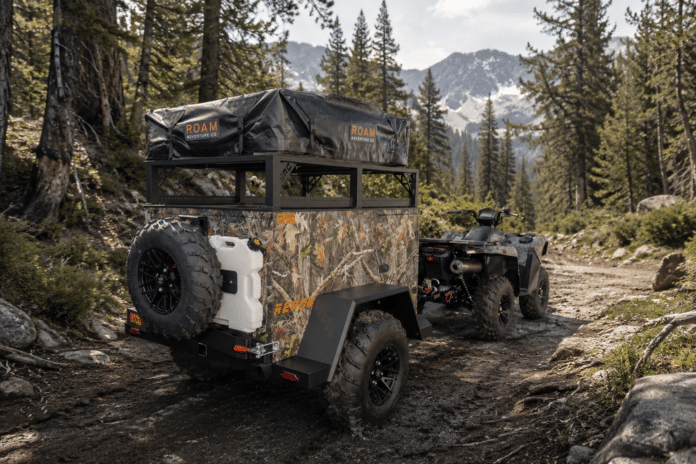

Overlanding gets sold as a hobby about gear. However, after decades of camping and off-roading across the American West as the founder of 4WDTalk, I’ve come to believe the opposite. The best trips almost always run on less. Specifically, rigs still going after ten years, setups always ready in the driveway, and people logging the most nights outside every year: they all trend toward simple. Complex builds break at the worst times. Overloaded rigs skip trails you wanted to run. Every added gadget becomes another failure point in the field.
I’ve toured the SNO Trailers facility, hitched their Recon behind my Gladiator, and taken it into real terrain. So my case for simplicity comes from field time, not theory. In this piece, I’ll walk through why simple beats complex on trip count, reliability, and dollars spent. The SNO Trailers Recon overlanding trailer serves as the concrete example. Along the way, you’ll see how a purpose-built simple trailer changes what “ready for the weekend” looks like in practice.
Quick Facts:
- Product: SNO Trailers Recon minimalist overlanding trailer
- Dry Weight: 900 lbs
- Dimensions: 9’6″ L x 4’10” W x 4’11” H
- Departure Angle: 40 degrees
- Suspension: Timbren 3500 lb HD axle-less
- Frame & Body: Powder-coated steel frame with aluminum body
- Onboard Systems: None standard (buyer adds only what they need)
- Starting Price: Around $14,000
- Best for: Overlanders wanting simplicity in overlanding rather than complex builds
8 min read
In This Guide
- What Simplicity in Overlanding Looks Like in Practice
- SNO Trailers Recon at a Glance
- Why Complex Overlanding Setups Fail More Often
- How Simplicity in Overlanding Buys You More Time Outside
- The Financial Case for a Simple Overland Setup
- SNO Trailers Recon vs. Fully Loaded Expedition Trailers: A Simplicity Comparison
- Pros and Cons
- Final Verdict
- Frequently Asked Questions
What Simplicity in Overlanding Looks Like in Practice
Simplicity in overlanding means building a rig around what you use every trip, not around every scenario someone posted about online. Specifically, it means fewer systems to maintain, fewer switches to remember, and fewer components waiting to fail two hundred miles from cell service. First-time overlanders often chase complex builds because forums reward the pictures. However, the veterans you meet at trailheads typically run stripped-down setups.
A minimalist overlanding rig does not mean a cheap one. Quality still matters. However, the emphasis shifts from adding features to choosing durable, purpose-built overlanding gear and skipping the rest. For example, a Timbren axle-less suspension outlasts a cheap leaf spring while running fewer moving parts. Also, powder-coated steel outlasts thin aluminum in the same weight class. Similar choices multiply across every subsystem.
Consider the trade. A fully-loaded expedition trailer with built-in kitchen, indoor sleeping, water heater, propane furnace, and inverter offers real comfort. However, every one of those systems needs winter storage, seasonal service, and eventual repair. In contrast, a rig-plus-rooftop-tent setup around a simple trailer like the SNO Trailers Recon sets up in 15 minutes and requires almost no seasonal maintenance.
SNO Trailers Recon at a Glance
| Specification | Details |
|---|---|
| Length | 9’6″ |
| Width | 4’10” |
| Height | 4’11” |
| Dry Weight | 900 lbs |
| Departure Angle | 40 degrees |
| Frame | Powder-coated steel with proprietary anti-rust base coating |
| Body | Aluminum |
| Suspension | Timbren 3500 lb HD axle-less |
| Wheels & Tires | 2 Method wheels with 275 all-terrain tires |
| Storage | Large rear compartment, 2 side doors, front utility box |
| Starting Price | Around $14,000 |
Buy Direct From SNO Trailers
See the Recon at SNO Trailers
Starting around $14,000, the Recon ships factory-direct with a simple, purpose-built platform ready for your own gear.
Why Complex Overlanding Setups Fail More Often
Every added subsystem is another failure point. So a complex overland setup with a diesel heater, propane furnace, tankless water heater, 3,000-watt inverter, macerator pump, and refrigerator each carries its own failure mode. If any single unit dies mid-trip, you lose the function it delivered. However, on a simple setup, a broken component swaps out for a portable replacement from any hardware store on the way home.
Field failures often trace back to complexity in unexpected ways. For example, water pumps fail because of freeze damage to lines you forgot to blow out. Inverters die because of a soldered joint someone missed at the factory. Propane furnaces fail because of dust in the burner assembly. In contrast, none of those failure modes exist on a minimalist overlanding rig built around a simple trailer, portable stove, and rooftop tent.
There is also a learning-curve tax. Complex rigs require the owner to remember which valve controls the freshwater tank, which fuse panel handles the fridge, and which breaker resets the inverter. In contrast, a simple setup fits in your head. If a component fails, you know immediately what to check. Consequently, a simpler rig makes you more self-sufficient on the trail, not less.
How Simplicity in Overlanding Buys You More Time Outside

The single biggest predictor of trip count is setup time. Above all, if leaving the driveway takes four hours of prep, most weekends stay uncamped. In contrast, a simple overland setup around a light trailer and rooftop tent gets you rolling in under an hour. My own logs from the last two seasons show a direct correlation between simplification and trip count.
Setup time at camp matters too. For example, a rooftop tent on a rack deploys in 60 seconds. Compare with leveling a fully-loaded expedition trailer, hooking up shore power, priming water lines, and lighting a propane furnace. Every minute added at camp is a minute subtracted from why you drove out there. Consequently, buyers who track “nights outside per year” as their real success metric almost always report higher numbers on simpler setups.
Trip planning gets easier too. Specifically, a light, narrow trailer opens more destinations because it fits down more roads. You spend less time studying trail width and payload calculators. So the whole decision of where to go this weekend gets simpler. My earlier writeup on why the Recon works for weekend warriors and long expeditions breaks down how trip lengths flex around a simple base platform.
The Financial Case for a Simple Overland Setup
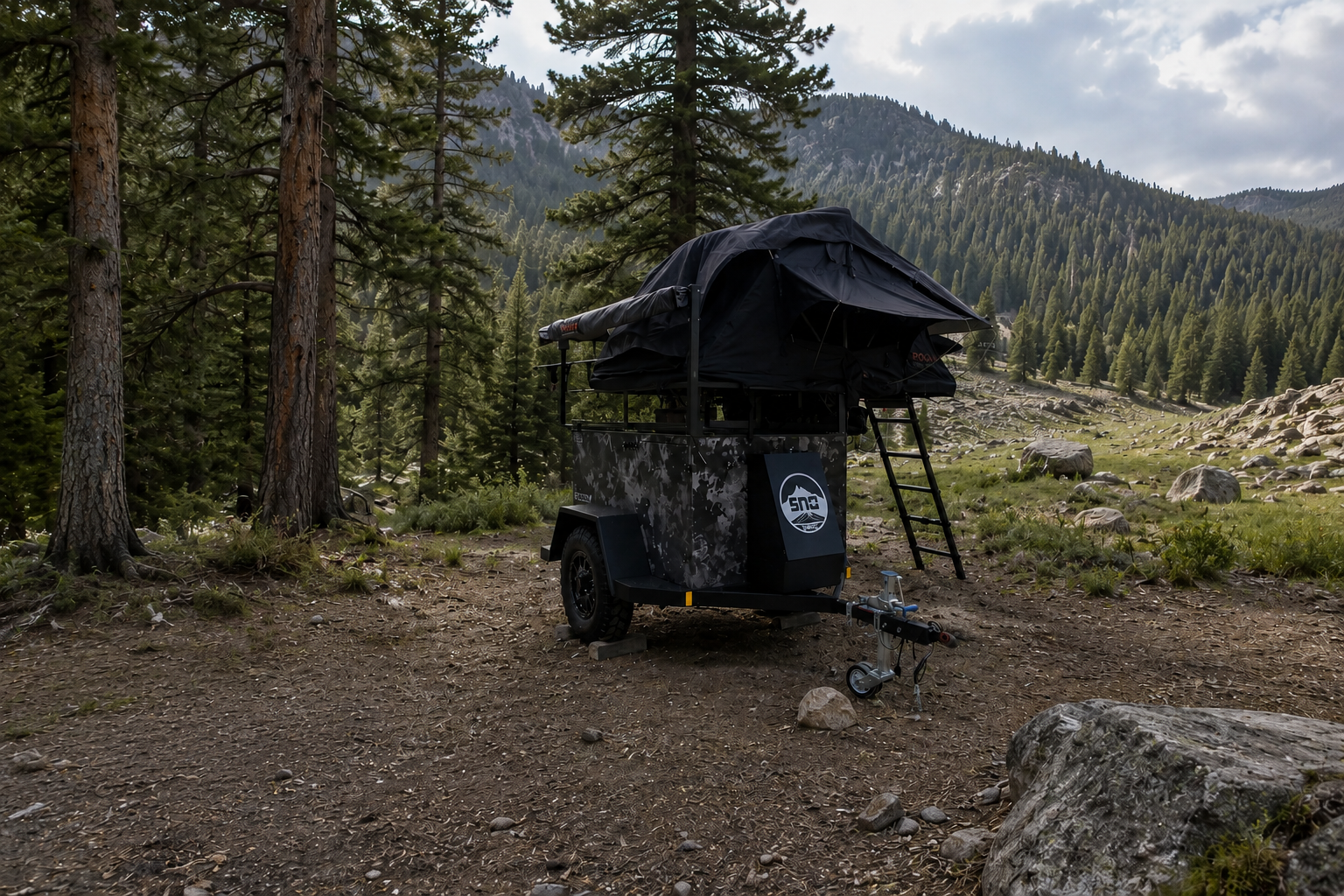
Purchase price is only the first line item. A fully-loaded expedition trailer with all systems installed at the factory typically runs $30,000 to $50,000. In contrast, the SNO Trailers Recon starts around $14,000. The difference alone funds a rooftop tent, portable fridge, water containers, and a season of gas.
Ownership costs diverge even more over time. Specifically, every onboard system on a complex trailer eventually needs service. Water heaters need annual descaling. Inverters lose battery capacity and need pack replacement. Propane furnaces need burner cleaning and igniter service. Refrigerators eventually leak refrigerant. In contrast, a simple trailer with no onboard systems has almost nothing to service beyond wheel bearings and lights.
Depreciation is worth considering too. Overlanding gear with fewer subsystems ages more slowly because fewer components go obsolete or reach end-of-life. Also, resale demand for simple, well-built trailers stays strong because the buyer pool is wider. For a closer look at build quality holding up over time, my earlier closer look at the Recon’s build quality covers the frame and finish details.
Save on the Recon
Configure Your SNO Trailers Recon
Add only the modular upgrades you actually use. Awnings, solar, water, and rooftop tent mounts install at the factory.
SNO Trailers Recon vs. Fully Loaded Expedition Trailers: A Simplicity Comparison
Fully-loaded expedition trailers like the Turtleback Getaway or Off Grid Trailers’ Pando 2.0 offer built-in galleys, indoor sleeping, and factory-installed water and power systems. Their base pricing typically starts between $25,000 and $40,000. However, they also demand a heavier tow rig, more setup time, and more service intervals per season.
In contrast, the Recon strips overlanding down to platform, storage, and running gear. At 900 pounds dry and around $14,000 to start, it leaves every subsystem choice to you. Consequently, buyers add exactly the components they use. For simple cooking, a Jetboil and folding table replace a built-in galley entirely. If you want indoor sleeping, a rooftop tent mounts on the Recon’s roof rack cross bars.
Buyers wanting comfort baked in at delivery will find better fit with a mid-tier expedition trailer. However, buyers pursuing genuine simplicity in overlanding will find the Recon a more honest platform for the philosophy. My writeup on how the Recon supports remote camping covers the off-grid modular systems letting a simple platform still deliver serious backcountry duty.
Pros and Cons
Pros
- Zero onboard subsystems to service, winterize, or repair
- 15-minute setup and teardown time supports higher trip counts
- 900-pound dry weight tows behind mid-size SUVs and CUVs
- 4’10” width fits narrow forest roads and two-tracks
- Timbren HD axle-less suspension outlasts leaf-spring designs
- Powder-coated steel frame with anti-rust base coating
- Modular upgrade path so buyers add only what they use
- $14,000 starting price funds a full rooftop tent and accessory kit
Cons
- No built-in kitchen, sleeping, water, or power at base configuration
- Requires buyers to source their own rooftop tent or ground tent
- Onboard water and fridge capacity limited by cargo space
- Less appealing for buyers wanting comfort baked in at delivery
- Modular approach requires research and gear-selection effort
Final Verdict
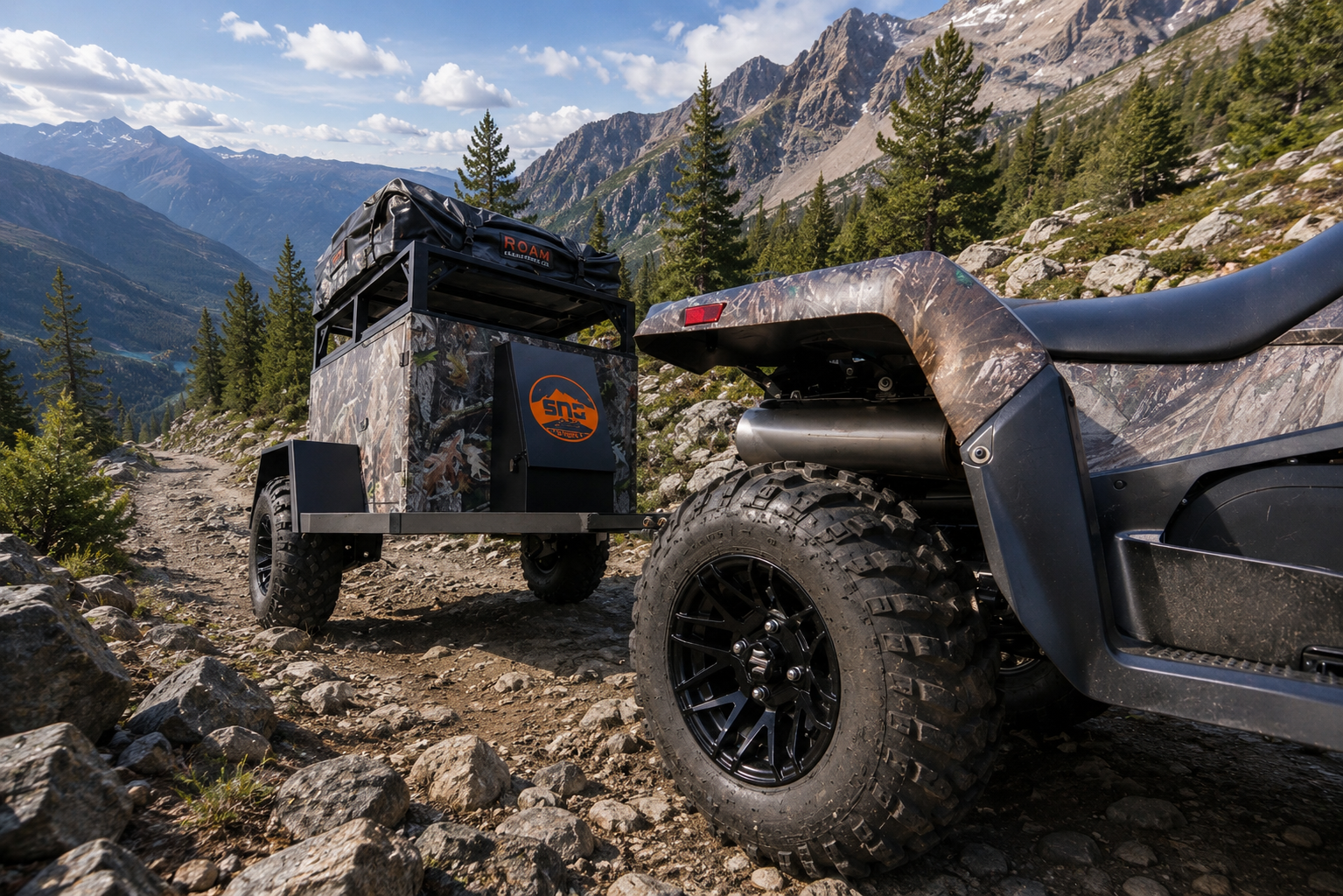
For overlanders who value trip count over feature count, the SNO Trailers Recon delivers on the promise of a true minimalist overlanding platform. Above all, its biggest strength is honesty. Nothing about the Recon pretends to be more than a light, purpose-built trailer with quality running gear. Consequently, the buyer keeps control over which systems get added, which get skipped, and which get upgraded later.
Trade-offs are real, though. Buyers wanting a factory-built kitchen, indoor sleeping compartment, or plumbed water heater should shop the Alpine or a competing expedition-tier trailer instead. The Recon assumes you bring your own rooftop tent, cook system, and cooler. For anyone unwilling to source those pieces themselves, a heavier trailer serves better.
On value, the Recon holds up strongly. Its roughly $14,000 starting price sits below most competing off-road trailers with comparable running gear. Also, the modular add-on list means you pay for exactly the features you use. Compared to expedition trailers priced at $30,000 and up, the Recon leaves enough savings to fund a full rooftop tent setup, upgraded recovery gear, and a season of gas.
Overall, I recommend the SNO Trailers Recon for overlanders who see simplicity in overlanding as a feature, not a compromise. However, if you want comfort delivered as one integrated package, a Turtleback Getaway or similar mid-tier expedition trailer will serve you better.
Ready to Buy?
Check Today’s Price on the Recon
SNO Trailers ships factory-direct with a full warranty and configuration support before your build begins.
Frequently Asked Questions
What does simplicity in overlanding mean in practice?
It means building a rig around what you use every trip, not around every scenario you might encounter once. Specifically, it emphasizes fewer subsystems, lower weight, shorter setup times, and easier field repair. A minimalist overlanding setup trades built-in features for modular ones the owner controls.
Is a minimalist overlanding setup less capable than a fully-loaded one?
Not for the vast majority of trips. A simple overland setup delivers the same core function of getting you outside comfortably. However, it skips features you rarely use. For example, a rooftop tent plus portable stove delivers most of what a factory-installed kitchen and indoor sleeping compartment offer, at a fraction of the weight and cost.
Why do complex overlanding builds fail more often in the field?
Every subsystem adds a failure point. Water pumps freeze, inverters die, propane furnaces clog with dust, and refrigerators leak refrigerant. In contrast, a simple trailer with no onboard systems has almost nothing to fail beyond wheel bearings and lights. Consequently, minimalist rigs log fewer field breakdowns.
How much does a simple overlanding trailer cost?
Simple, purpose-built overlanding trailers like the SNO Trailers Recon start around $14,000. Fully-loaded expedition trailers with built-in kitchens, water, and power typically start between $25,000 and $50,000. Also, ownership costs stay lower on simple trailers because fewer subsystems need service.
Do I need a rooftop tent for a simple overland setup?
Not necessarily, but many buyers pair a simple trailer with one. A rooftop tent deploys in 60 seconds and eliminates the need for indoor sleeping quarters. Alternatively, a ground tent works if setup time is not the priority. Both preserve the simplicity thesis.
Which trailer works best for minimalist overlanding?
Look for a trailer with quality running gear, no onboard subsystems as standard, and a modular upgrade path. The SNO Trailers Recon fits all three criteria at a 900-pound dry weight and $14,000 starting price. Also, it offers factory-installed upgrades so buyers add only the components they use.
Our articles might have affiliate links and the occasional sponsored content, but don’t sweat it – if you buy something, we get a little kickback at no extra cost to you, and we only hype products we truly believe in!