



I’ve overlanded across the U.S. for more than 30 years, and I built 4WDTalk around lessons learned in places where help sits hours away. I’ve tested recovery gear firsthand, dug my Jeep Gladiator Rubicon out of mud on a remote forest road, and packed first aid kits for trips where the nearest hospital sat well past cell range.
Preparedness is not a topic I learned from a manual. It came from a stuck vehicle at dusk, a flat tire 40 miles from pavement, and enough close calls to build genuine respect for the gear getting overlanders home safely. This guide covers what I pack for every trip: recovery equipment, communication backup, first aid supplies, fire safety, and the personal care items mattering more than most campers expect once a trip goes sideways.
Quick Facts:
- Topic: Overland emergency preparedness and rig safety kits
- Skill level: Beginner to intermediate
- Planning time: 45 minutes to build a full kit
- Recovery gear budget: $150 to $500
- First aid kit budget: $60 to $150
- Communication backup: Satellite messenger or two-way radio
- Best for: Overlanders traveling beyond cell service and emergency response range
8 min read
In This Guide
- Overland Emergency Preparedness Overview
- Key Emergency Preparedness Facts at a Glance
- Vehicle Recovery Gear
- Communication and Navigation Backup
- First Aid and Medical Preparedness
- Fire and Fuel Safety
- Personal Care While Waiting for Help
- Winch vs. Traction Boards: Which Should You Choose?
- Pros and Cons of a DIY Kit vs. a Pre-Made Kit
- Final Verdict
- Frequently Asked Questions
Overland Emergency Preparedness Overview: Self-Reliance Starts Before the Trail

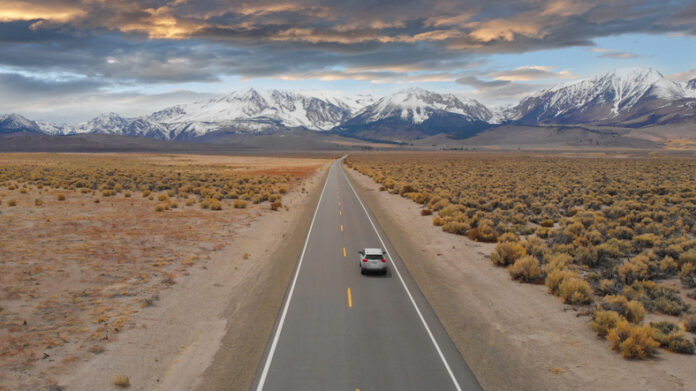
Overland emergency preparedness matters most once a trip leaves cell service and developed roads behind. A weekend at a state campground rarely demands this level of planning, since help arrives within minutes if something goes wrong. A multi-day route on BLM or forest service land changes the math entirely, and self-reliance becomes the plan, not a backup option.
Picture a common scenario: a sidewall puncture on a remote two-track, 30 miles from the nearest paved road, with no cell signal. A prepared overlander swaps the tire, checks in with a satellite messenger, and continues the trip. An unprepared one waits for a passerby who might never arrive.
Rugged Revive sells its rinse-free sponges in three pack sizes on Amazon. Here is how they compare for an emergency kit.
| Best for One Rig | Best for Long Trips | Best for Group Travel | |
|---|---|---|---|
| Product | TOP PICK Rugged Revive 25-Pack Rugged Revive 25-Pack |  Rugged Revive 50-Pack Rugged Revive 50-Pack |  Rugged Revive 100-Pack Rugged Revive 100-Pack |
| Rating | ★★★★☆ 4.3 62 ratings | ★★★★☆ 4.3 62 ratings | ★★★★☆ 4.3 62 ratings |
| Sponges per pack | 25 | 50 | 100 |
| Best fit | Glove box or day kit | Recovery bag or two rigs | Group trips and base camp |
| Water to activate | 3 oz per sponge | 3 oz per sponge | 3 oz per sponge |
| Price | $14.99 as of Sep 20, 4:47 pm | $29.50 as of Sep 20, 4:47 pm | $49.95 as of Sep 20, 4:47 pm |
| Check Price → | Check Price → | Check Price → |
Key Emergency Preparedness Facts at a Glance
| Category | Core Items | Typical Cost |
|---|---|---|
| Recovery gear | Kinetic recovery strap, traction boards, shackles | $150 to $500 |
| Tire repair | Plug kit, portable air compressor, spare tire | $60 to $200 |
| Communication | Satellite messenger or two-way radio | $200 to $450 |
| First aid | Wilderness-rated kit, tourniquet, wound closures | $60 to $150 |
| Fire safety | Vehicle fire extinguisher, fire-starting kit | $25 to $60 |
| Personal care | Rinse-free wash, water, extra layers | $20 to $50 |
Vehicle Recovery Gear
Getting stuck is a matter of when, not if, once you leave paved roads behind. A kinetic recovery strap stretches under load and uses stored energy to pull a stuck rig free, a safer option than a rigid tow strap in most situations.
Traction boards clear mud, sand, and snow from under your tires in minutes, often without needing a second vehicle at all. Our guide to off-road recovery gear breaks down winches, traction boards, and shackles in more detail, along with real trail testing behind each recommendation.
Round out your recovery kit with a portable air compressor and a tire plug kit. Airing down improves traction significantly on soft terrain. A reliable way to air back up matters equally as much as the recovery gear itself.
Communication and Navigation Backup

Cell service disappears fast once you head into public land, and a dead phone battery removes your only link to help. A satellite messenger sends your location and a distress signal from nearly anywhere on the planet, independent of cell towers entirely.
Two-way radios cover shorter-range communication within a group, useful for coordinating a recovery or a split-up scouting run. Download offline maps before departure as well, since a GPS app with no signal still works if the maps loaded ahead of time.
Store your communication device somewhere accessible, not buried under gear in a locked case. A device you cannot reach quickly during an emergency provides little real protection.
First Aid and Medical Preparedness
Emergency medical services run hours away on most overlanding routes, so a proper first aid kit matters more here than on a typical car camping trip. A wilderness-rated kit covers wound care, splinting, and bleeding control far beyond a basic drugstore version.
Our complete overlanding gear checklist covers first aid essentials alongside the rest of a full safety kit, including a tourniquet, wound closure strips, and burn treatment supplies.
Training matters as much as gear. A wilderness first aid course teaches bleeding control and airway management skills a kit alone cannot provide. Store your kit somewhere every group member reaches quickly, and check expiration dates on medications each season.
Fire and Fuel Safety
A vehicle fire extinguisher belongs in every overland rig, mounted somewhere accessible rather than buried in a cargo box. Engine fires and campfire mishaps both happen fast, and a few seconds of delay changes the outcome significantly.
Our roundup of the best overlanding gear for safety covers fire extinguisher options alongside water treatment and recovery gear, giving a fuller picture of a complete safety setup.
Carry extra fuel in an approved container if your route runs beyond your tank’s range, and store it well away from your camp kitchen and sleeping area. A fuel leak near an open flame turns a minor mistake into a serious hazard.
Personal Care While Waiting for Help
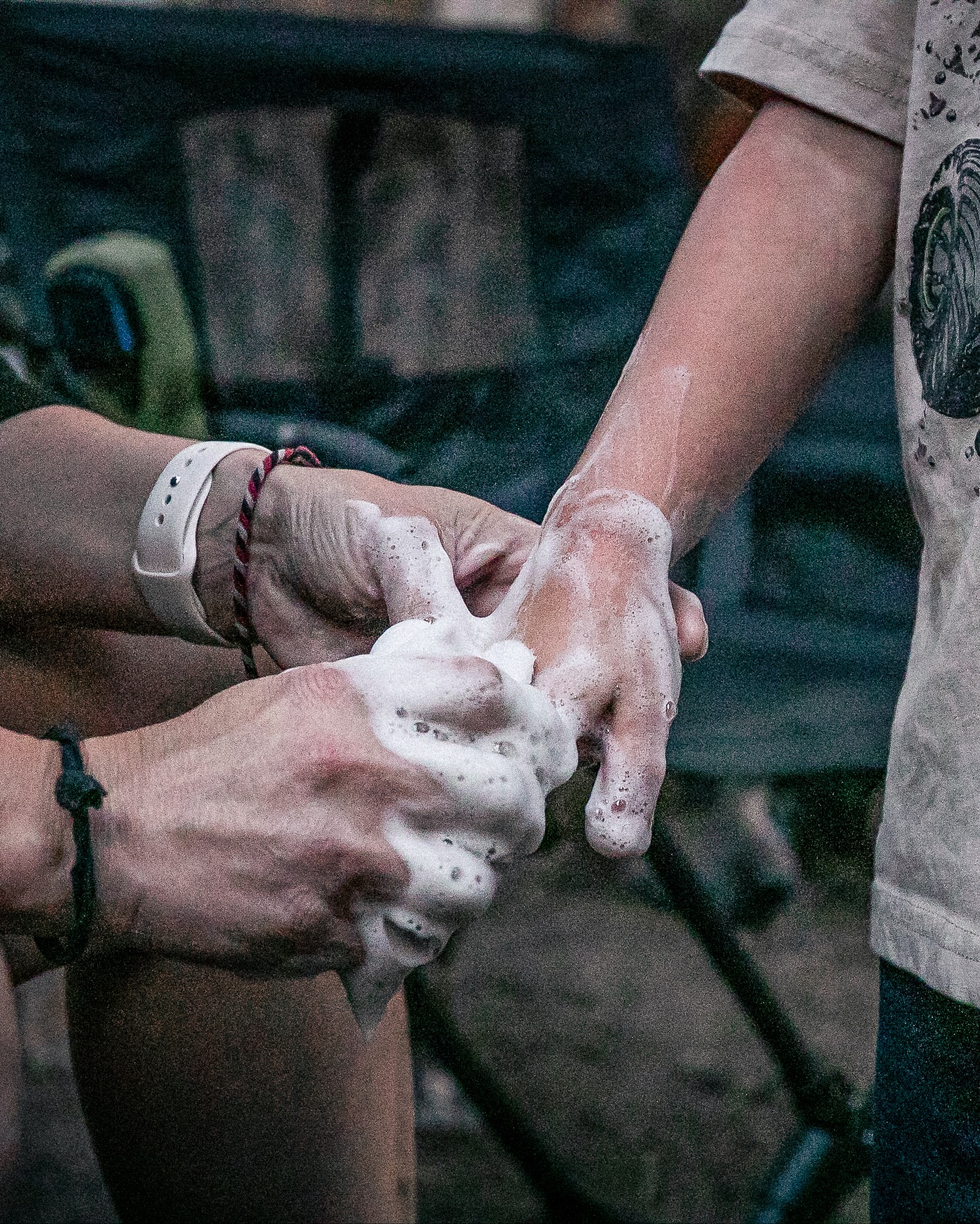
Comfort rarely tops the emergency preparedness list, though it matters more than most overlanders expect during a breakdown or a wait for recovery. A stuck vehicle in mud or sand often means hours of physical work in heat, dust, or cold.
Rugged Revive fits directly into an emergency kit for exactly this reason. A lathering sponge activates with a few ounces of water, letting you clean up after a dirty recovery without touching your limited drinking supply. Since each sponge packs flat and weighs almost nothing, it costs little space in an already crowded recovery kit.
Our earlier guide to no-shower camping hygiene hacks covers additional low-water options worth adding alongside a rinse-free wash, particularly for extended waits in remote terrain.
Winch vs. Traction Boards: Which Should You Choose?
A winch wins on raw pulling power. It handles deep mud, steep grades, and situations where a vehicle cannot generate its own traction at all, though it adds weight and cost to a build.
Traction boards win on simplicity and affordability. They clear a path in minutes without a winching point, an anchor, or a second vehicle, and they pack flat against a roof rack or cargo area.
Most experienced overlanders carry both. Traction boards handle most stuck situations quickly. A winch remains available for the rare recovery beyond what boards alone solve.
Pros and Cons of a DIY Kit vs. a Pre-Made Kit
Pros of a DIY Kit
- Fully customized to your rig, route, and personal medical needs
- Often cheaper when built piece by piece over time
- Builds real familiarity with every item before an emergency happens
Cons of a DIY Kit
- Easy to overlook a critical item without a checklist to follow
- Takes more research time than buying a pre-assembled option
- Quality varies widely depending on individual component choices
25 Pack Rugged Revive No Rinse Bathing Wipes for Adults, Body Sponge Bath
A rinse-free sponge bath that cleans you up after a muddy recovery without touching the drinking water you need to ration.
- Activates with about 3 oz of water and needs no rinse
- Aloe-infused and thick enough to resist tearing mid-wash
- Packs flat in a resealable pouch that fits a glove box or recovery bag
- 25 sponges cover a full season of weekend trips
- Single use, so used sponges pack out with the rest of your trash
- Still needs a few ounces of water, so it does not replace a water plan
Final Verdict

Overland emergency preparedness rewards planning over improvisation, much like every other system covered in this guide series. Anyone traveling beyond cell service and quick emergency response benefits most from a complete kit covering recovery, communication, first aid, and fire safety before the first trip past pavement.
The real trade-off is upfront cost and rig space against genuine safety margin. A full kit runs $500 to $1,200 depending on quality, though most components last for years across dozens of trips. Weekend campers sticking to developed campgrounds need far less of this preparation.
Personal care supplies round out a kit otherwise focused entirely on mechanical and medical scenarios. A rinse-free wash costs little, weighs almost nothing, and keeps morale intact during a long wait for recovery or help.
Build your kit in this order: recovery gear first, communication backup second, first aid third, and fire safety and personal care last. This sequence covers the most statistically likely emergencies before the rarer ones.
Frequently Asked Questions
What should be in an overland emergency kit?
A complete kit covers recovery gear, a satellite messenger or two-way radio, a wilderness-rated first aid kit, a vehicle fire extinguisher, and personal care supplies such as extra water and a rinse-free wash.
How much does a full recovery kit cost?
A solid recovery kit with traction boards, a kinetic strap, and shackles runs $150 to $500, while adding a winch pushes the total higher depending on rig size and terrain difficulty.
Do I need a satellite messenger for overlanding?
A satellite messenger is worth the investment for any route beyond reliable cell service. It sends your location and a distress signal from nearly anywhere, independent of cell towers.
What is the difference between a winch and traction boards?
A winch pulls a stuck vehicle using an anchor point and handles the toughest recoveries, while traction boards clear a path under the tires without needing an anchor or second vehicle.
How do I stay clean during a breakdown or recovery situation?
A rinse-free sponge bath, such as Rugged Revive, activates with a few ounces of water and requires no rinsing. It fits easily into a recovery kit and cleans up dirt and sweat without using limited drinking water.
Should I take a wilderness first aid course before overlanding?
Yes. A wilderness first aid course teaches bleeding control, splinting, and airway management skills a first aid kit alone cannot provide, and it matters most on routes far from emergency services.
Our articles might have affiliate links and the occasional sponsored content, but don’t sweat it – if you buy something, we get a little kickback at no extra cost to you, and we only hype products we truly believe in!