


Quick Facts:
- Topic: Search and rescue insurance and medevac plans for US overlanders
- Search and rescue: Colorado teams charge nothing; New Hampshire, Utah, Oregon, and Hawaii allow bills in set cases
- Air ambulance median charge: $36,400 by helicopter and $40,600 by fixed wing (GAO, 2017 data)
- Garmin SAR 100: $39.95 a year for up to $100,000 in rescue costs
- Air ambulance membership: AirMedCare Network runs $99 a year per household
- Hospital-to-home transport: MedjetAssist from $315 a year
- Vehicle recovery: None of these plans pays to pull your rig out
- Best for: Overlanders who drive past cell coverage
9 min read
In This Guide
- Why Search and Rescue Insurance Matters for Overlanders
- The Five Bills a Backcountry Emergency Creates
- Who Pays for Search and Rescue in the US
- Air Ambulance Bills and What Your Health Plan Covers
- What Search and Rescue Insurance Covers and What It Skips
- Rescue Membership vs. Travel Insurance
- Vehicle Recovery: The Bill Rescue Plans Skip
- How to Choose Search and Rescue Insurance for Your Trips
- Final Thoughts
- Search and Rescue FAQ
Why Search and Rescue Insurance Matters for Overlanders
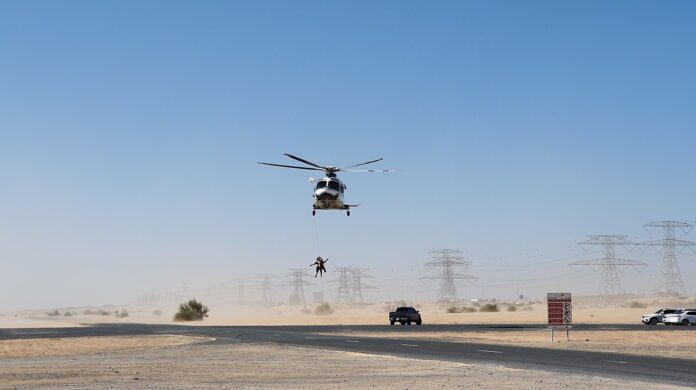
Search and rescue insurance fills the gaps your health plan leaves when a trail injury turns into a helicopter ride. Your regular policy pays for hospital care, yet it often skips the search, the flight, and the trip home. As a result, one bad day on a remote two-track produces several bills, led by a $36,400 median helicopter charge.
Overlanders face this risk too, because a rig carries you far past the reach of a road ambulance. Garmin’s data from 10,000 inReach SOS incidents shows driving caused 12%, second only to hiking.
For me, the satellite messenger comes first and the coverage comes second. Owners on the overland forums rank them the same way, since no plan pays for a rescue nobody knows about. This guide maps each bill to the plan built to cover it, using 2026 prices from primary sources.
The Five Bills a Backcountry Emergency Creates
A serious injury on the trail rarely produces one invoice. Instead, each stage belongs to a different agency or company, and each bills on its own terms. Here is who usually pays for each stage.
| Bill | Who Usually Pays | What Fills the Gap |
|---|---|---|
| Search and rescue | County sheriff and volunteer teams, often at no cost | State SAR cards, Garmin SAR insurance |
| Air ambulance | Your health plan, with federal surprise-bill limits | Air ambulance membership |
| Ground ambulance | Your health plan, with no federal surprise-bill ban | State laws in some states |
| Transport to a home hospital | Usually you | Medjet, Global Rescue, AirMedCare Fly-U-Home |
| Vehicle recovery | You | An off-road recovery operator or a regional plan |
Your insurer pays the emergency room, but it never sends a team into the canyon. Therefore, price each stage on its own before you buy any plan.
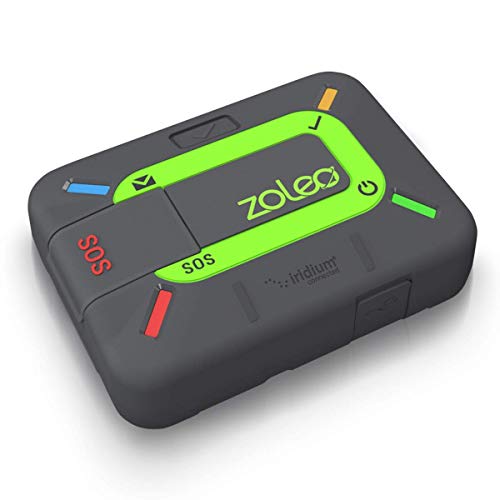
Every rescue starts with the same step: a call for help from a dead zone. Garmin SAR insurance needs an inReach-capable Garmin device on an active subscription. ZOLEO’s Global Rescue add-on works only with a ZOLEO plan. Our satellite messenger vs GMRS radio guide compares the device options. The Garmin inReach and ZOLEO messengers below are the devices those plans run on.
Satellite messengers for these rescue plans


Who Pays for Search and Rescue in the US
Luckily, the search rarely costs you anything. For example, Colorado’s volunteer teams work with county sheriffs and charge nothing, according to Colorado Parks and Wildlife. Likewise, when a stuck rental Jeep in Arizona stranded two travelers, a volunteer Mohave County team rescued them.
However, a few states allow a bill in set cases. New Hampshire law, RSA 206:26-bb, makes a negligent person liable for the reasonable cost of the rescue. Oregon lets an agency bill up to $500 if you fail to take reasonable care. Hawaii also allows billing for intentional disregard of your own safety.
Several states sell rescue cards, including these three:
- New Hampshire Hike Safe card: $25 per person or $35 per family each year. Cardholders avoid repaying rescue costs for negligence, and a hunting or fishing license or OHRV registration gives the same protection.
- Utah Search and Rescue Assistance Card: $25 per person or $35 per family each year. Cardholders owe nothing unless they acted recklessly or on purpose.
- Colorado CORSAR card: $5 for one year or $20 for five. It pays the county’s rescue costs, and Colorado OHV registrations already add a $1.25 fee to the same fund.
Treat these cards as cheap rescue support, not medical coverage. The CORSAR fine print says the card pays no medical expenses or medical transport.
Air Ambulance Bills and What Your Health Plan Covers
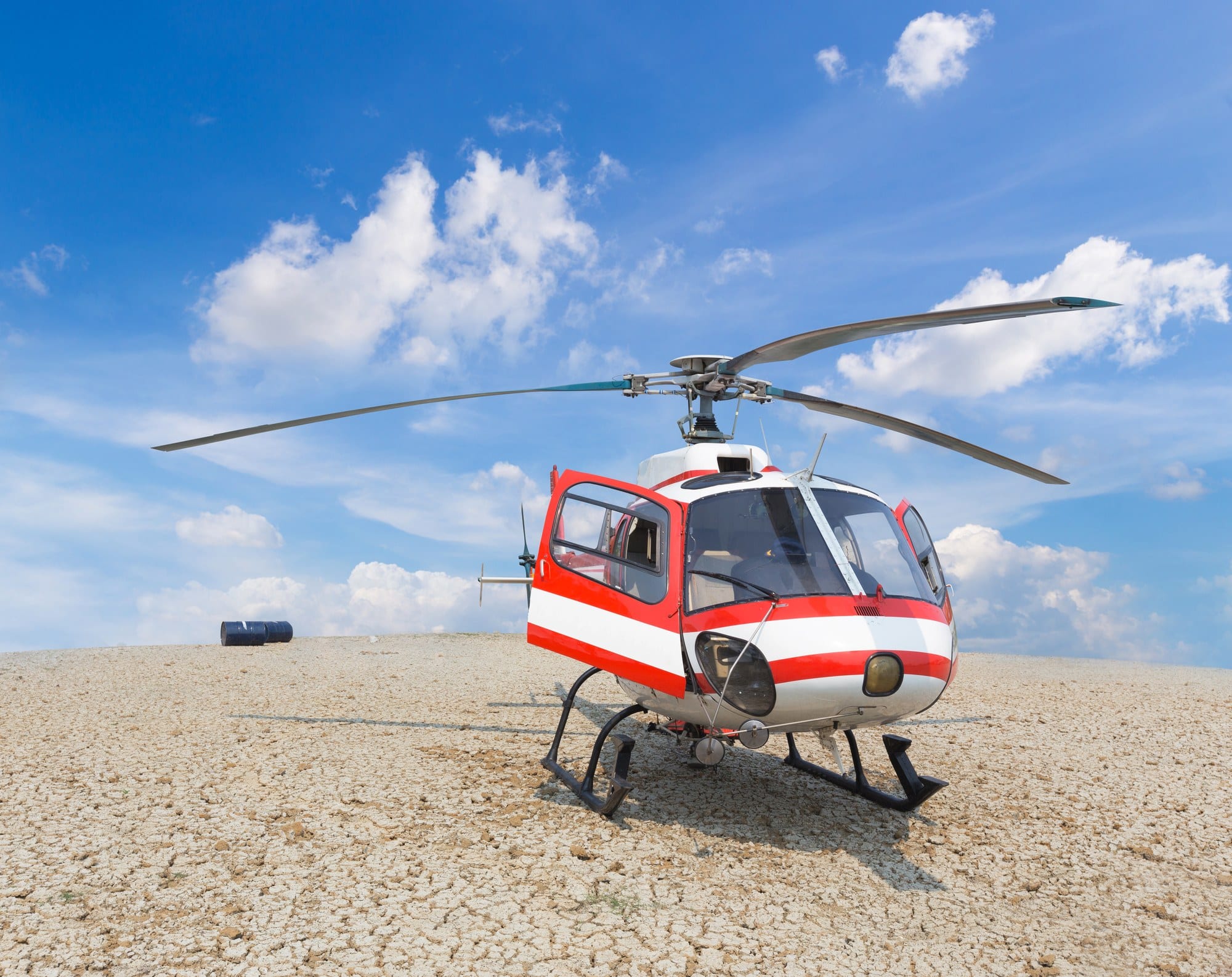
Helicopter flights produce the biggest bills. A GAO report put the 2017 median charge at $36,400 for a helicopter air ambulance. Fixed-wing flights ran $40,600. Notably, about two-thirds of those flights for privately insured patients were out of network.
Since 2022, the No Surprises Act has limited insured patients to their in-network cost sharing on air ambulance flights. Ground ambulances, however, sit outside those federal protections, according to CMS.
Medicare covers air ambulance only when ground transport is too slow or impossible, and only to the nearest appropriate facility. Outside the US, Medicare usually pays nothing.
An air ambulance membership covers the cost share your plan leaves. AirMedCare Network charges $99 a year per household, with $0 out of pocket when a network provider flies you. Plans marketed as air ambulance insurance are often memberships like this, not policies.
The catch is the network itself. We dug deep into the overland forums and Reddit owner threads, and one complaint kept surfacing. A membership covers only its own aircraft, and you never choose which helicopter shows up. Rubicon regulars, for example, talk about carrying two memberships to cover both operators on the trail.
Personally, I would rather pay $99 a year than fight an insurer over a helicopter bill. Still, check your ZIP code on the provider’s coverage map first, because some areas fall outside the network.
What Search and Rescue Insurance Covers and What It Skips
Each product sold as search and rescue insurance pays some of the five bills, never all. Prices below come from each company’s site in September 2026.
| Plan | Price | What It Pays For | What It Skips |
|---|---|---|---|
| Garmin SAR 100 | $39.95 a year | Up to $100,000 in rescue costs, from the incident to a hospital | Hospital bills, vehicle recovery |
| ZOLEO Field Rescue (Global Rescue) | Yearly add-on to a ZOLEO plan | Up to $50,000 per incident, one rescue a year | Search operations, trips above 15,000 feet |
| Global Rescue | From $329 a year, or $139 for 7 days | Field rescue to the nearest hospital, then transport to your home hospital | Treatment costs |
| MedjetAssist | From $315 a year, or $205 for Domestic US 48 | Transport to a home hospital after an admission 150+ miles from home | Field rescue |
| AirMedCare Network | $99 a year per household | Network air ambulance flights at $0 out of pocket | Flights by other operators |
Garmin’s plan is the closest thing to true helicopter evacuation insurance for a driver in the Lower 48. It covers the trip from the incident to a hospital, yet Garmin states plainly it pays nothing after you arrive. Also, it pays only after your health plan, and only for an SOS sent through Garmin Response.
Global Rescue and Medjet solve a different problem. First, Global Rescue sends teams to the point of injury. It then moves members to a home hospital if the treating hospital sits over 100 miles away. Medjet, by contrast, starts only after a hospital admits you 150 miles or more from home. Neither company sells insurance, so neither one pays your treatment bills.
Rescue Membership vs. Travel Insurance
A rescue membership and a travel insurance policy look alike on paper, but they work differently. Global Rescue and Medjet arrange the flight themselves, and Medjet promises no claim forms or transport cost caps. A travel policy, in contrast, pays covered costs up to a set limit, such as $5,000,000 on Travel Guard MedEvac.
The two also split on destination. Travel medevac insurance often stops at the nearest adequate facility, while Medjet and Global Rescue add the leg home. For a trip inside the US, a travel policy adds little, since your health plan already covers emergency care here.
Crossing into Baja or Canada changes your coverage. Medicare usually pays nothing outside the US, so check your own plan’s foreign coverage first. For border trips, a travel policy with medevac insurance plus a Medjet membership covers both legs.
Vehicle Recovery: The Bill Rescue Plans Skip
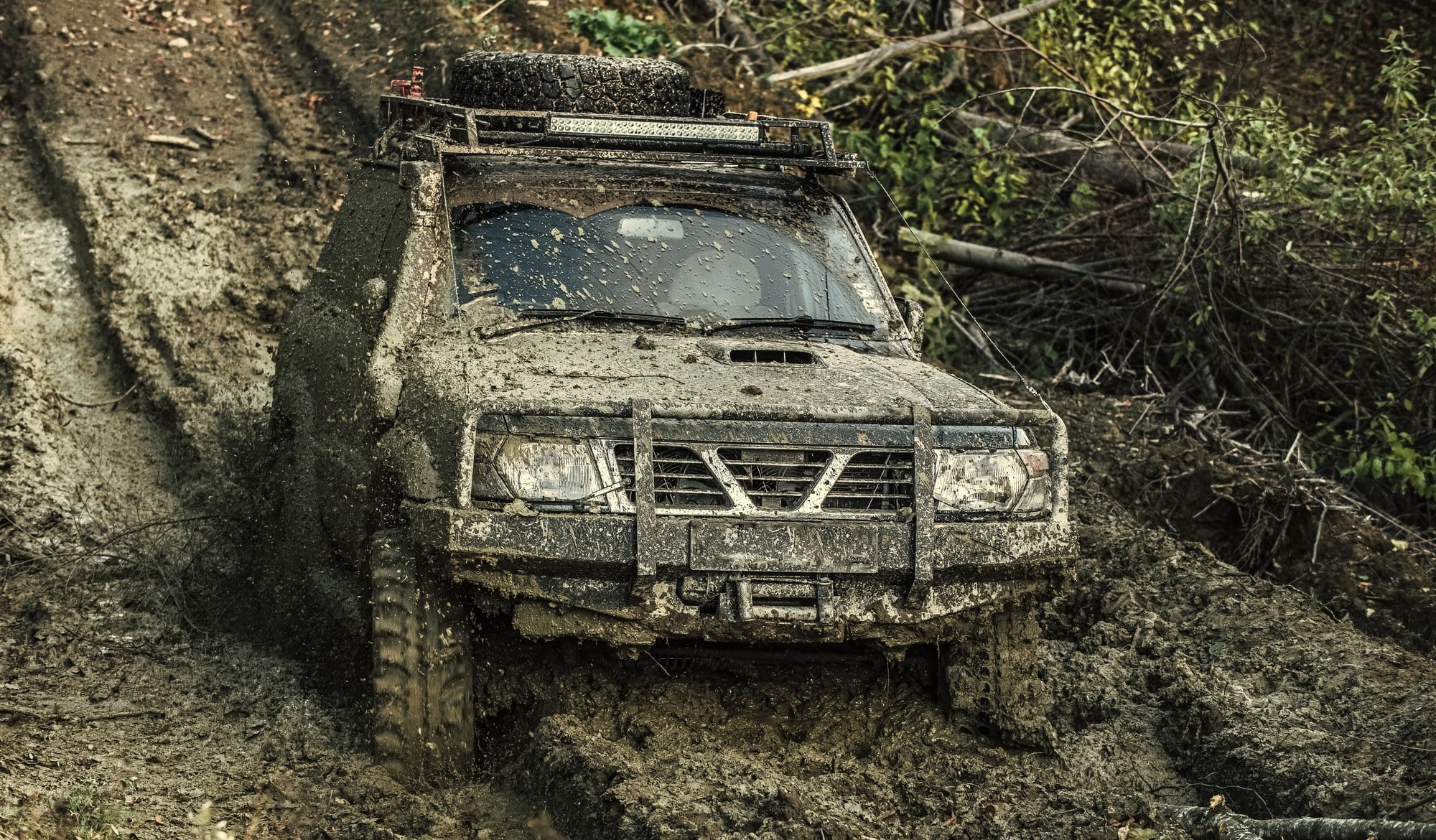
Every plan above moves people, not trucks. Garmin’s SAR policy excludes the tow or recovery of any vehicle, and roadside clubs set the same limit. For instance, the AAA East Central member guide excludes Forest Service roads, beaches, and creek beds. Good Sam also rules out off-road recoveries.
So your rig becomes a separate bill after the helicopter leaves. Our breakdown of what off-road recovery costs found Matt’s Off Road Recovery starts around $500 on dirt roads. Complex jobs run $750 to $1,500 or more. A few regional options exist, such as a $69 monthly plan from one recovery outfit near Yuma, Arizona. Yet we found no national off-road recovery membership.
Before a long trip, set aside a recovery fund or carry the gear to self-recover. Our guide on insuring a built overland rig also covers what happens to your mods after a total loss.
Coverage pays after the fact, so the gear in your rig covers the hours in between. A personal locator beacon such as the ACR ResQLink sends an SOS with no subscription. Our guide to emergency signaling explains when a beacon beats a messenger. After the SOS, a trauma kit with a tourniquet and a full first aid kit carry you through the wait.
Gear for the wait between the SOS and the rescue


How to Choose Search and Rescue Insurance for Your Trips
Match the coverage to the trips you take most often:
- Weekend trails near home: a regional air ambulance membership, a messenger, and a state card in New Hampshire, Utah, or Colorado.
- Multi-state loops in the West: Garmin SAR 100 or the ZOLEO add-on, since you leave your home air ambulance network. Add Medjet’s Domestic US 48 plan for the ride home.
- Baja, Canada, and beyond: a travel policy with medevac coverage, plus Medjet or Global Rescue for the trip home.
- Every trip: a recovery budget of $500 to $1,500.
Before you pay, read the exclusions. Garmin’s SAR 100 plan excludes activities such as BASE jumping and heli-skiing, and the ZOLEO add-on excludes search operations entirely. Finally, register any personal locator beacon with NOAA, because federal law requires it and registration costs nothing.
Final Thoughts
If you drive dirt roads past cell coverage, start with a satellite messenger and a regional air ambulance membership. Together, Garmin’s $14.99 Essential plan and a $99 yearly AirMedCare membership run about $23 a month. Those two handle the call for help and the priciest bill.
I think about this on my own Big Bear camping trips. A bad injury on a forest road there starts the same chain of bills as one in remote Utah. The plan matters close to home too.
Every option has trade-offs. Memberships cover only their own aircraft, Garmin’s plan ends at the hospital door, and nothing pays to recover your truck. If you mostly day-trip inside one state, a state card plus a local air ambulance membership covers you well. Roamers get more from Garmin SAR 100 or Global Rescue.
Whichever route you pick, put each membership number and hotline in the glove box, and show your passengers where. After all, a plan nobody knows about helps no one.
Search and Rescue FAQ
Is search and rescue free in the US?
Often, yes. In Colorado, for example, volunteer teams work with county sheriffs and charge the person in need nothing. However, New Hampshire, Utah, Oregon, and Hawaii allow bills in set cases, such as negligence or reckless behavior.
Does insurance cover air ambulance rides?
Most health plans cover a medically necessary air ambulance flight, and federal law caps you at in-network cost sharing. Still, owners report denials for flights an insurer judged not medically necessary. For this reason, many overlanders add a membership or air ambulance insurance.
Does Medicare cover air ambulance transport?
Medicare covers an air ambulance when ground transport is too slow or impossible, and only to the nearest appropriate facility. It usually pays nothing outside the US, and it generally skips ambulance trips home from a distant hospital.
Is Garmin SAR insurance worth it?
For $39.95 a year, Garmin SAR 100 covers up to $100,000 in rescue costs from the incident to a hospital. It makes the most sense if you already own an inReach and travel outside your home air ambulance network.
Medjet or Global Rescue: which fits overlanders better?
Global Rescue fits remote trips, because it sends teams to the point of injury and then moves you home. Medjet costs a little less at $315 a year. It starts only after a hospital 150 miles or more from home admits you. Pair a messenger and helicopter evacuation insurance with Medjet to cover the trip home.
Related Reading
- GMRS vs Ham Radio for Overlanding (and When You Actually Need a Satellite Messenger)
- Starlink Direct to Cell for Overlanders: What Satellite Phone Service Does Off-Grid
- Staying Connected Without Cell Service While Camping
- Emergency Preparedness for Your Overland Rig: What to Keep On Hand for the Unexpected