


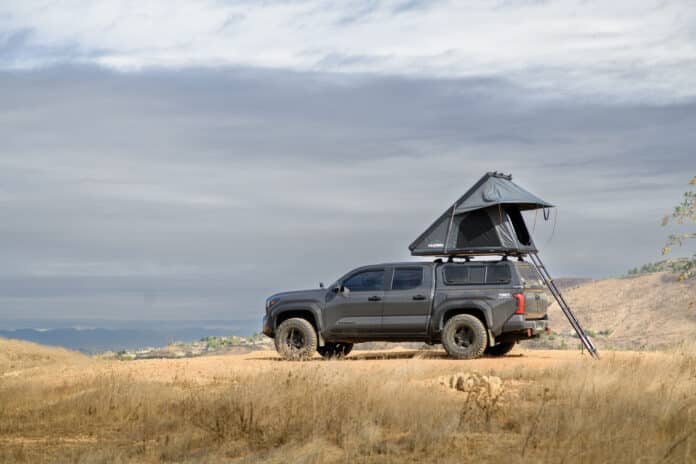

Most weekend overland rigs fail on Friday afternoon. First, you load the truck, hunt for the headlamp, and dig through a pile of bins to find the stove. As a result, the sun is gone by the time camp is up. The fix isn’t more gear. It’s a truck bed built as a system, where every item has a home and the roof carries the load.
I’ve camped for more than 30 years and overlanded for over 15, from two-tracks in the Sierra Nevada to wide-open deserts. Building out my own truck taught me to plan around the trip, not the shopping list. This guide shows how to build a weekend overland rig around the Venturous Ozark cap, step by step, so Friday loading takes minutes and Saturday morning starts relaxing with coffee.
Quick Facts:
- Topic: Building a weekend overland rig around one cap
- Foundation: Venturous Ozark cab-high fiberglass cap
- Roof rating: 750 lb dynamic, 1,500 lb static
- Fits: Chevy, Ford, GMC, Jeep, RAM, and Toyota trucks
- Trip length: 2 to 3 days
- Core upgrades: Roof bars, Cap Pack, dividers, power, lighting
- Pricing: Quote-based through Venturous
- Best for: Truck owners who camp most weekends
8 min read
In This Guide
- What Makes a Good Weekend Overland Rig?
- Ozark Specs at a Glance
- Step 1: Build the Roof for Your Weekend Overland Rig
- Step 2: Organize the Bed
- Step 3: Add Power and Lighting
- Step 4: Plan for Pets, Airflow, and Security
- Keep Your Weekend Overland Rig Under Payload
- Sample Weekend Overland Trip Plan
- Ozark vs. a Standard Cap for Overlanding
- Final Verdict
- FAQ
What Makes a Good Weekend Overland Rig?
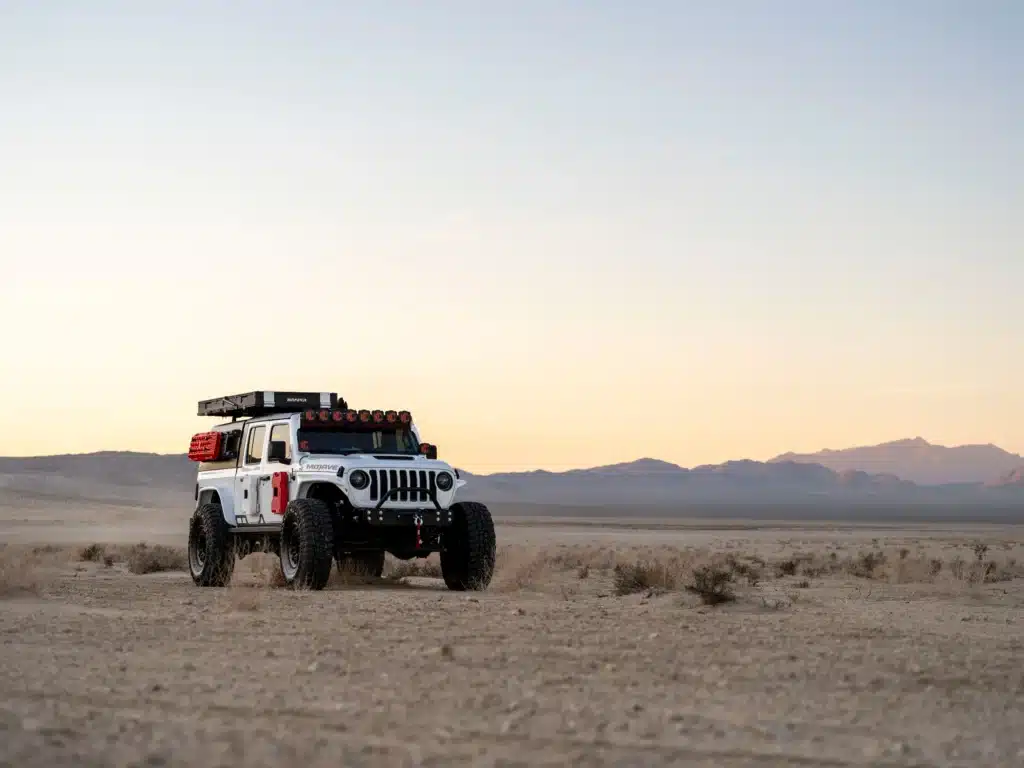
A good weekend overland rig does three things well. It carries your sleep system, it stores your gear in reach, and it stays under your truck’s payload. However, everything else is a bonus. Therefore, start with the part holding it all together: the cap.
The Venturous Ozark is a cab-high fiberglass cap built in the USA. It fits Chevy, Ford, GMC, Jeep, RAM, and Toyota trucks. According to Venturous, its PolyFuse process makes the shell 38% lighter and three times stronger than a traditionally built cap. Weight savings matter here, since every pound off the shell returns to your payload.
This plan suits a two- to three-day trip, the kind most of us have time for. For example, a Friday night departure and a Sunday evening return covers two nights of camping. Our weekend warrior gear guide covers the packing list, so this article focuses on the build itself.
Ozark Specs at a Glance
| Specification | Details |
|---|---|
| Construction | PolyFuse injection-molded fiberglass |
| Roof capacity | 750 lb dynamic, 1,500 lb static |
| Roof reinforcement | PET foam for racks and rooftop tents |
| Standard windows | Oversized sliding sides with screens, dark tint |
| Rear door | Aluminum frame with double T-handles |
| Paint | Axalta, matched to your truck |
| Warranty | Limited lifetime, paint and structure |
Start the Build
Spec Your Ozark Overland Build
Choose bars, windows, locks, and storage when you order, then match it to your truck.
Step 1: Build the Roof for Your Weekend Overland Rig
The roof is where the Ozark overland build starts. Venturous lists Rhino-Rack Aero and HD bars, Yakima Round, Core, and Jet Stream bars, and track-only versions of both brands. Choose the system your other gear already uses, because awnings and carriers move between vehicles.
Next, decide what rides up top. A rooftop tent is the classic choice, and the Ozark’s 750 lb dynamic rating gives it headroom. The dynamic rating refers to the weight the cap can safely accommodate while the vehicle is in motion, while the static rating refers to its weight capabilities while the truck is at a standstill.
Keep the Roof Load Light
For this reason, leave heavy items off the roof. Water, fuel, and recovery gear belong low and centered in the bed. Meanwhile, the roof should carry the tent, and a few boards, with little else. Lower weight up high means less body roll on side slopes, which I notice every time I load my Gladiator for a Utah trip.
Step 2: Organize the Bed
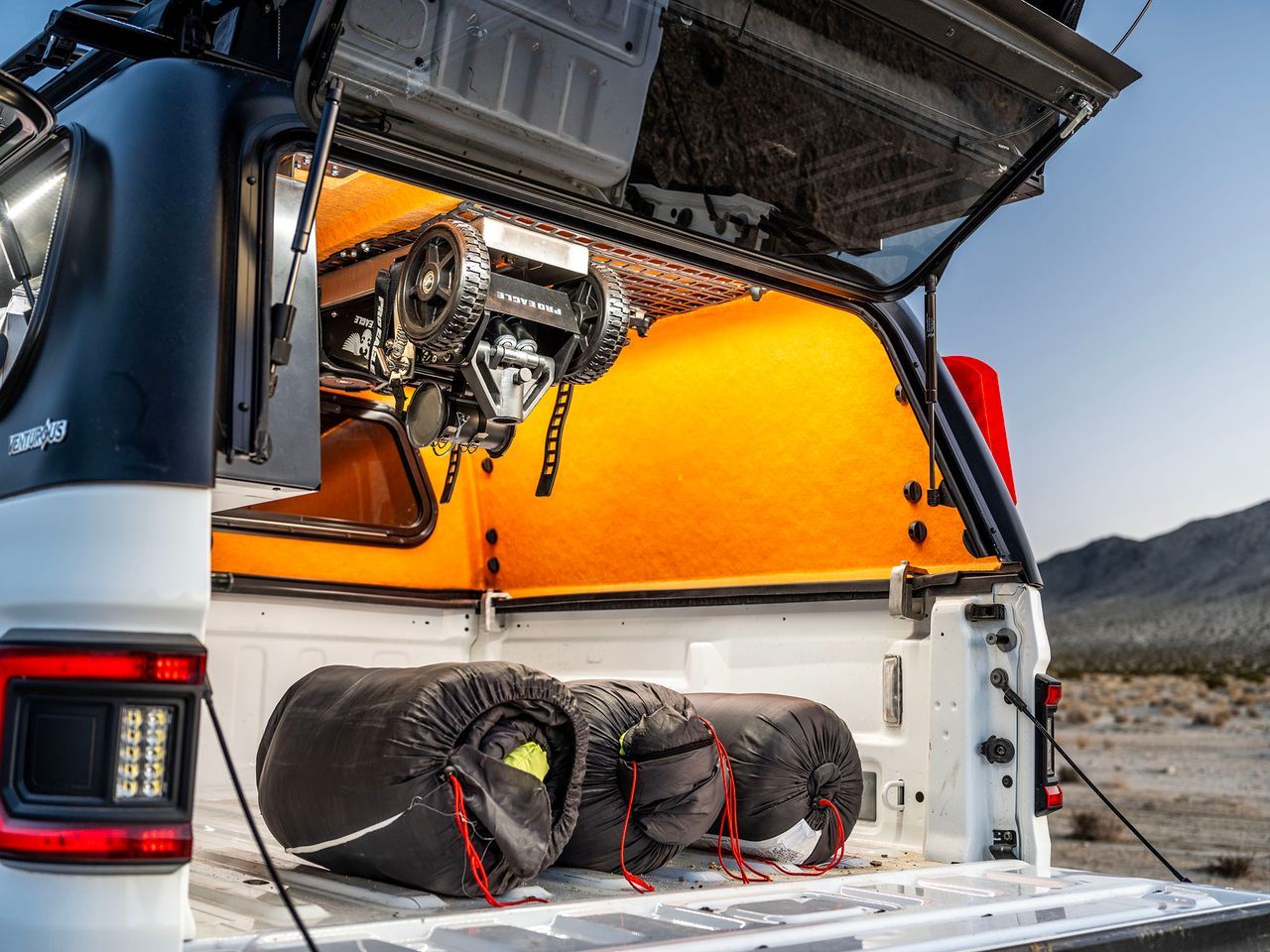
However, a bed without structure turns into a pile by Saturday morning. The Ozark lists several interior options to fix this. The Cap Pack adds roof storage, and the divider sets split the bed into zones. A cargo net holds soft items overhead, while a flush-mount clothes hanger keeps a jacket off the floor.
A Simple Zone Plan
Try three zones. First, put the kitchen box and cooler near the tailgate, so you reach them without crawling. Next, place recovery gear and tools in the middle, low against the cab. Finally, keep bedding and clothes in the cap pack overhead. As a result, this layout keeps weight low and forward, which helps handling.
Likewise, small items need homes. Venturous offers a MOLLE panel for hanging pouches, and fishing or hunting setups gain a rod holder or gun divider set. For more ideas, read our guide on customizing a truck cap for camping, pets, and security.
Step 3: Add Power and Lighting
Power turns a truck cap camping setup into a real camp, and it keeps a weekend overland trip comfortable. The Ozark lists a quick disconnect fuse box with a USB port, plus several lighting packages. Therefore, you charge a phone or run a light without trailing cables through a window.
Venturous also includes an LED third brake light, although Jeep Gladiators with the factory tailgate brake light skip it. If you drive a Gladiator, as I do, check this detail before you order. Also, keep wiring inside the cap and label each connection, so your weekend setup stays tidy.
Factory Options
Power, Lights, and Storage Built In
Add the fuse box, lighting packages, and Cap Pack at the factory for a clean fit.
Step 4: Plan for Pets, Airflow, and Security
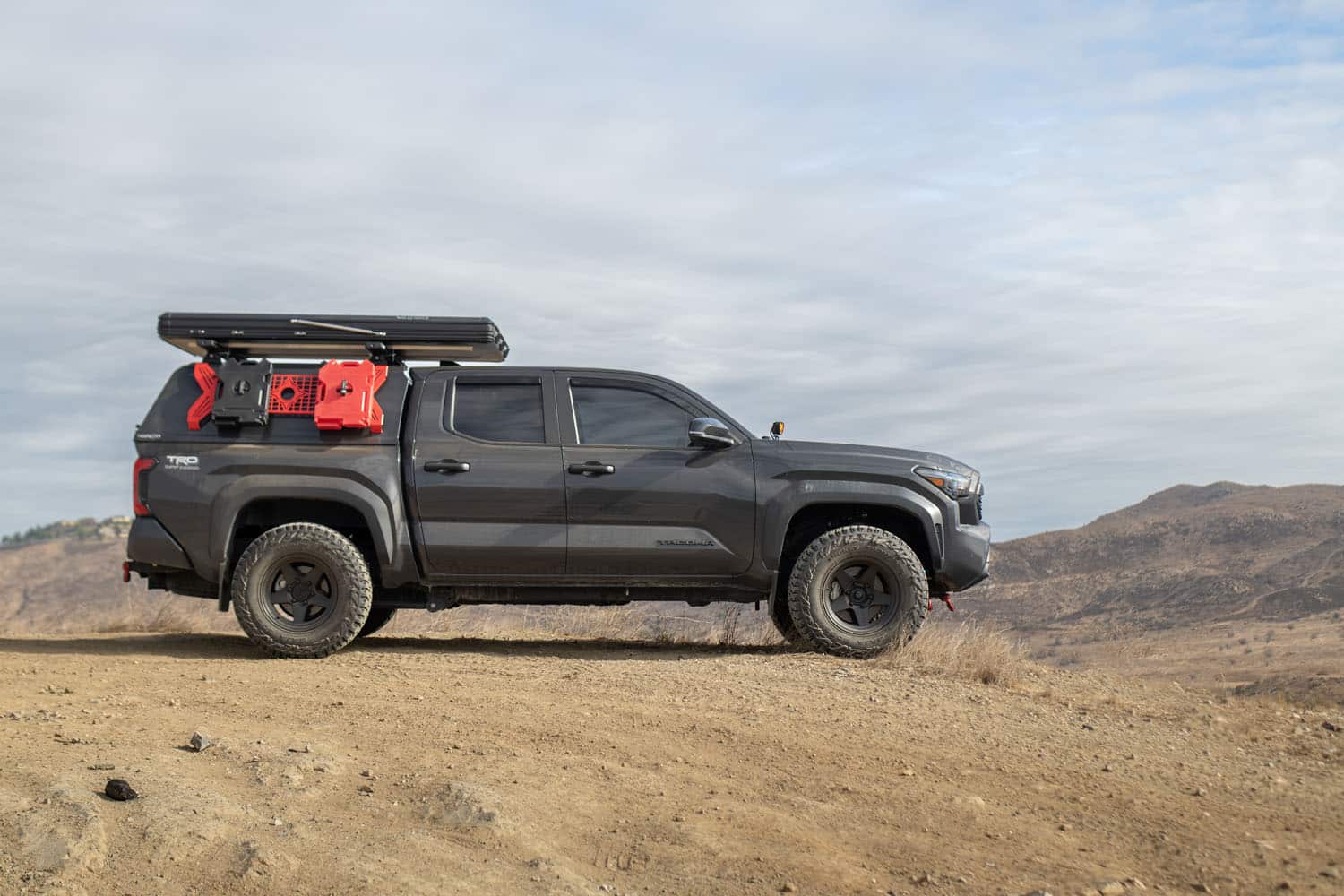
Comfort and security shape how well you sleep. The Ozark ships with oversized sliding side windows and screens, so air moves through the bed. Meanwhile, dark tinted glass blocks the sun and hides your gear. Specifically, factory pet screens let a dog ride with fresh air and no escape route.
Locks Worth Choosing
Rear door options include double T-handle locks and a folding T-handle. An e-lock is available on the folding T-handle door and on the side windoor. Solid sides remove windows entirely, which suits trailheads where you leave the truck for a day. Likewise, a rubber bulb seal helps keep dust out of the bed on washboard roads.
However, no lock replaces good habits. At trailheads, I keep valuables out of sight and park where I see the truck from the trail. A closed, tinted cap looks like a boring box, which is exactly the point.
Keep Your Weekend Overland Rig Under Payload
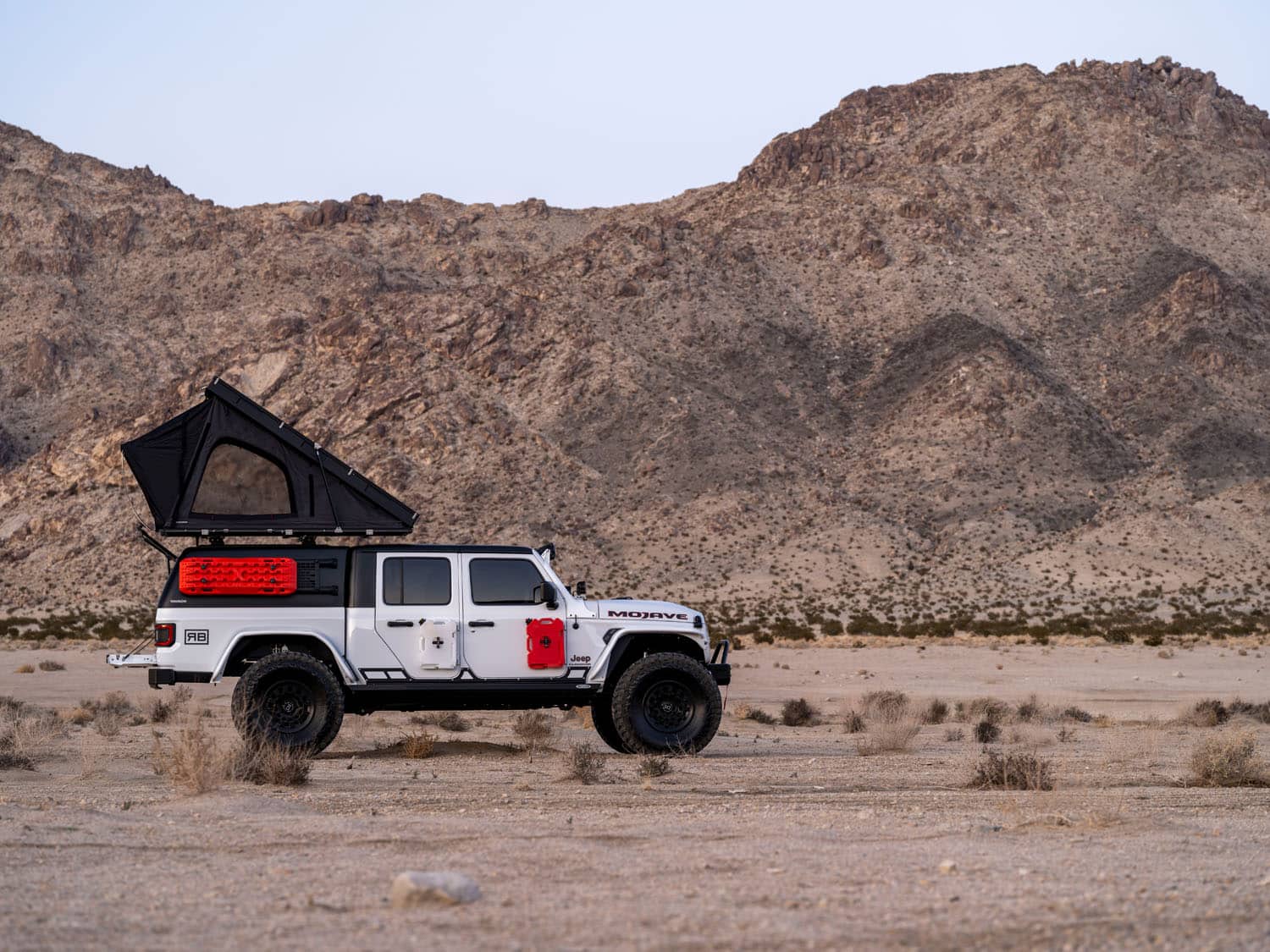
Payload decides how much of this build you carry. Check the Tire and Loading Information sticker in your driver’s door jamb for the number. Then add the cap, tent, bars, people, water, food, and recovery gear. Our rooftop tent payload guide walks through the math in detail.
Here is a weekend example with sample weights. Swap in your own numbers before you trust it.
| Item (Example) | Weight |
|---|---|
| Cap | 180 lb |
| Rooftop tent and bars | 190 lb |
| Two adults | 360 lb |
| Water and food | 100 lb |
| Recovery gear and tools | 60 lb |
| Kitchen, cooler, and bedding | 100 lb |
| Total | 990 lb |
If your door sticker lists 1,400 lb, this build leaves 410 lb. However, a bumper, a winch, or extra fuel erases this margin fast. Because of this, choose a lighter shell first, then add only what you use on most trips.
Sample Weekend Overland Trip Plan
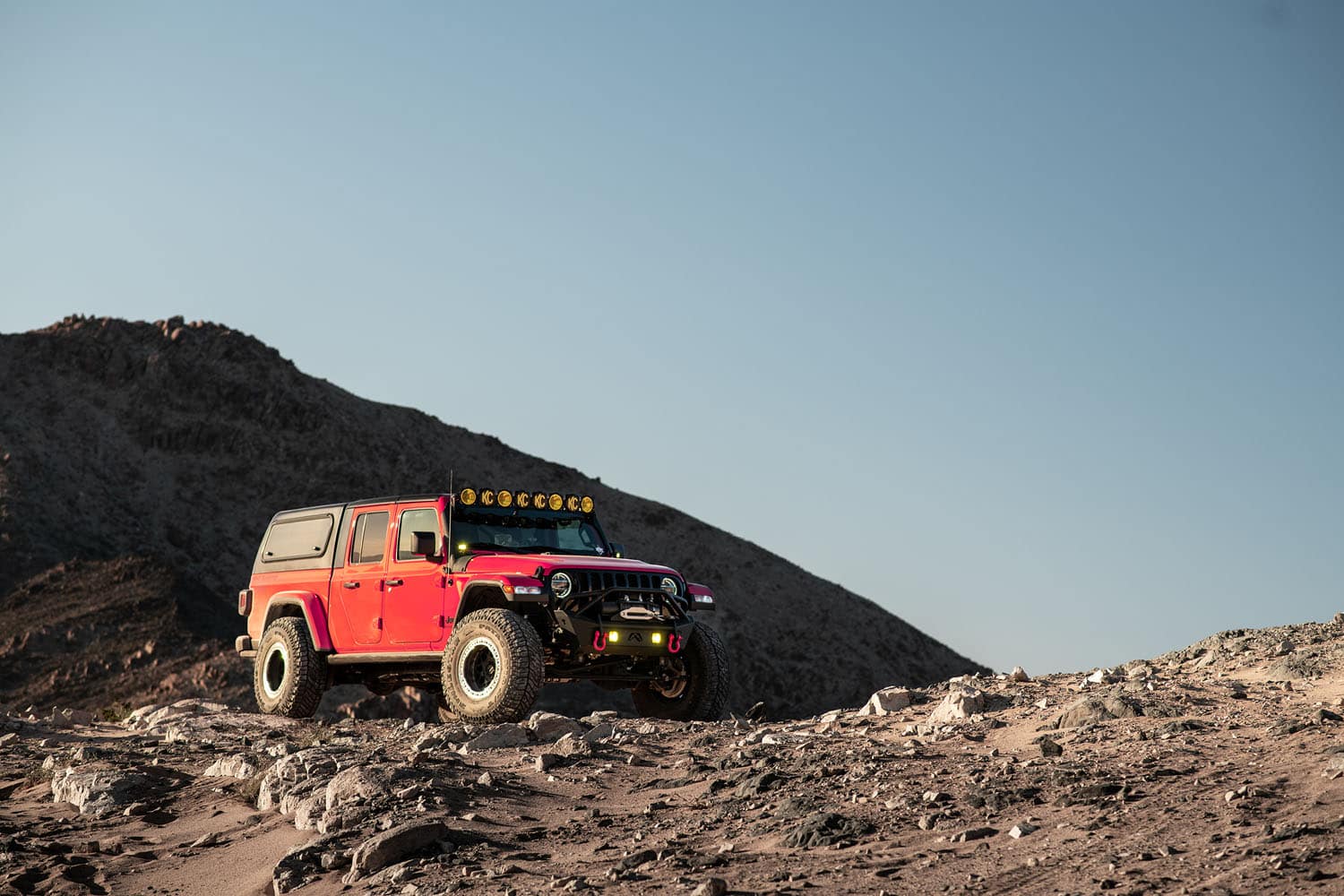
Here is how the build works on a real weekend overland trip. On Friday, load the cooler and kitchen box first, since they sit nearest the tailgate. Next, drop the bedding into the Cap Pack and strap the tent to the bars. Because everything has a home, loading takes minutes.
On Saturday, open the side windows for airflow, start the stove, and use the USB port to charge phones. Meanwhile, the dog settles in behind the screens. Sunday is for packing in reverse order, so the truck leaves camp as clean as it arrived. A truck cap camping setup like this saves an hour each day compared to digging through loose bins.
Plan one buffer item too. Carry a spare water jug and a paper map, because signal drops in the places worth camping. For instance, I’ve lost service on Wyoming two-tracks within ten miles of the highway. Preparation, not extra gear, keeps every trip stress free.
Ozark vs. a Standard Cap for Overlanding
The biggest difference is the roof. Standard fiberglass caps often rate between 220 and 330 lb dynamic, which leaves little room after a tent and bars. The Ozark’s 750 lb dynamic rating covers the same setup with margin to spare.
Cost is the other factor, although value matters more. Pricing for the Ozark is quote-based, so your total depends on the options you pick. In contrast, a basic cap costs less but offers fewer factory choices. If you only need dry storage, a standard cap wins on value. If a tent, a dog, and locking storage are all on your list, the Ozark earns its price.
Ready to Build?
Get a Quote on Your Ozark
Pick your options, match your truck, and get pricing straight from Venturous.
Final Verdict
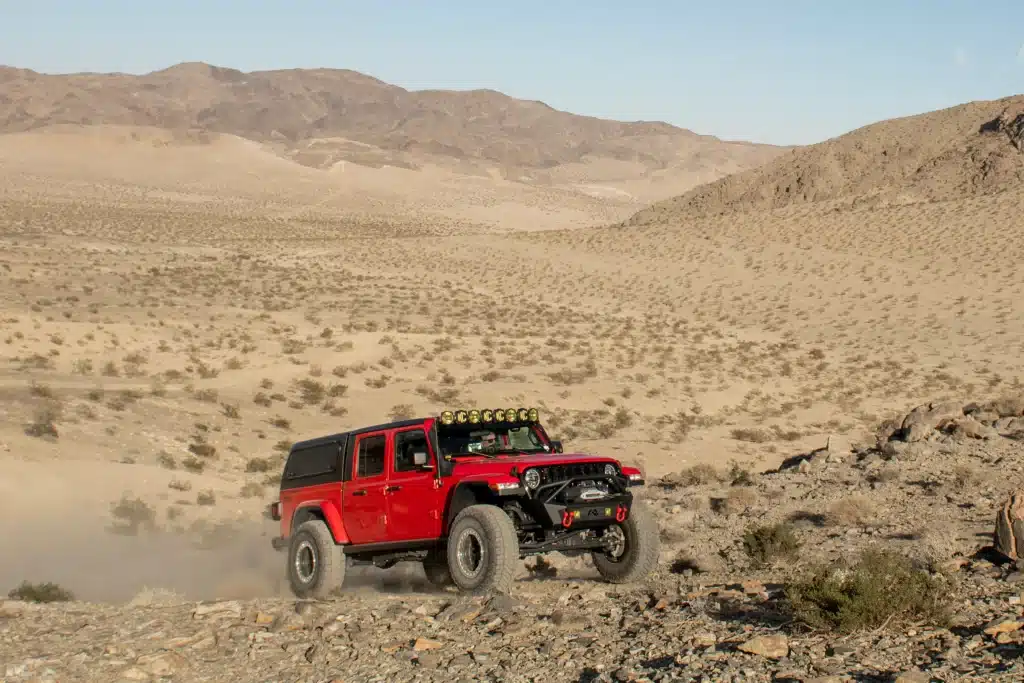
Overall, the Ozark makes a strong foundation for a weekend overland rig. Its biggest strength is the roof, with a 750 lb dynamic rating and factory bar options from two major brands. Add the Cap Pack, dividers, power, and locks, and the bed works as one organized system.
The trade-off is planning. Because more options mean more decisions, quote-based pricing means you won’t see a total until you talk to Venturous. Anyone who only needs dry storage for errands should skip the extras. Drivers who stay off dirt roads also won’t use most of this build.
On value, a lighter and stronger shell returns payload for the gear you carry. Moreover, the limited lifetime warranty on paint and structure protects the investment. This combination is hard to build after the fact with aftermarket parts.
For campers who head out most weekends, the Ozark is a smart base. A buyer on a tighter budget should look at a standard fiberglass cap and add only locks and screens. Either way, build around your trip, weigh everything, and keep the heavy items low.
FAQ
What do you need for a weekend overland rig?
You need a sleep system, organized storage, basic power, recovery gear, and a payload check. A cap with a strong roof, like the Ozark, carries the tent and keeps gear dry.
How much weight does the Ozark roof hold?
Venturous rates the Ozark roof at 750 lb dynamic and 1,500 lb static. Confirm the rating for your exact build with a dealer before mounting a tent.
Does the Ozark fit my truck?
Venturous builds the Ozark for Chevy, Ford, GMC, Jeep, RAM, and Toyota trucks. Check the fit chart or ask a dealer to confirm your model.
What storage options does the Ozark offer?
Options include the Cap Pack roof storage, divider sets, a cargo net, a clothes hanger, a fishing rod holder, and a MOLLE panel.
How much does an Ozark cost?
Venturous sells the Ozark by quote through dealers. Your price depends on paint, windows, locks, and the options you choose.
Friendly disclaimer: Our articles may contain affiliate links that support us without costing you more, and sometimes we spice things up with sponsored content—but only for products we truly stand behind!