


Quick Facts:
- Incident: Rented Jeep Wrangler high-centered near Screwbean Spring, Arizona
- Date: July 22, 2026
- Who: A 47-year-old father and his 16-year-old son
- Duration stranded: About five hours, in roughly 114-degree heat
- Outcome: Ran out of drinking water, hiked to find cell service, called 911
- Response: Mohave County Search and Rescue located and safely returned both
- Best for: Anyone renting or driving a 4×4 into remote desert trails
7 min read
In This Guide
Overview
A father and his 16-year-old son needed a search and rescue team this week after their rented Jeep Wrangler became high-centered on a remote Arizona trail. The pair survived five hours stranded in roughly 114-degree heat, running out of drinking water before hiking far enough to catch cell service. Every off-roader eventually gets stuck somewhere, and this incident shows exactly what separates a short delay from a search and rescue call. The gap often comes down to off-road recovery gear.
This guide covers what happened near Screwbean Spring and the off-road recovery gear able to shorten an ordeal like this one. It also covers the habits experienced desert travelers rely on before they ever turn off pavement.
What Happened Near Screwbean Spring
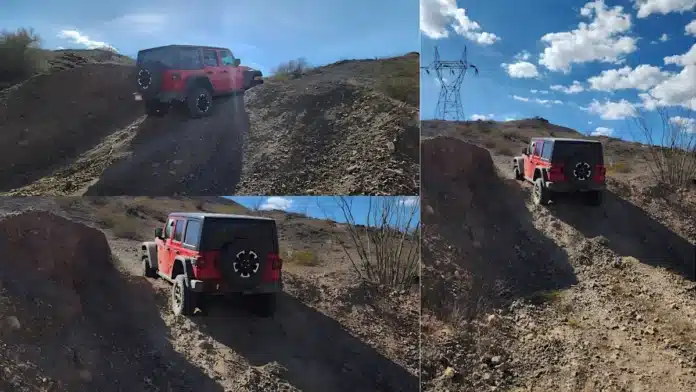
The father and son turned off Standard Wash on July 22, the Mohave County Sheriff’s Office said. They became high-centered on a rugged trail near Screwbean Spring, southeast of Lake Havasu City, shortly after. The pair remained stuck for about five hours and ran out of drinking water. They eventually left the vehicle and hiked until they found enough signal to call 911.
Mohave County Search and Rescue is an all-volunteer organization covering the entire county. Crews located the pair quickly, provided water, and safely returned them to a command post, and both walked away unharmed. The story spread fast, and social media filled with jokes about stuck Jeeps and rubber ducks on dashboards. However, plenty of experienced off-roaders used the incident to share genuinely useful advice instead of piling on.
Getting a vehicle high-centered is common, and it happens to Jeep, Toyota, Bronco, and Land Rover owners alike. This wasn’t a Jeep problem. It was a preparation problem, and this distinction matters for anyone planning a similar trip.
Off-Road Recovery Gear for Getting Unstuck
Several commenters on the original story believed the Wrangler was recoverable. Digging, carefully placed rocks, traction boards, or help from a second vehicle might have worked, though it’s impossible to know from photos alone. The discussion pointed at a real gap. Many new off-roaders never carry the recovery gear kit needed for the most common stuck scenarios. The same basics get covered in our 4×4 recovery gear you need in your kit guide.
Recovery Gear Every 4x4 Should Carry
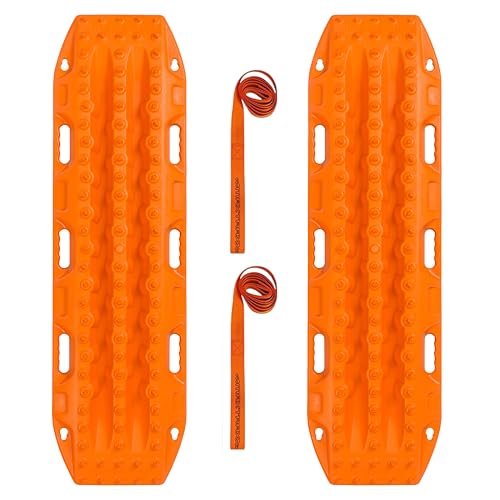


A pair of traction boards handles the majority of everyday stuck situations, including sand and mud. It also handles the kind of high-centered spot this Jeep landed in. Slide one under each drive tire, since the aggressive teeth grab the tread and provide traction where loose ground offers none. Our traction board buying guide breaks down which pair suits a given budget and rig. A kinetic recovery rope adds a second recovery method for situations the boards alone don’t solve. It uses stored energy from a second vehicle to gently pull a stuck rig free. A static tow strap delivers a much harder jolt by comparison. A folding shovel rounds out the recovery gear kit. Clearing loose dirt or sand away from a high-centered frame often comes first. Only then do the boards or a rope come into play.
None of this gear replaces good judgment on the trail. It turns a stuck vehicle into a 15-minute delay instead of a five-hour ordeal. A basic recovery kit costs a fraction of what a tow truck charges to reach a remote desert trail. This assumes a tow truck reaches it at all.
Why Every Off-Roader Needs an Off-Road Recovery Gear Habit
Experienced trail drivers treat getting stuck as part of the hobby rather than a failure. Spend enough time exploring trails in any capable 4×4, and eventually a tire buries in sand or a frame catches on a rock. Sometimes a wrong line simply turns into a long afternoon. The difference between a funny story and a rescue call comes down to preparation, equipment, and backup.
One of the better parts of off-road ownership is the community around it. Local Jeep clubs, Facebook groups, and Reddit communities are full of experienced drivers. Organized trail rides welcome newcomers too. Many dealerships point new owners toward reputable local clubs and beginner-friendly events. Riding alongside experienced people remains one of the fastest ways to learn how to choose a line. It also helps clarify what a specific vehicle handles, including where a boards vs. a winch decision fits a build.
Modern Jeep Wranglers are highly capable machines. Features such as 4-Low, locking differentials, and adjustable tire pressure only help in the right hands. A driver still needs to understand when and how to use them. New off-roaders benefit from practicing in controlled, lower-risk terrain before venturing deep into remote desert trails alone.
A rental Jeep adds a wrinkle most owned vehicles don’t carry. A weekend renter rarely has time to learn a vehicle’s quirks or ground clearance limits. Pushing straight into terrain like the wash near Screwbean Spring without this experience raises the odds of a repeat incident. Rental companies focused on tourist routes seldom brief customers on recovery basics or airing down. Anyone renting a 4×4 for backcountry use should ask the counter staff about off-road terms, then test the vehicle on easier terrain first.
Don’t Rely on Cell Service
Remote trails often carry little or no cellular coverage, and this incident shows exactly why the gap matters. Once the father and son ran out of water, their fastest path to help still required hiking on foot. A usable signal took time to appear. A different piece of gear would have skipped this step entirely. Our safer backcountry travel tips cover this exact gap in more depth.
A satellite communicator works far beyond the edge of cell coverage. It sends a two-way message or an SOS signal through a satellite network instead of a cell tower. Devices such as a Garmin inReach, ZOLEO, or SPOT let a stranded driver call for help immediately. This beats hiking through desert heat first. For anyone who spends real time on remote trails, this kind of device ranks among the highest-value purchases available. It often costs less than a single tow bill from a remote recovery service.
Most satellite messengers require an active subscription plan on top of the device cost. Plans typically range from a pay-as-you-go option for occasional trips to an unlimited monthly tier for frequent travelers. Battery life on a modern device often stretches past ten days in standard tracking mode. This is long enough to cover a multi-day desert trip without a recharge. Pairing the device with a smartphone app before leaving pavement lets a driver preload emergency contacts. It also confirms the device has a clear view of the sky. Dense canyon walls occasionally delay a signal by a few minutes.
Before You Head Into Remote Trails
Several habits separate routine stuck situations from dangerous ones, and most of them cost nothing beyond a few minutes of planning before leaving pavement.
Traveling with a second vehicle remains one of the most common pieces of advice shared after this story broke. A second rig isn’t only there to pull a stuck vehicle free. It also carries extra water, additional recovery gear, and tools. Another person on board helps if something unexpected happens along the trail.
Telling someone the planned route matters equally. Before heading into remote terrain, share the entry point, planned trail, and expected return time with someone at home. If a check-in doesn’t happen as planned, this person already knows where searchers should start looking.
Carrying more water than expected also makes a real difference. A short trip becomes a much longer ordeal without warning, particularly once temperatures climb toward 114 degrees. Experienced desert travelers generally pack considerably more water than they think they’ll need for exactly this reason.

Garmin inReach® Mini 2, Satellite Communicator, Orange | SOS Satellite Communicator with Navigation, Two-Way Messaging Beyond Cell Service, 24/7 Garmin Response℠
The Garmin inReach Mini 2 sends two-way messages and triggers an interactive SOS through the Iridium network, working in places a phone never will.
A recovery kit, a satellite messenger, and a second vehicle address most of what went wrong here. Together, those three gaps turned a routine trip into a rescue call. None of them guarantee a trail goes perfectly, but each one shortens the gap between stuck and safe.
What This Means for Your Next Trip
A rented Jeep Wrangler is plenty capable for most desert trails. This incident says more about preparation than the vehicle itself. Anyone planning a similar rental trip should treat recovery gear, water, and a communication plan as part of the reservation. None of it belongs on a last-minute list at the gas station.
Learning a vehicle’s capability matters before pushing into remote terrain. Airing down tires, choosing a line, and recognizing when to turn around all come from practice. An experienced group nearby helps more than going it alone on a first attempt.
This father and son made it home safely, and the story ends better than it might have. A recovery kit, a satellite communicator, and a few new friends from a local off-road club change the outlook completely. Their next Arizona trip ends with good memories instead of a search and rescue call.
FAQ
What recovery gear should every off-roader carry?
A pair of traction boards, a kinetic recovery rope, and a folding shovel cover most common stuck situations. This includes sand, mud, and a high-centered frame.
Will boards alone free a high-centered Jeep?
These boards work best when a tire has lost grip rather than when the frame itself rests on an obstacle. Clearing loose ground with a shovel first often makes the difference before the boards go under the tires.
What is a satellite communicator and do I need one?
This handheld device sends two-way messages and SOS alerts through a satellite network instead of a cell tower. It works in remote areas where phones show no signal. Anyone spending real time on remote trails benefits from carrying one.
How much water should I carry off-roading in the desert?
Experienced desert travelers generally carry considerably more water than they expect to use. A short trip turns into a much longer ordeal once temperatures climb into the 100s.
What should I do if I get stuck on a remote trail alone?
Stay with the vehicle if possible, ration water carefully, and use a satellite messenger to call for help. This beats hiking through desert heat searching for cell signal.