


Quick Facts:
- Event: Stage 2 public use fire restrictions, Central Oregon
- Effective: 12:01 a.m., Saturday, July 25, 2026
- Where: Deschutes National Forest, Ochoco National Forest, Crooked River National Grassland, and Prineville District BLM
- Fire danger rating: Extreme
- Banned: All open fires, including wood stoves and charcoal, even inside developed campgrounds
- Still legal: Pressurized liquid or gas stoves with a working on/off valve
- Best for: Anyone camping, overlanding, or towing a trailer through Central Oregon this week
7 min read
In This Guide
Overview
Stage 2 fire restrictions took hold across Central Oregon at 12:01 a.m. on July 25, 2026. Extreme heat and bone-dry vegetation pushed the fire danger rating to Extreme. Deschutes National Forest, Ochoco National Forest, Crooked River National Grassland, and the Prineville District BLM all moved together. Anyone driving into the region this week needs a different plan for cooking, lighting, and evenings around camp.
This guide covers exactly what the order bans, what stays legal, and why the agencies pulled this trigger now. It also covers gear keeping a trip running smoothly without breaking a single rule. None of it replaces the official Central Oregon Fire Information announcement, which stays the authoritative word on enforcement.
Stage 2 Fire Restrictions at a Glance
| Detail | Status |
|---|---|
| Effective date | 12:01 a.m., July 25, 2026 |
| Agencies involved | Deschutes NF, Ochoco NF, Crooked River National Grassland, Prineville BLM |
| Campfires and wood stoves | Banned everywhere, including developed campgrounds and wilderness |
| Charcoal briquette fires | Banned |
| Chainsaw use | Banned |
| Pressurized gas or liquid stoves with on/off valve | Still legal |
| Smoking | Banned outside a vehicle, building, campground, or cleared three-foot area |
Gear That Stays Legal Under the Ban
A trip through Central Oregon this week still works, provided the gear in the rig matches the rule. Three items cover most of what a campfire used to handle. Between them, cooking, light, and a safety margin against the Extreme danger rating all stay covered.
A two-burner propane camp stove with a proper on/off valve replaces the fire pit for cooking. It works inside a developed campground under this order too. Stage 2 fire restrictions ban wood stoves specifically, so the valve-controlled design is the detail keeping a propane camp stove legal while a wood-burning model stays banned.
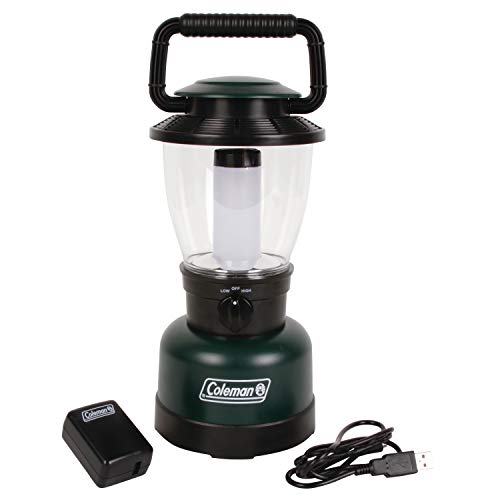
A rechargeable LED lantern covers the light a campfire used to provide, without any flame at all. It also works fine indoors during a power outage later in the season, since battery-only light sidesteps the same flame restrictions covered above. A small vehicle-rated fire extinguisher earns its space too. Extreme fire danger rewards anyone able to smother a spark before it spreads.
Gear That Stays Legal Under Stage 2
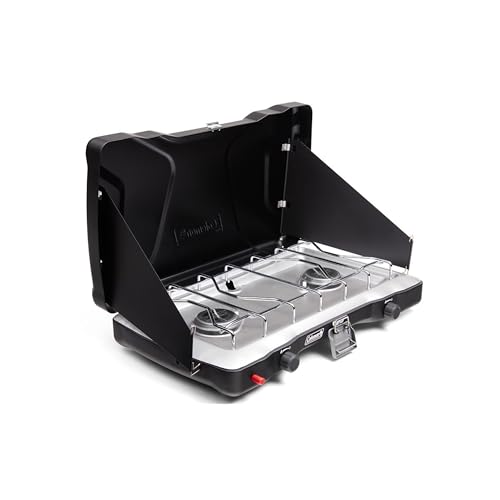
Coleman Triton+ 2-Burner Propane Camping Stove with InstaStart | 22


None of this gear counts as exotic. Any camper who already avoids open flame near dry grass owns something close to this list already. The difference this week: the rule now requires it instead of only rewarding the habit. Pack a compliant stove, a lantern, and an extinguisher. The campfire ban Oregon officials will enforce through the rest of fire season barely changes the trip at all once this gear sits in the rig.
Why Central Oregon Moved to Stage 2
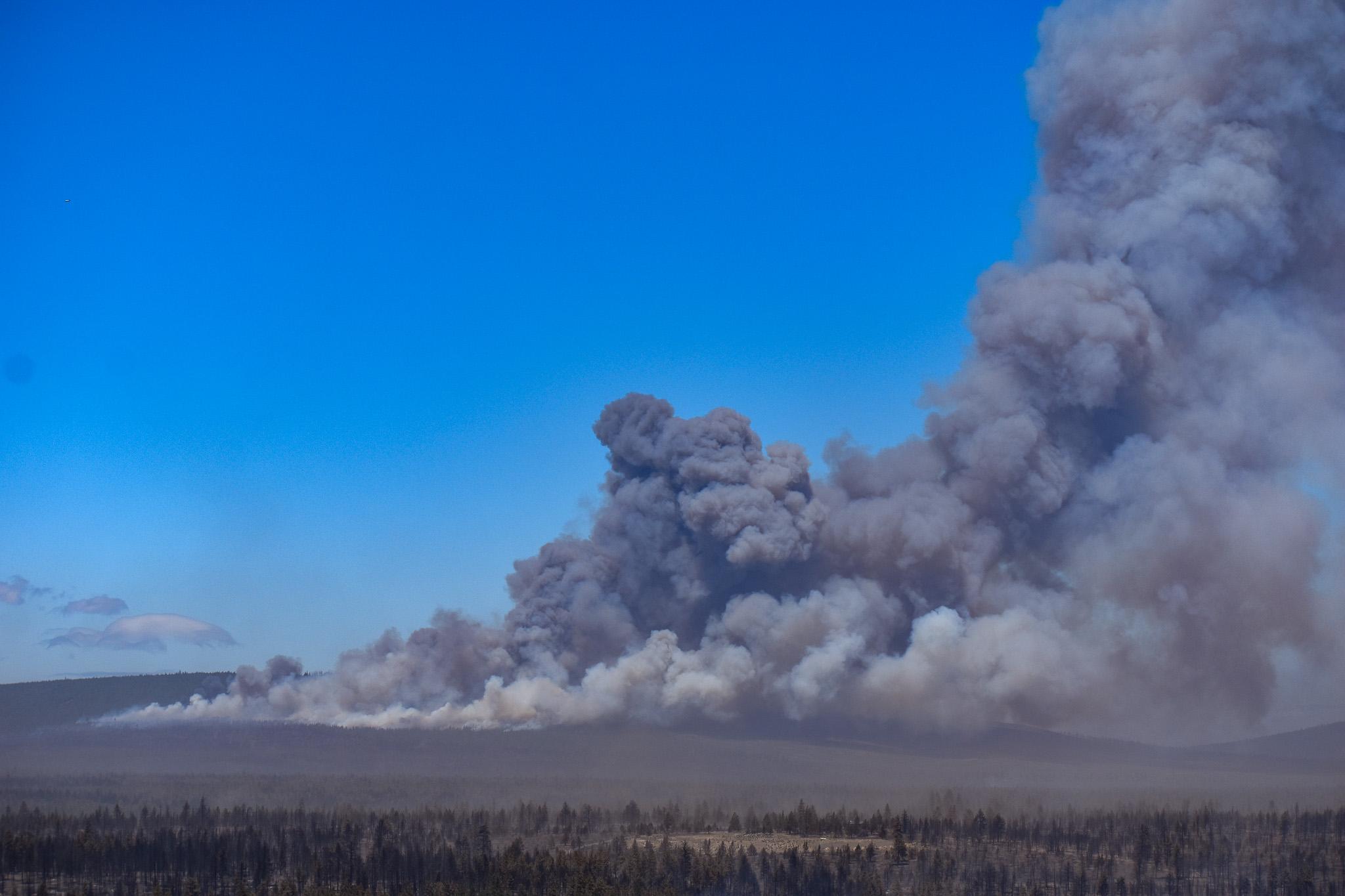
Fire managers cited two factors together: continued hot weather and extremely dry vegetation. The current fire danger rating sits at Extreme, the top of the scale agencies use to set restriction levels. This combination left little room for a softer approach, and it left even less room for a delayed one.
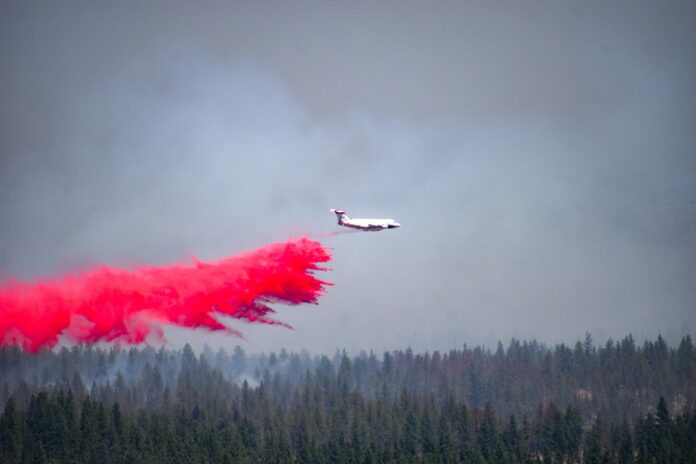
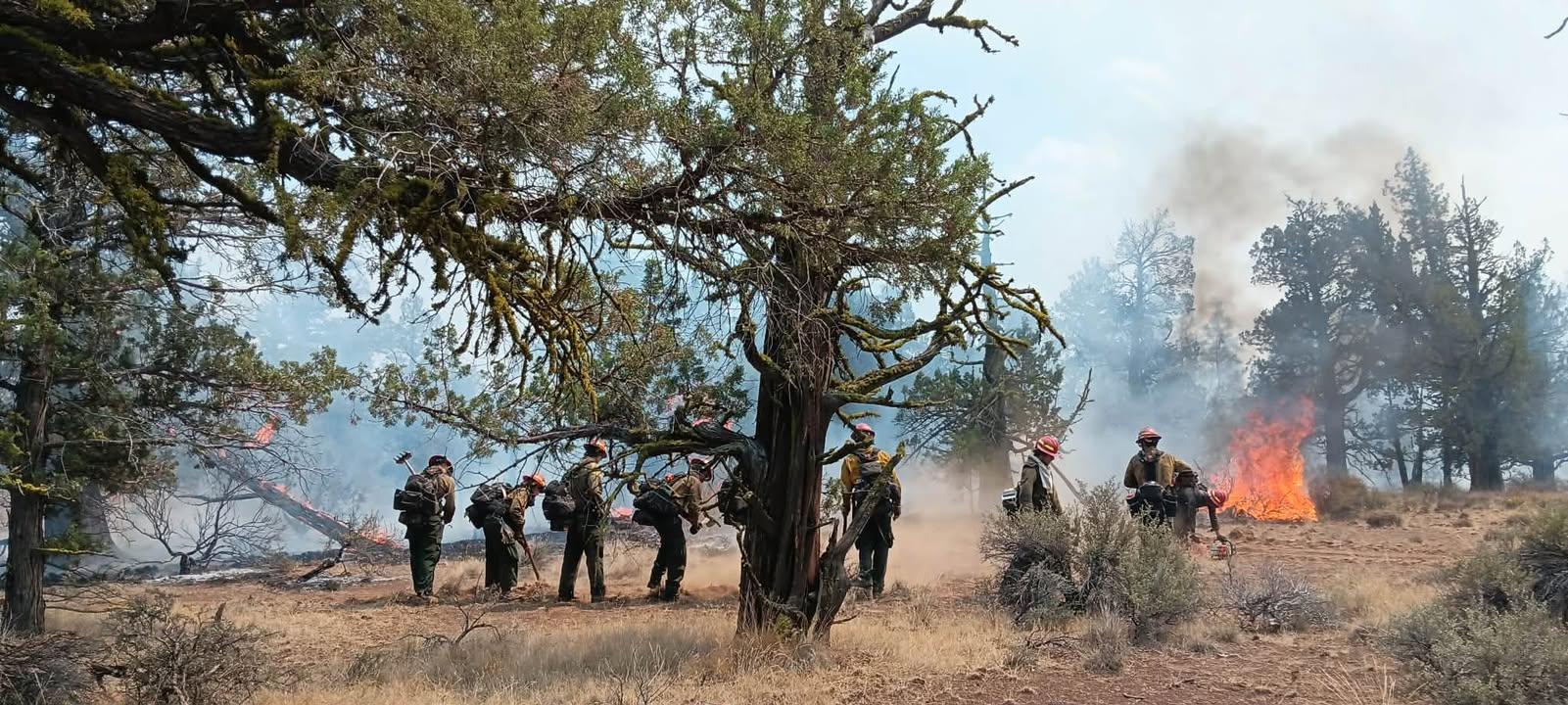
The timing lines up with active fire behavior already unfolding nearby. The Akawa Butte Fire near Sisters has already triggered evacuation notices and closed roads this week, a sign of how fast conditions shift once vegetation this dry catches a spark. Central Oregon fire agencies moved on the broader restriction order the same week this fire took hold, and this pairing underscores how quickly Extreme-rated conditions turn a single ignition into evacuations.
These public use restrictions also sit separate from the BLM’s annual river corridor restrictions, active since 5/13/2026. Those already ban portable propane campfires and wood pellet burning devices along BLM river corridors. Stage 2 fire restrictions widen the ban to cover the broader public land base instead of only the rivers.
How Central Oregon’s Fire Restriction Stages Escalate
Central Oregon has moved through this same sequence before in dry years. A Stage 1 restriction typically arrives first, banning campfires outside metal fire rings and limiting smoking to cleared areas. Stage 2 escalates further, closing the metal-ring exception entirely and adding the chainsaw and equipment restrictions covered in the table above. A Stage 3 order, reserved for the driest and most dangerous stretches, closes entire forests to public entry. Central Oregon has not reached this point this season, though the Extreme rating puts it within range if conditions do not improve.
What This Means for Your Next Trip
A trip into Central Oregon still makes sense this week, provided the gear list matches the rule rather than the habit. Swap a wood fire for a compliant propane camp stove, and the evening routine barely changes. Skip the campfire ambiance and lean on a lantern instead, since the fire danger rating leaves no room for an exception.
Watch the agency pages directly rather than a single article, since a stage shifts again within days when weather or fire behavior changes. Central Oregon has moved between stages multiple times in past dry summers, and this one already shows the same pattern with an active fire nearby.
Drivers passing through rather than camping should still treat the region with real caution. A parked vehicle over dry grass, a dragging trailer chain, or a hot exhaust pipe starts a fire as easily as an open flame. Extreme-rated conditions punish small mistakes fast, and a roadside spark under these Central Oregon fire restrictions carries the same consequences as an unattended campfire.
Anyone with a trip planned elsewhere in the region this season should also check whether their route crosses a different agency’s boundary. A Stage 2 order in one forest does not automatically apply next door. Oregon’s other national forests each track fire danger independently. A rig headed west toward the Cascades or south toward the Fremont-Winema should confirm the local stage before assuming the same rules travel along.
Fuel loads this dry rarely improve without a real weather change. Expect these restrictions to hold at Stage 2 or tighten further through August unless the region sees sustained rain. Planning around this reality now beats finding out at a closed gate later.
Where These Stage 2 Fire Restrictions Apply
The restriction covers four distinct land managers, and each one enforces the same rule set. Deschutes National Forest carries the bulk of the popular camping and off-road terrain near Bend and Sisters. Ochoco National Forest and the Crooked River National Grassland sit east of Prineville. Together they cover a quieter stretch of forest road and dispersed camping. The Prineville District BLM rounds out the fourth zone, and it also carries the separate river corridor restriction mentioned above. Consequently, a single trip crossing all four boundaries needs to track two overlapping rule sets rather than one.
Anyone routing a trip through the region should check the specific agency page for their route. Enforcement details sometimes vary by district even under the same stage. Our 2026 Western US fire restrictions guide tracks similar orders across other states. Central Oregon rarely stays the only region at Stage 2 during a summer this dry.

Midland - ER310, Emergency Crank Weather AM/FM Radio - Red/Black | Multiple Power Sources, SOS Emergency Flashlight, Ultrasonic Dog Whistle, & NOAA Weather Scan + Alert
A hand-crank NOAA weather radio picks up alerts and forecasts even when the nearest cell tower sits fifty miles away.
The 11 best off-road trails in Oregon include several routes running straight through the newly restricted zone. Check current status before committing to a specific trailhead this week. Bend, Sisters, and Redmond all sit inside or beside the restricted boundary. Consequently, a route planned through any of those towns should assume Stage 2 rules apply. Plan a fuel and grocery stop in town before heading out, since services thin out fast past the pavement.
What’s Banned and What’s Still Legal
Stage 2 fire restrictions prohibit every open flame across the covered land. The list includes campfires, wood stoves, and charcoal briquettes. Most fire bans exempt developed campgrounds. However, this one does not. The order specifically covers developed sites and wilderness areas alike. A paid campground spot offers no exception this week under these Central Oregon fire restrictions.
Chainsaw use also sits off the table under this stage. Smoking only stays legal inside an enclosed vehicle or building. It also stays legal inside a designated campground, or within a cleared area at least three feet across. Fireworks and other pyrotechnic devices remain banned at all times on Forest Service land in the region. Federal rules treat those separately from the seasonal restriction stage.
One exception matters most for anyone still planning to cook. A pressurized liquid or gas stove with a working on/off valve stays legal. This single line separates a ruined trip from a normal one. Bring a compliant propane camp stove instead of a fire pit, and dinner still happens on schedule.
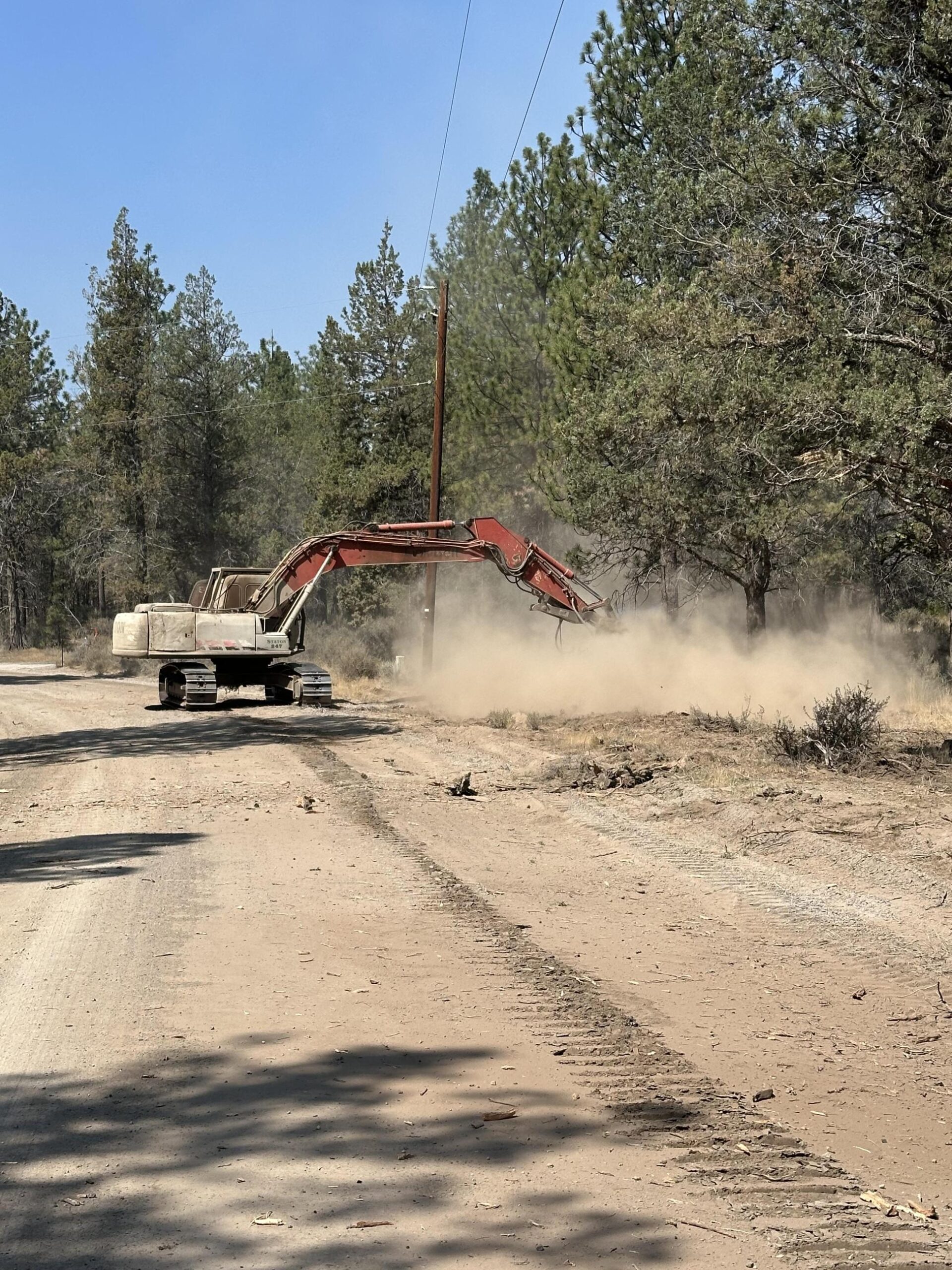
This stage also carries the chainsaw restriction covered in the table above, enforced under the same order as the campfire ban Oregon crews now patrol. Anyone planning trailside repairs, deadfall clearing, or firewood cutting this week should assume the ban applies to this work too, not only to campfires.
Related Reading
FAQ
What exactly is banned under Stage 2 fire restrictions?
Every open flame, including campfires, wood stoves, and charcoal briquettes. Chainsaw use is also banned, along with smoking outside a vehicle, building, campground, or a cleared three-foot area. Fireworks stay banned at every stage.
Is it still possible to use a camp stove during a campfire ban?
Yes. A pressurized liquid or gas stove with a working on/off valve stays legal under Stage 2. This exception covers most standard propane camp stoves sold for outdoor cooking.
Does the campfire ban apply inside developed campgrounds?
Yes, and this surprises a lot of campers. This order specifically covers developed campgrounds and wilderness areas alongside dispersed sites, so a paid campsite offers no exception.
Where do these Stage 2 fire restrictions apply?
Deschutes National Forest, Ochoco National Forest, Crooked River National Grassland, and the Prineville District BLM all fall under the same order, effective July 25, 2026.
What happens after breaking the fire restrictions?
Local fire management authorities outline penalties for violations, and enforcement varies by agency. Treat the ban as active and enforced rather than testing the boundary.