


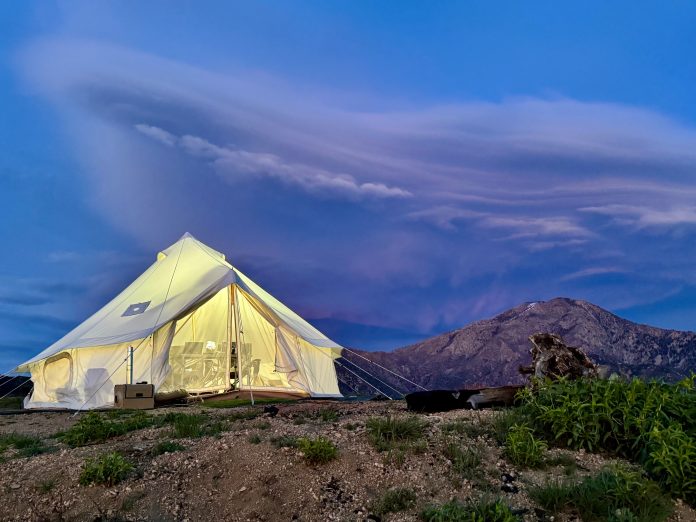

Quick Verdict: A diesel heater for camping is the most reliable way to stay warm when fire bans shut down campfires and wood stoves. These units run on widely available diesel fuel, produce 5,000-20,000 BTU of heat, and keep combustion gases completely outside your tent or shelter. After testing the Houswin Model S for the past month across multiple cold-weather trips, the self-generating power system stands out as the biggest advantage over competing units.
Last updated: April 2026 | 14 min read
In This Article
- Why Diesel Heaters Solve the Fire Ban Problem
- Key Specs at a Glance
- California Fire Bans: What You Need to Know
- How a Diesel Heater for Camping Works
- Houswin Model S: Field Testing a Self-Generating Diesel Heater
- Safety: Carbon Monoxide and Ventilation
- Diesel Heater vs. Propane vs. Wood Stove: Which Wins During Fire Bans?
- Setting Up Your Diesel Heater for Camping
- Pros and Cons of Diesel Heaters for Camping
- Final Verdict
- Frequently Asked Questions
Why Diesel Heaters Solve the Fire Ban Problem

I woke up at Big Bear last November to 28°F air and a Stage 1 fire restriction sign posted at the trailhead. Campfires prohibited. Wood stoves banned. After 20 years of cold weather camping across California, fire bans have become the norm rather than the exception. A diesel heater for camping solves this problem because combustion happens inside a sealed chamber, exhaust vents outside, and no open flame touches the surrounding environment.
California’s fire season runs from late spring through November. As of 2025, California State Parks banned all wood and charcoal fires statewide. Similarly, national forests like the Angeles, San Bernardino, and Sierra routinely issue Stage 1 and Stage 2 restrictions. Consequently, you need an alternative heat source for cold weather camping during these months.
Diesel heaters fill this gap because they produce zero open flame, consume fuel at 0.1 to 0.34 liters per hour, and generate up to 20,000 BTU of clean dry heat. For context, a tent camping heater running propane produces moisture as a combustion byproduct, while a diesel unit keeps the air inside your shelter dry. After testing propane, electric, and diesel options over two decades, a portable diesel heater outperforms them all for sustained overnight warmth.
Key Specs at a Glance
| Feature | Houswin Model S | Typical Chinese Diesel Heater |
|---|---|---|
| Heat Output | 1.4 KW – 5 KW (up to 20,000 BTU) | 2 KW – 8 KW |
| Fuel Tank | Built-in 5.5L (1.2 gallons) | External 5-10L tank |
| Runtime | Up to 15 hours | 8-12 hours (varies by tank) |
| Fuel Consumption | 0.1 – 0.34 L/hr | 0.1 – 0.5 L/hr |
| External Battery Required | No (self-generating) | Yes (12V battery or power station) |
| Weight | 29 lbs (13 kg) | 12-25 lbs + battery weight |
| Dimensions | 16 x 10.5 x 11 inches | Varies widely |
| Remote Control | Yes | Some models |
| USB Charging | Yes | No |
Self-Generating Power
Houswin Model S: No Battery Required
The Houswin Model S generates its own electricity from diesel combustion. Leave your power station at home. 20,000 BTU output, 15-hour runtime, and built-in USB charging from a single fuel source.
California Fire Bans: What Campers Need to Know
Fire restrictions operate on a tiered system. Stage 1 bans campfires and wood stoves outside developed campgrounds with metal fire rings. In contrast, Stage 2 bans all open flames including charcoal grills. However, pressurized liquid fuel and gas stoves with a shutoff valve remain legal at both stages with a valid California Campfire Permit. Consequently, diesel heaters with sealed combustion chambers fall outside the scope of these restrictions.
Between 2020 and 2025, California’s six largest wildfires in recorded history burned over 3.5 million acres combined. As a result, the BLM, USFS, and California State Parks have responded with stricter restrictions. For anyone who camps during fire ban season, a cold weather camping heater powered by diesel is the most practical path to staying warm.
How Diesel Heaters Meet Fire Ban Requirements
A portable diesel heater complies with fire restrictions because it produces no exposed flame. Specifically, fuel combustion happens inside a sealed steel chamber, and exhaust exits through a dedicated pipe pointed away from flammable materials. Unlike wood stoves or campfires, diesel units produce zero sparks, zero embers, and zero ash. Before each trip, check your destination’s current restriction level through the USFS or BLM fire restriction pages.
How a Diesel Heater for Camping Works
Diesel heaters use forced-air combustion to convert fuel into heat. First, a fuel pump draws diesel into an atomizing nozzle inside a sealed combustion chamber. Then a glow plug ignites the atomized fuel, and a blower fan pushes heated air through a duct into your tent, vehicle, or shelter. Meanwhile, combustion exhaust exits through a separate pipe directed outside.
Because intake air and exhaust are completely separated from the heated air blowing into your living space, you breathe clean air while the unit runs. For instance, a tent camping heater running propane adds roughly 1 pint of moisture per hour, leading to condensation on tent walls and sleeping bags. In contrast, diesel heaters produce zero indoor moisture since combustion gases vent externally.
Most units on the market require a 12V battery or portable power station to run the fuel pump, glow plug, and blower fan. Consequently, you carry both the heater and a power source, adding 15-30 lbs of battery weight. The Houswin Model S eliminates this requirement entirely through its self-generating power system.
Houswin Model S: Field Testing a Self-Generating Diesel Heater
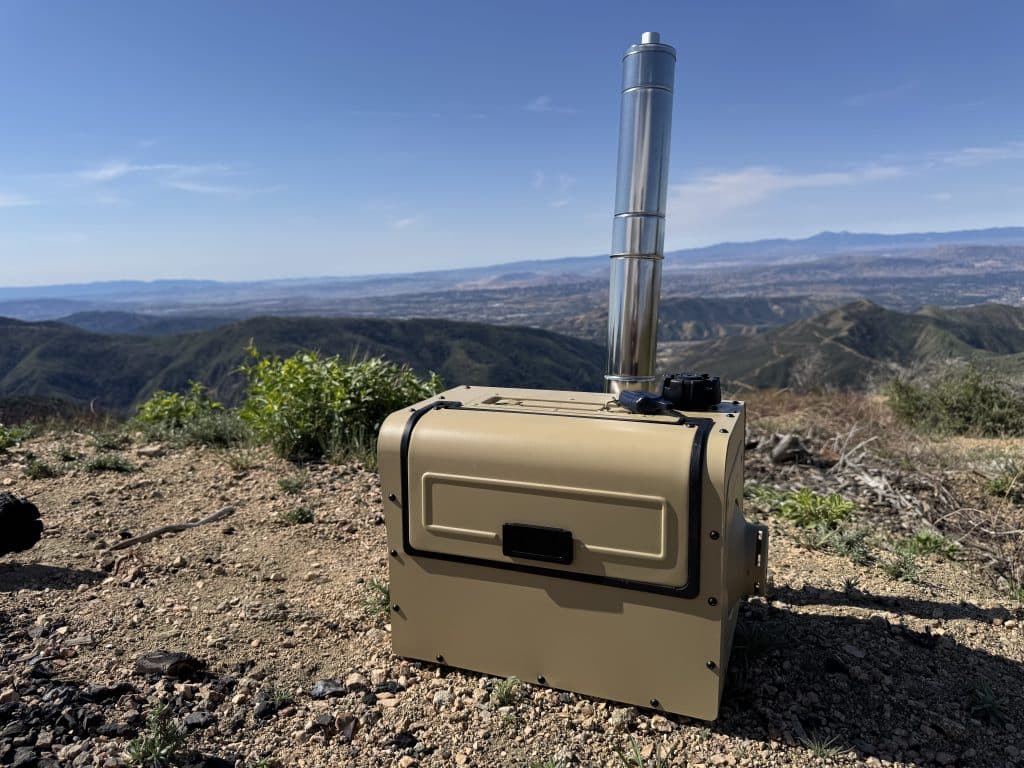
I have been testing the Houswin Model S for the past month, and the self-generating feature is the single biggest differentiator from every other diesel heater on the market. While traditional units require a 12V lithium battery or power station, the Model S generates its own electricity during combustion. Four internal lithium batteries stay charged while the unit runs. You pour in diesel, press the start button on the remote, and heat starts flowing.
During field testing at Anza-Borrego and Big Bear, the Model S delivered consistent heat across overnight temperatures from 28°F to 45°F. At the lowest setting (1.4 KW), the unit sipped fuel at 0.1 liters per hour and kept a 4-person tent comfortable. At 5 KW for the initial warm-up, the heater pushed 20,000 BTU and brought the tent from freezing to 65°F in under 10 minutes.
What Sets the Model S Apart
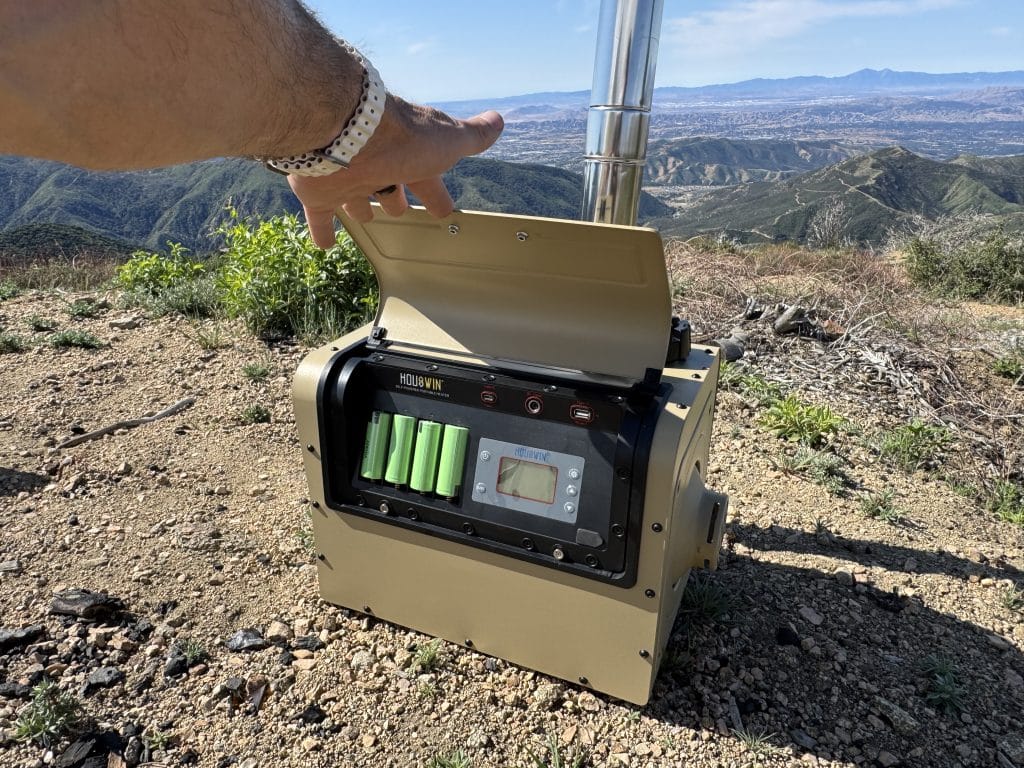
The built-in 5.5-liter fuel tank runs for up to 15 hours on a single fill at the lowest setting. Because the unit self-generates power, your total carry weight is 29 lbs. Compare this to a typical Chinese diesel heater at 15-20 lbs plus a 10-15 lb power station. Additionally, the Model S includes USB charging ports powered by its internal generator, so your phone and GPS stay topped off while the heater runs. Even better, the remote control lets you adjust heat output from inside your sleeping bag without getting up.
On a 32°F night at Anza-Borrego, my phone hit 8% at dusk. Instead of killing the GPS I needed for a dawn trailhead run, I plugged it into the Model S USB port while the heater warmed the tent. By morning, 7 hours of runtime later, my battery sat at 72% and the tent was still warm. Forget complicated wiring or a $300 power station. For cold weather camping during fire bans, this simplicity matters.
Safety: Carbon Monoxide and Ventilation
Diesel heaters rank among the safest camping heat sources because combustion happens in a sealed chamber with exhaust piped outside. However, proper setup is essential. First, position the exhaust pipe away from tent openings, windows, and air intakes. Second, keep the heater on a flat, stable surface with 12 inches of clearance from tent walls.
Although diesel heaters produce far less carbon monoxide than propane units, you should still run a battery-powered CO detector inside your shelter. Specifically, place the detector near your sleeping area at breathing height. Standard detectors alarm at 30 PPM, but if you see any reading above zero, shut the unit down and check exhaust connections immediately.
For comparison, propane heaters like the Mr. Buddy release CO directly into your breathing space. While these units include oxygen depletion sensors, they still require cracked windows to operate safely. A diesel tent camping heater avoids this trade-off entirely.
Diesel vs. Propane vs. Wood Stove: Which Wins During Fire Bans?
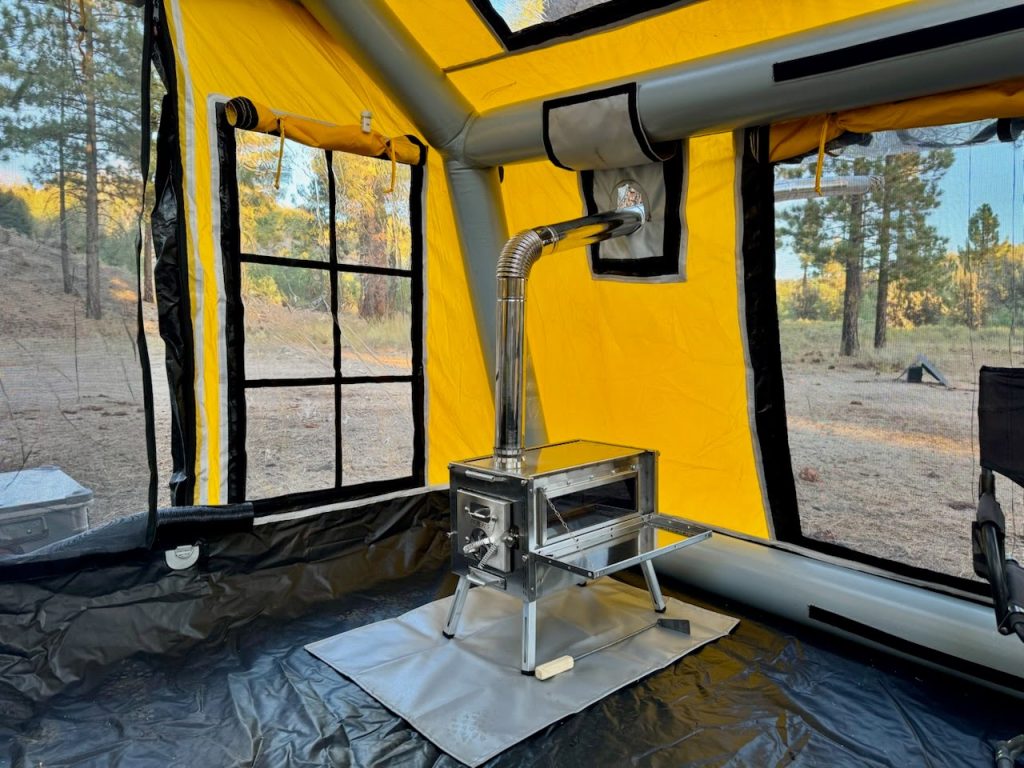
When camping during fire ban restrictions, your heating options narrow quickly. Wood stoves are banned outright under Stage 1 and Stage 2 restrictions. Propane heaters remain legal but come with condensation and CO trade-offs. A diesel heater for camping gives you the widest margin of compliance and the fewest compromises.
| Factor | Diesel Heater | Propane Heater | Wood Stove |
|---|---|---|---|
| Fire Ban Compliant | Yes (all stages) | Yes (with shutoff valve) | No (banned Stage 1+) |
| Indoor CO Risk | Minimal (exhaust outside) | Moderate (burns indoors) | High (requires chimney) |
| Moisture Output | Zero (dry heat) | ~1 pint/hour | Low (if chimney works) |
| Fuel Availability | Any gas station | Campgrounds, hardware stores | Gather or carry |
| Setup Time | 2-5 minutes | 1-2 minutes | 11-15 minutes |
| Cold Weather Performance | Reliable below 0°F | Struggles below 32°F | Reliable in all temps |
| Runtime (per fill) | Up to 15 hours | 3-6 hours per canister | Continuous (if feeding) |
Propane heaters win on portability and instant startup at 6 lbs. However, propane does not vaporize efficiently below 32°F, reducing output during the coldest nights. Wood stoves deliver unmatched heat output, yet they are banned during fire restrictions and require 11-15 minutes of assembly.
A diesel heater for camping bridges the gap between these alternatives. Fuel is available at every gas station, and the sealed combustion design keeps you compliant with restrictions regardless of restriction stage.
Skip the Battery Pack
One Fuel Source. Zero External Power.
The Houswin Model S self-generates electricity from diesel, charges its internal batteries during operation, and includes USB ports for your devices. One less thing to pack, one less thing to charge.
Setting Up Your Diesel Heater for Camping
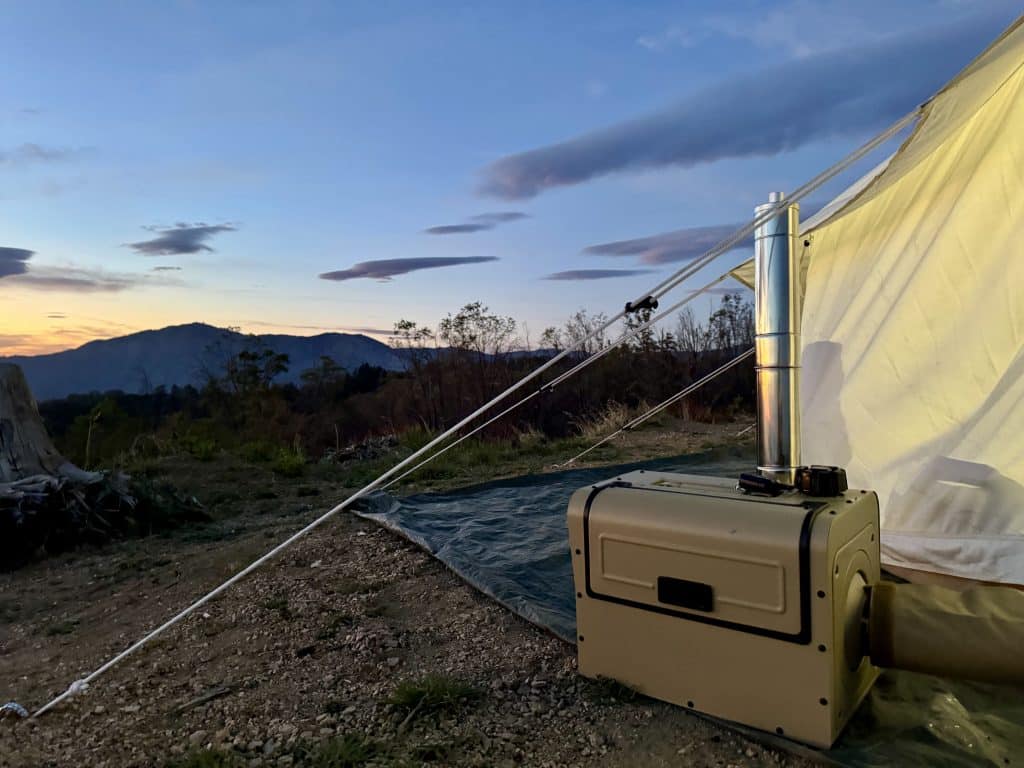
Setup takes 2-5 minutes once you are familiar with the process. Place the heater on flat ground or a heat-resistant pad outside your tent. Connect the air duct through your tent’s stove jack or a dedicated port. Ensure the exhaust pipe faces away from the tent opening and any vegetation. Fill the fuel tank if needed, and start the unit with the remote control.
For tent camping, a 2-inch or 3-inch flexible duct works best. Route the duct low along the tent wall so warm air enters near floor level and rises naturally. Notably, the Houswin Model S operates the blower fan at a noise level comparable to a box fan on medium, so sleeping with the unit running is practical. If your tent lacks a stove jack, you need a duct port adapter. Several aftermarket options fit common tent designs.
Fuel Storage and Cold Weather Tips
Carry diesel in a dedicated fuel jug separate from your vehicle’s tank. Diesel fuel gels below 10°F to 15°F unless treated with an anti-gel additive. For camping below 20°F, use winterized diesel (sold at gas stations in cold regions from October through spring) or add Howes Diesel Treat at 1 oz per 5 gallons. Also, prime the fuel line before the first use of the season by running the heater for 10 minutes at home to verify ignition and clear any residual fuel varnish.
Pros and Cons of Diesel Heaters for Camping
Pros
- Fire ban compliant at all restriction stages, no open flame or sparks
- Sealed combustion keeps CO and exhaust outside your living space
- Diesel available at every gas station; no specialty fuel canisters needed
- Zero moisture output keeps tent walls, sleeping bags, and gear dry
- 15-hour runtime on 1.2 gallons (Houswin Model S at low setting)
- Reliable performance below 0°F, unlike propane which struggles below freezing
- Houswin Model S self-generates power, eliminating the need for an external battery
Cons
- Heavier than propane (Houswin Model S weighs 29 lbs vs. 6 lbs for a Mr. Buddy)
- Higher upfront cost compared to $60-120 propane heaters
- Diesel fuel has a noticeable odor during refueling and startup
- Requires a duct or stove jack for tent use, adding setup complexity
- Fuel gelling possible below 10°F without anti-gel additive
Final Verdict
A diesel heater for camping is the strongest cold weather heating option when fire bans take campfires and wood stoves off the table. Sealed combustion keeps you legal at every restriction stage while delivering dry, clean heat directly into your shelter.
The Houswin Model S earns a specific recommendation because its self-generating power system removes the biggest inconvenience of diesel heaters: the external battery. You carry one unit, fill it with diesel, and it runs. After a month of testing, this simplicity has changed how I pack for cold weather trips.
At 29 lbs, the Model S is heavier than a propane alternative. However, for overlanders, car campers, and anyone towing a trailer, 29 lbs is a small price for 15 hours of consistent heat. If you want a cold weather camping heater you will not constantly troubleshoot, the Houswin Model S delivers. For those on a tighter budget, a standard Chinese diesel heater at $100-200 also works.
Frequently Asked Questions
Are diesel heaters safe to use in a tent?
Yes, a diesel heater is safe in a tent when installed correctly. Because combustion happens in a sealed chamber and exhaust exits through a dedicated pipe, the air inside your tent stays clean. However, always run a battery-powered CO detector near your sleeping area as a backup.
Do diesel heaters work during fire bans in California?
Diesel heaters comply with fire restrictions because they produce no open flame, sparks, or embers. Specifically, the sealed combustion chamber places a portable diesel heater in the same regulatory category as a pressurized gas stove. Always check current restrictions at your destination before camping during fire ban season.
How long does a diesel heater run on one tank?
Runtime depends on tank size and heat setting. The Houswin Model S holds 5.5 liters (1.2 gallons) and runs up to 15 hours on the lowest 1.4 KW setting. At maximum output (5 KW), fuel consumption rises to 0.34 liters per hour, giving you roughly 16 hours on a full tank.
Do I need a battery to run a diesel heater?
Most diesel heaters require a 12V battery or power station for the fuel pump, glow plug, and blower fan. However, the Houswin Model S self-generates electricity from diesel combustion and charges four internal lithium batteries during operation. As a result, the Model S runs on diesel fuel alone.
What is the best cold weather camping heater for tent camping?
For sustained cold weather use, a diesel heater outperforms propane and electric alternatives. Diesel units deliver consistent heat below 0°F, produce zero indoor moisture, and keep combustion gases outside. In contrast, propane heaters lose efficiency below 32°F and add moisture to your shelter. For fire ban compliance and overnight reliability, a tent camping heater running diesel is the top choice.
How much does it cost to run a diesel heater overnight?
At the lowest setting (0.1 L/hr), an 8-hour overnight session consumes 0.8 liters (0.21 gallons) of diesel. At current US diesel prices of approximately $5.25-5.50 per gallon, one night costs roughly $1.10-1.15. Compared to propane at $5-8 per canister lasting 3-6 hours, diesel runs at roughly one-third the cost per hour.