


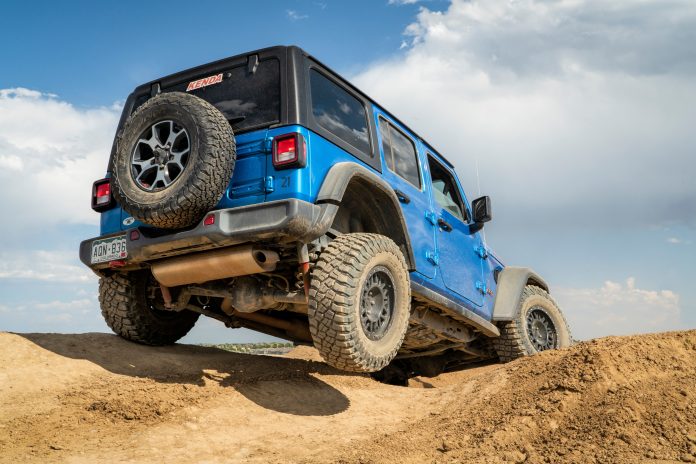

Quick Verdict: Locking differentials explained in one sentence: they force both wheels on an axle to spin at the same speed, giving you traction when one wheel loses grip. After running front and rear factory e-lockers on a Jeep Gladiator Rubicon with 37-inch tires and a rear e-locker on a 2025 Chevy Colorado ZR2 with 33s, the difference between locked and open is night and day. Specifically, a rear locker alone solves 80-90% of off-road traction problems for $650-$1,500 installed. Below you’ll find a full comparison of open vs locked vs limited-slip differentials, engagement techniques, maintenance schedules, and a decision guide by terrain type.
Last updated: March 2026 | 11 min read
In This Guide
- What Is a Locking Differential?
- How Do Locking Differentials Work?
- Open vs Locked vs Limited-Slip: Side-by-Side Comparison
- Types of Locking Differentials
- When to Use Diff Lock Off-Road
- How to Engage and Disengage a Diff Lock
- Rear Locker vs Front Locker
- Maintenance and Fluid Specs
- Pros and Cons of Locking Differentials
- Final Verdict
- Frequently Asked Questions
What Is a Locking Differential?

If you need locking differentials explained in plain terms before your next trail run, start here: a locking differential is a drivetrain component forcing both wheels on an axle to rotate at identical speeds, regardless of traction conditions. In contrast, a standard open differential sends power to the wheel with the least resistance. Therefore, if one tire lifts off the ground or sits on ice, an open diff spins the free wheel uselessly while the grounded wheel gets zero torque. This is the core problem locking differentials solve.
Understanding what is a locking differential matters because the consequences are immediate on the trail. For example, on a Jeep Gladiator Rubicon in deep mud ruts at Big Bear, the rear tires dug in and spun with the open differential allowing all power to the spinning wheel. However, engaging the rear e-locker changed the outcome instantly. Both rear tires grabbed the rut edges simultaneously, pulling the truck through in seconds. Similarly, at Glamis sand dunes, the locked rear axle on 37-inch tires provided consistent forward momentum instead of one-wheel spin.
With locking differentials explained as a core off-road concept, every modern 4×4 either comes with a factory locker or offers one as an option. Notably, the Jeep Wrangler Rubicon and Gladiator Rubicon include front and rear electronic lockers standard. The Chevy Colorado ZR2 and Toyota Tacoma TRD Pro include rear electronic lockers. Ford Bronco Badlands and above include front and rear lockers. For vehicles without a factory locker, the aftermarket offers solutions from $650 to $3,500+ depending on type and installation.
How Do Locking Differentials Work?
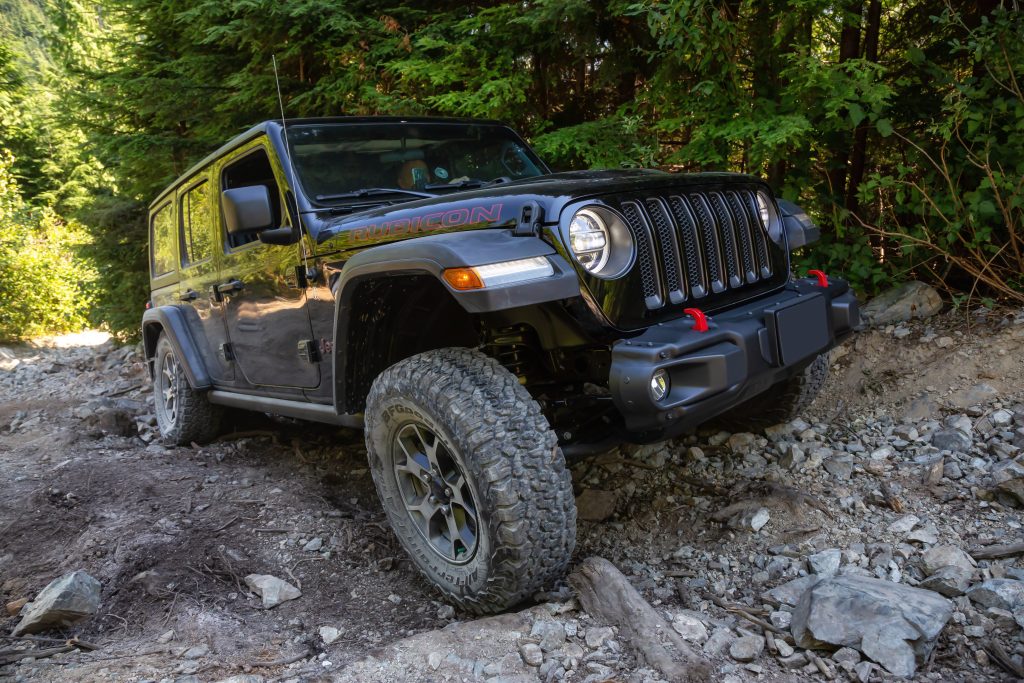
The overview above covers what lockers do. Now here’s how do locking differentials work at the mechanical level. First, consider what an open differential does. Inside an open diff, a set of spider gears distributes torque between the two axle shafts. When both wheels have equal traction, each receives 50% of the available torque. However, when one wheel loses grip, the spider gears allow it to spin freely while the opposite wheel stops. Consequently, your vehicle goes nowhere despite having a perfectly good tire on the other side.
A locking differential eliminates the spider gear independence. When engaged, the locking mechanism physically connects both axle shafts so they rotate as a single unit. As a result, torque reaches both wheels equally regardless of individual traction conditions. Specifically, if one wheel sits on ice and the other on dry rock, both still receive 50% of the torque. The wheel on dry rock grips and moves the vehicle forward.
Engagement Mechanisms
Different locker types use different engagement methods. Electronic lockers (like those in the Gladiator Rubicon and ZR2) use an electromagnet or electric motor to lock an internal clutch pack. The driver presses a dashboard button, and the locker engages in under 0.5 seconds. Conversely, air lockers (like ARB units) use a small onboard compressor to push a pneumatic piston, engaging the lock. Automatic lockers (like the Detroit Locker) stay locked by default and only differentiate when turning, using internal cam mechanisms to allow speed differences in corners.
Open vs Locked vs Limited-Slip: Side-by-Side Comparison
The open vs locked differential debate is central to understanding off-road traction. However, limited-slip differentials (LSDs) sit in the middle. Here’s how all three compare, alongside the alternatives in this side-by-side table. This is locking differentials explained in context with the other options available.
| Feature | Open Differential | Limited-Slip (LSD) | Locking Differential |
|---|---|---|---|
| Torque Split | 100% to lowest-grip wheel | Up to 70/30 bias | 50/50 forced (when locked) |
| One Wheel Off Ground | Vehicle stops moving | Partial torque to grounded wheel | Full torque to grounded wheel |
| On-Road Behavior | Smooth, predictable | Slight push in corners | Must disengage before pavement |
| Cost (Installed) | Factory standard ($0) | $400-$1,200 | $650-$3,500 |
| Maintenance | Gear oil changes only | Clutch packs wear (50-80K miles) | Gear oil + occasional seal inspection |
| Best For | Highway driving, daily use | Light trails, wet roads, snow | Rock crawling, mud, sand, serious off-road |
Locked Diffs + Aired Down Tires = Maximum Traction
The MORRFlate TenSix handles deflation and inflation for all four tires at once. Pair it with your lockers for the ultimate off-road grip setup. 10.6 CFM output, 12V powered, tested across two years of trail use.
Types of Locking Differentials
Not all lockers work the same way. The type you choose determines how the locker engages, how it behaves on-road, and how much the installation costs. Here are the four main categories, organized by engagement style.
Selectable Electronic Lockers
Electronic locking differentials engage with a dashboard button and disengage the same way. Factory examples include the GKN Tru-Lok differentials in the Jeep Wrangler Rubicon and Gladiator Rubicon, and the Eaton e-locker in the Chevy Colorado ZR2. Aftermarket options include the Eaton ELocker and Auburn ECTED. Because engagement is instant (under 0.5 seconds) and requires no additional hardware beyond wiring, electronic lockers are the most user-friendly type. Prices range from $800-$1,500 for the unit, plus $400-$600 for professional installation.
Selectable Air Lockers
ARB Air Lockers are the most recognized brand in this category. They use an onboard air compressor (typically a small 12V unit) to push a pneumatic piston inside the differential housing. The compressor adds complexity and cost, yet air lockers are extremely reliable with fewer electrical failure points than electronic units. For instance, ARB describes unit failures as extremely rare across their installed base. Installation runs $1,200-$2,500 including the compressor kit.
Automatic Lockers
Automatic lockers (Detroit Locker, Eaton Detroit Truetrac, Yukon Grizzly) stay locked by default. They use internal ratcheting or cam mechanisms to allow the outer wheel to overrun during turns. Consequently, they click and bang in corners on pavement. While they provide full-time off-road traction without driver input, the on-road noise and handling changes make them less suitable for daily-driven vehicles. Prices run $300-$900 for the unit, plus $300-$500 installation.
Spool (Full-Time Lock)
A spool welds or mechanically fixes both axle shafts together permanently. It provides 100% lock at all times with zero moving parts. However, spools are competition-only components. Since both wheels always turn at the same speed, steering on pavement becomes dangerous and tire wear accelerates dramatically. Spools cost $80-$200 but are not recommended for any street-driven vehicle.
When to Use Diff Lock Off-Road
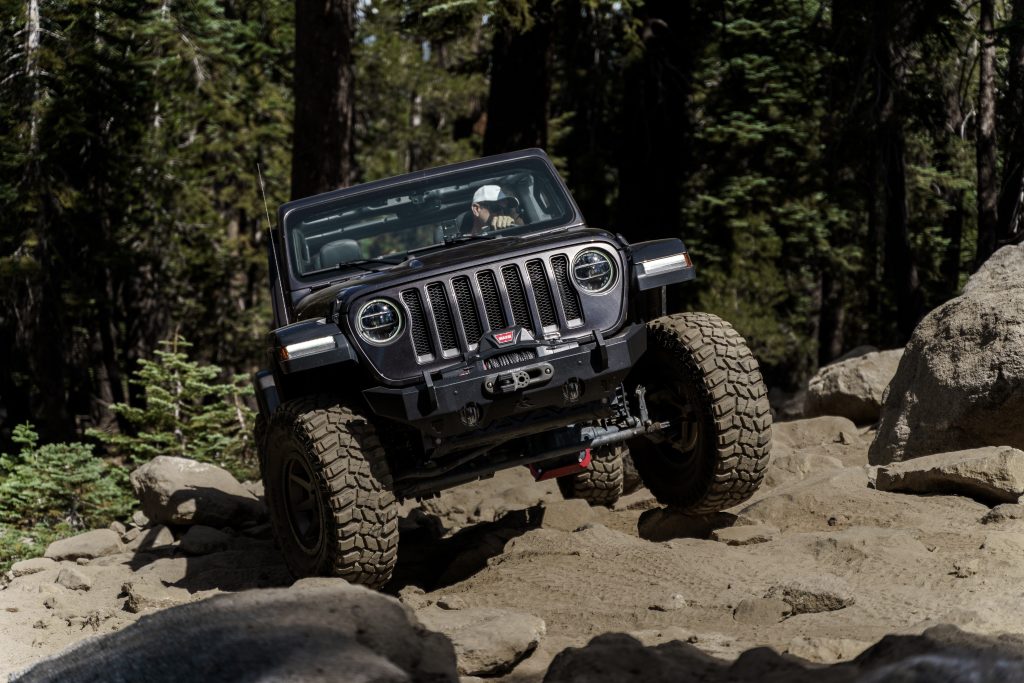
The hardware side is covered. Knowing when to use diff lock off-road separates smooth trail runs from stuck-and-waiting-for-recovery situations, and it’s where having locking differentials explained in practical terms matters most. The general rule: engage your locker before you need it, not after you’re already stuck. Specifically, if you see an obstacle ahead where one or more wheels will likely lose traction, lock the differential while the vehicle is stationary or moving slowly.
Terrain-Specific Engagement Guide
Rock crawling (5 MPH or under): Engage rear locker before entering the obstacle. For sections where wheels will lift off the ground or cross ledges, engage the front locker too. On the Gladiator Rubicon with both axles locked, rock shelves causing a wheel to lift off the ground posed zero traction issues. In contrast, the ZR2 with rear-only lock occasionally needed momentum to compensate for the open front differential.
Sand (dunes and beach): Lock the rear differential before reaching soft sand. At Glamis sand dunes, the locked rear axle on 37-inch tires combined with airing down tires for off-road driving provided consistent forward movement across dune faces. Because sand offers uniform low traction on both wheels, the locker ensures neither tire spins faster than the other, maintaining controlled momentum.
Mud and ruts: Engage the rear locker when entering mud deeper than 4-6 inches or ruts where the vehicle body drops. Mud creates uneven traction because one wheel sits on firmer ground than the other. Therefore, the locker forces both wheels to contribute equally. Add the front locker in deep, sticky clay where all four wheels lose grip simultaneously.
Hill climbs on loose surfaces: Lock the rear before starting the climb. Loose gravel, decomposed granite, and dirt slopes cause wheelspin under load. Notably, a locked rear differential distributes climbing torque evenly, preventing the inside wheel from spinning out on switchbacks. For steep climbs above 30 degrees, engage both lockers if available.
How to Engage and Disengage a Diff Lock
Timing is covered above. Proper engagement technique protects both the locker mechanism and the drivetrain components. Follow these steps for electronic locking differentials (the most common factory type).
Engagement Steps
1. Slow down or stop. Electronic lockers engage most smoothly at 0-5 MPH. While most systems allow engagement at speeds up to 25 MPH, engaging at higher speeds creates a harsh clunk as the mechanism seats. Therefore, slow down first.
2. Press the locker button. On Jeep Wrangler/Gladiator models, the buttons sit on the center console (rear locker left, front locker right). On the ZR2, the button is on the center stack. A dashboard indicator light confirms engagement in under a second.
3. Drive straight briefly. After pressing the button, drive straight for 10-20 feet. This allows the clutch pack to fully seat. If you turn immediately after engaging, the mechanism loads unevenly. As a result, engagement noise increases and wear accelerates.
Disengagement Steps
1. Straighten the wheels. Before disengaging, ensure the steering wheel points straight ahead. Because the locker forces both wheels to spin at the same speed, binding occurs during turns. Straightening the wheels relieves the binding pressure.
2. Press the locker button again. The mechanism releases within 1-2 seconds. If the indicator light stays on, rock the vehicle forward and backward 2-3 feet while pressing the button. This technique releases any remaining driveline wind-up.
3. Disengage BEFORE reaching pavement. Driving on pavement with a locker engaged causes excessive tire wear, stresses the axle shafts, and makes turning unpredictable. Specifically, the locked wheels force the vehicle into understeer during every turn, since the inside wheel travels faster than it should.
Rear Locker vs Front Locker: When You Need Both
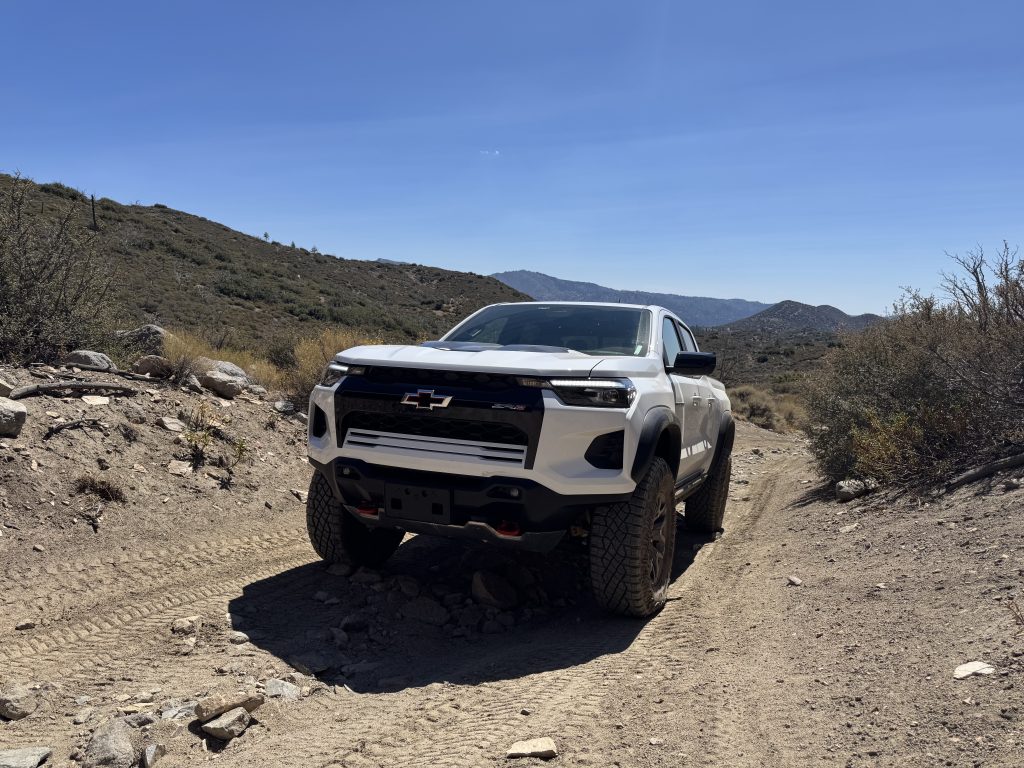
Most factory 4x4s come with a rear locker only (ZR2, Tacoma TRD Pro, 4Runner TRD Pro). The Jeep Rubicon lineup is the notable exception with both front and rear lockers. Understanding the rear locker vs front locker difference helps you decide whether adding a front locker is worth the $800-$2,500 investment. This aspect of locking differentials explained below draws directly from running both setups on real trails.
A rear locker handles 80-90% of off-road situations alone. Because most trucks and SUVs are rear-wheel-drive-biased in 4WD mode (the transfer case sends torque to both axles, yet the rear carries more vehicle weight), locking the rear axle delivers the biggest traction gain. For trail driving, moderate rock crawling, sand, and mud, a rear locker paired with good mud-terrain tires is sufficient.
A front locker becomes essential in two scenarios. First, technical rock crawling where the front wheels lift off obstacles or cross ledges with no ground contact. Second, deep mud or snow where all four wheels lose traction simultaneously. After running both axles locked on the Gladiator Rubicon and rear-only on the ZR2, the difference is noticeable only in the most technical terrain. Conversely, for 90% of weekend trail runs, the ZR2’s rear-only locker performs comparably.
Pair Your Lockers with Proper Air Management
Locking differentials work best with aired-down tires. The MORRFlate TenSix airs you back up before the highway. 10.6 CFM, four tires simultaneously, 12V powered.
Maintenance and Fluid Specs for Locking Differentials
Locker maintenance is straightforward yet frequently overlooked, and it’s a critical part of locking differentials explained for long-term reliability. The primary requirement is differential fluid (gear oil) changes at regular intervals. Neglecting fluid changes leads to premature wear of the locking mechanism’s internal clutch packs, seals, and engagement rings.
Fluid Change Schedule
Initial break-in: Change the differential fluid at 500 miles after installing a new locker. This flush removes metal shavings from the break-in period. Most manufacturers (Eaton, ARB, Detroit) explicitly require this first change.
Regular intervals: Change fluid every 30,000-50,000 miles for street-driven vehicles. If you run trails regularly (2+ times per month), shorten the interval to 15,000-25,000 miles. Water crossings and deep mud contaminate fluid faster, so change it immediately after submersion events. Having a solid recovery gear kit includes knowing your maintenance schedule.
Fluid Specifications
Most differentials with lockers require 75W-90 or 75W-140 synthetic gear oil meeting GL-5 specifications. However, check your specific locker manufacturer’s recommendation. For example, some Eaton units require a friction modifier additive for the clutch packs, while ARB Air Lockers do not. Additionally, some Toyota applications specify GL-4 fluid instead of GL-5. Using the wrong specification accelerates wear on the bronze synchronizer components. Consult your vehicle’s owner manual and the locker manufacturer’s installation guide for the exact fluid type.
Inspection Points
Every 12 months or 15,000 miles, inspect these components: axle seals for leaks (look for wet spots or drips on the differential housing), air lines on ARB lockers for cracks or disconnections, and electrical connectors on electronic lockers for corrosion. Also check the engagement response time. If an electronic locker takes noticeably longer than usual to engage, the internal mechanism or solenoid needs attention.
Pros and Cons of Locking Differentials
Pros
- 100% torque to both wheels when one loses grip
- Selectable types (electronic/air) disengage for normal on-road driving
- Factory e-lockers add $0 extra cost on Rubicon, ZR2, TRD Pro trims
- Aftermarket rear lockers start at $650-$900 installed
- Dramatically reduces need for vehicle recovery in mud, sand, and rocks
- Pairs with all-terrain tires or mud-terrains for maximum grip
- Rear locker alone handles 80-90% of off-road scenarios
Cons
- Automatic lockers click and bang during on-road turns
- Front lockers cause significant understeer when engaged on pavement
- Aftermarket installation requires 4-6 hours of labor ($300-$600)
- Air locker systems add compressor, lines, and switch complexity
- Locked differentials increase tire wear if left engaged on pavement
- Full spool lockers are unsafe for any street driving
Final Verdict: Do You Need Locking Differentials for Off-Road?
After covering mechanics, types, technique, and maintenance of locking differentials explained in this guide, the verdict is clear. If you drive off-road more than a few times per year, a rear locking differential is the single best traction upgrade for your money. A factory e-locker (included on Rubicon, ZR2, and TRD Pro trims) or an aftermarket unit ($650-$1,500 installed) solves the fundamental problem of one-wheel spin on uneven terrain. No other modification delivers this much traction improvement per dollar.
For off-road driving beginners, start with a rear locker. It handles mud, sand, moderate rock crawling, and hill climbs without the complexity of a front locker. After running both configurations across dozens of trails, the front locker proved essential only on technical rock sections where front wheels left the ground entirely. For 90% of weekend trail riding, the rear locker alone delivered sufficient traction.
Limited-slip differentials work well for light trails, wet roads, and snow. However, they do not match a true locker in scenarios where one wheel has zero traction. The open vs locked differential difference is binary: an open diff sends you nowhere when a wheel lifts, while a locked diff keeps you moving. If your overlanding gear checklist includes serious trail time, a locker belongs on it.
One more tip before your first locked-diff trail run: learn proper engagement technique (engage before the obstacle, not during), pair your locker with aired-down tires for maximum contact patch, and carry a portable air compressor to air back up afterward. The combination of locked differentials plus low tire pressure is the most effective off-road traction setup available. With locking differentials explained and the right tire pressure dialed in, your rig is ready for serious terrain.
Frequently Asked Questions About Locking Differentials
Below are the most common questions about locking differentials explained with answers based on real trail experience.
Do I need a locking differential for off-road driving?
Based on locking differentials explained throughout this guide, the short answer is: for occasional fire roads and gravel, an open differential or limited-slip works adequately. However, for mud, sand, rock crawling, or any terrain where wheels lose traction individually, a locking differential provides a substantial upgrade. A rear locker specifically handles 80-90% of common off-road scenarios. If you wheel more than a few times per year, the $650-$1,500 installed cost pays for itself by reducing stuck situations and the need for recovery.
How do I engage a locking differential?
For electronic lockers (the most common factory type), slow to 0-5 MPH and press the locker button on the dashboard. A light confirms engagement in under a second. Then drive straight for 10-20 feet to allow the clutch pack to seat fully. Disengage before reaching pavement by straightening the steering wheel and pressing the button again. If it sticks, rock the vehicle forward and backward to release driveline binding.
What is the difference between a locking differential and limited-slip?
A limited-slip differential (LSD) uses clutch packs or gears to bias torque toward the wheel with more grip, typically up to a 70/30 split. A locking differential forces a 50/50 split regardless of traction. Consequently, the LSD still sends some torque to a spinning wheel, while the locker eliminates this entirely. LSDs work well on-road and in light off-road conditions, while lockers are necessary for serious trail work where one wheel has zero grip.
Is it safe to drive on the highway with a locking differential engaged?
No. Selectable lockers (electronic and air) must be disengaged before highway driving. Because both wheels turn at identical speeds when locked, the inside wheel is forced to travel faster than its natural turning radius during corners. This causes tire scrubbing, excessive drivetrain stress, unpredictable understeer, and accelerated tire wear. Automatic lockers (Detroit Locker) are designed for on-road use and differentiate during turns, although with noticeable noise.
How much does it cost to install a locking differential?
Parts range from $300-$900 for automatic lockers, $800-$1,500 for electronic lockers, and $900-$1,800 for air locker kits (including compressor). Professional installation adds $300-$600 for labor (4-6 hours of work). Therefore, total installed costs run $650-$2,500 depending on type and complexity. Factory lockers on Rubicon, ZR2, and TRD Pro trims cost $0 extra since they are included in the trim package price.
Which is better for off-road: rear locker or front locker?
A rear locker provides more benefit for most drivers. Because 4WD trucks carry more weight over the rear axle and the rear does the majority of pushing, locking the rear delivers the biggest traction gain. A front locker adds value for technical rock crawling and deep mud/snow where all four wheels lose grip. After running front and rear lockers on a Gladiator Rubicon and rear-only on a ZR2, the front locker proved necessary only on the most technical rock sections. For general trail use, invest in a rear locker first.