


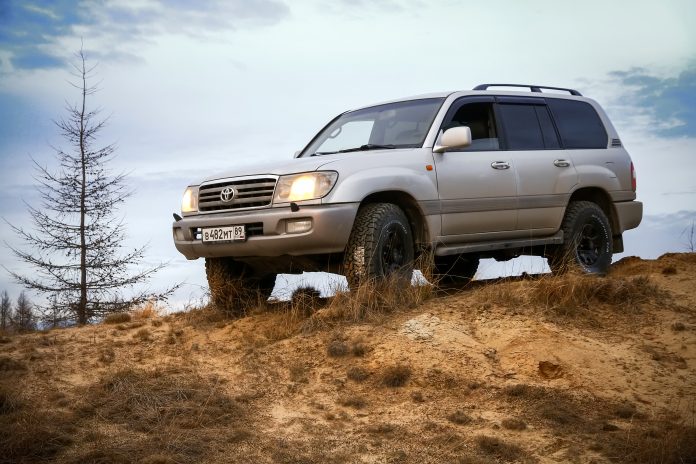

The 100 Series Land Cruiser (1998-2007) remains one of the most capable and reliable overland platforms available. With a proven 2UZ-FE engine, endless aftermarket support, and a solid community, it outperforms newer rigs in many categories. Rock sliders, skid plate protection, and proper suspension work transform it into a serious adventure machine.
Table of Contents:
Why the 100 Series Still Holds Up
I’ve spent two decades driving overlanding vehicles across Big Bear, Joshua Tree, and throughout Southern California. I’ve tested newer platforms, fancier rigs, and vehicles with the latest technology. But I keep coming back to the 100 Series Land Cruiser, and I’m not alone.
The 100 Series (1998 to 2007) is now 15 to 25 years old. Most vehicles that age are in junkyards. Yet 100 Series Cruisers command premium prices in the used market, and overlanders actively build them for serious expeditions. Why? Because they work.
Toyota built the 100 Series when engineers prioritized durability over cost. This generation sits at the intersection of proven reliability and modern comfort. Independent front suspension, solid rear axle with good articulation, and a wheelbase that feels manageable off-road without being cramped for living space.
The 100 Series isn’t trendy and won’t turn heads at the mall. But on a two-week expedition through rough terrain, it gets you there and back, hauls everything you need, and burns reasonable fuel. That’s overlanding.
The 2UZ-FE Engine: Built to Last
Engine selection matters when you’re hours from the nearest mechanic. The 100 Series came with the 2UZ-FE, a 4.7-liter V8 producing 235 horsepower and 320 lb-ft of torque. On paper, that’s respectable but not spectacular by today’s standards.
Longevity matters more. The 2UZ-FE runs reliably past 200,000 miles with proper maintenance. Many owners report vehicles with 250,000, 300,000, and even 400,000 miles still performing well. That consistency is rare.
The engine is simple by modern standards. Fewer sensors, less computer intervention, and more straightforward mechanical systems mean fewer things to break. If something fails, parts are inexpensive and widely available. A replacement engine or long-block costs under $3,000.
The 2UZ also tolerates modifications well. Overlanders have successfully upgraded these engines with turbochargers, fuel system improvements, and exhaust work without requiring a full rebuild.
When I’m deep in the backcountry, I want an engine I trust. The 2UZ-FE delivers.
The Aftermarket Ecosystem
A capable overland vehicle needs more than engine reliability. You need parts, upgrades, and solutions for the challenges you’ll face. The 100 Series excels here.
After 25 years, an enormous aftermarket exists for this platform. Suspension shops, fabricators, electronics specialists, and trim manufacturers cater to 100 Series owners. Whether you need a replacement part or custom solution, someone has built it.
The catalog spans everything. Suspension kits from Old Man Emu, ARB, and Dobinson offer multiple lift heights and spring ratings. Air intake systems, exhaust upgrades, and engine management address performance. Interior options include custom seats, storage systems, and climate control upgrades.
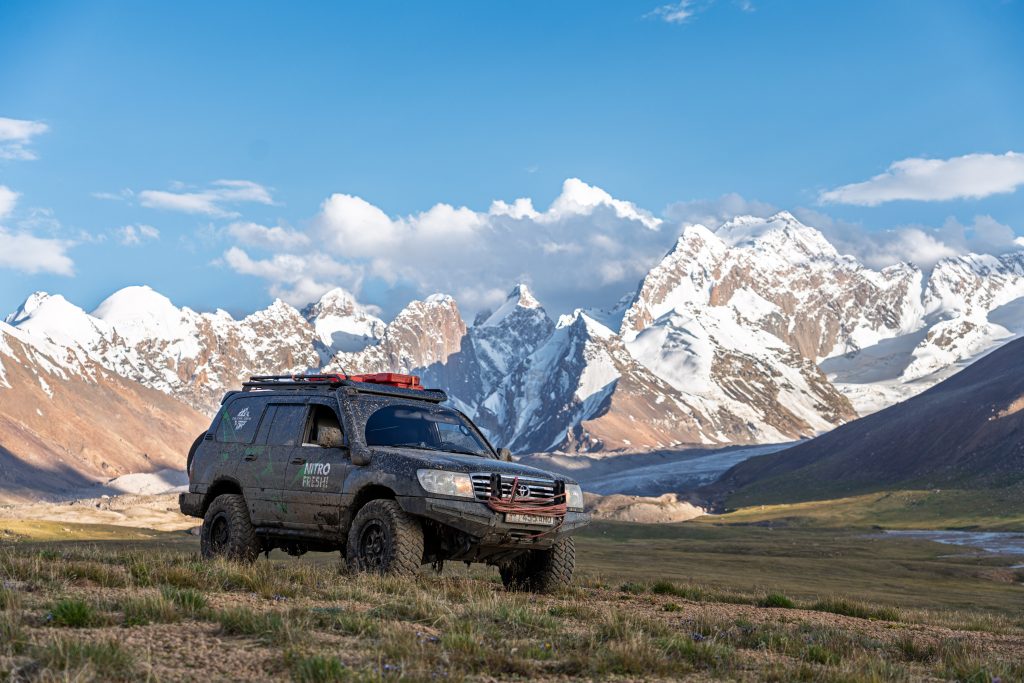
For overlanding, specialized equipment exists too. Roof racks, recovery points, tow systems, and expedition-grade protection are purpose-built for the 100 Series. This depth of support means you’re not fitting solutions designed for other vehicles. Everything bolts on and works.
Compare this to newer platforms with newer technology but developing aftermarket support. The 100 Series has 25 years of solutions already proven in the field.
Essential Mods for Overlanding
Not every 100 Series is expedition-ready out of the box. Certain modifications are essential for serious overlanding. I prioritize these on every build.
Suspension. Stock setups are adequate for highway driving but soft for backcountry work. A 2 to 3 inch lift with quality shocks transforms off-road behavior. Better clearance, improved articulation, and composed handling make the difference on rough terrain.
Tires and wheels. Replace highway tires with all-terrain or all-season off-road boots. I prefer all-terrains because they handle road driving, dirt tracks, and rocky terrain equally well. Size up if budget allows. Thirty-three-inch tires are common on lifted 100 Series builds.
Snorkel. A raised air intake keeps water out of the engine when crossing streams or driving through dusty terrain. It also reduces dust ingestion on long desert runs.
Electrical upgrades. A secondary battery system, upgraded alternator, and auxiliary wiring let you run fridges, electronics, lights, and charging systems without draining the main battery. Modern overlanding depends on power.
Communication. Satellite messengers, ham radios, or satellite phones are essential. You need a way to call for help if things go wrong.
Underbody Protection and Skid Plates
Overlanding means encounters with rocks, logs, rough surfaces, and obstacles you can’t always see. Without protection, a single strike disables your vehicle hours from help. Skid plates transform a vulnerable underbody into a fortress.
The 100 Series has exposed components needing attention. The transfer case sits relatively low. The fuel tank sits where rocks reach it. The engine pan, differential, and other vital systems benefit from metal protection.
A complete skid plate package protects these zones. Quality setups use powder-coated steel and bolt directly to the frame. They’re heavy enough to absorb impacts but designed to slip over obstacles rather than hang up.
Big Slack Off Road builds comprehensive skid plate systems for the 100 Series. These Western Kentucky craftspeople understand what overlanders need. Their plates protect the transfer case, fuel tank, differential, and engine. Every install I’ve seen is clean, secure, and built to last. The quality shows.
Skid plates add weight, typically 150 to 250 pounds depending on coverage. That’s a reasonable tradeoff for protection. Modern overlanders weight their rigs anyway for stability and articulation.
Install skid plates before you need them. Once you’re stuck on a rock, it’s too late.
Powder-coated steel skid plates that protect your fuel tank, transfer case, differential, and engine. Custom fabricated and installed with precision for overlanding builds that demand reliability.
Rock Sliders and Armor
Skid plates protect the underbody. Rock sliders protect the sides. Your 100 Series is a large vehicle with a wide footprint. Drive rough terrain and rocks will contact your rocker panels, doors, and sides.
Rock sliders are tubes or rails running along the lower doors and body sides. They contact obstacles before your vehicle, dispersing energy and sliding over rocks instead of catching them. They’re essential protection, not optional.
A good rock slider kit includes sliders for the front quarter panels, doors, and rear. Some kits extend to frame protection. Installation bolts to the frame, ensuring they handle serious impacts.
Big Slack fabricates rock slider kits built for 100 Series geometry. Their sliders are heavy-duty steel, powder-coated for durability, and designed to work with their skid plate packages. The craftsmanship is evident. Every corner is smooth, every joint is precise.
Roof racks deserve attention too. A quality roof rack adds storage and mounting points for accessories like lights, antennas, and solar panels. Big Slack builds heavy-duty roof racks handling the weight of recovery gear, water, and fuel without flex or rattle.
These aren’t cosmetic upgrades. Sliders and racks are functional protection. They let you drive with confidence through terrain that would damage an unprotected vehicle.
The 100 Series Community
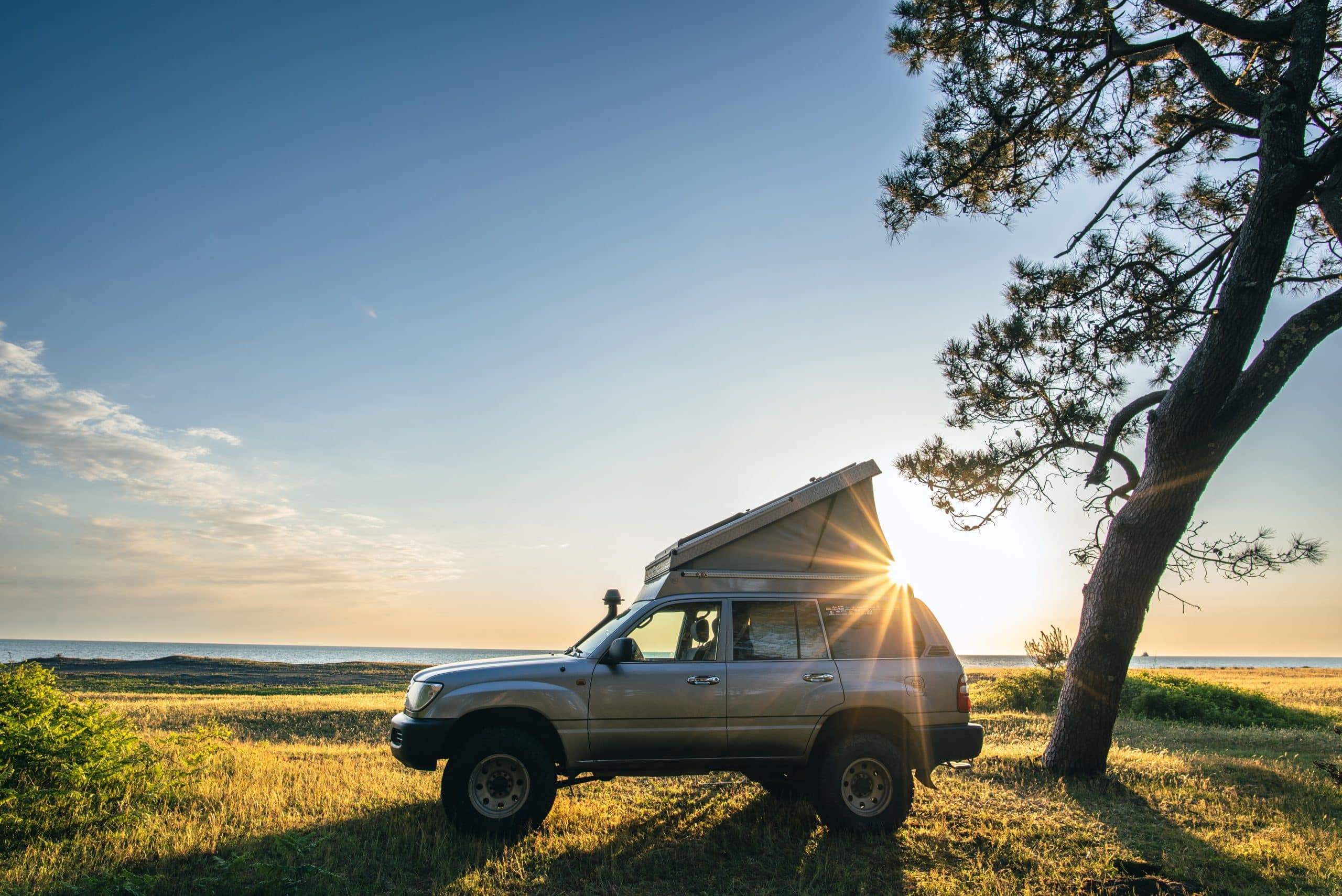
Vehicle ownership is often solitary. But 100 Series overlanding has created a genuine community. People share knowledge, help each other with builds, and organize group expeditions.
Online forums dedicated to the 100 Series host thousands of members. They share build guides, troubleshooting advice, and expedition planning. Stuck on a modification? Someone has solved it. Want recommendations? You get honest feedback from people who’ve tested the same gear.
The community extends to local clubs and meetups. Groups organize trips through deserts, mountains, and backcountry. These aren’t casual drives; they’re planned expeditions with professional guides, recovery teams, and experienced leaders.
The community matters when things go wrong. A breakdown far from home isn’t scary when you know people will help. That’s not hypothetical. I’ve seen it happen. A seized engine in a remote area triggered a community effort that got a friend’s rig running again.
This culture around 100 Series overlanding created a knowledge base newer platforms don’t have. When you buy a 100 Series, you’re buying more than a vehicle. You’re joining a community of experienced overlanders.
Buying Used: What to Look For
Most overlanders buy 100 Series vehicles used. Good ones range from $30,000 to $60,000 depending on condition, mileage, and modifications. That’s significant money, so due diligence matters.
Service history. Ask for records. A 100 Series with documented maintenance every 5,000 miles is worth more than one with unknown history. Check for transmission service, differential service, and coolant flushes. These interval services matter on aging vehicles.
Engine condition. Get a pre-purchase inspection from a Toyota specialist. Listen for knocking, ticking, or unusual noises. Check the oil for metal particles or sludge signs. A low compression test might indicate worn rings. You want an engine with life left.
Frame and rust. Get under the vehicle and look at the frame, undercarriage, and body panels. Surface rust is fine. Deep pitting or rust affecting structural integrity is not. Check the rocker panels, door bottoms, and tailgate thoroughly.
Suspension wear. Push down on each corner. It should compress smoothly and return to height without bouncing excessively. Worn shocks or springs indicate hard use or neglect.
Transmission and transfer case. Test drive it. The transmission should shift smoothly without hesitation or grinding. The transfer case should engage cleanly into high and low range. Listen for unusual noise.
Existing modifications. If the vehicle has modifications, inspect them critically. Some aftermarket work is done well; some is amateur and dangerous. Skid plates should be secure and well-welded. Suspension lifts should be properly aligned. Electrical work should be clean and professional.
Don’t rush the buying process. Finding the right 100 Series takes time, but it’s worth waiting for one that’s been maintained properly.
Built from Western Kentucky steel and precision craftsmanship, the Slacklander trailer pairs perfectly with your 100 Series for weeks-long expeditions. Climate-controlled storage, integrated power systems, and trail-ready durability.
Frequently Asked Questions
Is the 100 Series better than the 200 Series for overlanding?
The 200 Series is newer and more refined, but the 100 Series outperforms it for overlanding in several ways. The 100 Series is lighter, more maneuverable, and has more proven aftermarket support. The 200 Series is more luxurious and reliable, but costs three times as much. For pure overlanding capability, the 100 Series offers better value.
How much does a complete overland build cost?
A solid 100 Series overland build costs $60,000 to $100,000 total. That includes the vehicle purchase, suspension, skid plates, rock sliders, roof rack, electrical systems, interior upgrades, and miscellaneous gear. Simpler builds cost less. Premium components cost more. Budget accordingly for your needs.
What fuel economy should I expect?
Stock 100 Series vehicles get around 15 to 18 miles per gallon on highway driving. Lifted vehicles with larger tires drop to 12 to 15 mpg. Slower overlanding driving is often more efficient. Budget for regular fuel stops, especially in remote areas.
Can I modify the 100 Series if I’m not mechanically inclined?
Absolutely. Professional shops specialize in 100 Series builds. Big Slack Off Road handles installation work professionally. You provide the vehicle and budget. They handle fabrication, installation, and quality control. It costs more than DIY work, but you get professional results.
Is the 100 Series reliable enough for solo expeditions?
With proper maintenance and preparation, yes. The 2UZ-FE is proven reliable. Carry spare fluids, basic tools, and a communication device. Get a pre-purchase inspection before buying. Consider a satellite messenger for remote areas. Thousands of overlanders take 100 Series vehicles solo on multi-week expeditions.
What’s the best place to buy a 100 Series?
Facebook Marketplace, Craigslist, and specialty off-road vehicle dealers all have options. Local listings let you inspect before buying. Nationwide shipping adds cost and removes the chance to see the vehicle in person. Consider travel to find the right rig. It’s worth the effort.
Disclosure: Some links in this article are affiliate or partner links. If you purchase through them, 4wdtalk.com earns a small commission at no extra cost to you. All product recommendations are based on hands-on evaluation and honest assessment.