


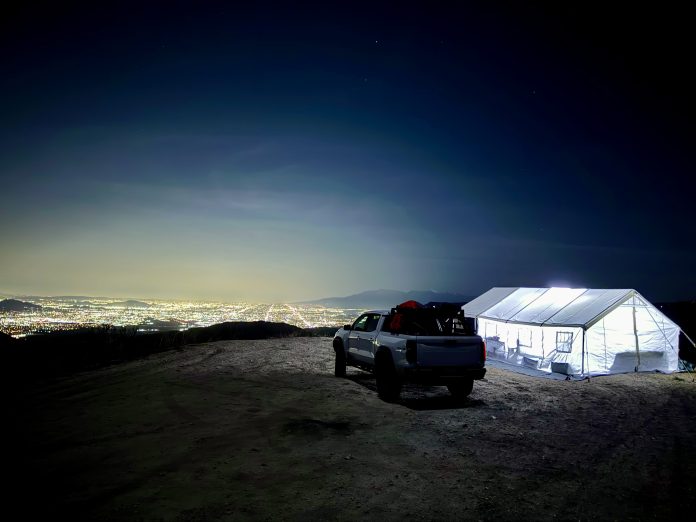

Quick Verdict: After two months of running GoFluxx camp lighting across multiple trips, these 36″ tricolor LED strips have become my favorite around-camp lights. The combination of magnetic mounting, individual or unified control, dimming, and white/red/amber color selection creates an adaptable system for tents, vehicles, trailers, and open-air setups. At roughly $96 per 36″ strip, the investment pays off in versatility and build quality you will not find in budget Amazon alternatives.
Last updated: March 2026 | 10 min read
In This Guide
- Overview: Why a Dedicated Camp Lighting System Matters
- GoFluxx Product Lineup at a Glance
- Planning Your Camp Lighting Zones
- Mounting Options: Magnets, Velcro, and Permanent Installs
- Controlling Your Lights: Single Switch vs. Individual
- Power System Integration for Overlanders
- Two Months of Field Results
- Pros and Cons
- Final Verdict
- Frequently Asked Questions
GoFluxx Camp Lighting Overview: Why a Dedicated System Matters
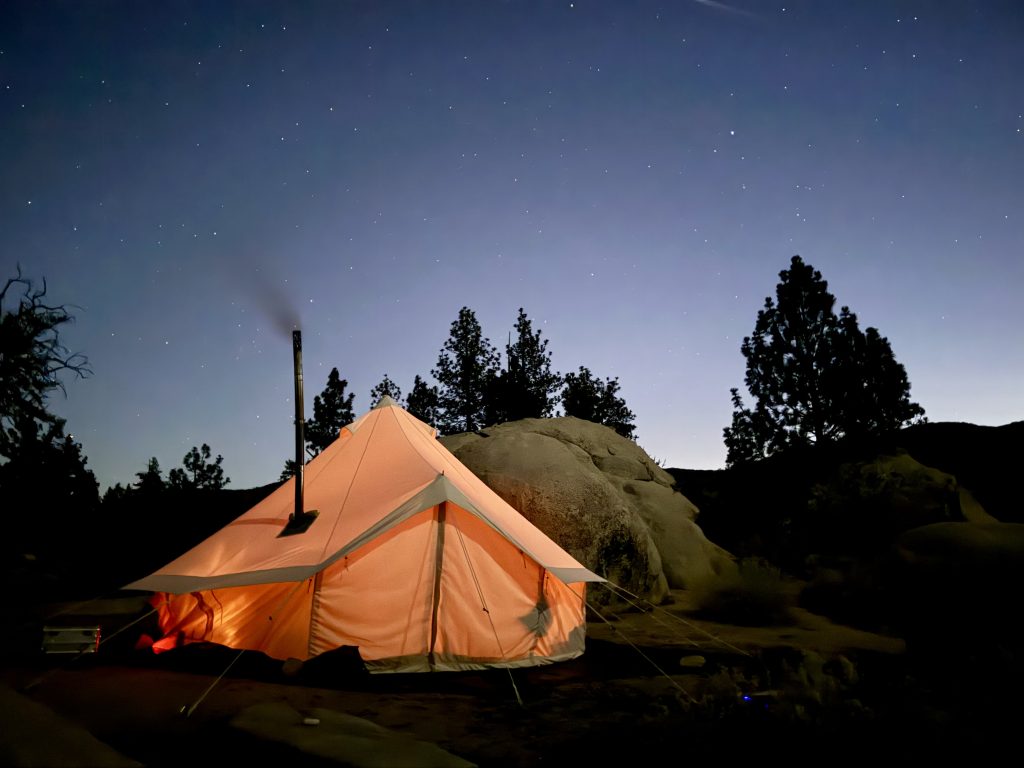
Most overlanders and car campers piece together camp lighting from whatever they have on hand: a headlamp hung from a ridgepole, a lantern on the table, or a phone flashlight propped against a cooler. It works until it does not. Specifically, I spent years dealing with harsh shadows, dead batteries, and lights falling off mounting points halfway through dinner. Building a dedicated GoFluxx camp lighting system solved every one of those problems.
The core of this system centers on GoFluxx 36″ tricolor LED strips. These are IP67-rated, sealed in black anodized aluminum housings, and powered by 12V DC. Unlike single-color LED strips or battery-powered lanterns, GoFluxx strips give you white for task work, red for preserving night vision, and amber for warm ambient light. Also, each strip has onboard dimming and a memory function, so your lights restore the last color and brightness setting when powered on.
What makes this a system instead of a collection of lights is the modularity. For instance, you control GoFluxx strips individually or link them through splitters to run multiple strips from a single switch. Because the strips mount with magnets, velcro, or permanent screw lugs, you move them between your tent, vehicle, trailer, and camp kitchen within seconds. For overlanders running a dual-battery or portable power station setup, these tricolor camping lights draw minimal current at 12V while delivering even illumination across a wide area.
This guide walks you through how to plan your lighting zones, choose mounting methods, wire your control system, and integrate GoFluxx into your existing power setup. After two months of field testing, I am confident this is the most versatile overlanding LED lights system I have used.
GoFluxx Product Lineup at a Glance
| Product | Length | Colors | Key Features |
|---|---|---|---|
| GoFluxx 36″ Tricolor Strip | 36″ (90cm) | White / Red / Amber | Dimming, memory function, IP67, 12V DC |
| GoFluxx 24″ Tricolor Strip | 24″ (60cm) | White / Red / Amber | Dimming, memory function, IP67, 12V DC |
| GoFluxx 12″ Tricolor Strip | 12″ (30cm) | White / Red / Amber | Dimming, memory function, IP67, 12V DC |
| Fluxx Pod | Compact dome | White / Red / Amber | Rock/dome pod, individual control, silicone mount pad |
| Tricolor Camper Kit (Mid) | 2x 90cm + 2x 60cm | White / Red / Amber | Splitter, extension cables, complete bundle |
| 270 Awning Kit | Custom awning fit | White / Red / Amber | Pre-configured for 270-degree awning mounting |
All GoFluxx strips share the same 5521 weatherproof connector, so every piece in the lineup connects to every other piece. This standardization is what makes expanding the system straightforward. Start with two 36″ strips and add 12″ accent lights or Pod lights later without replacing any wiring.
GoFluxx Lighting
GoFluxx 36″ Tricolor LED Strip
IP67-rated aluminum housing with white, red, and amber modes. Onboard dimming with memory function. Mounts with magnets, velcro, or screw lugs.
Planning Your GoFluxx Camp Lighting Zones
A complete lighting system breaks down into three distinct zones. Each zone has different brightness, color, and placement requirements. Planning these zones before you buy prevents the common mistake of over-lighting some areas while leaving others dark.
Task Zones: Full Brightness White Light
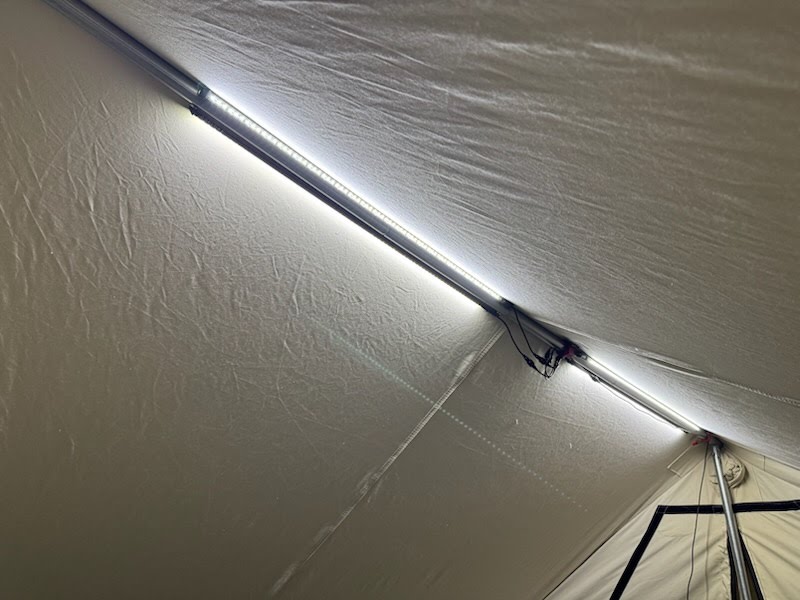
Task zones are where you prepare food, organize gear, and perform vehicle maintenance. Therefore, these areas need white light at full brightness. I mount a GoFluxx 36 LED strip under my awning directly above the camp kitchen and a second one inside the engine bay when working on the vehicle after dark. At maximum output, these strips cut through shadows even during dusk when ambient light creates harsh contrast. The 36″ length provides even coverage across a 4-foot work surface without the concentrated hot spots you get from flashlights or headlamps.
Ambient Zones: Dimmed Amber for Camp Comfort
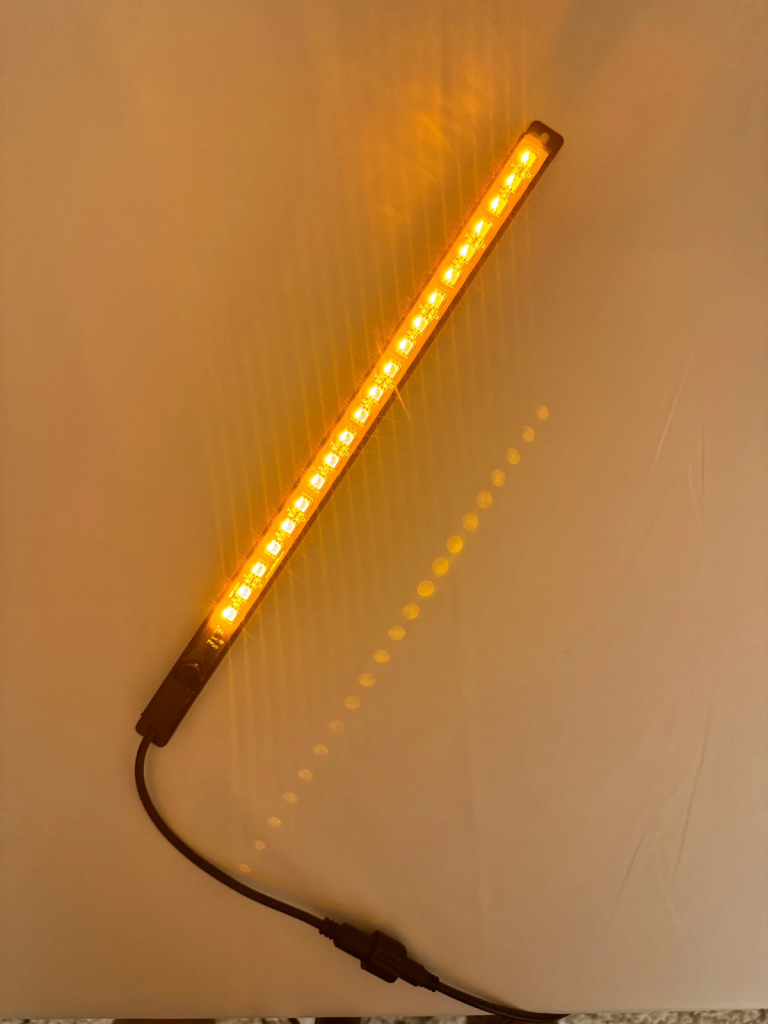
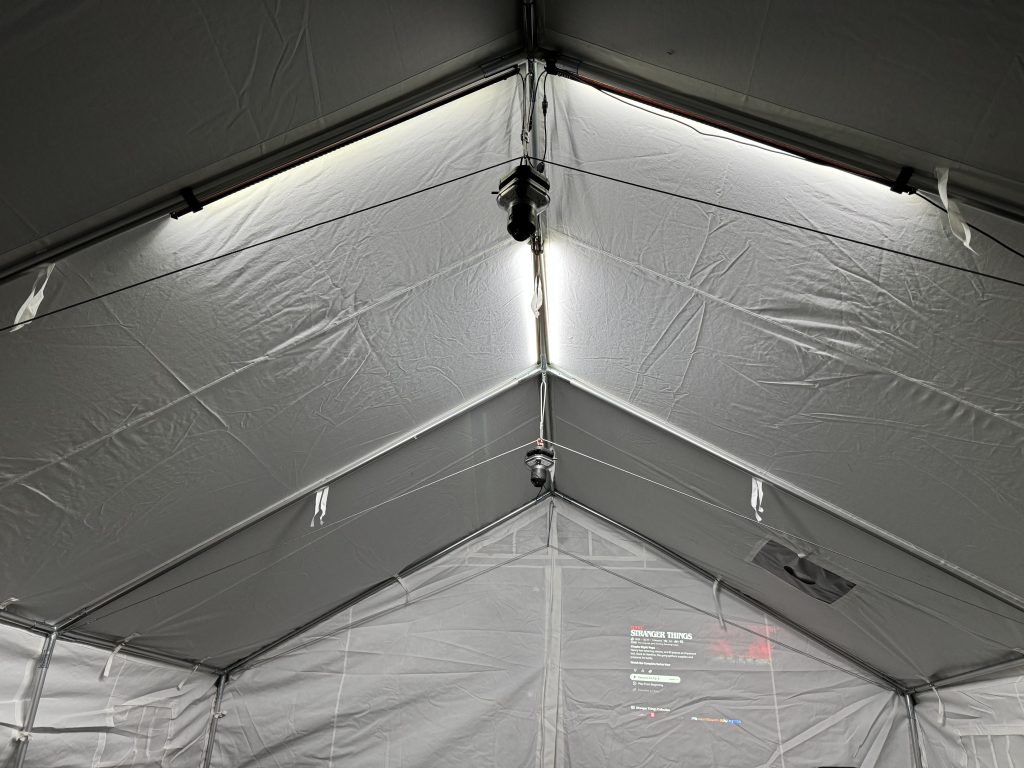
Amber mode at low brightness transforms your campsite from a work zone into a comfortable living space. I run two 36″ strips on amber inside my wall tent, positioned along the ridgepole, and the even light distribution eliminates the dark corners typical of lantern setups. Because GoFluxx strips are only 36 inches wide and weigh almost nothing, I also hang them from tree branches above the seating area using paracord and velcro loops. The dimming control lets you dial the brightness down until the light feels natural rather than artificial.
Utility Zones: Red Light for Night Navigation
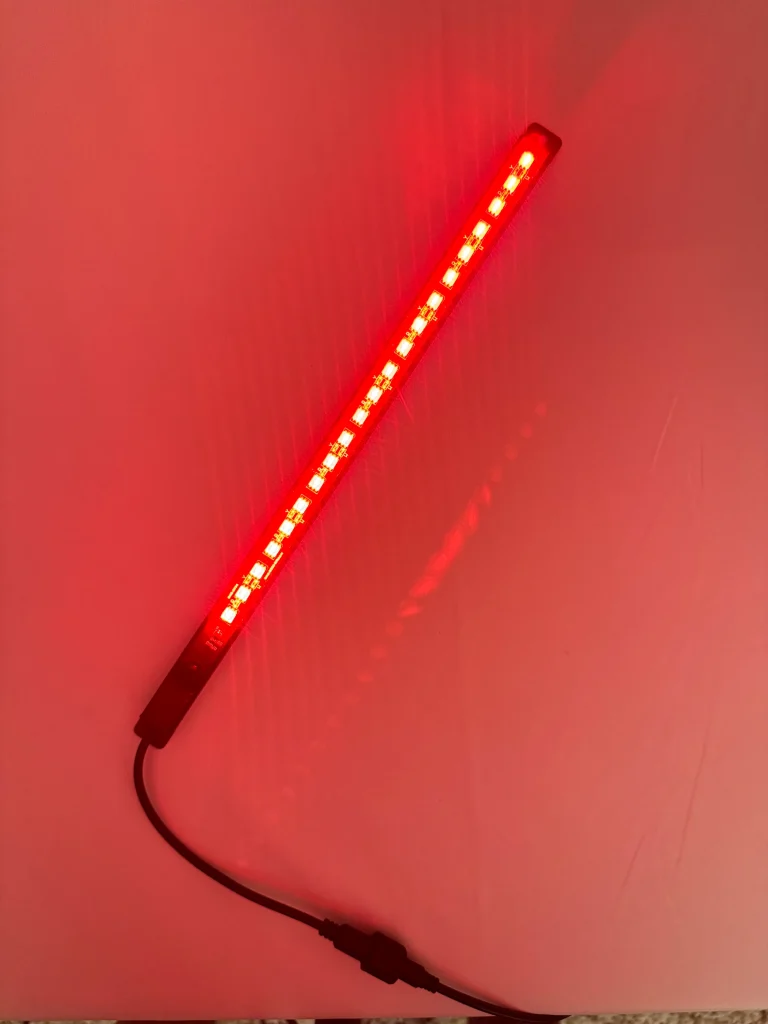
Red light preserves your night vision while providing enough illumination to navigate between your tent, vehicle, and camp kitchen. I keep a 12″ GoFluxx strip on red mode attached magnetically to the tailgate. As a result, it stays on all night at minimum brightness, drawing negligible current, and gives me a reference point if I need to walk to the vehicle at 2 AM. For hunters and astronomers, the red mode is especially valuable because it does not broadcast your position the way white light does.
Mounting Options: Magnets, Velcro, and Permanent Installs
The flexibility of GoFluxx camp lighting starts with how you attach the strips. Every GoFluxx strip ships with 3M polyethylene foam-backed adhesive on the back and mechanical screw lugs built into the aluminum housing. However, the real versatility comes from aftermarket magnetic and velcro mounting.
I use magnetic mounts for any ferrous metal surface: tailgates, roof racks, steel tent poles, and vehicle door jambs. The magnets hold securely even after long stretches of washboard roads. For non-metal surfaces like canvas tent ridgepoles, plastic trim, and tree branches, velcro strips work perfectly. I keep a roll of industrial velcro in my camp kit and attach the hook side to the back of each GoFluxx strip. The loop side goes on whatever surface I need light. This approach lets me reposition strips in under 10 seconds.
For permanent installations on trailers or hardshell rooftop tents, the screw lugs provide a vibration-proof mount. Drill two holes, run the bolts through, and the strip stays locked in place indefinitely. I have one GoFluxx 36 LED strip permanently mounted inside my camping trailer and two more in a portable kit for tent trips. The standardized 5521 connector means both the permanent and portable strips plug into the same power source.
GoFluxx Lighting
Tricolor Camper Lighting Kit
Complete kit with 2x 90cm and 2x 60cm strips, splitter cable, and extensions. Everything you need for a full camp lighting setup right out of the box.
Controlling Your GoFluxx Camp Lighting: Single Switch vs. Individual
Once your strips are mounted, the next decision is how to manage them when they are powered on. Each strip has its own onboard button for color selection and dimming. First, tap the button to cycle between white, red, and amber. Then hold the button to ramp brightness up or down. Release it at the level you want, and the memory function stores your setting for next time.
When you run multiple strips, a splitter cable lets you power and control them from a single switch point. This is useful for tent interiors where you want uniform light. For example, plug two or three strips into one splitter, and all of them respond to the same color and brightness commands. Alternatively, you wire each strip independently for zone-by-zone control. I run my system with a split approach: the two tent strips share a splitter for unified control, while the awning strip and tailgate strip run independently so I switch them on and off without affecting the tent interior.
The onboard control design means you never need a separate remote, smartphone app, or Bluetooth connection. Instead, everything works through the physical button on the strip itself. After testing several overlanding LED lights with app-based controls, I strongly prefer the GoFluxx approach. Physical buttons work when your phone is dead, when your hands are wet, and when temperatures drop below the operating range of Bluetooth modules. For a tricolor camping light system, this reliability matters more than fancy app features.
Power System Integration for Overlanders
GoFluxx strips run on standard 12V DC, which makes integration straightforward for anyone with a dual-battery system, portable power station, or auxiliary fuse box. The 5521 weatherproof connectors plug directly into most 12V distribution panels. For portable setups, 12V cigarette lighter adapters let you power the strips from an EcoFlow, Jackery, or similar portable station without any wiring modification.
Another advantage of GoFluxx camp lighting is the modest current draw at full brightness. Running four 36″ strips simultaneously on white at maximum brightness still pulls less current than a single halogen work light. At dimmed amber settings, which is how I run them most of the evening, the draw drops further. For overlanders building a lighting system around a 100Ah auxiliary battery, GoFluxx strips will not make a meaningful dent in your overnight power budget. The low draw also means you safely run them off a smaller 50Ah lithium battery without monitoring consumption.
Because every GoFluxx product uses the same 5521 connector, adding lights to your system later requires zero rewiring. Buy a splitter, plug in the new strip, and you are operational. This modularity is especially valuable for overlanders who expand their setup over time rather than buying everything at once.
Two Months of GoFluxx Camp Lighting: Field Results
I have been running GoFluxx tricolor camping lights for two months across multiple camping trips, including an overnight field test in Big Bear and several weekend outings in Southern California. These lights have become my favorite around-camp lights, and the reasons are practical rather than theoretical.
The even light distribution is the first thing you notice. Inside a 10×10 wall tent, two 36″ strips along the ridgepole eliminate every dark corner. Lanterns create a bright center and dark edges. Headlamps create a bright spot wherever you look and darkness everywhere else. GoFluxx strips throw a wide, uniform wash of light from end to end. After setting up my tent with these lights, I stopped carrying backup lanterns entirely.
Durability held up across every condition I tested. The IP67-sealed aluminum housings survived dust, rain, and vibration from washboard forest service roads with strips mounted magnetically to my roof rack. Nothing came loose. Nothing flickered. Similarly, the 5521 connectors stayed sealed and maintained solid contact after repeated plugging and unplugging.
Versatility Across Every Camp Configuration
Where GoFluxx camp lighting truly separates itself is versatility. I attached strips to my vehicle’s tailgate, inside a canvas wall tent, under an awning, on a camping trailer, and even draped over tree branches above a camp chair. The magnetic and velcro mounting options mean you never feel locked into one configuration. When I break camp, the lights come off in seconds and pack into a small bag. At the next site, I rearrange them based on the layout.
The tricolor functionality proved more useful in practice than I expected. White for cooking and gear organization. Amber for relaxing after dinner. Red for late-night bathroom runs without blinding campsite neighbors. Switching between colors with a single button press means you change the mood of your entire camp in two seconds. After two months, I default to amber at about 30% brightness for general evening use, and the memory function means every strip returns to those settings automatically when I power them on.
Pros and Cons
Pros
- Tricolor white/red/amber covers task, ambient, and night navigation needs in one strip
- IP67-rated aluminum housing survived dust, rain, and washboard vibration over two months
- Magnetic, velcro, and screw-lug mounting lets you move strips between tent, vehicle, and trailer in seconds
- Single switch or individual control via splitter cables gives zone-by-zone flexibility
- Memory function restores last color and brightness setting on power-up
- Even light distribution from 36″ strips eliminates dark corners inside tents
- Standard 5521 connectors across the entire lineup make expansion simple
- Low 12V current draw integrates easily with overlanding power systems
Cons
- At roughly $96 per 36″ strip, building a full system requires a meaningful upfront investment
- No built-in battery; requires a 12V power source, USB-C adapter, or cigarette lighter connection
- Magnetic mounting only works on ferrous metal surfaces; non-metal surfaces require velcro or screw lugs
Final Verdict
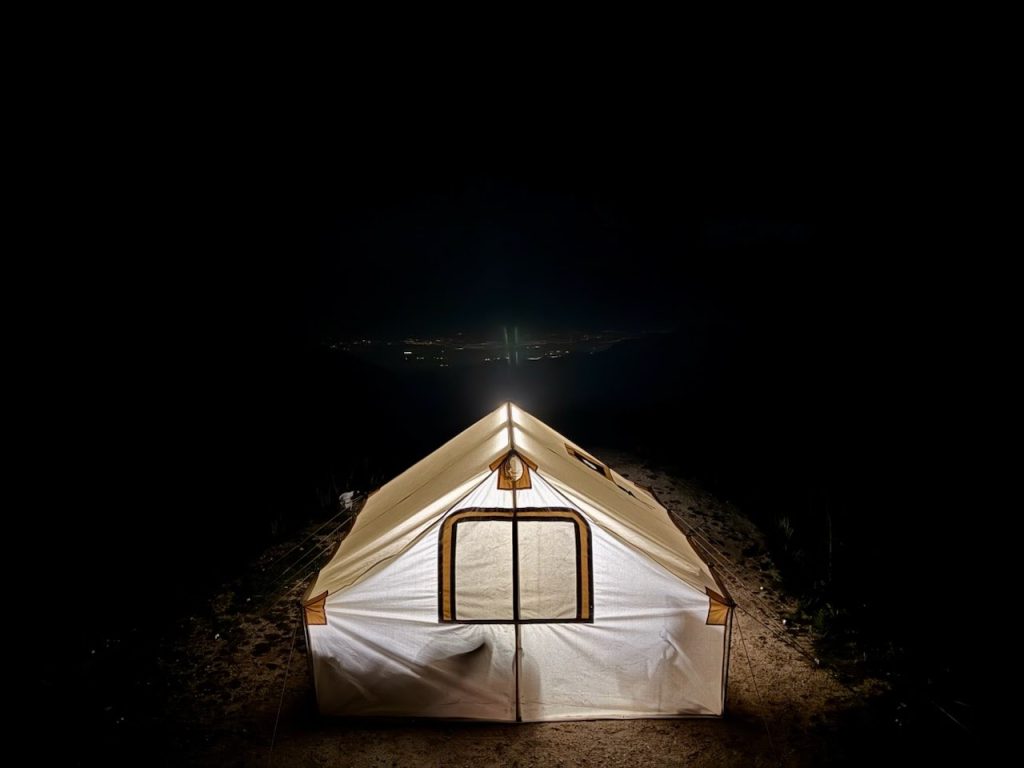
The GoFluxx camp lighting system is built for overlanders and car campers who want one lighting solution adaptable to every camp configuration. Whether you mount the strips inside a wall tent, under an awning, on a trailer, or draped over a tree branch, the combination of tricolor output, onboard dimming, and magnetic mounting covers every camp lighting setup scenario I have encountered over two months of testing.
The primary trade-off is cost. Building a complete system with four 36″ strips runs roughly $384 before splitters and cables. However, the Tricolor Camper Kit bundles two 90cm and two 60cm strips with all necessary wiring at a lower total price, which is the better starting point for most people. If you already run a 12V power system in your vehicle, integration takes minutes rather than hours.
What keeps me recommending these overlanding LED lights is the practical versatility. I stopped carrying separate headlamps for camp tasks, separate lanterns for tent interiors, and separate red-light flashlights for nighttime navigation. GoFluxx replaced all of them. The tricolor camping light functionality, combined with the mounting flexibility and reliable build quality, makes this the most complete camp lighting system I have tested.
For overlanders building their camp system piece by piece, start with two GoFluxx 36 LED strips and a splitter. Use them for a few trips, identify where you need additional light, and expand from there. The modular design and standardized connectors mean your initial investment compounds instead of becoming obsolete.
GoFluxx Lighting
Ready to Build Your Camp Lighting System?
Browse the full GoFluxx lineup: individual strips, Pod lights, complete camper kits, and 270 awning kits. All IP67-rated with tricolor dimming.
Frequently Asked Questions
What is the best LED light for camping and overlanding?
For a complete overlanding lighting system, tricolor LED strips outperform single-color options because they cover task lighting (white), ambient lighting (amber), and night navigation (red) from a single fixture. GoFluxx 36″ tricolor strips specifically deliver even light distribution, IP67 weatherproofing, and modular expandability, making them well-suited for overlanders who need adaptable lighting across different camp configurations.
Are GoFluxx lights waterproof for off-road use?
Yes. GoFluxx strips carry an IP67 rating, which means they resist both dust ingress and temporary water submersion. The aluminum housings are sealed, and the 5521 connectors are weatherproof. After two months of use including dusty forest service roads and rain exposure, I have not experienced any moisture-related issues or flickering.
What size GoFluxx light strip should I choose?
The 36″ (90cm) strip provides the best coverage for primary lighting inside tents and under awnings. For accent lighting in smaller spaces like truck cabs, gear closets, or toolbox areas, the 12″ (30cm) strip fits tight spaces better. The 24″ (60cm) strip works as a middle option for trailer interiors and moderate-sized canopies. For a starter GoFluxx camp lighting kit, two 36″ strips and one 12″ strip cover most common configurations.
Do GoFluxx lights have dimming control?
Yes. Every GoFluxx tricolor strip includes onboard dimming. Hold the control button to ramp brightness from maximum down to minimum. Release at your preferred level, and the memory function stores the setting. On next power-up, the strip returns to your saved color and brightness automatically. This feature is especially useful for overnight amber lighting at low output, where you want steady, low-draw illumination without manual adjustment each time.
How do you expand a GoFluxx lighting system over time?
Because every GoFluxx product uses standardized 5521 weatherproof connectors, expanding is straightforward. Buy a splitter cable to add strips to an existing power source, or run a new cable from your 12V distribution panel for independent zone control. No rewiring of existing lights is necessary. The Tricolor Camper Kit is the most cost-effective starting point, and individual strips or Pod lights add coverage as your camp setup grows.
What color LED is best for camping at night?
Red light is best for nighttime navigation because it preserves your night vision while providing enough visibility to move around camp safely. Amber light works well for general evening socializing because it produces a warm, comfortable tone without the harshness of white. White light is ideal for task-specific activities like cooking and gear organization where you need full visibility. GoFluxx tricolor camping lights combine all three colors in a single strip, so you switch between them based on the activity.