


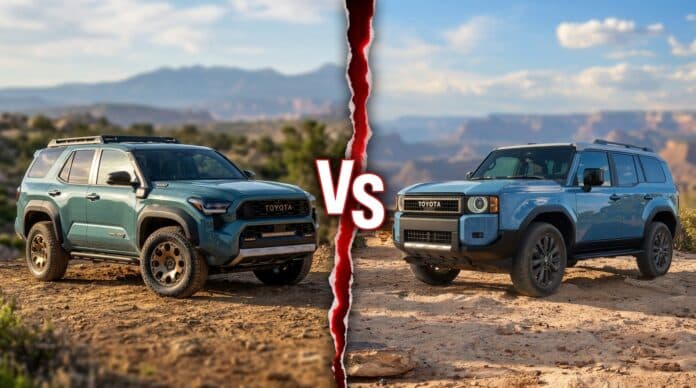

Choosing between the 2026 Land Cruiser vs 4Runner comes down to price, powertrain, and how often you hit the trail. Both Toyota off-road SUVs share a platform and a 6,000-pound tow rating, yet they target different buyers. This Land Cruiser vs 4Runner comparison breaks down specs, trims, and value so you pick the right rig.
Quick Facts:
- Models: 2026 Toyota Land Cruiser and 2026 Toyota 4Runner
- Land Cruiser engine: 2.4L i-Force Max hybrid, 326 hp, 465 lb-ft
- 4Runner engines: 2.4L i-Force turbo (278 hp) or i-Force Max hybrid (326 hp)
- Land Cruiser price: from $57,200
- 4Runner price: from $41,570
- Towing: up to 6,000 lbs each
- Drive: Land Cruiser full-time 4WD; 4Runner rear-drive or part-time 4WD
- Best for: off-road buyers weighing price against refinement
9 min read
In This Article
- The 2026 Off-Road Showdown
- Key Specs at a Glance
- Powertrain: Hybrid Standard vs. Optional
- Off-Road Capability and Towing
- Off-Road Specs Compared
- Fuel Economy and Running Costs
- Price and Trim Value
- Interior, Space, and Daily Driving
- Reliability, Resale, and Warranty
- Which Trim to Buy?
- Which Should You Buy?
- Final Verdict
- Frequently Asked Questions
Land Cruiser vs 4Runner: The 2026 Off-Road Showdown
The Land Cruiser vs 4Runner question used to be simple. For years, the 4Runner served weekend trail runs while the Land Cruiser anchored the luxury end of Toyota’s off-road lineup. However, the 2026 models now sit closer together in size, capability, and platform. Because both ride on Toyota’s TNGA-F body-on-frame architecture, the gap comes down to price, refinement, and powertrain choice.
You feel the overlap most on the trail. Both SUVs share a 2.4-liter turbocharged four-cylinder base, both tow up to 6,000 pounds, and both target drivers who want a rig for dirt roads and daily commutes. Still, the two part ways on standard equipment and sticker price. For this reason, picking between them depends on your budget and how often you leave pavement.
The 2026 Land Cruiser starts at $57,200 and arrives only as a hybrid. Meanwhile, the 2026 4Runner opens at $41,570 with a wider nine-trim range and an optional hybrid. As a result, the 4Runner covers a broader price band, from budget trail trucks up to the $68,200 TRD Pro. By contrast, the Land Cruiser keeps its lineup tight with two well-equipped trims.
Consider a typical buyer in this segment. If you camp two weekends a month and tow a small trailer, both deliver. However, if you want leather, full-time four-wheel drive, and a quieter cabin, the Land Cruiser earns its premium. For shoppers who prize value and trim choice, the 4Runner makes the stronger case.
Key Specs at a Glance
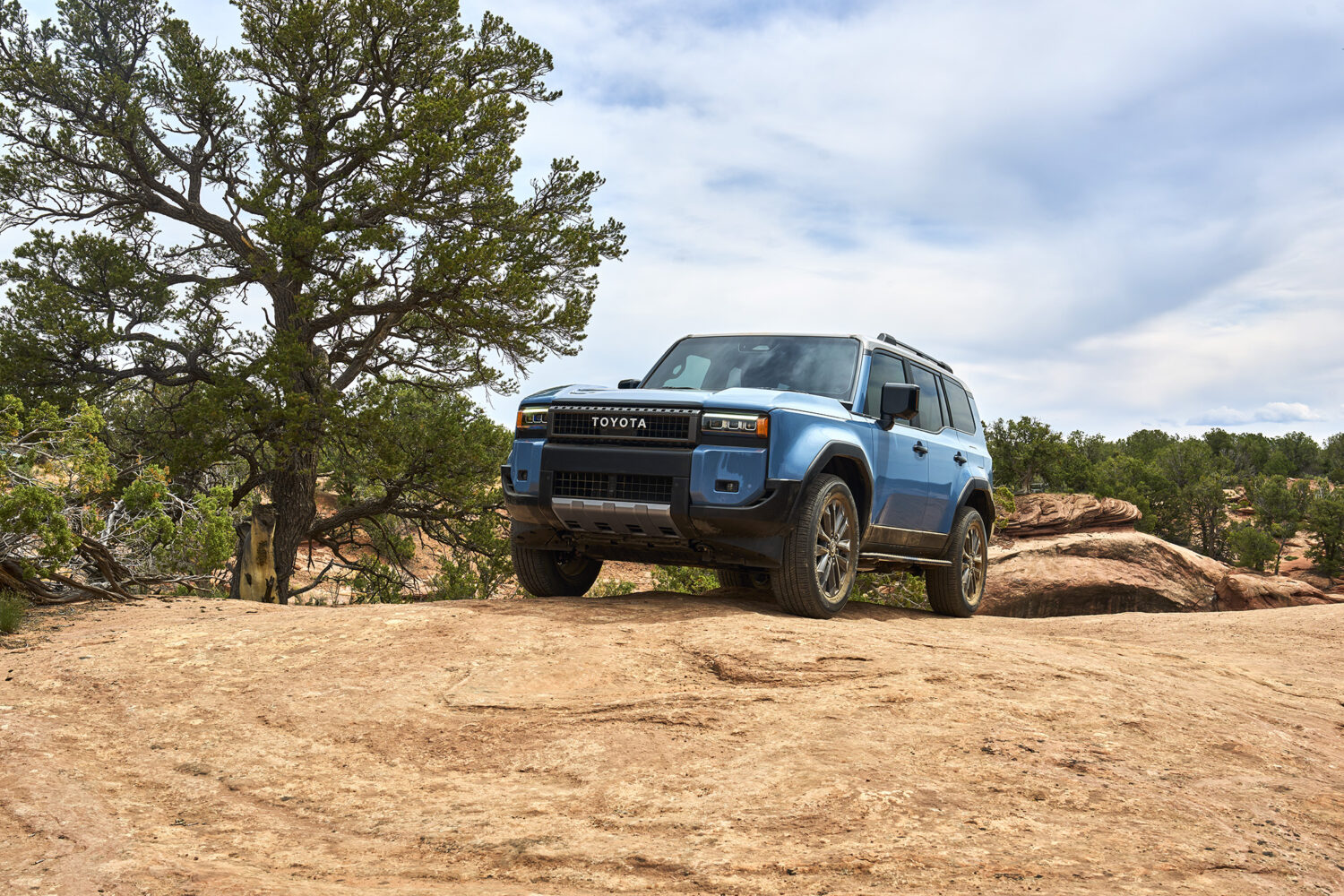
Here is how the two 2026 Toyotas line up on the numbers shaping an off-road purchase.
| Specification | 2026 Land Cruiser | 2026 4Runner |
|---|---|---|
| Starting price | $57,200 | $41,570 |
| Base engine | 2.4L i-Force Max hybrid | 2.4L i-Force turbo |
| Horsepower | 326 hp | 278 hp (326 hp hybrid) |
| Torque | 465 lb-ft | 317 lb-ft (465 hybrid) |
| Drivetrain | Full-time 4WD | RWD or part-time 4WD |
| Fuel economy | 23 mpg combined | about 20-23 mpg |
| Towing | 6,000 lbs | 6,000 lbs |
| Trims | 2 | 9 |
Powertrain: Hybrid Standard vs. Optional
The biggest split shows up under the hood. The 2026 Land Cruiser arrives only as a hybrid. Its i-Force Max system pairs a 2.4-liter turbo four with a 48-horsepower electric motor for 326 horsepower and 465 lb-ft of torque. Because the electric motor fills in low-end torque, the Land Cruiser pulls hard off idle on steep climbs.
The 4Runner gives you a choice. Its standard 2.4-liter i-Force turbo makes 278 horsepower and 317 lb-ft, while the optional i-Force Max hybrid matches the Land Cruiser at 326 horsepower and 465 lb-ft. For example, a base SR5 keeps things simple and affordable, whereas a Trailhunter or TRD Pro ships with the hybrid as standard, per Toyota’s 4Runner press materials.
Both engines route through an eight-speed automatic. Fuel economy favors the hybrid Land Cruiser at 23 mpg combined. Therefore, if efficiency and low-end grunt rank high for you, the hybrid setup wins. If a lower entry price matters more, the standard 4Runner turbo still tows the same 6,000 pounds.
Off-Road Capability and Towing
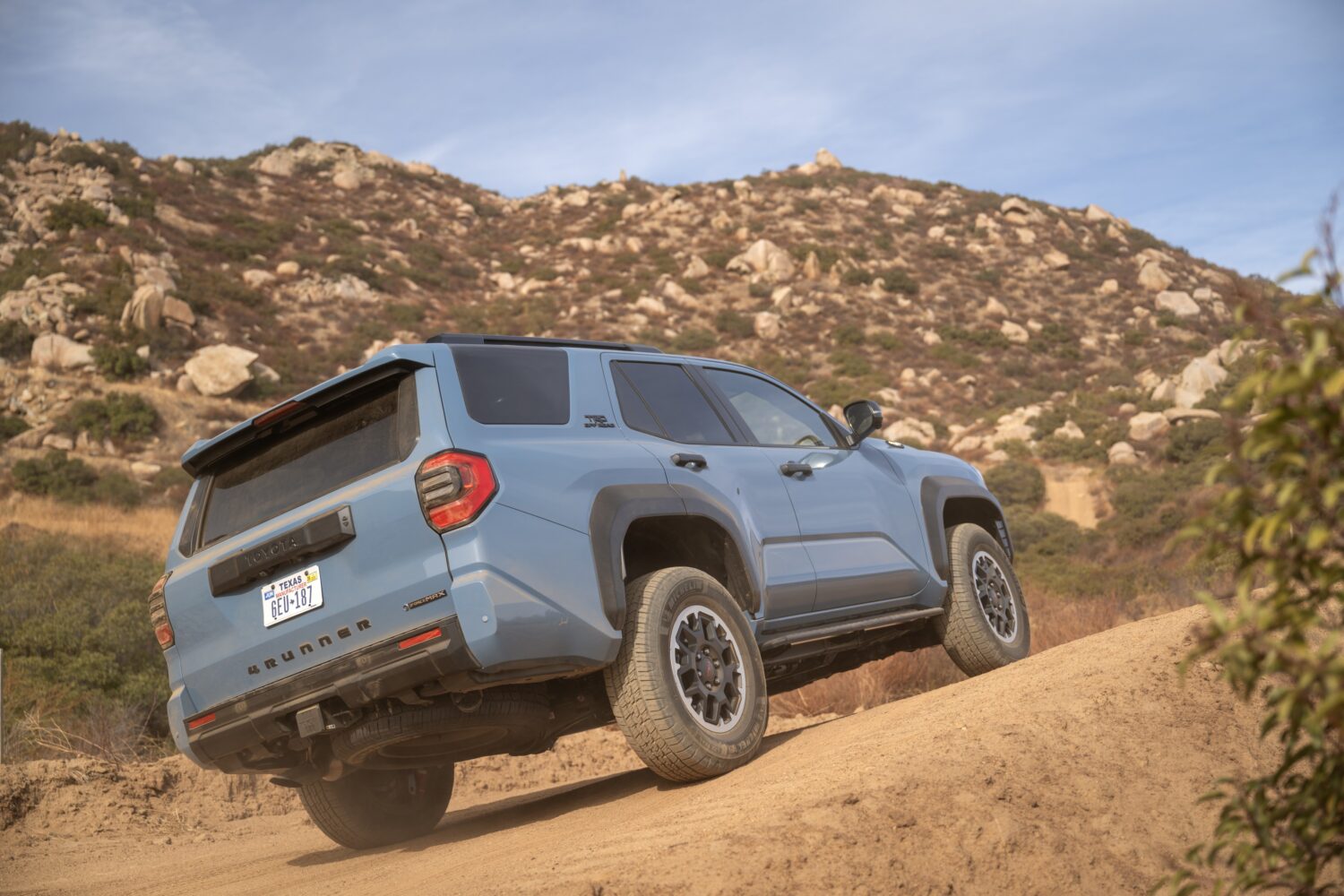
Both SUVs ride on Toyota’s TNGA-F body-on-frame platform, the same architecture beneath the Tacoma and Tundra. As a result, each one brings real low-range hardware rather than a soft crossover setup. Both also tow up to 6,000 pounds when properly equipped.
The 4Runner spreads its trail gear across nine trims. For instance, the Trailhunter ships with an Old Man Emu suspension, a 33-inch Toyo Open Country tire, a high-mount snorkel, and rock rails from the factory. The TRD Pro adds a disconnecting front sway bar for extra articulation. Meanwhile, lower trims hold costs down with simpler part-time four-wheel drive. For a wider look at trail-ready rigs, see our ranked list of the best overland vehicles for 2026.
The Land Cruiser takes a different path. It runs full-time four-wheel drive with a locking center differential on both trims. Since the system stays engaged, the Land Cruiser feels planted on mixed-traction surfaces without driver input. For drivers who split time between dirt and wet pavement, full-time four-wheel drive adds a margin of confidence.
For serious trail builds, the 4Runner Trailhunter arrives closest to a finished overland rig. Meanwhile, the Land Cruiser’s full-time system holds an edge for all-weather security.
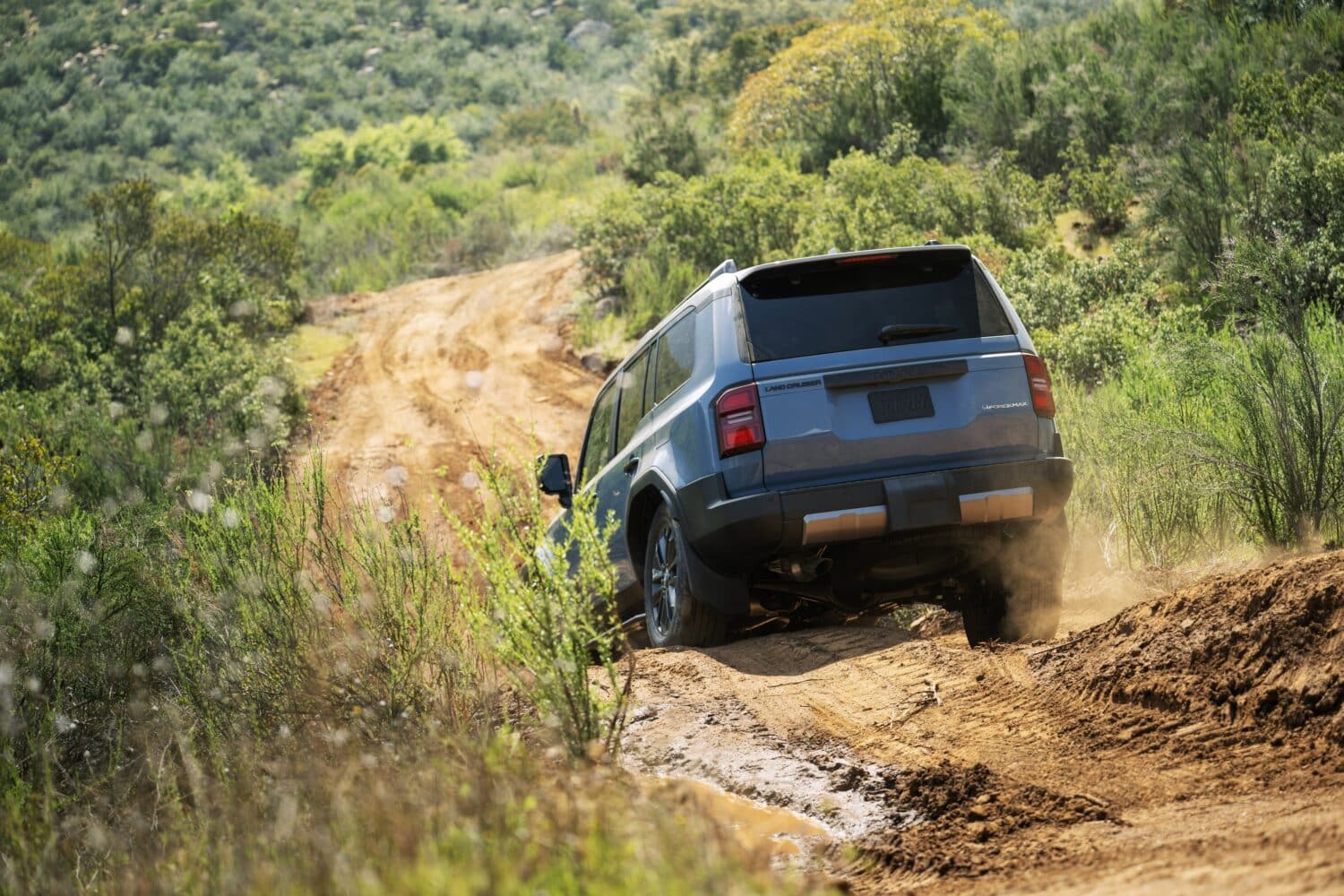
Land Cruiser vs 4Runner Off-Road Specs
The hard numbers separate trail trims from street trims. The 4Runner TRD Off-Road clears 9.1 inches and posts a 33-degree approach angle with a 24-degree departure angle. By contrast, the SR5 and on-road trims sit lower at 8.1 inches with an 18-degree approach. Therefore, the trim you pick shapes the 4Runner’s geometry as much as the badge does.
The Land Cruiser keeps things simpler. It runs 7.9 inches of ground clearance with a 30- to 31-degree approach angle and a 22-degree departure angle on both trims. While the off-road 4Runner trims clear more, the Land Cruiser still handles rocks and ruts with room to spare. For deep crossings, the Trailhunter and TRD Pro ford up to 27.5 inches of water.
Traction hardware also differs. The 4Runner offers an electronic locking rear differential on the TRD Off-Road, TRD Pro, and Trailhunter, plus a stabilizer disconnect on the top two trims for extra wheel travel. Meanwhile, the Land Cruiser pairs full-time four-wheel drive with a locking center differential and a two-speed transfer case. As a result, both run CRAWL Control and Multi-Terrain Select for low-speed obstacles.
Fuel Economy and Running Costs
Fuel costs favor the hybrids. Notably, the Land Cruiser earns an EPA-estimated 22 mpg city, 25 highway, and 23 combined. The hybrid 4Runner matches it closely at 23 combined, while the standard 2.4-liter 4Runner drops to 21 combined with four-wheel drive and 22 with rear drive.
Over a year, the gap adds up. If you drive 12,000 miles at $3.50 a gallon, the 23-mpg hybrids burn roughly $1,825 in fuel. Meanwhile, the 21-mpg turbo runs closer to $2,000. For high-mileage drivers, the hybrid efficiency offsets part of its higher sticker over time.
Price and Trim Value
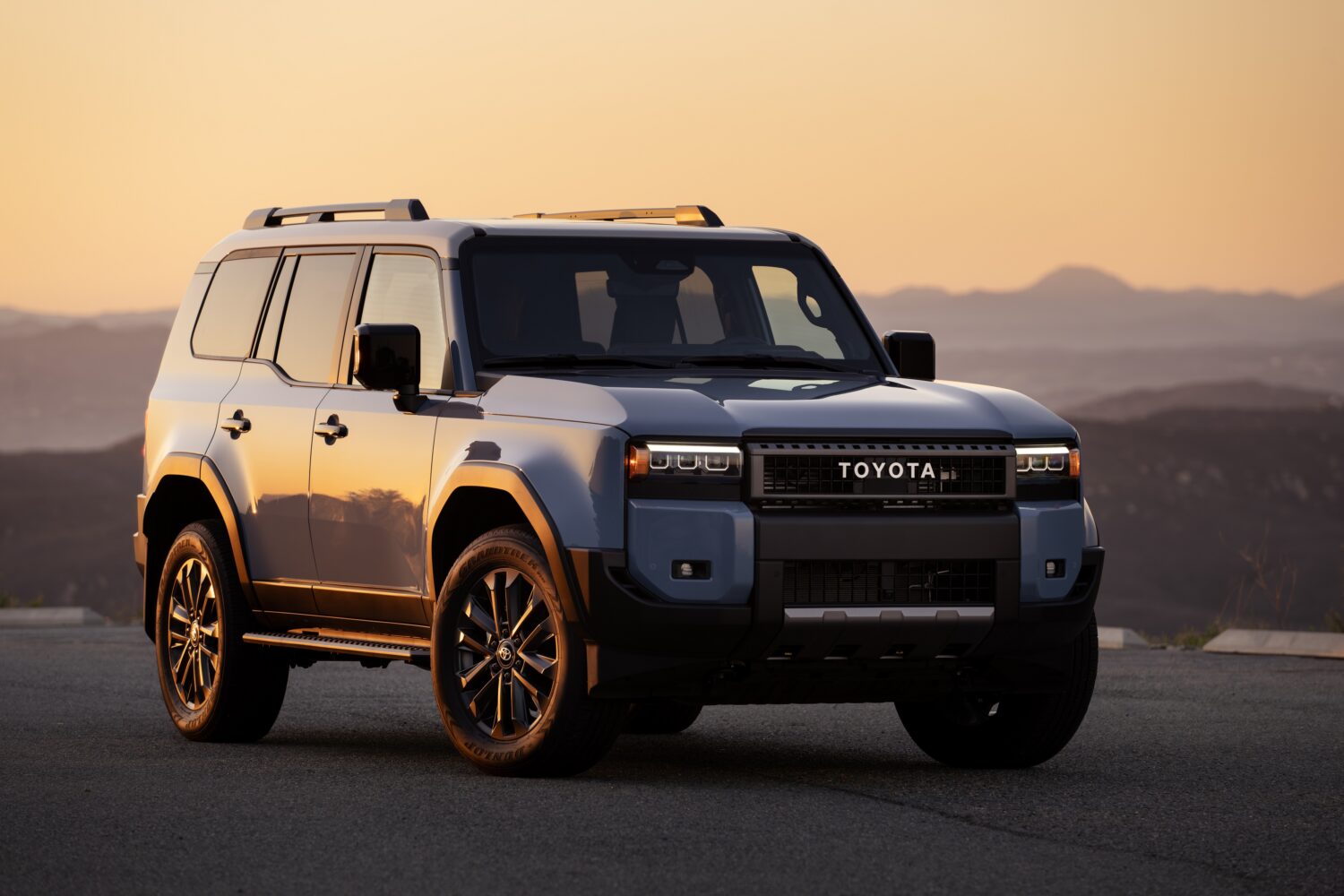
Price is where the two diverge most. The 4Runner opens at $41,570 for the SR5 and climbs to $68,200 for the TRD Pro. Because nine trims fill this span, you find a 4Runner at almost any off-road budget.
The Land Cruiser starts higher at $57,200 for the 1958 trim, with the upper Land Cruiser grade landing near $65,000. Although the lineup stays small, both trims come well equipped. The roughly $15,000 gap between base models buys a lot of 4Runner trim upgrades or aftermarket parts.
So your decision often comes down to whether the Land Cruiser’s hybrid drivetrain, full-time four-wheel drive, and quieter cabin justify the premium. For value hunters, the 4Runner stretches further. Meanwhile, buyers who want refinement baked in lean toward the Land Cruiser.
Interior, Space, and Daily Driving
Off the trail, both rigs serve as daily drivers, so cabin comfort matters. The Land Cruiser leans upscale, with available leather, a 12.3-inch touchscreen, and extra sound insulation for a quieter highway ride. Because it targets the premium end, its materials feel a step above. As a daily off-road SUV, it rewards long commutes and road trips.
The 4Runner counters with practicality. It offers an optional third row on select trims, a wide cargo area, and a roll-down rear window carried over from past generations. For families who need seats and gear space, the 4Runner works as a do-everything off-road SUV. Although its base cabin feels plainer, higher trims like Limited and Platinum close the gap with leather and upgraded tech.
Reliability, Resale, and Warranty
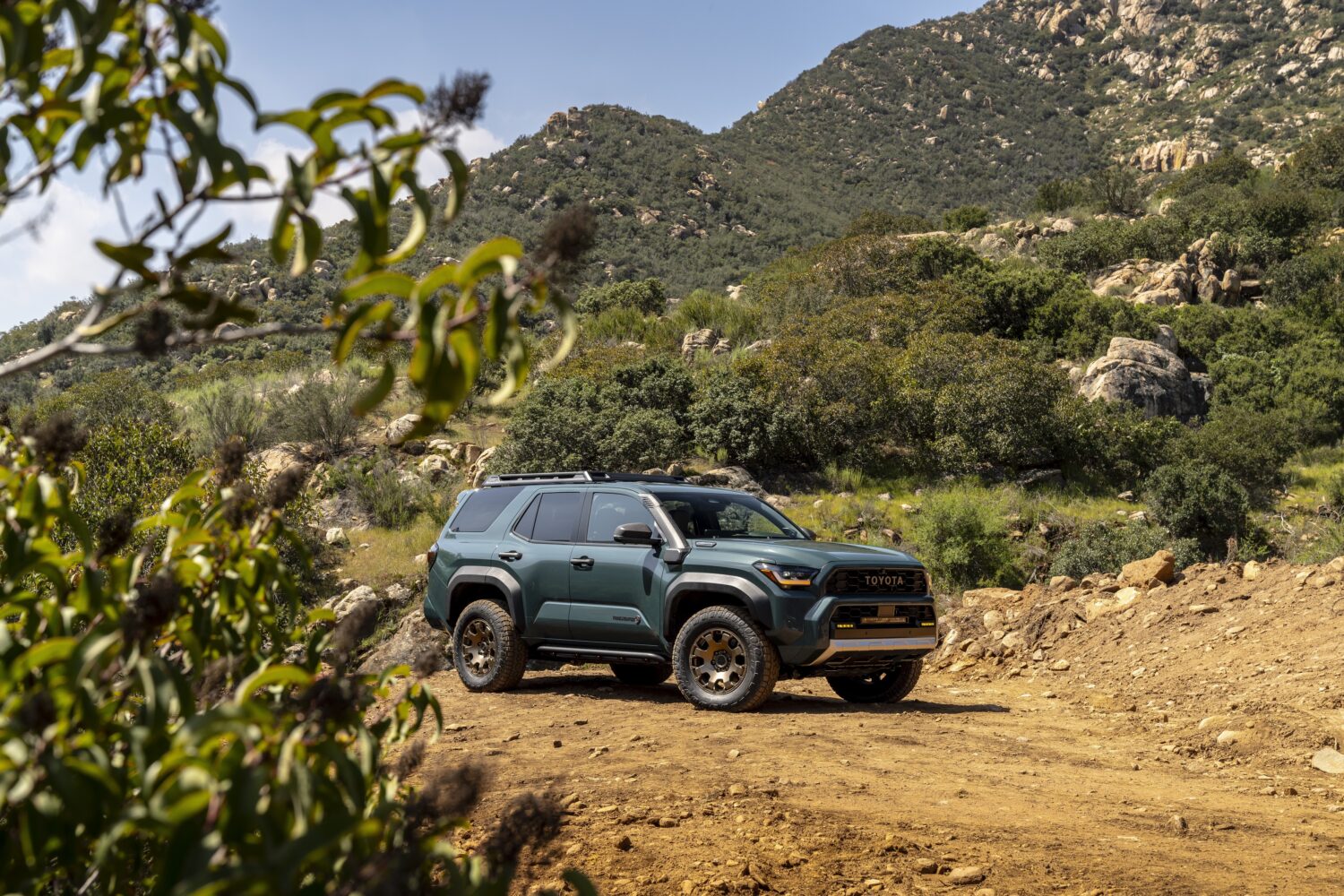
Notably, both Toyotas lean on a strong ownership reputation. The brand consistently ranks near the top for reliability, and body-on-frame Toyotas like these hold value well on the used market. The Land Cruiser name, in particular, carries a long record of high resale.
Warranty coverage matches across the lineup. Toyota backs both with a 3-year, 36,000-mile basic warranty and a 5-year, 60,000-mile powertrain warranty. Because both use the i-Force Max hybrid, the hybrid components carry a 10-year, 150,000-mile warranty. For buyers who keep vehicles long-term, the coverage adds real peace of mind.
Land Cruiser vs 4Runner: Which Trim to Buy?
For most buyers weighing the Land Cruiser vs 4Runner, the trim matters more than the badge. If you want a turnkey trail rig, the 4Runner Trailhunter arrives with factory armor, an Old Man Emu suspension, and a locking rear differential. For a daily driver with weekend trail duty, the TRD Off-Road hits the value sweet spot.
Meanwhile, on the Land Cruiser side, the 1958 trim delivers the hybrid drivetrain and full-time four-wheel drive at the lowest entry price. Step up to the Land Cruiser grade for leather and added tech. Either way, you get the same core capability, so the choice comes down to features over hardware.
Land Cruiser vs 4Runner: Which Should You Buy?
Choose the 4Runner if budget and trim choice lead your list. Its $41,570 entry point, nine grades, and optional hybrid let you match the truck to your needs. For overland builders, the Trailhunter trim removes guesswork with factory armor and tuned suspension.
Choose the Land Cruiser if you want hybrid efficiency and full-time four-wheel drive without options to chase. Both trims arrive loaded, and the 326-horsepower hybrid comes standard. However, you pay at least $15,000 more to start.
For a closer look at how the 4Runner handles trail-focused rivals, our 2026 Jeep Wrangler vs 4Runner comparison covers the alternatives worth a test drive.
Final Verdict
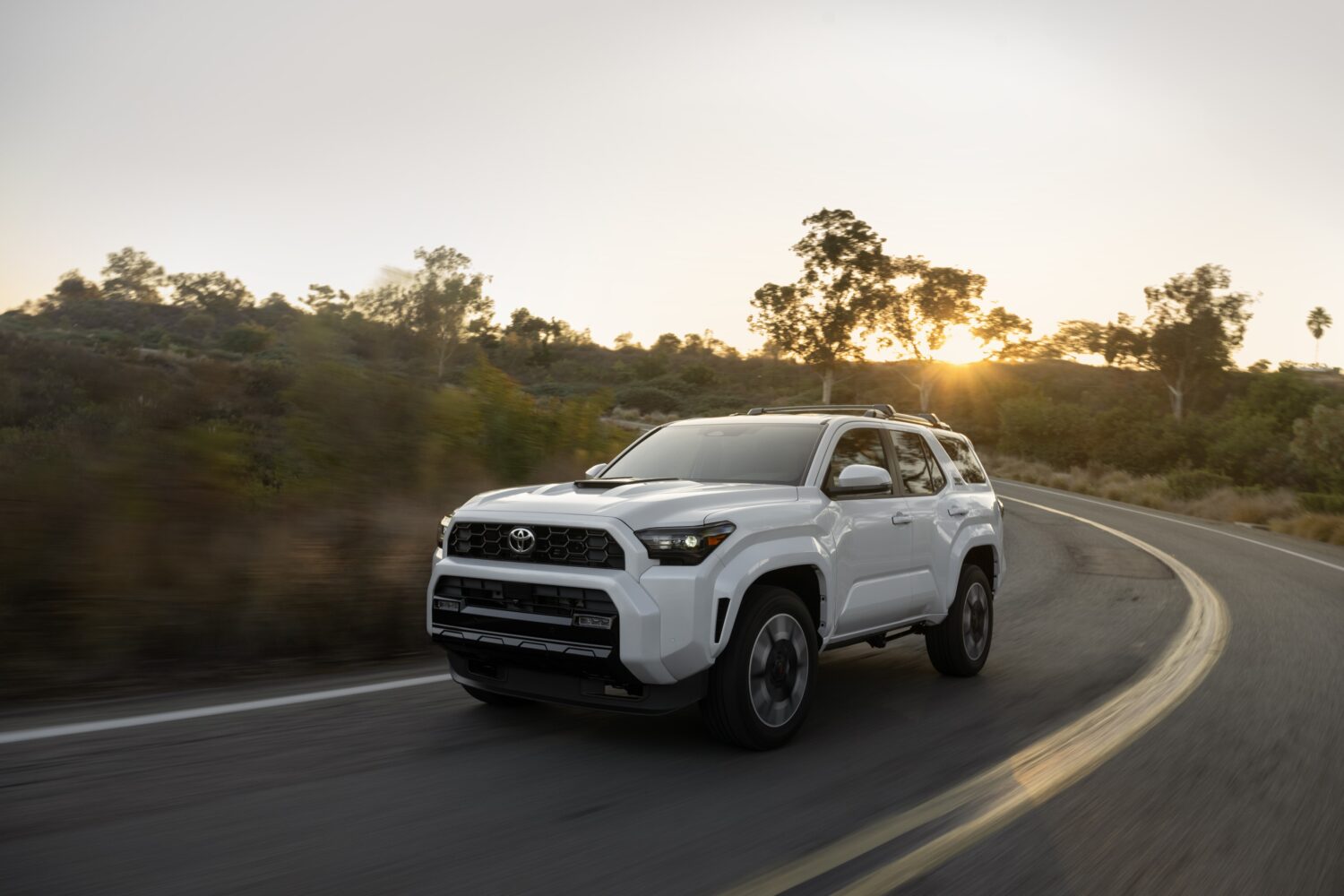
The 4Runner wins on flexibility and price. Its broad trim range, lower entry cost, and factory-built Trailhunter make it the easier pick for most off-road buyers. For shoppers who value choice, nothing in this matchup beats nine grades.
The Land Cruiser answers a narrower question. It rewards buyers who want a hybrid drivetrain, full-time four-wheel drive, and a polished cabin from the first trim. Still, the higher price pushes budget-minded overlanders toward the 4Runner.
On value, the 4Runner stretches each dollar further. You build a capable SR5 or TRD Off-Road and still spend less than a base Land Cruiser. Because aftermarket support for the 4Runner runs deep, upgrades stay affordable too.
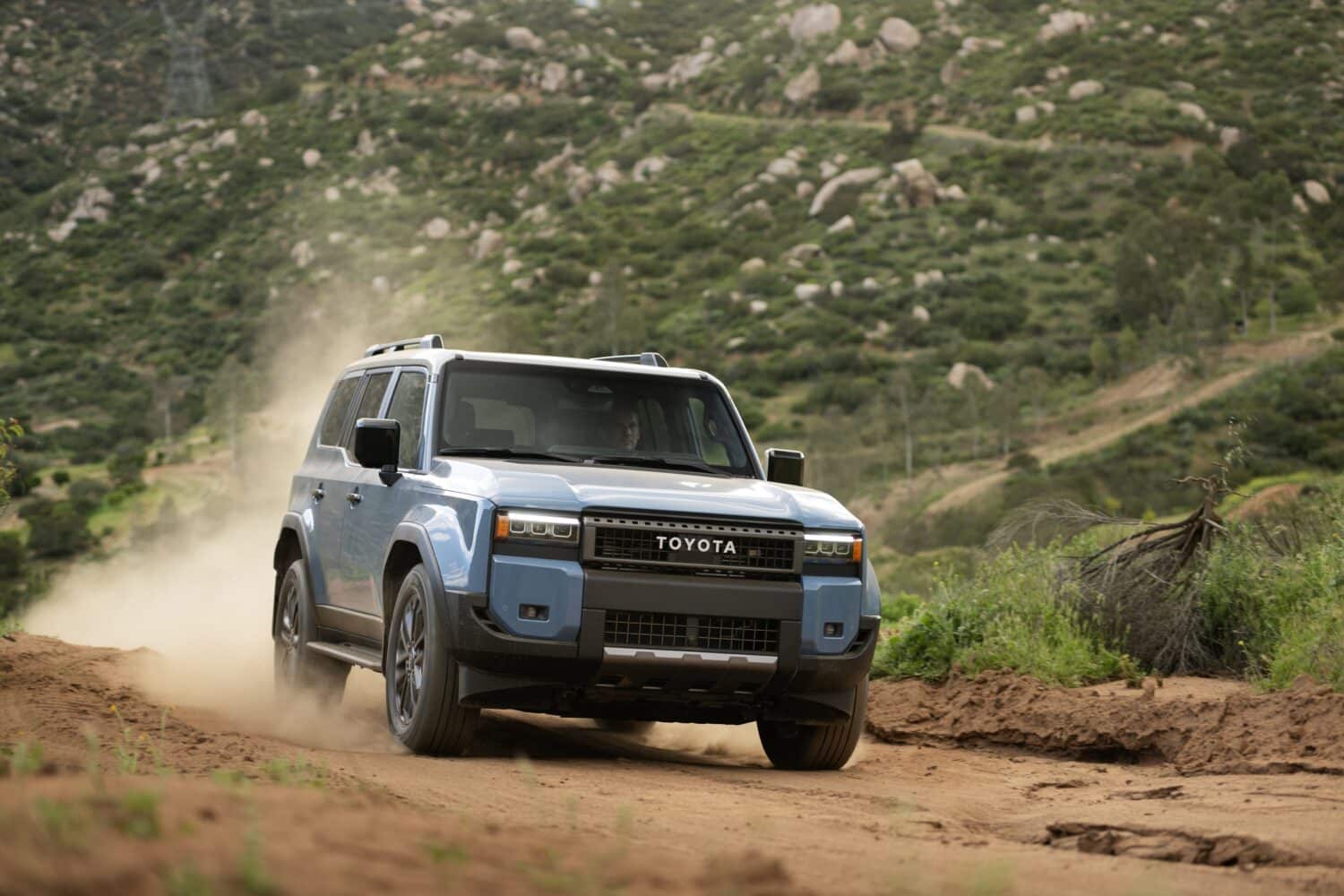
Pick the 4Runner Trailhunter for a turnkey overland rig, or step up to the Land Cruiser if refinement and all-weather traction top your list. For buyers cross-shopping beyond Toyota, the Jeep Wrangler Rubicon remains the closest rival worth a drive.
Frequently Asked Questions
Is the 2026 Land Cruiser bigger than the 4Runner?
The two sit nearly identical in size because both use Toyota’s TNGA-F platform. The 4Runner offers an optional third row on select trims, while the Land Cruiser seats five only. For cargo and passenger space, the 4Runner edges ahead.
Does the 4Runner come as a hybrid like the Land Cruiser?
Yes. The 4Runner offers the same 326-horsepower i-Force Max hybrid, standard on the Platinum, TRD Pro, and Trailhunter and optional on three other trims. By contrast, the Land Cruiser sells only as a hybrid.
Which Toyota tows more, the Land Cruiser or 4Runner?
Both tow up to 6,000 pounds when properly equipped. The hybrid’s 465 lb-ft of torque helps with heavy loads. For most trailers and campers in this class, the two perform alike.
Is the Land Cruiser worth the extra money over the 4Runner?
It depends on your priorities. The Land Cruiser adds hybrid efficiency, full-time four-wheel drive, and a quieter cabin for at least $15,000 more. For buyers who want those features standard, the premium makes sense. Value-focused shoppers get similar capability from the 4Runner for less.
Which is better for overlanding, the Land Cruiser or 4Runner?
Both excel, so the answer hinges on budget and build plans. The 4Runner Trailhunter ships with factory armor and suspension, which shortens your build. Meanwhile, the Land Cruiser counters with full-time traction and standard hybrid power. Our Toyota 4Runner overview breaks down its trail strengths in more detail.