


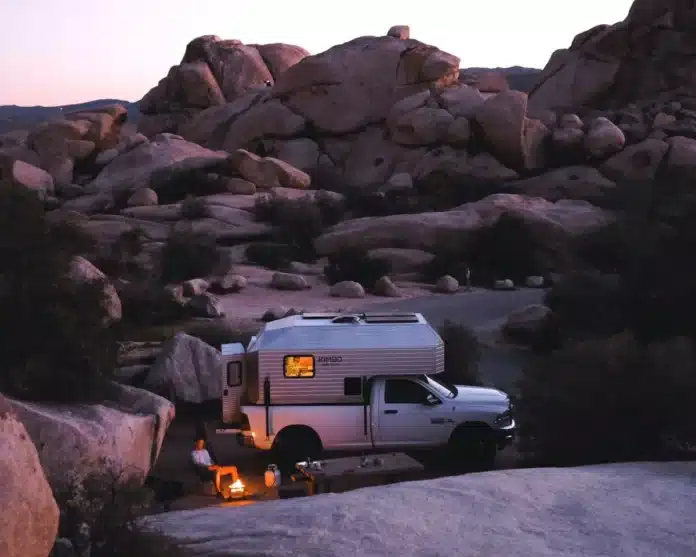

I’ve camped and overlanded most of my life, and the setup under me has changed more than the itch to go has. I started in a tent, moved into a bumper pull trailer, upgraded to a fifth wheel, and tried a handful of other camp setups in between, chasing whatever tradeoff made sense at the time between comfort and how far off the pavement I wanted to get. I’m not a full-timer myself, but in decades of overlanding, I’ve spent enough weeks and months on the road each year to know exactly what heavy, sustained travel demands from a rig, and from the person driving it.
This experience is why the shift happening across the overlanding community caught my attention: more people are trading the once-a-year, two-week trip for something closer to full-time, slow travel. Here, we look at why the shift is happening, what full-time life on the road requires from a setup, and how a rig like the Kimbo 8 fits into the slow travel conversation as an example of purpose-built equipment rather than a general recommendation. The goal is context for anyone weighing fast trips against a full-time or near-full-time lifestyle, not a sales pitch for any one path.
Quick Facts:
- Trend: Overlanders shifting from short, fast trips to slow, extended travel
- Featured rig: Kimbo 8 hard-side truck bed camper
- Kimbo 8 dry weight: 1,125 lbs base, up to 1,660 lbs fully loaded
- Kimbo 8 insulation: R10 rigid foam, built for sub-freezing camping
- Kimbo 8 bath: Dedicated wet bath, standard on every build
- Kimbo 8 warranty: 2 years standard, transferable
- Kimbo 8 price: From $42,990, currently waitlisted
9 min read
In This Guide
- The Shift from Fast Trips to Full-Time Life
- Why Slow Travel Is Replacing the Two-Week Vacation Model
- What Full-Time Life on the Road Requires
- The Financial and Lifestyle Trade-Offs of Going Full-Time
- Choosing a Rig Built for the Long Haul
- Pros and Cons of the Slow Travel Shift
- Final Verdict
- Frequently Asked Questions
The Shift from Fast Trips to Full-Time Life
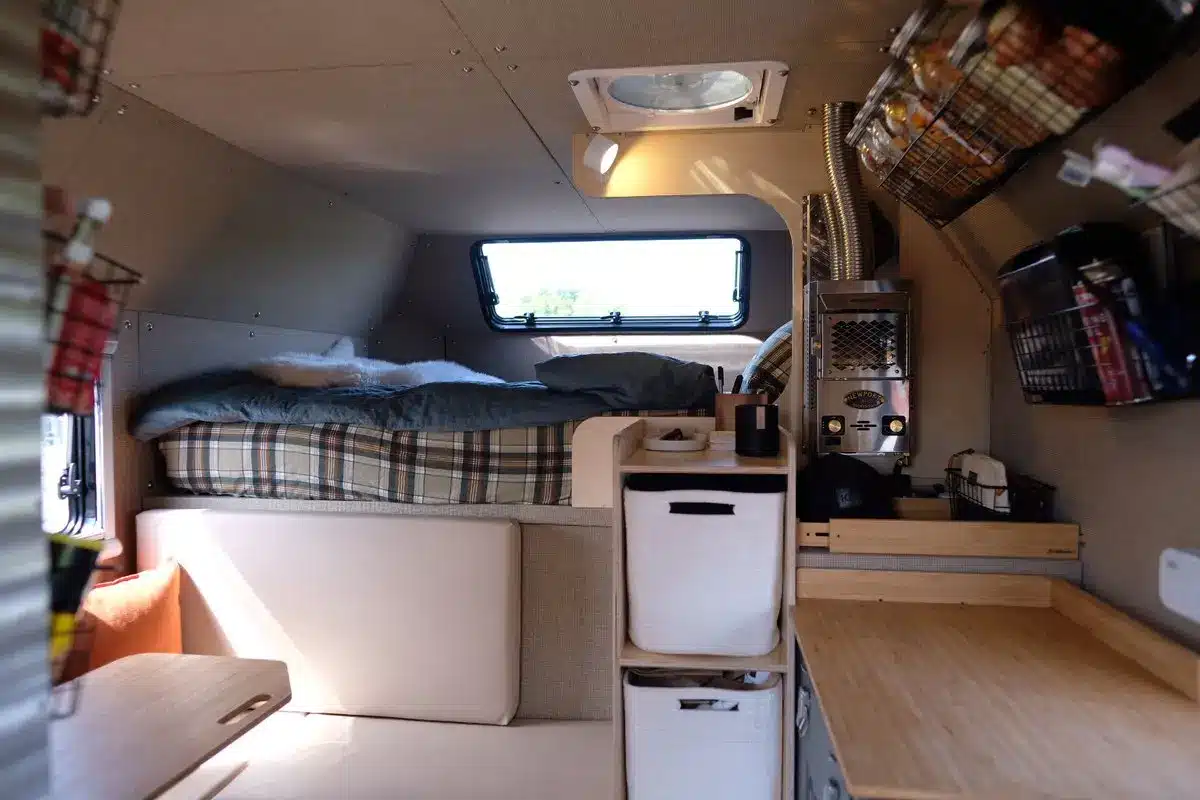
For most of overlanding’s modern history, the standard trip ran one to two weeks: load the rig, hit a handful of destinations, come home before the truck payment and the day job caught up. This pattern is loosening. Remote work, four-day workweeks, and a broader cultural move toward minimalism, per the general minimalist lifestyle movement, have opened the door to travel measured in months and seasons rather than days.
The overlanders making this shift aren’t all quitting jobs or selling houses outright. Many start with extended trips, four to eight weeks at a stretch, testing whether the lifestyle fits before committing further. Others go straight to full-time, treating the truck and camper as the only address they need. Either path points toward the same underlying change: travel as an ongoing way of living, not a scheduled break from one.
Why Slow Travel Is Replacing the Two-Week Vacation Model
Slow travel trades a packed itinerary for depth in fewer places, and overlanders adopting it usually cite the same handful of reasons. A two-week trip forces constant movement, one or two nights per stop, driving hours most days, and little time to settle into a landscape. Slow travel flips the ratio, staying a week or a month somewhere worth the extra time instead of checking a box and moving on.
The financial math shifts too. Fast trips concentrate cost into a short window: gas, campground fees, and food all hit at once. Full-time and slow travelers spread the same spending across months, often trading a mortgage or rent payment for fuel and camp fees, landing at a similar or lower total monthly cost depending on how remote the travel stays. Slow travel also reduces wear on both the truck and the driver, since fewer long driving days mean less fatigue and less mechanical strain over a season.
Built for the Long Haul
See the Kimbo 8 Truck Camper
A hard-side camper built with a standard wet bath and four-season insulation, for owners moving from fast trips to full-time travel.
What Full-Time Life on the Road Requires
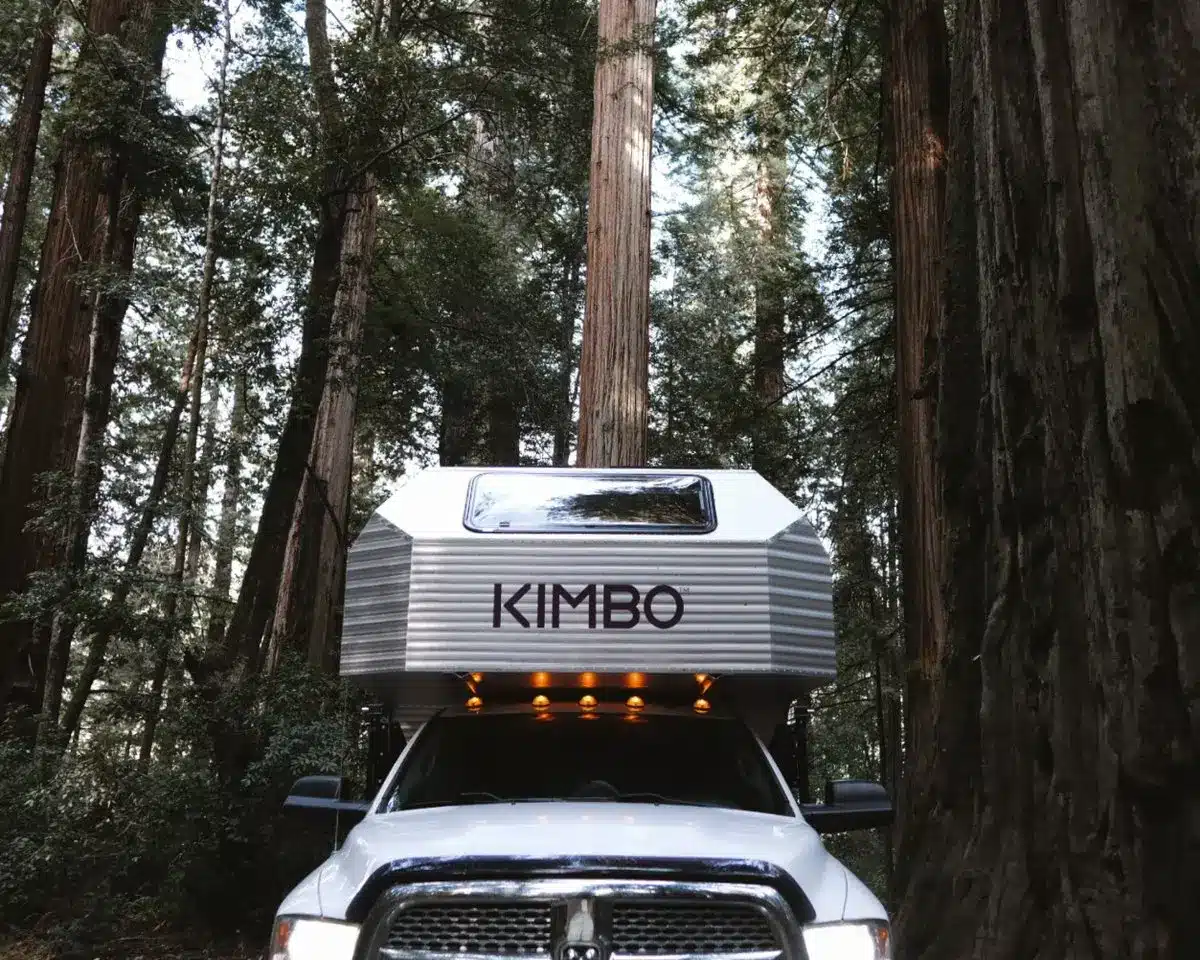
Moving from occasional trips to full-time or near-full-time travel changes what a rig has to deliver, and the gap shows up fastest in three areas: bathroom facilities, insulation, and storage. A weekend setup gets by with a cassette toilet and a tarp shower, but a full-timer runs the same system daily, in every season, and the gaps in a weekend-grade setup surface within the first few weeks.
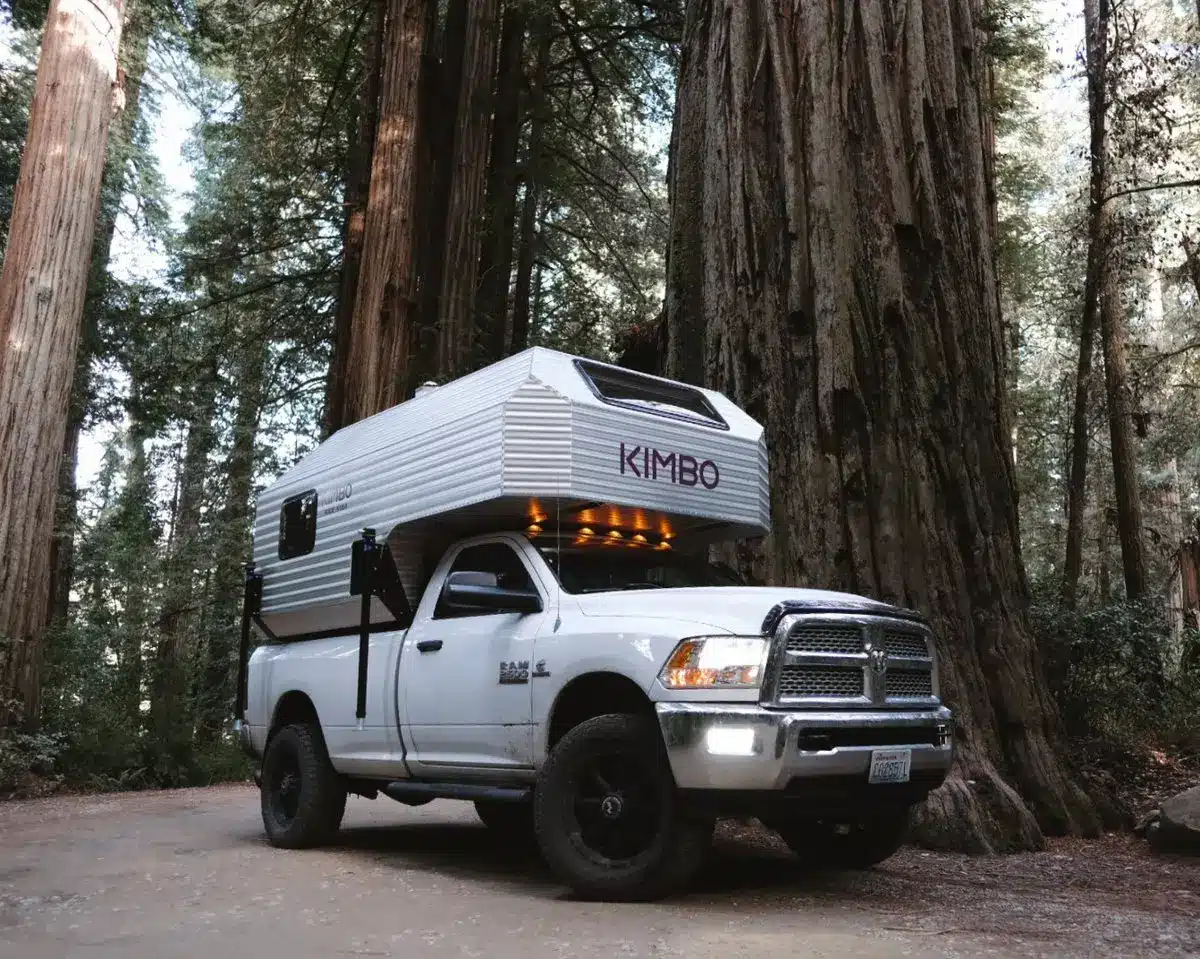
The Kimbo 8 is a useful example of a rig built specifically around this gap. It ships with a dedicated wet bath as standard, not an add-on module, plus R10 insulation, twice the R-value of Kimbo’s own smaller Kimbo 6, engineered for Pacific Northwest winters and Colorado high-country snowstorms rather than shoulder-season camping alone. Kimbo’s own writing on its design philosophy frames the same idea directly: durability and repairability matter more once a camper stops being occasional equipment and starts being a home.
Storage discipline matters as much as square footage. Full-timers carry more gear than weekend travelers, yet the space to store it barely grows. Kimbo’s notes on staying organized in small spaces echo what most full-timers learn the hard way: every item needs an assigned home, or the space collapses into clutter within a season, regardless of how large the shell is.
The Financial and Lifestyle Trade-Offs of Going Full-Time
Slow travel and full-time overlanding save on housing costs; however, the trade-offs are real and worth naming honestly. Health insurance, mail, banking, and vehicle registration all get more complicated without a fixed address, and most full-timers spend real time in the first year building workarounds for each one. Relationships also change shape: partners share a small space around the clock, and family visits become planned events instead of a weekend drive.
Similarly, truck and camper maintenance shifts from occasional to constant. A rig used two weeks a year absorbs neglect a full-timer’s rig cannot. Mileage adds up fast, and a warranty and a repairable build, rather than a disposable one, start to matter far more once the miles climb into the tens of thousands within a single year.
Choosing a Rig Built for the Long Haul
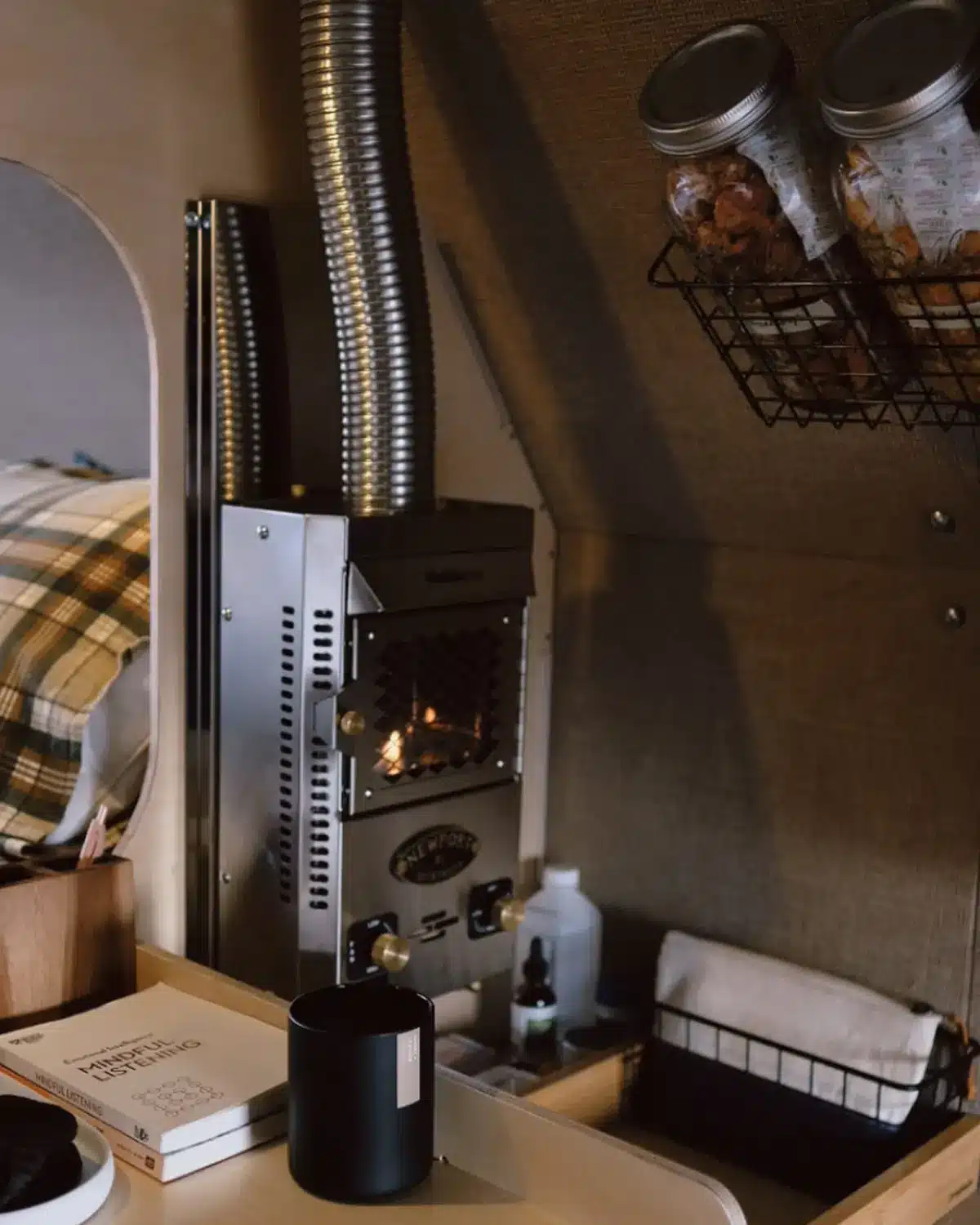
Anyone weighing the shift toward slow travel eventually has to choose equipment built for daily use rather than occasional trips. Kimbo builds its campers around a frameless, single-material aluminum shell instead of a welded frame wrapped in a composite sandwich, so there’s no internal skeleton to rust, delaminate, or flex loose over years of washboard roads. Since the goal is a rig outlasting the truck under it, this construction choice matters more for a full-timer than for someone camping twice a year.
The Kimbo 8 carries a 2-year transferable warranty and a design built around repairable, marine-grade aluminum panels rather than throwaway composite construction. For a couple or solo traveler weighing whether to commit to slow travel, a rig backed by this kind of support reduces one of the bigger unknowns in the decision: what happens when something breaks three states from home.
Ready for Full-Time Travel
Join the Kimbo 8 Waitlist
Every build ships from Bellingham with a 2-year transferable warranty and a standard wet bath, built for owners settling into slow travel.
Pros and Cons of the Slow Travel Shift
Pros
- Deeper time in fewer places, instead of a packed two-week itinerary
- Housing costs replaced by fuel and camp fees, often at a similar or lower total
- Less driving fatigue and mechanical strain than compressed fast trips
- Purpose-built rigs like the Kimbo 8 close the weekend-to-full-time equipment gap
- A repairable, warrantied build reduces the risk of being stranded far from home
Cons
- Mail, banking, and insurance all get more complicated without a fixed address
- Sharing a small space full-time changes relationship dynamics
- Truck and camper wear accumulates fast at full-time mileage
- A full-time-capable rig, like the Kimbo 8, costs more upfront than a weekend setup
- Family visits shift from weekend drives to planned, less frequent events
Final Verdict
The shift from fast trips to full-time or slow travel isn’t a fad, it’s a response to remote work, rising housing costs, and a genuine appetite for depth over distance covered. For overlanders weighing the move, the decision usually comes down to two questions: whether the practical logistics, mail, insurance, income, get solved, and whether the rig holds up to daily rather than occasional use.
On the equipment side, the gap between weekend gear and full-time gear is real, and it shows up fastest in bathroom facilities, insulation, and storage discipline. A rig like the Kimbo 8, with its standard wet bath, R10 insulation, and repairable aluminum shell, illustrates what purpose-built full-time equipment looks like, though it’s one option among several worth cross-shopping before a purchase.
For overlanders ready to commit to slow travel, matching the rig to the lifestyle matters as much as, if not more than, matching the lifestyle to the budget. Anyone still testing the waters should consider an extended trip, four to eight weeks, before committing to a full-time setup or a six-figure rig purchase.
See the Rig Built for This Lifestyle
Check Today’s Price on the Kimbo 8
A standard wet bath, R10 insulation, and a 2-year transferable warranty, built for owners settling into full-time or slow travel.
Frequently Asked Questions
Why are more overlanders shifting to full-time or slow travel?
Remote work, rising housing costs, and a broader cultural interest in minimalism have made extended and full-time travel more practical for more people. Slow travel also spreads cost across months rather than concentrating it into a short trip.
How is slow travel different from a typical overlanding trip?
A typical trip runs one to two weeks with constant movement between stops. Slow travel stays a week or a month in fewer places, trading a packed itinerary for depth in each location.
What does a rig need for full-time travel beyond what a weekend setup offers?
Full-time travel puts daily demands on bathroom facilities, insulation, and storage, demands a weekend setup rarely faces. Gaps in a weekend-grade rig, a cassette toilet and light insulation, for example, tend to surface within the first few weeks of daily use.
Is the Kimbo 8 a good example of a full-time-ready truck camper?
Yes, as one option among several worth cross-shopping. It ships with a standard wet bath, R10 insulation, and a repairable aluminum shell, features aimed at full-time and slow travel rather than occasional weekend trips.
What are the biggest downsides of going full-time on the road?
Mail, banking, and insurance all get more complicated without a fixed address, and truck and camper wear accumulates faster at full-time mileage. Family visits also shift from weekend drives to planned, less frequent events.
Should someone try full-time travel before committing to a full-time rig?
An extended trip, four to eight weeks, is a common way to test the lifestyle before committing to a full-time setup or a larger rig purchase. It surfaces most of the logistical and relationship challenges without the full financial commitment.
Our articles might have affiliate links and the occasional sponsored content, but don’t sweat it – if you buy something, we get a little kickback at no extra cost to you, and we only hype products we truly believe in!