


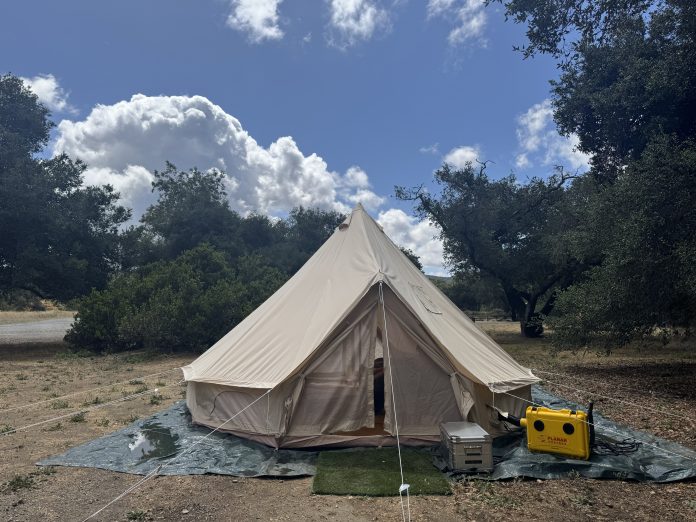

My overlanding trips started long before I had a family angle to write about. I have 30-plus years of camping under my belt, and kids and dogs change the math on almost every piece of gear. A shelter working fine for two adults falls apart fast once a toddler needs a nap and a 70-lb dog wants the same six square feet of floor space.
This guide covers the shelter, sleep, and safety choices I have found hold up with kids and dogs in camp, not the ones which only look good in a product photo. Every recommendation below comes from real trips. Muddy paws tracked across a tent floor, a dog chewing through a cheap guy-line, and a five-year-old needing somewhere safe to nap while dinner cooked. Here is what I would tell a friend packing for their first family trip.
Quick Facts:
- Topic: Camping gear and shelter setups for kids and dogs
- Skill level: Beginner to intermediate
- Time required: 45 to 90 minutes for full camp setup
- Tools needed: Family-sized shelter, durable groundsheet, containment gear, first-aid kit
- Difficulty: Moderate
- Cost range: $600 to $2,500 depending on shelter and gear choices
- Best for: Families and groups camping with young kids and dogs
9 min read
In This Guide
- Family Overlanding Overview
- Gear Essentials at a Glance
- Choosing a Shelter Built for Kids and Dogs
- Sleeping Systems and Space Planning
- Managing Mud, Paws, and Bugs at Camp
- Safety and Containment Basics
- Ground Tent vs. Rooftop Tent for Families With Dogs
- Pros and Cons of a Canvas Family Basecamp
- Final Verdict
- Frequently Asked Questions
Family Overlanding Overview

Camping gear for kids and dogs works differently than gear built for adults alone. Kids need room to play indoors during a rain delay. Dogs need a floor tough enough for muddy paws and claws. Together, they push a shelter’s real capacity below its marketed sleep count. A tent rated for four adults often fits two adults, two kids, and a dog with room to spare, rather than four full-grown people.
Space is only part of the equation. Noise, containment, and cleanup all shape whether a family trip feels relaxed or exhausting. A tent with one narrow door creates a bottleneck every time a toddler needs to run in and out. A flimsy groundsheet tears within a season under dog claws. Meanwhile, a shelter without good airflow turns muggy fast once four bodies and wet gear pile inside.
Picture a rainy afternoon at a Utah campground: two kids stuck inside, a wet dog shaking off, and dinner prep happening in the same six-foot span. A family basecamp built for this scenario needs standing headroom, a washable floor, and enough square footage to separate play space from sleeping space. This standard shapes every recommendation in this guide.
Gear Essentials at a Glance
| Category | Family-With-Dogs Standard |
|---|---|
| Shelter | 150+ sq. ft., standing headroom, washable floor |
| Groundsheet | PVC or rip-stop tub floor, claw-resistant |
| Ventilation | Mesh double-wall, roll-up sidewalls |
| Containment | Exercise pen or long tie-out, camp perimeter markers |
| Sleep gear | Cots or pads sized per person, dog bed or blanket |
| First aid | Pediatric and pet-safe supplies included |
Buy Direct From Stout Tent
The 5M Pro Gives Kids and Dogs Room to Spread Out
A 212 sq. ft. footprint and a rip-stop PVC tub floor stand up to muddy paws, wet gear, and rainy-day play.
Choosing a Shelter Built for Kids and Dogs
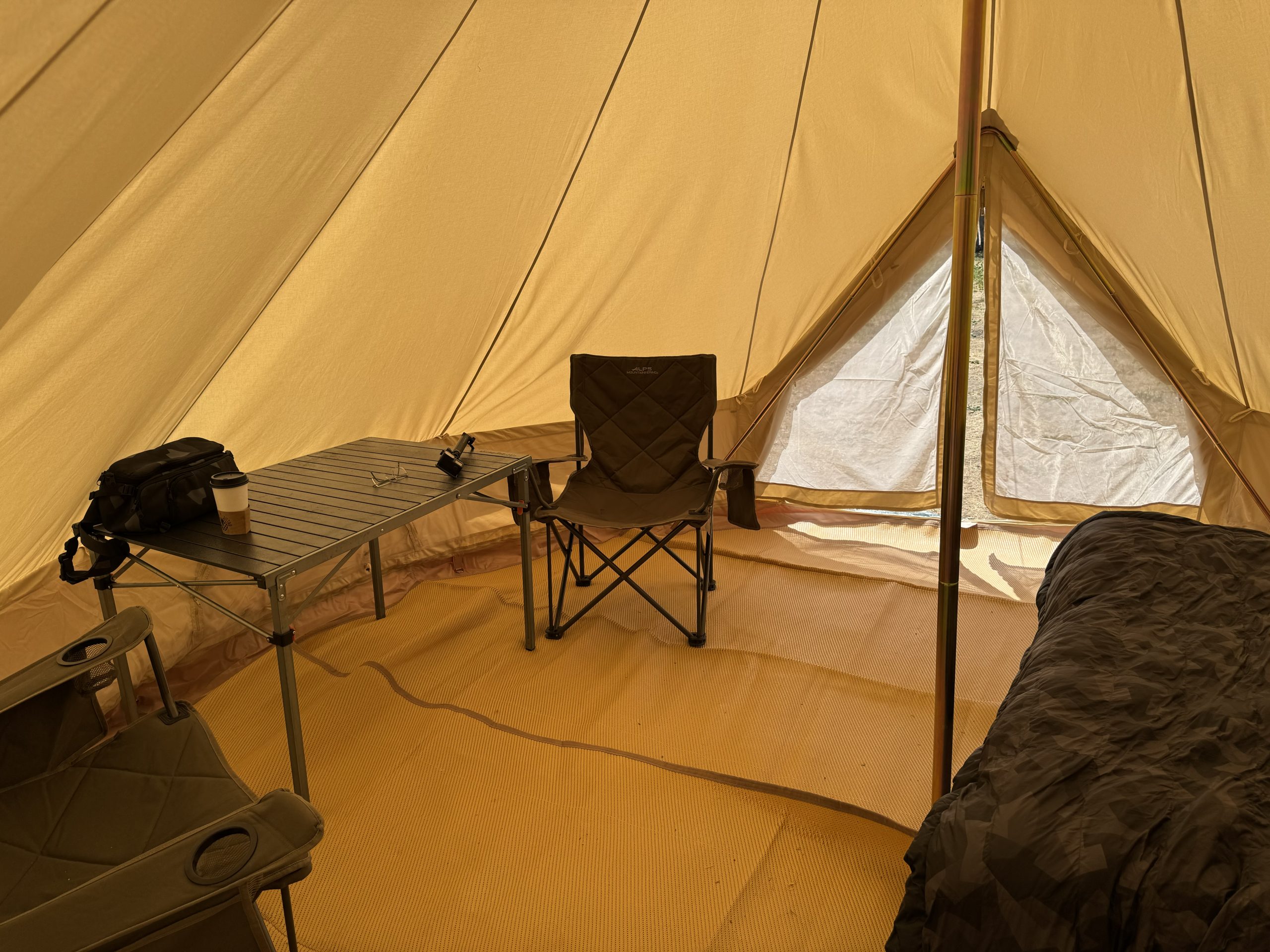
Above all, floor space matters more with kids and dogs than the sleep-count rating on the box. A tent marketed for four adults often works better for two adults, two kids, and a dog. Bodies, gear bags, and a dog bed all compete for the same square footage. Look for shelters starting around 150 square feet if you are camping with one child and one dog, and size up from there.
Next, floor material deserves equal attention. Dog claws shred lightweight nylon floors within a season or two. A heavy-duty, rip-stop PVC tub floor, like the one on the Stout Tent 5M Pro, resists punctures and wipes clean after a muddy hike. The tent camping with kids basics still apply here. A wide door, a high ceiling, and vertical sidewalls all make daily life easier once little feet and paws are involved.
Finally, ventilation and standing headroom round out the shortlist. A double-wall design with a mesh bug-net layer lets you roll up the canvas for airflow while keeping insects out. This matters since kids and dogs both track outside air and scent into a shelter constantly. Standing headroom near 9 or 10 feet at the center pole means adults move around freely instead of crouching every time a kid needs help or a dog needs to be walked outside.
Sleeping Systems and Space Planning
First, plan sleep space by body count, not by the manufacturer’s stated capacity. A good rule of thumb rates a tent for one fewer person than the label suggests once a dog joins the mix. A 70-lb dog takes up roughly the floor space of a small child. Cots work better than ground pads for families, since they keep kids and dogs off a cold or damp floor and free up storage underneath.
Next, zone the interior before you unpack. Dedicate one corner to a dog bed or blanket, away from the entrance, so muddy paws do not track straight across sleeping bags. Keep a kids’ play or activity zone near the center, where headroom is tallest, so rainy-day games do not require anyone to hunch over. Storage bins along the tent walls keep gear organized and out of a toddler’s reach.
Managing Mud, Paws, and Bugs at Camp
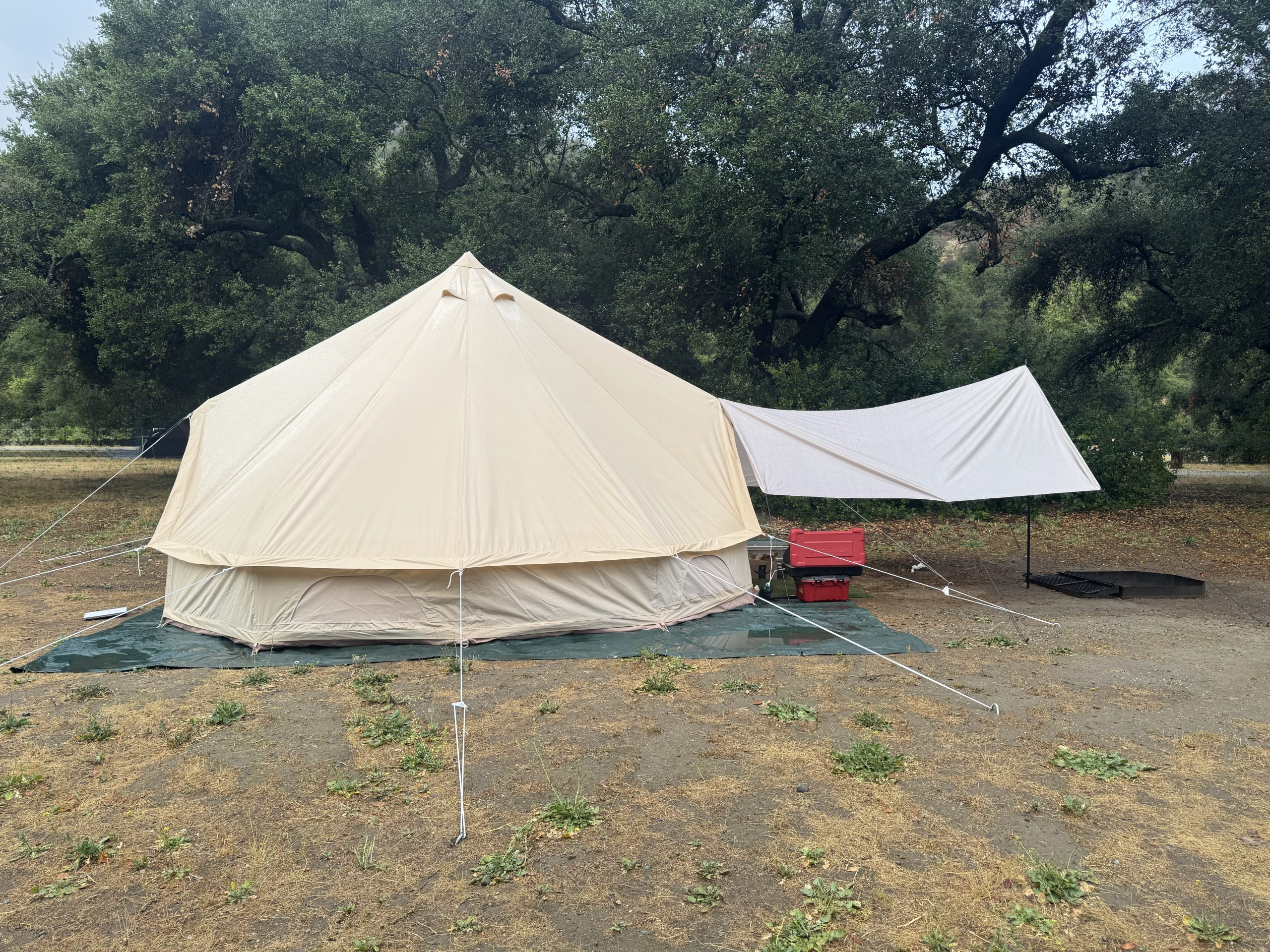
First, a washable floor solves half the mud problem. The other half comes from managing entry points. Keep a towel and a small basin near the door for wiping paws before a dog comes inside. Set a boot tray for kids’ shoes too, so wet footwear stays off the sleeping area. A vestibule or awning outside the main door gives everyone a transition zone to shed mud before stepping in.
Bug management differs for kids and dogs compared to solo campers. A double-wall mesh layer keeps mosquitoes and ticks out while still letting you roll up the canvas for airflow on warm afternoons. Check dogs for ticks each evening, since long grass and brush around most campsites hide them well. For kids, insect repellent formulated for children and a nightly skin check cover most of the risk.
Safety and Containment Basics
Above all, containment matters more with kids and dogs sharing one campsite. A portable exercise pen or a long tie-out line gives a dog room to move without wandering into a neighboring site or a trail. Mark your camp perimeter clearly, since young kids benefit from a visible boundary they recognize even before they fully understand camp rules.
Pack a first-aid kit stocked for both audiences. Pediatric pain relievers, kid-sized bandages, and a thermometer cover most common issues with children. For dogs, add tick removal tools, a muzzle in case of injury, and any prescribed medications. Store the kit somewhere accessible to adults but out of reach of curious hands, ideally near the shelter’s main entrance.
Save on Your Family Basecamp
Kids Running In and Out? Try the 5M Pro Double Door
A second entrance cuts the bottleneck at one door and keeps traffic moving when kids and dogs are both underfoot.
Ground Tent vs. Rooftop Tent for Families With Dogs
Rooftop tents work well for a couple or a small family without a dog. Setup takes minutes, and the tent stays clean of ground moisture and mud. However, most rooftop tents require a ladder, which adds risk for toddlers and makes access difficult for most dogs. A family rooftop option built for larger groups works if your dog is small enough to carry up, though most medium and large dogs struggle with the climb.
A ground-based canvas tent removes the ladder problem entirely. Kids and dogs walk in and out at ground level, no lifting required. Floor space also runs larger in most ground tents compared to rooftop models. This matters once you are managing nap time, playtime, and a dog bed in the same shelter. For families weighing overlanding against other camping styles altogether, our car camping vs. overlanding vs. RV travel comparison breaks down where each style fits best for young families.
Cost runs similar between quality rooftop tents and quality ground tents, generally $1,200 to $2,500. The deciding factor is access and floor space rather than price. Families with a dog or young kids generally do better with a ground-level canvas tent. Couples without pets often prefer the speed of a rooftop setup instead.
Pros and Cons of a Canvas Family Basecamp
Weigh these trade-offs against your family size, dog size, and typical trip length before choosing a shelter.
Pros
- Ground-level access, no ladder for kids or dogs
- 200+ sq. ft. of floor space in larger models
- Washable, claw-resistant PVC tub floors
- Standing headroom for rainy-day play, often 9 to 10 feet
- Double-wall mesh keeps ticks and mosquitoes out
- Room to separate sleep, play, and dog zones
Cons
- Heavier and bulkier than a rooftop tent, often 90+ lbs
- Setup takes 45 to 90 minutes, longer than a rooftop tent
- Sits at ground level, closer to insects and moisture
- Requires more vehicle or trailer storage space
- Canvas needs periodic cleaning after muddy trips
Final Verdict
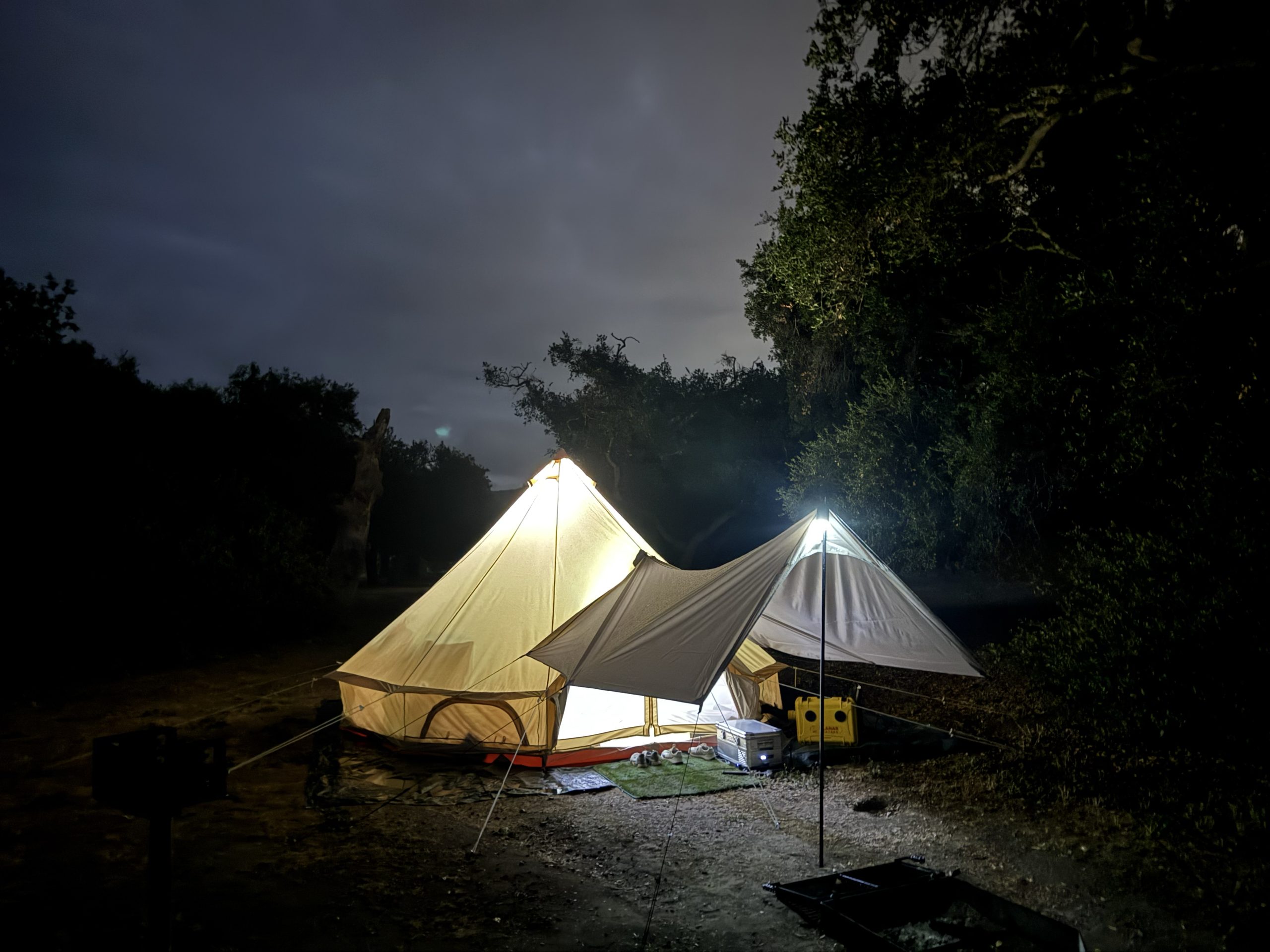
Gear and shelter setups working with kids and dogs come down to floor space, floor material, and access. Families camping with a dog and at least one young child benefit most from a ground-level canvas tent with a washable tub floor and standing headroom. The Stout Tent 5M Pro fits this brief well, with enough square footage to separate sleep, play, and dog zones under one roof.
The trade-off is size and setup time. A rooftop tent still suits couples or small families without pets who value speed over space. However, once a dog and a young child both share the shelter, ground-level access stops being a nice-to-have and becomes the deciding factor.
Budget $600 to $2,500 depending on shelter size, plus a modest spend on containment gear and a stocked first-aid kit. This investment pays off across every trip afterward, not only the first one. The same shelter and gear setup works for years of family camping.
For most families with kids and a dog, I recommend starting with the shelter choice, since it drives everything else about how comfortable the trip feels. Choose a single door for a smaller family, or the double door layout if you want a second entrance to manage traffic from both kids and pets.
Ready to Buy?
Check Today’s Price on the 5M Pro Bell Tent
Stout Tent backs the 5M Pro with a lifetime warranty and free shipping across the contiguous US.
Frequently Asked Questions
What size tent do I need for camping with kids and a dog?
Size up beyond the marketed sleep count. A tent rated for four adults usually fits two adults, two kids, and a dog comfortably. Gear bags and a dog bed take up real floor space too.
What floor material holds up best to dog claws?
A heavy-duty, rip-stop PVC tub floor resists punctures and wipes clean after muddy hikes. Lightweight nylon floors tear within a season or two of regular dog use.
Is a rooftop tent safe for kids and dogs?
Rooftop tents work for small families without pets, though the ladder adds risk for toddlers and makes access difficult for most medium and large dogs. Ground-level canvas tents remove this problem.
How do I keep bugs and ticks away from kids and dogs at camp?
Choose a shelter with a double-wall mesh layer to keep mosquitoes and ticks outside. Check dogs for ticks each evening, and use child-safe insect repellent along with nightly skin checks for kids.
What first-aid supplies should I pack for a family trip with a dog?
Pack pediatric pain relievers, kid-sized bandages, and a thermometer for children. For dogs, add tick removal tools, a muzzle, and any prescribed medications, stored somewhere adults reach quickly.
How much floor space does a family of four with a dog need?
Plan for at least 150 square feet as a starting point. Larger shelters, closer to 200 square feet, give enough room to separate sleep, play, and dog zones without feeling cramped.
Just so you know, some of the cool stuff we mention comes with affiliate links, meaning we earn a commission if you buy (no extra charge to you!). Plus, we occasionally feature sponsored content, but rest assured, we only shout out products we genuinely stand behind.