


Quick Facts:
- Topic: Joshua Tree camping for drivers of 4×4 vehicles
- Skill level: Beginner to intermediate
- Camping on park dirt roads: Prohibited by the National Park Service
- Campsites in the park: About 500, most reservable up to 6 months ahead
- First-come campgrounds: Hidden Valley, Belle and White Tank
- Outside the park: BLM land, up to 14 days in any 28-day period
- Water: At least 1 gallon per person each day
- Best for: Drivers who want desert roads by day and a legal campsite by night
8 min read
In This Guide
Overview
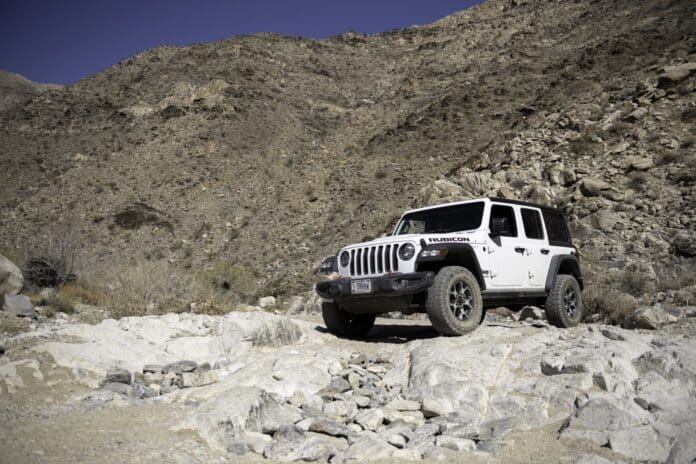
Joshua Tree camping works best when you split the trip in two. You drive the dirt roads by day, then you sleep in a designated campsite at night. The National Park Service (NPS) prohibits car camping and dispersed camping on every backcountry road in the park, so a high clearance 4×4 does not buy you a place to park for the night.
This guide covers five planning steps. First, you build the recovery kit NPS expects. Next, you learn which roads need four-wheel drive. Then you pick a legal place to sleep, inside the park or on nearby public land. Afterward, you plan for heat and water, because the desert gives you little room for error. Finally, you match the trip to the season.
Road status changes after storms. For example, at the time of writing, NPS lists Geology Tour Road as temporarily closed, so read the park alerts and conditions page before every drive.
The Recovery Kit NPS Expects
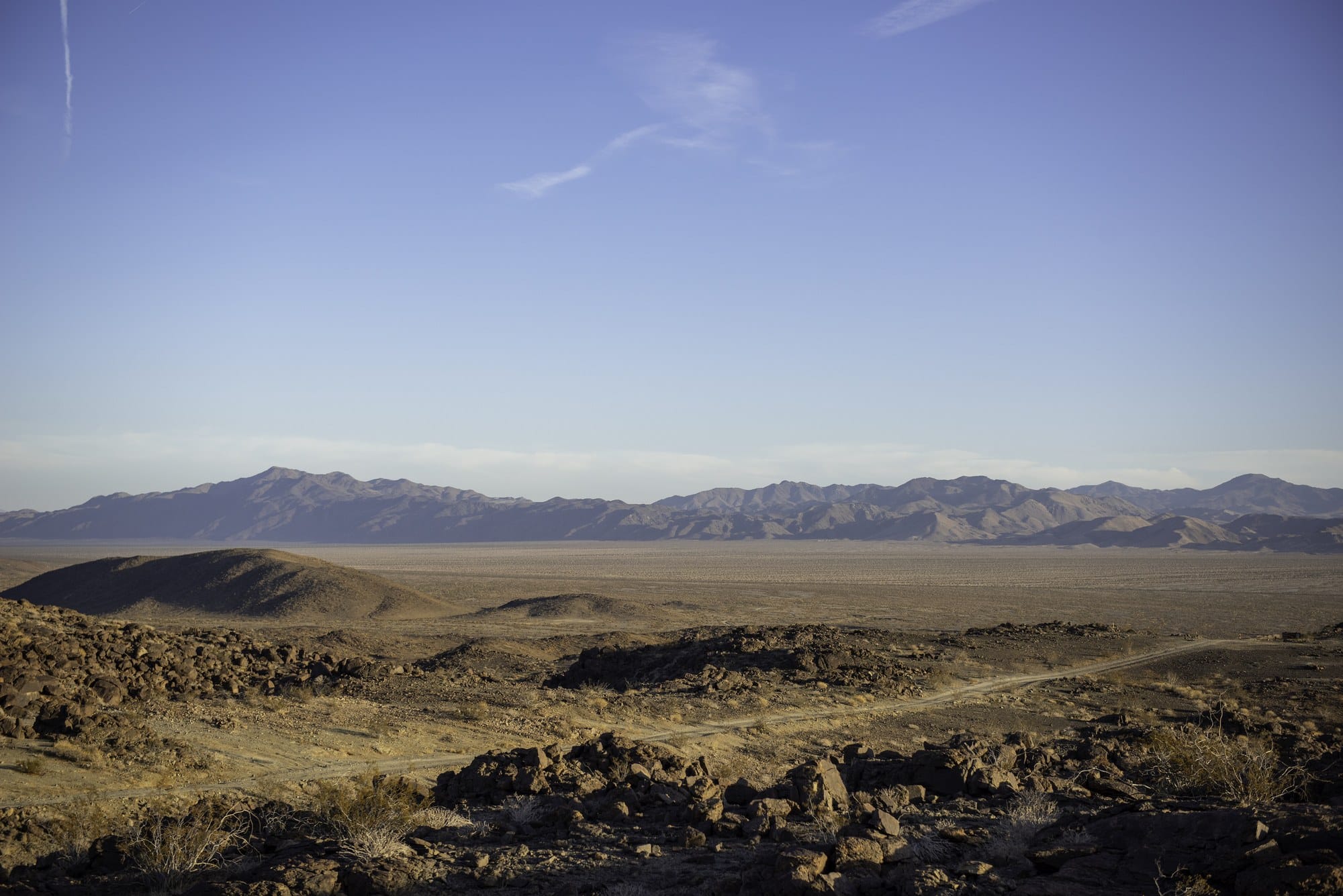
NPS states backcountry roads require advanced planning, ample supplies and the ability to self-rescue. Rescue is slow out here, because help will likely take many hours or sometimes days after a breakdown.
Gear for the vehicle
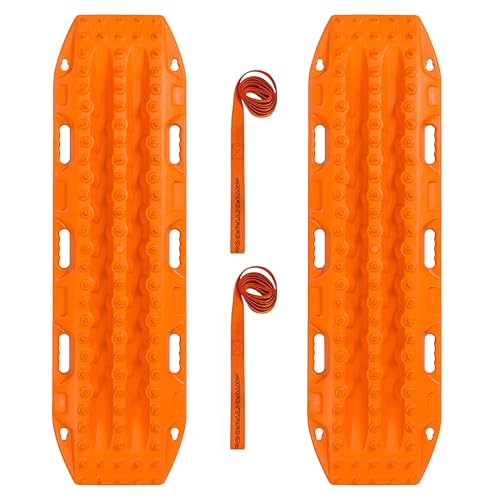
For the vehicle, NPS lists these items, including a traction board:
- A fully inflated spare tire
- A jack and a lug wrench
- A shovel
- A tow strap
- A traction board
- Basic tools
Three items from the NPS list are easy to shop for. First, MAXTRAX MKII recovery boards cover the traction board. Second, the ARB ARB710LB snatch strap measures 30 feet by 3-1/4 inches and carries a 24,000-pound minimum breaking strength. Finally, a REDCAMP 23-inch folding shovel handles the digging and folds small. For deeper buying advice, read our traction board buyer’s guide.
Recovery gear for Joshua Tree 4x4 roads

ARB ARB710LB 3-1/4" x 30' Recovery Snatch Strap Minimum Breaking St…

A strap or board only helps if you know how to use it, so practice before the trip. Likewise, our roundup of the best recovery gear shows what else belongs in a desert kit.
For the people, NPS adds extra food, water, clothing, a headlamp, a sleeping bag and any necessary medications. Fill the gas tank before you start, since vehicles often burn fuel faster on rough terrain. Besides, you might rely on the climate control during a rescue.
Communication and staying put
Cell service is limited in the park, so NPS recommends a satellite communication device. In addition, our comparison of a satellite phone versus a satellite messenger helps you choose one. NPS also advises traveling in groups of two or more 4WD vehicles and leaving a detailed trip plan with a reliable friend or family member.
Safety note: After a breakdown, NPS says it is typically best to stay with your vehicle. The vehicle gives you shelter and air conditioning, and rescue teams spot it more easily than a person on foot.
Which Joshua Tree Roads Need 4WD
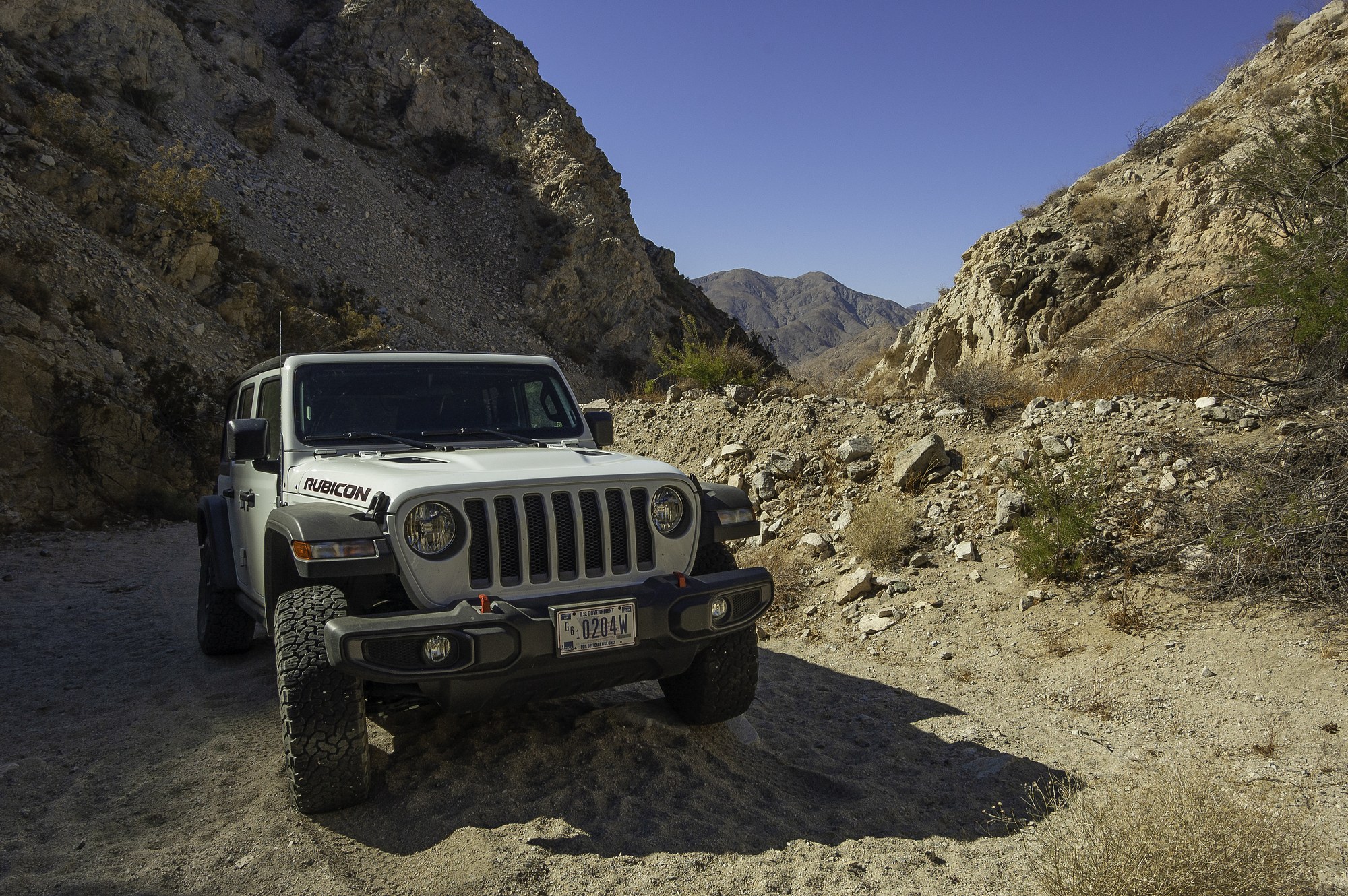
NPS says some roads in the park require high clearance and four-wheel drive, while others accept two-wheel drive. For example, the Queen Valley roads total 13.4 miles and suit most two-wheel-drive vehicles. The rest of the roads in the table below are a different story, because NPS marks each one for 4WD.
| Road | Length | Vehicle NPS requires | What to expect |
|---|---|---|---|
| Queen Valley Roads | 13.4 miles | Most 2WD vehicles | Boulder piles and Joshua trees |
| Geology Tour Road | 5.4 miles, then a 6-mile loop | 4WD | Bumpy and sandy; temporarily closed now |
| Berdoo Canyon Road | 11.5 miles | 4WD | Deep sand, sharp bedrock, rough boulders |
| Covington Flat Roads | 3.8 miles one way to Eureka Peak | 4WD | Steep near the end |
| Black Eagle Mine Road | First 9 miles inside the park | 4WD | Some of the deepest sand in the park |
| Old Dale Road | 23 miles | 4WD | Loose rock and steep drop-offs past the park boundary |
| Pinkham and Thermal Canyon Roads | About 20 miles of network | 4WD | Washes, cobble and deep sand |
Vehicle size and sand
Size matters on several of these routes. NPS warns boulder pinch points on Berdoo Canyon Road, Old Dale Road and the Pinkham and Thermal Canyon roads might deny passage to larger vehicles. Therefore, a full-size truck needs a closer look at each route before you commit.
Sand is the other big variable. Specifically, the middle segment of Black Eagle Mine Road holds some of the deepest sand in the park, and NPS says drivers might need to air down. Our guide to airing down your tires for off-road driving covers the method.
Park rules on every road
Park rules apply on every road. First, all vehicles stay on designated roads, and NPS bans ATVs, UTVs, OHVs and dirt bikes. Second, vehicles need California registration and must be street legal. Finally, pets stay on a leash and within 100 feet of the road.
Safety note: Rain damages these roads, and NPS closes them after significant storms. Do not drive around a locked gate, because violators receive tickets and wet roads suffer more damage.
Joshua Tree Camping Rules for 4×4 Vehicles
NPS prohibits car camping, dispersed camping, fires, drone use and shooting on backcountry roads. The park also bars camping along these roads, and the roads stay open 24 hours a day, but only for driving. Sleeping in your vehicle outside a campground is illegal, including at trailheads, dirt roads, parking lots and roadsides. However, you are welcome to sleep in your vehicle at a lawfully occupied, designated campsite.
The park holds about 500 campsites, and most take reservations on recreation.gov. You book up to six months ahead, or on the same day if sites remain. Reservations are required at Black Rock, Cottonwood, Indian Cove, Jumbo Rocks, Ryan and the group campgrounds, while NPS lists the individual reservation sites at $30 to $35 per night.
Hidden Valley, Belle and White Tank work first come, first served at $25 per night. First, you find an empty site and set up. Then you pay at an entrance station within one hour. However, NPS says these campgrounds fill nearly every weekend from fall through spring, usually by Friday afternoon. Plan for a reservation, especially in spring.
Fires have limits too. Campfires belong in the provided ring at a designated campsite, and an annual ban runs from June 15 to October 1. NPS also bans gathering park vegetation for fuel. For longer trips, our guide to planning a remote camping trip adds a few more checks.
Camping Outside the Park on BLM Land
When the campgrounds fill, NPS points you to Bureau of Land Management (BLM) land outside the park. This is dispersed camping, and it comes with no restrooms, no water and no trash collection. Therefore, bring what you need and pack out all trash.
NPS publishes maps of the camping areas north and south of the park. Camp only inside the marked areas. Also, stay at least 300 feet from roadways, and obey signs closing an area to camping. Because private land surrounds the northern area, follow the map closely.
BLM California limits camping on public land to 14 days within any 28 consecutive days unless the site says otherwise. Campfires require a permit from a BLM office, and the law protects all vegetation, living or dead. Before you pick a spot, read the NPS page on camping outside the park and the BLM Barstow Field Office page.
Black Eagle Mine Road crosses from the park onto BLM land, where several side roads branch off. However, NPS warns old mines near those roads might be too dangerous to approach, so keep your distance. Besides BLM land, private campgrounds and RV parks sit on both sides of the park.
Heat and Water Planning for Joshua Tree Camping
Summer driving on backcountry roads adds risk. NPS says daytime highs typically sit near or above 100°F. As a result, you carry extra ice and water to cool yourself if the air conditioning fails.
No water exists in the interior of the park. NPS recommends at least a gallon of water per person each day, and more on hot days. Among campgrounds, only Black Rock and Cottonwood list water, while Indian Cove, Jumbo Rocks, Ryan, Hidden Valley, Belle and White Tank list none.
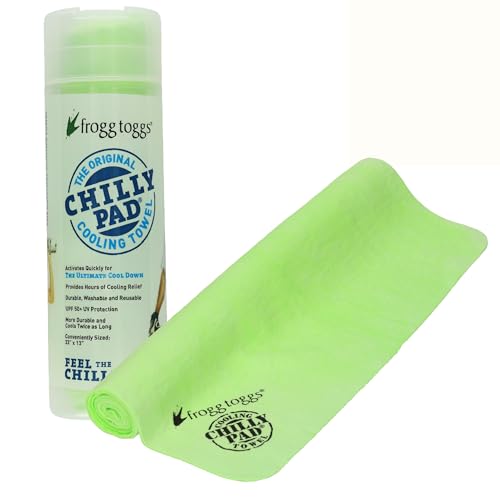
A Scepter 5-gallon water container holds five person-days of water at the NPS rate of one gallon. In addition, Liquid I.V. Lemon Lime packets add electrolytes to your water. For cooling, a Frogg Toggs Chilly Pad is a reusable cooling towel you keep handy in the cab.
Water and cooling gear for desert camping



Safety note: Heat and breakdowns combine badly on remote roads. Start with full water containers, keep extra ice, and turn around early if the day heats up.
When to Go for Joshua Tree Camping: Seasons and Closures
Timing shapes every other choice. NPS says campgrounds usually fill on weekends through the busy season, which runs from October into spring, and they fill throughout the week from mid-February into spring and on holidays. Therefore, a trip between June and September improves your odds of finding an open site. The earlier you arrive in the week, the better your chance of a first-come site.
Summer brings its own limits. White Tank and Belle close temporarily during the summer months, and Ryan closes too. Hidden Valley stays open year-round, although NPS notes reservation campgrounds sometimes close in part or in full during summer. Check the campground page for current hours before you book. If every site is full, NPS also lists private campgrounds and lodging in gateway communities as backups.
Fire rules change with the calendar as well. The annual campfire ban runs from June 15 to October 1, so plan summer meals without a campfire. Rain adds another variable, since storms close roads. Whatever the month, read the NPS conditions page the day you drive.
Final Thoughts
Joshua Tree camping with a 4×4 comes down to a simple plan. First, drive the park’s dirt roads in the daytime, and sleep in a campground or on marked BLM land. Then reserve early, pack the full NPS recovery list, and carry more water than you expect to drink. Add a satellite messenger, tell someone your route, and stay with the vehicle if it fails.
Next, check the conditions page the morning you leave. Roads close, campgrounds fill and temperatures swing. Therefore, a plan with a backup site beats a plan built on luck.
FAQ
Is camping allowed on Joshua Tree backcountry roads?
No. NPS prohibits car camping, dispersed camping and fires on the park’s dirt roads, and camping along them is banned. Use a designated campground inside the park, or marked BLM land outside it.
Is it legal to sleep in your vehicle in Joshua Tree?
Only at a lawfully occupied, designated campsite. NPS says sleeping in a vehicle at trailheads, dirt roads, parking lots and roadsides is illegal.
Do you need 4WD for Joshua Tree camping?
Not on every road. Queen Valley roads suit most two-wheel-drive vehicles, while Geology Tour, Berdoo Canyon, Covington Flat, Black Eagle Mine, Old Dale and the Pinkham and Thermal Canyon roads require high clearance and four-wheel drive.
How far ahead should you reserve a Joshua Tree campsite?
You book on recreation.gov up to six months ahead. NPS recommends a reservation on holidays, weekends and any day in spring.
How long is a stay on BLM land near Joshua Tree?
BLM California allows camping for no more than 14 days within any 28 consecutive days unless the site notes otherwise.
Where do you get water during Joshua Tree camping?
Bring it with you. NPS lists no water in the interior of the park, and only Black Rock and Cottonwood offer water fill stations. Carry at least a gallon per person each day.