


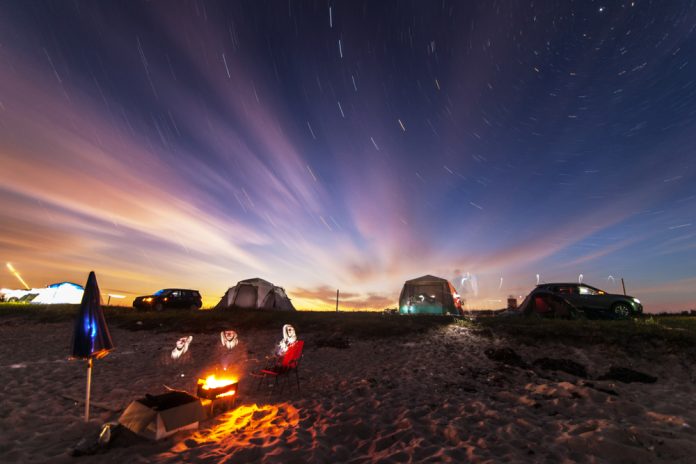

I’ve taken dozens of weekend overlanding trips across the West, and the beginner lessons never change. After years of overlanding and off-roading, I know where newcomers struggle. They overpack, pick routes above their skill, and arrive after dark. Weekend overlanding trips work best when you keep them simple.
I’ve toured the SNO Trailers facility and towed the Recon on real camping and off-road trips. So this guide uses the Recon as an example of a light, simple rig for beginners. Follow it step by step, and your first trip will feel easy instead of overwhelming.
Quick Facts:
- Ideal first trip: Two nights within two hours of home
- Best first route: Graded national forest roads
- Water rule: About a gallon per person per day
- Recon dry weight: 900 lbs
- Recon starting price: Around $14,000
- Recon storage: Front utility box and large rear compartment
- Best for beginners: Light, simple setups with room to grow
8 min read
In This Guide
- Weekend Overlanding Trips at a Glance
- SNO Trailers Recon at a Glance
- Start With a Realistic Trip Goal
- Weekend Overlanding Trips: Choosing Your First Route
- Pack Light and Simple
- Plan Fuel, Water, and Food Before You Leave
- Learn Recovery and Safety Basics
- Choose Simple Campsites and Set Up Fast
- Tow With Confidence
- Common First-Trip Mistakes to Avoid
- Pros and Cons
- Final Verdict
- Frequently Asked Questions
Weekend Overlanding Trips at a Glance

Weekend overlanding trips are the easiest way to start. You don’t need a huge rig, a long vacation, or years of experience. You need a simple plan, an easy route, and gear you trust. Two nights outside teach more than any article, including this one.
So this guide walks through the process in order. First comes goal setting and route choice. Then packing, food, safety, camp setup, and towing follow. If you want a rig which grows with you, my take on weekend warriors and long expeditions alike shows how.
SNO Trailers Recon at a Glance
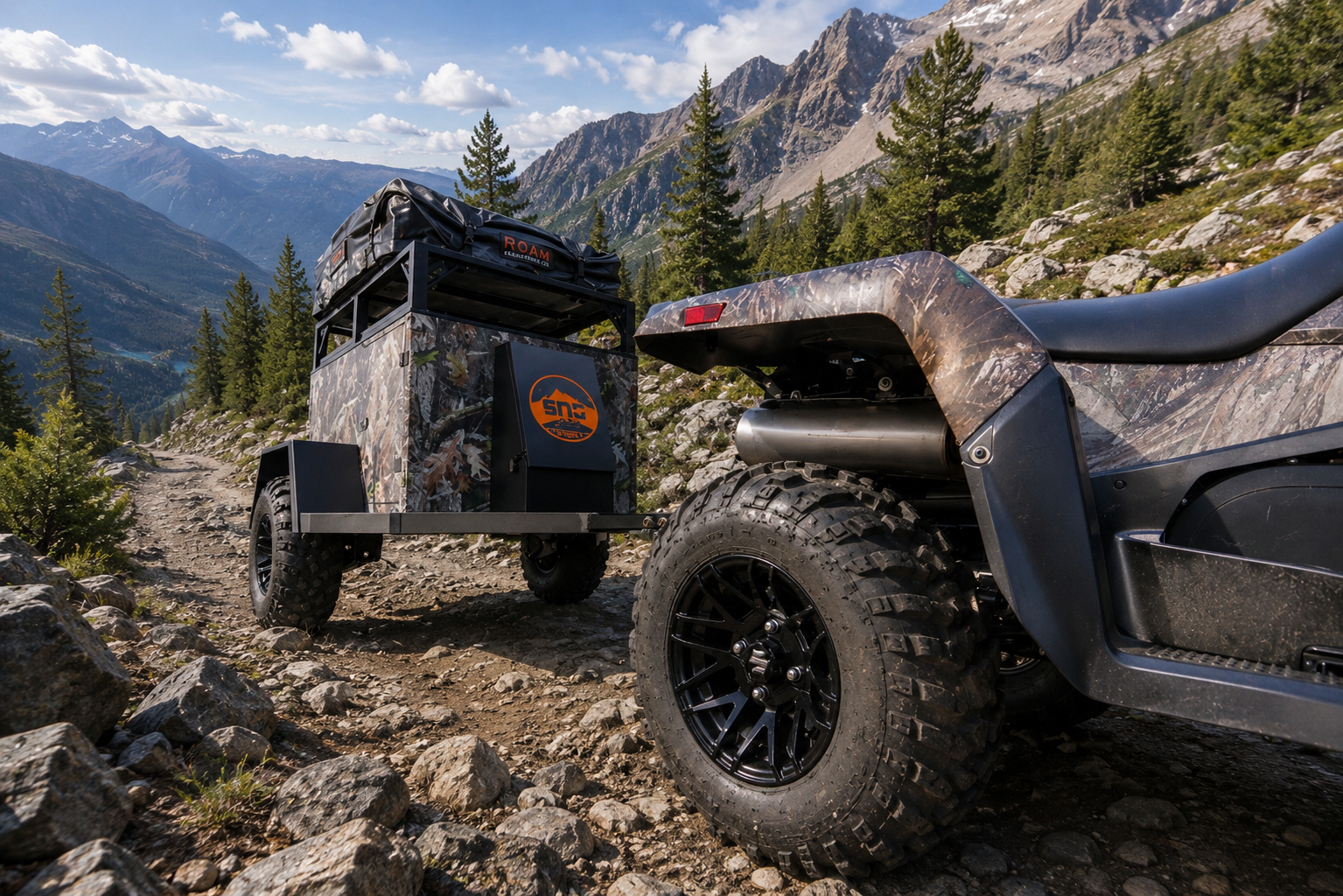
I use the Recon as my example because it keeps beginner trips simple. It’s light, rugged, and easy to tow, so it doesn’t turn a first weekend into a logistics project. My SNO Trailers Recon review covers the full build.
| Specification | Details |
|---|---|
| Length | 9’6″ |
| Width | 4’10” |
| Height | 4’11” |
| Dry Weight | 900 lbs |
| Suspension | Timbren 3500 lb HD axle-less |
| Frame | Powder-coated steel with anti-rust base coating |
| Body | Aluminum |
| Wheels | Method wheels with 275 A/T tires |
| Departure Angle | 40 degrees |
| Storage | Front utility box and large rear compartment |
| Water | Optional tank up to 10 gallons |
| Starting Price | Around $14,000 |
Buy Direct From SNO Trailers
See the Recon at SNO Trailers
Starting around $14,000, the Recon ships factory-direct with a rugged frame, smart storage, and room to grow.
Start With a Realistic Trip Goal
Pick one goal for the first trip. For example, aim to camp two nights within two hours of home. Skip big mileage, remote passes, and technical trails. In contrast, a short drive leaves time to relax, fix mistakes, and head home if weather turns.
Also, set a simple success test. Arrive before dark, sleep well, and get home safely. Everything else is a bonus. Beginners who chase epic routes often burn out. Meanwhile, those who keep it small book the next trip before they unpack.
Consider your skills honestly. If you’ve never towed, borrow a trailer for a day and practice. If you’ve never camped in a remote spot, try a developed campground first. Moreover, pick a season with mild weather, because cold rain or summer heat makes every task harder. Small, comfortable wins build the confidence you need for harder trips.
Weekend Overlanding Trips: Choosing Your First Route

Choose graded dirt roads, not rock crawls. National forest roads suit beginners well, since they’re usually wide, maintained, and dotted with dispersed campsites. The U.S. Forest Service publishes motor vehicle use maps showing which roads are open to vehicles. Download them before you go.
Also, scout the route on satellite maps, and look for obvious turnarounds. Finally, save offline maps, because cell service fades fast outside town. A route you drive in a stock vehicle is the right first route. The Recon’s 40-degree departure angle and Timbren axle-less suspension handle washboard and ruts, so easy dirt roads won’t stress it.
Pick a destination with several fallback sites nearby. If your first choice is full, you’ll have options without driving farther in the dark.
Pack Light and Simple
Overpacking is the top beginner habit. Lay out your gear, then cut a third. For a weekend, you need shelter, bedding, food, water, a stove, lighting, and a basic tool kit. Everything else is optional.
Organize by use. Put camp gear in one spot and recovery gear in another. The Recon’s front utility box and large rear compartment make this easy, with two side doors for quick access. Weight matters too. At 900 pounds dry, the Recon tows easily, but water, fuel, and gear add up fast. Aim to keep loaded weight well under your vehicle’s limit.
Test everything at home first. Set up the stove, light the lantern, and charge every battery in your driveway. For example, a dead headlamp is a minor problem at home and a real one at dusk in the woods. Also, keep a checklist on your phone and update it after every trip. Your list improves fast.
Plan Fuel, Water, and Food Before You Leave
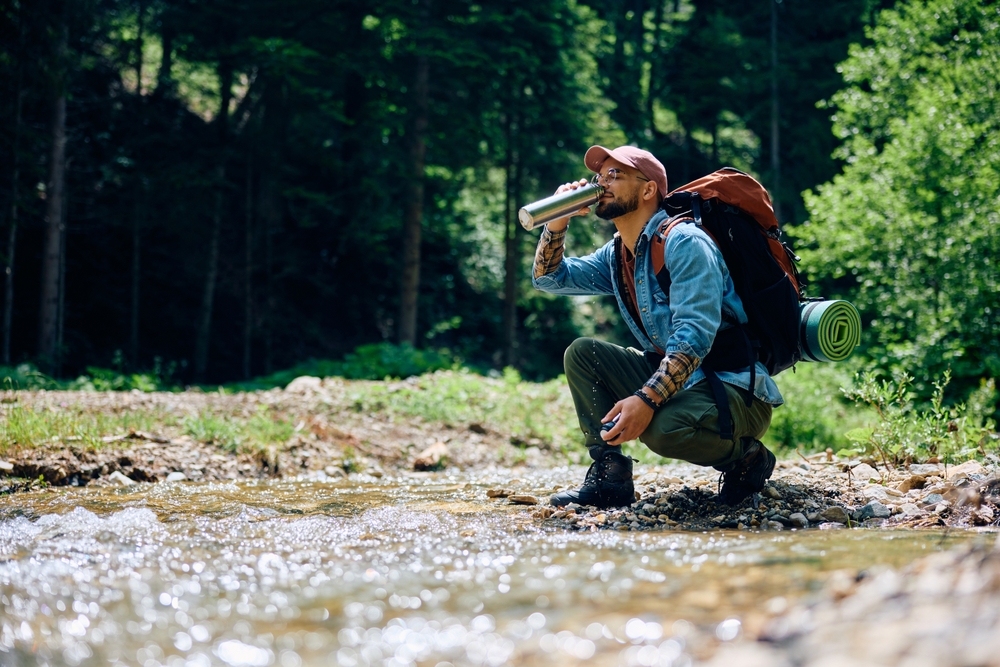
Water is the item beginners underestimate. Plan about a gallon per person per day for drinking and cooking, then add extra for washing. The Recon offers an optional water tank up to 10 gallons, which covers a weekend for two with room to spare.
Cook simple meals. For example, one-pot dinners and make-ahead breakfasts save time and cleanup. The Recon also has two 5-lb propane holders for stove fuel. Fill your tank before you leave town, since remote stations are rare. For longer trips, see how the off-grid ready Recon supports remote camping.
Learn Recovery and Safety Basics
Every beginner should know how to get unstuck. Carry traction boards, a shovel, a tire gauge, and a compressor. The Recon has mounts for MAXTRAX boards and RotopaX packs, so recovery gear rides outside the cargo area. Practice using boards in a safe spot at home.
Also, tell someone your route and return time. Carry a paper map and a way to call for help in dead zones. A satellite messenger is a smart investment, and you’ll feel more relaxed knowing you have one. Finally, turn around when conditions look beyond your skill. Good judgment is the best recovery gear. Also, pack a first-aid kit and review its contents before you go. A small kit handles most scrapes and blisters.
Choose Simple Campsites and Set Up Fast

Arrive early. Daylight makes everything easier, from backing a trailer to finding level ground. Look for an established site with a flat pad, bare ground for a fire ring, and good drainage. Park, level the trailer, and unhitch before you unpack.
Then set up the cooking area, the shelter, and the lights in this order. The Recon’s mounts for an awning and a shower let you add comfort later, once you know what you want. In addition, follow Leave No Trace. Pack out your trash, keep fires small, and use existing sites.
Keep camp chores short. Set up the kitchen and shelter first, then tidy as you go. Moreover, store food securely each night, because rodents and bears investigate open coolers. Meanwhile, keep a headlamp within reach for after-dark trips away from camp.
Ready for Your First Trip?
Explore the Recon Build
See configuration options and current pricing straight from the factory.
Tow With Confidence
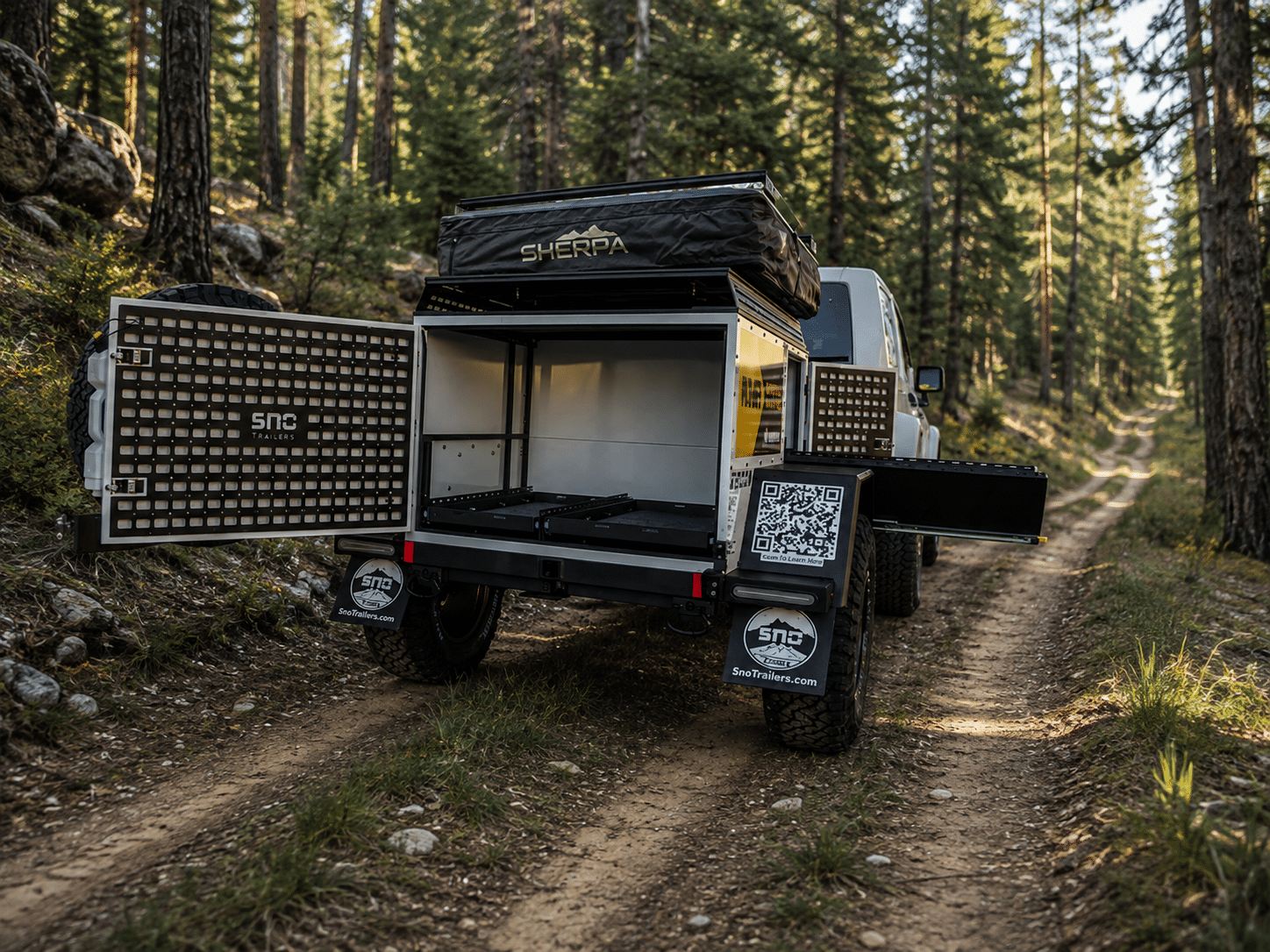
Towing is the skill beginners worry about most. Fortunately, a light trailer keeps it easy. Check your vehicle’s towing capacity, tongue weight rating, and brake setup in the owner’s manual. Then walk around the rig and check the coupler, safety chains, lights, and tire pressure.
The Recon offers a Max Coupler hitch option, built for rougher ground. Its 7-pin wiring junction box keeps trailer wiring in one place. On dirt, drive slower than you think you need to, and leave extra space for stops. Also, practice backing in an empty lot before the trip. Ten minutes of practice saves a lot of stress at camp.
Watch the weather and the road surface closely. Wet dirt turns slick, and washboard rattles loose items. Therefore, check your hitch and straps at every stop. Likewise, keep speeds modest on corrugated sections, since slow and steady protects both the trailer and your gear.
Common First-Trip Mistakes to Avoid
Most beginner mistakes repeat. First, travelers pack too much and tow too heavy. Second, they pick a route above their skill. Third, they skip a test run with new gear. Finally, they arrive after dark, then struggle to set up.
Each mistake has a simple fix. For example, test every piece of gear in your driveway first. Also, set a hard arrival time and stick to it. A calm, early arrival sets the tone for the whole weekend.
Pros and Cons
Recon Pros for Beginners
- 900-lb dry weight suits many tow vehicles
- Timbren axle-less suspension handles washboard roads
- Front utility box and rear compartment organize gear
- Mounts for awning, shower, MAXTRAX, and RotopaX
- Optional water tank up to 10 gallons
- Max Coupler hitch option for rough ground
Recon Cons for Beginners
- Starting around $14,000 before options
- Cargo-focused design needs a separate sleeping setup
Final Verdict

The best weekend overlanding trips for beginners are short, easy, and close to home. Pick graded dirt roads, pack light, and learn basic recovery. Then arrive early and keep camp simple. Each trip builds skill, and skill builds confidence for bigger adventures.
For a first rig, the Recon makes sense because it stays light, tough, and easy to tow. Consequently, I recommend it for beginners who want to grow into longer trips. Whatever you tow, start small and enjoy the process.
Ready to Buy?
Check Today’s Price on the Recon
SNO Trailers ships factory-direct with configuration support before your build begins.
Frequently Asked Questions
What are the best weekend overlanding trips for beginners?
Short, two-night trips on graded dirt roads within a couple of hours of home work best. Choose well-maintained national forest roads and established campsites.
What gear do beginners need for a weekend trip?
Bring shelter, bedding, food, water, a stove, lighting, and basic tools. Add recovery boards, a shovel, a tire gauge, and a compressor.
How much water should I bring?
Plan about a gallon per person per day, plus extra for washing. The Recon offers an optional water tank up to 10 gallons.
Do I need a trailer to start overlanding?
No, but a light trailer like the SNO Trailers Recon keeps gear organized and frees up vehicle space. At 900 pounds dry, it tows easily.
How do I stay safe on a first trip?
Tell someone your route and return time, carry offline maps, and bring a way to call for help. Turn around when conditions exceed your skill.
What tow vehicle works for the SNO Trailers Recon?
At 900 pounds dry, the Recon suits many midsize SUVs and trucks. Check your owner’s manual for towing capacity and tongue weight, then add the weight of your gear.
Friendly disclaimer: Our articles may contain affiliate links that support us without costing you more, and sometimes we spice things up with sponsored content—but only for products we truly stand behind!