


Quick Facts:
- Standing still: Cold weather layering means adding the puffy jacket and shell the moment you stop.
- Core system: Wicking layer, insulating layer, wind and water shell, plus a spare dry set in the cab.
- Wind math: 20°F with a 20 mph wind feels like 4°F, according to the National Weather Service.
- Avoid: Cotton in every layer, including socks and underwear.
- Hands: Liner gloves under mittens, plus a second dry pair.
- Feet: Wool socks and boots with about 400 grams of insulation for long stops.
- Best for: Trail waits, recoveries, winter camp chores and snow runs.
8 min read
In This Guide
- Overview
- Why Standing Still in the Wind Changes Cold Weather Layering
- Cold Weather Layering Basics: Three Layers and a Spare
- Base Layer: Wool or Synthetic, Never Cotton
- Mid Layers, Puffy Jackets and the Shell
- Staying Dry and Warm in Recoveries, Digging and Camp Chores
- Hands, Feet and Head: Where Cold Weather Layering Fails First
- What to Keep in the Cab
- Final Thoughts
- FAQ
Overview
Cold weather layering for off-roaders works differently from hiking advice. A hiker makes heat all day, while you stop, dig, winch, wait and stand beside a trail in the wind. Your body swings from sweating to shivering in minutes. Clothes worn for the work then stop helping you.
The fix starts with one habit: shed layers to work, then add them the moment you stop. Below are the layers, the fabrics, the hand and foot gear, and a cab bag for your spare set.
The idea started with a snow wheeling gear checklist from TrailBuilt Off-Road. It stresses carrying a spare set of clothes in case you get wet. We checked this point against National Weather Service, CDC and REI guidance, then against winter wheeler forums.
Why Standing Still in the Wind Changes Cold Weather Layering
Wind pulls heat from exposed skin faster than still air does. The National Weather Service wind chill chart shows how much. For example, 20°F with a 20 mph wind feels like 4°F on exposed skin. A 25 mph wind at 10°F feels like -11°F. At 0°F, a 15 mph breeze risks freezing exposed skin in about 30 minutes, according to the NWS.
Sun softens those numbers, because the NWS says bright sunshine might add 10 to 18°F to the wind chill temperature. A shaded trail or an open ridge at dusk gives you no such help. Adding a windproof shell changes the math too, because the chart describes exposed skin.
Frostbite needs an air temperature below freezing, while hypothermia needs far less cold. The CDC says hypothermia strikes above 40°F when sweat, rain or cold water chills you. Sweat counts, which matters when you shovel out a stuck truck and then stand still. Learn how to spot hypothermia and frostbite early, because fumbling hands are one CDC warning sign of hypothermia. Standing still cuts your own heat output, so the layers below must hold warmth for you.
A Starter Layer Stack for Standing Still
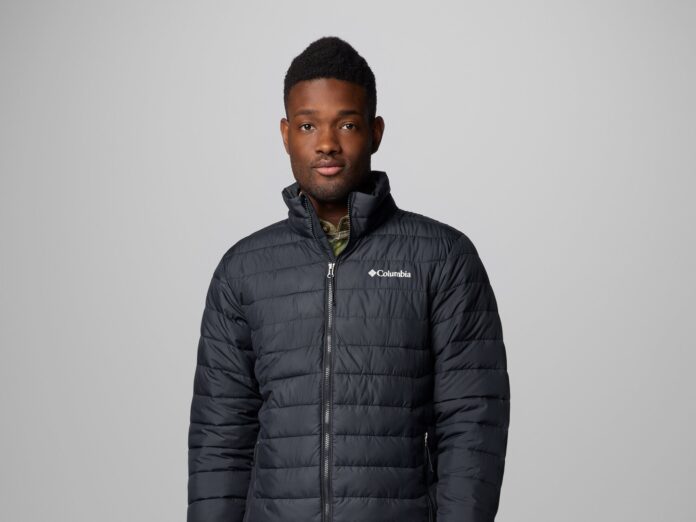
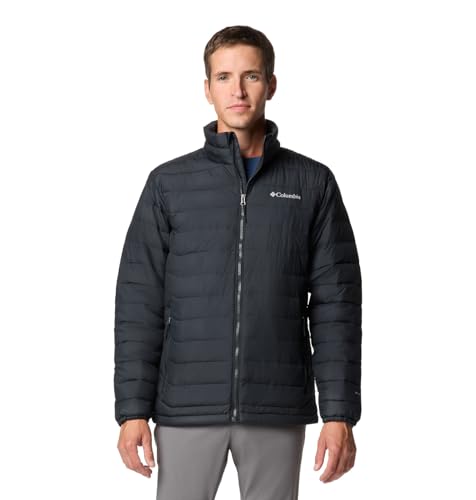
Here is a starter stack to match the layers below. The MERIWOOL Midweight Merino Base Layer wicks sweat, while the Columbia Steens Mountain 2.0 Fleece Jacket holds heat. Then add the Columbia Powder Lite II puffy, because synthetic fill keeps some warmth when damp.
A Starter Layer Stack for Standing Still


Columbia Men's Steens Mountain 2.0 Full Zip Fleece Jacket | Fleece …
Cold Weather Layering Basics: Three Layers and a Spare
REI describes a three-layer model. Next to skin, a wicking layer moves sweat away. The middle layer traps heat, and the outer shell blocks wind and water. REI also says to carry all three on every trip, since you cannot add a layer left at home.
Off-roaders also need a fourth item, a spare dry set. It stays in the cab, and it replaces whatever gets soaked.
| Layer | Job | Fabric Options |
|---|---|---|
| Wicking | Moves sweat off skin | Merino wool or polyester |
| Middle | Holds body heat | Fleece or synthetic puffy |
| Shell | Blocks wind and water | Waterproof, breathable fabric |
| Spare set | Replaces wet gear | Dry shirt, socks and gloves |
The Appalachian Mountain Club adds a useful habit: be bold, start cold. If you feel warm before you start moving, you are probably overdressed. So wear less to work and add more the moment you stop.
Base Layer: Wool or Synthetic, Never Cotton
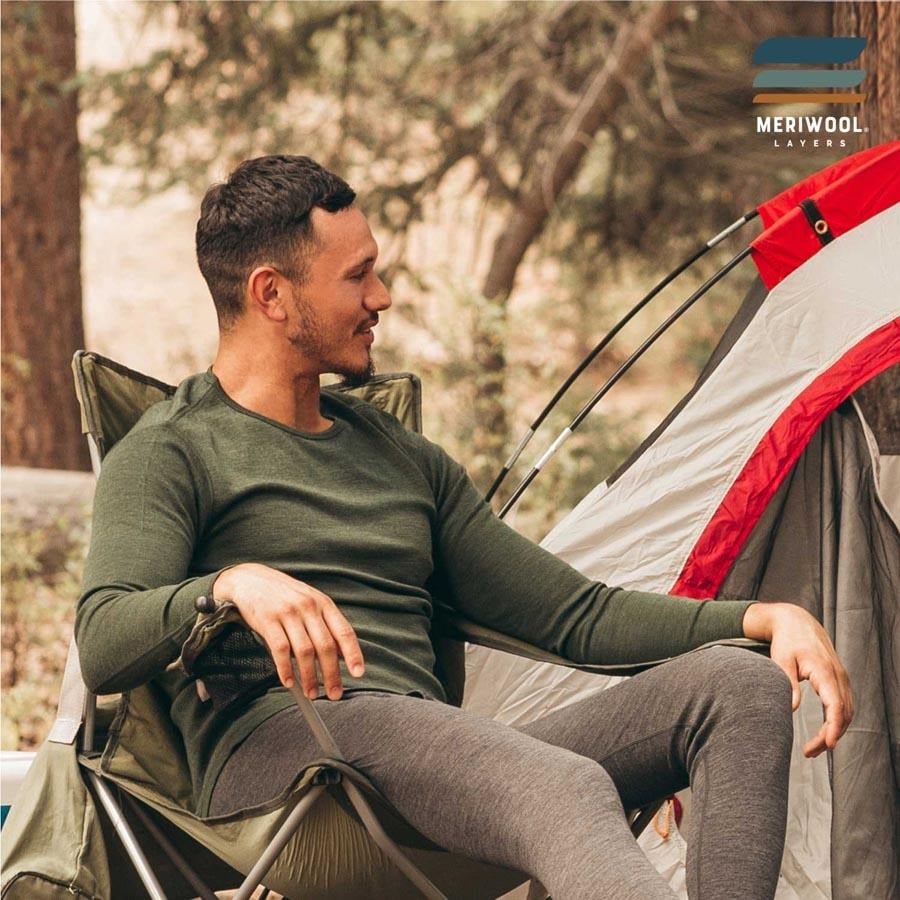
Your base layer manages moisture, not warmth. REI sells it in lightweight, midweight and heavyweight and suggests midweight for cold days. Choose heavyweight below freezing. Fit matters because fabric must touch skin to wick, so pick a snug cut.
Merino wool resists odor and evens out temperature through stop-and-go work. It dries slower, though. Polyester, in contrast, dries faster and tends to cost less, which suits you if you sweat hard while digging.
Cotton fails in every case. REI calls it a no-no in winter because it holds water and chills you. The Appalachian Mountain Club is blunter: cotton kills, and its rule extends to underwear. REI also rejects cotton socks. Among forum posters, a Pirate 4×4 member says don’t wear cotton, and a Tacoma World poster calls cotton hoodies unhelpful. Expedition Portal says wool or synthetic long underwear beats cotton.
Mid Layers, Puffy Jackets and the Shell
Fleece is the usual middle layer. REI sells it in the same three weights, sometimes labeled 100, 200 and 300 weight. It stays warm when damp and breathes well. Wind blows straight through it, so fleece needs a windproof shell on top.
For stops, add a puffy jacket. Down gives the most warmth for its weight, but it loses insulation when wet. Synthetic insulation, on the other hand, keeps some warmth when damp and dries quickly, so it suits snow and sweat. Since insulated jackets carry no standard temperature rating, REI says puffier means warmer.
My advice: keep the puffy near the driver seat and put it on before you get cold, not after. For me, it is the most useful item on this list.
REI calls waterproof, breathable shells the most functional choice, but a nonbreathable shell traps sweat once you work hard. On breezy, drizzly days, REI says water-resistant, breathable shells suit high activity.
Staying Dry and Warm in Recoveries, Digging and Camp Chores
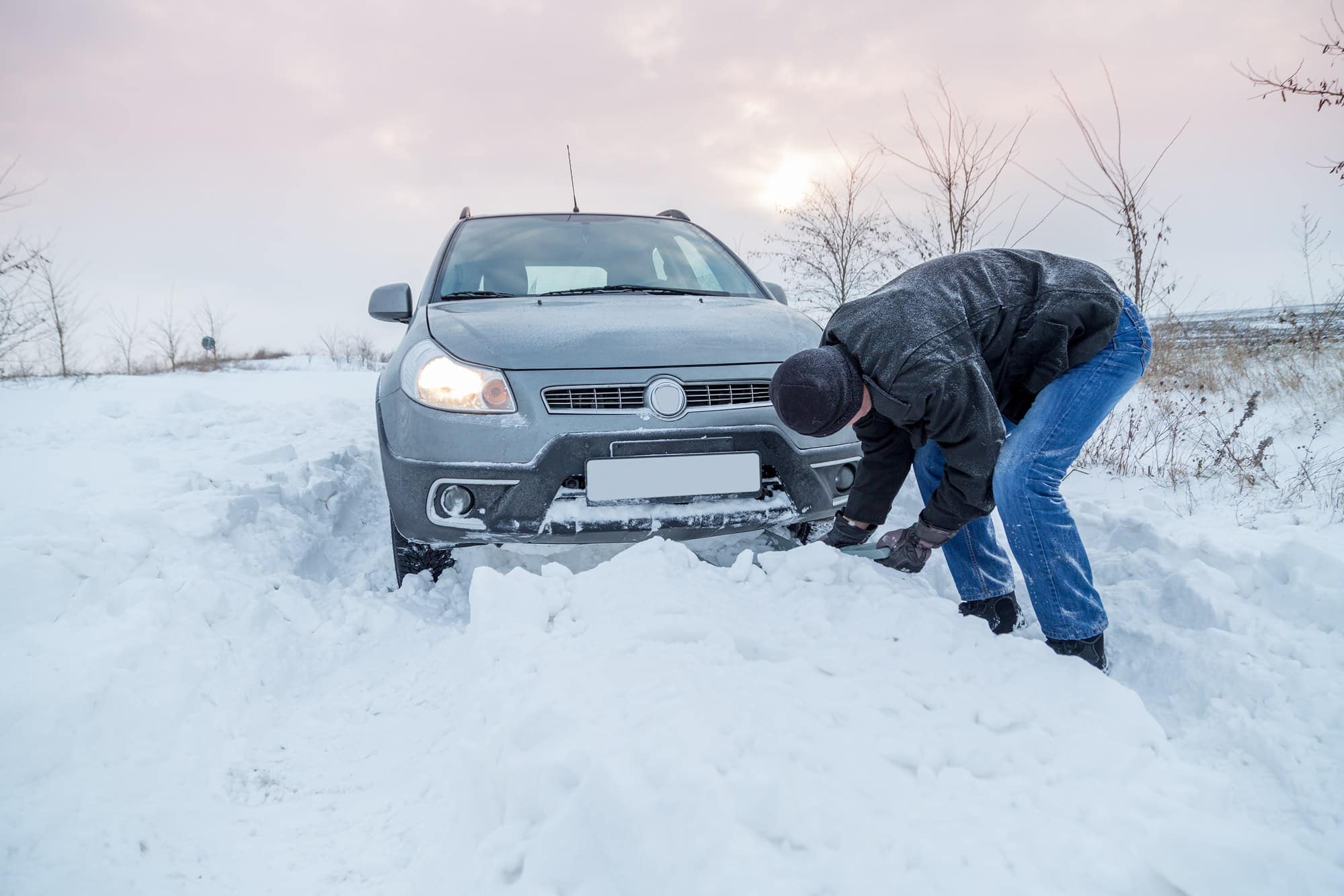
Recoveries break every hiking rule. You work hard for ten minutes, then wait for a strap, a winch line or a second vehicle. Expedition Portal notes shoveling warms you fast but also makes you sweat. Sweat is the problem because the CDC links sweat chill to hypothermia above 40°F.
Start the dig light. Open the shell or take it off while you shovel. AMC advises shedding a layer before you soak through. The moment you stop, put the puffy and shell on. A damp wicking layer still steals heat, so swap it for the spare set during a long wait.
Snow wheeling also means kneeling, lying down and handling wet rope. For this reason, pack a tarp or a floor mat to kneel or stand on, and carry a towel. Our guide to snow recovery gear for frozen ground covers the shovels, boards and anchors, which shorten the dig.
A heated tent solves sleeping, not chores. I have used Bereg hot tents for years, running a wood stove by day and a diesel heater overnight. Neither warms you at the tailgate or the fuel jug, so wear the puffy for camp work.
Hands, Feet and Head: Where Cold Weather Layering Fails First
Cold reaches fingers, toes, ears and nose first, and the CDC lists those spots as the usual frostbite targets. So treat each one as its own system.
Mittens Over Gloves for Waiting
The NWS says mittens are better than gloves, and REI explains why: fingers share warmth, and mittens have fewer seams. Gloves give dexterity, so wear thin liner gloves under an outer mitten. You then pull the mitten off for strap work without exposing bare skin. Leave about 1/4 inch of space past your fingertips to trap heat.
Even waterproof gloves get wet from the inside out, so limit sweat. Carry a second dry pair. A Wrangler Forum poster says to bring extra gloves, and Bronco Nation lists multiple pairs. Quadratec, for instance, puts spare dry clothes first in its Jeep winter kit. Chemical warmers help too. HotHands lists up to 10 hours of heat, averaging 135°F after 15 to 30 minutes.
Wool Socks and Insulated Boots
REI praises merino wool socks for regulating temperature and does not recommend cotton. For boots, REI says about 400 grams of insulation keeps feet warm in subzero temperatures. About 200 grams suits active use, such as hiking. Standing in a trail queue is not active use, so favor insulated boots near the 400-gram class.
Hat and Face Cover
Wear a hat and cover your face and mouth with a scarf or knit mask, as the CDC advises. Together they cover the ears, nose and cheeks, where frostbite usually strikes.
Mittens, Socks and Warmers for Long Stops
Wear the Carhartt Waterproof Insulated Knit Cuff Mitten over thin liner gloves, then slip it off for strap work. Next, Darn Tough Hiker Boot Midweight Full Cushion socks add merino warmth inside winter boots. Also keep a box of HotHands Hand Warmers in the cab bag, because they run up to 10 hours.
Hand and Foot Warmth for Long Stops


Darn Tough Vermont Men's Hiker Boot Midweight Full Cushion Socks (1…


What to Keep in the Cab
Keep one dedicated bag inside the cab. Wisconsin DOT recommends the back seat for a winter survival kit, in case the trunk jams or freezes shut. Keeping it in the cab also keeps the dry set dry.
Pack spare socks, a second pair of gloves, a spare hat, a dry shirt and a blanket or sleeping bag. Add food and a thermos, since calorie-dense snacks help you stay warm. 4 Wheel Parts also advises keeping your phone close to your body, because battery performance drops below freezing.
Our off-road packing list shows how to fit this bag around the rest of your gear. Pair it with winter off-roading rig prep, which covers batteries, tires and fluids.
Final Thoughts
Back to the hard moment: the truck is free, the digging is done and you wait in the wind. This is where the system pays off for trail wheelers, recovery helpers and winter campers. The spare dry set matters most, because a damp layer ruins the best jacket. It costs less than one night of misery.
Cost and bulk are the trade-off. Merino, a puffy and insulated boots add up, and they also take space in the cab. Start with dry gloves and wool socks, because wet hands and wet feet are a common failure. Build from there.
If you plan only day runs near a warm trailhead, you need less than this guide covers. A fleece, a puffy, a shell, wool socks and a spare pair of gloves handle most of it. However, anyone heading deep into snow country should carry the full kit and rehearse putting it on.
My closing advice is simple. Dress to work cool, dress to stop warm, and keep a dry set within arm’s reach. As a result, you decide when the day ends, not the wind.
FAQ
How should you layer for cold weather?
Use a wicking layer against skin, an insulating layer over it and a wind and water shell on top. Also carry a spare dry set. Because your effort changes during the day, add or remove layers as it does.
How do you stay warm when standing still in the cold?
Put on a puffy jacket and shell the moment you stop. Wear mittens instead of gloves, and keep your feet off cold ground. If your clothes are damp from digging, change into the spare set.
Is cotton a good choice for cold weather?
No. REI calls cotton a no-no in winter because it holds water and chills you. Instead, choose wool or synthetic fabric for every layer, including socks.
How do you keep your feet warm in cold weather?
Start with merino wool socks and insulated boots. REI says about 400 grams of boot insulation suits subzero temperatures. Finally, carry a spare pair of socks for long stops.
What are the common mistakes in cold weather layering?
Wearing cotton is a top mistake. Others include overdressing for the dig, forgetting a shell over fleece and packing no spare gloves. Each lets sweat or wind steal heat, especially during a long wait.
Related Reading