



Quick Facts:
- Topic: Canvas tent storage for the off-season
- Skill level: Beginner friendly
- Time required: 30 to 60 minutes of active work, plus 24 to 48 hours drying
- Main threats: Mildew, rot, and rodent damage
- Ideal storage climate: 64 to 70°F, humidity under 60%
- Supplies cost: Roughly $40 to $70 for cleaner, waterproofing, and moisture absorbers
- Best for: Overlanders and campers packing a canvas or bell tent away for months
8 min read
In This Guide
- Why Canvas Tent Storage Protects Your Investment
- Clean and Dry Your Tent Before Storage
- Canvas Tent Mildew Prevention
- How to Stop Rot in Cotton Canvas
- Keep Rodents Out of Stored Canvas
- Where to Store a Canvas Tent
- Bell Tent Storage and the Elk Mountain Difference
- Cotton Canvas vs Synthetic Canvas Storage
- Your Off-Season Canvas Tent Storage Routine
- Frequently Asked Questions
Why Canvas Tent Storage Protects Your Investment
Good canvas tent storage decides whether your shelter lasts three seasons or fifteen years. A canvas tent is a serious purchase, often $800 to $1,300 for a quality bell tent, so the months it spends packed away matter as much as the nights inside. Most canvas fails in the garage, not the field. Damp fabric, trapped heat, and hungry mice do the damage while the tent sits ignored.
Three threats cause almost every ruined tent. First, mildew feeds on any moisture left in the weave. Second, rot breaks down cotton fibers once mold sets in. Third, rodents chew through canvas to nest inside. Each threat is preventable with a simple routine and about an hour of work.
This guide on how to store a canvas tent covers cleaning, drying, mildew defense, rot prevention, rodent proofing, and the right storage spot. The advice fits cotton wall tents, bell tents, and synthetic shelters. For a broader care overview, our canvas wall tent maintenance tips pair well with the storage steps below.
What You’ll Need
Tools
- Soft-bristle brush
- Garden hose with gentle spray
- Open, shaded space to air-dry
- Elevated shelf or wood pallet
Materials
- Mildew stain remover (bleach-free, canvas-safe)
- Waterproofing spray matched to your fabric
- Moisture absorber bags (calcium chloride)
- Reusable silica gel desiccant packs
- Breathable cotton or mesh storage bag
- Cedar blocks or peppermint pouches
Canvas Tent Essentials From Elk Mountain Tents
| Storage Target | Recommended Setting |
|---|---|
| Fabric moisture before packing | Bone dry, inside and out |
| Air-dry time after cleaning | 24 to 48 hours |
| Ideal storage temperature | 64 to 70°F (18 to 21°C) |
| Storage humidity | Under 60% ideal, never above 65% |
| Height off the floor | On a shelf or pallet, never bare concrete |
| Storage container | Breathable bag, not sealed plastic |
| Re-waterproofing interval | About once a year |
Clean and Dry Your Tent Before Storage
Cleaning comes first because dirt holds moisture, and moisture starts mildew. Set the tent up or lay it flat, then brush off loose dirt, pollen, and pine needles with a soft-bristle brush. For stains, spot-clean with cool water and a mild, canvas-safe soap. Avoid detergent with bleach or fabric softener, since both strip the fabric’s water resistance and weaken the fibers.
Drying is the single most important step in canvas tent storage. Even canvas feeling dry to the touch often holds moisture in the seams, the floor, and the guy-rope tabs. Therefore, air-dry the tent fully for 24 to 48 hours in a shaded, breezy spot before you pack it. Direct sun speeds drying. However, long exposure fades color and shortens fabric life, so shade wins for the final hours.
Each supply pairs with a storage product in the carousel below, from mildew removers to moisture absorbers and rodent deterrents.
Safety note: Never use chlorine bleach on canvas. Bleach breaks down cotton fibers and removes the factory waterproof coating, which leaves the fabric weaker and thirstier for water. Choose a bleach-free, canvas-rated cleaner instead.
Canvas Tent Mildew Prevention
Mildew is the fastest threat to a stored tent, spreading within days on damp fabric. Effective canvas tent mildew prevention starts with the dry-first rule above, then adds active defenses. After the tent is clean and dry, treat existing stains before they spread.
For light mildew stains, Elk Mountain Tents recommends a simple mix of one part white vinegar to three parts water. Dip a soft brush, scrub the spot gently, rinse with clean water, then dry the area completely. For heavier growth, a bleach-free remover made for outdoor fabric lifts stains without harming the coating. Spot-test any product on a hidden corner first.
Once the fabric is clean, control the air around it. Moisture absorber bags and reusable silica gel packs pull humidity out of the storage space, which starves mildew of the water it needs. Strong mildew defense is mostly about keeping the packed fabric under 60% humidity. Our field guide on how to remove tent mold and mildew covers deeper stains if growth has already started.
Safety note: Work in a ventilated area when using cleaners, and wear gloves. Mildew removers and vinegar solutions irritate skin and lungs in a closed garage, so open the doors and let air move while you scrub.
How to Stop Rot in Cotton Canvas
Rot is what happens when mildew wins. Left unchecked, mold digests the cotton fibers, and canvas tent rot leaves gray, brittle patches, weak enough to tear under light pressure. Cotton canvas is most at risk because the natural fibers absorb and hold water. Synthetic canvas resists rot, though surface mold still grows on it.
Preventing canvas tent rot comes down to two habits. First, never pack the tent even slightly damp, because trapped water gives mold the days it needs to take hold. Second, re-waterproof cotton canvas about once a year so water beads off instead of soaking in. A fresh coat of fabric treatment restores the barrier keeping fibers dry through wet trips. For a look at how treated cotton resists moisture, see our explainer on Sunforger treated canvas fabric.
Match the treatment to the fabric. Silicone sprays such as Kiwi Camp Dry suit cotton canvas, while a fabric guard rated for synthetics protects polyester blends. Waterproofing usually lasts about a year, so a fresh coat keeps the fabric shedding water when you set up again.
Keep Rodents Out of Stored Canvas
Mice treat a folded tent as a warm nest. They chew through canvas to burrow inside, leaving holes, urine stains, and droppings, ruining the fabric. Rodent damage is common in garages, sheds, and trailers, especially through fall and winter.
Elevate the packed tent on a shelf or sealed bin so mice have no path up from the floor. Add natural deterrents such as cedar blocks or peppermint pouches, and refresh them every few weeks as the scent fades. Keep food and scented gear far from the tent, since crumbs draw rodents straight to your canvas.
Safety note: Skip poison bait and mothballs near a tent you sleep in. The residue lingers in fabric and off-gasses inside a closed shelter. Cedar, peppermint, and a sealed bin deter mice without leaving toxins in your canvas.
Where to Store a Canvas Tent
The right spot is cool, dry, dark, and ventilated. A closet, an insulated garage shelf, or a climate-controlled storage unit all work. Avoid an uninsulated attic, where summer heat bakes the coating, and avoid a damp basement, where humidity feeds mildew. Aim for a steady 64 to 70°F range with humidity kept under 60%.
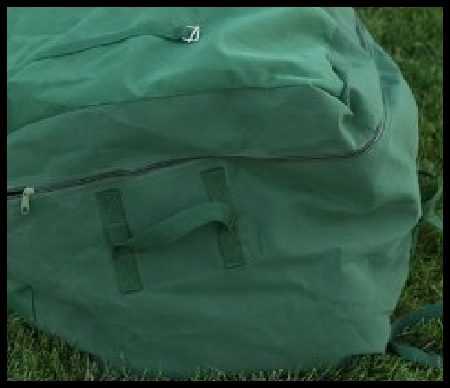
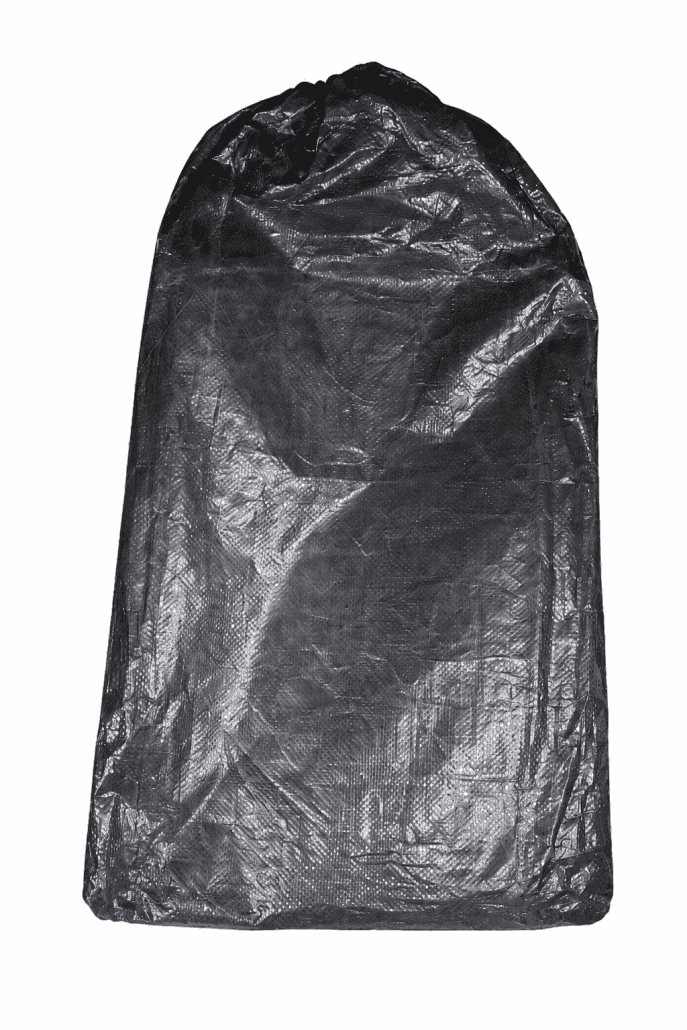
Storage container choice trips up many campers. A sealed plastic tote keeps rodents and dust out. However, it traps any leftover moisture and causes mildew. In contrast, a breathable cotton or mesh bag lets the fabric air out, though it offers less rodent protection. The best answer for how to store a canvas tent balances both. Pack a fully dry tent in a breathable bag, then set the bag inside a vented bin with desiccant packs, raised off the floor.
Canvas Tent Storage Supplies

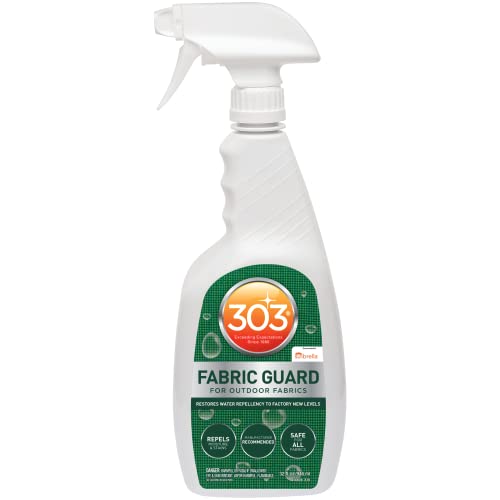


Fold loosely rather than in the same tight creases every time. Sharp repeated folds wear the coating along the crease lines, so vary the fold and store the bundle without heavy weight on top. For the seasonal payoff of doing this right, our piece on how long bell tents last shows how dry storage and yearly reproofing add years of use.
Bell Tent Storage and the Elk Mountain Difference
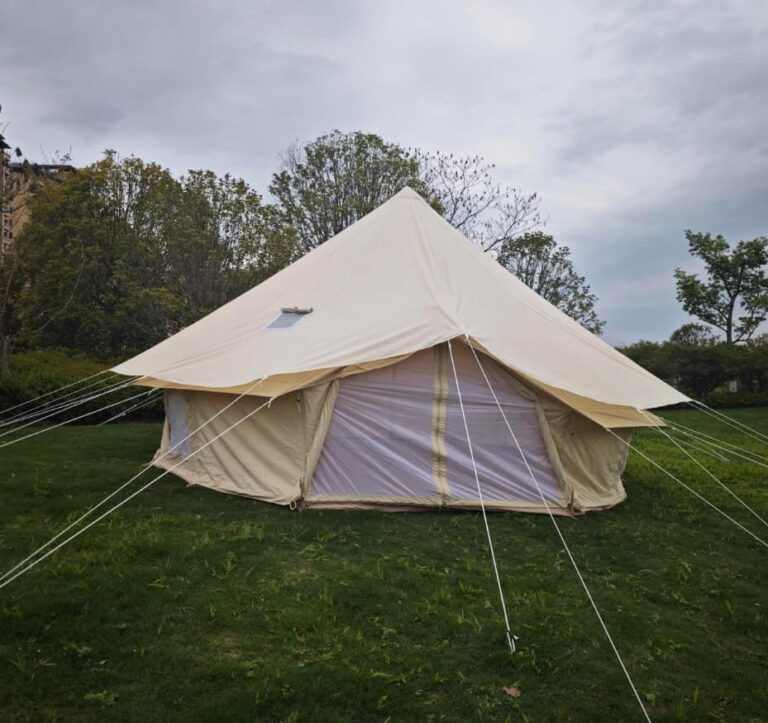
Bell tent storage follows the same rules, with one fabric wrinkle worth knowing. Traditional bell tents use cotton canvas, which rots if stored damp. Elk Mountain bell tents instead use an 11 oz synthetic PolyShield canvas, a polyester blend more resistant to mold, mildew, and UV than cotton. The synthetic fabric will not rot, since there are no natural fibers to break down.
This difference changes one detail, not the routine. Elk Mountain’s own care guide notes mold still grows on the surface of any material, so drying before storage stays essential even for synthetic canvas. Their guidance mirrors the steps here: dry fully, store in a breathable bag, and avoid damp or humid spaces. If you re-waterproof a polyester tent, pick a spray rated for synthetics rather than a cotton wax.
Because Elk Mountain builds a stove jack, a PVC bathtub floor, and four screened windows into every bell tent, there is more to dry than fabric alone. Open the floor zips, air the vents, and check the door seams before packing. The full Elk Mountain bell tent range runs from a 13 ft model to a 20 ft model, with the 16 ft as the popular mid-size, so the carousel below shows how the sizes compare.
Cotton Canvas vs Synthetic Canvas Storage
Both fabrics ask for the same drying discipline, yet they age differently in storage. Cotton canvas, including army duck and Sunforger, absorbs water, so it rots and mildews faster when packed damp. In exchange, cotton breathes well and takes a fresh wax coat each year, so owners re-waterproof more often.
Synthetic canvas, such as the polyester blend Elk Mountain uses, holds far less water and resists rot entirely. Surface mold still forms on a dirty or damp synthetic tent, so cleaning and drying remain non-negotiable. Synthetic fabric also shrugs off UV longer. Both fabrics last longest with the same off-season canvas tent storage habits: clean, dry, deter pests, and store cool.
From experience: I have been testing Elk Mountain tents hard for the past 12 months, and weather has thrown everything at them, from driving rain to heavy dew. One lesson stuck with me: storage matters as much off-season as on-season. Mildew sweeps in fast, and a damp tent packed away for weeks will turn on you. Dry it fully every time, and the fabric rewards you.
Your Off-Season Canvas Tent Storage Routine
Put the steps together and the job takes about an hour plus drying time. Brush and spot-clean the fabric, treat any mildew, then air-dry for 24 to 48 hours until the canvas is bone dry. Re-waterproof if the coating is due, with a fabric-matched spray. Finally, pack the tent in a breathable bag with desiccant, add a rodent deterrent, and set it on a shelf in a cool, dry room.
Repeat a quick check every couple of months. Open the bag, feel for damp, refresh the absorbers, and swap tired cedar or peppermint pouches. This 20-minute habit is the difference between a tent lasting a decade and one you replace after a wet winter. Reliable canvas tent storage is a routine, not a one-time chore.
The 16 ft Elk Mountain Yukon bell tent suits this routine well, since its synthetic PolyShield canvas resists mold and dries fast between trips.
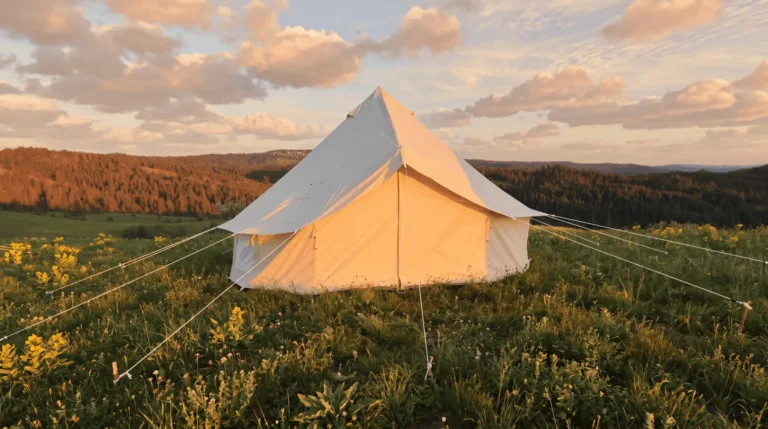
Elk Mountain Yukon Bell Tent
The Yukon's synthetic PolyShield canvas resists the mold, mildew, and UV wear this guide fights, so off-season storage gets a lot more forgiving.
- PolyShield synthetic canvas resists mildew and rot
- Sizes from 13 to 20 feet in diameter
- Stove jack and four screened windows standard
- Owners rate it 4.9 of 5
- Fly and ground sheet sold separately
- Synthetic canvas gives up cotton's classic feel
Frequently Asked Questions
Should you ever store a canvas tent wet?
No. Packing a wet or damp canvas tent is the top cause of mildew and rot. Moisture trapped in folded fabric grows mold within days. Always air-dry the tent fully, including seams and the floor, before you store it.
How do you prevent mildew on a canvas tent?
Clean and dry the fabric completely, then store it in a breathable bag with moisture absorbers. Keep the storage humidity under 60% and check the tent every few months. For light stains, a one part vinegar to three parts water mix works before growth spreads.
Where should you store a canvas tent?
Store it in a cool, dry, ventilated space around 64 to 70°F, raised off the floor on a shelf or pallet. Avoid hot attics and damp basements. A breathable bag inside a vented bin protects against both moisture and rodents.
Do mice damage canvas tents?
Yes. Mice chew through canvas to nest and leave holes, stains, and droppings. Elevate the packed tent, use cedar or peppermint deterrents, and keep all food away from the storage area to reduce the risk.
How long will a canvas tent last in storage?
A properly cleaned, dried, and stored canvas tent lasts years without harm. Problems come from moisture and pests, not time itself. Re-air the tent every few months and re-waterproof once a year to keep the fabric ready for the next season.
Should you waterproof a canvas tent before storage?
Re-waterproofing before or after the season keeps water beading off the fabric, since most treatments last about a year. Match the product to your canvas, a silicone spray for cotton or a fabric guard for synthetics. Apply it to a clean, dry tent for the best bond.