


Quick Verdict: After 18+ months of overlanding trips, the HEST Foamy Wide remains the most comfortable camping mattress I have tested. Its R-value of 8.8 handles freezing Sierra nights, and the zero-inflation setup takes 30 seconds. At $379, it costs more than self-inflating alternatives, but the durability and comfort justify the price for serious overlanders. For budget-conscious campers, the Exped MegaMat 10 LXW at $229 delivers comparable warmth at half the weight.

HEST Foamy Wide: Yes, buy it.
After 18+ months of overlanding trips, this remains the most comfortable camping mattress I have tested, with an R-value that handles freezing Sierra nights.
Last updated: March 2026 | 12 min read
In This Review
- Why Your Camping Mattress Matters More Than You Think
- Why I Switched to the HEST Foamy Wide
- Setup and First Impressions
- Comfort and Construction
- Standard vs. Wide: Which Size to Pick
- Durability After 18+ Months
- Building the Complete Sleep System
- HEST Foamy Wide vs. the Competition
- Buying Guide: Choosing a Camping Mattress
- Pros and Cons
- Final Verdict
- Frequently Asked Questions
Why Your Camping Mattress Matters More Than You Think

A bad night of sleep ruins a trip faster than rain, flat tires, or forgotten firewood. After years of overlanding across California, Nevada, and Utah, I have learned one thing: your mattress is the single most important piece of camp comfort gear you own. Everything else, from your tent to your cook setup, becomes secondary when you wake up stiff and sore at 5 a.m.
Most overlanders start with a basic self-inflating pad, then graduate to thicker options as their backs demand better support. I followed the same path. However, the jump from a self-inflating mattress to a dedicated memory foam camping mattress changed how I camp entirely. The Foamy Wide sits at the top of this category, and I have been sleeping on one for over 18 months.
In this updated HEST Foamy review, I will cover verified specs, long-term durability findings, and an honest comparison against the Exped MegaMat 10, Nemo Roamer, and Therm-a-Rest MondoKing 3D. If you are shopping for the best camping mattress foam option for overlanding, this is the information you need before spending $200 to $400.
Why I Switched to the HEST Foamy Wide
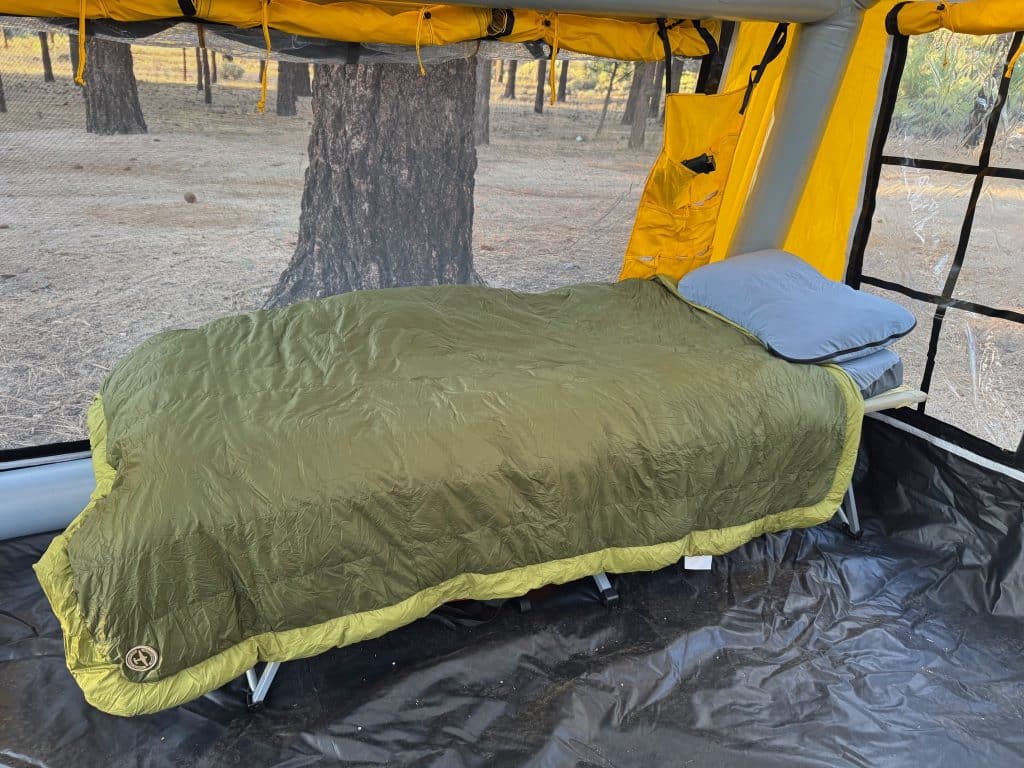
For years, the Exped MegaMat series was my gold standard. I trusted the self-inflating design, appreciated the adjustable firmness, and recommended it to everyone. Then a friend brought a HEST Foamy on a group trip to the Eastern Sierra, and I slept on it for one night. The difference was immediate.
Memory foam conforms to your body in a way air-based mattresses do not. There are no pressure points, no cold spots, and no midnight adjustments. Additionally, the zero-inflation design eliminates the one thing I hated most about self-inflating pads: the slow leak. After five or six trips, most air-based pads develop micro-leaks. You wake up on the ground at 3 a.m. with a partially deflated mattress and zero motivation to fix it.
The Foamy Wide solved this problem permanently. Since there is no air chamber, there is nothing to leak. I unroll it, lie down, and sleep. Every single time.
HEST Foamy - Portable Camping Mattress, 78" L x 25" W
18+ months of testing confirm this remains the most comfortable camping mattress I have used for overlanding, with warmth that handles freezing Sierra nights.
- R-value of 8.8, among the highest in the camping mattress category
- Zero-inflation setup takes about 30 seconds, unroll and sleep
- Dual-density memory foam eliminates pressure points at hips and shoulders
- Zero puncture risk since there is no air chamber to leak
- Heavier than self-inflating pads at 13 lbs
- Rolling it back up takes real effort, about 2 to 3 minutes
Setup and First Impressions
The mattress arrives rolled and secured with compression straps. Setup takes about 30 seconds: unclip the buckles, unroll, and it is ready. No pump, no valve, no waiting for foam to expand. Compared to my Exped MegaMat, which needed 5 to 10 minutes of inflation plus firmness adjustments, this felt like a revelation.
First impressions confirmed what the specs promised. The mattress feels dense and substantial at 13 lbs. As a result, it is heavier than self-inflating options (the MegaMat 10 weighs 5.7 lbs), but the tradeoff is zero setup frustration. For car camping and overlanding, weight matters less than convenience. If you are carrying your mattress 50 feet from your truck to your tent, 13 lbs is a non-issue.
One standout detail: the built-in stash pocket on the side holds your phone and headlamp. Specifically, this keeps small items off the tent floor and within reach at night. A small feature, but one I appreciate on every trip.
Comfort and Construction

HEST builds the Foamy Wide from two layers of temperature-resilient memory foam with different densities. The top layer is softer, conforming to your body shape and relieving pressure points at the shoulders and hips. Meanwhile, the bottom layer is firmer, providing structural support and preventing you from bottoming out on hard ground.
This dual-layer approach delivers comfort comparable to a home mattress. I sleep on my side, and the Foamy Wide eliminates the hip pressure I experienced with every air-based pad I have owned. Back sleepers in our camp group reported similar results.
Insulation and R-Value
The R-value of 8.8 is among the highest in the camping mattress category. For comparison, the Exped MegaMat 10 rates at 8.1, the Nemo Roamer at 6.0, and most standard self-inflating pads fall between 3.0 and 5.0. In practice, this means the Foamy handles freezing temperatures without a separate insulating layer underneath.
I have used it on sub-freezing nights in the Eastern Sierra (mid-20s Fahrenheit) and stayed warm throughout the night. The memory foam traps body heat more effectively than air-filled chambers, which tend to create cold convection currents. As a result, you spend less time managing your sleep system and more time sleeping.
Shell and Water Resistance
The bottom is coated with waterproof polyurethane, tough enough for placement directly on dirt, gravel, or wet grass. The top shell is a polyester/nylon blend with water-resistant treatment. After 18 months, the shell shows no signs of wear, tearing, or delamination. Spilled coffee wipes right off.
Standard vs. Wide: Which Size to Pick

HEST offers the Foamy in three sizes. First, the Short (64″ x 25″) works for shorter campers or kids. Next, the Standard (78″ x 25″) fits most adults. Finally, the Wide (78″ x 30″) adds five extra inches of width, and I recommend it for anyone over 5’8″ or anyone who tosses and turns at night.
The extra width makes a noticeable difference. On a 25-inch pad, my elbows hang off the edge whenever I sleep on my back. The 30-inch Wide keeps my entire body on the sleeping surface. For rooftop tent owners, the Wide fits most standard RTT platforms without modification.
However, the Wide comes with a tradeoff: bulk. The packed size is approximately 30″ x 12″, and it does not compress much smaller. In a truck bed or SUV, this takes up meaningful space. Before purchasing, measure your storage area and confirm the rolled mattress fits alongside your other gear. If space is tight, the Standard model at $329 saves both inches and dollars.
Durability After 18+ Months
After approximately 40 camping nights over 18 months, the Foamy shows minimal wear. The foam still returns to full thickness after unrolling, typically within 2 to 3 minutes. Some Amazon reviewers report foam compression after heavy use, and I watch for this closely. So far, the dual-density construction appears to resist breakdown better than single-layer foam alternatives.
The waterproof base coating remains intact with no peeling or cracking. Similarly, all compression straps and buckles work as new. The carry handle stitching shows no fraying despite regular use.
HEST backs the Foamy with a 5-year warranty and a 100-day money-back guarantee. Both are above average for the camping mattress category, where most brands offer 1 to 2 years of coverage.
The Rolling Problem
One honest complaint: rolling this mattress back up is a chore. Memory foam resists compression, so you need to kneel on it and work the air out section by section. It takes me about 2 to 3 minutes, and the waterproof bottom layer tends to slide during the roll. This is the number one complaint in Amazon reviews, and I agree with it. Still, it is a minor inconvenience compared to dealing with a leaking air mattress at midnight.
Building the Complete Sleep System

This mattress performs best as part of a layered sleep system. I pair mine with a BYER OF MAINE Easy Cot, which lifts the mattress off the ground and adds airflow underneath. This combination delivers bedroom-level comfort on any terrain.
For a pillow, the HEST Camping Pillow matches the foam density and size of the Foamy. Together, the pillow and mattress create a seamless sleeping surface with no gaps or height mismatches. If you already own a camping cot, adding the Foamy on top transforms it from tolerable to exceptional.
One upgrade worth considering: a fitted sheet or sleeping bag liner. The Foamy’s shell is comfortable against skin, but a cotton sheet adds a home-bed feel and protects the mattress from body oils over time. This small addition extends the mattress lifespan and simplifies cleanup between trips.
HEST Foamy Wide vs. the Competition
Numbers tell the story better than opinions. I have used three of these four mattresses personally. Here is how the Foamy Wide stacks up against the three most popular camping mattresses in its class.
| Feature | HEST Foamy Wide ⭐ | Exped MegaMat 10 LXW | Nemo Roamer XL Wide | Therm-a-Rest MondoKing 3D |
|---|---|---|---|---|
| Price | ~$379 | ~$229 | ~$280 | ~$246 |
| Dimensions | 78″ x 30″ x 3.9″ | 77.6″ x 30.3″ x 3.9″ | 78″ x 30″ x 4″ | 77″ x 25″ x 4.25″ |
| Weight | 13 lbs | 5.7 lbs | ~5 lbs | 4.4 lbs |
| R-Value | 8.8 | 8.1 | 6.0 | 7.0 |
| Type | Memory foam (no inflation) | Self-inflating (foam + air) | Self-inflating (Flow Core) | Self-inflating (foam + air) |
| Inflation Time | 0 sec (unroll and sleep) | 5-10 min | 3-5 min | 5-8 min |
| Puncture Risk | None | Yes (air chamber) | Yes (air channels) | Yes (air chamber) |
| Best For | Max comfort, cold weather | Best value, adjustable | Quick setup, lighter weight | Budget, proven reliability |
| Warranty | 5 years | 5 years | Lifetime | Limited lifetime |
Exped MegaMat 10 LXW: The Closest Rival
I slept on the MegaMat 10 for two full years before switching. It deserves real credit. The R-value of 8.1 is close to the Foamy’s 8.8, the self-inflating design lets you dial in firmness (something I genuinely miss), and at 5.7 lbs it weighs less than half the Foamy Wide. The $229 price tag saves you $150.
Where the MegaMat lost me was longevity. By year two, a slow leak near the valve turned every setup into a guessing game. I would inflate it, lie down, wake up partially on the ground. This pattern is common with air-based pads, and it represents the core weakness of the category. If weight and adjustable firmness matter most, the MegaMat 10 wins. For zero maintenance and better pressure relief, the Foamy takes it.
Nemo Roamer: The Self-Inflating Middle Ground
The Nemo Roamer uses a Flow Core construction with high-volume air channels for faster self-inflation. At $280, it sits between the MegaMat and the HEST on price. The R-value of 6.0 is adequate for three-season camping but falls short in freezing conditions. For overlanders who camp primarily in spring through fall, the Roamer provides solid comfort at a lower price point. For cold-weather campers, the Foamy’s 8.8 R-value provides significantly better insulation.
Therm-a-Rest MondoKing 3D: Budget Reliability
At $246 and 4.4 lbs, the MondoKing is the lightest and most affordable in this group. Its 871 Amazon reviews (4.4 stars) speak to years of proven performance. The 4.25-inch thickness provides solid comfort for the price. One caveat: the 25-inch width is five inches narrower than the Foamy Wide. If you are a bigger person or a restless sleeper, you will notice. For budget-conscious campers who prioritize proven reliability over premium foam comfort, the MondoKing is hard to beat.
Buying Guide: Choosing a Camping Mattress for Overlanding
Foam vs. Self-Inflating vs. Air
Foam mattresses (like the HEST Foamy) provide the most consistent comfort with zero maintenance. If you want the best camping mattress foam option, this category delivers. They never leak, never need a pump, and maintain insulation regardless of air temperature. The tradeoff is weight and bulk. Self-inflating pads blend foam and air for a lighter package with adjustable firmness. Air mattresses are the lightest option but offer the least insulation and the highest puncture risk.
For overlanding and car camping, foam and self-inflating options make the most sense. You have vehicle storage, so weight matters less than comfort and reliability. For backpacking, skip the HEST Foamy entirely; it is built for vehicle-based camping.
R-Value: Matching Insulation to Your Climate
R-value measures insulation from the cold ground. Higher numbers mean warmer sleep. For summer-only camping (above 50°F), an R-value of 3.0 to 5.0 is sufficient. Three-season camping (down to 30°F) requires 5.0 to 7.0. For winter and four-season use (below 30°F), aim for 7.0 or higher. The Foamy’s 8.8 R-value handles all four seasons without supplemental insulation.
Width and Thickness
Standard pads measure 20 to 25 inches wide. Wide options run 28 to 30 inches. If you sleep on your side or weigh over 180 lbs, go wide. Your elbows, shoulders, and hips need the extra surface area. For thickness, 3 to 4 inches is the sweet spot for car camping. Thinner pads save space but sacrifice comfort on rocky or uneven ground.
Your Sleep Setup and Camping Mattress Buying Guide
Consider where your mattress lives: tent floor, cot, truck bed, rooftop tent, or van platform. The Foamy Wide fits standard RTT platforms and most cots. For truck beds, measure your available width before purchasing the Wide model. If you pair a mattress with a cot, confirm the cot’s weight capacity includes both the mattress and your body weight. Our complete camping mattress buying guide covers additional factors including material comparisons and budget recommendations.
Pros and Cons of Memory Foam Camping Mattresses
Pros
- Zero puncture risk; no air chambers to leak (HEST Foamy has survived 40+ nights with no failures)
- Superior pressure relief; memory foam conforms to hip and shoulder contours better than air
- Highest R-values in the category; the Foamy Wide rates 8.8, outperforming most self-inflating pads
- Setup in under 30 seconds; unroll and sleep with no pump or valve adjustments
- No firmness loss overnight; foam holds shape consistently unlike air pads prone to slow deflation
- HEST offers a 5-year warranty and 100-day money-back guarantee
Cons
- Heavier than alternatives; the Foamy Wide weighs 13 lbs vs. 4 to 6 lbs for self-inflating options
- Larger packed size (30″ x 12″); takes up significant vehicle storage space
- Rolling it back up requires effort; memory foam resists compression and the process takes 2 to 3 minutes
- No firmness adjustment; you get one density level (self-inflating pads let you add or release air)
- Higher price point; the Wide model costs $379, roughly $100 to $150 more than comparable self-inflating pads
Final Verdict
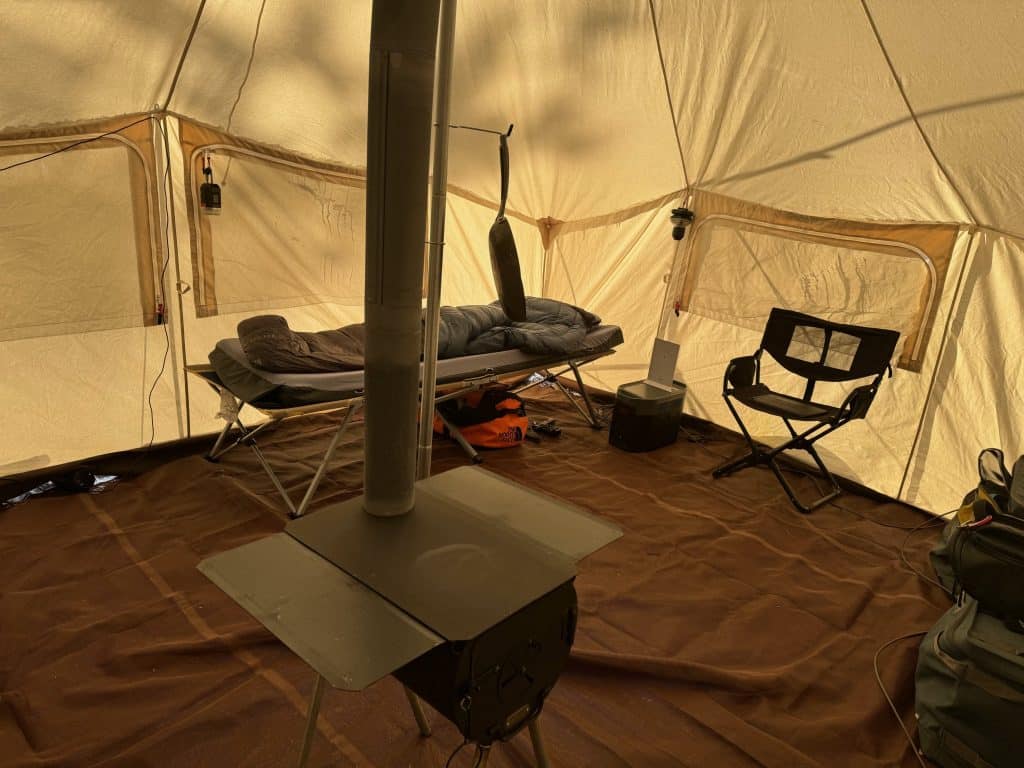
After 18+ months and approximately 40 camping nights, the HEST Foamy Wide remains the best camping mattress I have used for overlanding. The R-value of 8.8 handles everything from summer coastal trips to freezing Sierra nights. As a memory foam camping mattress, the zero-inflation setup saves time and eliminates the slow-leak problem common with air-based pads. At 4.4 stars from 94 Amazon reviews, other campers confirm these findings.
If your budget is under $250, the Exped MegaMat 10 LXW delivers comparable warmth (R-value 8.1) at $229 and weighs less than half as much. It is the best value option in this comparison. However, be prepared for the maintenance reality of air-based pads over time.
For three-season campers who want lighter weight and faster pack-down, the Nemo Roamer XL Wide at $280 offers a good balance. The R-value of 6.0 limits its cold-weather performance, but for spring-through-fall camping, it performs well at a lower price.
This mattress earns its premium price through durability, insulation, and pure sleeping comfort. If you camp frequently, invest in your sleep. A rested overlander makes better decisions on the trail, drives more safely, and enjoys the trip more. Pair the Foamy Wide with a solid camping cot and a quality pillow, and you have a sleep system rivaling your bed at home. You will never go back to fighting with an air mattress pump at midnight.
Frequently Asked Questions
Is the HEST Foamy Wide worth the price?
At $379, the Foamy Wide costs $100 to $150 more than comparable self-inflating pads. However, the zero-maintenance design, 5-year warranty, and R-value of 8.8 deliver long-term value. If you camp 10+ nights per year, the cost per night drops below $8 over the warranty period. For frequent campers, the durability and comfort justify the investment.
What is the HEST Foamy Wide’s R-value?
The Foamy Wide has an R-value of 8.8, one of the highest in the camping mattress category. This rating means it provides effective insulation in temperatures well below freezing. For reference, the Exped MegaMat 10 rates at 8.1, and the Nemo Roamer rates at 6.0.
Does the HEST Foamy fit in a rooftop tent?
Yes. The Wide model measures 78″ x 30″ x 3.9″, which fits most standard rooftop tent platforms. Measure your RTT interior before purchasing to confirm clearance, especially with the 3.9-inch thickness. Several Amazon reviewers specifically mention using the Foamy Wide in rooftop tents from Roofnest and iKamper.
How does the HEST Foamy compare to self-inflating mattresses?
The main advantages of the HEST Foamy over self-inflating mattresses are: zero puncture risk, faster setup (30 seconds vs. 5 to 10 minutes), higher R-value, and better pressure relief from memory foam. The main disadvantages are: heavier weight (13 lbs vs. 4 to 6 lbs), larger packed size, no firmness adjustment, and higher price. For vehicle-based camping where weight is not a concern, the HEST Foamy outperforms self-inflating options in comfort and reliability.
Is the HEST Foamy good for cold weather camping?
The R-value of 8.8 makes the Foamy one of the warmest camping mattresses available. Memory foam traps body heat more effectively than air-filled chambers. I have used it on nights in the mid-20s Fahrenheit in the Eastern Sierra without adding supplemental insulation. For winter camping, pair it with a cold-rated sleeping bag and you have a four-season sleep system.
Why is the HEST Foamy heavier than other camping mattresses?
The Foamy Wide weighs 13 lbs because it uses two full layers of dense memory foam instead of air-filled chambers. Foam is inherently heavier than air. The tradeoff is zero puncture risk, better pressure relief, and higher insulation. For backpacking, this weight is a dealbreaker. For car camping and overlanding where your vehicle carries the load, 13 lbs is a reasonable tradeoff for superior comfort and durability.