


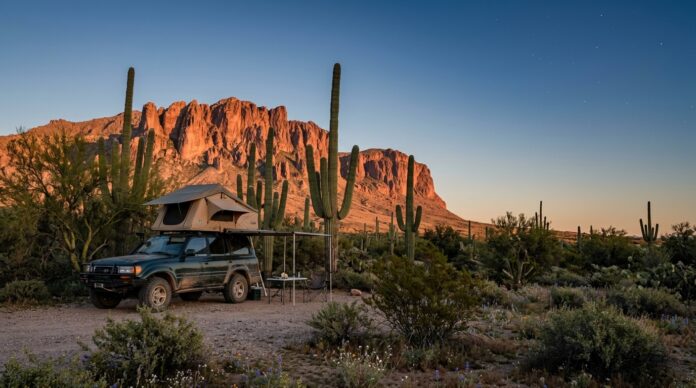

Quick Facts:
- Topic: Free dispersed camping in Arizona
- Spots covered: 13 (low desert for winter, high country for summer)
- Land managers: BLM, U.S. Forest Service, and Fish and Wildlife
- Typical cost: $0 to camp (no statewide camping pass)
- Passes: Red Rock and Tonto passes cover parking only; the La Posa LTVA is paid
- Stay limit: 14 days on BLM and National Forest land
- Vehicle needed: Stock SUV to fully built 4×4, by spot
- Best season: October to April for the desert; May to October for the high country
- Heads up: Summer desert heat is deadly, and monsoon rains flood the washes July through September
- Best for: Snowbirds, off-roaders, and overlanders chasing year-round desert solitude
11 min read
In This Guide
- Dispersed Camping Arizona: What Free Public Land Means
- Free Dispersed Camping Rules and Passes in Arizona
- Heat, Monsoon, and Road Conditions in Arizona
- Winter Desert: Free Dispersed Camping in Arizona’s Low Country
- Summer Escape: Arizona’s High Country
- Arizona State and Agency Resources
- Which Arizona Spot and Season Fit Your Rig?
- Final Verdict
- Frequently Asked Questions
Dispersed Camping Arizona: What Free Public Land Means
Dispersed camping in Arizona gives off-roaders a year-round playground, because the state runs on two seasons at once. The BLM, the U.S. Forest Service, and Fish and Wildlife together open millions of free acres, from saguaro desert to alpine aspen. Pull off a public-land road, set up in a used site, and a Grand Canyon rim or a Quartzsite sunset becomes your backyard. Free camping in Arizona costs nothing but fuel and a full tank of water. For the wider picture, see our roundup of the best places to camp in Arizona.
This guide ranks the best dispersed camping in Arizona for rigs of every build, split by the two-season rule. Each entry flags road condition, the clearance you need, the season, and any pass. Because 4wdTalk readers run real 4x4s, the focus stays on where a stock SUV taps out and where sand, rock, and clay demand low range. New to the format? Start with our take on what dispersed camping is.
Arizona splits by elevation, and this split decides everything. The low desert is a winter play, since summer there turns deadly hot. By contrast, the high country flips it, opening only once the snow melts. Therefore we cover the rules, the heat and monsoon, and the resources first, then walk every spot.
Free Dispersed Camping Rules and Passes in Arizona
Dispersed camping in Arizona runs on a short rulebook, plus a few passes worth sorting out. Free camping in Arizona stays free to camp on BLM and National Forest land, as long as you use existing sites and pack everything out. Arizona has no statewide camping pass. The passes you hear about, the Sedona Red Rock Pass and the Tonto Pass, cover parking at fee day-use lots, never the dispersed camping. Our primer on how to find free dispersed camping covers the basics.
| Rule or pass | Details |
|---|---|
| Cost to camp | Free on BLM and National Forest dispersed sites |
| BLM stay limit | 14 days in 28, then move 25+ miles |
| National Forest stay limit | 14 days in 30; Coronado uses 14 days in 60 |
| Red Rock and Tonto passes | Parking only at fee day-use lots, not for camping |
| La Posa LTVA (Quartzsite) | Paid: $40 per 14 days or $180 a season (the free areas are separate) |
| Fire rules | Stage 1 and Stage 2 bans common; check the live state fire map |
| Monsoon | Never camp in a wash bottom July through September |
Two habits matter most here. First, carry far more water than you plan to drink, because the desert is unforgiving and most sites have none. Second, pack out everything and follow Leave No Trace principles, since fragile saguaro ground scars for decades. The live fire and road pages in the resources table show what is open before each trip.
Heat, Monsoon, and Road Conditions in Arizona
Dispersed camping in Arizona splits down the middle by elevation, and the season follows. The low desert, from Quartzsite to Tucson, runs October through April. Summer there routinely hits 110 to 120 degrees, which kills unprepared campers. The high country, from the Mogollon Rim to the White Mountains, flips the calendar, opening May through October once the snow clears. When one half is comfortable, the other turns deadly hot or snowed in.
Monsoon season is the cross-cutting hazard, roughly July through September. Storms miles away fill desert washes within minutes, so never camp in a wash bottom in summer. On clay and cinder forest roads, rain turns the surface to grease and strands a two-wheel-drive until it dries. For traction when the desert turns to soup, pack recovery boards and read the road first.
The 2026 season carries real, current closures. As of late June, the Pocket Fire north of Sedona had State Route 89A closed, while the Grand Canyon North Rim sat under a fire-area closure at the severe Stage 2 level. A Sycamore Fire closure hit parts of the Tonto. West of Sedona, a standing forest order bans camping outside eight named designated areas through August 2026. Check each forest’s alerts page and the live state fire map before you roll.
Winter Desert: Free Dispersed Camping in Arizona’s Low Country
From October through April, the Sonoran Desert turns into the best free-camping country in the West, where snowbirds, off-roaders, and overlanders spread across open BLM land.
Quartzsite BLM 14-Day Areas
Quartzsite anchors the Arizona winter scene, with five free 14-day BLM areas ringing the town: Plomosa Road, Dome Rock, Hi Jolly, Scaddan Wash, and Road Runner. All are free, with a quick no-cost registration at the camp host. Graded gravel and hard-packed flats welcome any stock SUV or big RV. One trap confuses newcomers: the paid La Posa LTVA sits right alongside, charging $40 per 14 days or $180 a season. Stick to the free areas unless you want the dump station and water. One caveat: Road Runner borders the LTVA, so check its posted signs on arrival. Scaddan Wash hosts the famous Rubber Tramp Rendezvous each January.
Craggy Wash, Lake Havasu
North of Lake Havasu City, Craggy Wash spreads free BLM dispersed across miles of desert behind the highway. The first mile stays off-limits, then sites open up under a 14-day limit. A stock SUV reaches the front areas, though the sandier offshoots deeper in call for high clearance. As a wash, it floods fast in monsoon, so avoid the bottom in summer storms. Notably, the OHV crowd loves it, which means dust and noise on busy weekends. Lake Havasu sits minutes away.
Kofa National Wildlife Refuge
Kofa trades the Quartzsite crowds for true desert wilderness between Quartzsite and Yuma. Free primitive camping needs no permit, though refuge rules run stricter: stay on numbered roads, camp within 100 feet of the road, and keep a quarter mile from water. Main graded roads reach a stock SUV when dry, while the interior turns rough and rocky for high-clearance 4×4. Palm Canyon, desert bighorn, and some of the darkest skies in Arizona reward the effort. Confirm the stay limit with the refuge office before a long visit.
Sonoran Desert National Monument
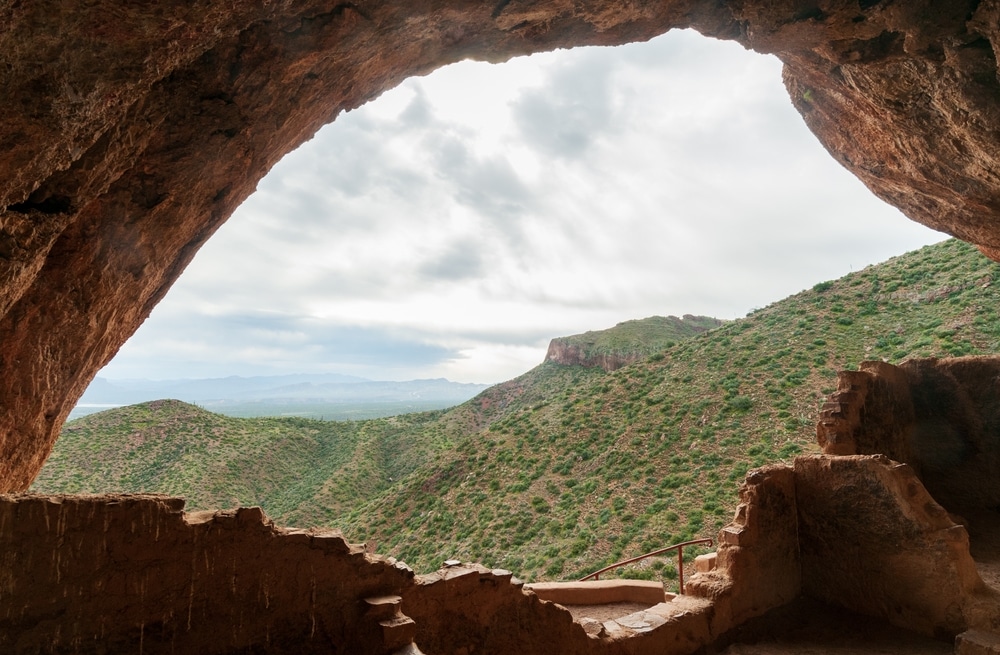
Off Interstate 8 southwest of Phoenix, the Sonoran Desert National Monument holds the densest saguaro forest in North America. Free dispersed camping lines Vekol Valley Road and Highway 238. Graded gravel near the highway reaches a stock SUV for the first couple of miles, then the road turns sandy and rocky for high-clearance 4×4. The BLM warns against driving a two-wheel-drive within 48 hours of rain. Carry paper maps, since navigation apps misroute here. The southern reaches sit on a smuggling corridor, so stay alert.
Snyder Hill, Tucson
Snyder Hill is the convenience play near Tucson, a flat patch of BLM desert twenty minutes from downtown off Ajo Highway. Treat it as an easy staging night rather than a solitude camp, since snowbird RVs, noise, and nearby recreational shooting crowd it all winter. Any vehicle reaches it when dry, though a few entrances hide deep dips scraping low rigs, so scout your way in. For real quiet, push out to Ironwood or Kofa instead. Saguaro National Park West and the Desert Museum sit minutes away, which is the real draw.
Ironwood Forest National Monument
Northwest of Tucson, Ironwood Forest National Monument offers a quieter desert with the same saguaro-and-ironwood beauty and far fewer people. Free BLM dispersed centers on Pump Station Road, reachable by a stock SUV when dry. Most interior routes turn primitive and washout-prone, demanding high-clearance 4×4. Watch the weight-limited bridge on Silverbell Road, and avoid the dirt entirely after rain. Free-range cattle wander the roads. Ragged Top and dark skies headline the solitude.
Tonto National Forest Lakes and Sycamore Creek
Within an hour or two of Phoenix, the low Tonto National Forest mixes lake access with close-in OHV ground. Free dispersed camping on the forest roads needs no Tonto Pass, which covers only parking at developed day-use lots. Roosevelt and Bartlett lakes offer easy basecamps, while Sycamore Creek runs sandy and rocky for high-clearance rigs. This is low desert, so it bakes in summer and shines October through April. Always check the current fire and shooting orders before you go.
Alamo Lake and Burro Creek
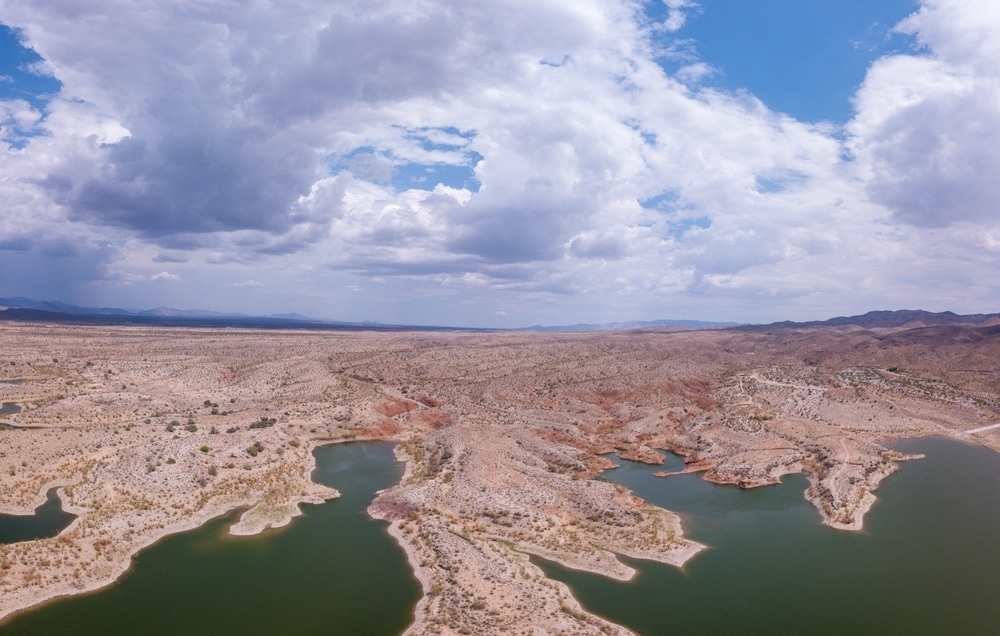
West of Wickenburg, two quiet desert spots reward the drive. Free dispersed sites ring Alamo Lake outside the paid state park, with bass fishing, wild burros, and spring wildflowers. Farther north near Wikieup, Burro Creek offers free pullouts along the gravel road beyond the fee campground. Both suit a stock SUV when dry, yet want high clearance after rain fills the washes. Carry all your water, since neither has a reliable source. October through April brings the best weather.
Summer Escape: Arizona’s High Country
When the desert turns lethal, Arizona’s forests open cool ponderosa and alpine camping above 6,500 feet, snow-gated through winter but glorious all summer.
The Mogollon Rim, Forest Road 300
The Mogollon Rim carries Arizona’s marquee view-camping, with free sites perched on the escarpment along Forest Road 300. Its graded main road suits a careful stock SUV in dry weather, though washboard, dust, and log-truck traffic keep you alert. The best rim-edge pull-offs, however, sit on rougher spurs rewarding high clearance. At 7,500 feet, summer is the season, since the road snow-gates in winter. Monsoon brings lightning and flash flooding to the low spurs, so camp the rim with care.
Kaibab National Forest near the Grand Canyon
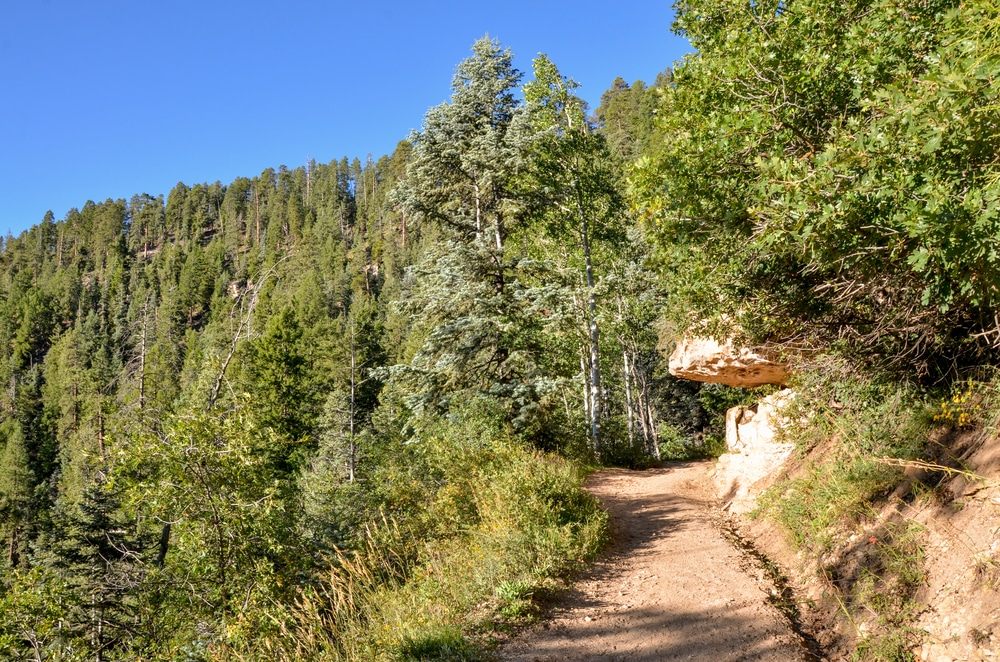
For a free Grand Canyon basecamp, the Kaibab National Forest near Tusayan holds level ponderosa dispersed on Forest Roads 302 and 688. Both run well-graded and fit large RVs about ten miles from the South Rim. A stock SUV handles them easily when dry, though clay turns to mud after rain. At 7,000 feet, summer is ideal and winter brings snow. This is the premier no-cost staging area for the South Rim. Check fire restrictions, since the wider Kaibab has seen severe closures in 2026.
Prescott National Forest and Mingus Mountain
Between Prescott Valley and Jerome, Mingus Mountain offers free dispersed camping with big views over the Verde Valley and Sedona’s red rocks. Prescott National Forest charges no pass to camp. The first miles of Forest Road 413 suit most rigs, while a rough technical middle section demands high-clearance 4×4 and low range. At 7,000 feet, it makes a popular summer escape, so arrive early on weekends. Snow and mud close it in winter. Mingus also opens a web of 4×4 and ATV trails.
Cinder Hills and the Flagstaff Corridors
Around Flagstaff, two free options beat the desert heat at 7,000 feet. Cinder Hills is an open OHV area on Coconino volcanic ground, free to camp with no forest permit, where deep cinder bogs down anything but a high-clearance or aired-down rig. Nearby, the Lake Mary Road corridor holds mellow designated dispersed sites friendly to vans and small RVs. Coconino has closed many near-town spurs for fire risk, so follow the signs and call the district. Summer is the sweet spot, with snow shutting the high roads in winter.
The White Mountains
In far eastern Arizona, the White Mountains hold the highest and coolest free camping in the state, around Greer and Big Lake near 9,000 feet. Free dispersed lines forest roads like 409 and 117C, graded gravel a stock SUV handles when dry. Mud after rain or snowmelt traps low rigs, and high clearance helps on the soft two-tracks. Aspen, spruce, and trout lakes make it Arizona’s true alpine escape. Snow closes the roads from about December through April. Plan offline, since cell service is faint.
Arizona State and Agency Resources
Bookmark these official Arizona pages and check them within a day of leaving, since fire restrictions and road closures change fast. Each link below resolved live as of this writing.
| Resource | Use it for | Link |
|---|---|---|
| Arizona Fire Restrictions (live map) | Current fire restrictions on federal and state land | wildlandfire.az.gov |
| ADOT AZ511 | Live road conditions, closures, and cameras | az511.gov |
| BLM Arizona | District maps and dispersed-camping rules | blm.gov/arizona |
| La Posa LTVA (Quartzsite) | Paid LTVA permits and fees, versus the free areas | blm.gov La Posa |
| Coconino National Forest | Sedona, Flagstaff, the Rim, Red Rock Pass, alerts | fs.usda.gov Coconino |
| Tonto National Forest | Lakes, OHV, the Tonto Pass, and fire orders | fs.usda.gov Tonto |
| Kaibab National Forest | Grand Canyon base camps and alerts | fs.usda.gov Kaibab |
| Recreation.gov | Reservations, permits, and passes | recreation.gov |
| Arizona State Parks and Trails | State parks, OHV, and reservations | azstateparks.com |
| Kofa National Wildlife Refuge | Refuge camping rules and desert bighorn | fws.gov Kofa |
From the 4wdTalk Garage
Arizona punishes two things: bad water planning and bad weather timing. The desert offers no shade and no water, so carry far more than you think you need, and never set out on a remote route low. Rain is the other killer. Desert washes flood from storms you cannot see, and clay and volcanic cinder turn to grease the moment they get wet, so never camp in a wash bottom in monsoon season and never drive a soft desert road within two days of rain. Two moves cover most of it: check the live state fire map and az511 before you leave, and carry recovery boards and a deflator for the sand and cinder.
Which Arizona Spot and Season Fit Your Rig?
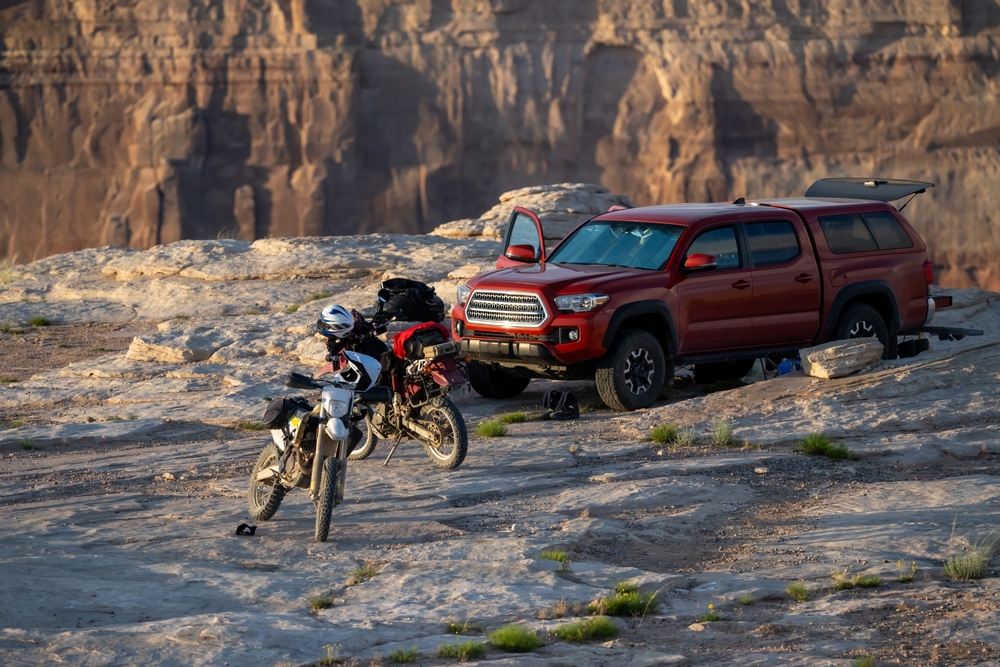
Pick by season first. The low desert runs October through April, which points you to Quartzsite, Snyder Hill, the Sonoran Desert Monument, and the Tonto lakes. Meanwhile, the high country runs May through October, which opens the Mogollon Rim, Kaibab, Mingus, and the White Mountains.
Pick by clearance next. Any stock SUV or RV handles Quartzsite, Snyder Hill, the Kaibab forest roads, and the Lake Mary corridor when dry. Step up to a high-clearance 4×4 for the Kofa interior, Sycamore Creek, the cinder dunes, and the rough middle of Mingus. These rank among the best dispersed camping in Arizona for any rig.
Pick by distance if you camp near the city. Dispersed camping near Phoenix points you to the Sonoran Desert Monument and the Tonto lakes within an hour or two. For a desert weekend farther afield, our guide to dispersed camping in Southern California covers the next region west.
Final Verdict
Arizona rewards off-roaders with free public land in every season, more than almost any state. For a first winter trip, Quartzsite or the Sonoran Desert Monument delivers easy access, warm sun, and huge dark skies. In summer, the Mogollon Rim or the White Mountains trades heat for cool pine.
The desert demands respect, though. Summer heat kills, monsoon floods the wash bottoms, and fire restrictions clamp down for months, so carry water, watch the sky, and check the live fire map. Watch the 2026 closures too, since Sedona, the Grand Canyon North Rim, and parts of the Tonto are restricted right now.
Match the spot to the season and your rig, and you skip the two classic errors. Avoid roasting in the low desert in July, or driving to a snow-gated forest road in January. The decision section above sorts every site by season and clearance.
Start at an easy desert flat, build your kit and your water discipline, then earn the rim and the alpine lakes. Free dispersed camping in Arizona runs somewhere across the state every month of the year, from January saguaros to August aspen.
Frequently Asked Questions
Is dispersed camping free in Arizona?
Yes. Dispersed camping in Arizona is free on most BLM and National Forest land. The Red Rock Pass near Sedona and the Tonto Pass cover parking at fee day-use lots, not the camping. Quartzsite’s paid La Posa LTVA is the main exception, and you pay it only for the amenities.
Do you need a permit for dispersed camping in Arizona?
No pass is needed to camp on BLM or National Forest dispersed sites. Quartzsite’s free 14-day areas ask only for a no-cost registration at the camp host. A few spots add a free permit, such as the Sand Tank Mountains, while state trust inholdings need a separate state permit.
Where is dispersed camping near Phoenix?
Dispersed camping near Phoenix centers on the Sonoran Desert National Monument off Interstate 8 and the Tonto National Forest lakes and Sycamore Creek. Each sits within an hour or two of the city. All are low desert, so plan them for October through April and skip the summer heat.
What is the stay limit for dispersed camping in Arizona?
BLM land allows 14 days in a 28-day period, then you move at least 25 miles. National Forest land allows 14 days in a 30-day period, while the Coronado uses a longer 60-day window. Rangers and camp hosts enforce these in busy areas, so track your nights.
Is free camping allowed near Sedona?
Barely, and only at designated sites. A forest order bans roadside camping west of Sedona except in eight named designated areas, which stay free with no Red Rock Pass to camp. The Red Rock Pass covers parking only. For open desert dispersed, plan a longer drive to the BLM lands west and south.
When is the best time for dispersed camping in Arizona?
It depends on elevation. The low desert suits October through April, when the heat breaks and snowbirds arrive. Meanwhile, the high country suits May through October, once the snow clears the forest roads. Avoid the low desert in summer, and watch monsoon storms from July through September.