


Quick Facts:
- Topic: The best diesel heaters for tents, rooftop tents, campers and trucks in 2026.
- Best overall: Sparks Overland 4K, the winner of my Planar vs Sparks head-to-head.
- Most proven: Planar 4kW portable, my go-to heater for years.
- Best for gas rigs: Velit 14,000 BTU, sold in diesel and gasoline versions with a CO sensor in the thermostat.
- No power station needed: Houswin self-powered heater, which makes its own electricity once it runs.
- Propane alternative: Propex PS2000, with no fuel pump to tick at night.
- Budget option: Hcalory TB3, about $350 on sale at publication.
- Safety rule: Heater and exhaust stay outside the tent, and a battery CO alarm goes inside.
- Test data: Cold-night numbers for the five featured picks land in November 2026, with the Hcalory TB3 added once my unit arrives.
Updated October 27, 2026 | 16 min read
In This Guide
- The Best Diesel Heaters at a Glance
- Best Diesel Heaters Compared Side by Side
- How We Test: The Cold-Night Test
- Best Overall: Sparks Overland 4K
- Most Proven: Planar 4kW Portable
- Best for Gas Rigs: Velit 14,000 BTU
- Best Without a Power Station: Houswin Self-Powered
- Best Propane Alternative: Propex PS2000
- Best Budget Option: Hcalory TB3
- How to Use a Diesel Heater for Tent Camping Safely
- Diesel Heaters for Campers, RVs and Vans
- Common Problems and How to Avoid Them
- Final Thoughts
- FAQ
The Best Diesel Heaters at a Glance
I have tested the best diesel heaters on the market for six years on the 4wdTALK channel. Most of the cheap units I tried let me down, and only a short list has earned my trust. This guide covers five featured picks plus one budget option. Most of them have a 4wdTALK video, so you see the heater run before you buy.
Here is the short version. The Sparks Overland 4K won my head-to-head against the Planar in December 2025. Meanwhile, the Planar 4kW portable is still the most proven heater I own. Velit fits gas rigs, Houswin runs without a power station, and the Propex PS2000 is the pick if you would rather burn propane. Finally, the Hcalory TB3 is the budget option for readers who want a diesel heater for camping at a few hundred dollars.
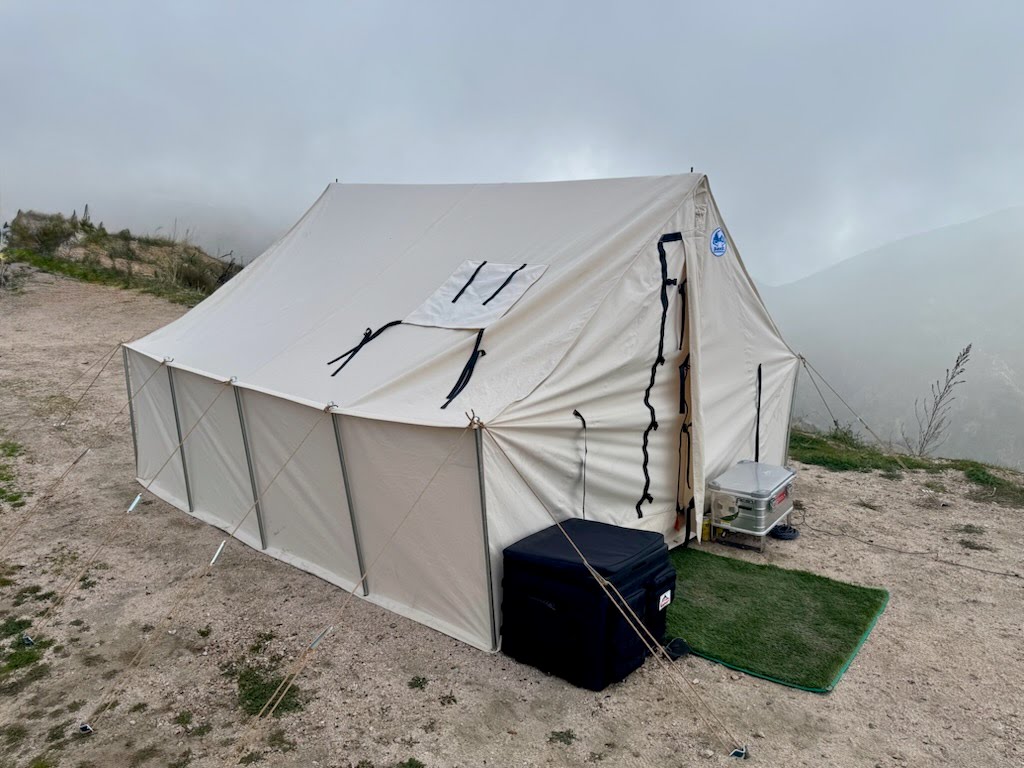
My own routine shapes how I rank the best diesel heaters. In my Bereg hot tent, I run the wood stove by day for heat and cooking, then switch to a diesel heater overnight. When fire bans shut down wood stoves, diesel carries the whole trip. As a result, I judge every heater on three questions. Will it run all night, start in the cold, and keep exhaust away from my bed? If you are here to heat a tent, jump to the tent safety section.
Start with the video below, the head-to-head behind my top two picks.
Best Diesel Heaters Compared Side by Side
The table below lists the best diesel heaters by manufacturer specs and list prices seen in late October 2026. Noise figures are approximate, and the cold-night test adds side-by-side readings at 1 meter and inside the tent. Propex lists about 65 dB for the Slimline version. Brands also publish fuel use and power draw in different units, so the cold-night test puts every pick on the same scale.
Specs and Prices for the Best Diesel Heaters
| Heater | Output | Fuel use | Power draw | Noise | Tank | Altitude | List price | Best for |
|---|---|---|---|---|---|---|---|---|
| Sparks Overland 4K | 1 to 4 kW | 0.18 to 0.55 L/h | 8 A start, 1.5 to 3.2 A running | About 64 dB | 1.9 gal stainless | Automatic | $1,799 | Ground tents, hot tents, truck beds |
| Planar 4kW portable | 1 to 4 kW (3,400 to 13,600 BTU) | 0.12 to 0.51 L/h | 10 to 57 W | About 62 dB | 1.75 gal external | 8,200 ft listed | $2,150 | Long winter trips, kerosene users |
| Velit 14,000 BTU | 4 kW (14,000 BTU) | 0.05 to 0.12 gal/h (diesel) | 20 to 46 W running, 126 W start source | N/A | Own jug or 1 gal clip-on tank | 17,000 ft rated | $999 | Gas rigs, light packing |
| Houswin self-powered | Up to 20,000 BTU (claimed) | About 15 h per 1 gal tank | Self-powered after startup | About 58 dB | 1 gal | Not published | $895 to $1,050 | Camps with no power station |
| Propex PS2000 (propane) | 6,500 BTU | 1 lb bottle lasts about 4 h on full | About 1.4 to 1.6 A | About 65 dB (Slimline) | 1 lb bottle or bulk tank | 10,000 ft | $2,099.95 to $2,499.95 | Rooftop tents, light sleepers |
| Hcalory TB3 (budget) | 8 kW badge | 0.12 to 0.35 L/h | Up to 12 A glow plug at start | Not tested yet | 6 L (1.6 gal) | Auto mode to 16,404 ft | $349.99 sale ($399.99 list) | Tight budgets, backup heat |
Two Specs Worth a Second Look
Two numbers in the table need context. First, the Hcalory carries an 8 kW badge. Yet owners on overland and boat forums report real output closer to 2 to 5 kW for units in this class. Second, the Velit runs on 20 to 46 W. However, Velit’s own guide calls for a 126 W power source to cover the glow plug at startup.
How We Test: The Cold-Night Test
Spec sheets tell you what a heater should do. To rank the best diesel heaters on real numbers, I am running every pick side by side instead. The test runs from October 31 to November 2, 2026, with the same tent and the same thermometers. After the test, the results go into a table on this page.
Here is what we record for each heater:
- Temperature rise inside the tent at 30 and 60 minutes, measured against outside air.
- Fuel burned per hour on low and on high, by weighing the tank or marking the bottle.
- Startup peak watts and running watts, read from an inline 12V meter or the power station display.
- Noise in decibels at 1 meter and inside the tent.
- Cold start, timed in seconds from button press to warm air.
- Test site elevation, plus any smoke or rough running.
We are filming the whole night for a new 4wdTALK video. The link goes here once it is live.

Best Overall: Sparks Overland 4K
Among the best diesel heaters I have tested, the Sparks Overland 4K is the one I recommend first. In my December 2025 video, I put it head to head with the Planar, which had been my undefeated champion for six years. My verdict at the end was simple: Sparks Overland built the best portable diesel heater on the market.
Full disclosure, I did not like the first Sparks Overland heater I tested years ago. However, the company went back to the drawing board. When I filmed the head-to-head, my Sparks unit ran a Velit core. Weeks later, Sparks showed me its first Autoterm build, hand-built in Colorado. Its product page now lists a Sparks-spec 4kW heater platform, assembled and tested in Colorado. Sparks lists its current portable box as the 4kW BASECAMP.
Here is what the current Sparks Overland 4K Diesel Heater brings, per Sparks’ product page:
- Output from about 1 kW to 4 kW, with diesel use of 0.18 to 0.55 liters per hour.
- A 1.9-gallon stainless steel tank inside the case.
- About 8 amps at startup, then 1.5 to 3.2 amps while running on 12V, plus an included 110V adapter.
- Automatic altitude compensation and sealed combustion kept apart from the heated air.
- A 90 mm quick-connect duct, so the hose pushes on with no hose clamp.
- About 36 pounds and roughly 20 x 12 x 12.5 inches.
The quick-connect duct is the detail I appreciated right away on my prototype unit, because the hose pushes on with no clamp.
Where the Sparks Falls Short
Two trade-offs stand out. First, at $1,799, it costs about as much as five Hcalory units. Second, Sparks labels this box “not for rooftop tents” and points rooftop tent owners to its smaller 2kW Mini instead. For more on the brand, read my Sparks Overland 4K review.

Most Proven: Planar 4kW Portable
The Planar Heaters 4kW portable diesel heater lost the head-to-head, yet it is still the heater I trust most. Over dozens of trips and hundreds of hours, it has never let me down. In addition, it forgives my bad habits. I let it sit in storage for months with the same diesel in the tank, yet it starts every season and runs all winter.
The specs also explain why it stays in my truck. It puts out 3,400 to 13,600 BTU, burns diesel or kerosene, and draws 10 to 57 W on 12V. Fuel use runs 0.12 to 0.51 liters per hour, so a night on low barely dents the tank. Better still, it has enough output for me to split the duct and heat my tent and a buddy’s tent at the same time.
The quiet low setting is the standout, and one Planar owner on Wander The West rates it quieter than the camper furnace. Owners also praise Planar’s North American support and its kerosene and high-altitude options. Planar’s listing shows 8,200 feet for this model, and I camp at Big Bear, around 6,750 feet, without trouble.
The trade-off is price. At $2,150 on Planar’s site, it is the most expensive diesel pick here, and the fuel pump still ticks. Even so, a heater you never have to think about is worth a lot at 2 a.m. For the full story, see our Planar 4kW portable review and my diesel heater maintenance tips.
Best for Gas Rigs: Velit 14,000 BTU
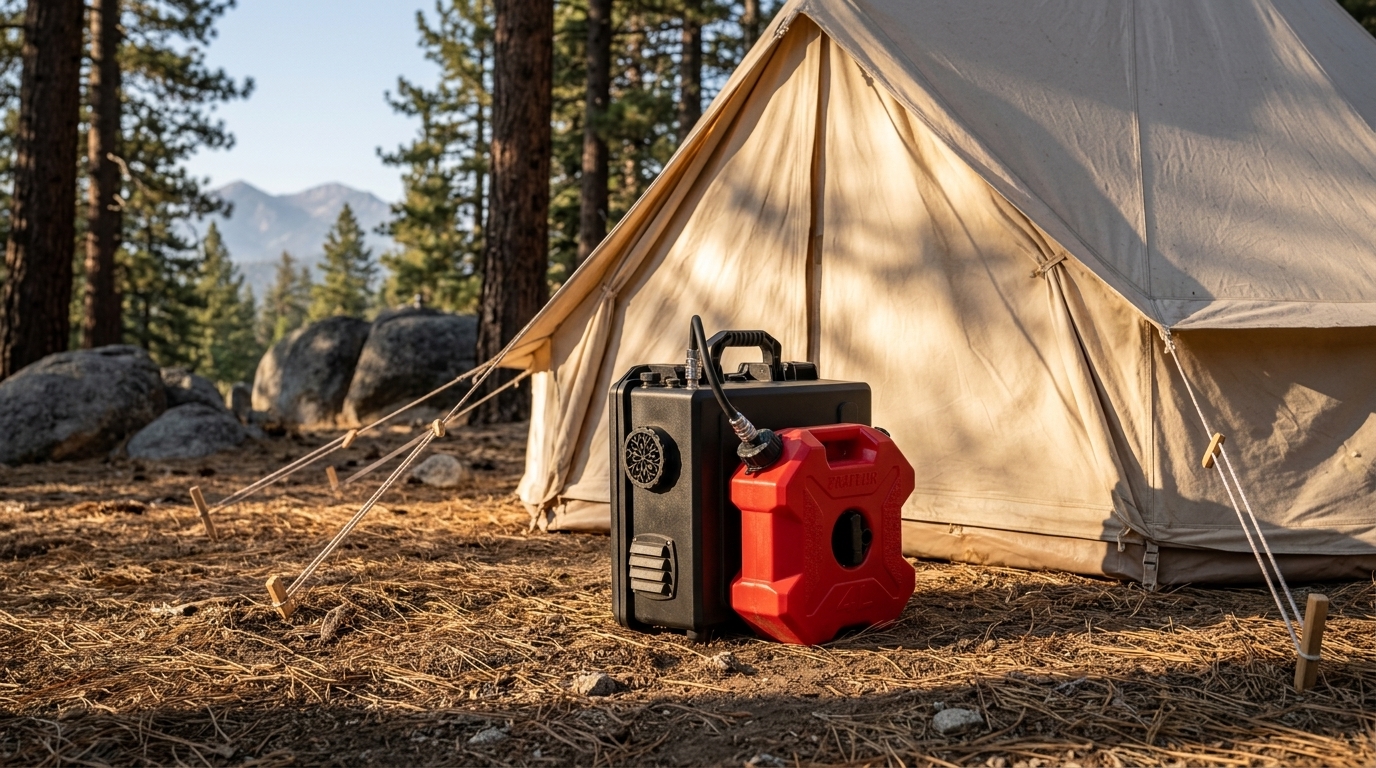
The VELIT Portable Air Heater solves a problem the other picks ignore. Velit sells the same 14,000 BTU heater in diesel and gasoline versions. If you drive a gas rig, you heat camp with the fuel you already carry.
The Bluetooth thermostat is the standout feature. It pairs with a phone app and includes a built-in carbon monoxide sensor. According to Velit’s manual, the alarm trips at 800 ppm, and the heater then shuts itself down. Velit’s quick start guide adds a catch: the CO alarm works only with the thermostat placed outside the case, in the space you heat. Velit also caps continuous runtime at 48 hours before the unit power-cycles.
At 20 pounds, it is the lightest diesel pick here. Fuel use runs 0.05 to 0.12 gallons per hour on diesel, close to my Planar. Instead of a fixed tank, you choose a bring-your-own-container kit for a Rotopax or a one-gallon tank with a clip-on mount. The price is $999 for the heater alone, with a two-year limited warranty.
Startup Power, Owner Reports and Stock
Plan your power around the 126 W startup need flagged above, not the running draw. Owners of installed Velit heaters report clean running at 11,000 feet and above, and they call the support excellent. Their main gripes are a basic controller and loose pump connectors. In late October 2026, the diesel versions showed as backordered in the US, while the gasoline version was in stock. Read more in our Velit gasoline air heater review.
For now, my Stout bell tent video shows Velit’s gasoline 4kW heater in action. The player below starts at the gasoline heater test, about 23 minutes in.
Best Without a Power Station: Houswin Self-Powered
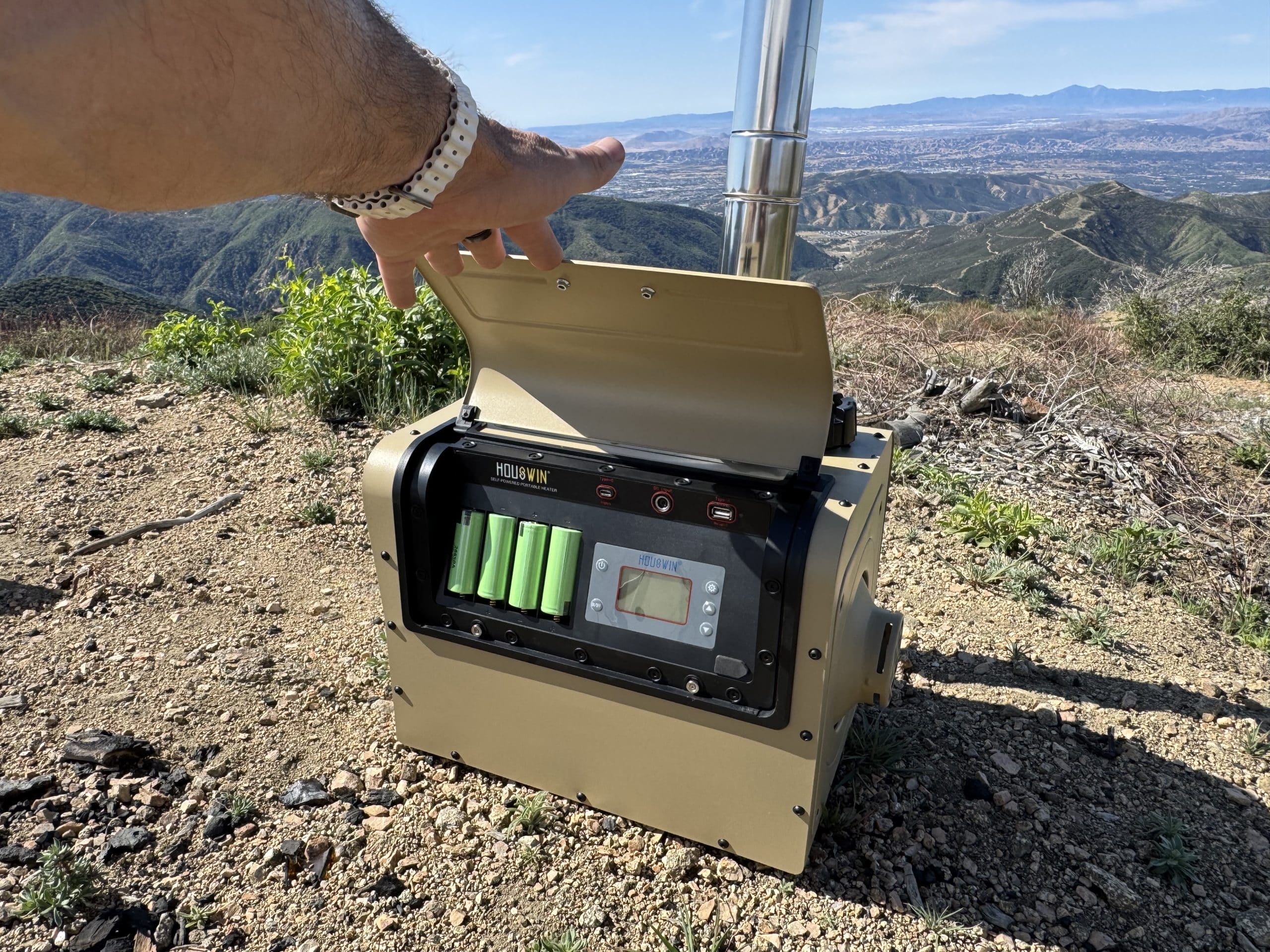
In six years of testing heaters, the Houswin is the first one I have seen make its own electricity. A thermoelectric generator turns some of the heater’s warmth into power once it is running. An internal battery handles ignition and recharges while the heater runs, so you need no power station. Houswin also builds in USB ports.
On paper, Houswin lists the Model S at up to 20,000 BTU, with a one-gallon tank good for about 15 hours. It weighs about 41 pounds on Houswin’s site and 39 pounds on Amazon. Pricing in late October 2026 ran $895 on Houswin’s site and $1,050 on Amazon. The trade-off is a thin spec sheet. Houswin does not publish fuel use per hour, power draw, noise or an altitude rating, so the cold-night test fills those gaps.
My two videos cover a first look with the Houswin team and a field test in a hot tent. Neither one is a long-term review, and I say so on camera. Owner reports are still thin, so treat this as the newest pick on the page.
Also watch the first look, a live demo with the Houswin team: After 6 Years Testing Heaters, I’ve Never Seen This Before.
Best Propane Alternative: Propex PS2000
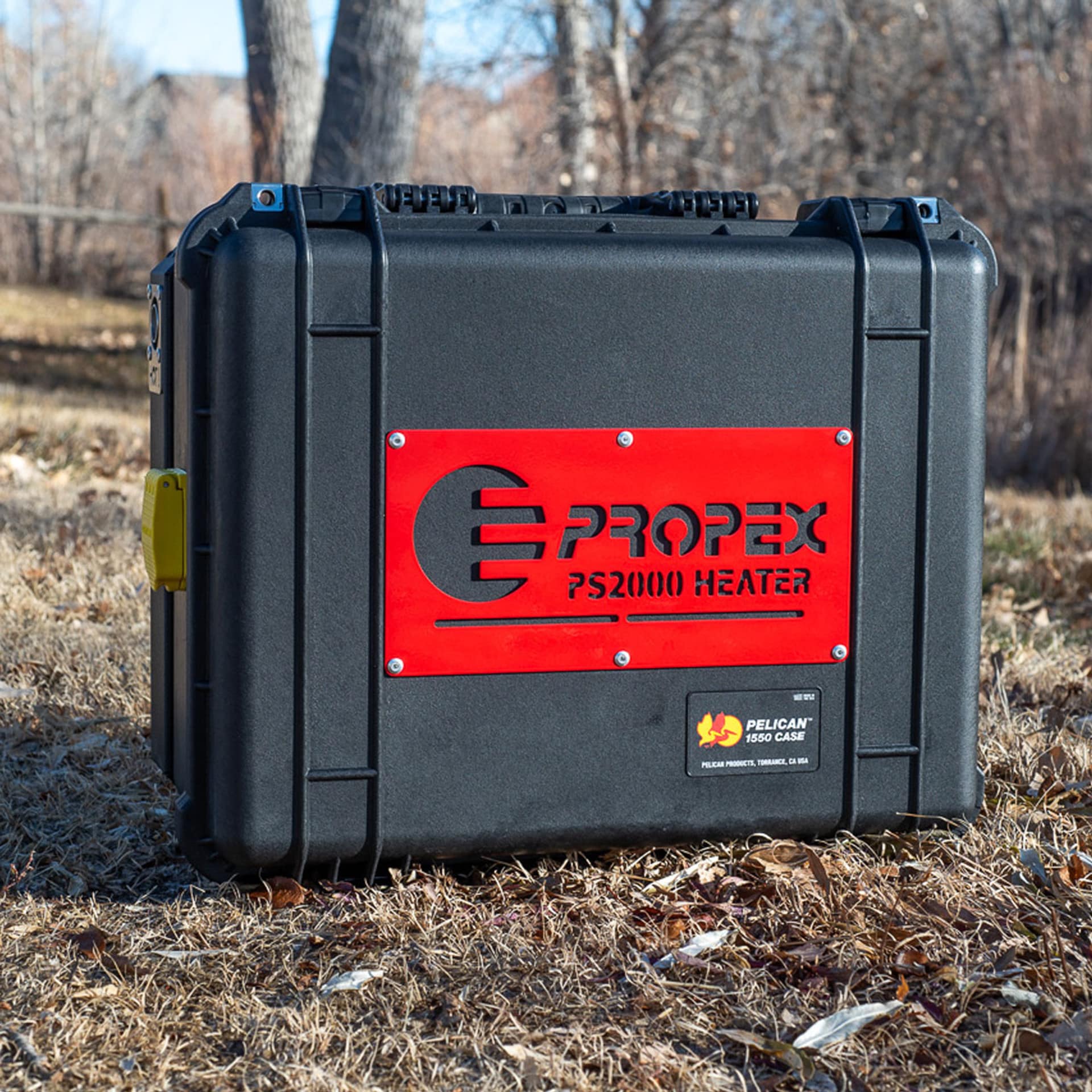
The Propex PS2000 earns a spot for readers who do not want diesel at all. It runs on standard propane from a one-pound bottle or a bulk tank and puts out 6,500 BTU. Its combustion also stays sealed away from the heated air. Because it has no diesel fuel pump, the ticking sound many owners complain about is gone.
I filmed my PS2000 video at Big Bear in a 16-foot bell tent, with lows in the low 40s, and the heater seriously impressed me. Propex rates it to 10,000 feet. The original suitcase version draws about 1.4 amps, and Propex says a one-pound bottle lasts about four hours at full output. Also, the newer Slimline version weighs about 18 pounds and lists about 65 dB.
The trade-offs are real. Output is lower than the diesel picks, and a gallon of propane holds about a third less heat than a gallon of diesel, per EIA figures. Price runs $2,099.95 for the Slimline and $2,499.95 for the original. Propex lists a one-year warranty. Still, for a rooftop tent or a light sleeper, I like the simplicity. Learn more about the Propex PS2000 Portable Suitcase Heater.
Best Budget Option: Hcalory TB3
I had bad luck with older Hcalory units. Still, many owners swear by the brand, and the newer ToolBox models get strong reviews. So the Hcalory TB3 is my pick if you want a budget diesel heater and accept more risk. I have not tested the TB3 hands-on yet, and I am working on getting one in now. Even so, our research makes it look impressive for what it is. Until my unit arrives, this pick leans on owner reports and Hcalory’s own specs.
Hcalory lists the TB3 as its 6L anti-leak model with a high-altitude mode, sold as a 2027 upgraded version. It carries an 8 kW badge and burns 0.12 to 0.35 liters per hour. The 6-liter tank runs about 50 hours on level 1 and 17 hours on level 10. It also takes 12V, 24V or 110V power, weighs 25.4 pounds, and has an IPX4 rating. In late October 2026, it listed at $349.99, down from $399.99, as a pre-order.
Owners on the Go Fast Campers forum and Reddit praise how fast a ToolBox sets up, with hot air in minutes. They also like the thermostat fob and app. However, opinions on cheap diesel heaters split hard. Some units run for years, while others fail within the first year.
Check the power and safety details first. The glow plug pulls up to 12 amps for three to five minutes, so Hcalory calls for a 15-amp supply. Also, the TB3 has no CO sensor, and Hcalory puts the CO alarm on the TB Max. Read our Hcalory diesel heater review and cheap vs expensive diesel heaters before you buy.
How to Use a Diesel Heater for Tent Camping Safely
If you want a diesel heater for tent use, this section matters most. Owners repeat one rule on every forum. The heater body, its air intake and its exhaust stay outside, and only the warm-air duct goes into the tent.
Safety note: Never run a portable diesel heater inside a tent, and never route the exhaust toward a door, vent or air intake. The CPSC warns against using fuel-burning heaters while you sleep in a tent or camper. If you run one overnight anyway, a working battery CO alarm inside the tent is the minimum.
Exhaust Out, Duct In, Vent Cracked

First, set the heater a few feet from the tent wall and point the exhaust downwind and away from every opening. Owners with rooftop tents put the heater on the far side of the vehicle, so exhaust never drifts up under the floor. Keep the exhaust well clear of the heater’s own air intake as well. Then feed the duct through a door zipper, a window or a dedicated port. A 3D-printed screw-in port or a slotted zipper adapter keeps the gap tight.
Next, crack a high vent anyway. Owners leave a window or roof vent open even with sealed combustion, because a fully zipped rooftop tent gets stuffy fast. Our diesel heater carbon monoxide safety guide covers the full setup checklist.
Put a CO Alarm Inside, Every Night
Above all, a battery CO alarm is the one accessory I insist on. Alarms built to the UL 2034 standard must sound at 70 ppm within 60 to 240 minutes, and at 400 ppm within 4 to 15 minutes. Some owners report their alarms sounding after wind pushed exhaust back or an exhaust joint worked loose. For this reason, the alarm belongs in the tent with you.
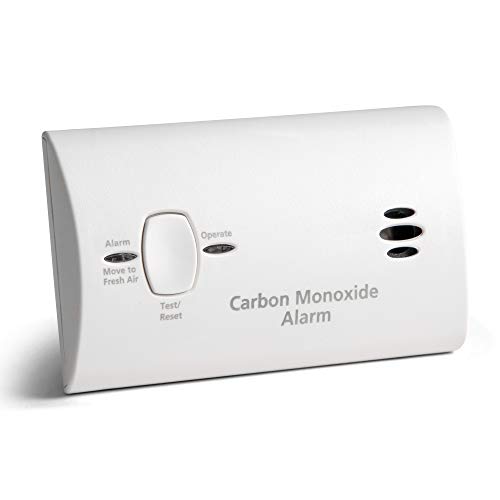
Kidde Carbon Monoxide Detector, Battery Powered CO Alarm with LEDs, Test-Reset Button, Low Battery Indicator, Portable
A battery-powered carbon monoxide alarm is non-negotiable whenever heater exhaust runs anywhere near where you sleep.
- Electrochemical CO sensor runs on two AA batteries
- No wiring, so it moves between home, tent, and truck
- Test-reset button and low-battery indicator
- No digital ppm readout on this model
Best Heater Size for Your Tent
Bigger is not better inside nylon walls. Owners agree a 2 kW heater suits small ground tents and a bare rooftop tent. In contrast, 4 to 5 kW suits a rooftop tent with an annex, a wall tent or high-altitude camps. An 8 kW unit in the same setup feels like a sauna, owners say. A small heater runs closer to its high setting in the same space, so it burns cleaner and builds less soot. Use our guide to size a diesel heater by shelter for exact numbers.
Best Diesel Heaters by Tent Type
- Bell tents, wall tents and larger ground tents: Sparks Overland 4K or Planar 4kW. In my Bereg, diesel takes over once the wood stove dies down for the night.
- Rooftop tents and small ground tents: Propex PS2000 or a 2 kW diesel unit. Sparks marks its 4kW box as not for rooftop tents and points you to its 2kW Mini.
- Hot tents during fire bans: any diesel pick here. Fire bans often stop wood stoves, so I switch to diesel then. Check the local order first.
- Tight budgets: Hcalory TB3, with a CO alarm inside and a regular run on high to burn off carbon.
If you are weighing fire against fuel, my wood stove vs diesel heater comparison breaks down the trade-offs. For the rules on fire restrictions, read about diesel heaters during fire bans.
Diesel Heaters for Campers, RVs and Vans
Diesel heaters for campers come in two types: portable boxes and installed units. A portable diesel heater sits outside and moves between your tent, truck camper and garage. In contrast, an installed heater bolts in place, draws fuel from a tank under the rig, and vents through the floor.
For a truck camper or pop-up, the Planar and Sparks boxes work well. You heat the camper at night and the tent on other trips. However, an installed unit pays back in a van or travel trailer used every weekend through winter. It also needs no hose through a door. Planar, Sparks and Velit all sell installed kits as well. Read portable vs fixed diesel heaters to pick a side.
Power planning matters more in a camper, since the heater shares the battery with lights and a fridge. Running draw sits around 10 to 57 W for the picks here, yet glow plugs spike far higher at startup. Our breakdown of how much power diesel heaters draw walks through battery sizing for a camper.
Common Problems and How to Avoid Them
Even the best diesel heaters have bad nights. Most problems owners report trace back to a short list, and each one has a fix.
- Hard starts in deep cold: diesel thickens as it gets colder. Use winter-blend diesel, add a cold-weather additive, or run kerosene in heaters rated for it, such as the Planar.
- Drained batteries: glow plugs pull hard at startup. I bring an extra 12V car battery only for the heater, and a power station works too.
- Soot and carbon: long runs on low and rich mixtures at altitude build carbon. Run the heater on high for a while, and plan regular cleanings. One heavy user on Rokslide cleans every 50 to 60 hours.
- Smoke at altitude: stock settings run rich above about 8,000 feet. Pick an auto-altitude unit or lower the pump rate.
- Clogged fuel: dirt in the line shuts heaters down. Use clean fuel and check the filter.
- Pump ticking: move the heater a few feet farther from the tent or soft-mount the pump.
Good habits fix most of this list. For a deeper how-to, see our diesel heater buying guide and why portable diesel heaters work off-grid.
Final Thoughts
If you want one heater and the budget allows, buy the Sparks Overland 4K. It is my top diesel heater for camping. On camera, it beat my long-time Planar, and the build quality shows in every latch and hose fitting. If you want the heater with the longest track record, the Planar is still the one I would hand a friend.
Your rig and fuel change the answer, though. Gas rigs get the most from the Velit, and camps with no power station suit the Houswin. Rooftop tents and light sleepers do well with the Propex. Finally, the Hcalory TB3 keeps you warm for a few hundred dollars. Treat it as a budget heater, and keep a CO alarm close.
Whichever heater you choose, set it up the same way every night: heater and exhaust outside, duct in, vent cracked, alarm on. The cold-night numbers land here in November, and my everyday gear list lives in what I carry in my overlanding kit. I have tested the best diesel heaters for six years, and a diesel heater is what keeps my Bereg warm overnight.
FAQ
What brand makes the best diesel heaters?
Sparks Overland and Planar make the best diesel heaters I have tested. My 2025 head-to-head went to Sparks, and Planar has the longest track record. Velit is the pick for gas rigs, and Hcalory is the budget choice.
Is it safe to sleep with a diesel heater running?
Safety depends on setup. Owners keep the heater and exhaust outside, run only the warm-air duct inside, and put a battery CO alarm in the tent. The CPSC takes a stricter line and warns against fuel-burning heaters while you sleep in a tent, and the CDC says to never run one inside a tent. If you run one overnight, never skip the alarm.
How long does a gallon of diesel last in a diesel heater?
At the fuel rates the brands publish, one gallon lasts from about 7 hours on high to about 31 hours on low. Owners running small tents on low report about a third of a gallon per 12-hour night.
How long will a diesel heater run on a 12V battery?
Startup takes roughly 100 to 150 W for a few minutes. Then running draw drops to about 10 to 57 W. Owners report a 290 Wh power station runs a heater about 12 hours on low. Check the DC port rating, since some 10-amp ports trip during glow-plug startup.
How many square feet will an 8 kW diesel heater heat?
No reliable square-foot figure exists, and owners say most budget 8 kW units put out closer to 2 to 5 kW. Size by shelter and insulation instead. An 8 kW badge is usually too much for a tent.
Is a diesel heater cheaper to run than propane?
Usually, yes. A gallon of diesel holds about 137,000 BTU against about 91,500 BTU for propane, per the US Energy Information Administration. At similar prices per gallon, diesel gives you about 50 percent more heat.
Do diesel heaters work at high altitude?
Yes, with the right settings. Stock units run rich and soot up above about 8,000 feet. Buy a unit with automatic altitude compensation, such as the Sparks or Hcalory TB3, or lower the pump rate.
Why do cheap diesel heaters fail?
Owners point to leaky fuel lines, weak pumps and controllers, low startup voltage and long runs on low. Bench-test a budget unit at home, upgrade the fuel line, and run it on high regularly to burn off carbon.
Related Reading
Photo by Wirestock Creators via Shutterstock