



Quick Facts:
- Topic: Worst overland trucks ranked by reliability and maintenance costs
- Data sources: NHTSA recall counts, RepairPal cost averages, Consumer Reports, J.D. Power
- Forum sentiment: r/overlanding, Expedition Portal, Overland Bound, brand-specific forums
- Trucks ranked: 10 main picks plus 3 new and unproven entries
- Worst overall offender: Land Rover Discovery II (1999-2004)
- Surprise entry: Toyota Tacoma 2nd Gen frame corrosion warranty extension
- Cost outlier: Land Rover brand at $1,174 average annual maintenance (RepairPal)
- Best for: Buyers researching used overland platforms and avoiding expensive lessons
11 min read
In This Guide
- Why I Wrote This and How I Ranked the Trucks
- Reliability and Cost Data at a Glance
- 1. Land Rover Discovery II (1999-2004)
- 2. Land Rover LR4 (2010-2016)
- 3. Hummer H2 (2003-2009)
- 4. Hummer H3 (2006-2010)
- 5. Jeep Gladiator (2020-2022)
- 6. Jeep Wrangler JK (2007-2018)
- 7. Toyota Tacoma 2nd Gen (2005-2010)
- 8. Nissan Xterra 2nd Gen (2005-2015)
- 9. Ford F-150 EcoBoost 1st Gen (2011-2016)
- 10. Mercedes Sprinter 4×4 (Older Diesel)
- New and Unproven: 3 I Am Watching
- Final Verdict
- Frequently Asked Questions
Why I Wrote This and How I Ranked the Worst Overland Trucks
The honest answer to which overland trucks to avoid used to depend on who showed up at the trailhead with a war story. Today, I have data. For this ranking of the worst overland trucks, I pulled NHTSA recall counts, RepairPal annual maintenance averages, Consumer Reports predicted-reliability scores, and the J.D. Power Vehicle Dependability Study. Then I cross-checked the numbers against thousands of forum posts on r/overlanding, Expedition Portal, Overland Bound, Tacoma World, and brand-specific boards. Readers ask me about these unreliable overland vehicles almost every week.
One thing to acknowledge up front: many owners of the trucks below have logged 100,000 trouble-free miles. Year matters more than model. Aftermarket fixes also rehabilitate most of these platforms. Still, the trucks here show up in failure threads over and over again, because they cost their owners more money, downtime, and trailside frustration than an overlander signs up for.
I baked in firsthand experience where I have it. I owned a 2020 Jeep Gladiator, and my buddy lemon-returned a 2022 EcoDiesel Gladiator after nonstop issues. Those stories show up in the relevant sections. For the trucks worth buying instead, see my list of trucks worth your time for overland duty.
Worst Overland Trucks: Reliability and Cost Data
| Reference Point | Headline Number |
|---|---|
| J.D. Power 2020 Land Rover dependability | 220 problems per 100 vehicles (last place) |
| Land Rover average annual maintenance (RepairPal) | $1,174 |
| Toyota RAV4 average annual maintenance (RepairPal) | $429 |
| Tacoma frame corrosion warranty extension scope | 2005-2010 model years |
| 2020 Jeep Gladiator NHTSA recall count | 7 recalls |
| Gladiator AC evaporator repair | $967 to $1,344 |
| 2022 Ford Bronco NHTSA recall count | 32 recalls (NHTSA, current) |
Build Your Recovery Kit
Pack Recovery Gear Before You Pack Faith
A traction board, jump starter, and OBD scanner pay for themselves the first time a trail breakdown happens. Build the kit before the wheels stop turning.
1. Land Rover Discovery II (1999-2004): The Worst Offender
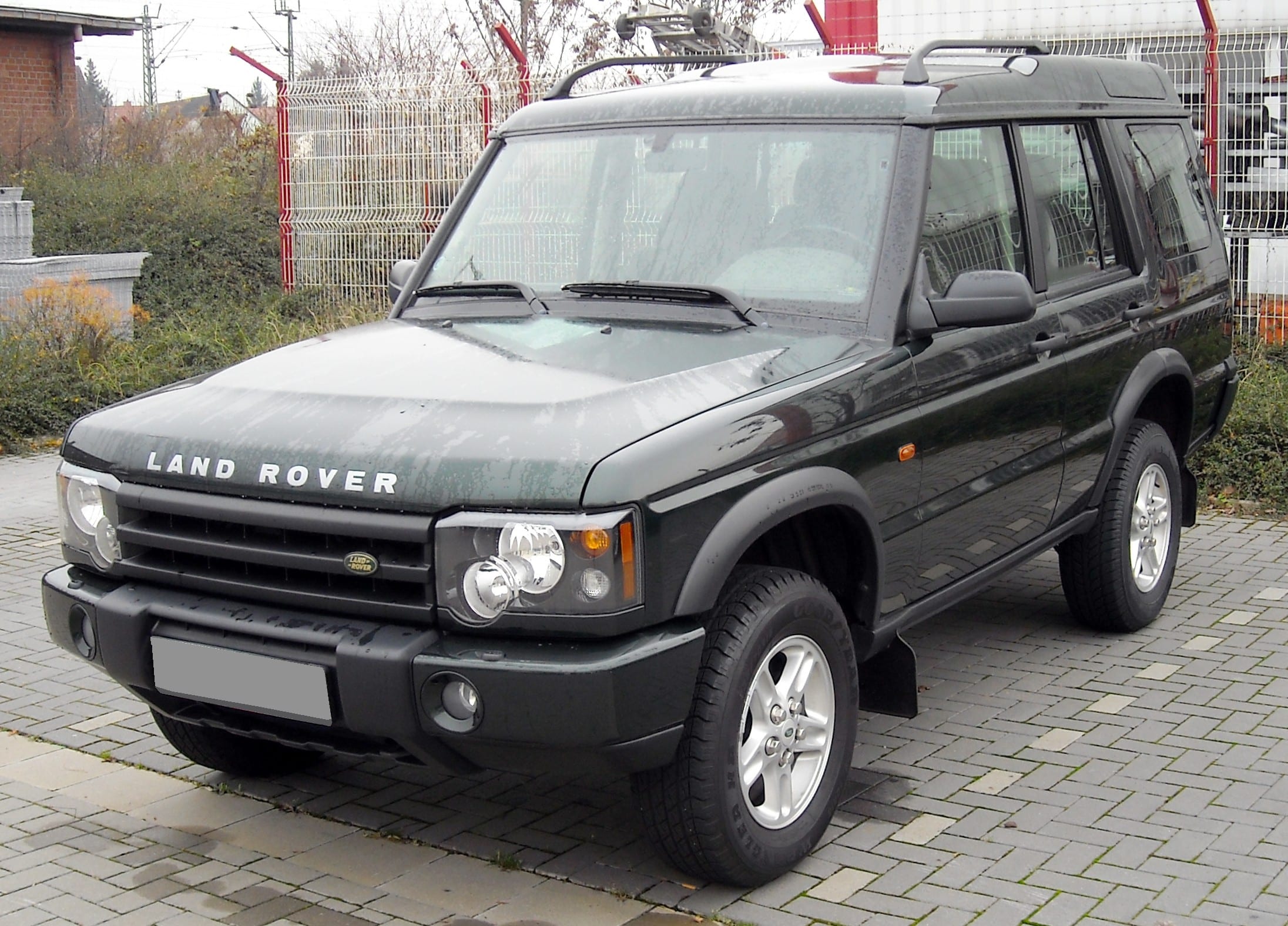
The Discovery II earns the top spot because almost every system gives up at high mileage. Specifically, the 4.0L and 4.6L V8 engines suffer from sinking cylinder liners, an issue forum mechanics call the defining Discovery II failure mode. In addition, head gasket leaks behave like routine maintenance items. Owners report air suspension faults, ABS sensor failures, and electrical gremlins serious enough to lock people inside the cab.
For comparison, RepairPal pegs the Land Rover brand average annual maintenance at $1,174, almost three times the Toyota RAV4 average. Similarly, J.D. Power’s 2020 Vehicle Dependability Study ranked the brand dead last at 220 problems per 100 vehicles. On Grassroots Motorsports, one owner summarized ownership as, “aside from needing a new engine, mine has needed nothing.” The Discovery II goes anywhere off-road. However, the wallet pays the price either way. For balance, see Land Rover reliability nuance from a longtime owner.
Video: Car Wizard walks through every serious failure point on the Discovery 1 and 2.
2. Land Rover LR4 (2010-2016): Luxury Tax on Every Breakdown
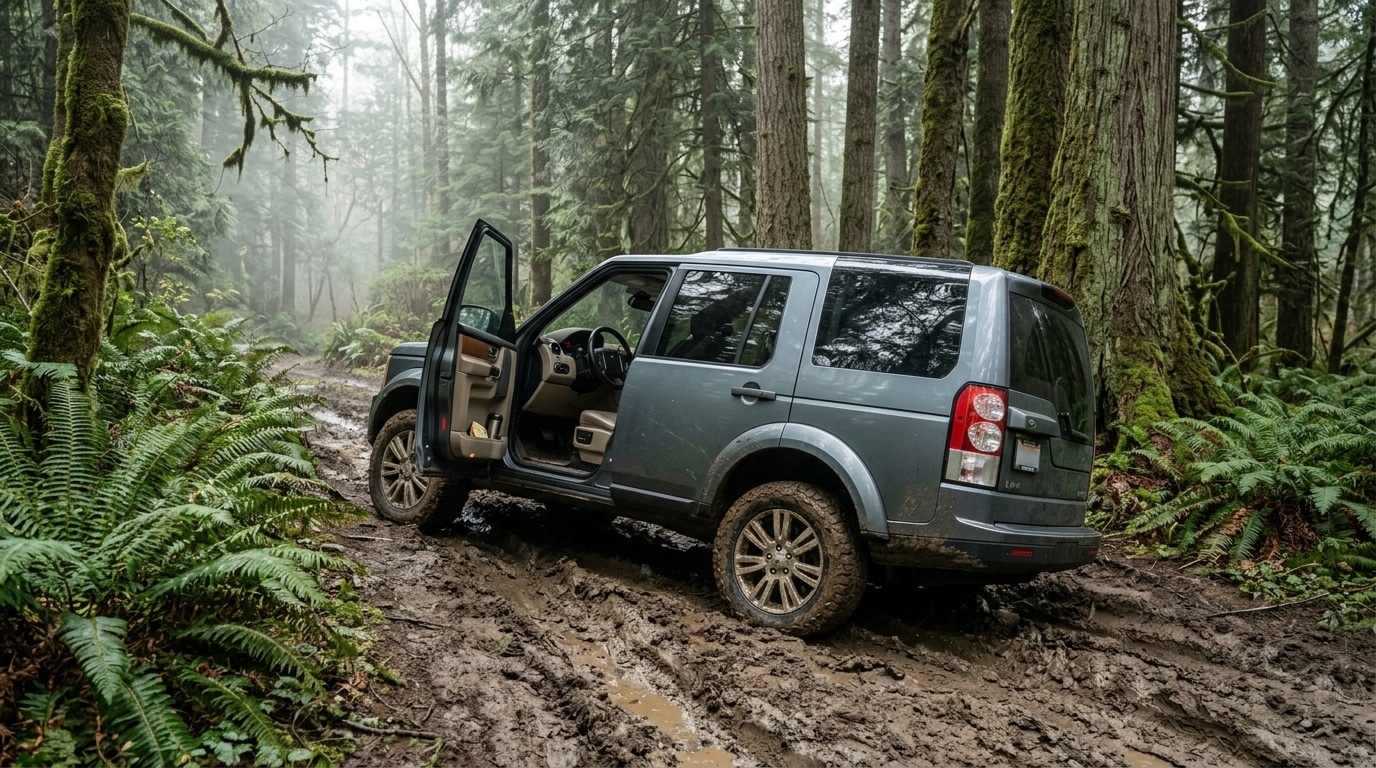
The LR4 trades the Discovery II’s archaic gremlins for modern electronic ones. Notably, air suspension compressor failures sit at the top of the complaint list. The 5.0L V8 also stretches timing chains. Then the ZF six-speed transmission throws codes earlier than it should. Door latch actuators, EAS modules, and infotainment failures stack up before 100,000 miles.
By contrast, the LR3 earns a better reputation in some circles. Road & Track has called the LR3 “the most underrated overlanding value.” The LR4 does not get a pass. Consumer Reports gave the brand a 1-out-of-5 predicted-reliability score for the relevant model years. Moreover, parts cost more, dealer labor rates run higher, and remote service is thin outside major metros. Overland truck reliability suffers when a platform combines high complexity with low parts availability.
3. Hummer H2 (2003-2009): Big Truck, Bigger Bills
The H2 looks the part of an overland flagship until you fuel it up. Real-world consumption sits between 10 and 12 mpg. On a 400-mile fuel range, the math gets expensive before the wheels reach the trail. Additionally, CarParts.com flags the 2003 model for knocking noises and coolant loss tied to oil-pressure problems. Later years see transfer case failures and air suspension issues.
Specialty parts also make every repair feel like a custom order. For instance, owners on r/Hummer report annual repair bills well above $1,000 once mileage clears 100,000. The H2 hauls a heavy camper and looks intimidating on the trail. However, the operating cost punishes any long overland route. Overland truck maintenance costs alone push this rig off most build lists.
Video: Hoovies Garage tears down a cheap H2 and finds every failure mode in one truck.
4. Hummer H3 (2006-2010): The Discontinued Brand Tax
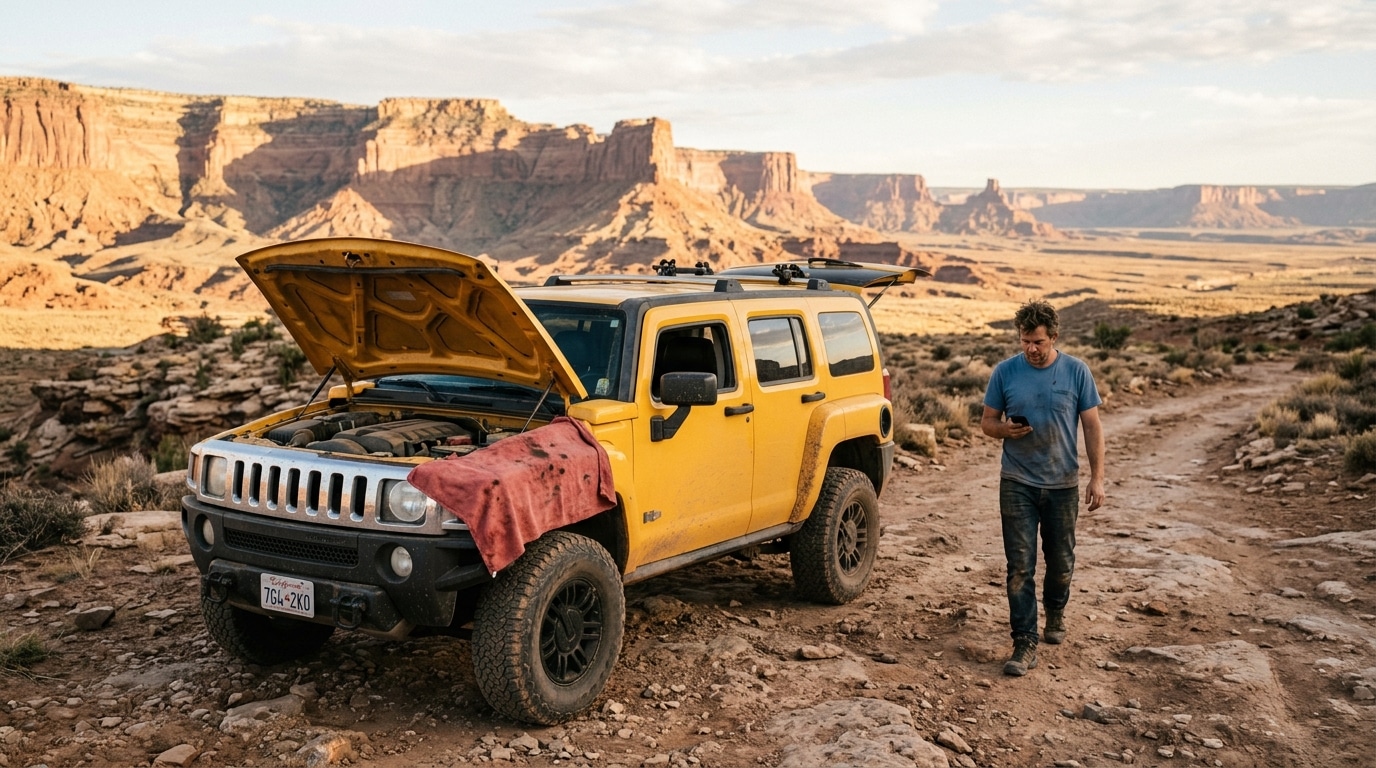
The H3 fixed the H2’s fuel economy and shrunk the footprint. However, GM killed Hummer in 2010, which means parts availability now leans on aftermarket and salvage networks. Also, the 3.7L inline-five engine burns oil. Head gasket failures appear at predictable mileage. Similarly, the transfer case grows weak under heavy loads.
For overlanders, the platform’s biggest liability is the orphan-brand status. For example, on a remote route, getting a part shipped to the nearest town becomes a multi-week project. ConsumerAffairs notes Hummer H3 maintenance and repair costs run slightly above average. Yet real-world costs climb higher because of parts scarcity.
5. Jeep Gladiator (2020-2022): A Personal Story
This entry comes with a personal note. I own a 2020 Gladiator. After tens of thousands of miles, the only major issue traced back to an aftermarket throttle-body tuner, not a factory defect. My factory lockers also threw codes. Otherwise, the truck has held up to every overland trip I have thrown at it, and I love it. However, my experience is one data point. The interviews and failure patterns I documented still put the Gladiator on this list.
For example, my buddy bought a 2022 EcoDiesel Gladiator and ran into nonstop problems. He ultimately lemon-returned the truck. His story is not isolated, especially on the EcoDiesel platform. For the gas trucks, NHTSA logged 7 recalls each on the 2020 and 2021 Gladiator. Issues include clutch pressure plate overheating, electrical and battery drain faults, and software-related transmission codes. Repair quotes also hit $967 to $1,344 for an AC evaporator and $548 to $724 for an oil pump. Before signing paperwork, read about Jeep EcoDiesel reliability issues.
6. Jeep Wrangler JK (2007-2018): Death Wobble and a Weak V6
Death wobble defines the JK’s reputation. Specifically, the solid front axle setup, combined with worn track bars, ball joints, and tie rods, produces an uncontrollable steering shake at highway speed. For instance, Rhino USA, Jalopnik, and dozens of forum threads document the issue. The 3.8L V6 found in 2007-2011 trucks also burns oil and feels anemic with overland weight. Yet the 3.6L Pentastar in later JKs improves performance while it introduces oil pump and cooling issues.
In addition, JK Wranglers rust. Frame corrosion shows up in salt-belt states. Soft tops leak. Then electrical glitches multiply over time. Therefore, owners who address the death wobble with a proper steering rebuild, and who maintain the cooling system aggressively, keep their JKs running. Meanwhile, owners who do not, learn expensive lessons.
Video: IronRockOffRoad shows the full death wobble diagnosis and what parts to inspect first.
Trail Diagnostics
Carry a Scanner for Brand-Specific Codes
Generic OBD-II scanners miss half the codes a Jeep, Land Rover, or Ford throws. Bidirectional scanners save you from a tow bill on the side of a forest road.
7. Toyota Tacoma 2nd Gen (2005-2010): The Frame Corrosion Problem
Including a Toyota on a worst-of list looks like clickbait. However, the data forces the entry. Specifically, Toyota agreed to a $3.4 billion class-action settlement and issued a Customer Support Program warranty extension covering frame corrosion on 2005-2010 Tacoma trucks, replacing thousands of frames at no cost to owners. In addition, a separate NHTSA recall on roughly 710,000 vehicles addressed leaf springs puncturing the fuel tank. The 2009 and 2010 model years also saw the highest cluster of recalls of any Tacoma generation.
Pre-recall trucks in the salt belt rotted from underneath. In addition, Tacoma World forums still log owners discovering frame perforation during a routine inspection. For overlanders, the lesson is simple. A 2nd Gen Tacoma checks every off-road box on paper, but you have to verify the frame replacement service history before purchase. Otherwise, you inherit a problem worth $10,000 or more to fix. This is one of the clearest examples of trucks to avoid without proof of recall service.
Video: The Car Care Nut, a Toyota Master Diagnostic Technician, breaks down 2005-2015 Tacoma problems and frame inspection.
8. Nissan Xterra 2nd Gen (2005-2015): Engine-Killing Cat Failures
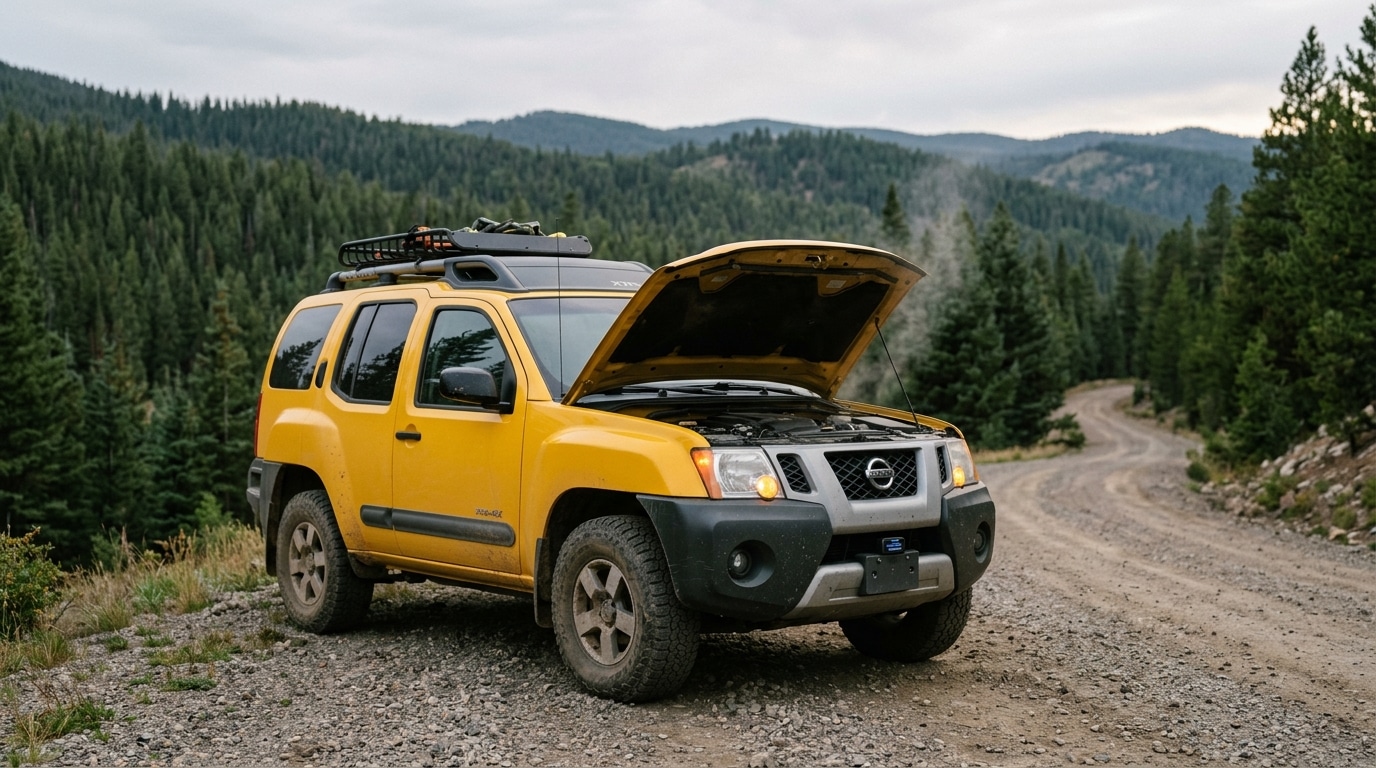
The Xterra developed a cult overland following because of its solid axle, body-on-frame design, and Pro-4X package. However, the VQ40DE V6 hides a fatal flaw. Specifically, pre-cat catalytic converters fail and send ceramic dust upstream into the cylinders, scoring the bores and destroying the engine. Timing chain rattle is the early warning sign. For example, owners on r/overlanding repeatedly post, “catalytic converter failure leads to a destroyed engine.”
In addition, the transmission cooler is a separate liability. When it fails, transmission fluid contaminates the engine coolant and vice versa. Also, Nissan discontinued the Xterra in North America in 2015, so parts availability and dealer expertise have thinned. A well-maintained Xterra with documented cat replacements still runs strong. However, an unverified used Xterra is a gamble most overlanders should walk away from.
9. Ford F-150 EcoBoost 1st Gen (2011-2016): Turbo Complexity in Remote Places
The first-gen 3.5L EcoBoost made twin-turbo V6 power mainstream in the half-ton segment. However, reliability did not keep pace. Specifically, cam phaser failure remains the signature complaint, with owners reporting metal-on-metal rattle at startup. Timing chain stretch, intercooler condensation causing misfires under load, and ignition coil failures also fill out the list.
For example, on a road trip, a misfire code triggers limp mode. In the backcountry, the same code leaves you stranded. While naturally aspirated engines do not always win the spec sheet, they win the simplicity battle when you are 200 miles from a dealer. Notably, newer EcoBoost generations have addressed many of the early issues. Therefore the worst-pick verdict applies specifically to 2011-2016 trucks.
10. Mercedes Sprinter 4×4 (Older Diesel): The Beloved Money Pit
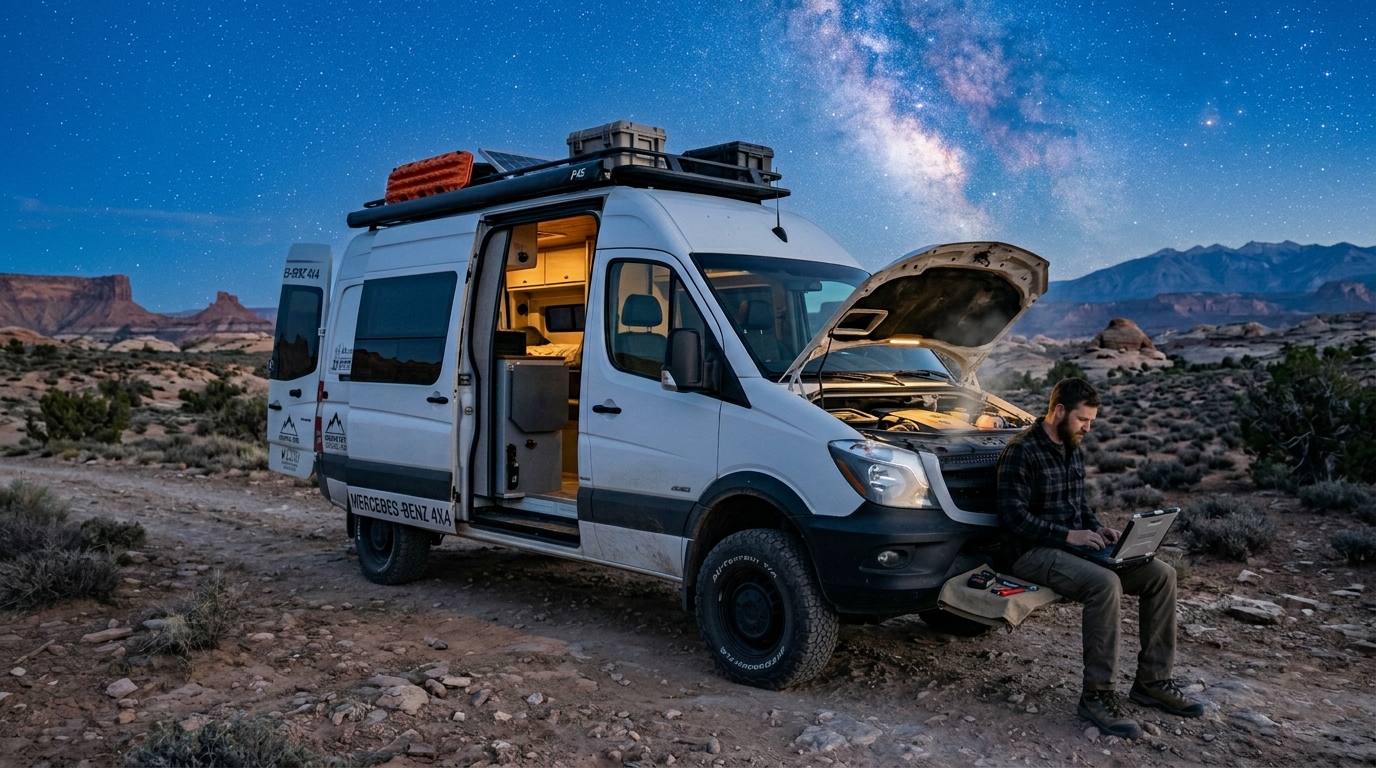
The Sprinter 4×4 is the darling of the build-out community for good reason. For instance, the chassis hauls a complete tiny house. The 4×4 system also handles dirt forest roads. However, older diesel Sprinters pile up DEF system issues, EGR cooler failures, injector problems, and turbo replacements. Additionally, diesel-specific labor rates exceed gas labor rates by 30 to 50 percent in most regions.
Notably, the 4×4 service network outside major metros is thin. For example, a breakdown in rural Utah or Wyoming becomes an expensive logistics problem. A van-life Redditor put it simply: “the reliability of German cars in particular is extremely exaggerated.” Still, the Sprinter earns a permanent place in the overland conversation. The bills also earn it a permanent place on this list.
New and Unproven: 3 Trucks I Am Watching
These three trucks are too new or too unproven for the main ranking. The early data warrants concern.
Tesla Cybertruck
Since launch, NHTSA records 11 recalls and 120-plus complaints. For example, a 2024 recall addressed the accelerator pedal lodging in interior trim. A 2025 recall then covered exterior trim panels detaching during driving. Notably, the Cybertruck has not yet logged a meaningful overland record. Also, charging infrastructure in the backcountry remains thin.
GMC Hummer EV Pickup
For example, the 2022 debut model collected 639 complaints in the NHTSA database. Then the 2025 model added 264 more, with electrical and propulsion-system focus. In addition, the truck weighs more than 9,000 pounds, which limits trail use and accelerates tire wear. Similarly, charging in remote terrain is the same problem the Cybertruck has, only heavier.
Ford Bronco (2021-2022)
NHTSA has tracked roughly 32 recalls on the 2022 Bronco to date. Hardtop defects, 2.7L EcoBoost concerns, and transmission complaints also dominate owner forums. Still, the Bronco platform is genuinely capable off-road. However, first-generation production problems need to settle out before it earns long-term overland trust.
Trail Insurance
Stock Your Truck Like It Will Break
A jump starter, kinetic recovery rope, fuses, hose clamps, and a basic socket set turn a bad day into a delay. Hope is not a strategy when you are 80 miles from pavement.
Final Verdict
The honest read on a worst overland trucks list: no truck on this page is unusable. Every entry has owners with 100,000 trouble-free miles and a great trail story. However, the pattern across NHTSA recalls, RepairPal cost data, Consumer Reports rankings, and forum sentiment shows where the odds tilt against you. For example, Land Rover Discovery II and LR4 land at the top of the list because the data is overwhelming. Similarly, Hummer H2 and H3 land high because operating costs and parts availability hit overland use cases hardest.
The Toyota Tacoma 2nd Gen entry is the surprise. Notably, Toyota’s reputation does not exempt the platform from the frame rust recall scope. Therefore, buyers should verify recall service before paying Tacoma prices. In addition, the Jeep Gladiator entry comes with personal context. My 2020 truck has held up well, while my buddy lemon-returned a 2022 EcoDiesel after recurring failures. Overland truck reliability data tells you year and configuration matter more than badge.
For the recovery and repair gear an honest overlander should carry no matter which platform sits in the driveway, see my recommendations above. Also, for a positive counterpoint, see my list of trail-ready overland rigs worth buying. The right truck is the one with verifiable service records, a known weak point you have already addressed, and a recovery kit in the bed.
Frequently Asked Questions
What is the most unreliable overland truck?
Specifically, the Land Rover Discovery II (1999-2004) earns the worst-of distinction. For example, J.D. Power ranked the brand last in 2020 dependability at 220 problems per 100 vehicles. In addition, RepairPal pegs Land Rover average annual maintenance at $1,174, nearly three times a Toyota RAV4. Sinking cylinder liners, head gasket leaks, and electrical failures also define the ownership experience.
Is the Jeep Gladiator reliable for overlanding?
The 2020 and 2021 model years each carry 7 NHTSA recalls. However, owner experience splits widely. For instance, my 2020 Gladiator has held up well with only an aftermarket-tuner-related throttle issue and a locker fault. Meanwhile, my buddy lemon-returned a 2022 EcoDiesel after nonstop problems. Therefore, verify service history before buying used and avoid the EcoDiesel unless you accept the trade-offs.
Why are Land Rovers bad for overlanding?
Land Rover off-road capability is real. However, so is the maintenance bill. Specifically, Discovery II and LR4 platforms suffer from cylinder liner, air suspension, electrical, and timing chain issues. Also, parts cost more, dealer labor is expensive, and remote service is thin. As a result, owners who maintain proactively keep them running. Meanwhile, owners who treat them like Toyotas end up with five-figure repair bills.
How much does it cost to maintain an overland truck?
RepairPal averages for relevant platforms span a wide range. For instance, Toyota RAV4 sits at $429 annually. Subaru Outback runs $607. Land Rover lands at $1,174. In addition, Hummer H2 and H3 trend above average because of specialty parts. A Jeep Gladiator AC evaporator alone runs $967 to $1,344. Therefore, budget 8 to 12 percent of the truck’s value annually for overland truck maintenance costs once it clears 80,000 miles.
Is the Toyota Tacoma frame rust a real problem?
Yes, and Toyota acknowledged it. Specifically, the 2005-2010 Tacoma frame corrosion Customer Support Program and a $3.4 billion class-action settlement replaced thousands of frames at no cost to owners. Trucks in salt-belt states also rotted from underneath. Before buying a 2nd Gen Tacoma, verify service history and pull the VIN on the NHTSA website. Otherwise, a truck without frame replacement service is a $10,000 problem waiting to surface.
What overland truck should you avoid right now?
Avoid unverified examples of any truck on this list. Notably, the brands and platforms here are not universally bad. Instead, specific year ranges and configurations carry the highest failure rates. Therefore, pull the VIN through NHTSA’s recall lookup. In addition, read brand-specific forums for the known weak points. Then budget for the repairs the platform is known for before the wheels move. These are the trucks to avoid without verification.