


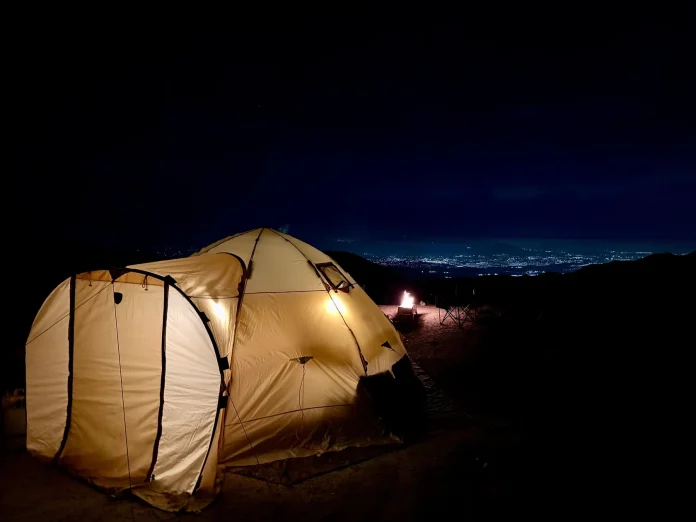

Not every tent is built for every adventure, and figuring out that truth the hard way usually involves a wet sleeping bag or a collapsed pole in a windstorm. Choosing a tent that fits your outdoor lifestyle starts with an honest look at how you genuinely camp, not how you imagine you camp. A three-season backpacking tent and a four-season stove tent are both “tents” the same way a sedan and a pickup truck are both “vehicles.” The shape is similar, but the purpose is completely different.
Over the past six years of testing shelters across high desert trails, Sierra snowstorms, and packed holiday campgrounds, I’ve found that most campers underspec their tents on two key features: heat retention and interior livability. You stop noticing how fast a tent sets up after the third trip. However, you notice every single night whether you’re warm, dry, and comfortable enough to sleep well. This guide walks through the features that matter most for different camping styles, so you invest in a shelter that works for your conditions, not someone else’s.
Quick Verdict: Choosing a tent requires matching features to your specific activities. Weekend car campers need storage and livability; winter or cold-weather campers need heat retention and a stove jack; overlanders and hunters need speed of setup and all-season durability. The PF Bereg UP-5 ($1,650) is one of the few ground tents on the market that meaningfully delivers across all three of those categories, with a one-minute umbrella-frame setup, double-wall Oxford construction rated from +30°C to -50°C, and a built-in stove jack for wood-burning or diesel heat.
Last updated: May 2026 | 10 min read
In This Article
- Why Tent Features Should Follow Your Activity
- Key Specs at a Glance: PF Bereg UP-5
- Setup Speed: When Minutes Matter
- Heat Retention: The Feature Most Campers Underestimate
- Storage and Interior Livability
- All-Season Performance vs. Three-Season Convenience
- Pros and Cons
- Final Verdict
- Frequently Asked Questions
When you are ready to compare specific models, our best ground tents for 2026 ranks six top picks from hands-on testing across four-season dome, canvas wall, and inflatable categories.
Why Tent Features Should Follow Your Activity
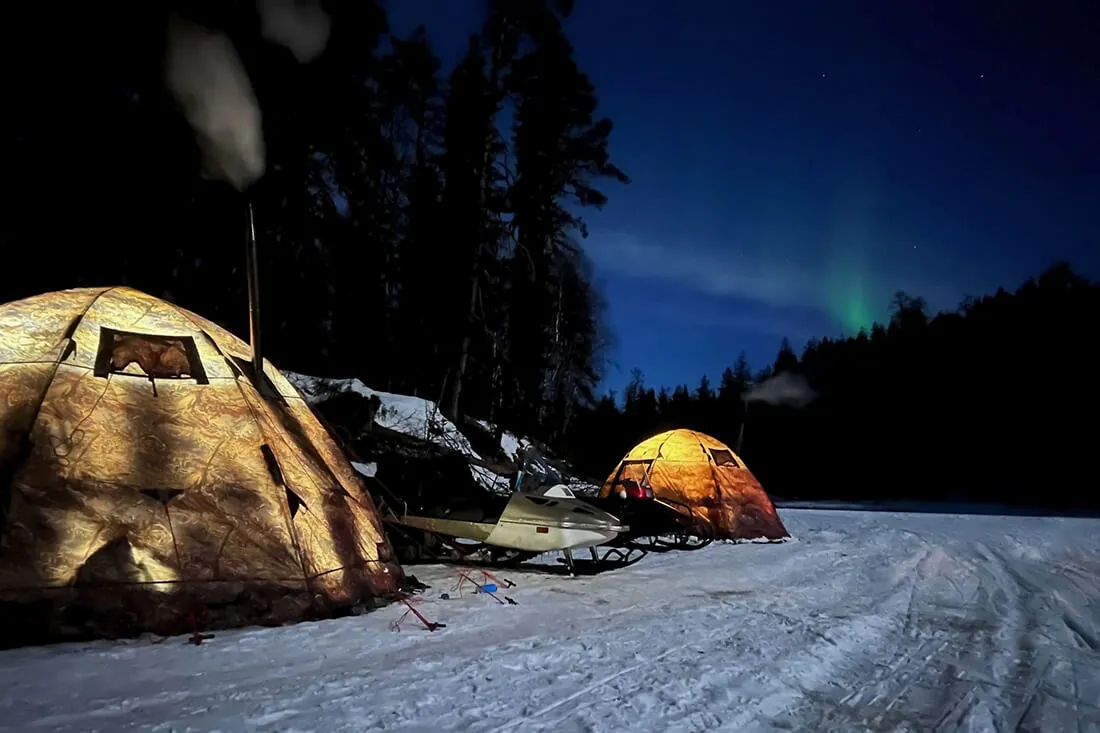
Choosing a tent without thinking about your specific outdoor lifestyle is like buying boots without knowing whether you’ll be on pavement or talus. The outdoor gear industry loves to market “versatility,” but in practice, every tent is a set of trade-offs. A lightweight backpacking shelter saves ounces on the trail but leaves you miserable in a windstorm at base camp. Canvas wall tents offer exceptional heat retention but weigh over 100 pounds and take 30 to 45 minutes to pitch.
The activities you do most often should drive every feature you prioritize when choosing a tent. Camping tent features like ventilation, heat retention, and interior height are not one-size-fits-all decisions. Weekend car campers who hit the same state park a few times a year need different things than hunters who set spike camps in October, overlanders who push into remote terrain, or families who want a weekend basecamp for six people. Car campers who hit the same state park seasonally need storage pockets, headroom, and easy organization more than extreme weather resistance. Cold-weather hunters and winter campers, on the other hand, treat heat retention and a stove jack as non-negotiable. Overlanders racing daylight at the end of a long trail find setup time is as important as any other spec.
As someone who’s run tents through all of those scenarios, including a memorable scramble for a campsite in Big Bear at 7 p.m. on Labor Day weekend with my son in tow, I’ve learned that the right shelter makes a night and the wrong one breaks it. The ground tent buying guide on this site is a great place to start if you’re evaluating categories. Once you narrow down the type, though, you need to dig into the specific features within that category that match how you spend your time outside.
Key Specs at a Glance: PF Bereg UP-5
| Specification | Details |
|---|---|
| Price | $1,650 |
| Capacity | 3–5 people with gear and stove; up to 11 in sleeping bags |
| Outer Fabric | Oxford 300 with PU 4000 waterproofing |
| Inner Fabric | Oxford 210 with PU 2000 waterproofing |
| Frame Material | Aviation-grade aluminum B95T1 (equivalent to AA7075) |
| Frame Warranty | 10 years |
| Setup Time | Under 1 minute (umbrella-style deployment) |
| Temperature Rating | Comfortable from +30°C to -50°C |
| Interior Diameter | Approximately 14.4 ft (4.4 m) |
| Center Height | Over 7 ft with full standing room |
| Weight | Approximately 65 lbs (31.5 kg) |
| Stove Jack | Built-in, heat-resistant to 1,200°C, diameter-selectable |
| Entrances | Two, each with mosquito net and zippered fabric |
| Windows | Multi-layer with frost film, bug net, and insulated flap |
| Floor | Removable zippered floor; PVC and insulated floor sold separately |
Featured Tent
PF Bereg UP-5 Tent
Four-season dome tent with a one-minute umbrella-frame setup, built-in stove jack, and aviation-grade aluminum construction backed by a 10-year frame warranty.
Setup Speed: When Minutes Matter
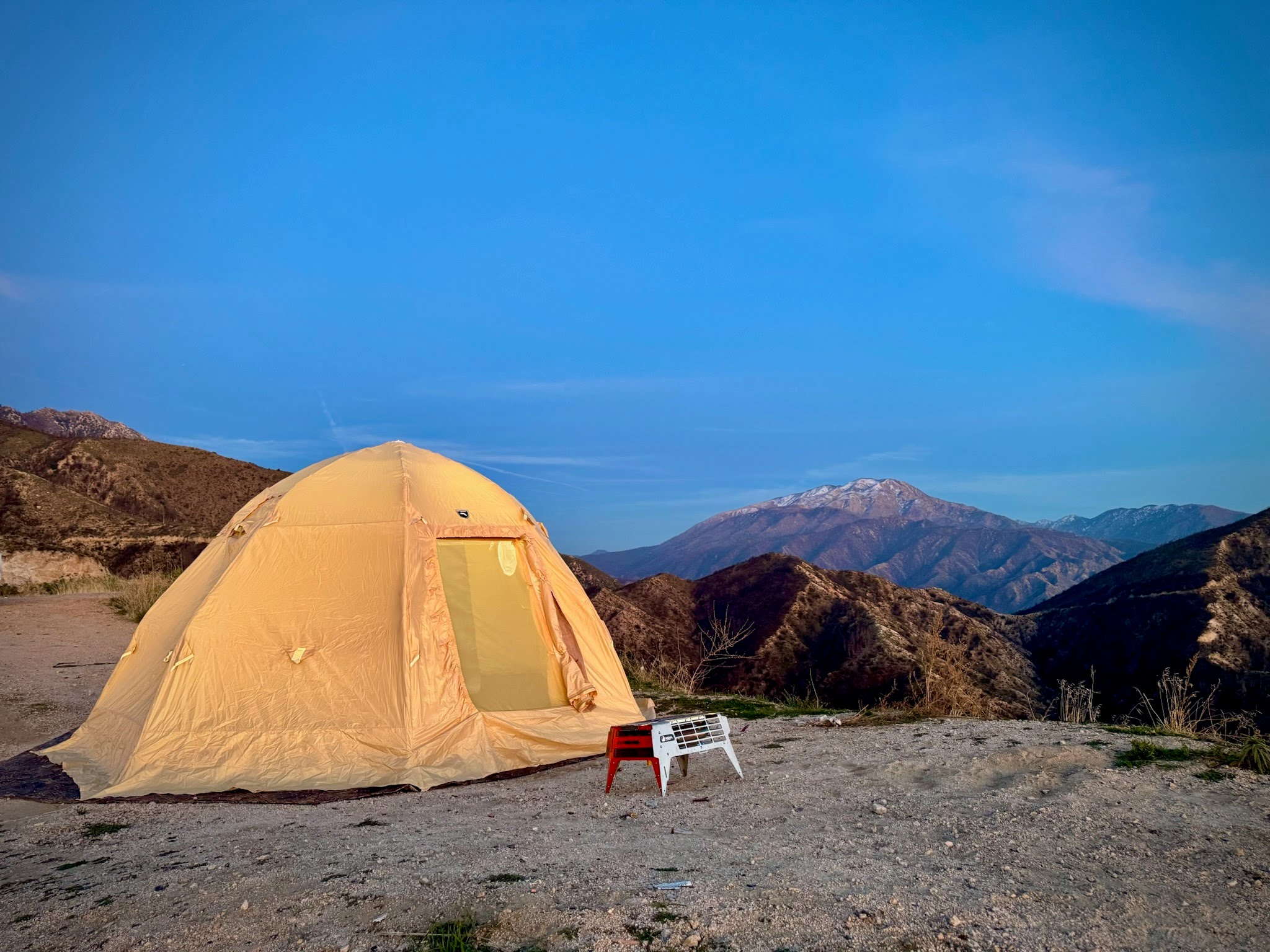
Setup speed ranks among the tent features defining the experience of choosing a tent for active use. Tent setup, in practice, is the first real-world test of whether a shelter was designed with field conditions in mind. Most people skip the question until they’re standing in a campsite in the dark with a headlamp battery dying and a kid asking about dinner. At that point, a tent that deploys in under a minute versus one that takes 15 to 20 minutes isn’t a convenience difference, it’s a quality-of-camp difference. For overlanders and hunters especially, daylight is a resource, and every minute you spend fighting tent poles is a minute you’re not cooking, layering up, or scouting.
Traditional pole tents require threading poles through sleeves, clipping sections together, and staking out a footprint. Tent setup with that system takes 15 to 20 minutes under ideal conditions and longer in wind or low light. An inflatable tent compresses that to around 10 minutes, which is genuinely fast compared to most options. However, umbrella-frame designs like the PF Bereg UP-5 collapse that timeline to under 60 seconds once you’ve done it a few times. The eight-rod aluminum frame opens like a single unit and locks in place at each leg. After six years with the UP-5, I’ve gotten to the point where I’m inside and starting a fire before most people have their rain fly untangled.
That kind of setup speed compounds over the life of the tent. On a hunting trip where you’re moving camp, a fast-pitching shelter means more flexibility and less commitment to staying in a mediocre spot because daylight is fading. Similarly, if you’re overlanding solo, a tent you set up in one fluid motion is one less physical demand at the end of a long drive. For families or groups who camp frequently, quick setup also means kids stay engaged instead of wandering off while adults wrestle with hardware. If you want to understand how setup time varies across shelter categories, our inflatable tent buying guide breaks down that comparison in detail.
Heat Retention: The Feature Most Campers Underestimate

Of all the factors worth weighing when choosing a tent for cold weather, heat retention is the most consistently underrated. Most buyers focus on waterproofing ratings and vestibule space. However, after a cold night in a thin-walled tent, they realize the real question is whether the shelter holds warmth effectively, not simply whether it stays dry.
The Role of Double-Wall Construction
Heat retention in tents comes primarily from two sources: wall construction and ventilation design. Single-wall tents trap heat faster but generate condensation that soaks gear by morning. Double-wall designs create an air gap between layers, which both insulates and allows moisture to migrate outward. The UP-5 uses this double-wall approach with Oxford 300 on the outer fly and Oxford 210 on the inner, creating a thermal buffer that performs noticeably better than single-layer shelters in cold conditions. In the Sierra, when overnight temperatures dropped into the low 20s, the interior of the UP-5 stayed warm enough that a small diesel heater maintained a comfortable sleeping temperature through the night. That kind of result isn’t possible in a standard three-season tent at those temperatures.
Stove Jack Access and Cold-Weather Camping
A built-in stove jack is the single feature separating stove-heated camping from every other cold-weather option. For winter camping, hunting in cold climates, or anyone who camps in temperatures below 20°F, a stove jack turns a shelter into a functioning basecamp. The UP-5 includes a heat-resistant stove jack rated to 1,200°C, with a selectable-diameter metal insert that fits the pipe size of your specific stove. I’ve run both wood-burning stoves and diesel heaters through it, and the thermal patch around the jack holds up without degradation over repeated use. For context on matching stoves to tents, our hot tent wood stove buying guide covers compatible options and sizing in detail.
Campers who’ve only used three-season tents often underestimate how transformative a stove changes the experience. Instead of retreating into your sleeping bag at 6 p.m. because it’s too cold to sit up, you’re playing cards, cooking, and genuinely using the space. That shift from surviving the night to genuinely enjoying it is worth more than almost any other upgrade in a cold-weather camping kit.
Storage and Interior Livability

Interior livability is the feature set most relevant to campers spending multiple consecutive nights in one spot, and it should factor heavily when choosing a tent for basecamp use. Weekend warriors, family campers, and overlanders who use a tent as a true basecamp all benefit from thoughtful storage design. Specifically, the difference between a tent with adequate pockets and one with a well-engineered interior organization system becomes obvious fast when you’re living out of a 14-foot dome for three or four days.
The UP-5’s interior includes mesh shelf organizers for gear and lighting, spring hooks for hanging equipment, and wall pockets for smaller items. Over-7-foot center height means you’re never crouching to find your headlamp or sort through a gear pile. For campers who’ve used disc-o-bed bunk systems or brought folding camp furniture inside a tent, full standing headroom is the difference between a campsite and a crawl space. I’ve run the UP-5 with a pair of Disc-O-Beds bunked inside alongside a small stove and personal gear for two adults without the space feeling compromised.
Two full entrances also matter more than they seem on paper. When one person needs to get up at 4 a.m. and the other wants to sleep until sunrise, independent access eliminates a lot of fumbling and frustration. Notably, the vestibule connector accessory ($240) adds dedicated storage space outside the main tent body, which is ideal for boots, firewood, or wet gear that you don’t want tracked inside. For groups who camp in areas with changing weather, that separation of sleeping space from gear storage keeps the interior cleaner and warmer. Our canvas wall tent guide explores similar livability priorities in a different shelter category if you’re comparing options.
Ready to Upgrade Your Camp?
PF Bereg UP-5: Four-Season Performance
Full standing room, a one-minute setup, and a 10-year frame warranty. Built for hunters, overlanders, and serious campers who need a shelter that performs across all conditions.
All-Season Performance vs. Three-Season Convenience
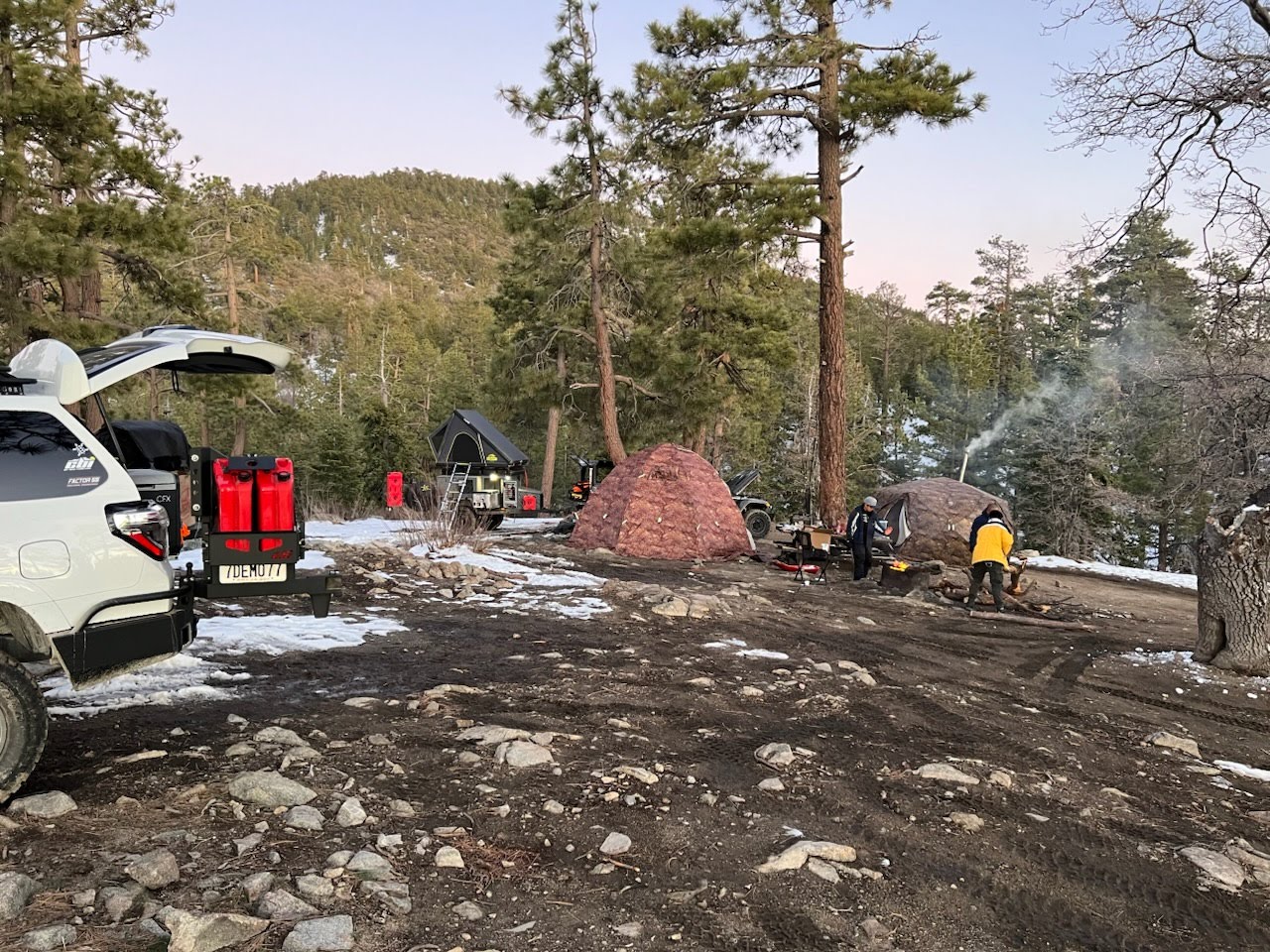
The term “all-season tent” gets applied loosely across the industry, and choosing a tent based on that label without checking specs leads to disappointing results in real cold-weather conditions. A genuine four-season tent handles wind loads, heavy snow accumulation, and sub-zero temperatures without structural failure or dangerous condensation buildup. Most tents labeled “three-plus-season” are marketing language for “three-season with extra guy lines.” Choosing a tent for cold-weather or winter use means verifying the actual material specs, frame construction, and thermal design, not the marketing label alone.
The UP-5 uses an aviation-grade aluminum B95T1 frame, equivalent to the AA7075 alloy common in aerospace components, which is resistant to cold-induced brittleness causing cheaper aluminum frames to crack. Dome-and-umbrella geometry also provides structural advantages in high-wind and snow-load conditions. Because the dome distributes load along the curved frame rather than concentrating it at connection points, it holds its shape under stress that would deform or collapse a traditional pole tent. I’ve had the UP-5 in gusts that sounded like a freight train coming through the trees and watched it flex without losing integrity, which is not something you forget.
However, all-season performance does come at a weight cost. At approximately 65 pounds, the UP-5 is a vehicle-based camping shelter, not a backpacking tent. Also, the $1,650 price reflects the material quality and frame warranty, so it’s a serious investment that makes the most sense for campers who are in the field consistently. For weekend car campers who go out four or five times a year in mild conditions, a quality three-season tent at a third of the price is a more practical choice. The value of four-season tent performance scales directly with how often you’re pushing into difficult conditions, and for hunters, overlanders, and winter campers, the performance gap between adequate and excellent shelters is felt on every single trip.
Pros and Cons
Pros
- One-minute setup via umbrella-style aluminum frame means no threading poles or fumbling in the dark
- Double-wall Oxford construction (PU 4000 outer, PU 2000 inner) creates an air gap that actively reduces condensation and retains heat
- Temperature rated from +30°C to -50°C, making it a genuine all-season tent for year-round use
- Built-in stove jack rated to 1,200°C with a selectable diameter for different pipe sizes
- Over 7 ft of center headroom allows full standing room and fits bunked disc-o-beds plus a stove
- 10-year frame warranty on aviation-grade B95T1 aluminum rods
- Dome geometry sheds snow and deflects wind load across the curved frame instead of at connection points
- Modular floor system includes a removable zippered floor with PVC and insulated options sold separately
Cons
- At approximately 65 lbs (31.5 kg), this is strictly a vehicle-based camp setup, not a backpacking or pack-in shelter
- $1,650 price point is a significant investment that takes multiple seasons to justify for occasional campers
- Insulated floor ($380) and PVC floor ($380) are sold separately, which adds cost for buyers who need full four-season sealing
- Vestibule connector ($240) and main vestibule ($630 to $890) are also add-ons, so the total system cost rises quickly
- Oxford fabric exterior has a utilitarian look compared to more visually refined canvas or ripstop shelters
- Not stocked at major US retailers, so buyers source directly from PF Bereg with international shipping timelines
Final Verdict
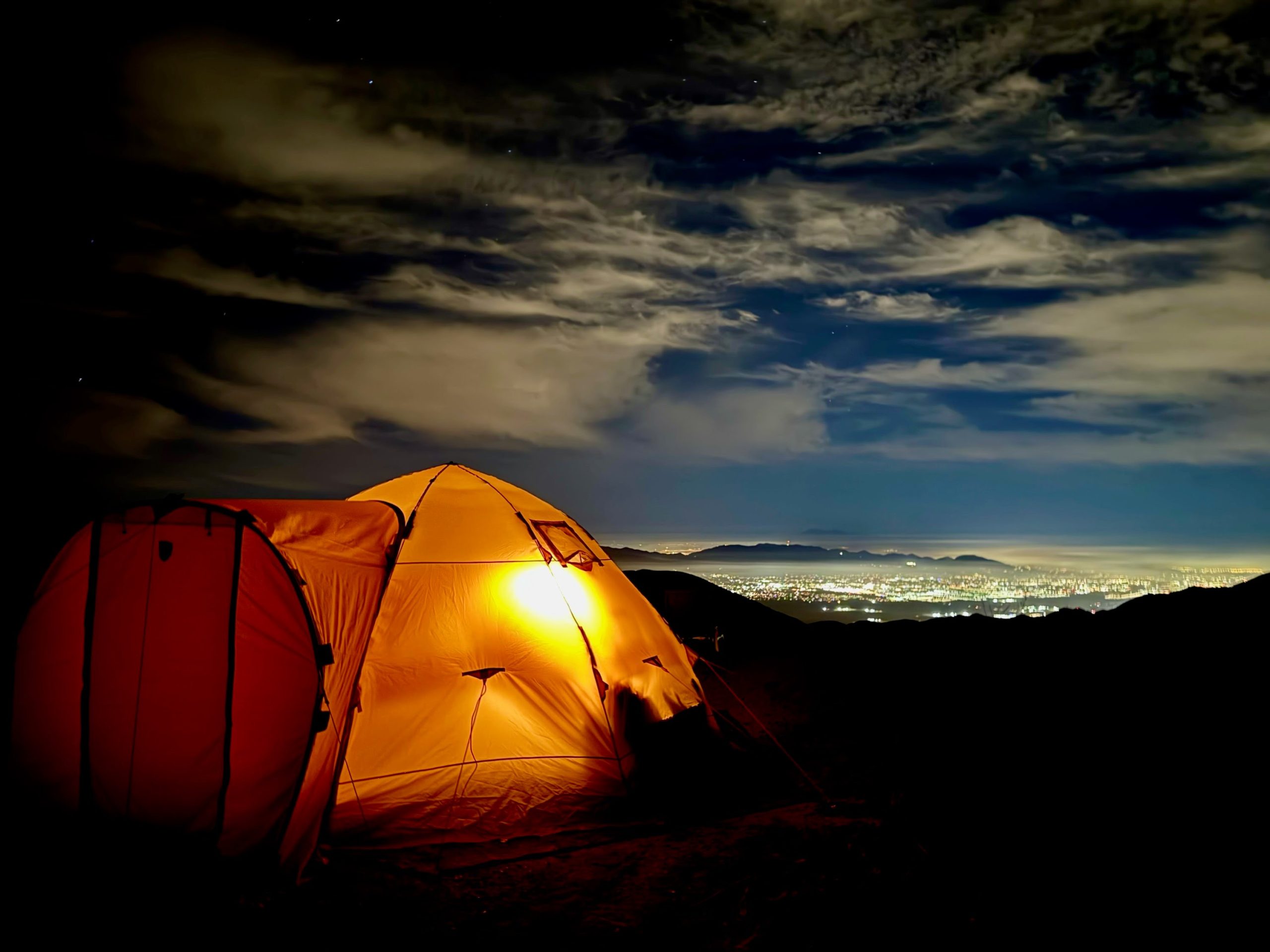
Choosing a tent that genuinely fits your outdoor lifestyle means resisting the pull of versatility marketing and instead asking one direct question: what conditions will I camp in, and what features do those conditions demand? For three-season car campers who prioritize storage, livability, and ease of use, there are excellent options at a much lower price point. For hunters, overlanders, winter campers, and anyone who pushes into cold or unpredictable conditions regularly, the feature set that matters most is fast setup, effective heat retention, and structural durability that holds up across seasons and years.
The PF Bereg UP-5 earns its place in the second category. After six years of field use across snowstorms, high desert wind events, and every variety of rushed campsite situation, the tent hasn’t failed in a single meaningful way. No bent frame rods, no seam failures, no zipper blowouts. The double-wall Oxford construction genuinely performs in cold weather, and the one-minute umbrella-frame setup is a real advantage, not a marketing claim. For campers whose outdoor lifestyle includes the kind of conditions where a tent failure means a genuinely bad night, the UP-5 is a serious, long-term investment that pays off quickly.
The main qualification is honest self-assessment about how often you camp in conditions that demand four-season performance. If your answer is “a few times a year in mild weather,” this shelter’s value proposition doesn’t stack up against its price. However, if you’re out six or more times a year and regularly deal with cold, wind, or hunting camp conditions, the all-season tent performance and 10-year frame warranty start to look reasonable on a per-trip basis. A tent at $1,650 that lasts 10 or more years of hard use works out to less than $165 a year, which is a different frame than the sticker price suggests.
For campers ready to move past seasonal limitations, the PF Bereg UP-5 is worth a serious look. Alternatives like canvas wall tents offer comparable heat retention at lower cost, but lose the speed-of-setup advantage entirely. Meanwhile, most four-season camping tent features setups in the same price range don’t include a stove jack or match the interior livability of the UP-5’s dome geometry. It sits in a fairly specific category and serves that category better than most of its competition.
Frequently Asked Questions
What should I prioritize when choosing a tent for winter camping?
Choosing a tent for winter camping means prioritizing four specific things: frame material strength, wall construction, thermal insulation, and a stove jack or compatible heating option. A genuine four-season tent is engineered to handle winter conditions, including heavy snow loads, sustained wind, and sub-zero temperatures, without structural failure or dangerous condensation buildup. The key differences from three-season tents are frame material strength, wall construction, and ventilation design. Not every tent marketed as four-season meets these standards, so verifying the specific fabric ratings, frame alloy, and thermal design before buying is worth the time.
Is a hot tent worth it for camping in cold weather?
For anyone camping in temperatures below 20°F or spending multiple nights in cold conditions, a hot tent with a functional stove jack changes the experience entirely. Instead of retreating to your sleeping bag at sunset, you have a warm, usable living space. The practical benefit is most obvious on multi-day hunting trips or winter basecamp setups where staying warm and comfortable directly affects performance and safety the next day.
How important is setup speed when choosing a tent?
Setup speed matters most for campers who move locations frequently, such as hunters shifting spike camps, overlanders pushing through long drives, or anyone who regularly arrives at a site near dark. For stationary weekend campers who set up once and stay two nights, setup time is a minor factor. Specifically, umbrella-frame designs like the UP-5 target the campers for whom speed is a genuine operational priority, not a marketing preference.
What tent features matter most for overlanding?
Overlanders prioritize fast deployment, weather durability, and packable size. Because overland routes often end unpredictably, with campsites found at dusk on a dirt road rather than reserved in advance, a shelter that goes from bag to livable space in under two minutes is a real advantage. Additionally, wind and rain resistance matter because overlanders frequently camp in exposed locations without natural windbreaks. Interior organization and livability matter for multi-day trips where the tent functions as a gear room and sleeping space equally.
What’s the difference between the PF Bereg UP-5 and UP-5 Deluxe?
According to PF Bereg, the UP-5 Deluxe adds four arched entrances and includes a mini vestibule as part of the standard package. The standard UP-5 has two entrances, both of which accommodate the optional hinged frame door. For groups who need more entry and exit options or want the vestibule included rather than purchased separately, the Deluxe ($2,350) is worth comparing directly to the base model.
Our articles might have affiliate links and the occasional sponsored content, but don’t sweat it – if you buy something, we get a little kickback at no extra cost to you, and we only hype products we truly believe in!