


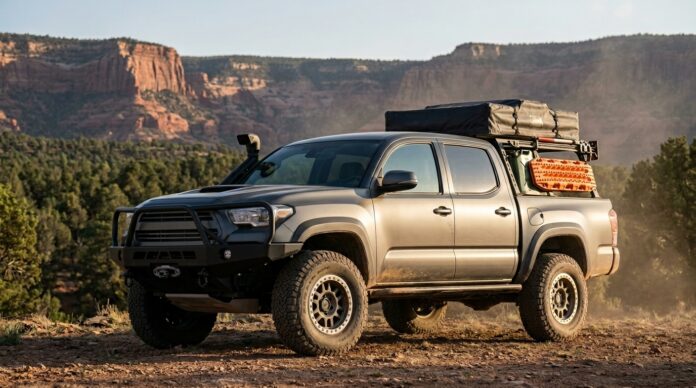

Quick Verdict: Edmunds named five best midsize off-road trucks for 2026, but the list misses one truck overlanders should know about: the Ineos Grenadier Quartermaster. This six-truck ranking applies overlanding criteria like payload, fuel range, and aftermarket depth to find the right midsize overland truck for full-time travel, weekend trips, and family rigs. After four years in a Jeep Gladiator Rubicon and one year in a Chevy Colorado ZR2, here is how the field stacks up when scored the way overlanders use these trucks.
Last updated: 5/2026 | 10 min read
In This Review
Overview: Why the Edmunds List Falls Short
The midsize overland truck conversation in 2026 splits along two lines. On one side, Edmunds picked its five best midsize off-road trucks based on rock-crawl angles, locker counts, and desert speed. However, overlanders measure trucks by different yardsticks: payload after a rooftop tent and full fuel, fuel range on 33-inch tires, aftermarket support depth, and how a rig holds up after 50,000 miles of mixed driving.
For context, I owned a 2020 Jeep Gladiator Rubicon for four years before trading it for the 2025 Chevrolet Colorado ZR2 in my driveway today. Meanwhile, my friends run Tacomas, Canyons, and the occasional Ranger Raptor. As a result, the Edmunds list works fine for general off-road shoppers. For overlanders, however, the framework needs more depth.
So this article applies overlanding criteria to Edmunds’ five picks (Chevy Colorado ZR2, GMC Canyon AT4X, Ford Ranger Raptor, Jeep Gladiator Rubicon, Toyota Tacoma TRD Pro) and adds the sixth overland truck 2026 contender Edmunds left out: the Ineos Grenadier Quartermaster. In addition, for broader options across SUVs and full-size rigs, our Best Overland Vehicles 2026 roundup widens the lens.
Key Specs at a Glance
Before the rankings, here is the side-by-side data on all six trucks. For reference, numbers come from manufacturer specs, MotorTrend testing, and Car and Driver instrumented data. In particular, pay attention to payload, fuel capacity, and ground clearance. Notably, these three metrics matter more for overlanding than 0-to-60 times or rock-crawl ratios.
| Truck | Power | Payload | Ground Clearance | Fuel Tank | Starting Price |
|---|---|---|---|---|---|
| Ineos Grenadier Quartermaster | 281 hp | 1,841 lbs | 10.4 in | 23.8 gal | $77,500 |
| Toyota Tacoma TRD Pro | 326 hp | ~1,200 lbs | 11.0 in | 21.1 gal | $66,900 |
| Jeep Gladiator Rubicon | 285 hp | ~1,200 lbs | 11.1 in | 22.0 gal | $51,100 |
| Chevy Colorado ZR2 | 310 hp | ~1,151 lbs | 10.7 in | 21.0 gal | $50,500 |
| GMC Canyon AT4X | 310 hp | ~1,070 lbs | 10.7 in | 21.0 gal | $59,295 |
| Ford Ranger Raptor | 405 hp | ~1,431 lbs | 10.7 in | 20.3 gal | $57,070 |
Why the Grenadier Quartermaster Belongs Here
Edmunds left the Ineos Grenadier Quartermaster off its 2026 best midsize off-road trucks list for understandable reasons. First, the Quartermaster is unfamiliar to American buyers, with a small US dealer network as of early 2026. In addition, pricing starts at $77,500, well above the Tacoma TRD Pro and the Colorado ZR2. However, none of these factors make the truck wrong for overlanders. They make it overlooked.
Class-leading payload changes the math
Here is what overlanders see while the mainstream press looks elsewhere. First, the truck delivers 1,841 pounds of payload. By comparison, the Tacoma TRD Pro hybrid lands around 1,200 pounds in real-world build configurations. After a rooftop tent, drawer system, fuel cans, water tank, and recovery gear, payload becomes the single biggest constraint on overland builds.
As a result, the Quartermaster has 500 to 700 pounds more headroom than its US rivals. Our deeper read on lightweight overlanding covers why payload trumps almost every other spec for full-time travel.
Factory hardware matches a $20,000 aftermarket build
Second, the Grenadier rides on a body-on-frame chassis with solid axles front and rear, full-time 4WD, and three locking differentials standard. In particular, this is the same hardware setup overlanders pay $15,000 to $25,000 to retrofit onto a stock Tacoma or Gladiator. Out of the box, the Grenadier matches a fully built rig.
Third, the BMW-sourced 3.0-liter turbo I6 (the B58, the same engine in the Toyota Supra) delivers 281 horsepower and 332 lb-ft of torque, with proven reliability data going back nearly a decade. Moreover, the ZF 8-speed automatic and 23.8-gallon fuel tank give the Quartermaster more range per fill-up than any other truck here. For backcountry routes where the next fuel station sits 200 miles out, range beats horsepower.
Service availability outside major metros is thin, and parts lead times stretch into weeks. However, for overlanders who plan to build less and drive more, the Quartermaster deserves a spot on every shortlist for the best overland truck of 2026.
Six Midsize Overland Trucks Ranked for 2026
Below is the field of midsize overland truck contenders ranked from best overland truck to least suited for the job. Scoring weighs payload, fuel range, aftermarket depth, reliability data, and total cost of overland readiness. The order reflects how each truck performs against overlanding criteria specifically.
1. Ineos Grenadier Quartermaster (Best for Full-Time Overlanding)
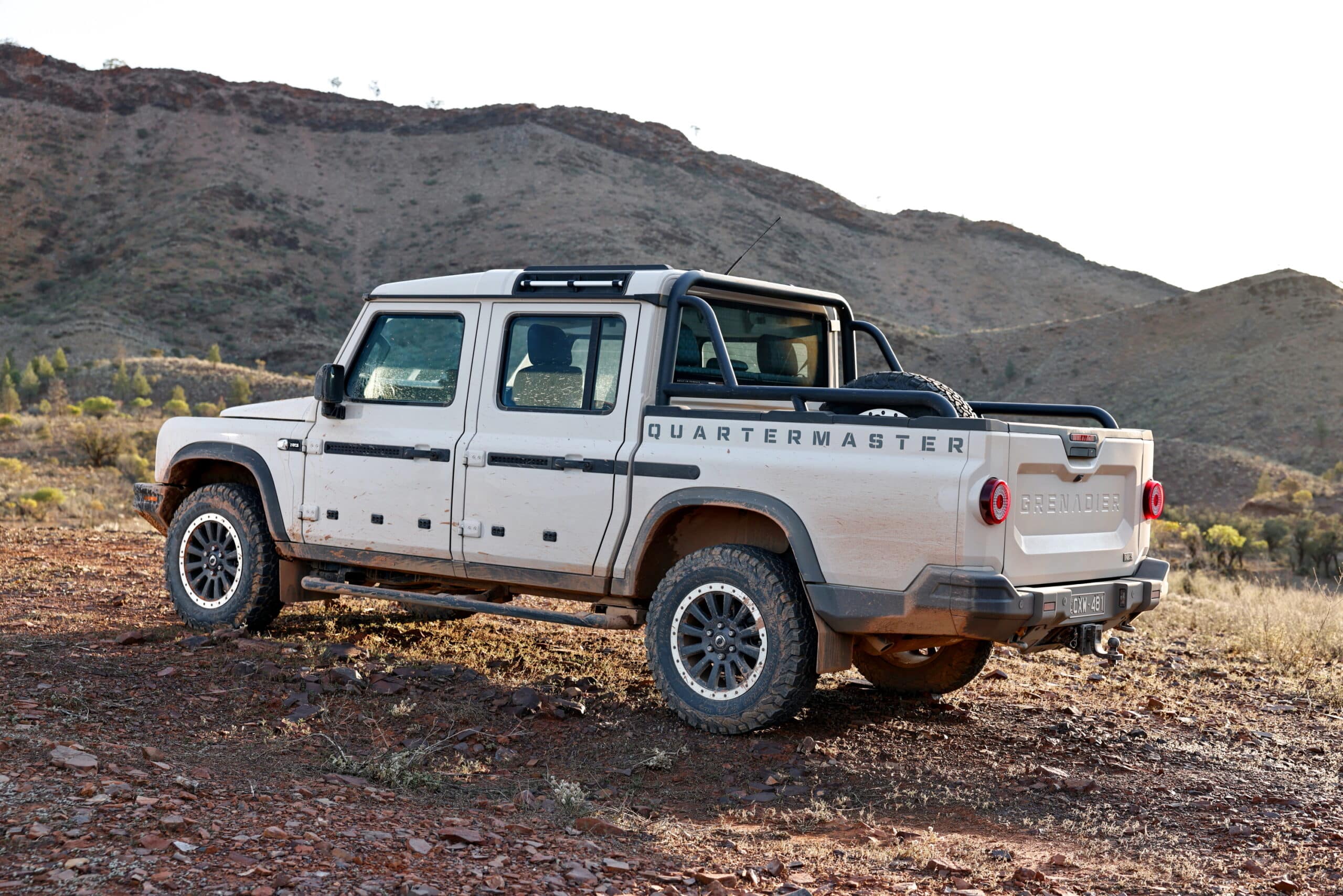
The Quartermaster takes the top spot for full-time overlanders. Its 1,841-pound payload outclasses every truck on this list by 400 to 750 pounds. Moreover, body-on-frame construction, solid axles front and rear, and three lockers as standard equipment match what overlanders spend years and tens of thousands of dollars building toward.
In practical terms, a rooftop tent, full water and fuel, a drawer system, two passengers, and recovery gear leaves 400 to 600 pounds of remaining payload on the Quartermaster. By contrast, the same load on a stock Tacoma TRD Pro hybrid leaves you tight or negative. Meanwhile, the 23.8-gallon tank stretches mixed-driving range past 350 miles, useful for routes through Big Bend, the Maze District, or backcountry Mexico.
However, trade-offs are real. Pricing starts at $77,500. Service network is thin. Aftermarket depth lags Tacoma and Jeep. For overlanders who want to drive a finished rig instead of building one over five years, read our no-nonsense Grenadier review for the deeper case.
2. Toyota Tacoma TRD Pro (Best for Reliability and Resale)
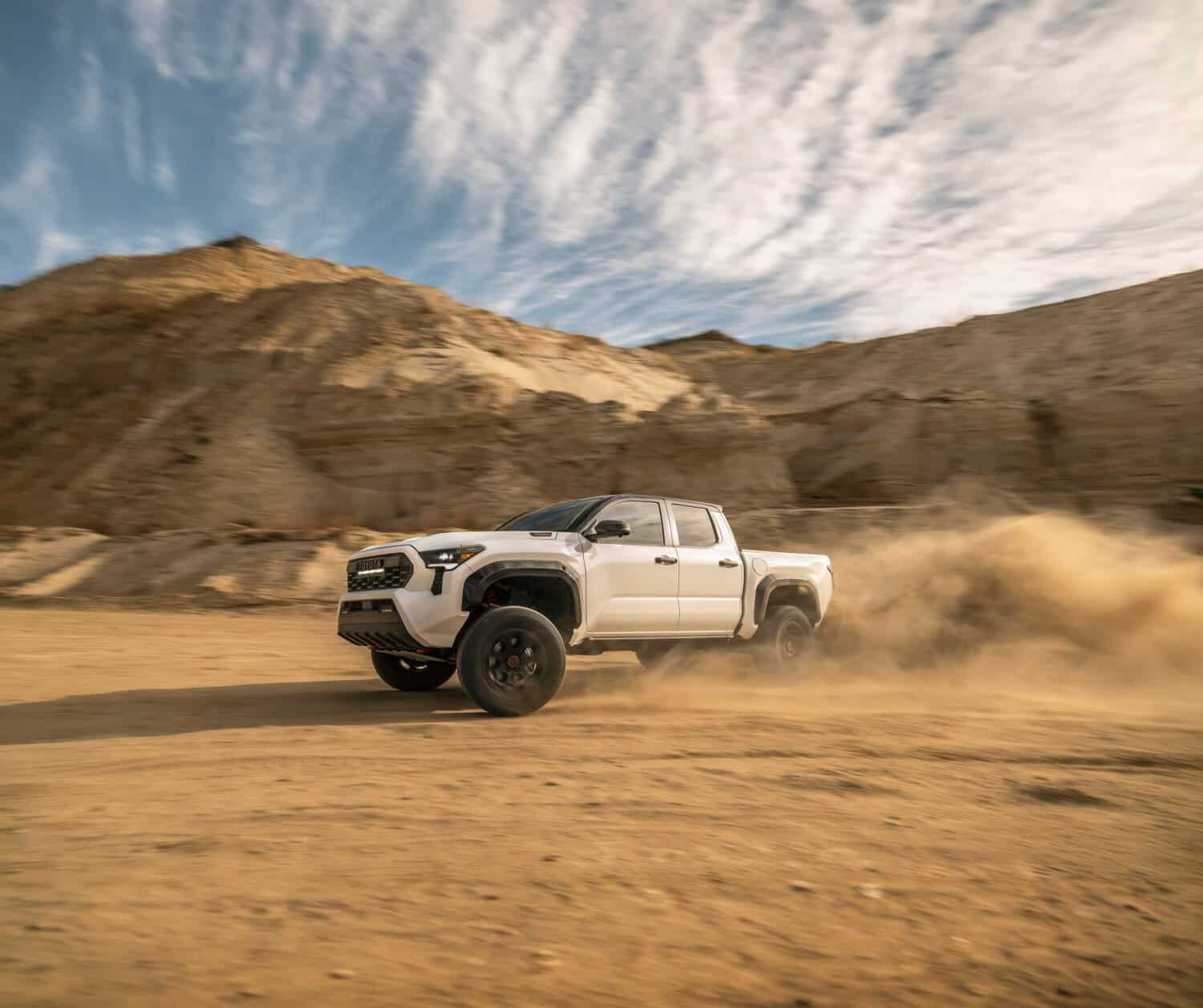
The Tacoma TRD Pro earns its perennial spot on every overland list for two reasons: legendary reliability and a deep aftermarket ecosystem. In fact, almost every overland accessory on the market exists in a Tacoma fitment first.
The 2026 i-Force Max hybrid powertrain produces 326 horsepower and 465 lb-ft of torque. While the numbers look strong, the hybrid battery costs you on payload. As a result, real-world build configurations land around 1,200 pounds of usable payload, well below the non-hybrid Tacoma trims. After a rooftop tent (180 lbs), bed rack (60 lbs), drawer system (120 lbs), and a fridge with batteries (90 lbs), you have roughly 750 pounds left for water, fuel, food, and people.
Reliability data, however, remains best-in-class. Moreover, resale holds 60-plus percent of MSRP at five years, the strongest in the segment. For midsize overland truck buyers planning to keep the truck a decade and 150,000 miles, the Tacoma still makes sense despite the payload limit. Finally, our Tacoma vs 4Runner overlanding comparison breaks down the case for the Tacoma over a 4Runner.
3. Jeep Gladiator Rubicon (Best for Modular Build and Trail Capability)
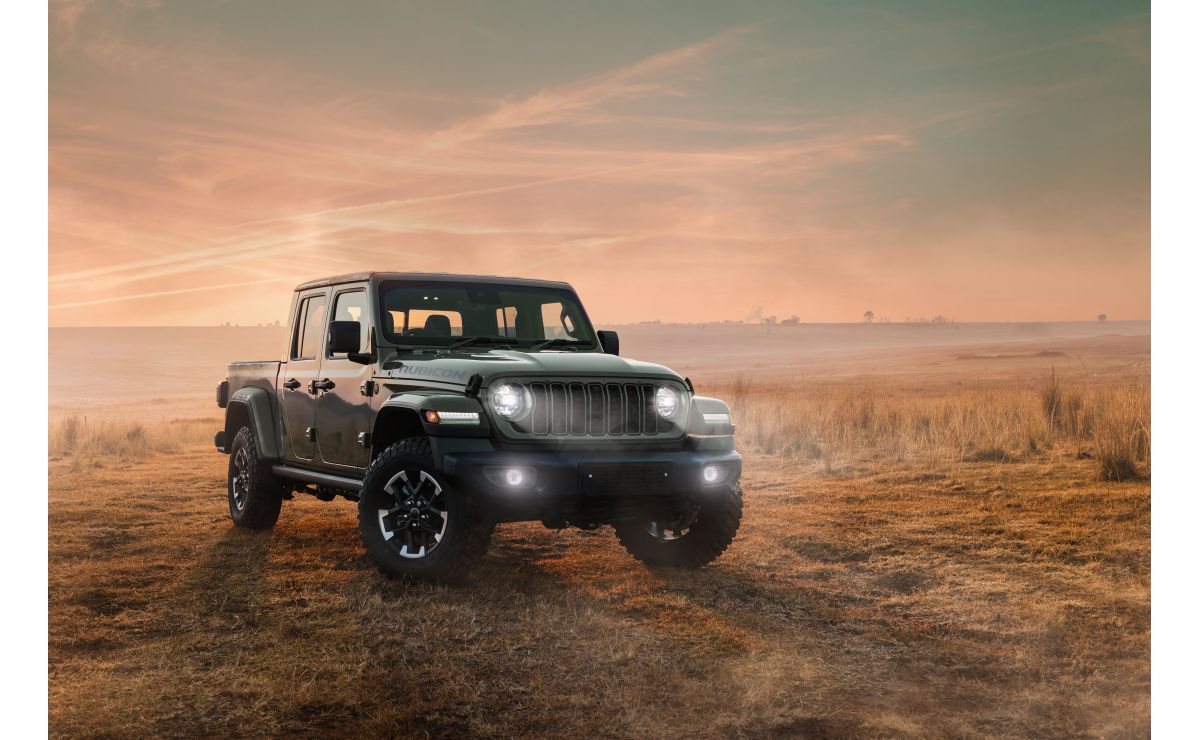
Having owned a 2020 Gladiator Rubicon for four years, I have direct experience with this truck. The Gladiator is the most modular overland platform on the market. Doors come off. Roof comes off. Windshield folds down. Aftermarket support sits second only to Tacoma.
Off-road numbers back the legend. Approach angle hits 43.6 degrees, the highest in this group by 5 degrees. Front and rear electronic lockers come standard, along with a disconnecting front sway bar accessible from the cab. Ground clearance reaches 11.1 inches. For technical trails, nothing in this lineup outperforms the Rubicon.
Where the Gladiator falls short is daily livability. For example, fuel economy averages 18 to 19 mpg combined, the worst on this list. In addition, the 22-gallon tank limits range to roughly 400 miles. Wind noise on the highway runs loud at 70 mph.
For weekend overlanders building a custom rig, the Gladiator remains a top pick. However, full-time travelers logging interstate miles will find the trade-offs add up. Finally, our guide to locking differentials covers what Rubicon-grade electronic lockers do well and where their limitations show.
4. Chevy Colorado ZR2 (Best Value Overland Build)
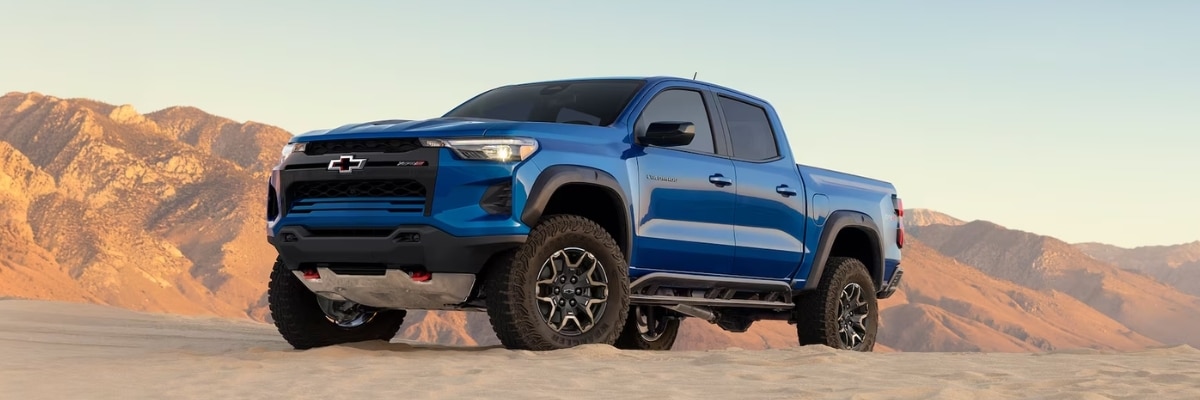
My current daily driver. After one year of Colorado ZR2 overlanding through California, Utah, and Arizona, the truck delivers more overland capability per dollar than anything else here. For example, the starting price of around $50,500 puts it well below the Tacoma TRD Pro and far below the Quartermaster.
Under the hood, the 2.7L turbo four produces 310 horsepower and 430 lb-ft of torque. Notably, Multimatic DSSV spool-valve dampers keep ride quality strong on washboard roads. In addition, the ZR2 carries 1,151 pounds of payload, ground clearance of 10.7 inches, and a 38.2-degree approach angle. Front and rear electronic lockers come standard, while hot-stamped boron-steel skid plates protect the underbody. So the platform shares 90 percent of its hardware with the GMC Canyon AT4X but lists thousands less.
On the downside, the ZR2 falls short on fuel efficiency once you run bigger tires (drops to 16-17 mpg from 19 stock). In addition, bed length is shorter than the Tacoma and Gladiator. Aftermarket support is growing fast, although it still lags Toyota and Jeep depth.
For midsize overland truck buyers who want a capable rig without spending Tacoma money, the ZR2 wins on value. Finally, our one-year review of the 2025 ZR2 covers what 12 months of Colorado ZR2 overlanding looks like.
5. GMC Canyon AT4X (Best for Premium Comfort)
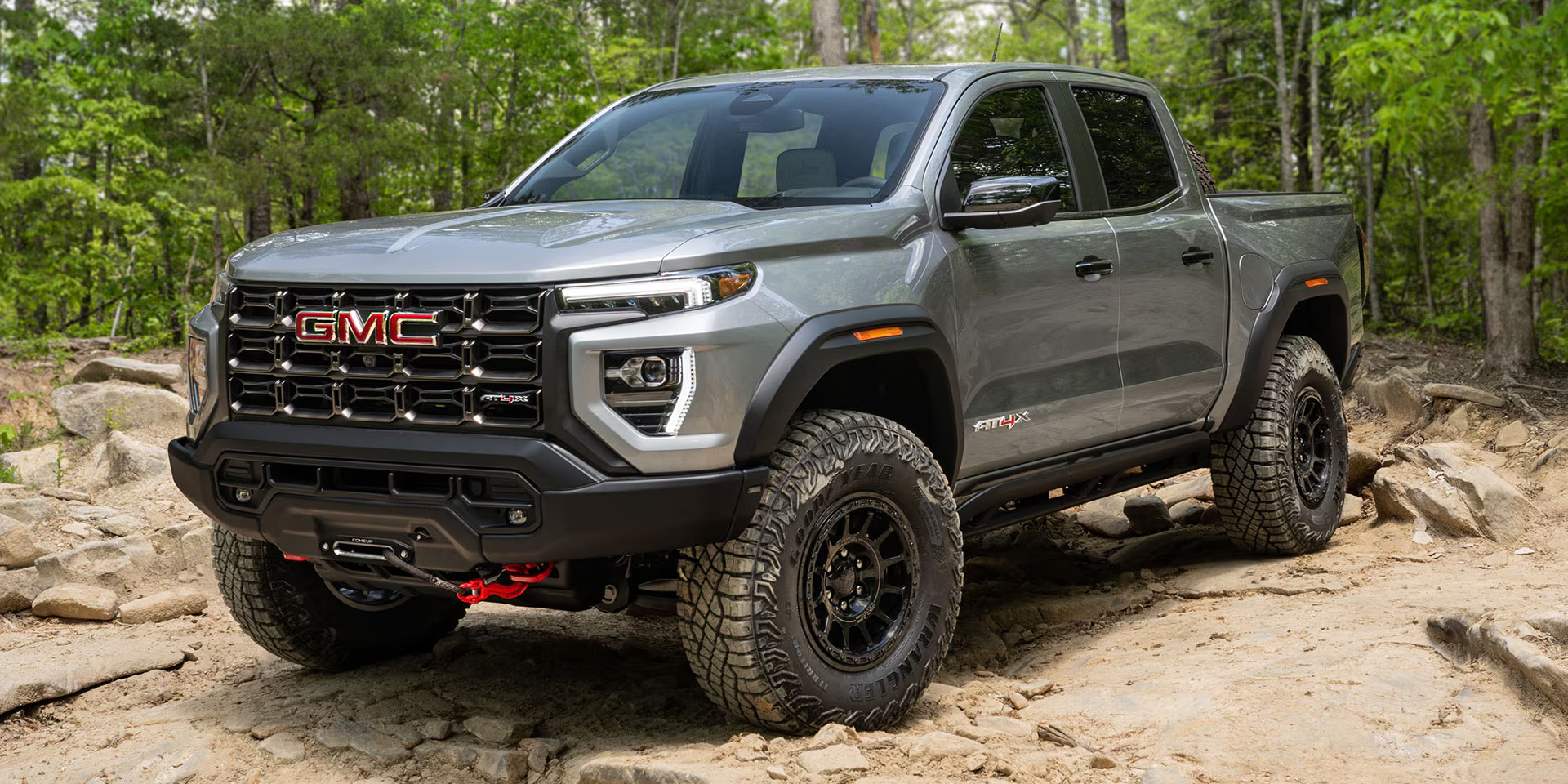
GMC’s Canyon AT4X is the ZR2’s mechanical twin wrapped in a more upscale package. The 2.7L turbo four is identical. Similarly, the Multimatic DSSV dampers carry over. Ground clearance still measures 10.7 inches. In addition, the AT4X adds heated and cooled leather seats, an 11-inch infotainment screen, and exterior styling tuned for buyers who want premium feel without giving up trail capability.
However, the AT4X differs from the ZR2 in overland-relevant ways: payload drops slightly to around 1,070 pounds (versus 1,151 for the ZR2), and the price climbs to $59,295 base. The optional AEV package adds beadlock-capable wheels, 35-inch tires, and an upgraded suspension for $9,000 more.
For overlanders who want a long-distance comfort rig with strong off-road bones, the AT4X delivers. In contrast to the Quartermaster, the Canyon costs $18,000 less but gives up 770 pounds of payload. Versus the ZR2, you pay roughly $9,000 more for premium materials and a slightly worse payload number. So pick the AT4X for overland touring with the family. For raw value, the ZR2 wins.
6. Ford Ranger Raptor (Best for Desert Speed, Worst for Overlanding)
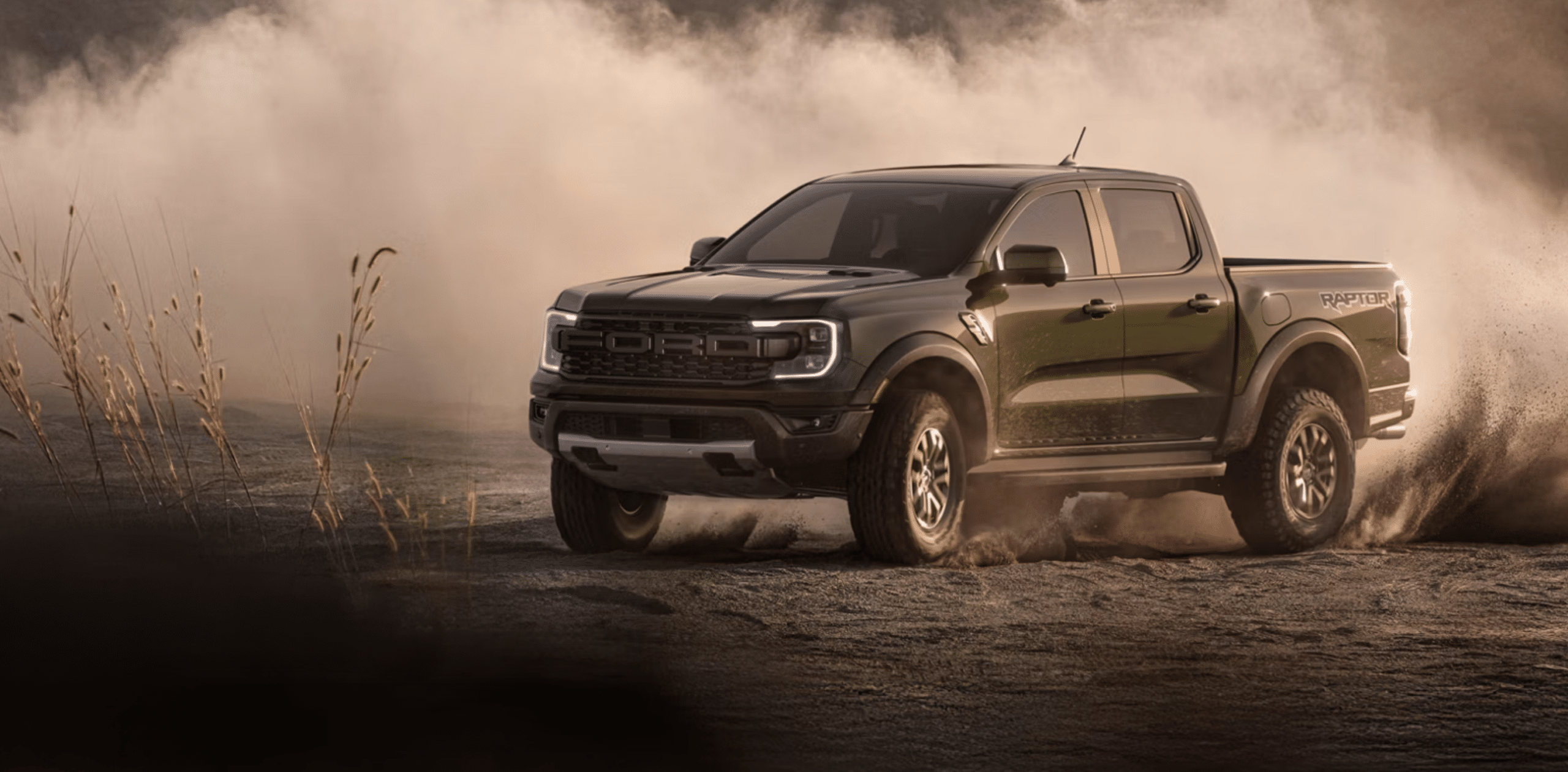
The Raptor brings the most horsepower (405 hp) and the strongest desert-running suspension on this list. Specifically, engineers tuned the truck around Baja-style high-speed work. As a result, long-travel Fox Live Valve shocks soak up whoops and prerunning at 60 mph. For overlanding, however, none of those traits matter.
Payload and tank capacity are the problems. While the Ranger Raptor publishes payload around 1,431 pounds, real-world testing shows the truck dives into its compression curve once loaded with 800-plus pounds of overland gear. In addition, the 20.3-gallon fuel tank still trails the Quartermaster (23.8 gal) and the Tacoma (21.1 gal). Combined with 16 mpg fuel economy on bigger tires, you are looking at roughly 320-mile range between fill-ups in mixed driving.
Aftermarket support exists, although it skews toward desert-running components, not load-bearing overland kit. As a result, sliders, drawer systems, and bed racks have thinner availability than for Tacoma or Gladiator. So buy the Raptor for prerunning weekends. For overlanding, every other truck on this list is a better tool.
Pros and Cons of the Quartermaster
Pros
- Class-leading 1,841-pound payload, 600-plus pounds more than the Tacoma TRD Pro hybrid in real builds
- Three locking differentials standard (front, center, rear), no aftermarket retrofit needed
- BMW B58 3.0L turbo I6 with proven reliability data across 8-plus years of service
- Full-time 4WD with low-range transfer case
- 23.8-gallon fuel tank, the largest in the segment
- Body-on-frame construction with solid axles front and rear
- 10.4-inch ground clearance and 35.5-degree approach angle
- ZF 8-speed automatic transmission
Cons
- Starting price of $77,500 lands well above the Tacoma TRD Pro
- Limited US dealer network as of 2026, concentrated in major metros
- Parts lead times stretch into weeks for some components
- Aftermarket support trails Tacoma and Jeep by 5-plus years of development
- Resale values still unproven due to short market history
- Towing capacity of 7,716 lbs sits behind Gladiator and Tacoma equivalents
Final Verdict
The 2026 best midsize overland truck is not on Edmunds’ list. Instead, the Ineos Grenadier Quartermaster brings 1,841 pounds of payload, three standard lockers, full-time 4WD, and a BMW-sourced powertrain backed by a decade of reliability data. For overlanders who plan to drive a finished rig out of the showroom, the Quartermaster is the field’s most overland-ready option in 2026.
Trade-offs run real. Pricing starts at $77,500. Service availability outside major US metros is thin. If you want a budget overland truck 2026 build with proven aftermarket support, the Chevrolet Colorado ZR2 around $50,500 wins on value. For bombproof reliability and resale, the Tacoma TRD Pro still stands.
Where the Edmunds list fails is by judging midsize off-road trucks on rock-crawl angles and desert speed. By contrast, overlanders weight payload, fuel range, and aftermarket depth. Score these six trucks on overland criteria, and the Quartermaster sits first, the Tacoma second, and the Ranger Raptor last.
So if your build is fully custom and aftermarket, build a Tacoma or Gladiator. For a finished rig you drive instead of build, buy a Quartermaster. On a tight budget, take a hard look at the ZR2. Ultimately, the right midsize overland truck depends on how much you build versus how much you drive.
Frequently Asked Questions
Is the Ineos Grenadier Quartermaster a true midsize overland truck?
Yes. Specifically, the Quartermaster has a 5-foot bed, a 127-inch wheelbase, and an overall length of 214 inches, slotting it between the Toyota Tacoma and Jeep Gladiator in size class. In addition, it rides on a body-on-frame platform with solid axles front and rear, full-time 4WD, and three locking differentials standard.
How does the Grenadier Quartermaster compare to the Toyota Tacoma TRD Pro for overlanding?
The Quartermaster delivers 1,841 pounds of payload to the Tacoma’s roughly 1,200 pounds in real-world build configurations, a 600-plus-pound advantage. However, Tacoma wins on aftermarket depth and resale, while the Quartermaster wins on factory overlanding readiness, fuel range, and load capacity.
Why did Edmunds leave the Ineos Grenadier off its 2026 best midsize off-road trucks list?
Edmunds focused on US-market familiarity, dealer network density, and rock-crawl performance. In contrast, the Quartermaster sells through a small US dealer network as of 2026 and lacks the brand recognition of Toyota, Jeep, or Chevy. Ultimately, this omission reflects market reach, not capability.
What is the best midsize overland truck under $60,000?
The Chevrolet Colorado ZR2 around $50,500 base. Specifically, it delivers 310 horsepower, 1,151-pound payload, 38.2-degree approach angle, and standard front and rear lockers. In addition, aftermarket support for Colorado ZR2 overlanding builds is growing fast, especially after AEV partnered with GM on the ZR2 Bison program.
Should I buy a midsize overland truck or a full-size truck for long-distance overlanding?
Midsize trucks balance trail capability with parking and tight-trail maneuverability better than full-size rigs. However, full-size trucks like the Ram 1500 RHO carry more gear and run more comfortably on long highway stretches. For most overlanders, a midsize platform with smart payload management beats a full-size rig too wide for the trails you want to explore.