



Table of Contents
- The Hidden Costs of Cheap Off-Road Lights
- Weak Light Output: Why Lumens Don’t Tell the Full Story
- Poor Durability and Failure in Harsh Environments
- Inconsistent Beam Patterns That Hurt Visibility
- Heat Build-Up: The Silent Killer of LED Performance
- Bad Wiring and Cheap Components Lead to Unreliable Performance
- How Boss Lighting Solves These Problems With Premium Engineering
- Real-World Scenarios Where Quality Lighting Matters Most
- Buying Right the First Time: The Real Value of Quality Lighting
- FAQ
The Hidden Costs of Cheap Off-Road Lights
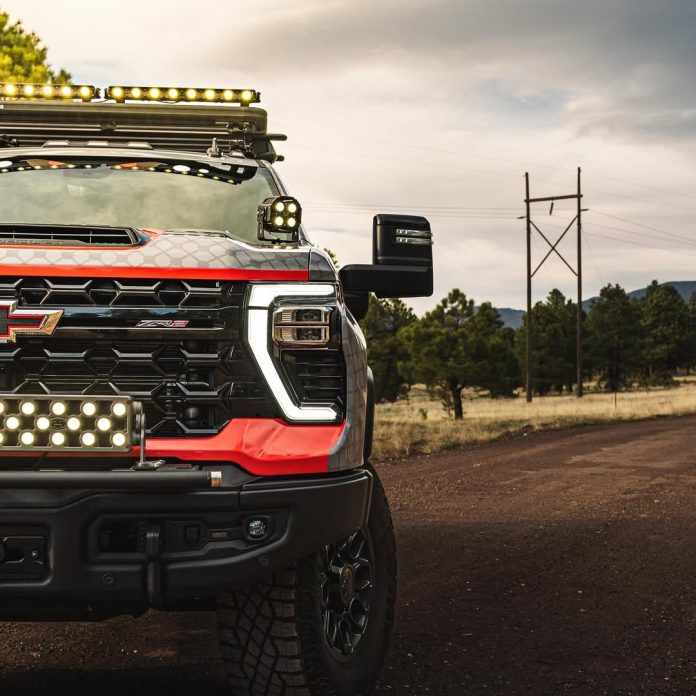
Cheap off-road lights look attractive on a price tag, but the total cost of ownership is where the math changes. Replacement lights, repair parts, and downtime add up quickly. A bar that fails after a season will cost more over time than a single well-built unit that lasts for years.
Beyond dollars, there’s operational cost. A light that dims during a night run affects visibility and reaction time. That increases the chance of damage to the vehicle or worse. Many budget lights also have poor sealing, so a rainy trip or a saltwater run accelerates corrosion and failure.
There’s a human cost too—frustration and lost confidence. I’ve seen rigs with cheap off-road lights swapped repeatedly; owners spend weekends fixing mounts or resealing lenses instead of enjoying the trail. Boss Lighting reduces that hidden cost by prioritizing durability and serviceability from the start.
Weak Light Output: Why Lumens Don’t Tell the Full Story
Lumens are the easiest spec to print on a box, but they don’t reflect usable illumination. Many cheap manufacturers inflate lumen numbers by using LEDs with poor optics or mismatched reflectors, producing a bright hotspot with little usable side fill or distance projection. On the trail, that means you see a glare but not the details you need to read terrain.
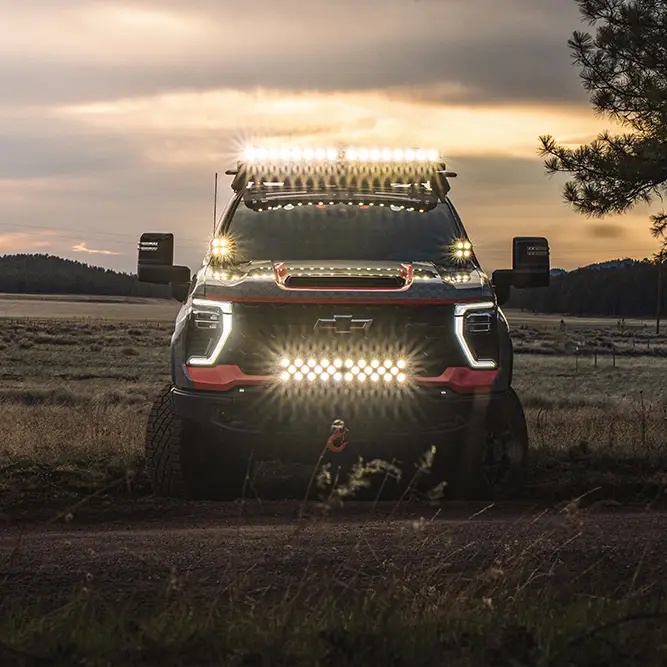
Effective lights focus on beam quality: a balance between throw and spread that makes obstacles visible at a safe distance. Boss Lighting engineers optics to deliver consistent, usable light where it matters, not just peak numbers. That’s why a tested Boss light often provides better real-world illumination than a higher-lumen but poorly engineered competitor.
From my own night drives, the difference is unmistakable. Proper beam patterns reveal ruts, rocks, and trail features with depth and contrast. Cheap off-road lights tend to wash out those cues, creating a flatter, less readable scene that forces slower speeds and more guessing.
Poor Durability and Failure in Harsh Environments
Budget off-road lights usually cut corners on materials and assembly. Plastic housings crack on impact, cheap fasteners corrode, and seals fail under vibration. Once water gets inside, the electronics follow soon after. These are common, predictable failures on rough trails and overland trips.
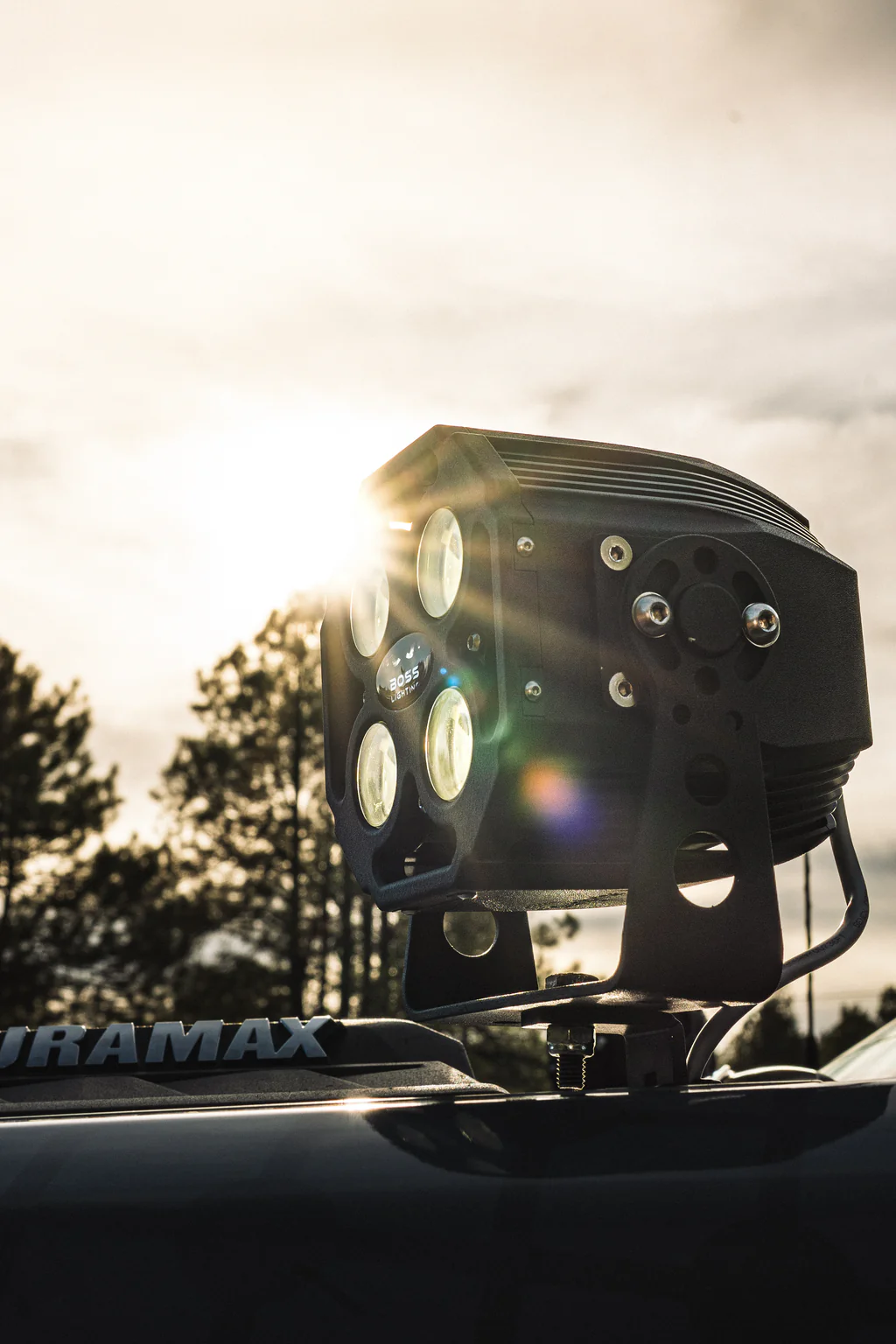
Boss Lighting builds differently. Housings are CNC-machined from 6061 aluminum with military-grade finishes that resist salt and abrasion. Mechanical tolerances are tight, so mounts stay solid under vibration and impacts. The choice of materials and manufacturing processes directly reduces common failure modes seen in cheap off-road lights.
That rugged construction also improves longevity of internal components. When the housing keeps dust and moisture out and prevents repeated flexing, the drivers and LEDs operate in a stable environment—less stress, fewer failures, and many more nights on the trail without issue.
Inconsistent Beam Patterns That Hurt Visibility

Cheap off-road lights often use one-size-fits-all optics that don’t consider how humans perceive depth and contrast at speed. The result can be scatter, hot spots, or poor side lighting that leaves hazards in shadow. A tight hotspot might look impressive on paper but does little to help in technical terrain.
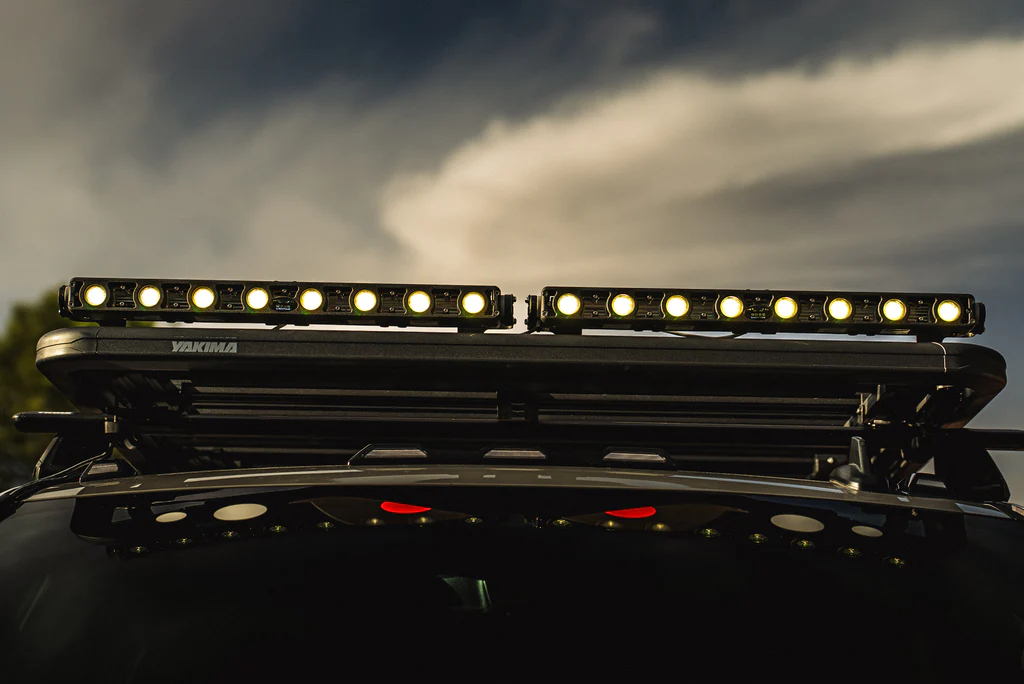
Boss Lighting designs beam patterns for purpose: spot for distance, flood for peripheral illumination, and combo patterns that blend them effectively. Their optics are engineered so the beam provides depth and contrast rather than just sheer intensity. That measured approach to beam control is what separates usable lighting from misleading specs.
In practice, a well-shaped beam reduces eye strain and improves reaction time. I’ve noticed that when beam quality is right, both driver confidence and average speed improve on unfamiliar trails—because you can actually see what’s coming sooner and respond more deliberately.
Heat Build-Up: The Silent Killer of LED Performance

Heat is the primary reason LEDs degrade over time. Many cheap lights rely on flimsy heat-sink designs that work in short bursts but fail during prolonged use. When LEDs overheat they lose brightness, shift color, and eventually fail. That’s why a light that performs on a showroom bench can falter on a multi-hour night run.
Boss Lighting addresses thermal issues with patented flow-through cooling that actively manages heat rather than hoping passive fins will suffice. By channeling airflow through the housing and away from critical components, these lights maintain consistent output even under heavy use. The result is less dimming, reduced color shift, and longer component life than found in most budget off-road lights.
I’ve run long night stretches where cheaper lights began to fade within an hour. Boss-equipped lights held steady. That reliability translates directly into safer, less stressful night driving because you don’t have to guess whether your lights will last the trip.
Bad Wiring and Cheap Components Lead to Unreliable Performance

Another common failure point is the wiring harness and electrical components. Budget kits often skimp on gauge size, connector quality, and protection, which leads to voltage drop, intermittent connections, and eventual failures. Poor wiring also increases fire risk in extreme cases.
Boss Lighting supplies robust wiring, high-quality connectors, and protected switches. Their systems include properly rated drivers that tolerate voltage fluctuations and protect against reverse polarity and short circuits. The attention to electrical integrity reduces flicker, unexplained shutdowns, and the kind of intermittent faults that are hard to diagnose on a remote trail.
In my experience, a reliable harness makes installation less painful and keeps the system dependable for years. Fixing bad wiring in the field is a hassle—getting it right from the factory saves time and stress down the road.
How Boss Lighting Solves These Problems With Premium Engineering

Boss Lighting takes a systems-level approach to lighting: optics, thermal management, materials, and electrical systems are designed to work together. That means their lights aren’t a collection of cheap parts; they’re engineered assemblies intended to survive real-world punishment.
Key features include CNC-machined 6061 aluminum housings, military-grade finishes, patented flow-through cooling, fully dimmable controls, waterproof connectors, and robust wiring. Together, these choices address every major failure point found in cheap off-road lights and deliver consistent performance in the field.
It’s also worth noting that Boss products are made in the USA under strict quality control. That manufacturing oversight reduces variability between units, which is a frequent complaint with cheaper imports. From my perspective, that consistency is one of the best measures of value for long-term ownership.
Real-World Scenarios Where Quality Lighting Matters Most

There are moments on the trail when lighting reliability is critical: a night recovery on loose scree, spotting a correctly timed line through a wash, or navigating slick roots in a forest. Cheap off-road lights can fail in precisely these high-stakes moments.
Boss Lighting’s combination of beam quality, thermal stability, and rugged construction ensures the lights perform across scenarios—high-speed desert work, slow technical crawling, and repetitive use during extended overland trips. That cross-discipline reliability is why professionals and dedicated enthusiasts choose them.
I’ve had nights where the difference between a good outcome and a bad one was simply whether the lighting held steady. With properly engineered lights, you spend energy on driving decisions instead of troubleshooting equipment failures.
Buying Right the First Time: The Real Value of Quality Lighting

Good off-road lights represent an investment in capability and reliability. While the upfront cost is higher than cheap alternatives, the ongoing savings and reduced frustration are significant. Fewer replacements, less maintenance, and fewer emergency repairs mean more time enjoying the trail.
Boss Lighting’s engineering-first approach reduces the lifetime cost of ownership. Their products keep rigs road-ready and reduce the frequency of warranty or replacement issues that plague budget lights. When you factor in downtime and the risk of equipment failure on remote trips, the value equation tilts quickly toward quality.
In short, buying right the first time means fewer surprises on remote trips, lower long-term costs, and more confidence on the trail—advantages that become obvious after a single season of heavy use.
FAQ
Are cheap off-road lights really that unreliable?
Many budget lights are unreliable under sustained use because they cut corners on materials, cooling, optics, and wiring. They may work fine in short bursts but often fail during prolonged or harsh conditions.
How does Boss Lighting prevent overheating?
Boss Lighting uses a patented flow-through cooling design that channels airflow through the housing to move heat away from LEDs and drivers, maintaining consistent output and preventing thermal degradation.
Do Boss lights require professional installation?
Boss Lighting products are designed for straightforward installation with universal mounts and high-quality wiring, but professional installation is recommended for complex or custom builds.
Will better off-road lights reduce my maintenance costs?
Yes. Higher-quality lights reduce the frequency of replacements and repairs, lowering total ownership costs and minimizing downtime on remote trips.
Why choose Boss Lighting over cheaper brands?
Boss Lighting focuses on engineering, durable materials, precise optics, and proven cooling systems—design decisions that directly address the common failures of cheap off-road lights and deliver reliable real-world performance.
Heads up: Clicking on our affiliate links and exploring our sponsored content helps us at no extra cost to you, and we only recommend gear we’re absolutely crazy about!