


Quick Facts:
- Vehicle: Hyundai Boulder concept
- Debut: 2026 New York auto show
- Construction: Body-on-frame
- Tires: 37-inch mud-terrain
- Design language: “Art of Steel”
- Production: Built in the U.S. for North America
- Pickup spin-off: Mid-size truck planned by 2030
- Best for: Buyers cross-shopping the Ford Bronco and Jeep Wrangler
6 min read
In This Article
Hyundai Boulder Concept Overview: A New Player in the Boxy 4×4 Fight
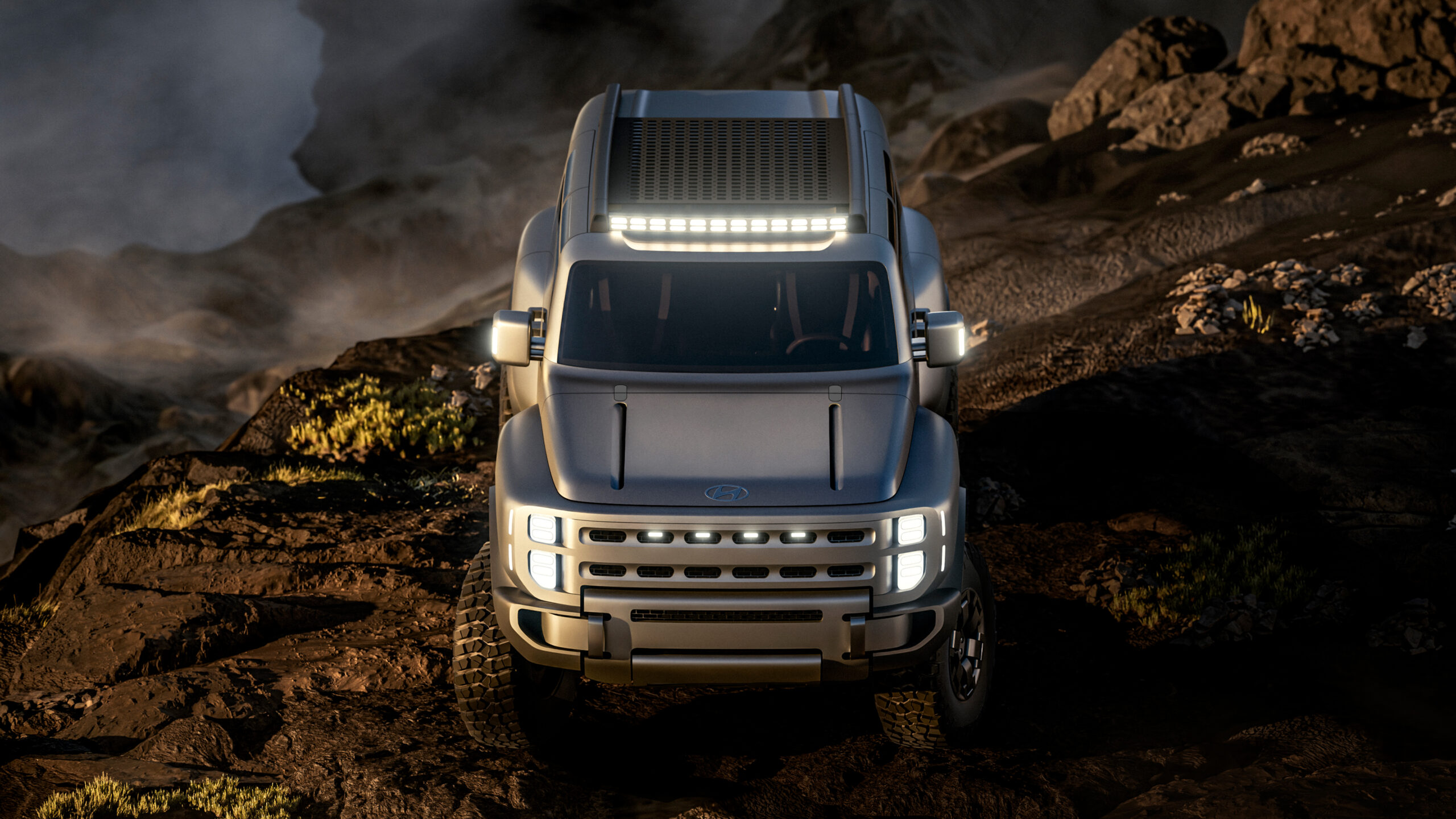
The Hyundai Boulder concept arrived at the 2026 New York auto show, and it points the brand straight at the boxy off-roader segment. Hyundai built the show vehicle on a body-on-frame platform, then fitted it with serious off-road hardware. The shape sits close to the four-door Ford Bronco. As a result, the target buyer is obvious at first glance.
The Hyundai Boulder concept matters because Hyundai has never sold a true ladder-frame 4×4 in the United States. Instead, the company has leaned on car-based crossovers and the compact Santa Cruz pickup. Notably, the Boulder signals a different direction. Now the platform will support both an SUV and a truck. Therefore, Hyundai plants a flag in two profitable segments at once.
Pricing remains unannounced since this is a design study, not a production model. Still, the positioning is clear. If you already cross-shop the Bronco and the Wrangler, the Boulder wants a spot on your short list. Add it before you sign anything.
Key Specs at a Glance
| Specification | Details |
|---|---|
| Vehicle type | Off-road SUV concept |
| Construction | Body-on-frame |
| Tires | 37-inch mud-terrain |
| Design philosophy | “Art of Steel” |
| Notable doors | Rear-hinged coach doors, dual-hinged tailgate |
| Interior controls | Physical knobs and buttons, fold-out tray tables |
| Production location | United States, for the North America market |
| Debut | 2026 New York auto show |
Design: Boxy Body, Clever Doors
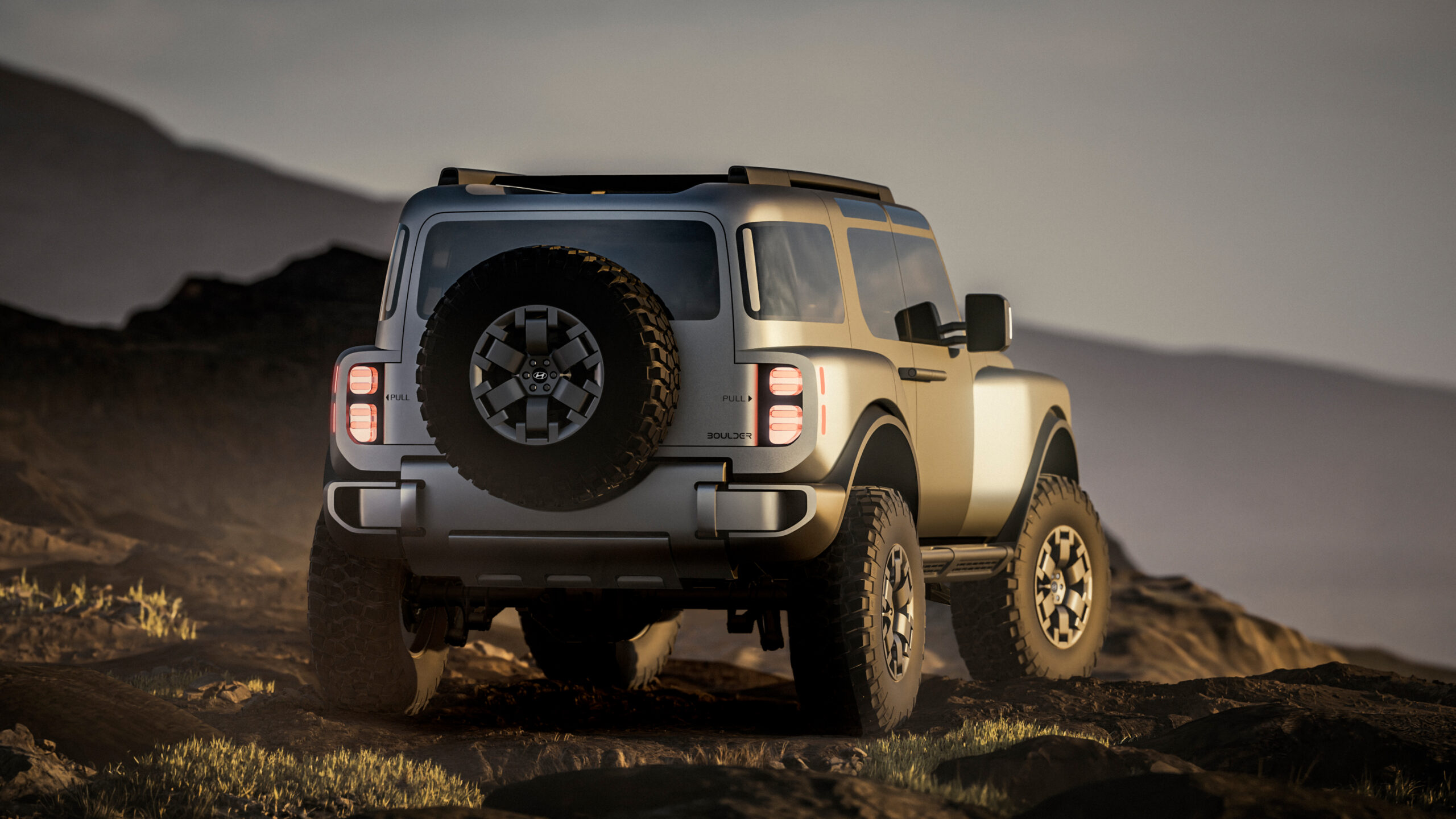
Hyundai calls the Boulder’s look “Art of Steel,” and the concept marries hard edges with a few sleek lines. The overall silhouette tracks closely with the four-door Ford Bronco, yet Hyundai reached upmarket for several details. Roof-mounted safari windows, for example, recall the Land Rover Defender and add light and character to the greenhouse.
The doors are where this concept gets genuinely interesting. Rear-hinged coach doors open the second row wide. Hyundai says the layout helps you load bulky adventure gear without fighting a narrow gap. Out back, a dual-hinged tailgate opens from either side. You swing it whichever way the campsite or trailhead demands. The rear window also rolls down, a small touch Bronco and Wrangler owners already appreciate on their own rigs.
These features read as more than show-stand theater. Because Hyundai tied each detail to a real loading or access problem, the design suggests the team studied the segment closely. Specifically, the layout reflects how off-roaders pack and unpack their rigs.
Off-Road Hardware and Interior
The off-road hardware starts with the rolling stock. Hyundai fitted 37-inch mud-terrain tires, a size usually requiring a lift and trimming on a Bronco or Wrangler. On the Boulder, those tires sit under aggressive approach and departure angles. Hyundai has not released ground-clearance figures yet. Still, the stance suggests the concept clears obstacles many stock 4x4s would scrape.
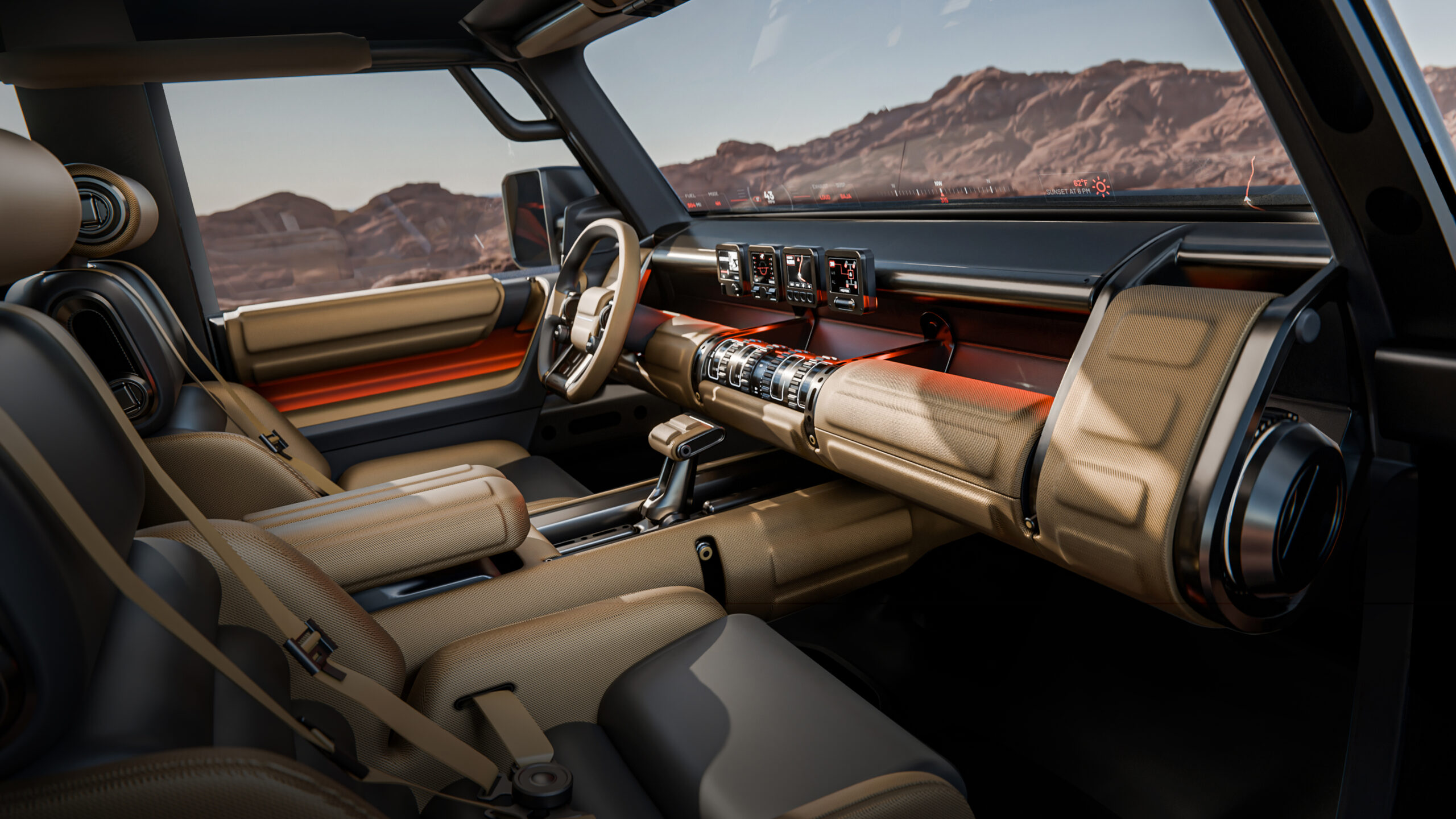
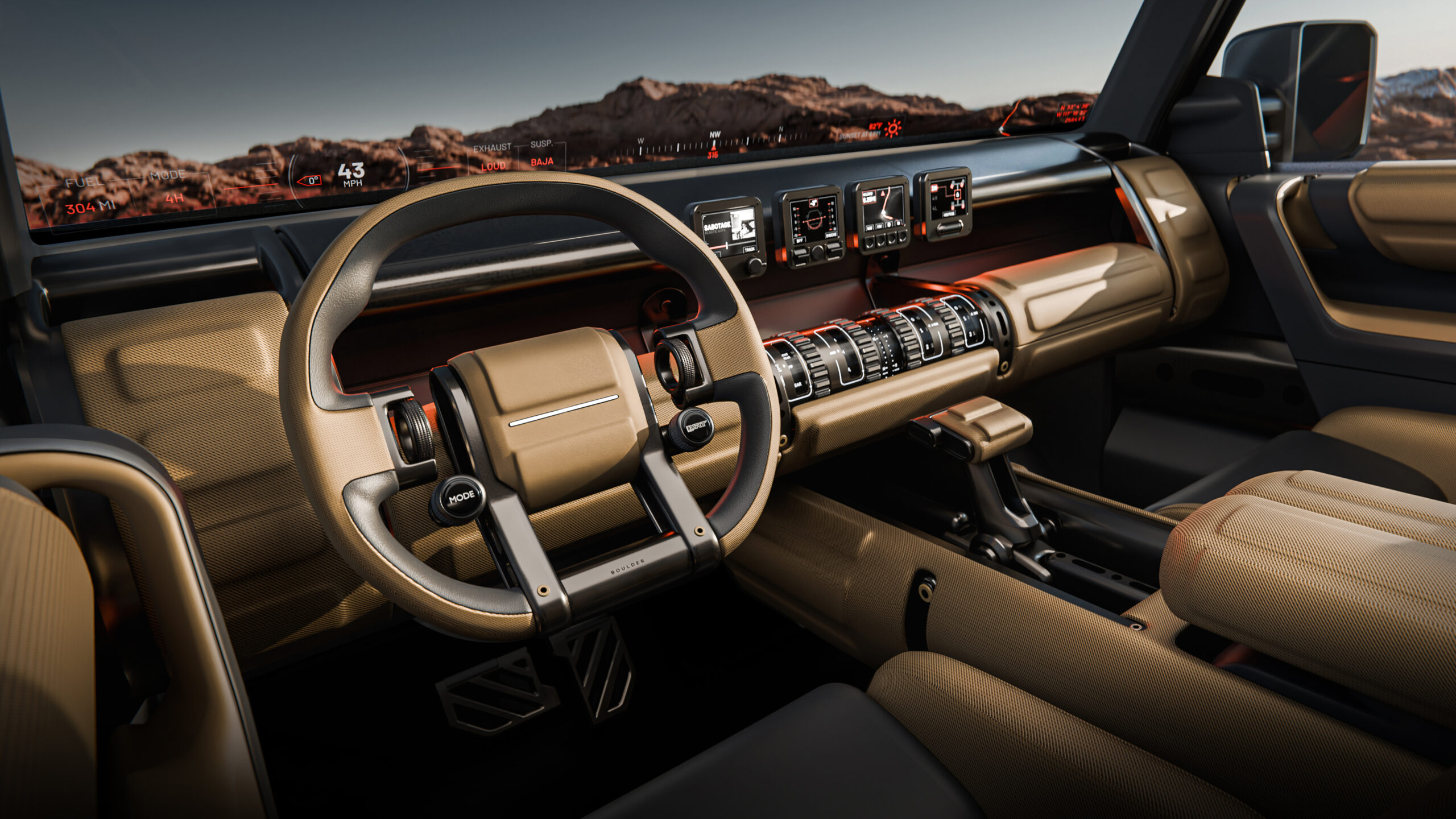
Inside, Hyundai resisted the all-touchscreen trend. The cabin uses physical knobs and buttons, which matter when you wear gloves or bounce across washboard trails. Fold-out tray tables add a practical base-camp touch for meals or map work. For drivers who value tactile controls, this interior approach lands well.
One caution belongs here. Concept off-road hardware often softens on the way to production. The 37-inch tires and the boldest angles tend to shrink once engineers account for cost, ride quality, and federal regulations. Even so, the intent on display is far more serious than a typical auto-show prop.
Why a Pickup Truck Comes Next
Hyundai describes the Boulder as a design preview of an upcoming body-on-frame pickup truck. The company confirmed the platform will be developed and built in the United States for North America. Hyundai also engineered it for multiple powertrains, including gas, hybrid, and electric options. This detail signals a real production commitment rather than a one-off styling exercise.
The business case is strong. Six pickups ranked among the 25 bestselling vehicles in the U.S. in 2025, including the mid-size Toyota Tacoma. A Boulder-based mid-size pickup truck would let Hyundai chase this volume directly. The brand has watched rivals crowd the mid-size pickup market while it sat largely on the sidelines.
Hyundai has tried trucks before. The compact Santa Cruz launched around the same time as the Ford Maverick. Yet it never caught fire at dealerships the way the Maverick did. A larger, more capable body-on-frame rig changes the math. Alongside other new body-on-frame entrants, the Boulder shows how crowded the rugged-truck space has become. Hyundai targets a production truck by 2030.
From the Driver’s Seat
I have owned a number of Jeeps over the years. On the blue-oval side, I have logged plenty of seat time behind the wheel of a Ford Bronco. This history shapes how I read a concept like this. When a new boxy 4×4 shows up wearing 37-inch tires and real coach doors, I pay attention. Instead of rolling my eyes, I dig into the spec sheet.
The honest take is simple. I would drive this in a heartbeat. The Boulder nails the small details separating a capable trail rig from a costume. For example, it offers a roll-down rear window, physical controls, and a tailgate built for real-world loading. My Jeeps taught me to value durable hardware over screens. Similarly, the Bronco showed me how much a well-sorted body-on-frame SUV handles on a rough trail.
Skepticism still has a place. Concepts promise more than showrooms deliver, and Hyundai must prove the drivetrain and axles match the stance. If the production version keeps even most of this hardware, though, the segment gains a fresh and welcome challenger.
Boulder vs. Bronco and Wrangler: How It Stacks Up
Against the Bronco, the Boulder borrows the four-door silhouette. Then it adds the coach doors and dual-hinged tailgate the Ford lacks. Both rigs aim at the same weekend-warrior buyer. As a result, the fight comes down to powertrain, price, and trail credibility once Hyundai shares numbers. The Bronco enters this battle with several model years of refinement already on the board.
Against the Jeep Wrangler, the Boulder faces the segment’s icon and its deep aftermarket. The Wrangler offers removable doors and a folding windshield, features the Boulder concept does not claim. Hyundai counters with fresh styling and clever rear access. For a first attempt, the concept brings enough off-road hardware to earn a serious look.
Value will decide the winner. Hyundai often undercuts established rivals on price while loading up the standard equipment. If the Boulder follows this pattern, it pressures both the Bronco and the Wrangler where it hurts most, on the window sticker.
Final Verdict
The Hyundai Boulder concept is the most credible swing the brand has taken at the off-road faithful. It speaks directly to buyers who want a body-on-frame SUV with genuine trail hardware. A soft crossover wearing rugged trim will not satisfy them. The 37-inch tires, coach doors, and U.S. production plan all point toward real intent.
Temper the excitement with patience. This is a concept, and the boldest hardware sometimes fades before the assembly line. Shoppers who need a proven rig today should still look hard at the Bronco and the Wrangler. Both models sit on dealer lots and accept mods right now.
On value, Hyundai holds a strong card. A well-priced, well-equipped Ford Bronco rival would shake up the segment. Hyundai also brings a long warranty record to the fight. The Boulder earns its place on the watch list for anyone tracking the next wave of factory 4x4s.
If you want a boxy off-roader before the Boulder reaches dealers, the four-door Bronco remains the closest match available. Keep the Hyundai Boulder concept on your radar. Then compare the production numbers when they land.
Frequently Asked Questions
When will the Hyundai Boulder come out?
Hyundai showed the Boulder at the 2026 New York auto show. The company has not confirmed an on-sale date for an SUV version. Its related body-on-frame pickup truck is expected by 2030. Therefore, a production off-roader would likely arrive in this same window.
Is the Hyundai Boulder a Ford Bronco rival?
Yes. The Hyundai Boulder concept is aimed squarely at the Ford Bronco and Jeep Wrangler. Its four-door body, body-on-frame construction, and 37-inch tires fit the boxy off-roader class. Those models defined the segment.
Will the Hyundai Boulder become a pickup truck?
Hyundai says the Boulder previews an upcoming body-on-frame pickup truck built in the United States for North America. A mid-size pickup truck based on this platform would let Hyundai compete with the Toyota Tacoma and similar rivals.
What off-road hardware does the Hyundai Boulder have?
The concept rides on 37-inch mud-terrain tires with aggressive approach and departure angles. Hyundai has not published ground-clearance figures, but the off-road hardware and stance signal real trail intent rather than appearance-only trim.
Where will the Hyundai Boulder be built?
In the United States. Hyundai confirmed the body-on-frame platform will be developed and built domestically for the North America market. This plan supports both the Boulder-style SUV and the planned mid-size pickup truck.