


Quick Facts:
- Topic: Keweenaw Point State Lands, about 10,000 acres at the tip of Michigan’s Keweenaw Peninsula.
- Buyer: The Michigan Department of Natural Resources (DNR), from The Nature Conservancy, on Nov. 5, 2026.
- Funding: About $11.2 million in grants from three funds.
- Managed as: Part of Fort Wilkins Historic State Park.
- Trails and roads: Designated motorized trails and state forest roads stay open.
- New rule: A Recreation Passport is required for the 10,000 acres.
- Camping: Designated locations only on the new parcel; dispersed camping only on state forest land.
- Full-size rigs: Use state forest roads, since designated ORV trails fit vehicles 50 inches wide or less.
6 min read
In This Article
Overview
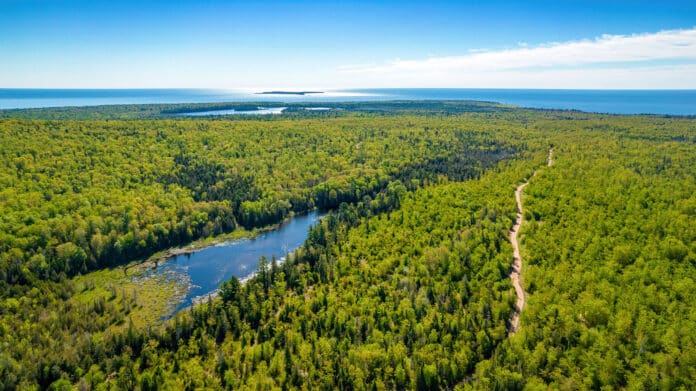
Keweenaw Point State Lands are now public property, and your Upper Peninsula trail plans mostly stay intact. The Michigan DNR bought about 10,000 acres from The Nature Conservancy on Nov. 5, 2026, according to its official release. However, the property adds a Recreation Passport requirement and a camping limit. Full-size rigs still reach the area on state forest roads, while ORV trails serve ATVs and narrow side-by-sides.
The parcel sits directly south of Fort Wilkins Historic State Park, and the DNR will manage it as part of the park. Fort Wilkins State Park is also a shorter name the DNR uses, and the new parcel now falls inside its boundary. This land is part of the Keweenaw Heartlands, more than 32,000 acres put up for sale in 2021. The Nature Conservancy bought it in 2022 as a temporary owner. Since then, it has worked with the DNR to line up the grant funding.
For you, three questions matter. Do your routes stay open? What does entry cost? Where are you allowed to camp? The sections below answer each one, then explain what to do before your next trip north.
Late-season forest roads run soft, so traction gear matters before the trip starts. Traction boards, a portable air compressor, and a recovery strap kit also suit most full-size trucks and SUVs.
Soft-ground recovery gear for late-season forest roads

X-BULL New Recovery Traction Tracks Sand Mud Snow Track Tire Ladder…


ALL-TOP Heavy Duty Tow Strap Recovery Kit: 3 inch x 20ft (35
What Changed at Keweenaw Point State Lands
Most of the news is continuity. According to the DNR, public use and access will stay familiar and unchanged in the immediate term. The table below shows what stays and what is new.
| Item | Status |
|---|---|
| Designated motorized trails | Stay open and officially designated |
| State forest roads, including routes to High Rock Bay | Access continues without interruption |
| Recreation Passport | Now required for the 10,000 acres |
| Camping and fires on the new parcel | Designated locations only |
| Hunting | Approved as an allowable use on Oct. 14, 2026 |
Still, these rules have a shelf life. The DNR will restart a general management plan, which sets a 10- to 20-year strategy for the site. After a 2024 draft drew public input through a survey and meetings, a revised draft will go out for public review, with details to come.
Which Keweenaw Trails and Roads Stay Open
First, the routes themselves. Every existing designated motorized trail across the Keweenaw Heartlands footprint stays open and officially designated. State forest roads also keep running, including the routes to High Rock Bay. For wider context on Michigan route changes, read our Michigan state forest roads review, which covers the Dec. 1 comment deadline.
Next, check what “designated ORV trail” means for your rig. The DNR defines it as a path built for a two- to four-wheel vehicle 50 inches wide or less. Per the DNR permit chart, street-licensed trucks and passenger vehicles are not permissible on these trails. They serve ATVs, motorcycles, and narrow side-by-sides. Instead, plan your full-size rig on the state forest roads. Confirm each road on the DNR map before you drive it.
Riders should also budget for permits. The DNR requires a $26.25 ORV license for ORVs on state forest roads open to ORV use. A $10 ORV trail permit is also required on designated ORV trails. Still, this parcel also requires a Recreation Passport.
What the Michigan Recreation Passport Costs
The DNR now requires a Michigan Recreation Passport for access to the 10,000 acres. This rule follows the parcel’s place inside the Fort Wilkins State Park boundary. Your price depends on your license plates.
Michigan-registered vehicles pay $15 for an annual passport when you buy it at plate renewal through the Secretary of State. Otherwise, a $5 convenience fee applies. A two-year option costs $29. Vehicles with out-of-state plates pay $42 for an annual passport or $12 for a daily pass. The daily pass covers entry and re-entry to any state park for the day. According to the DNR, the cost of the Recreation Passport rose $1 on Jan. 1, 2026.
Display the passport when you enter or park at a state park, a state-designated trailhead, or a recreation staging area. Vehicles without a Michigan plate tab need the sticker on the lower passenger-side windshield. Also, out-of-state drivers buy a daily pass in person, at a state park or a self-registration station. The online store sells annual passports only, with two to three weeks of processing, per the DNR passport page.
Where You Camp at Keweenaw Point State Lands
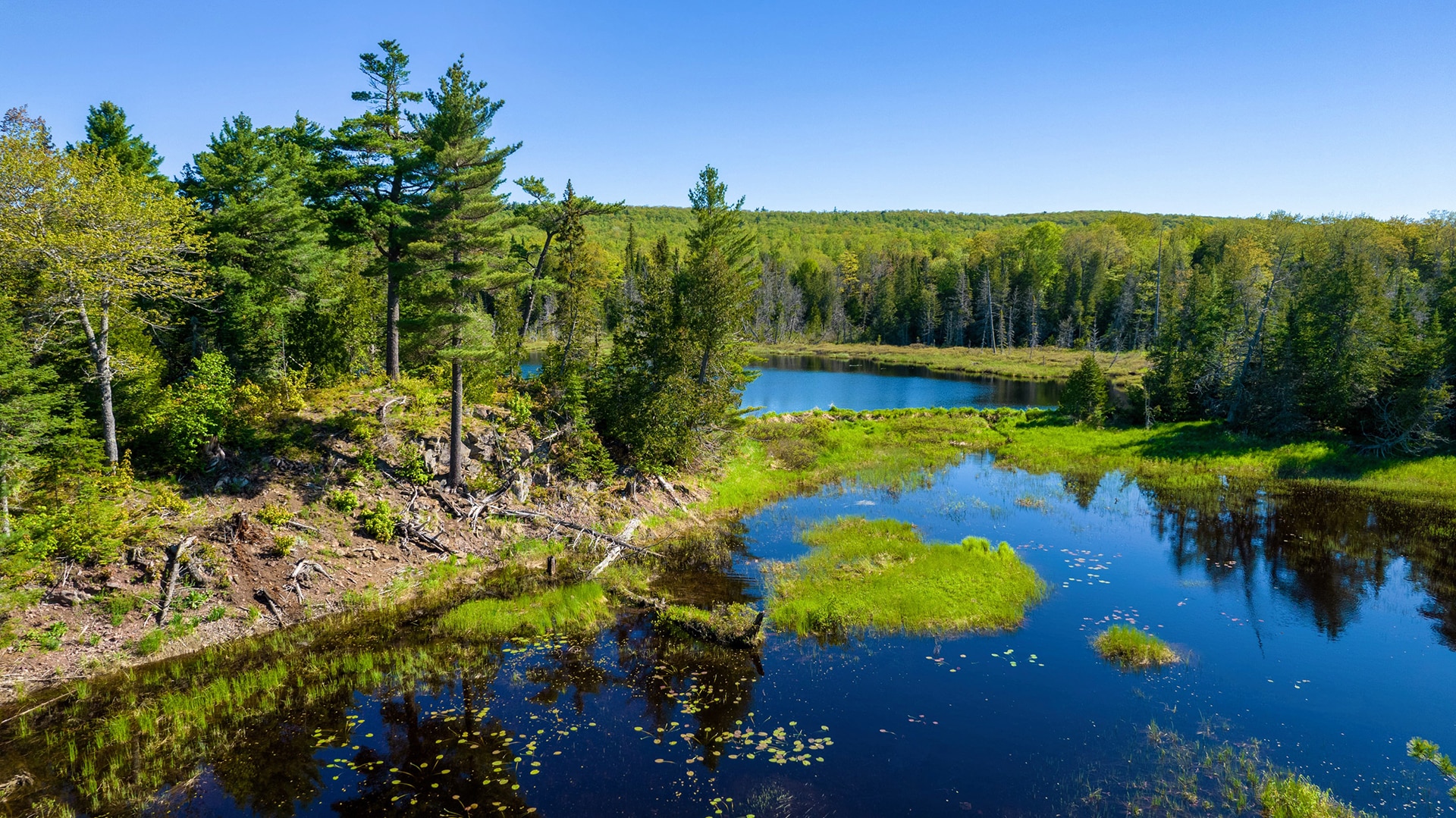
Camping rules split by land manager. On the new parcel, the Parks and Recreation Division follows state park rules. Therefore, camping and fires are allowed only at designated locations. Instead of pulling off a two-track, plan on a designated location and confirm your options with the DNR. Our guide to getting a designated campsite helps when sites fill up.
Dispersed camping continues only on land managed by the Forest Resources Division, including Copper County State Forest. The neighboring 9,376-acre Baraga Forest Management Unit stays under the same division, where multiple-use recreation remains central. Before you set up, check the DNR’s PDF map to confirm which side of the line you are on. For general etiquette, read our dispersed camping rules and etiquette guide.
What This Means for You
Full-size rigs reach the area on forest roads, and the passport is your only new entry cost. First, pick the right pass for your plates and trip length. Then save the DNR map to your phone while you still have signal. Mark where your route crosses the 10,000 acres. Our guide to planning a remote camping trip covers offline maps and legal campsite checks.
Out-of-state drivers face a pricing choice. Since nonresident annual passports expire Dec. 31, a November purchase covers only the weeks left in the year. Instead, a daily pass costs less on a short late-season trip. Four daily passes top the $42 annual price, so frequent visitors do better with an annual pass next year. Check the DNR passport page for 2027 prices.
Watch the calendar, too. The Natural Resources Commission approved hunting on the parcel, so check DNR season dates while you plan a drive. Expect soft ground late in the season, and watch for early snow this far north. Pack traction boards and review our off-road recovery guide before you go.
Finally, mind the boundary. About 22,000 acres of the Keweenaw Heartlands remain in Nature Conservancy ownership while the Nature Conservancy and the DNR pursue funding for a future move to public ownership. Ask the DNR about the remaining land before you route across it.
Cold nights at a designated site call for reliable cooking and light. For example, a two-burner propane stove, a propane cylinder, and a rechargeable lantern keep camp running.
Cold-weather gear for designated campsites


Propane Cylinder Replacement Tank 16 Oz. (1 Pack) All-Purpose Propa…


Final Thoughts
This purchase keeps a large piece of the Upper Peninsula open to the people who use it. Your new entry cost is one pass and a little planning. If you ride an ATV or side-by-side, your trails stay put. Drivers of full-size trucks still reach the area on state forest roads.
The trade-off is camping. Anyone who prefers an open two-track and a quiet pullout now has two options. Camp at a designated location on the new parcel, or instead use state forest land next door. Only the state forest land next door keeps open-camping freedom, so plan around it.
Keep an eye on the management plan review, because future changes surface there and public comment gives you a say. Pick the right pass, check the map, and pack for soft ground. Then point the rig north and enjoy the Keweenaw.
FAQ
Do you need a Recreation Passport for Keweenaw Point State Lands?
Yes. The DNR requires a Recreation Passport for access to the 10,000 acres. Michigan-registered vehicles pay $15 at plate renewal, and out-of-state vehicles pay $42 annually or $12 daily.
Are ORV trails still open on Keweenaw Point?
Yes. The DNR says every existing designated motorized trail across the Keweenaw Heartlands footprint stays open and officially designated. Those trails serve vehicles 50 inches wide or less.
Are you allowed to camp anywhere on Keweenaw Point?
No. On the new parcel, camping and fires are allowed only at designated locations. Dispersed camping continues on state forest land managed by the Forest Resources Division, such as Copper County State Forest.
Is the road to High Rock Bay still open?
Yes. The DNR says access on state forest roads, including routes to High Rock Bay, continues without interruption. Still, confirm current road conditions with the DNR before you drive.
Is hunting allowed on the Keweenaw Point parcel?
Yes. The Natural Resources Commission approved hunting as an allowable use on Oct. 14, 2026. Check DNR season dates before you visit.
Related Reading