


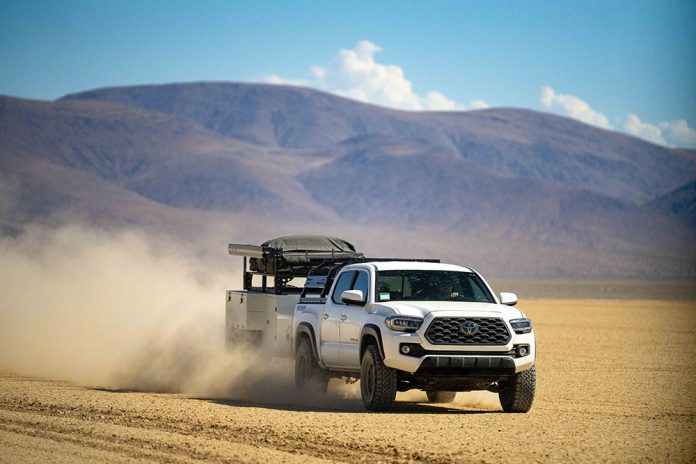

Quick Verdict: Southern California offers some of the best overlanding in the country, with 7 proven routes ranging from beginner-friendly mountain trails to multi-day desert crossings. After 20 years of towing trailers through these routes, Big Bear, Anza-Borrego, and Joshua Tree stand out as the top three destinations for trailer-based camping. Each route is accessible year-round if you time your visits to the right season, and none requires more than a 3-hour drive from Los Angeles.
Last updated: April 2026 | 12 min read
In This Article
- Overlanding Southern California: Why Trailer Camping Works Here
- Key Facts at a Glance
- Big Bear: Mountain Overlanding at 7,000 Feet
- Anza-Borrego: 500 Miles of Desert Trails
- Joshua Tree: Desert Overlanding Close to LA
- Mojave Road: The Classic 138-Mile Desert Crossing
- 3 More Routes Worth Your Time
- Desert vs. Mountain: Choosing Your Route
- Pros and Cons of Overlanding Southern California
- Final Verdict
- Frequently Asked Questions
Overlanding Southern California: Why Trailer Camping Works Here

Last weekend I tested a SNO Trailers Alpine at Anza-Borrego behind my 2025 Chevy Colorado ZR2. The week before, I ran Holcomb Valley in Big Bear at 7,000 feet. Overlanding southern California puts you within a few hours of deserts, mountains, and forests. After 20 years on these routes, every trip delivers something new.
Compared to overlanding in Utah or Colorado, Southern California offers year-round access. Desert routes heat up past 110°F in summer, but mountain trails above 6,000 feet stay cool. Conversely, when snow shuts down Big Bear between December and March, the desert opens up to 70°F days.
Expedition trailer camping works especially well on these southern California overland trails because most routes feature wide forest roads, graded dirt, and open wash crossings. SNO Trailers is based in Laguna Hills, right around the corner from where I live, and I have been testing their Alpine and R-20 across these areas for the past few years. Choosing a trailer with independent suspension, proper departure angles, and ground clearance is essential.
If you enjoy hiking California’s best trails, overlanding takes the experience further by letting you camp at the trailhead and spend multiple days in the backcountry.
Key Facts at a Glance
| Route | Distance | Difficulty | Best Season | Trailer Friendly |
|---|---|---|---|---|
| Big Bear | 169+ miles of forest roads | Easy to Hard | April – November | Yes (most routes) |
| Anza-Borrego | 500+ miles of trails | Easy to Moderate | October – Late April | Yes |
| Joshua Tree | 100+ miles of backcountry roads | Easy to Moderate | October – April | Yes (select routes) |
| Mojave Road | 138 miles | Moderate | October – April | Yes (experienced) |
| Johnson Valley | Varies | Easy to Hard | October – April | Yes |
| Death Valley | 300+ miles of backcountry | Moderate to Hard | November – March | Select routes only |
| Hungry Valley | 130 miles of trails | Easy to Moderate | Year-round | Yes |
Made in California
SNO Trailers: Built for These Trails
SNO Trailers builds expedition trailers in Laguna Hills, CA, designed specifically for Southern California’s desert washes, mountain switchbacks, and rocky forest roads. The Alpine weighs 1,500 lbs dry and handles every route in this article.
Big Bear: Mountain Overlanding at 7,000 Feet

Big Bear sits in the San Bernardino National Forest and offers 169 miles of forest roads, 900 miles of SUV/4×4 routes, and 104 miles of dedicated 4×4 trails. Elevations range from 6,000 to over 9,000 feet, which means cool summers while the rest of Southern California bakes. I visit Big Bear 2-3 times per month from spring through fall, and it remains my top pick for overlanding southern California with an expedition trailer.
For beginners, Gold Fever Trail leads into Holcomb Valley with historical gold rush sites and easy terrain. City Creek Road (1N09) provides scenic driving with water crossings and minimal obstacles. Specifically, Wildhorse Meadow (2N93) has two designated yellow-post campsites surrounded by dense forest, making it ideal for overnight trailer camping.
Advanced Big Bear Trails for Experienced Overlanders
More experienced drivers should tackle Gold Mountain Trail (3N69), a 4.5-mile climb to 8,235 feet with sharp rock ledges. White Mountain Trail (3N17) runs along a scenic ridgeline with moderate terrain. However, John Bull Trail is the most technical route in the region, and towing a trailer on these advanced trails is not recommended. I have driven Gold Mountain and White Mountain without a trailer behind my Colorado ZR2, and the rock ledges and tight switchbacks confirm these are vehicle-only runs. Stick to forest roads and Holcomb Valley for trailer towing in Big Bear.
Big Pine Flat and Crab Flats campgrounds allow direct trail access. As a result, both work as solid base camps for multi-day backcountry runs with your trailer.
Anza-Borrego: 500 Miles of Desert Trails
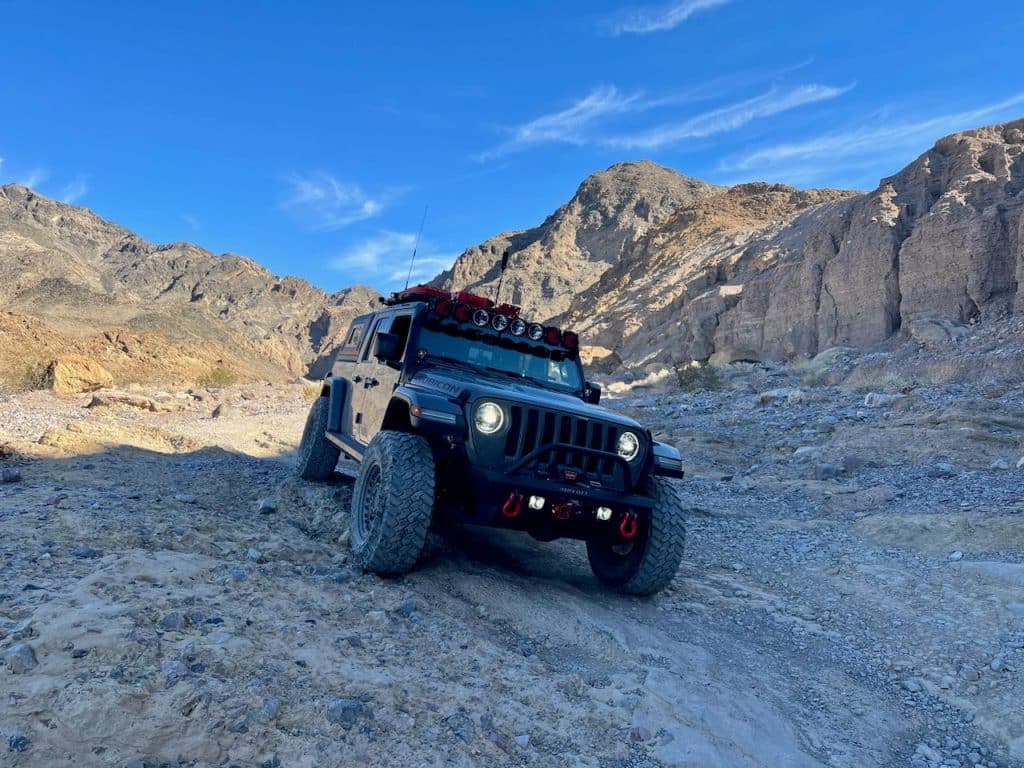
When Big Bear closes for winter, the desert opens up. Anza-Borrego Desert State Park covers over 600,000 acres with more than 500 miles of trails across washes, badlands, slot canyons, and palm oases. For off road camping southern California, this is the single largest playground available to overlanders.
The best time to visit is October through late April. Specifically, March and April bring desert wildflower blooms worth timing your trip around. I make the drive from Orange County 2-3 times monthly during the cooler season, and the variety of terrain keeps every visit fresh.
Top Anza-Borrego Trails for Trailer Camping
Coyote Canyon Road on the park’s west side is popular for its year-round water crossings and moderate difficulty. Lower Coyote Canyon stretches 18.3 miles with 1,223 feet of elevation gain. For a different experience, Split Mountain Road offers a sandy ride through a geological split, with a 4-mile run to the Wind Caves trailhead.
Dispersed camping throughout the park costs nothing, making this the most affordable option for off road camping southern california. Because all vehicles must be highway-legal (no OHVs), the trails stay in better condition compared to open-use areas.
Joshua Tree: Desert Overlanding Close to LA
Joshua Tree National Park sits roughly 2.5 hours from Los Angeles, making it one of the most accessible overlanding southern California destinations for weekend trips. The park offers 500 designated campsites and backcountry roads winding through boulder formations and Joshua tree forests.
Queen Valley Roads provide 13 miles of accessible dirt surfaces, connecting Queen Valley Road, Big Horn Pass Road, and O’Dell Road. Stock vehicles handle this network during dry conditions; consequently, it works well for first-time overlanders with trailers. Additionally, Pinkham Canyon delivers a true jeep-trail experience with ruts and rocks requiring 4-low.
Because Joshua Tree enforces strict stay-on-trail rules, the backcountry roads remain well-defined and predictable for trailer towing. The wider routes through Queen Valley and Old Dale Mining District work best for expedition trailer camping setups. Start early to claim a dispersed site during peak season from November through March.
Your Basecamp, Anywhere
From Desert Washes to Mountain Switchbacks
The SNO Alpine and R-20 are built 30 minutes from these trails in Laguna Hills, CA. Fabtech suspension, 40-degree departure angles, and a 1,500 lb dry weight make them purpose-built for Southern California terrain.
Mojave Road: The Classic 138-Mile Desert Crossing
The Mojave Road runs 138 miles east-west from near Searchlight, Nevada to Zzyzx, California. This iconic overland route takes 1.5 to 3 days depending on your pace. The best window runs from mid-October through April, before summer pushes temperatures past 110°F.
Terrain includes deep sand, large washes, whoops, scattered rocks, and one hill with limited articulation clearance. Notably, the water crossing at Afton Canyon regularly reaches 3 feet, so preparation is essential. For instance, Government Holes makes a lunch stop worth planning around, where a windmill pumps water into a tank surrounded by a small oasis.
Fuel access is the biggest concern; you will drive up to 215 miles between gas stations. A California campfire permit is required for open fires. For experienced overlanders, towing an expedition trailer on the Mojave Road is doable. However, the deep sand sections demand proper tire pressure management at 18-20 PSI.
3 More Southern California Overland Trails Worth Your Time

Beyond the big four, several additional socal overlanding routes deserve attention for expedition trailer camping.
Johnson Valley OHV Area sits north of Joshua Tree with open desert terrain from easy sand washes to technical rock crawling. Because the area is BLM land, dispersed camping is free, and the annual King of the Hammers race keeps trails well-documented.
Death Valley’s backcountry includes over 300 miles of unpaved roads. Titus Canyon (one-way, 27 miles) and Echo Canyon are standout drives, although trailer access is limited to wider routes. Visit between November and March.
Similarly, Hungry Valley SVRA near Gorman offers 130 miles of trails with year-round access. Less than 90 minutes from downtown Los Angeles off Interstate 5, this is the closest option for LA-based overlanders testing a new setup.
Desert vs. Mountain: Choosing Your Overlanding Route
Picking between desert and mountain overlanding comes down to season, experience, and your trailer’s capabilities.
Desert routes like Anza-Borrego and Joshua Tree feature wider trails, flatter terrain, and fewer tight switchbacks. These are better for larger trailers and less experienced drivers. However, summer heat limits your desert window to roughly 7 months (October through April).
Mountain routes like Big Bear offer cooler temperatures and shade during summer. In contrast, the trails are narrower, steeper, and include more obstacles like rock ledges. During gear testing, I towed both the SNO Alpine (1,500 lbs) and R-20 (800 lbs) through Big Bear. Notably, the lighter R-20 handles tight switchbacks better, while the Alpine’s kitchen makes multi-day trips more comfortable.
Pros and Cons of Overlanding Southern California
Pros
- Year-round overlanding by rotating between desert (winter) and mountain (summer) routes
- 7 trail systems within 3 hours of LA, totaling over 2,000 miles of off-road access
- Free dispersed camping on BLM land, national forests, and Anza-Borrego State Park
- Diverse terrain from sand washes to granite boulder fields to alpine meadows
- Well-documented trails with GPS tracks and active online communities
Cons
- Desert routes are dangerous in summer (110-115°F from June through September)
- Popular areas like Joshua Tree and Big Bear get crowded on weekends during peak seasons
- Fire closures in national forests shut down mountain routes without warning during summer and fall
- Limited fuel on remote routes like the Mojave Road (up to 215 miles between stations)
- Flash flood risk in desert washes during monsoon season (July through September)
Final Verdict
Overlanding southern California with an expedition trailer is one of the best outdoor experiences available to California residents. Desert, mountain, and forest terrain within a few hours of every major city creates a year-round season.
The biggest trade-off is timing. Plan around desert heat and mountain fire closures. Weekday trips avoid crowds at Joshua Tree and Big Bear.
For trailer selection, a unit under 2,000 lbs with independent suspension handles every route here. Pair it with a midsize truck for kitchen, storage, and sleeping quarters.
Among all socal overlanding routes, start with Big Bear or Anza-Borrego. Both offer forgiving terrain, free camping, and quick LA access.
Frequently Asked Questions
Where is the best place for overlanding in Southern California?
Big Bear, Anza-Borrego, and Joshua Tree are the top three destinations for overlanding southern California. The San Bernardino National Forest offers 169 miles of forest roads and 900 miles of SUV routes. Similarly, Anza-Borrego provides over 500 miles of desert trails with free dispersed camping.
Do I need 4WD for overlanding in Southern California?
Beginner routes like Queen Valley in Joshua Tree and graded roads in Anza-Borrego work with a high-clearance 2WD vehicle in dry conditions. However, Gold Mountain Trail in Big Bear, Pinkham Canyon, and the Mojave Road require 4WD with low range. For towing an expedition trailer off road, 4WD is strongly recommended on all routes.
When is the best time for overlanding in Southern California?
Desert routes (Anza-Borrego, Joshua Tree, Mojave Road) are best from October through April at 65-85°F. Mountain routes (Big Bear) are best from April through November. Because both climates sit within a few hours of each other, you have year-round overlanding access by switching between desert and mountain.
Is dispersed camping free in Southern California?
Yes, dispersed camping is free on BLM land (Johnson Valley), in Anza-Borrego Desert State Park, and at yellow-post sites in the San Bernardino National Forest. Campgrounds within national parks like Joshua Tree charge $15-30 per night, although backcountry camping with a free permit is available. Before your trip, also check current regulations, since fire restrictions and seasonal closures change frequently.
What size trailer works best for overlanding Southern California?
Trailers under 2,000 lbs dry weight with independent suspension perform best across all Southern California terrain. For example, the SNO Trailers Alpine weighs 1,500 lbs and measures 12’2″ long by 6’3″ wide, fitting every route in this guide. Heavier trailers work on desert routes, although mountain switchbacks in Big Bear favor compact designs.
How do I prepare for the Mojave Road with a trailer?
Carry at least 20 gallons of extra fuel, since the route stretches 215 miles between stations. Air down tires to 18-20 PSI for sand and bring a California campfire permit. The water crossing at Afton Canyon reaches 3+ feet at times, so check conditions on forums before departure. Above all, recovery gear and offline GPS maps are essential for this socal overlanding route.