


Quick Facts:
- Topic: Camp cooking fuel compared for vehicle camping.
- Fuels covered: Propane, butane and isobutane canisters, wood, and charcoal.
- Best all-round pick: Propane in a two-burner stove.
- Boiling points: Propane about -44°F, isobutane about 11°F, butane about 31°F.
- Fire ban status: Gas stoves with a shutoff valve usually stay legal. Wood and charcoal usually do not.
- Safety rule: Never burn any of these fuels inside a tent or vehicle cabin.
- Best for: Truck, SUV, and overland campers choosing a main kitchen.
8 min read
In This Guide
- Choosing Camp Cooking Fuel for Vehicle Camping
- Four Fuels at a Glance
- Propane: The Default Camp Cooking Fuel
- Propane vs Butane and Isobutane Blends
- Wood: Flavor and Ritual at Camp
- Charcoal and Lump Charcoal: Steady Heat for Dutch Ovens
- Fire Restrictions: Which Fuels Stay Legal
- Carbon Monoxide: Keep Every Fuel Outside the Tent
- Final Thoughts
- FAQ
Choosing Camp Cooking Fuel for Vehicle Camping
Your camp cooking fuel decides how fast dinner gets done and whether breakfast works at 20°F. It also determines whether you cook at all when a fire ban hits. Top-ranking guides treat the question as a backpacker problem, because pack weight rules every choice. In a truck or SUV, however, weight matters less. Tank size, storage, cold starts, and the legal status of a flame matter more.
This guide compares the four fuels you will carry: propane, butane and isobutane canisters, wood, and charcoal. Each section covers where the fuel wins and where it fails. White gas stoves fall outside this comparison. For the wider kitchen, including coolers, Dutch ovens, and meal plans, start with our complete overland camp cooking guide. This piece goes deeper on the fuel itself.
My short version: a two-burner propane stove is the right main kitchen for vehicle camping. It lights instantly, and it usually stays legal when a fire ban hits. A canister stove also makes a good backup burner. Wood and charcoal earn their place after the rules and the weather allow a fire.
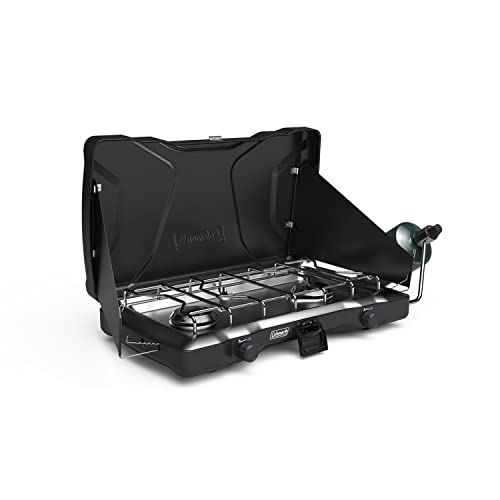
A two-burner stove and a tank hose make up the core propane kit. The Coleman Triton 2-Burner suits a tight budget, and the Camp Chef Everest 2X gives you more cooking room. Next, the Alloxity 4 ft hose adapter links either stove to a 5 lb or 20 lb tank.
Propane stove and hose gear


4ft Propane Hose Adapter 1lb to 20lb,Propane Adapter 20lb to 1lb Co…
Four Fuels at a Glance
The table below sets the four camp cooking fuel types side by side, with canister fuel split into butane and isobutane. A boiling point is the temperature where a liquid fuel stops turning into gas.
| Fuel | Boiling point | Under a fire ban | Best use |
|---|---|---|---|
| Propane | About -44°F | Usually legal with a shutoff valve | Main kitchen, two-burner stove |
| Isobutane blend | About 11°F | Check the order | Backup burner, coffee, quick boils |
| Butane | About 31°F | Check the order | Mild-weather single burners |
| Wood | Not a gas, keep it dry | Often limited or banned | Flavor, long cooks, evenings |
| Charcoal | Not a gas, keep it dry | Banned with wood | Dutch ovens, steady heat |
Propane: The Default Camp Cooking Fuel
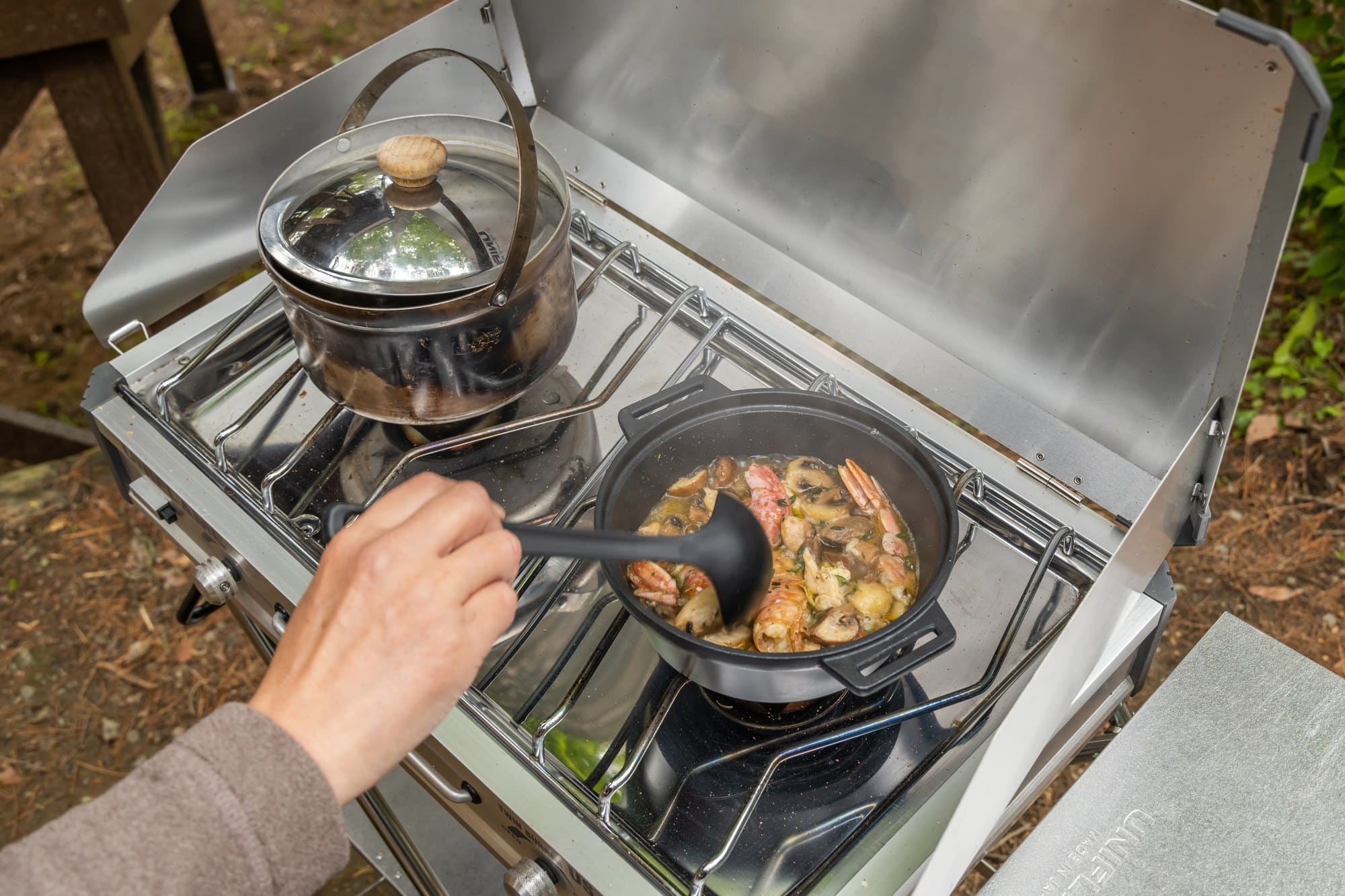
Propane earns the default slot because its boiling point sits near -44°F, far below isobutane and butane. A two-burner stove also handles real pans, gives you a usable simmer, and lights with a click. For example, Coleman rates its Classic two-burner at up to one hour with both burners on high from one 16.4 oz cylinder. Both burners on high is the worst case, yet the figure explains why weekend trips go through several bottles.
Propane Bottles vs a Bulk Tank
The green 1 lb cylinder is convenient. However, owners report paying about $5 to $7 for each one. A 20 lb refill runs roughly $15 to $20 at stations such as U-Haul. Exchange cages run closer to $25. One 20 lb tank also lasts several days of cooking and showering, owners say. On any trip longer than a weekend, I would skip the green bottles. Instead, I would run a hose from a 5 lb or 20 lb tank.
Above all, never refill the disposable bottles. The federal hazmat agency PHMSA states 1 lb DOT 39 cylinders are strictly non-refillable. It also notes hazmat incidents with refilled cylinders, including one fatality. A hose from a bulk tank therefore solves the cost problem without the risk.
Fixing a Low Propane Flame
Propane stoves have one common quirk, a weak flame. The regulator has a safety mechanism behind it. Camp Chef says to close the tank valve, then disconnect the regulator for several seconds to reset it. Then leak test the fittings before relighting.
Propane vs Butane and Isobutane Blends
The propane vs butane question comes down to boiling point. A liquid fuel burns only after it turns to gas, and each gas stops vaporizing at a different temperature. The Appalachian Mountain Club puts butane’s limit at 31°F and isobutane’s at 11°F. Propane, in contrast, stays gaseous down to about -44°F.
Cold Weather Performance of Canister Stoves
Most canister fuel is a blend, which helps in the cold. MSR sells IsoPro as an 80/20 isobutane blend with propane. Jetboil mixes propane with isobutane because propane raises vapor pressure in the cold. Even so, Jetboil says all canister stoves lose output as temperatures fall. It rates its regulated systems for consistent heat down to 20°F.
Notably, the AMC adds a warning. Propane burns off first in sub-freezing air, so a new canister might quit long before it is empty. Backpacker also notes a canister gets cold as it empties, which makes the stove sputter or fail. Jetboil advises keeping canisters warm in a coat pocket or sleeping bag.
Coleman’s published run times give a sense of scale. Its Cascade 18 propane stove lists up to 2.5 hours on high from a 16 oz cylinder. The Classic 1-burner butane stove lists up to 1.25 hours on high from an 8.8 oz cylinder. Because the cylinders differ in size, read these as run times, not a fuel contest. A canister stove suits coffee and quick stops, while the real cooking belongs on propane. If your trips run below freezing, a butane-only stove is the weak link.
Wood: Flavor and Ritual at Camp
Wood gives you flavor and a gathering point no stove replicates. I run a Bereg wood stove for heat and cooking by day, which shows what a good wood fire adds to a camp. Coals suit a Dutch oven stew or a thick steak, and our two-zone steak on coals shows the sear.
The costs are time, prep, and permission. You must find dry wood, wait for coals, and manage ash. Wood fires also need permission, because wood fires are among the first things a restriction order bans. For wood or charcoal heat in a smaller footprint, our Summit Stove wood and charcoal review covers a compact steel stove lit with a propane torch.
Charcoal and Lump Charcoal: Steady Heat for Dutch Ovens
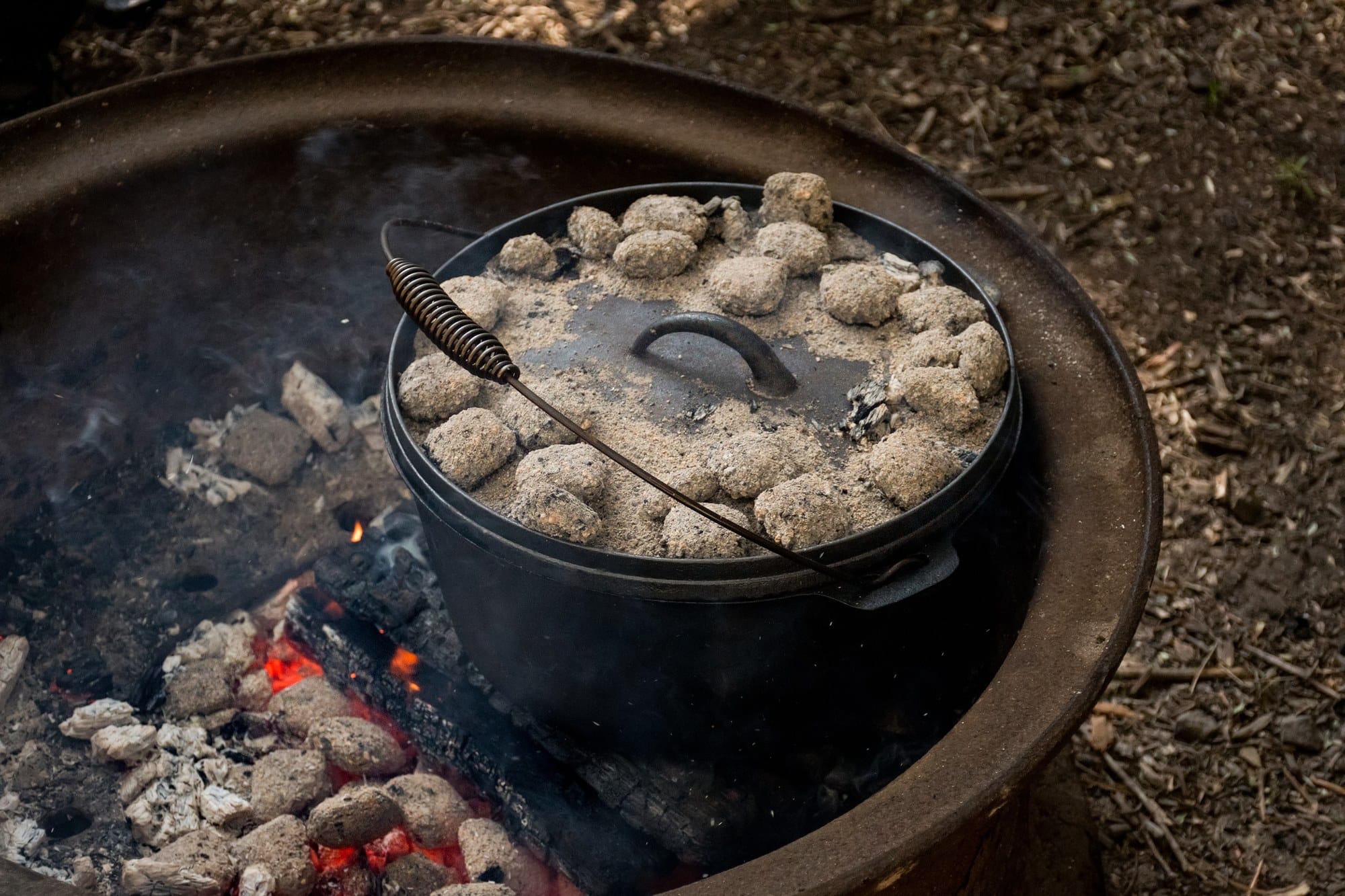
As a camp cooking fuel, charcoal behaves more predictably than a wood fire. Briquettes burn evenly, and you set Dutch oven heat by counting briquettes under the pot and then on the lid. Their steadier burn also makes heat easier to control while you learn the oven.
Lump charcoal is carbonized hardwood with no binders, so pieces vary in size and burn less evenly than briquettes. Both types need dry storage, a fireproof surface, and a plan for hot ash. Fire ban rules also treat them like wood, and the CDC notes smoldering charcoal emits large amounts of carbon monoxide.
Fire Restrictions: Which Fuels Stay Legal
A fire ban changes which camp cooking fuel stays legal. Under Stage 1 orders, many forests ban wood and charcoal fires outside developed sites, while they exempt gas stoves. The 2025 Prescott National Forest order banned any fire, campfire, or stove fire, including charcoal and briquettes. Exceptions covered Forest Service fire structures at developed sites. It specifically exempted a device fueled solely by liquid petroleum or LPG. The stove needed an on/off control and ground cleared of flammable material within 3 feet.
Stage 2, however, goes further. Central Oregon’s July 2026 order banned every open fire, including wood stoves and charcoal, even inside developed campgrounds. Yet pressurized gas stoves with a working on/off valve stayed legal, and our Stage 2 breakdown for Central Oregon has the details.
Wording also changes by forest, county, and stage, and a few strict orders prohibit gas stoves too. According to our Western fire ban guide, California requires a free campfire permit for stoves on public land. In my own camps, I run a diesel heater only when a fire ban prohibits my wood stove. Your kitchen needs the same backup plan.
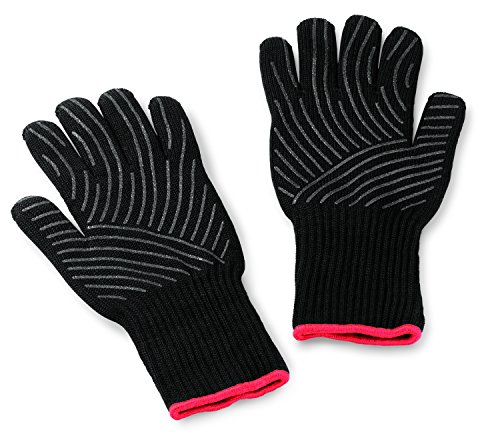
Wood and charcoal need a few tools of their own. A Weber Rapidfire chimney starter lights coals fast, and Jealous Devil Chunx XL hardwood charcoal burns hot under a Dutch oven. Also, Weber Premium gloves protect your hands, and the Lodge Deluxe lid lifter moves hot lids with ease. Check your forest order before you light any of it.
Charcoal and Dutch oven gear




Carbon Monoxide: Keep Every Fuel Outside the Tent
Every fuel on this list, including propane, produces carbon monoxide. A CDC report on camping deaths states camping stoves, heaters, lanterns, and charcoal grills should never be used inside a tent, camper, or other enclosed shelter. Opening flaps or windows also fails to stop carbon monoxide from building up. For example, the same report describes four people killed by a propane stove burning inside a zipped tent.
Safety note: Cook outside, downwind of the tent and vehicle. The Consumer Product Safety Commission warns against using charcoal inside tents, campers, vans, cars, and trucks. Never bring hot coals inside to warm up.
Our propane safety in tents article covers the same rules for heaters.
Final Thoughts
If I had to pick one setup for a truck or SUV, I would carry a two-burner propane stove with a 5 lb tank and a hose. I would add a small canister stove for coffee. This pair handles cold mornings, short stops, and most fire bans.
Wood still earns a place on weekends when the rules and the weather allow a fire. Plan for it, but do not count on it.
Skip butane-only stoves if your trips run below freezing, and skip refilling the green bottles. Check the order for your forest before you pack, and keep every flame outside the tent. Cold weather performance and fire restrictions shape the choice before taste does. Settle the camp cooking fuel first, then enjoy the coffee, the dinner, and the quiet after.
FAQ
What is the best camp cooking fuel for car camping?
Propane is the best all-round choice. It vaporizes down to about -44°F, lights instantly, and usually stays legal under fire bans when the stove has a shutoff valve. Add a small canister stove as a backup burner.
Is propane or butane better for a camp stove?
Propane is better for vehicle camping. Butane stops vaporizing near 31°F, while propane keeps vaporizing far below zero. Stoves built for butane suit mild weather and small footprints.
At what temperature does a butane canister stop working?
At 31°F, butane stops vaporizing, and isobutane keeps going down to about 11°F. A propane blend extends the range, and a warm canister helps in the cold.
Is a camp stove allowed during a fire ban?
Often yes. Many orders exempt stoves fueled by propane or other LPG with an on/off control, used on cleared ground. Some strict orders still prohibit them, so read the current order for your forest.
Is it safe to use a camp stove or charcoal inside a tent?
No. The CDC says stoves, heaters, lanterns, and charcoal grills should never be used inside a tent, camper, or other enclosed shelter. Opening the flaps still does not make it safe.