



Quick Facts:
- Topic: Signs it is time to upgrade from a ground tent to a canvas shelter
- Canvas shelter types: Bell tents and wall tents, both available with a stove jack
- Best for: Frequent campers, growing groups, and cold-weather basecamps
- Price range: Canvas shelters usually cost several times more than a basic ground tent
- Setup time: 20 to 60 minutes for canvas versus 5 to 15 minutes for most ground tents
- Key trade-off: More space and comfort in exchange for more weight and setup time
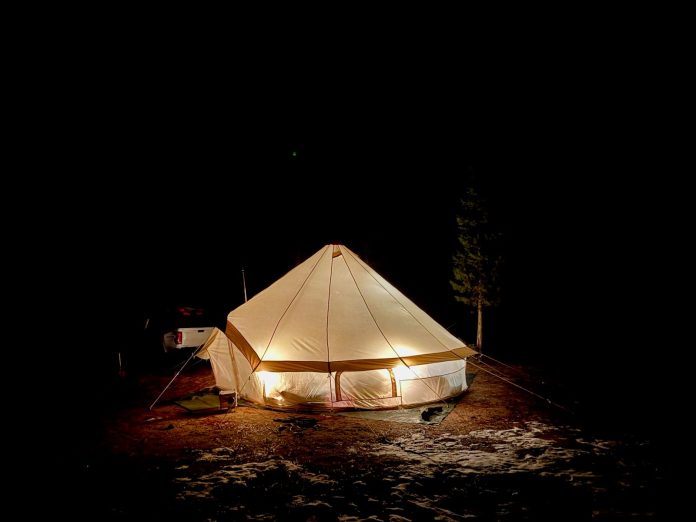
- Example shelter: Elk Mountain Yukon Bell Tent, available in multiple sizes with a stove jack
8 min read
In This Guide
- Why Upgrade From a Ground Tent to a Canvas Shelter
- Upgrade Signs at a Glance
- Five Signs You’re Ready for a Canvas Shelter
- Bell Tent Benefits: The Yukon as an Example
- Ground Tent vs. Canvas Shelter
- Pros and Cons: Should You Upgrade From a Ground Tent to a Canvas Shelter
- Final Verdict
- Frequently Asked Questions
Why Upgrade From a Ground Tent to a Canvas Shelter
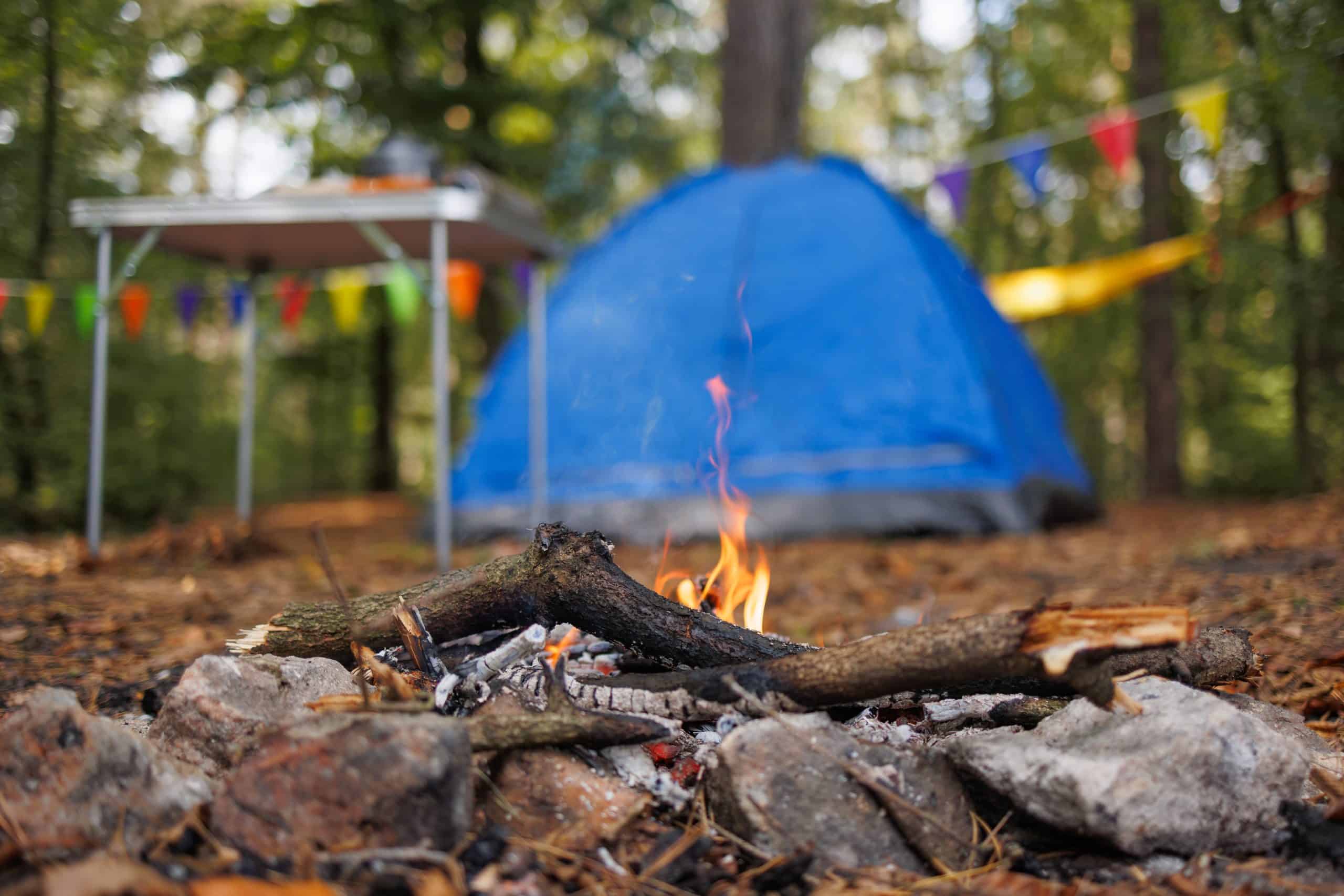
Plenty of campers eventually ask when to upgrade from a ground tent to a canvas shelter. A ground tent is a strong first shelter for new campers. It packs small, sets up fast, and costs little compared to a canvas tent. For occasional weekend trips in mild weather, a basic dome or tunnel tent handles the job well.
However, camping habits shift over time. Trips stretch longer, groups grow larger, and weather turns colder on shoulder-season outings. A once-roomy ground tent from July starts to feel tight and cold by November. Many campers hit this shift around their second or third year of regular trips. Upgrading camping gear starts to feel less like a splurge and more like a necessity.
This guide walks through the upgrade signs worth watching for. It also covers a real example of what a canvas shelter adds once you make the switch. The goal here is a decision framework, not a sales pitch. A canvas tent is not the right fit for every camper, so the ground tent buying guide is still worth a look if your current setup still fits your trips.
Upgrade Signs at a Glance
| Sign | What It Means |
|---|---|
| Frequent trips | More than 8 to 10 nights a year justifies a shelter built for repeat use |
| Growing group size | Most dome tents max out near 4 people before space runs short |
| Cold-weather camping | A stove jack turns a canvas shelter into a true four-season option |
| Longer stays per site | Stationary basecamps favor comfort over quick packability |
| Wanting standing room | Bell and wall tents often offer 6 feet or more of center height |
Buy Direct From Elk Mountain
See the Yukon Bell Tent Lineup
Multiple sizes, a built-in stove jack, and durable canvas built for repeat trips.
Five Signs You’re Ready for a Canvas Shelter
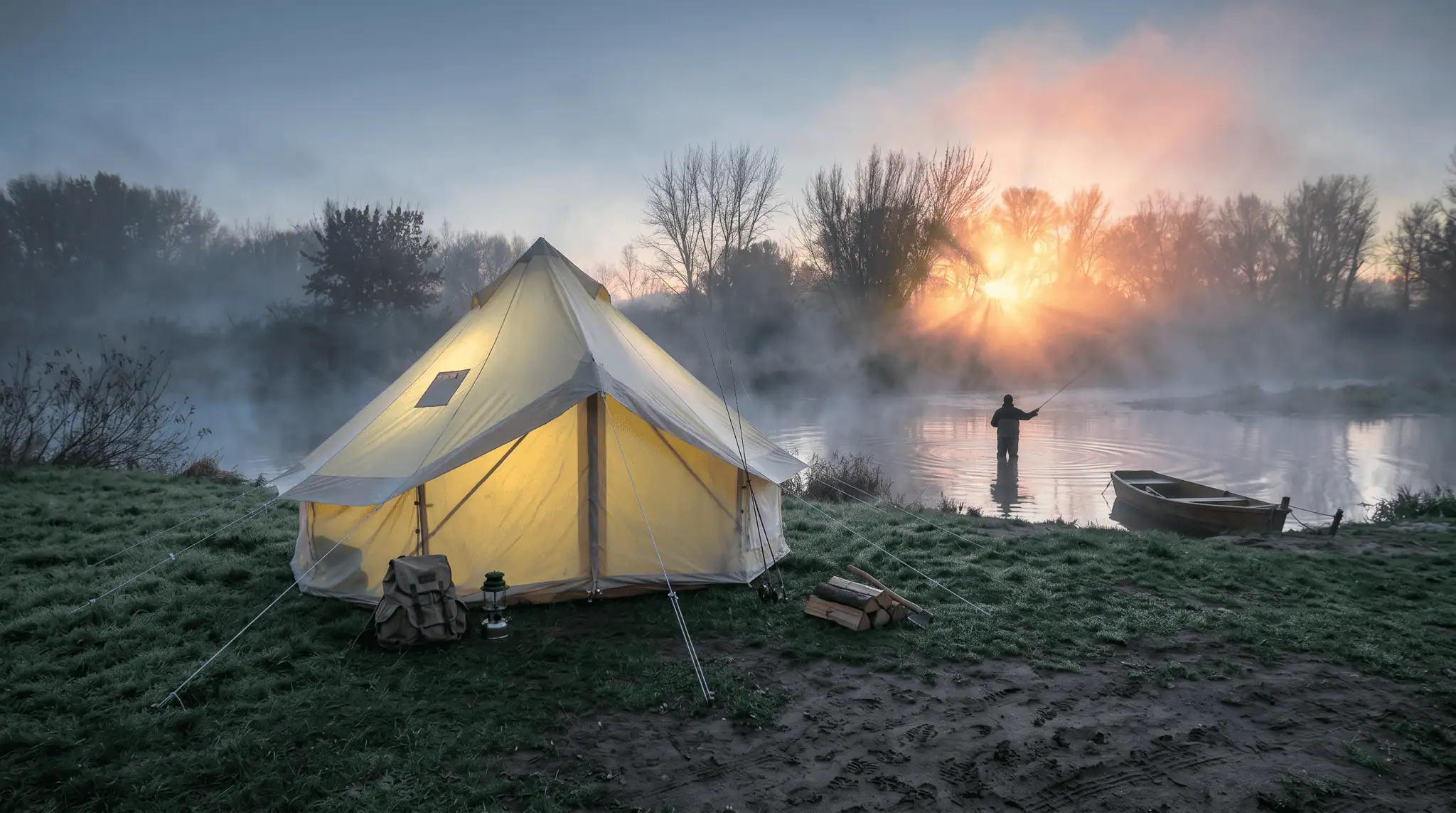
Not every camper needs to upgrade right away. Still, these five signs show up again and again in campers who make the switch and stick with it.
1. You Camp More Than a Few Weekends a Year
Frequency changes the math on cost. A budget ground tent often wears out within a dozen regular trips. A canvas shelter costs more upfront, yet it holds up to years of regular use. So, the more often you camp, the faster the higher price pays off.
2. Your Group Has Outgrown the Tent
Most dome tents max out around four people, and this space gets tight fast once gear, boots, and sleeping pads pile in. Once kids grow older or friends start joining trips, a wall tent vs ground tent comparison usually favors the wall tent, since it offers floor space a dome simply lacks.
3. You’re Camping Into Cold Weather
Ground tents rely on body heat and extra layers alone. Canvas shelters with a stove jack let campers run a wood stove or heater safely inside. This one addition stretches a camping season by months, not days.
4. You’re Staying Put Longer
A quick overnight favors a light, packable tent. A multi-day basecamp favors comfort instead. Settle in for a week, and the extra setup time of a canvas shelter stops mattering, while the extra space starts mattering a great deal.
5. You Want to Stand Up Inside Your Tent
Crouching inside a dome tent gets old fast, especially while changing clothes or packing gear. Canvas shelters, particularly bell tents, offer a center height tall enough for most adults to stand comfortably. This single change affects how livable a basecamp feels day to day.
Bell Tent Benefits: The Yukon as an Example
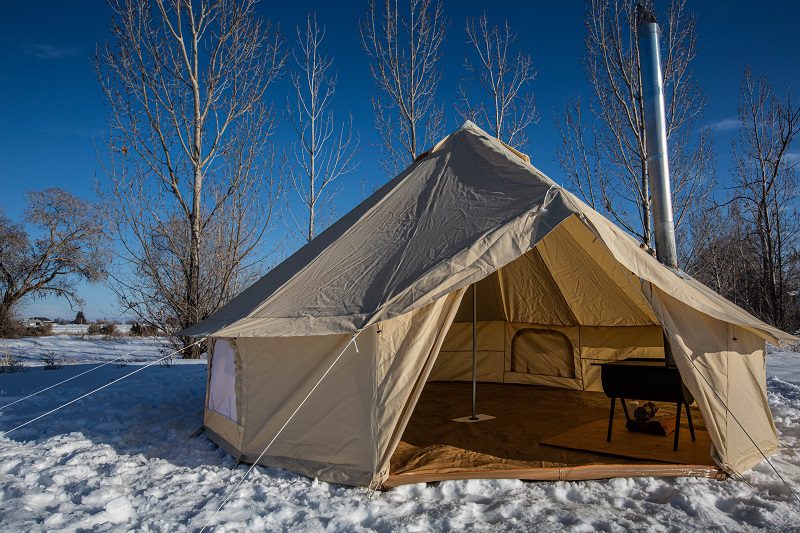
The clearest bell tent benefits show up in a real product, and the Elk Mountain Yukon Bell Tent is a solid example. It ships with a built-in stove jack. Campers facing sign three do not need to cut a hole in new canvas or void a warranty doing it themselves. The steep bell wall shape also delivers the standing headroom described in sign five, without the flat ceiling found in most dome tents.
Size selection matters here too. The Yukon comes in several diameters. A solo camper hitting sign one picks a compact size, while a growing group hitting sign two sizes up without switching tent styles. This flexibility separates a canvas shelter from a one-size-fits-all dome tent. It mirrors the sizing range covered in the bell tent buying guide.
Campers planning winter trips should also weigh how a stove jack changes seasonal setup. Running a wood stove inside canvas safely takes some preparation, which the guide to winterizing a bell tent covers in more depth. Buyers comparing styles should also note the Yukon favors simpler setup over maximum floor space, unlike a larger wall tent, which is why it suits smaller groups best.
Ground Tent vs. Canvas Shelter
Ground tents still win for backpacking, ultralight trips, and any camper who relocates nightly. Nothing beats their low weight and small pack size once a shelter needs to fit in a small vehicle or a backpack. A quick canvas tent vs dome tent comparison on weight alone almost always favors the dome tent for this use case.
Canvas shelters win once comfort, space, or cold weather move up the priority list. They cost more, pack larger, and take longer to pitch. In exchange, they deliver standing room and stronger ventilation. They also often add a stove jack a ground tent cannot match. Readers weighing a wall tent vs ground tent decision for a larger group should expect roughly double the floor space. Solo or two-person campers often find a bell tent hits the same comfort gains at a lower price.
Readers still comparing shelter styles might also check a bell or wall tent against the inflatable tent buying guide, since inflatable frames split the difference on setup speed between a dome tent and a full canvas shelter.
Ready to Buy?
Pick the Yukon Size Which Fits Your Crew
Compare diameters and pricing straight from Elk Mountain before your next trip.
Pros and Cons: Should You Upgrade From a Ground Tent to a Canvas Shelter
Upgrading camping gear always involves trade-offs. For example, a camper doing 10 or more nights a year often breaks even on a pricier canvas shelter within a season or two, once you count how often a budget ground tent gets replaced at this pace. So, the list below breaks down the rest of what you gain against what you give up.
Pros
- Floor space often doubles or triples compared to a 4-person dome tent
- Stove jack options noticeably stretch the usable camping season into colder months
- Durable canvas typically outlasts nylon by several seasons of regular use
- Standing headroom of 6 feet or more changes daily comfort at camp
- Better suited to longer stays and larger groups at one site
Cons
- Upfront cost runs well above a basic ground tent, often several times more
- Weight and bulk rule out backpacking or ultralight travel
- Setup often takes 20 to 60 minutes versus 5 to 15 for a dome tent
- Overkill for occasional, short, warm-weather trips
Final Verdict
A ground tent remains the smarter pick for infrequent, short, warm-weather trips. There is little reason to spend more if camping habits have not changed much. Once two or more of the five signs above show up regularly, though, a canvas shelter usually solves the exact problems a ground tent cannot fix.
Campers who travel light, move camp nightly, or only get out a few times a year should stick with a quality ground tent instead, since the extra weight and setup time of canvas rarely pays off at this pace.
The decision comes down to trade-offs rather than an upgrade for its own sake. Buyers trade pack size and setup speed for space, comfort, and a longer usable season. For frequent campers with a growing group, this trade tends to pay off within a season or two. The bell tent benefits above make the case even stronger once winter trips enter the picture.
Overall, the switch makes the most sense once camping stops being occasional and becomes a regular part of the yearly routine. At this point, a canvas shelter such as the Yukon pays for itself in comfort alone. The setup time stops feeling like a cost.
Gear Up for the Next Trip
Explore the Yukon Bell Tent Today
A stove-jack-ready shelter built for basecamps outgrowing a ground tent.
Frequently Asked Questions
What is the difference between a canvas tent and a regular dome tent?
A canvas tent vs dome tent comparison comes down to fabric and frame. Canvas uses heavier cotton or poly-cotton over poles or rafters. A dome tent uses lightweight nylon over flexible poles instead. Canvas breathes better and resists condensation, though it weighs far more.
Are bell tents worth the extra cost?
For frequent campers, larger groups, or cold-weather trips, most owners find the cost worthwhile within a season or two of regular use. Occasional campers on short, warm-weather trips often get more value from a quality ground tent instead.
How long do canvas tents last compared to nylon tents?
Well-maintained canvas shelters often last 10 to 15 years with regular use, while budget nylon tents typically wear out within 3 to 5 years of frequent trips.
Can a canvas shelter handle winter camping?
Yes, when the shelter includes a stove jack and the canvas is seasoned properly before cold weather. Without a stove jack, a canvas tent offers little advantage over a four-season dome tent in freezing conditions.
Do canvas tents need more maintenance than regular tents?
Canvas requires more care than nylon, including proper drying before storage and occasional reproofing to prevent mold. Nylon tents need less upkeep but wear out faster under regular use.
What size bell tent fits a family of four?
Most families of four fit comfortably in a 13 to 16 foot diameter bell tent, which leaves room for cots, gear storage, and a stove setup without crowding. Larger 16 to 20 foot sizes suit bigger groups or hunting camps.
Just so you know, some of the cool stuff we mention comes with affiliate links, meaning we earn a commission if you buy (no extra charge to you!). Plus, we occasionally feature sponsored content, but rest assured, we only shout out products we genuinely stand behind.