


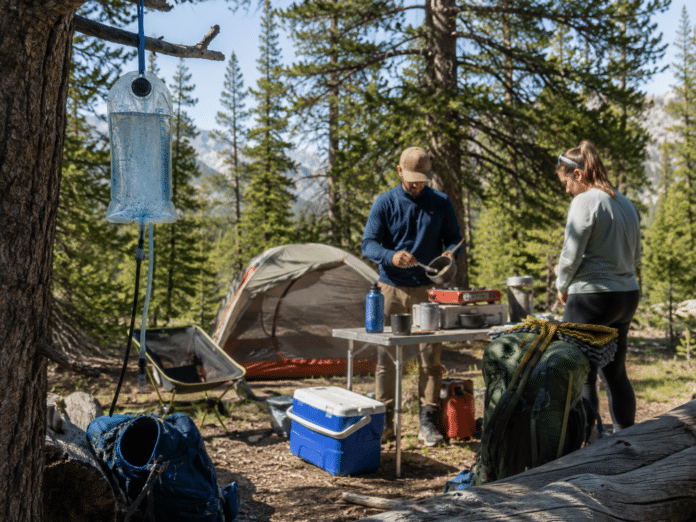
I’ve spent my fair share of time camping and overlanding. Years of extended stays deep in the backcountry taught me how to ration water, manage power, and organize a site well enough to spend a week or more away from any town. This experience shapes every recommendation in this guide.
A basecamp built for one night rarely holds up for five or seven. Gear scattered across the ground turns into a daily frustration, and a kitchen setup working fine for a weekend collapses under the demands of a longer stay. This guide walks through the exact zones I build at camp now, refined over years of trial, error, and a few genuinely miserable extended stays early on.
Basecamp setup matters most for stays of five nights or longer at one site, where inefficiency compounds night after night. A one-night stop rarely justifies a full layout, while an extended stay rewards the extra planning within the first two or three days.
Picture a family spending eight nights at a dispersed site on BLM land. A well-organized basecamp with defined zones for cooking, sleeping, and hygiene runs smoothly by day three. A pile of gear with no system creates daily frustration, growing worse with every passing day.
Quick Facts:
- Topic: Basecamp setup for extended camping stays
- Skill level: Beginner to intermediate
- Setup time: 45 to 90 minutes for a full basecamp layout
- Recommended zones: Kitchen, sleep, power, water, and hygiene
- Water needed: 1.5 to 2.5 gallons per person, per day
- Setup gear budget: $200 to $700
- Best for: Stays of five nights or longer at one site
8 min read
In This Guide
- Key Basecamp Zones at a Glance
- Choosing and Laying Out Your Site
- Building a Functional Camp Kitchen Zone
- Power and Water Systems for Extended Stays
- Sleep Zone Setup for Multiple Nights
- Hygiene Zone: Staying Clean at a Fixed Camp
- Basecamp vs. Mobile Camping: Which Fits Your Trip?
- Pros and Cons of an Extended Stay Basecamp
- Final Verdict
- Frequently Asked Questions
Key Basecamp Zones at a Glance
| Zone | Core Setup | Typical Cost |
|---|---|---|
| Kitchen | Table, stove, labeled storage bins | $60 to $200 |
| Sleep | Cot or pad, tent placement away from foot traffic | $80 to $250 |
| Power | Battery bank plus a 100 to 200-watt solar panel | $150 to $400 |
| Water | Split storage across two or three containers | $40 to $150 |
| Hygiene | Rinse-free wash station away from the kitchen | $15 to $40 |
Choosing and Laying Out Your Site
Level ground ranks first on the list for any extended stay, since sloped terrain makes cooking, sleeping, and daily movement harder for the full length of the trip. Confirm the site allows extended stays under local rules before settling in for more than a night or two.
Our guide to finding free camping covers stay limits and site selection in more depth, particularly important once a trip stretches past a weekend.
Lay out your zones with distance and wind direction in mind. Keep the kitchen upwind from the hygiene and waste areas, and place sleeping quarters far enough from the kitchen to avoid smoke and cooking smells drifting into the tent overnight.
Building a Functional Camp Kitchen Zone

A dedicated kitchen table and stove setup saves enormous time across an extended stay compared to cooking off the tailgate every meal. Assign each category of gear its own labeled bin, separating cooking tools, food storage, and cleanup supplies.
Our guide to maximizing space in compact truck camping covers storage systems working well even in a smaller rig over multiple days at one site.
Build a simple wash station near the kitchen with a basin and biodegradable soap, kept separate from your drinking water supply. This single addition prevents food scraps and grease from spreading across the rest of your camp.
Power and Water Systems for Extended Stays
A battery bank paired with a 100 to 200-watt solar panel covers lights, device charging, and a small fridge across a stay of a week or longer. Position your panel where it gets consistent sun throughout the day, adjusting its angle every morning if your schedule allows.
Our detailed guide to boondocking power needs for beginners covers panel sizing and battery capacity for stays longer than a weekend.
Water demands grow significantly on an extended stay, so plan on 1.5 to 2.5 gallons per person, per day, split across two or three containers. Our guide to conserving water while boondocking covers habits worth building into a daily routine over a longer stay.
RuggedRevive No-Rinse Wipes: Pick Your Pack Size


Sleep Zone Setup for Multiple Nights
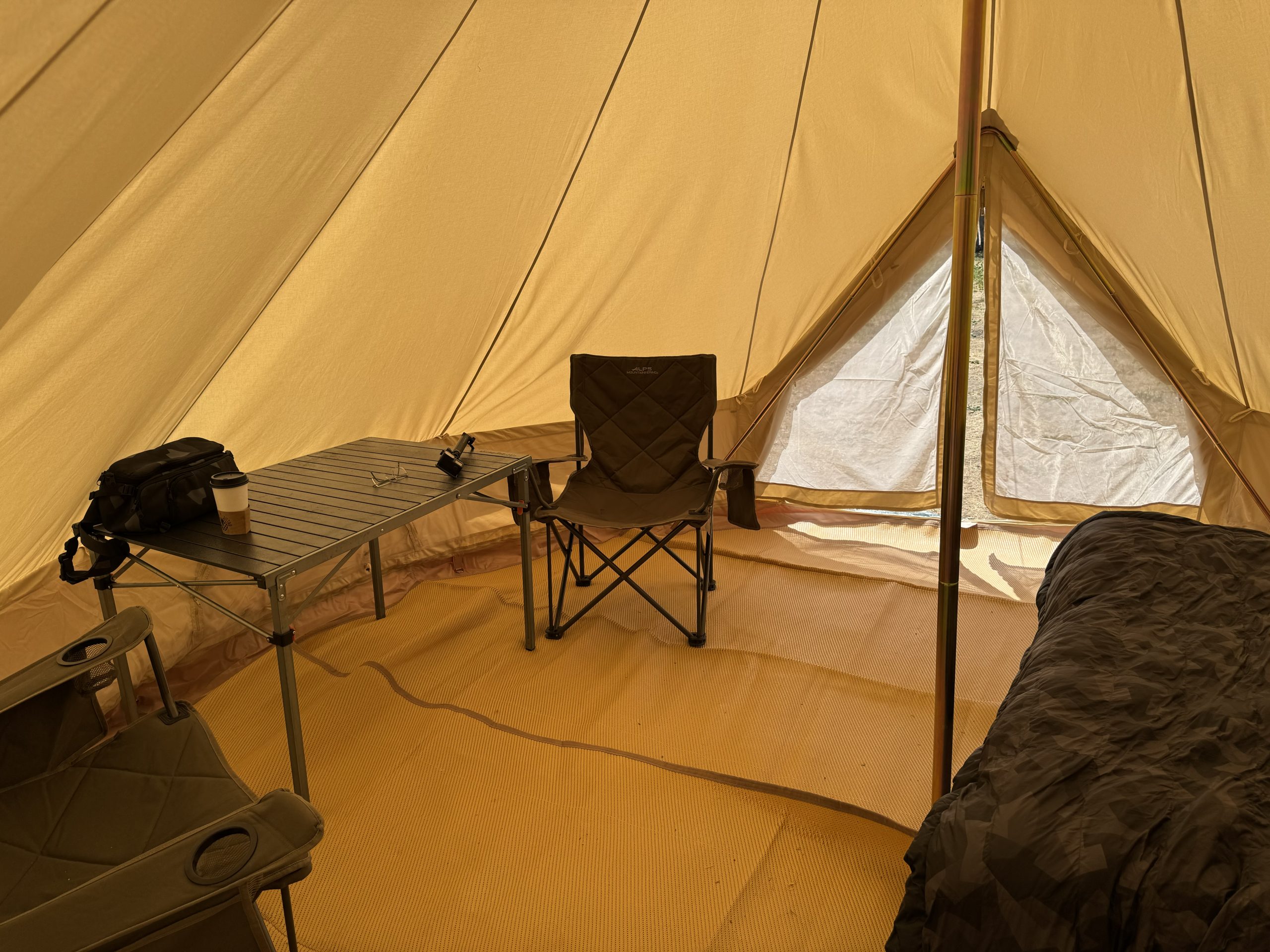
Sleep quality shapes every other part of an extended stay, since a poor night compounds into a rough week fast. A camping cot lifts you off the cold ground, and our roundup of the best camping cots for overlanding breaks down setup time and comfort across real trail testing.
Place your tent or rooftop setup away from the main foot traffic path between the kitchen and vehicle, reducing noise and disturbance during a multi-night stay. Our guide to tent camping upgrades worth adding covers lighting and insulation pairings worth including before a longer trip.
Hygiene Zone: Staying Clean at a Fixed Camp
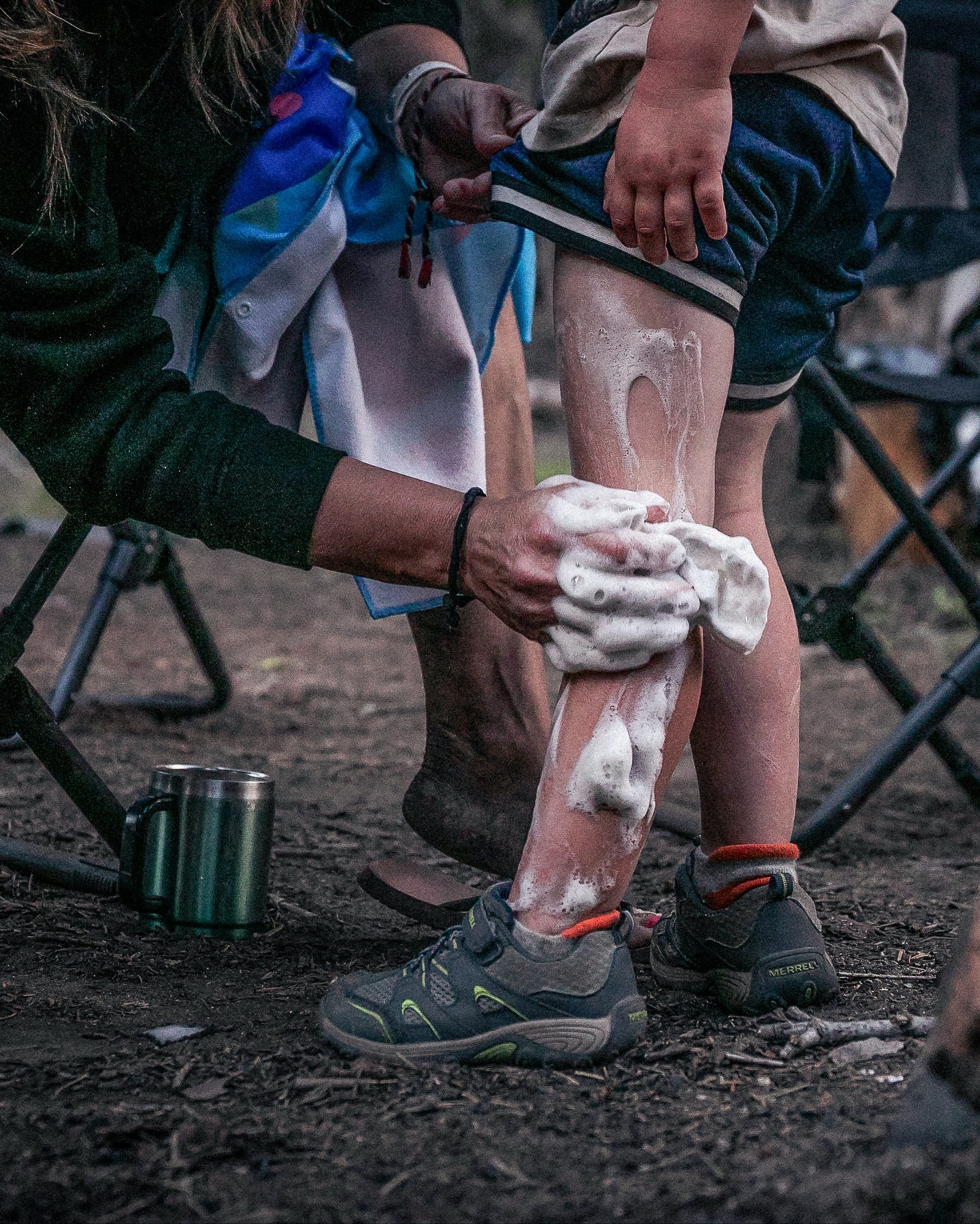
A fixed hygiene zone matters more on an extended stay than a one-night trip, since skipped washing compounds across multiple days at the same site. Set this zone downwind from the kitchen and away from any water source, following the same distance rules as your waste management setup.
Rugged Revive fits naturally into a dedicated hygiene zone. A lathering sponge activates with a few ounces of water, delivering a genuine full-body clean without a full basin wash or a haul to a distant water source. Each sponge handles one wash and gets thrown away, keeping the zone simple to maintain over a long stay.
Our earlier guide to no-shower camping hygiene hacks covers additional low-water strategies worth pairing with a rinse-free wash for a fixed hygiene zone.

Rugged Revive No Rinse Bathing Wipes Large - Rinse-Free Sponge Bath for Adult, Elderly & Kids - Thick Body Wipes with Aloe for Camping, Hiking, Travel, Backpacking, Outdoor & Off-Grid Use - 50 Sponges
Swaps a two-gallon basin wash for a few ounces of water per cleanup, exactly the math this guide is about.
- A few ounces of water replaces a basin wash
- No gray water to dispose of afterward
- Aloe formula, gentle for daily use
- Used sponges add to your pack-out trash
Basecamp vs. Mobile Camping: Which Fits Your Trip?
A basecamp wins on comfort and efficiency for longer stays. Setting up once and living out of a well-organized site beats packing and unpacking gear every single day, especially on trips longer than four or five nights.
Mobile camping wins on coverage and variety. Moving to a new site each night suits shorter trips or routes designed to cover distance, though it sacrifices the efficiency a fixed basecamp delivers over time.
For a trip built around one region, exploring by day and returning to camp each evening, a basecamp setup delivers the better experience. Trips built around covering ground favor a mobile approach instead.
Pros and Cons of an Extended Stay Basecamp
Pros
- Set up once and enjoy the comfort for the rest of the stay
- Organized zones reduce daily frustration and search time
- Solar and water systems run more efficiently with a fixed setup
- Easier to host guests or manage a larger group over several days
Cons
- Requires checking stay limits and permissions before settling in
- Upfront setup takes longer than a quick one-night camp
- Less flexibility to relocate if conditions change at the site
Final Verdict
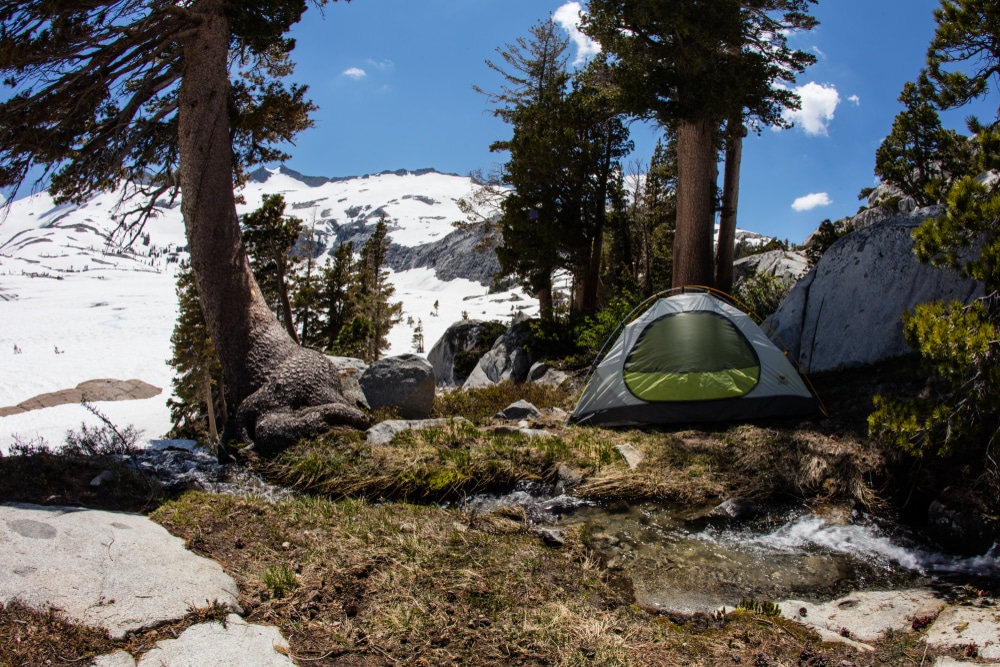
Basecamp setup rewards planning with genuine comfort across an extended stay. Anyone spending five nights or longer at one site benefits most from defined zones for kitchen, sleep, power, water, and hygiene, built before the first evening rather than pieced together over several frustrating days.
However, the real trade-off is setup time against daily efficiency. A one-night stop rarely justifies a full basecamp layout, while a week-long stay pays back the investment within the first two or three days.
Water and hygiene deserve special attention on any extended stay, since both compound faster than most campers expect. Splitting water across multiple containers and building a rinse-free hygiene zone keeps a long stay comfortable without straining your supply.
Build your basecamp in this order: site and layout first, kitchen and power second, sleep zone third, and hygiene last. This sequence gets the essentials running before you fine-tune the smaller comforts.
Frequently Asked Questions
What zones should a basecamp include for an extended stay?
A complete basecamp includes separate zones for kitchen, sleep, power, water storage, and hygiene, laid out with wind direction and foot traffic in mind for the length of the stay.
How long should I stay before setting up a full basecamp?
A full basecamp layout pays off most on stays of five nights or longer. A one or two-night trip rarely justifies the setup time a full layout requires.
How much power do I need for an extended camping stay?
A battery bank paired with a 100 to 200-watt solar panel covers lights, device charging, and a small fridge for most extended stays, recharging fully during daylight hours.
How much water should I plan for a week-long basecamp stay?
Plan on 1.5 to 2.5 gallons per person, per day, split across two or three separate containers to protect the stay against a single leak or cracked fitting.
How do I stay clean at a fixed camp without a shower?
A rinse-free sponge bath, such as Rugged Revive, activates with a few ounces of water and requires no rinsing. Setting up a dedicated hygiene zone, downwind from the kitchen, keeps this routine simple over a longer stay.
Is a basecamp better than moving camp every night?
A basecamp works best for trips centered on one region, where daily comfort and efficiency matter more than covering distance. Mobile camping suits routes built around seeing more ground each day.
Friendly disclaimer: Our articles may contain affiliate links that support us without costing you more, and sometimes we spice things up with sponsored content—but only for products we truly stand behind!