


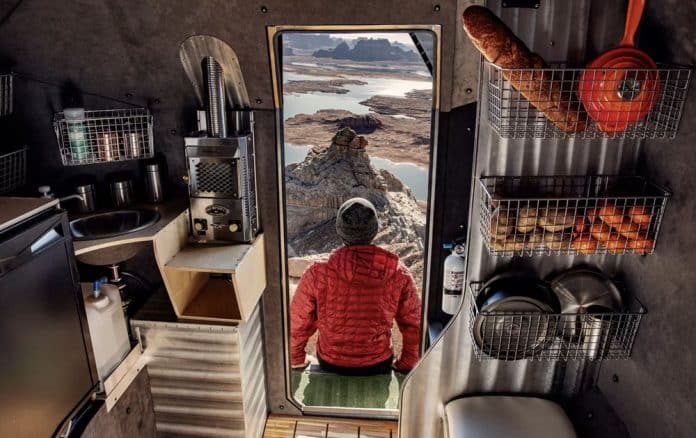

I’ve camped and overlanded most of my life, and the way I do it has changed a lot. I started in a tent, moved up to a bumper pull trailer, and later bought a fifth wheel. I’ve tried plenty of other camp setups along the way, too. I’m not a full-timer, but I’ve spent more than my share of time on the road, so I know what a lot of camping each month looks and feels like.
Here’s what I’ve noticed over those years. After a few weeks out, the best trips stop being about miles and start being about places. Since I started working for 4WDTalk, I hear from travelers about this all the time. In this article, I’ll walk through how overlanders build a sense of place on the road, from slowing down to small daily rituals. I’ll also use the Kimbo 6 as an example of a compact rig suited to the habit.
Quick Facts:
- Topic: Building a sense of place while living or traveling on the road
- Best for: Overlanders moving from fast trips to longer stays
- Featured rig: Kimbo 6 hard-side truck camper
- Kimbo 6 dry weight: 830 lbs base, up to 1,200 lbs configured
- Kimbo 6 truck fit: 5 to 8 foot beds, midsize to full-size trucks
- Kimbo 6 price: From $27,990, with a 2-year warranty
7 min read
In This Guide
What a Sense of Place Means on the Road
A sense of place is the feeling of belonging somewhere. At home, it comes from familiar streets, neighbors, and routines. On the road, you have to build it on purpose.
Many travelers skip this step. They chase a list of destinations and hit one overlook after another. By the end, the trip blurs together, and few details stick.
Overlanders who build a sense of place do the opposite. They treat each camp as a temporary home, not a checkpoint. As a result, they remember the creek behind the site, the diner in town, and the light at 6 a.m.
Why Slowing Down Builds Connection
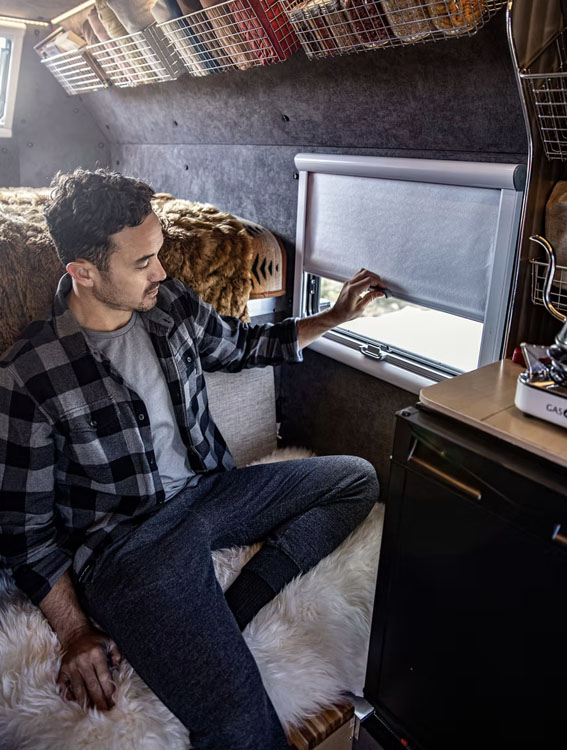
Time is the first ingredient. A one-night stop gives you a bed and a view. A week gives you a neighborhood.
Overlanders often describe a turning point around day four or five at a single camp. By then, you know where the wind comes from, which trail is quiet, and when the local bakery opens. Because familiarity builds quickly, the place starts to feel like yours.
This is why slow travel appeals to so many people. We covered the bigger lifestyle shift in our piece on why more overlanders are trading fast trips for full-time life. Fewer stops mean deeper ones, and deeper stops are the ones people talk about for years.
Built for Staying a While
See the Kimbo 6 Truck Camper
A lightweight hard-side camper with a kitchen, bed, and power already built in, so every stop feels like home.
Daily Rituals to Make a Campsite Feel Like Home
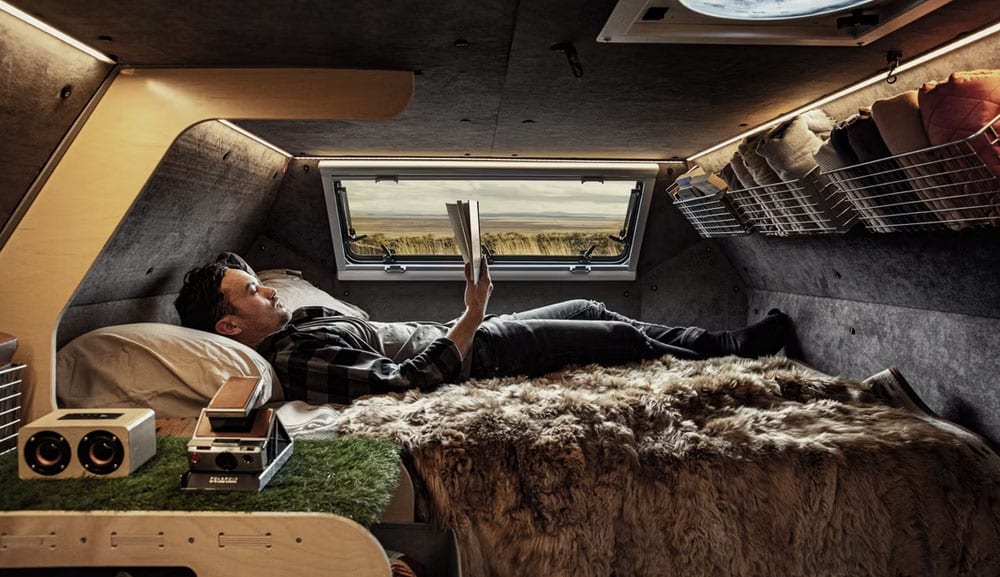
Routine is the second ingredient. Humans feel settled when the day has a shape, and a campsite is no different.
Most long-term overlanders build small habits without planning them. For example, many make coffee at the same spot every morning. Others walk the same loop at dusk or cook one real meal each evening. These habits sound minor, yet they anchor the day.
Here are a few rituals worth trying:
- Set up the same outdoor corner at every camp, with chairs, a table, and a light.
- Take a short walk at the same time each day to learn the terrain.
- Keep a simple log of weather, wildlife, and small discoveries.
- Cook one meal from local ingredients each week.
A ritual only works when the setup is easy. If it takes an hour to arrange camp, you’ll skip it. Instead, pick a rig and a layout letting you settle in within minutes.
Learning a Place Through Its People
A place isn’t only scenery. It’s also the people who live there, and they shape how a stop feels.
Overlanders who stay a week or more tend to meet more locals. They shop at the same grocery store, chat with the ranger, and return to the same coffee shop. Over time, those small exchanges turn a stranger’s town into a familiar one.
Fellow travelers matter too. Popular basecamps often form informal communities, and neighbors trade route tips and local knowledge. Our boondocking guide for truck campers covers the practical side of staying off-grid, which makes longer stays possible in the first place.
Making a Small Space Feel Like Yours
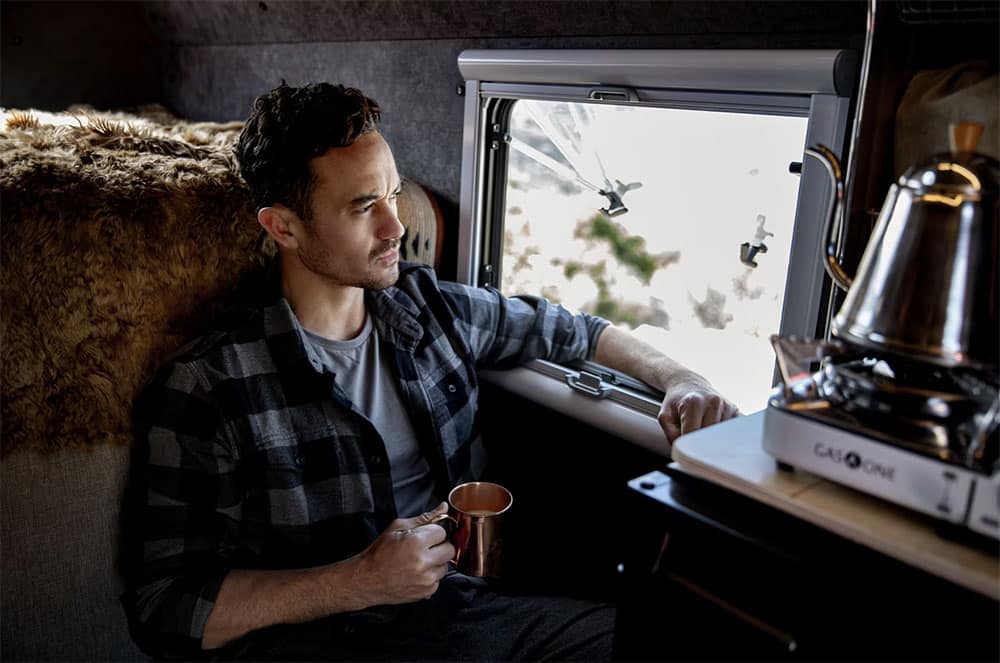
Your camper is the one place traveling with you. It’s the constant while everything outside changes, so it needs to feel personal.
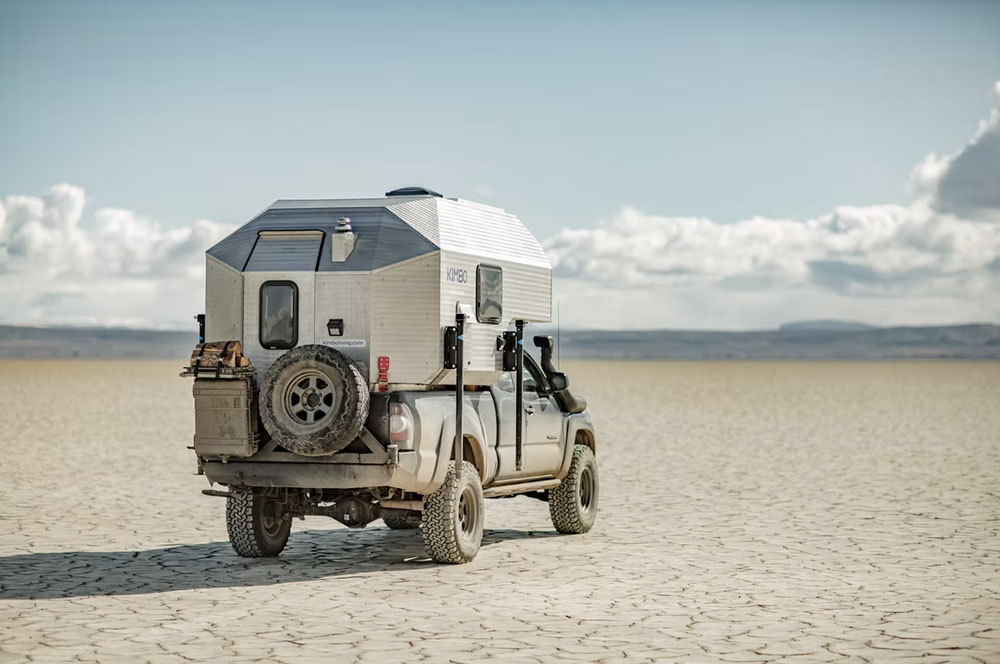
The Kimbo 6 is a good example. It’s a hand-riveted aluminum shell weighing 830 pounds, with a kitchen counter, a cabover bed, and storage built in. Because the layout is simple, owners personalize it with a favorite blanket, a few photos, or a small shelf of books without crowding the space.
Less stuff also helps you notice more. Kimbo’s own approach to simple living, covered in our look at minimalist living in the Kimbo 6, comes down to one idea. Every item needs an assigned home, or clutter takes over. A tidy camper leaves room for attention, and attention is what builds a sense of place.
A Home Traveling With You
Check Kimbo 6 Pricing
A frameless aluminum shell, R5 insulation, and a simple interior to make your own, starting at $27,990.
Choosing a Rig Built for Staying Put
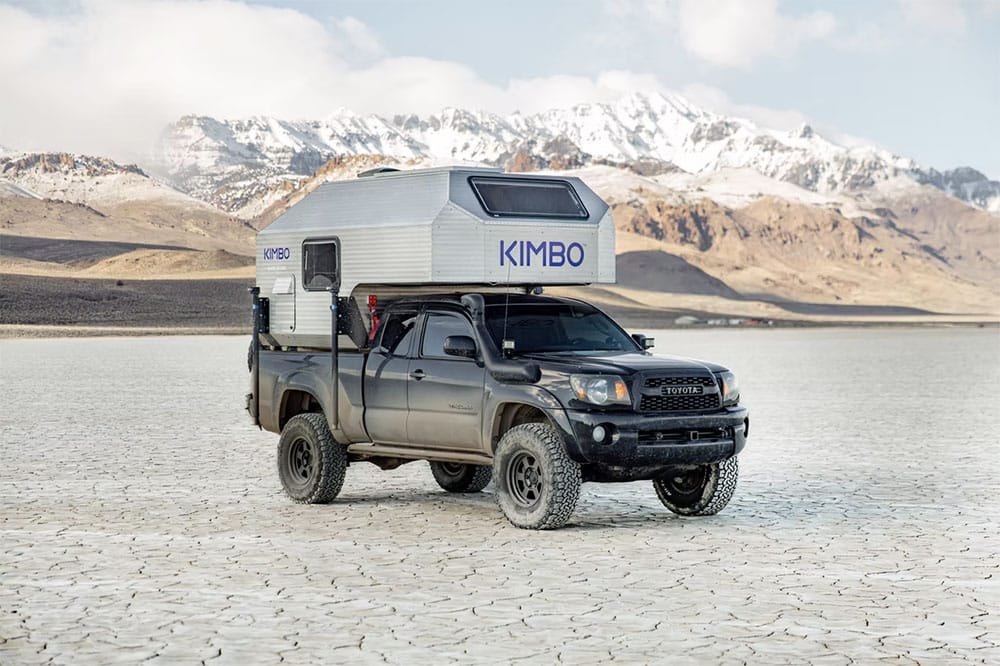
Your rig either helps you settle in or gets in the way. Three features matter most for this kind of travel.
First, setup speed matters. A hard-side camper like the Kimbo 6 needs no roof to raise and no canvas to latch. You park, open the door, and you’re home. This simplicity makes it easy to stay longer, since leaving and arriving cost almost nothing.
Second, comfort in weather matters. The Kimbo 6 uses R5 foam insulation and double-pane windows, so a cold morning doesn’t force you to leave early. Third, truck fit matters. The camper fits 5 to 8 foot beds, and our payload guide for Kimbo truck campers explains how to match it to your truck.
Power and water also shape how long you’ll stay. The Kimbo 6 includes a 120W solar setup and a 2.9-gallon fresh water tank. Add a few external jugs, and a week in one spot becomes realistic.
Final Verdict
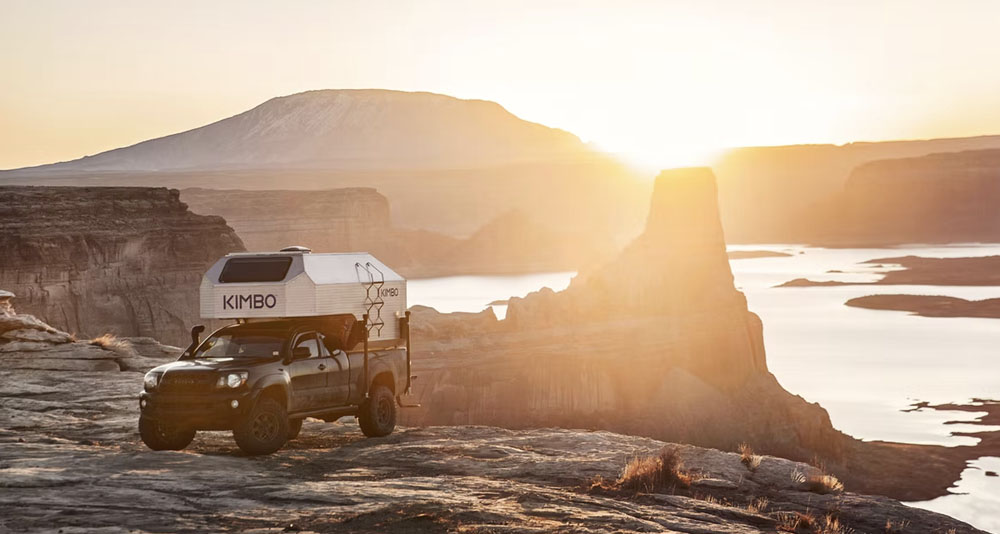
A sense of place doesn’t happen by accident. It comes from time, routine, and a space where you feel at ease. Overlanders who slow down and settle in tend to come home with stories about places, not only photos of them.
The right rig makes the habit easier. A compact, simple camper like the Kimbo 6 lets you arrive fast, personalize your space, and stay as long as the place deserves. It’s one option among several worth cross-shopping, but it fits this style of travel well.
If you’re new to the idea, try one change on your next trip. Stay five nights in one spot instead of five spots in one week. You’ll likely notice the difference by day three.
Ready to Settle In?
Check Today’s Price on the Kimbo 6
A durable aluminum shell, a 2-year warranty, and a layout built for longer stays.
Frequently Asked Questions
What does a sense of place mean for overlanders?
It means feeling connected to the places you camp, not only passing through them. Overlanders build it through longer stays, daily routines, and time spent with locals.
How long should you stay in one spot to feel connected?
Many travelers report a shift around the fourth or fifth day. By then, you know the terrain, the weather patterns, and the nearest town.
Do you need a big camper to feel at home on the road?
No. A compact rig works well if the layout is simple and the setup is fast. Less clutter also leaves more room for attention to your surroundings.
Is the Kimbo 6 a good fit for slow, extended travel?
Yes, as one option among several worth cross-shopping. It’s light at 830 pounds, fits midsize trucks, and needs no setup before you settle in.
What daily rituals help a campsite feel like home?
Simple habits work best, such as morning coffee in the same corner, an evening walk, or one local meal each week. Pick routines taking minutes, not hours.
A quick heads-up: If you snag something through our affiliate links or check out our sponsored content, we might earn a commission at no extra cost to you. But fear not, we’re all about recommending stuff we’re truly stoked about!