


Quick Facts:
- Topic: New Mexico OHV survey on what off-road trips cost riders.
- Launched by: New Mexico Department of Wildlife, reported by KRQE on October 13, 2026.
- Official title: New Mexico Motorized Backcountry Recreation Economic Impact Study.
- Time to finish: 5 to 10 minutes, by the survey’s own estimate.
- Spending covered: Gas, food, lodging, gear, and goods from local businesses.
- Resident OHV registration: $53 first time, then $50 every two years.
- Best for: Riders and overlanders who spend money on New Mexico trips.
5 min read
In This Article
What the New Mexico OHV Survey Asks
The New Mexico OHV survey asks off-roaders how much money their trips put into the state. New Mexico’s Department of Wildlife launched it, and KRQE reported the launch on October 13, 2026. Specifically, KRQE says the state wants to know what you spend on gas, food, lodging, gear, and goods from local businesses.
The survey carries a longer official title: New Mexico Motorized Backcountry Recreation Economic Impact Study. Its introduction says the study measures the economic impacts of motorized recreation in the back country. Therefore, the focus is the money behind your trips.
Notably, the introduction goes beyond a strict off-highway vehicle study. It says the legal definition of an OHV is too limiting to show the true effect on rural communities. Instead, the study counts vehicles, equipment, and activities supporting off-highway recreation, even those the law does not label OHVs.
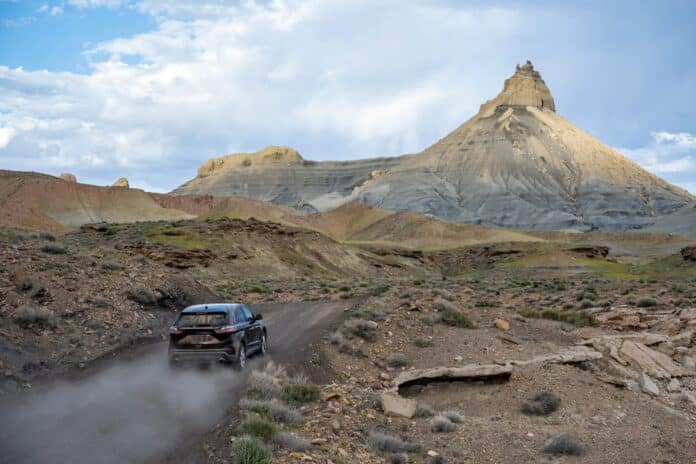
As a driver of a 2025 Chevy Colorado ZR2, I read this wording as an invitation to street-legal trucks like mine. KRQE’s own summary also names overlanders next to dirt bikers and backpackers.
The survey introduction asks you to answer only for yourself. It also estimates five to ten minutes for a typical participant, although more activities mean a longer survey.
KRQE lists gear among the spending the survey covers. For trip prep, the grid below pairs a Benchmark New Mexico atlas with an ARB tire deflator kit and a VIAIR 400P compressor.
Trip Prep Gear for New Mexico Back Roads


ARB ARB505 Deflator Kit 10-60 PSI Tire Pressure Gauge Rapid Air Dow…

Who Runs the New Mexico OHV Survey
The department launched the survey, and NMOHVA described what appears to be the same study in August. Known as NMOHVA, the New Mexico Off-Highway Vehicle Alliance calls itself a statewide nonprofit of motorized off-highway enthusiasts and organizations.
NMOHVA’s August 5 update described a statewide OHV economic impact study. According to the post, New Mexico State University was developing the official survey. The alliance planned to lead distribution once the survey went live. Plans included outreach to member clubs and riders at fall events.
However, the survey’s introduction page names neither NMOHVA nor New Mexico State University. Both links therefore rest on NMOHVA’s post and matching wording.
Why Rider Spending Data Matters
NMOHVA says land management agencies heavily weigh economic impacts when they conduct travel management reviews or consider route closures. It also says federal planning often underreports the value of OHV recreation because states lack their own numbers. As a result, the alliance expects the results to support three goals. Results would show how rural communities rely on rider spending. Legislators and land managers would get hard numbers. In addition, the data would justify how state OHV user fees get spent.
Keep the source in mind. NMOHVA advocates for riders, so expect the figures to appear in access debates. Even so, a spending survey produces numbers every side has to address.
Access decisions arrive from many directions. For example, a federal judge’s August order closed parts of the Oregon Dunes, per our Oregon Dunes closure report. Meanwhile, a late-spring federal order rescinded two earlier executive orders on off-road vehicles. Our guide to off-road vehicles on national forests covers it.
NMOHVA also briefed a legislative interim committee on a highway access bill for the spring session. This framework would allow short, designated stretches of state highway to link trail systems and rural business districts. Spending data on fuel, food, and lodging might support the case for those links.
What Other States Found
New Mexico is not the first state to count rider dollars. The National Off-Highway Vehicle Conservation Council lists studies from other states. Colorado’s 2014 to 2015 study estimated motorized recreationists spent $1.6 billion on trips. Total direct expenditures reached $2.3 billion. Idaho’s study estimated about $434 million in 2012. Trips accounted for $186 million, while vehicles and other capital purchases took $248 million.
Montana’s 2013 study estimated residents spent about $208 million a year on OHV activities. They also bought about 6.6 million gallons of gasoline. Nearly all of their out-of-pocket trip costs went to gasoline. These studies are a decade old or more. Because each state ran its own study, do not compare the totals across states.
For scale, New Mexico’s Outdoor Recreation Division reports federal data showing outdoor recreation added $3.6 billion in 2024. The figure equals 2.5% of state GDP, and the industry also supports 31,454 jobs. Those numbers cover all outdoor recreation, not only motorized trips.
What This Means for You
If you spend money on trips in New Mexico, your answers help. Fuel, groceries, motel nights, and trail gear all fall under the spending the survey covers. First, pull your numbers together before you start. Next, think about your most recent trip, then answer only for yourself, as the introduction asks.
Out-of-state visitors face one open question. KRQE’s page title says the survey is for New Mexico residents. However, its article text addresses anyone who rides in the state’s back country. The survey introduction states no residency rule, so open the survey and see whether it accepts your answers.
Registration stays the same, because the survey changes no fee or route. Ride New Mexico lists $53 for a first OHV registration and $50 every two years for residents. Non-residents from states with no OHV program pay $48 for two years or $18 for 90 days. Planning a trip? Our guide to free dispersed camping in New Mexico lists 13 vetted sites across seven regions.
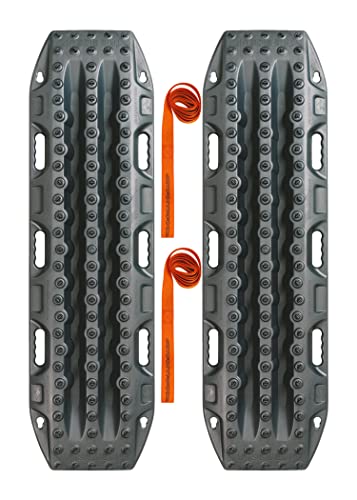
Recovery gear is a trip cost too. The grid below pairs MAXTRAX recovery boards with a HOKINETY kinetic recovery rope and a Rhino USA survival shovel.
Recovery Gear for Off-Road Trips

HOKINETY Kinetic Recovery Tow Rope: 1.26" x 30ft Snatch Strap with …


Final Thoughts
Surveys like this feel small, yet they shape how decisions get made. The gas, groceries, and motel nights from your last trip add up across riders. They become the numbers NMOHVA plans to put in front of land managers and legislators.
My take: if you spend money chasing trails in New Mexico, take the survey. I would rather see accurate numbers from real riders than estimates built without us.
Keep your expectations realistic, though. The survey does not change a rule, open a trail, or close one, and NMOHVA advocates for riders. Still, a clean count of what motorized recreation brings to rural communities gives every side better facts. Take it, answer honestly, and then get back to planning your next trip.
FAQ
What is the New Mexico OHV survey?
It is a survey from the New Mexico Department of Wildlife about what off-road recreation costs riders. Its official title is the New Mexico Motorized Backcountry Recreation Economic Impact Study.
How long does the New Mexico OHV survey take?
The introduction estimates five to ten minutes for a typical participant. It also notes more activities mean a longer survey.
Who should take the New Mexico OHV survey?
KRQE says anyone who backpacks, dirt bikes, or overlands in the state’s back country should take it. The introduction also covers vehicles and equipment the law does not define as OHVs.
Does the survey change New Mexico OHV rules or fees?
No. The announcement describes a data-gathering effort and changes no registration fee or route. Ride New Mexico lists current fees on its resident and non-resident pages.
Who is behind the study?
The New Mexico Department of Wildlife launched the survey, and NMOHVA said in August it planned to lead distribution. NMOHVA’s August post says New Mexico State University was developing the survey.