


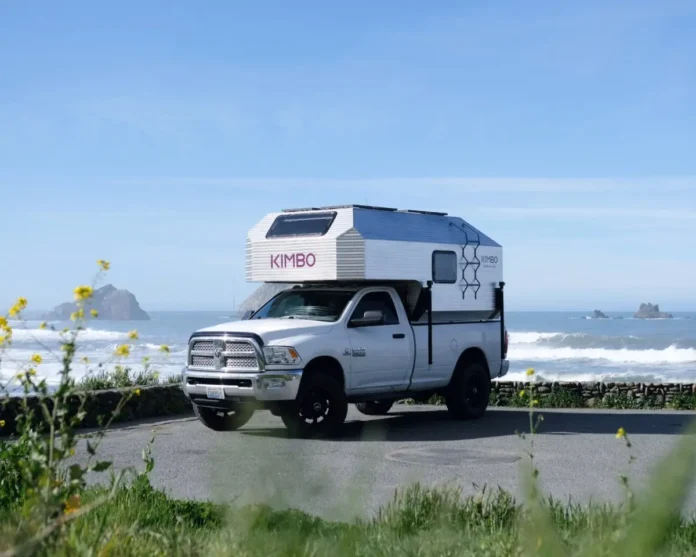

I’ve camped and overlanded most of my life, moving from a tent to a bumper pull trailer to a fifth wheel, and tracking weather windows the whole way. Working for 4WDTalk put me in regular contact with snowbird overlanders too, since readers write in every fall asking which route south holds up best and which rig handles a season of constant relocation. I’m not a full-timer myself, but decades of chasing good weather in my own trips, combined with running this site, have shown me exactly what a seasonal migration demands from a truck and camper a single vacation never does.
Snowbird overlanding follows a simple premise: leave the cold behind each winter and chase warmer weather south, without committing to a fixed second home. This article covers how the seasonal migration works, from route timing to rig requirements, using the Kimbo 8 as a working example of a truck camper built for months of continuous travel rather than a single trip. The goal is a realistic picture of what a snowbird season involves, not a sales pitch for any one path south.
Quick Facts:
- Concept: Following warm weather south each winter instead of a fixed second home
- Typical season: Late October through March, weather dependent
- Featured rig: Kimbo 8 hard-side truck bed camper
- Kimbo 8 bath: Dedicated wet bath, standard on every build
- Kimbo 8 insulation: R10 rigid foam, handles cold snaps along the way south
- Kimbo 8 price: From $42,990, currently waitlisted
9 min read
In This Guide
- What Snowbird Overlanding Looks Like in Practice
- Timing the Migration: When to Leave and Which Routes Work
- What a Snowbird Rig Needs Beyond a Weekend Setup
- Choosing Winter Basecamps in the Sun Belt
- The Logistics Nobody Mentions: Mail, Healthcare, and Home Base
- Pros and Cons of Snowbird Overlanding
- Final Verdict
- Frequently Asked Questions
What Snowbird Overlanding Looks Like in Practice
Traditional snowbirding usually means a fixed winter address, a condo in Florida or Arizona rented or owned for the season. Snowbird overlanding keeps the seasonal migration but drops the fixed address, moving through the Sun Belt in a truck camper instead of parking in one spot for four months straight. Retirees make up a large share of this group, though remote workers and early-retirees on flexible schedules increasingly join them.
The appeal is mobility layered on top of the original snowbird goal, since a fixed rental locks a traveler into one climate, one landscape, and one set of neighbors for the entire season. Instead of choosing one warm destination and staying put, overlanding snowbirds string together several regions across a season, southern Arizona in November, the Gulf Coast in January, Baja or the Florida Keys in February, moving as weather and crowds dictate rather than a lease term.
Timing the Migration: When to Leave and Which Routes Work
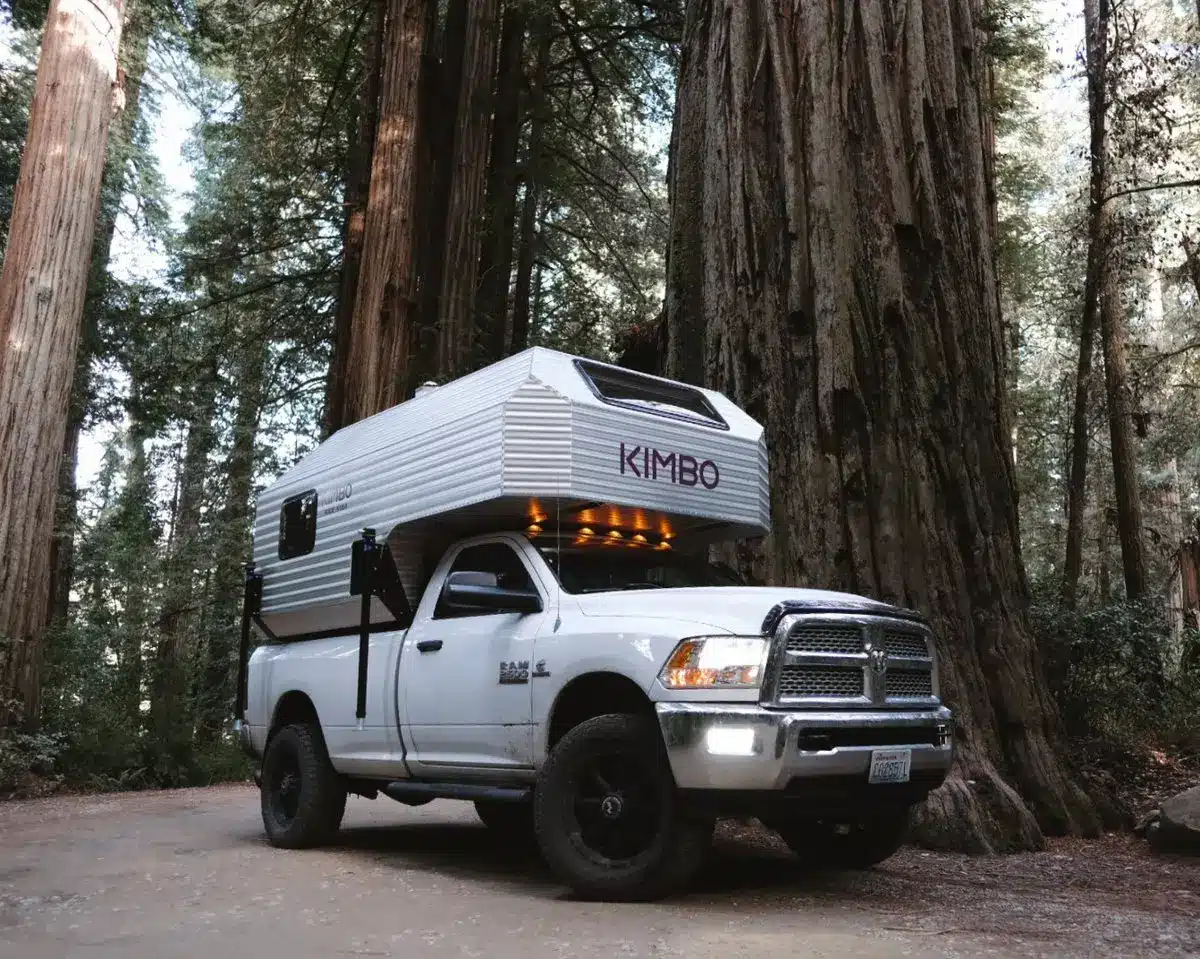
Most snowbird overlanders leave northern latitudes between late October and mid-November, ahead of the first hard freezes, and head south along one of a few well-worn corridors. The southern route through Arizona, New Mexico, and West Texas avoids most mountain passes and stays warm from December through February. A Gulf Coast route through the Southeast offers milder weather earlier in the fall but runs a real risk of cold snaps in January.
Return trips north typically start in March or April, timed to arrive home as the last frost clears rather than during it, avoiding the muddy, unpredictable stretch between winter and spring. Since the whole point of the season is avoiding cold weather, most snowbird overlanders track long-range forecasts weekly and adjust routes on the fly rather than committing to a fixed itinerary months in advance.
Built for a Full Winter Season
See the Kimbo 8 Truck Camper
A hard-side camper with a standard wet bath and R10 insulation, built for months of continuous travel rather than a single trip.
What a Snowbird Rig Needs Beyond a Weekend Setup
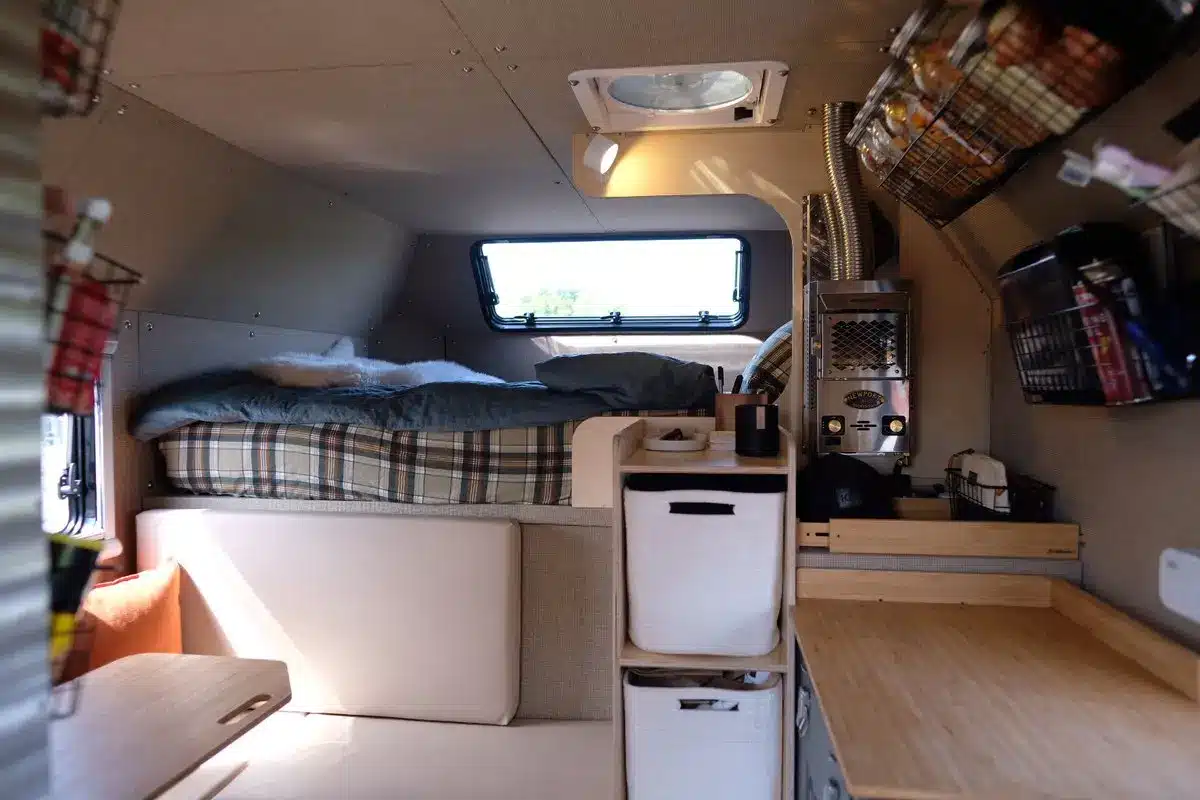
A snowbird season runs four to six months, longer than most full-time overlanding trips discussed elsewhere on this site, and the rig demands reflect the extended duration. Insulation matters even on a warm-weather trip, since the drive south often passes through genuine cold before reaching the Sun Belt, and desert nights in Arizona or New Mexico still drop well below freezing in December and January.
The Kimbo 8 illustrates what a season-length rig looks like in practice. It ships with R10 rigid foam insulation, twice the R-value of Kimbo’s smaller Kimbo 6, handling the cold stretches on the way south before the weather turns warm. Our earlier look at the Kimbo 8 covers the insulation and four-season systems in more depth. A standard wet bath also matters more on a season-long trip than a weekend one, since a full bathroom used daily for months holds up better than a cassette setup meant for occasional use.
Full-size truck compatibility factors in too, since a Kimbo 8 owner is likely already driving the truck day to day rather than keeping a dedicated overlanding vehicle. Our Kimbo truck camper fit guide breaks down which full-size trucks pair with the Kimbo 8 and what payload a season’s worth of gear typically requires.
Choosing Winter Basecamps in the Sun Belt
Popular snowbird overlanding regions include the Sonoran Desert around Quartzsite and Ajo, Arizona, Big Bend country in West Texas, the Gulf Coast from Texas through Florida, and Baja California for travelers willing to cross the border. Each region offers a different mix of public land access, cost, and crowd levels, and most experienced snowbirds rotate through two or three of these areas across a single season rather than staying in one.
Quartzsite, in particular, draws tens of thousands of snowbird travelers each winter for its long-term visitor areas on BLM land, effectively an informal, temporary community forming and dispersing with the season. Booking or claiming a spot early in popular areas matters, since the same weather drawing snowbirds south draws thousands of others to the same handful of regions each year.
Ready for the Season
Join the Kimbo 8 Waitlist
A standard wet bath and four-season insulation, built for a winter spent moving between Sun Belt basecamps.
The Logistics Nobody Mentions: Mail, Healthcare, and Home Base

A four to six month season creates real logistical questions a weekend trip never raises. Mail forwarding services or a trusted family member handle the physical mail most snowbirds still receive. Prescription refills need planning around pharmacy networks operating across state lines, and routine healthcare often shifts to telehealth or urgent care visits along the route rather than a single primary doctor.
Many snowbird overlanders keep a home base up north, whether a house, an apartment, or a family member’s property, rather than selling everything the way a full-time overlander might. Our piece on full-time slow travel covers the logistics of going without a fixed address at all, useful context for snowbirds weighing whether to keep a home base or drop it entirely.
Pros and Cons of Snowbird Overlanding
Pros
- Escapes winter entirely instead of enduring a single cold season at home
- More variety than a fixed condo rental in one warm-weather spot
- Lower cost than owning or renting a second winter home outright
- A season-ready rig like the Kimbo 8 handles cold snaps on the way south
- Community forms naturally in popular winter basecamp regions
Cons
- Mail, healthcare, and prescriptions all need planning across a moving route
- Popular winter regions get crowded, especially Quartzsite in peak season
- A four to six month rig commitment costs more upfront than a weekend setup
- Weather tracking and route flexibility become a weekly, not seasonal, task
- Maintaining a home base up north adds ongoing cost some snowbirds skip
Final Verdict
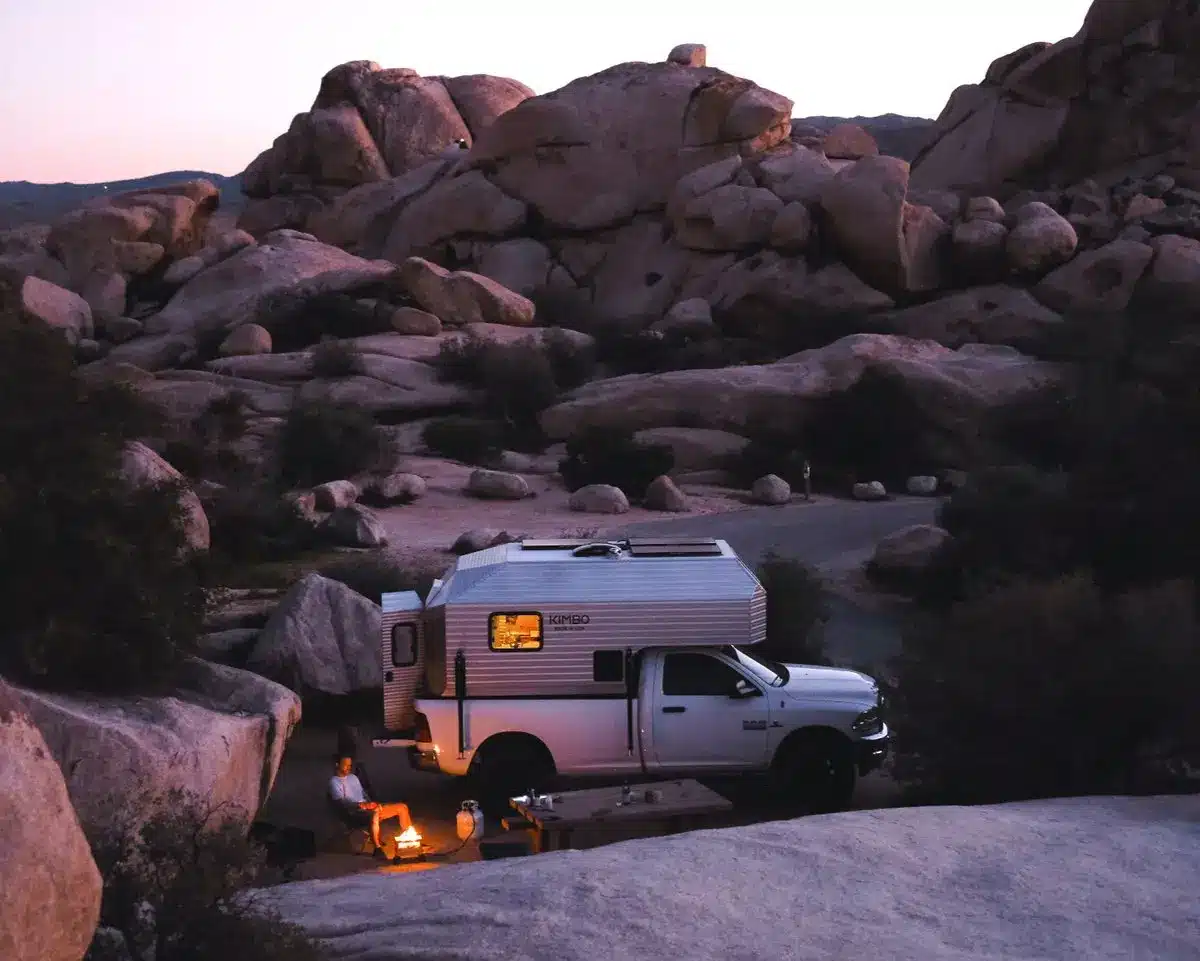
Snowbird overlanding works well for retirees and flexible remote workers who want the traditional snowbird escape from winter without committing to a single fixed address for four to six months. The trade-off is real logistical planning around mail, healthcare, and route timing, planning a fixed condo rental never requires.
Rig choice matters more for a full season than for a single trip. A rig like the Kimbo 8, with its standard wet bath, R10 insulation, and full-size truck compatibility, illustrates what season-length equipment looks like, though it’s one option among several worth cross-shopping before committing to a purchase.
Anyone considering snowbird overlanding for the first time should try a shorter trial run, four to six weeks, before committing to a full season. The route, the pace, and the daily logistics all become clear fast once someone is on the road rather than planning from home.
See the Rig Built for a Season
Check Today’s Price on the Kimbo 8
A standard wet bath, R10 insulation, and a 2-year transferable warranty, built for a winter of continuous travel.
Frequently Asked Questions
What is snowbird overlanding?
Snowbird overlanding follows the traditional snowbird pattern of escaping winter for warmer weather, but replaces a fixed winter address with a truck camper moving through several Sun Belt regions across a season.
When should a snowbird overlanding trip start?
Most snowbirds leave northern latitudes between late October and mid-November, ahead of the first hard freezes, and return north in March or April as the last frost clears.
What rig features matter most for a snowbird season?
Insulation matters even on a warm-weather trip, since the route south often passes through genuine cold, and a standard wet bath holds up better than a cassette setup for daily use across four to six months.
Where do snowbird overlanders typically spend the winter?
Popular regions include the Sonoran Desert around Quartzsite and Ajo, Big Bend country in West Texas, the Gulf Coast, and Baja California, with most snowbirds rotating between two or three areas each season.
Is the Kimbo 8 a good rig for a snowbird season?
Yes, as one option among several worth cross-shopping. Its standard wet bath, R10 insulation, and full-size truck compatibility are built around the daily-use demands of a season-length trip rather than an occasional weekend.
Should someone keep a home base while snowbird overlanding?
Many snowbirds keep a house, apartment, or family property up north rather than selling everything, which simplifies mail, healthcare continuity, and the return trip each spring.
A quick heads-up: If you snag something through our affiliate links or check out our sponsored content, we might earn a commission at no extra cost to you. But fear not, we’re all about recommending stuff we’re truly stoked about!