


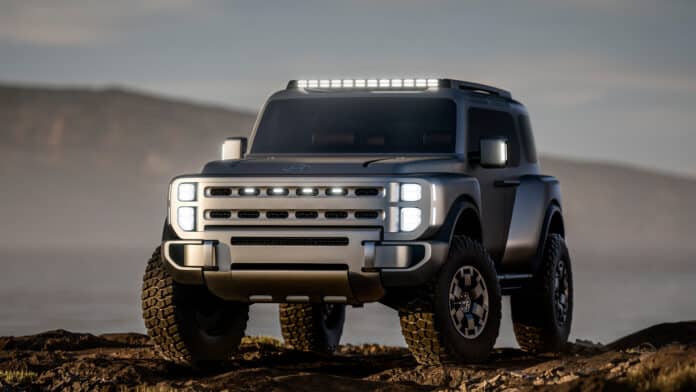
Quick Facts:
- Vehicle: Hyundai Boulder, body-on-frame off-road SUV
- Release date: None announced for the SUV
- Confirmed timeline: Midsize pickup on the same frame by 2030
- New evidence: Design filing at India’s patent office, surfaced May 2026
- Likely build site: Hyundai Metaplant America, Georgia, reported not confirmed
- Powertrain: Nothing official from Hyundai
- Rivals: Ford Bronco, Jeep Wrangler, Toyota 4Runner, Land Rover Defender
- Price: Not announced
- Best for: Buyers deciding whether to wait or buy a rival this year
7 min read
In This Article
- Hyundai Boulder Release Date: Why the Patent Filing Matters
- What the Concept Already Showed Us
- Confirmed vs. Missing: The Spec Sheet
- The Ladder Frame and the Off-Road Hardware
- Hyundai Boulder Powertrains: All Reported, None Confirmed
- Hyundai Boulder vs. Bronco, Wrangler, and 4Runner
- Hyundai Boulder Release Date and US Production
- Final Verdict: Wait or Buy Now
- Hyundai Boulder FAQ
Hyundai Boulder Release Date: Why the Patent Filing Matters
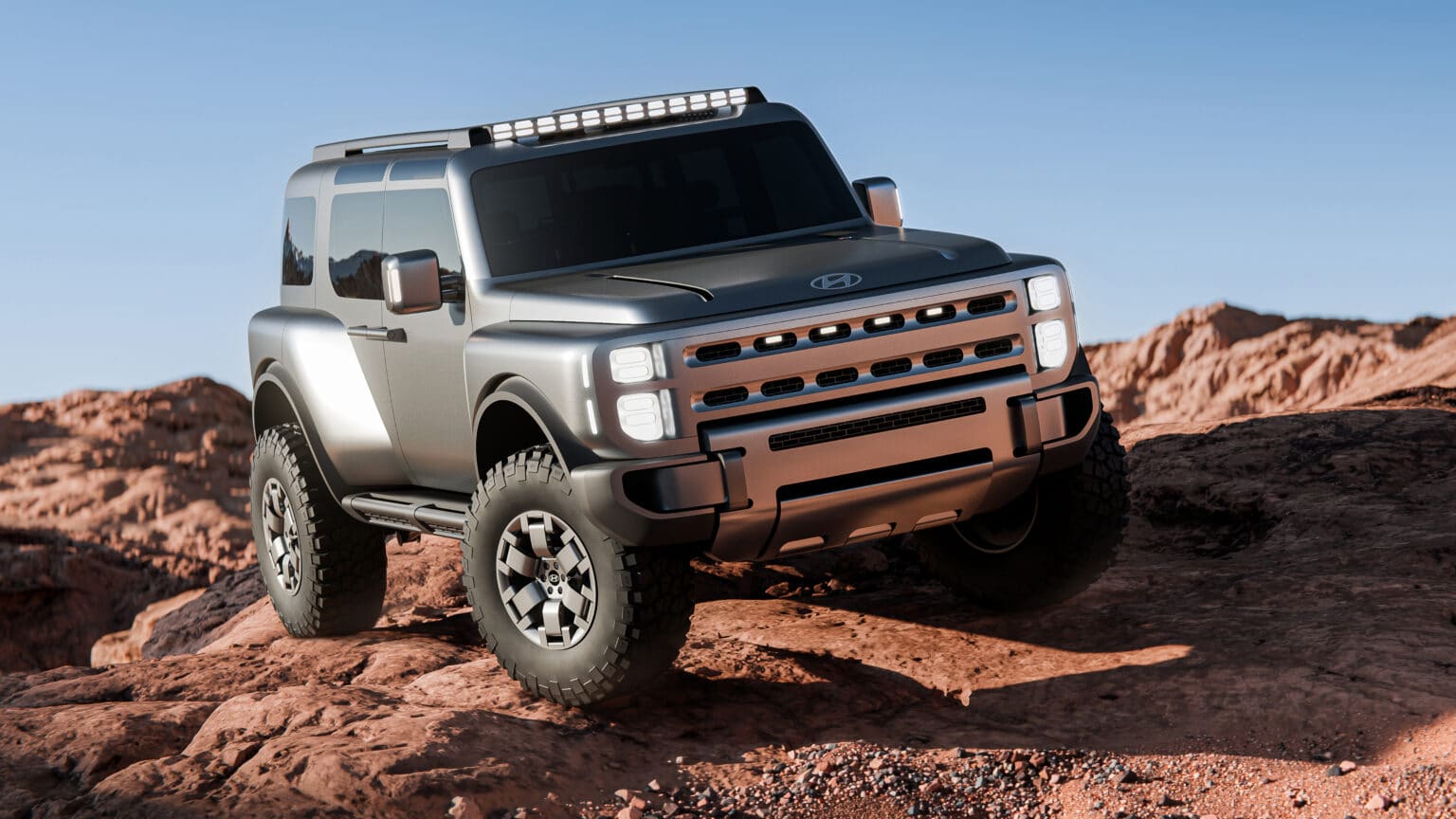
So far, no official Hyundai Boulder release date exists. Hyundai has committed to the frame and to a pickup, and to nothing beyond those two things. However, a design filing lodged with India’s patent office back in the spring shifts the odds. Specifically, it appears to show a production-shaped Boulder rather than the show car.
Design registrations protect a shape, not a production commitment. For example, plenty of concepts get filed and shelved. Still, the filed image looks toned down against the auto-show vehicle, and toning down is what happens when a studio hands a shape to manufacturing. Therefore read the Hyundai Boulder patent as evidence of intent.
Meanwhile, two facts anchor everything else on this page. First, Hyundai confirms a fully boxed body-on-frame architecture built from US steel. Second, the company confirms a production midsize pickup on the same frame, delivered by 2030. Every other number in circulation, including the powertrains below, comes from reporting rather than from the manufacturer.
Hyundai’s own reveal film for the Boulder Concept, posted to the Hyundai Motor Group channel after the New York debut.
What the Concept Already Showed Us
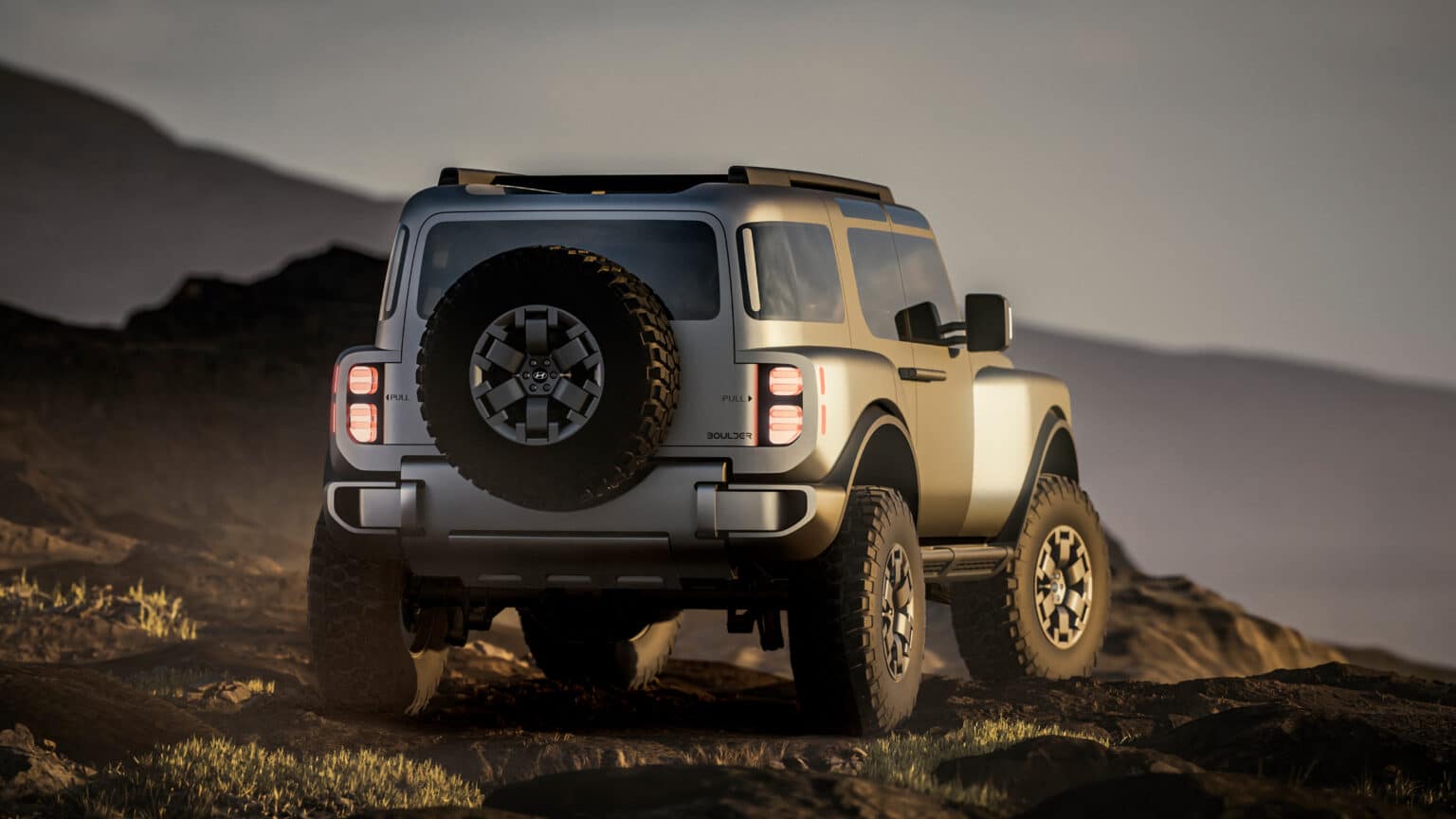
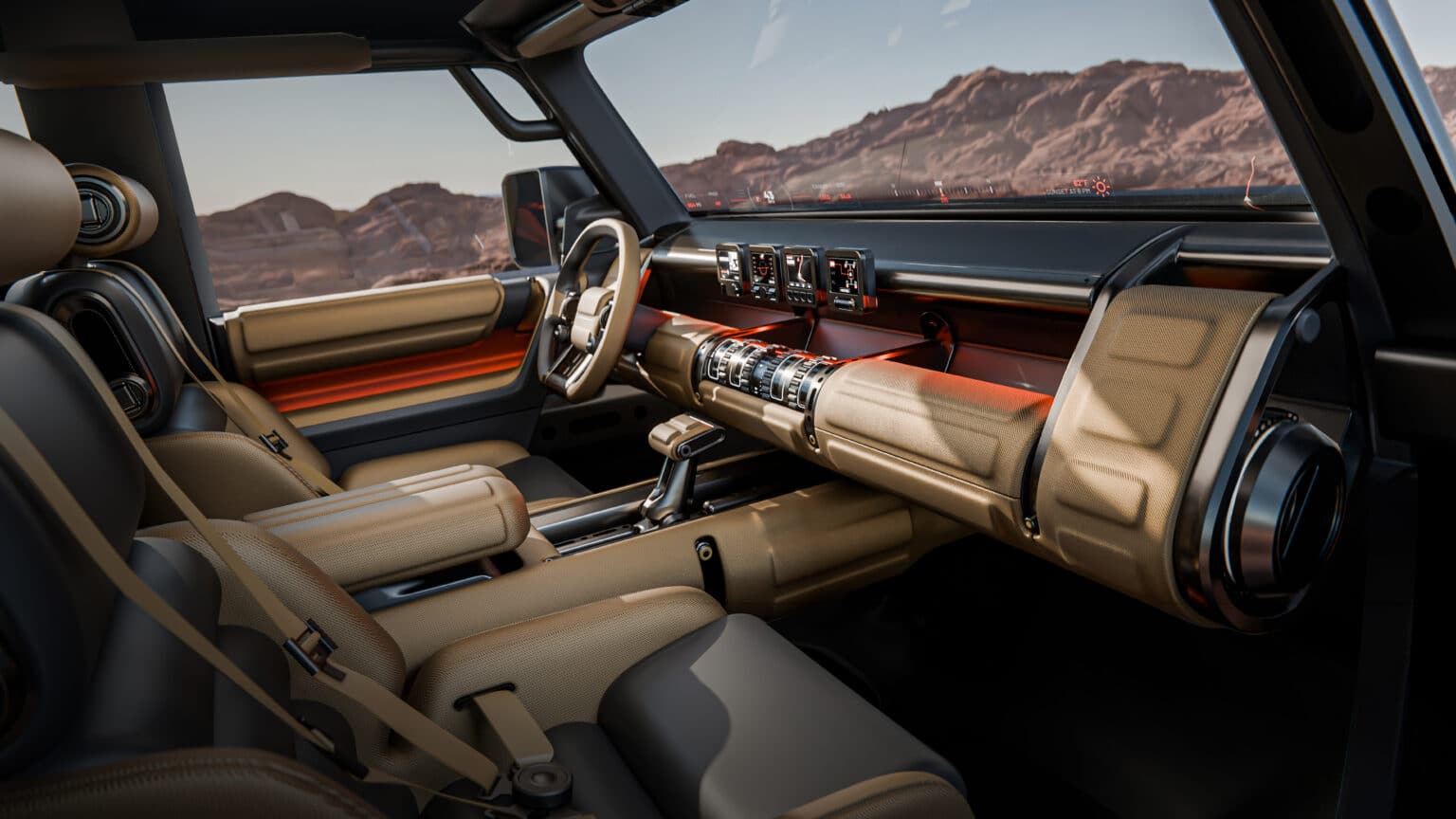
The show car landed at the 2026 New York International Auto Show on April 1. Although the date invites a joke, none of it was one. We covered the debut in full at the time, so this is the short version. For the styling walkaround, the coach doors, the safari windows and the interior, read our original Hyundai Boulder concept report.
Three details from the show car carry directly into the production question. Hyundai fitted 37×12.50R18 LT mud-terrains with a full-size spare on the tailgate. The tailgate itself is double-hinged and opens from either side, and the rear window drops down under power. Notably, those are packaging decisions rather than styling flourishes, so they tell you what the frame underneath was designed to accept.
| Top Pick | Best for 37s | Best Value | |
|---|---|---|---|
| Product | TOP PICK MaxTrax MKII MaxTrax MKII |  ARB TRED Pro ARB TRED Pro |  Rhino USA Traction Boards Rhino USA Traction Boards |
| Rating | ★★★★★ 4.8 705 ratings | ★★★★★ 4.8 115 ratings | ★★★★★ 4.7 345 ratings |
| Weight (per pair) | 15 lb | 18 lb | 12 lb |
| Material | Reinforced nylon | EXOTRED composite | Fiberglass-reinforced |
| Price | $279.99 as of Aug 31, 4:57 pm | $359.95 as of Aug 31, 5:02 pm | $149.90 as of Aug 31, 5:02 pm |
| Check Price → | Check Price → | Check Price → |
Confirmed vs. Missing: The Spec Sheet
Most coverage lists the styling flourishes and stops. Below, every line separates what Hyundai has published from what the company still withholds. Notice how much of the second column stays empty, because the gaps are the story on a vehicle nobody sells yet.
| Specification | Boulder | Status |
|---|---|---|
| Architecture | Fully boxed ladder frame, US steel | Confirmed by Hyundai |
| Tires | 37×12.50R18 LT mud-terrain | Confirmed on the concept |
| Pickup spin-off | Midsize truck delivered by 2030 | Confirmed by Hyundai |
| SUV launch timing | Not published | Missing |
| Ground clearance | Not published | Missing |
| Approach and departure angles | Not published, described only as “aggressive” | Missing |
| Curb weight, payload, towing | Not published | Missing |
| Suspension travel | Not published | Missing |
| Powertrain | Not published by Hyundai | Missing |
| US price | Not published | Missing |
The Ladder Frame and the Off-Road Hardware
Start with the part Hyundai confirms. The Boulder rides on a fully boxed body-on-frame architecture made from US-produced steel. Boxed rails resist twist better than open C-channel rails, which matters when one front tire sits three feet higher than the other. The Bronco, Wrangler and 4Runner all use the same basic recipe. Land Rover chases the same buyers with an aluminum monocoque instead.
Reported Trail Hardware
Carscoops reports the trail hardware as four-wheel drive with front and rear diff lockers, low-range gearing, independent front suspension, a solid rear axle, and tank-turn capability. Treat those as reported rather than confirmed, because Hyundai has published none of them. Still, the list is coherent. Independent front plus a solid rear axle is the 4Runner and Tacoma formula, and it is what Ford already runs under the Bronco.
Why the 37s Are the Real Question
Tire size drives everything else in the package. A factory 37-inch tire demands shorter axle gearing, stronger hubs, and real brake capacity. Otherwise the truck feels gutless and stops badly. Our guide to gear ratios, lockers and crawl ratio covers why 35s alone already push most factory setups. Whether 37s survive to production is the single biggest unknown in the package.
Hyundai Boulder Powertrains: All Reported, None Confirmed
Here is where most coverage blurs the line, so this article draws it clearly. Hyundai has stated nothing official about what powers the Boulder. Everything circulating traces back to Carscoops, not to the manufacturer, and the table below labels each item accordingly.
| Option | What We Know | Status |
|---|---|---|
| Official Hyundai figure | None stated for the concept | Confirmed absent |
| Hybrid | 330 hp 2.5-liter turbo hybrid | Reported by Carscoops |
| Plug-in hybrid | 400 hp PHEV | Reported by Carscoops |
| Electric | Full EV options for North America | Reported by Carscoops |
| Diesel | 207 hp 2.2-liter turbodiesel, 8-speed auto, other markets | Reported by Carscoops |
| Assembly | Hyundai Metaplant America, Georgia | Reported, not confirmed |
Electrification cuts both ways off-road. Instant torque helps enormously on ledges and loose climbs, yet weight punishes everything else. Our tested breakdown of what a hybrid costs off-road put the i-FORCE MAX penalty at roughly 375 pounds. Payload dropped too, with no clearance gain in exchange. Apply the same math to a 37-inch-tire Boulder and the plug-in version looks heavy.
Hyundai Boulder vs. Bronco, Wrangler, and 4Runner
The competitive set is obvious, and Hyundai clearly picked it on purpose. Ford sells the Bronco to the removable-roof crowd. Jeep sells the Wrangler to solid-axle purists. Toyota sells the 4Runner to buyers who want the thing to start in 2040. Our Bronco, Wrangler and 4Runner sales tracker shows how large the pool has become.
On hardware, the Hyundai Boulder SUV looks like a match rather than a leapfrog. Ford already pairs independent front suspension with a five-link, coil-sprung solid rear axle, which is the layout Carscoops expects underneath the Hyundai. Jeep goes further with solid axles at both ends, so the Wrangler flexes more while riding worse on pavement. Toyota shares the likely layout too, yet backs it with four decades of resale value and a parts counter in every town.
Reputation is therefore the real gap, and Hyundai starts from zero. Timing helps a little, though. GMC is reviving a boxy body-on-frame off-roader as well. Another new body-on-frame SUV aimed at the same three rivals shows how crowded this segment is about to get.
Trail Gear That Works on Any Rig, Boulder or Not
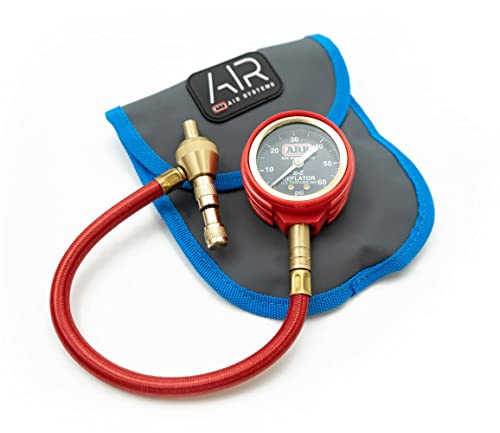
ARB ARB505 Deflator Kit 10-60 PSI Tire Pressure Gauge Rapid Air Dow…
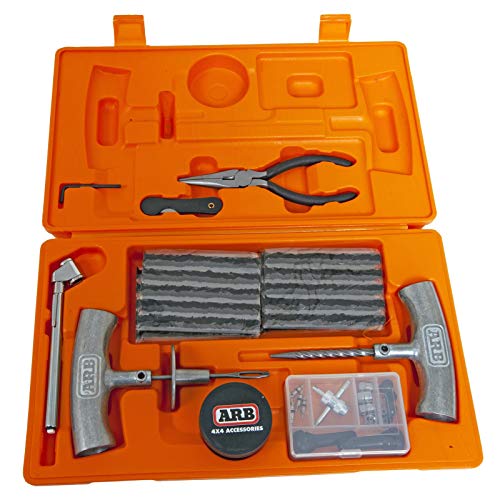


ARB CKMTA12 '12V' On-Board Twin High Performance Air Compressor
Hyundai Boulder Release Date and US Production
Working the confirmed timeline backwards, the picture sharpens. The only date Hyundai has committed to is the midsize pickup, delivered by 2030. A body-on-frame program of this size normally launches its truck first, since trucks carry the volume. Hyundai Boulder production for the SUV then follows once the line is running.
In addition, context sets the scale. Hyundai has pledged 36 new and refreshed vehicles for North America by 2030. A $26 billion US investment running from 2025 through 2028 backs the plan. Body-on-frame platforms are expensive, so the company needs volume across several models to justify one. Hyundai Boulder production alongside the pickup is the obvious way to get there.
On location, Carscoops points to Hyundai Metaplant America in Georgia, where the Ioniq 5 has been assembled since October 2024. Similarly, the site already builds for North America rather than for export. Hyundai has not confirmed the site. What the company has committed to publicly is the rule set: designed in America, developed for America, built in America, forged with Hyundai-produced US steel.
Consequently, the practical answer on timing is a range rather than a date. Specifically, nothing reaches dealers before the pickup, and the pickup carries a 2030 ceiling. Anyone shopping this year is shopping a different vehicle.
From experience: this thing is a beast, and I would 100% drive one.
Final Verdict: Wait or Buy Now
The Hyundai Boulder SUV earns attention because the hardware story is coherent rather than decorative. Hyundai committed to the boxed frame and the US steel in public, on the record, with named executives attached. Everything else, including the lockers and the low range, still sits in Carscoops reporting. Still, patent evidence raises the odds without setting a date.
The trade-offs are equally clear. Nothing here is confirmed beyond the architecture and the pickup timeline. Therefore anyone shopping in the next 24 months should ignore the Boulder entirely. First-generation platforms also carry teething risk, and the parts ecosystem starts empty. Jeep and Ford owners walk into an aftermarket of bumpers, sliders, and lift kits on day one. Meanwhile a first-generation Hyundai 4×4 would start with almost nothing.
On value, judgment has to wait. Hyundai has published no price. Meanwhile the segment stretches from roughly $40,000 for a base Bronco to more than $158,000 for a Defender 110 OCTA. Hyundai’s history suggests it will undercut the class with more standard equipment. Notably, the same value pitch runs through the Palisade and Santa Fe.
My recommendation is straightforward. Watch the Boulder, but buy a 4Runner or a Bronco if you need a rig this year. Then revisit Hyundai once the pickup reaches dealers and the aftermarket catches up. If the production version keeps the frame, the lockers and the tire size, the segment gets a genuine fourth option instead of three.
Hyundai Boulder FAQ
Has Hyundai announced a Hyundai Boulder release date?
No. Hyundai has committed publicly to a midsize pickup on this frame, delivered by 2030, and to nothing else. Any SUV would follow the truck rather than lead it.
What does the Hyundai Boulder patent filing actually prove?
For instance, it proves Hyundai registered a shape in India this spring. Notably, the filed image looks toned down against the show car. Design registrations protect appearance rather than commit a company to building anything.
Could the Boulder reach dealers before the pickup?
Nothing rules it out, although the economics argue against it. Because trucks carry the volume in this segment, the pickup justifies the tooling and an SUV rides along afterward.
Is the concept the same vehicle we would buy?
Almost surely not. Show cars typically lose ground clearance, tire size and interior flourishes on the way to production. Specifically, the 37-inch tires are the first thing worth watching.
Should I wait for it or buy something now?
Buy now if you need a rig this year. On the confirmed timeline, waiting means waiting years, and the Bronco, Wrangler and 4Runner all ship today with proven parts support.
Related Reading
Primary sources for this article: Hyundai’s official Boulder Concept press release and the Carscoops patent report.