


I’ve overlanded through spring and fall across the U.S. for decades. Shoulder season overlanding remains my favorite window despite the extra prep it demands. Specifically, late April in the high desert swings from snow flurries at dawn to 70 degrees by afternoon. October in the mountains closes a pass overnight without warning. Summer crowds thin out fast once school starts back up or before it lets out. Dispersed sites filling up by June sit empty in the shoulder months.
None of this comes free, though. Roads handling fine when dry turn into axle-deep mud within a single spring storm. A route planned around summer daylight hours runs short by an hour or more once October arrives. This guide walks through what changes between summer and shoulder-season travel. It covers what to adjust in your planning, gear, and connectivity setup to make the trade-off worth it.
Quick Facts:
- Topic: Adjusting overlanding trips for spring and fall shoulder seasons
- Best for: Overlanders traveling between the peak summer and deep winter windows
- Main challenges: Mud, temperature swings, closed roads, and unpredictable weather
- Skill level: Intermediate, requires more trip planning than summer travel
- Biggest payoff: Empty campsites and fewer crowds at popular sites
8 min read
In This Guide
Spring vs. Fall: Key Differences at a Glance
| Factor | Spring | Fall |
|---|---|---|
| Main hazard | Mud and snowmelt runoff | Early snow and sudden cold snaps |
| Road access | Many high-elevation roads still gated | Roads open but closing without notice |
| Daylight trend | Lengthening each week | Shortening each week |
| Wildlife activity | High, animals emerging and moving | High, animals preparing for winter |
| Crowd levels | Low, building toward summer | Low, dropping from summer peak |
Mud Season and Road Access
Spring mud season catches more overlanders off guard than any other shoulder-season hazard. Snowmelt saturates dirt roads from below even on days looking perfectly dry on top. A road supporting a full-size truck in March swallows the same truck to the axles in April. Consequently, Forest Service and BLM roads often carry seasonal closures specifically for this reason. Driving around a closure gate causes real damage to saturated road beds.
Fall brings a different version of the same problem. Roads stay open longer than spring closures suggest, but an early snowstorm strands a vehicle on a route bone dry the week before. Therefore, checking current road status directly with the local ranger district before departure beats trusting an app or a forum post from a prior season. Conditions change fast enough for outdated information to become genuinely dangerous.
Reading the Ground Before You Commit
A quick walk of any questionable stretch before driving it saves far more time than it costs. Standing water sitting on top of the road is one warning sign. Similarly, tire ruts from a previous vehicle sunk deeper than an inch, and dark saturated soil under a lighter dry crust, are others. All three mean it’s time to turn around rather than push through.
Managing Wide Temperature Swings
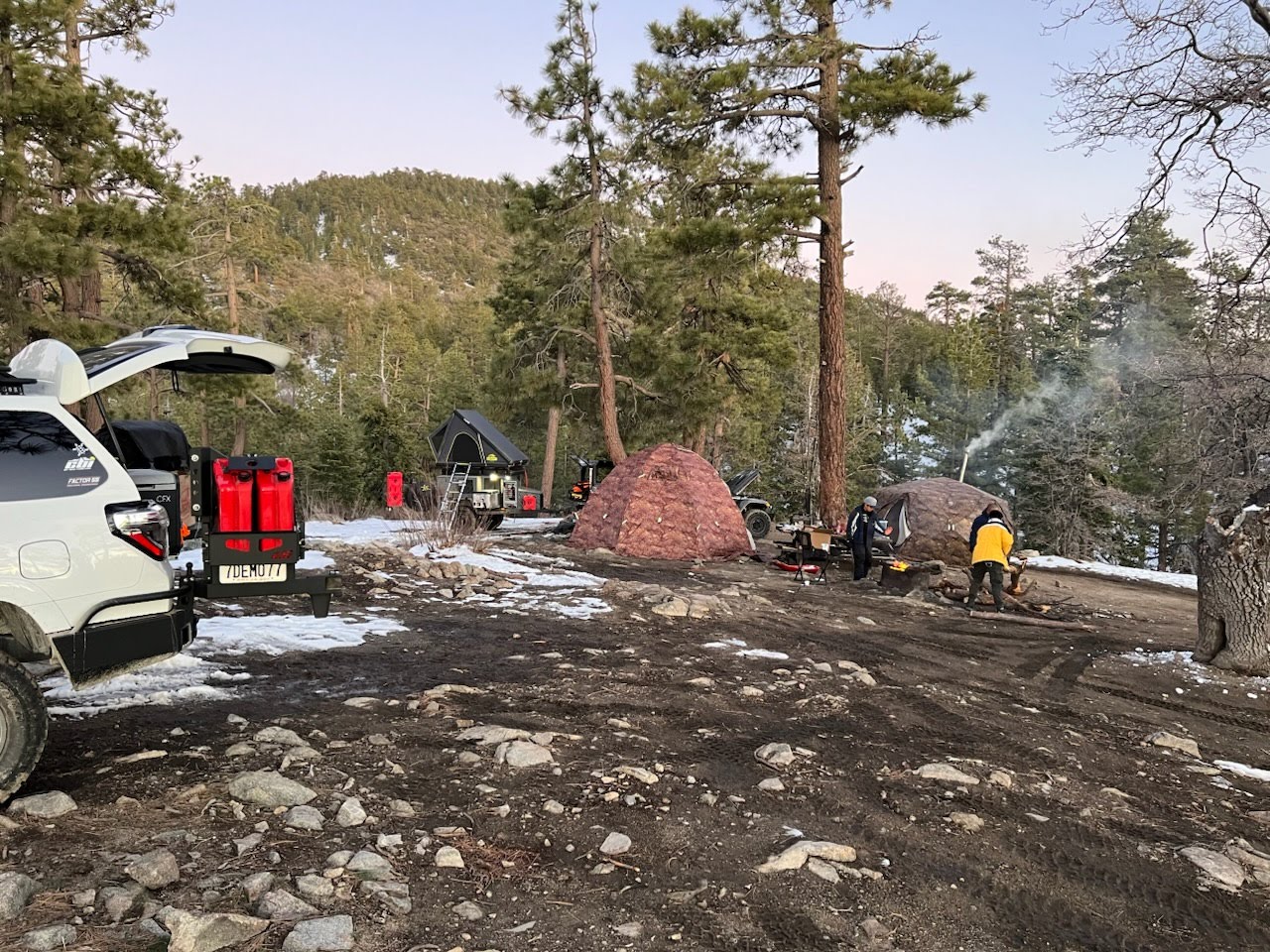
A 40-degree swing between a shoulder-season morning and afternoon is common. This range demands a different approach to clothing and shelter than a stable summer week. For instance, layering becomes the priority over any single heavy piece of gear. A jacket warm enough for a 25-degree dawn turns into dead weight by a 65-degree noon.
Sleeping systems need the same flexibility. A bag rated for summer nights leaves campers cold once temperatures drop below freezing overnight. This happens often in shoulder-season mountain camps even when daytime highs feel comfortable. Consequently, carrying a liner or a warmer bag as backup costs little pack space and solves the problem completely.
Shorter Days and Route Planning
Fall daylight shrinks by roughly two minutes per day through September and October. Consequently, this adds up to over an hour of lost driving and camp-setup time across a single month. A route planned around June daylight hours runs into darkness far earlier in October. Building extra buffer into arrival times avoids setting up camp by headlamp in unfamiliar terrain.
Spring works in the opposite direction, gaining daylight each week. Early spring trips still start from a shorter baseline than most overlanders expect. Checking sunset time for the specific dates of a trip beats assuming a fixed summer schedule. This one habit prevents the most common shoulder-season planning mistake.
Featured at Flagpole Buddy
Mini Starlink Flat Mount, Magnetic Version
Mount your Starlink Mini in minutes with no drilling required, ready for any season.
Staying Connected When Cell Coverage Gets Thinner
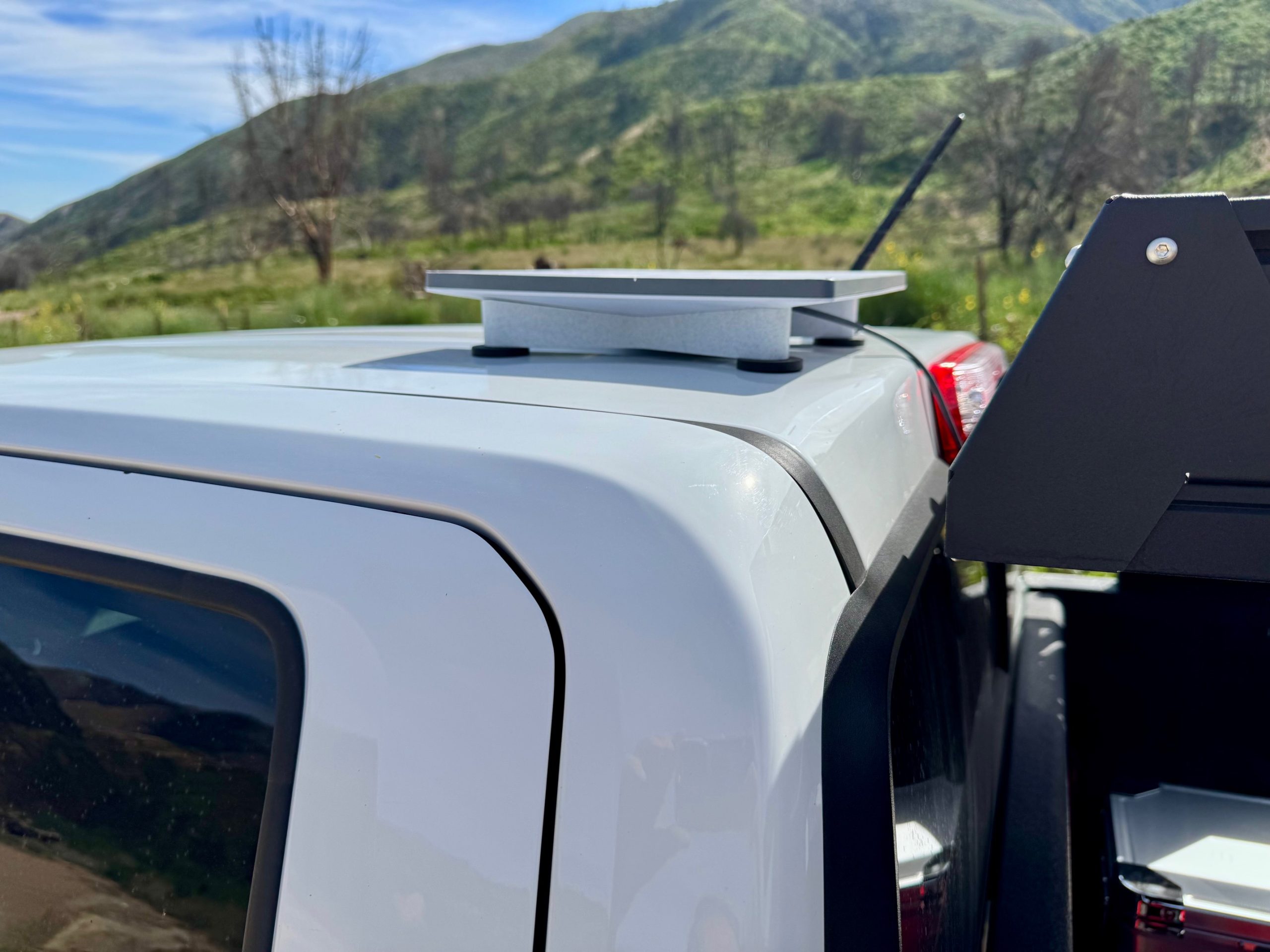
Shoulder-season routes often push into terrain summer crowds avoid, and this terrain frequently sits further from reliable cell coverage. Consequently, a Starlink Mini mounted on the vehicle roof solves this gap for anyone checking weather updates, confirming road conditions, or working remotely from a multi-day basecamp. I run a magnetic Flat Mount from Flagpole Buddy on my own rig for exactly this reason. It adds height above the roofline in under two minutes with no drilling. It comes off equally fast if I need to reposition for a clearer view of the sky.
Elevation matters more in shoulder season than summer. Low sun angles in fall and spring create longer shadows from nearby terrain and trees, obstructing a ground-level dish more easily. Curious how this mount performs across seasons and rough roads? Our magnetic mount review covers the testing in depth. Campers heading into denser canopy at lower elevations might prefer the additional height from our hitch-mounted pole kit review instead.
Backup Communication Still Matters
Starlink covers bandwidth needs, but a lightweight satellite messenger remains worth carrying as backup for routes with genuine road-closure risk. Trip check-ins matter more in shoulder season specifically because fewer other travelers pass through to notice a stranded vehicle. For campers combining full connectivity with remote work between trips, our guide to working remotely from camp covers the setup in more detail.
What to Pack Differently
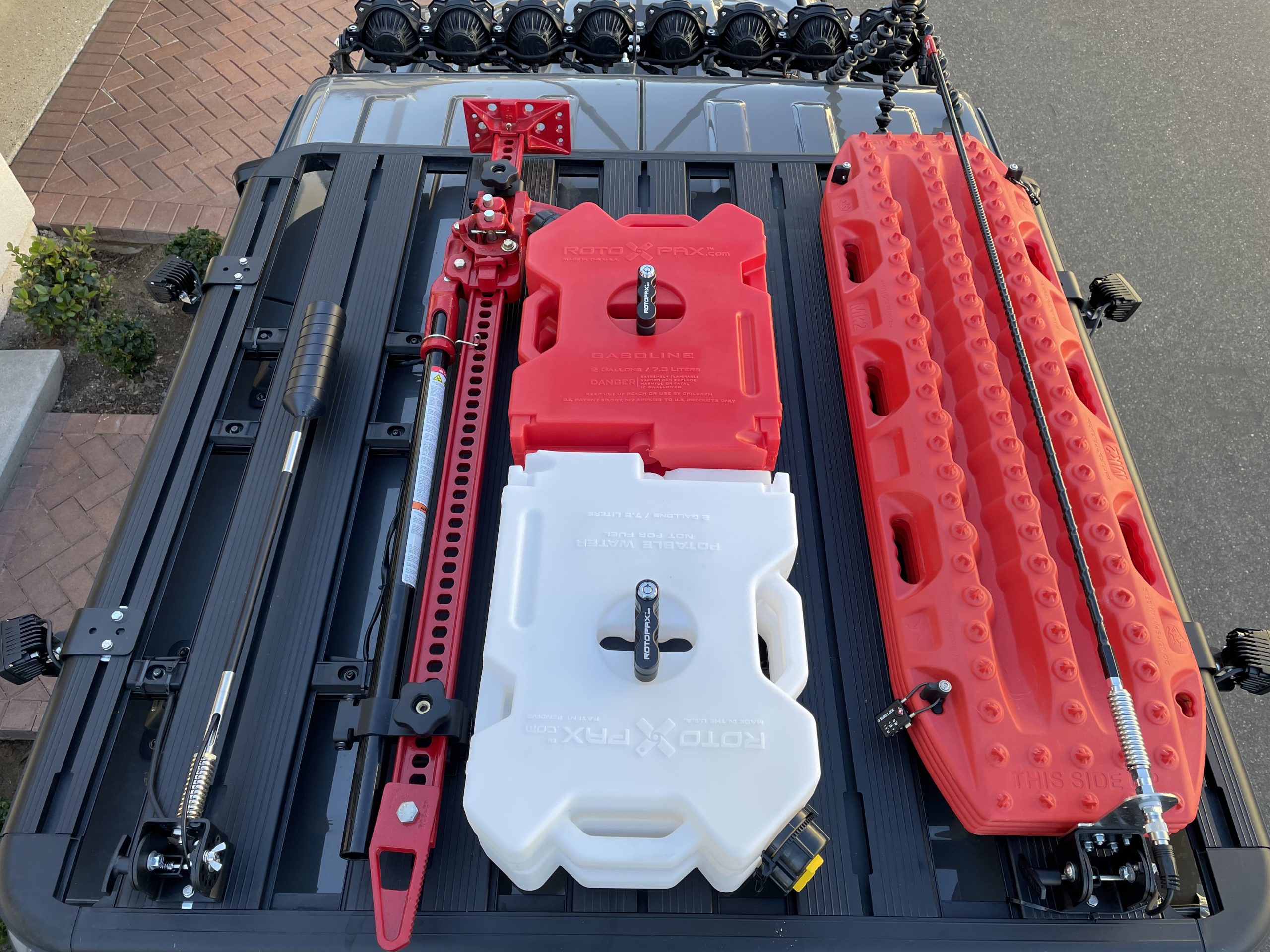
Traction boards and a shovel earn a permanent spot in shoulder-season packing lists even for overlanders who skip them in summer. After all, mud season makes both tools far more likely to see actual use than a dry August trail ever would. A tire pressure gauge and portable compressor matter more too. Airing down for mud or loose spring gravel, then airing back up for pavement, happens more often across a single trip.
Extra fuel margin deserves a place on the list as well. Shoulder-season routes sometimes bypass seasonal gas stations operating only through summer. A closed road forces a longer detour than originally planned.
Pros and Cons of Shoulder-Season Trips
Pros
- Dispersed campsites sit empty compared to summer crowds
- Cooler daytime temperatures suit hiking and vehicle recovery work
- Fall colors and spring wildflowers add scenery summer trips miss
- Campground and permit availability opens up significantly
- A magnetic Starlink mount adapts easily between seasonal setups
Cons
- Mud season closures risk stranding or damaging a vehicle
- Temperature swings demand more complex gear planning
- Shorter fall daylight compresses driving and camp setup time
- Fewer other travelers pass through to help in an emergency
- Seasonal services like fuel stations are often already closed
Final Verdict

Shoulder season overlanding rewards travelers willing to plan around mud, temperature swings, and shrinking daylight. Indeed, the payoff is real: quieter trails, open campsites, and weather beating a crowded, scorching August trip. Extra planning is not optional, though. Routes feeling routine in July turn genuinely risky in April or October without the right adjustments.
Checking current road conditions before departure solves most of the season’s real risks. So does packing for both a freezing dawn and a warm afternoon, and building a buffer into daily driving time. Layering in dependable connectivity closes the remaining gap. Whether through a mounted Starlink setup or a backup satellite messenger, it matters most for routes pushing further from help than a typical summer trip.
For overlanders already comfortable with basic trip planning, shoulder season is worth the extra effort every time. The empty campsites alone make the additional prep work feel small by comparison.
Ready for Any Season?
Mount Starlink in Minutes With Flagpole Buddy
Backed by a 2-year warranty and free domestic shipping.
Frequently Asked Questions
What is the best time for shoulder-season overlanding?
Late spring, after mud season dries out but before summer crowds arrive, offers a strong window. So does early-to-mid fall, after summer heat fades but before major snow. Exact timing varies by region and elevation, so checking local road status close to departure matters more than a fixed calendar date.
Is mud season dangerous for overlanding?
Mud season creates real risk of getting stuck or damaging both a vehicle and the road itself. Saturated dirt roads often look dry on the surface while remaining soft underneath. Driving around a seasonal closure gate makes the damage worse for everyone traveling the road later.
Do I need different gear for spring versus fall overlanding?
The core gear overlaps significantly, but the emphasis shifts. Specifically, spring trips lean harder on mud-recovery gear and rain protection, while fall trips lean harder on cold-weather layers and lighting for shorter days. Both, however, benefit from a flexible layering system and a warmer-than-expected sleep setup.
How much does daylight change during fall overlanding trips?
Daylight shrinks by roughly two minutes per day through September and October in much of the continental United States. This adds up to more than an hour of lost daylight across a single month. Checking sunset time for specific trip dates avoids planning a route around outdated summer daylight hours.
Does Starlink work well during shoulder-season trips?
Yes, though low sun angles in spring and fall create longer shadows, obstructing a ground-level dish more than they would in summer. Mounting the Starlink Mini on a vehicle roof, using a magnetic mount for quick seasonal repositioning, generally clears these obstructions better than a ground-level setup.
A quick heads-up: If you snag something through our affiliate links or check out our sponsored content, we might earn a commission at no extra cost to you. But fear not, we’re all about recommending stuff we’re truly stoked about!