


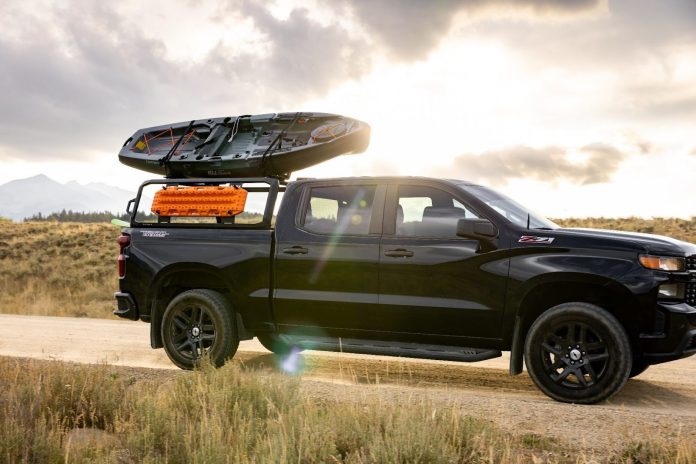

Many truck owners chase more capability and end up with less convenience. They add racks, bins, drawers, and mounts until the truck feels perfect for a weekend trip but frustrating during a grocery run. That tradeoff does not need to exist when truck bed storage is planned with daily life in mind.
The key is building a system that shifts between daily mode and trip mode without tearing everything apart. Modern rack ecosystems such as the Kuat Ibex have pushed this idea forward by supporting modular mounting, height flexibility, and tonneau cover compatibility. That means truck bed storage can stay organized, secure, and accessible every day.
This guide walks through a practical framework for building storage that works year-round. You will rethink workflow, use vertical space wisely, protect your gear, and avoid the common mistakes that turn useful upgrades into daily annoyances.
Table of Contents
- Rethinking Truck Bed Storage as a Daily Workflow
- Start With Bed Access and Reachability
- Use Vertical Space Without Sacrificing Usability for Truck Bed Storage
- Protect Gear Without Losing Convenience
- Choose Modular Systems That Improve Truck Bed Storage Over Time
- Rack-Based Truck Bed Storage in Practice
- Common Mistakes That Ruin Daily Driver Practicality
- Building a Setup That Works Every Day and Every Weekend
- FAQ
Rethinking Truck Bed Storage as a Daily Workflow

Truck bed storage should support how you actually use your truck. Start by thinking about your weekly routine before thinking about your next trip. Grocery runs, hardware store stops, school pickups, and commuting shape your daily workflow more than any campsite.
Many builds fail because they treat adventure gear as permanent cargo. When everything lives in the bed full time, even simple errands become inconvenient. A better approach separates daily essentials from trip gear so your truck stays flexible.
Create a simple mental model with two modes. Daily mode keeps the bed open, accessible, and quick to load. Trip mode adds bins, mounts, and specialty gear when needed. This mindset changes how you approach truck bed storage from the beginning.
When storage supports your daily routine, you use your truck more often and with less frustration. That consistency keeps the system useful instead of feeling like a weekend-only project.
Start With Bed Access and Reachability

Access matters more than capacity. You can have perfect truck bed storage on paper and still hate using it if reaching items feels like a chore. Start by thinking about what you use most often and where it should live.
The tailgate becomes your primary workspace. Items used frequently should sit near the tailgate and within easy reach. Recovery gear, tie-downs, and everyday tools should never require unloading multiple bins.
Reach zones help organize the bed logically. The rear zone handles daily-use items. The middle zone stores gear used during trips, but not constantly. The front zone stores rarely used spares or seasonal gear.
This zoning approach keeps truck bed storage organized while preventing clutter from blocking access. You gain speed, convenience, and less daily frustration.
Use Vertical Space Without Sacrificing Usability for Truck Bed Storage
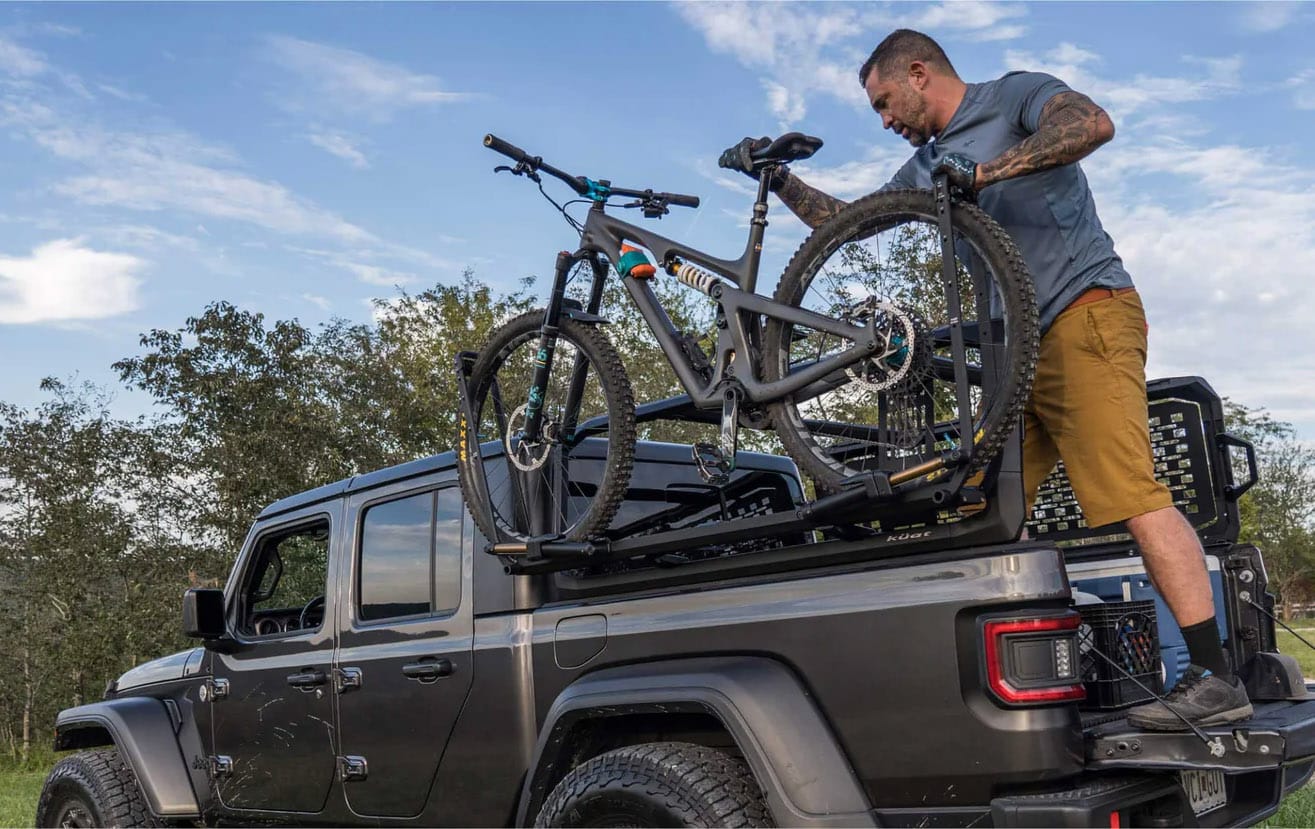
One of the biggest mistakes in truck bed storage is ignoring vertical space. Stacking bins wastes capacity and blocks access. Using a rack system allows you to move bulky items upward while keeping the bed floor usable.
Vertical storage works best when it improves flexibility. Mount tents, bikes, cargo boxes, or traction boards above the bed instead of stacking everything inside it. This keeps the bed open for daily cargo.
When done right, vertical storage makes truck bed storage feel larger without making the truck harder to use. You maintain a clear loading area for everyday tasks.
This approach also improves organization. You separate bulky gear from everyday cargo, which reduces repacking and speeds up trip preparation.
Protect Gear Without Losing Convenience

Security and weather protection are essential for modern truck bed storage. If gear gets soaked or stolen, you will end up removing it after every trip. That cycle creates friction and wastes time.
Retractable tonneau covers provide a strong balance between protection and usability. They keep gear hidden and dry while allowing quick bed access. This makes truck bed storage practical for daily life.
Permanent lids can limit flexibility, but retractable designs keep the bed usable for tall cargo. That balance is critical for drivers who rely on their truck year-round.
When gear stays protected, you reduce the need to unload after every outing. This keeps your truck ready for the next trip with minimal effort.
Choose Modular Systems That Improve Truck Bed Storage Over Time

Truck bed storage should evolve gradually. Buying everything at once often leads to overbuilding and wasted money. Start with a simple foundation and expand based on real needs.
Modular bins, mounting points, and crossbars allow incremental upgrades. You can add bike mounts, lighting, or storage panels when you actually need them. This strategy reduces trial-and-error purchases. It also keeps truck bed storage clean and uncluttered.
A modular approach ensures your truck stays adaptable instead of locked into a single configuration.
Rack-Based Truck Bed Storage in Practice

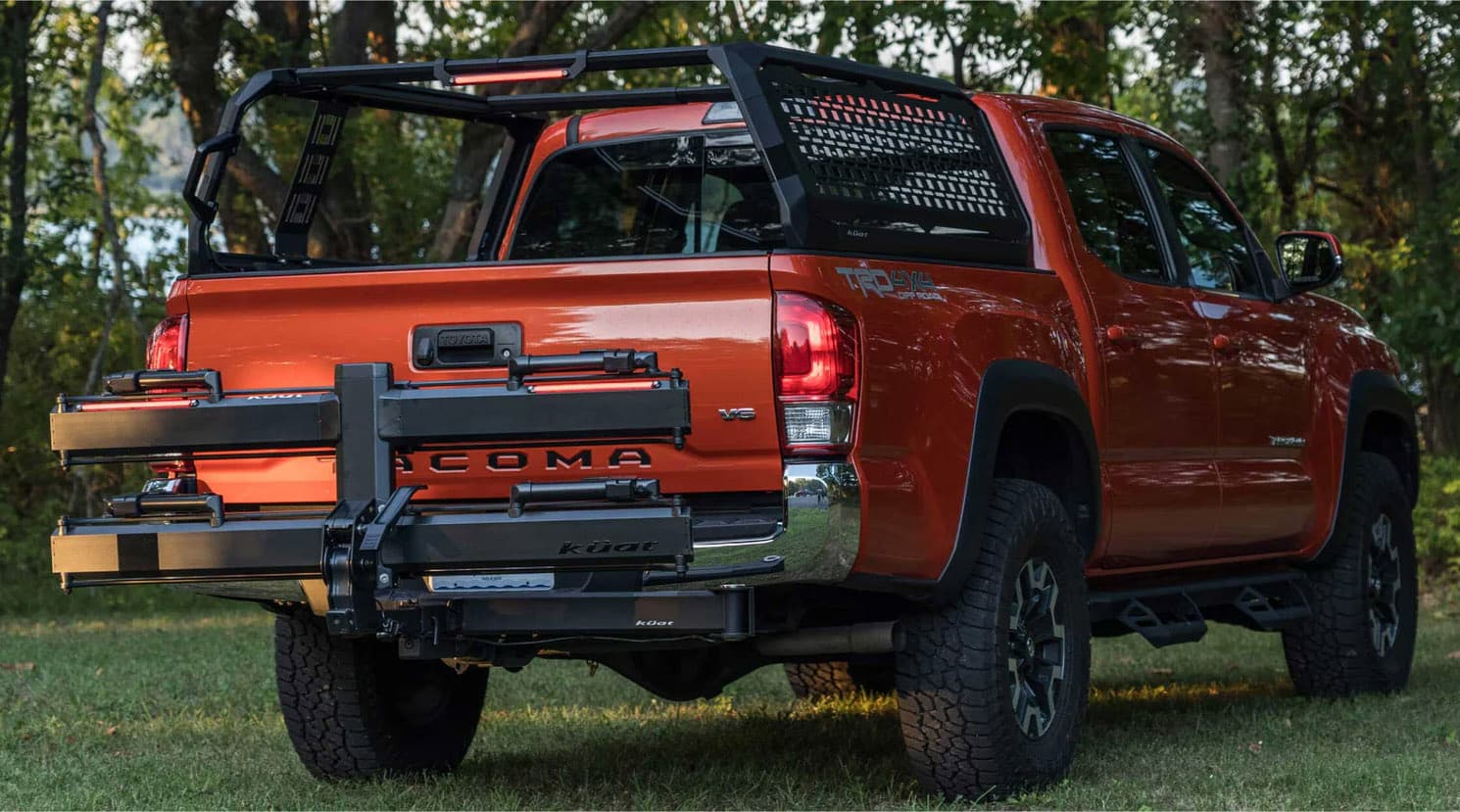
A rack system changes how truck bed storage works because it shifts bulky gear upward and frees the bed floor for daily cargo. That single change reduces clutter, improves access, and creates a consistent mounting platform that can evolve over time. When a rack is designed around modular mounting and adjustability, it becomes the backbone of a flexible storage strategy rather than a fixed accessory.
The Kuat Ibex offers a clear example of how a rack can support both daily driving and long trips. The rack uses aluminum construction with a durable powder-coated finish, which helps preserve payload capacity while resisting corrosion from road salt, rain, and dust. Weight savings matter because every pound added to the truck reduces the payload available for water, tools, camping gear, or bikes. A lighter rack keeps truck bed storage efficient without sacrificing strength.
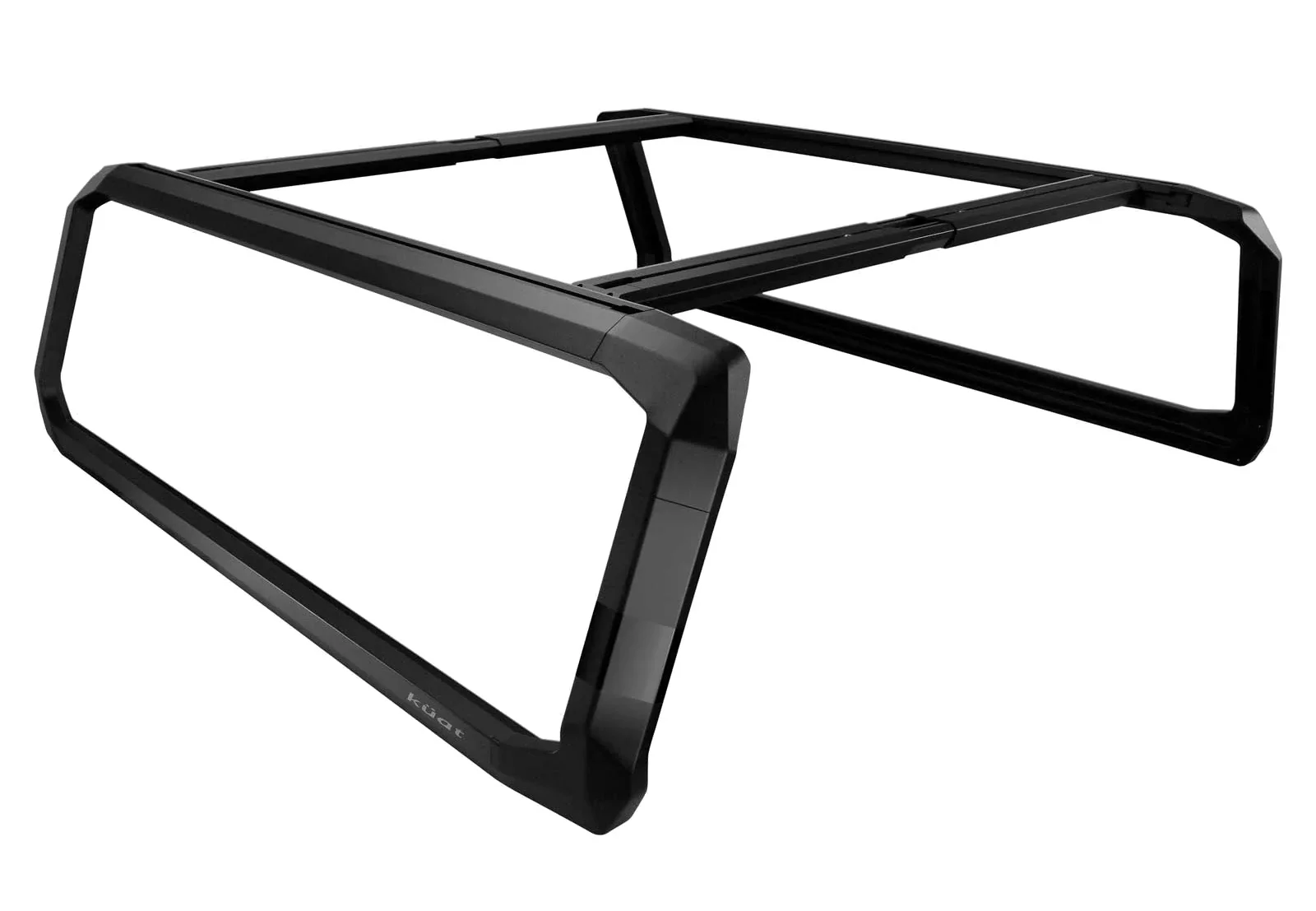
Capacity also plays a major role in real-world usability. The Ibex lists a 1,200-pound static rating and a 300-pound dynamic rating. Static capacity matters when the truck is parked and supporting a rooftop tent or loaded cargo at camp. Dynamic capacity matters when driving rough roads or highways where forces increase quickly. These ratings help owners plan truck bed storage with confidence instead of guessing what the rack can safely handle.
Adjustable height is another feature that supports daily usability. The Ibex ships with both full-height and mid-height configurations. Full-height mode creates more clearance for tall cargo and bulky gear. Mid-height mode keeps accessories closer to cab height, which can help with aerodynamics and clearance in garages or parking structures. The ability to switch between heights allows truck bed storage to adapt to different trip types without replacing hardware.
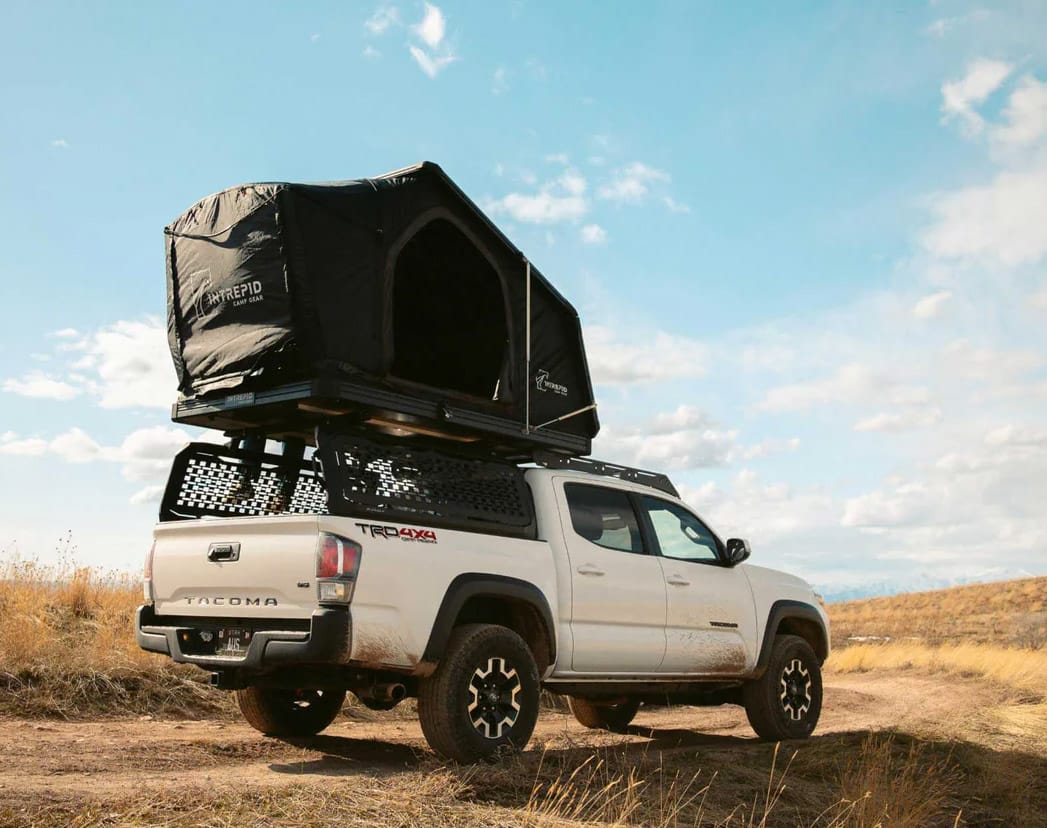
Telescoping crossbars expand compatibility even further. Adjustable spacing allows owners to mount rooftop tents, cargo boxes, bike racks, or recovery gear with better alignment and support. The rack also includes multiple T-channels that accept a wide range of accessories. This makes truck bed storage easier to expand over time because new mounts can be added without drilling or modifying the rack.
Compatibility with certain retractable tonneau covers adds another layer of daily practicality. Owners can protect tools, groceries, and travel gear while keeping the bed usable. That balance between security and flexibility helps truck bed storage work every day instead of only on trips.
Common Mistakes That Ruin Daily Driver Practicality

Building a Setup That Works Every Day and Every Weekend
The best truck bed storage systems support both daily life and adventure travel. They remain accessible, secure, and adaptable throughout the year.
Start simple and upgrade gradually. Let real trips guide future additions instead of guessing what you might need. When storage supports your lifestyle, your truck becomes more useful every day. That balance is the goal.
With smart planning and modular upgrades, your truck stays ready for errands, work, and weekend trips without compromise.
FAQ
How do I keep truck bed storage from becoming cluttered?
Use zones and modular bins. Keep daily-use items near the tailgate and store trip gear deeper in the bed.
Is a rack necessary for effective truck bed storage?
Not required, but racks improve vertical storage and keep the bed floor usable for everyday cargo.
Are retractable tonneau covers worth it?
Yes. They protect gear while keeping the bed accessible and flexible for daily use.
How often should I reorganize truck bed storage?
Seasonal reviews work well. Adjust the setup when your trip types or activities change.
How do I avoid overbuilding my truck setup?
Start with a simple foundation and add gear only after real trips reveal a clear need.
What makes modular truck bed storage better?
It allows you to adapt your setup for daily driving and different trip types without rebuilding your system.
Our articles might have affiliate links and the occasional sponsored content, but don’t sweat it – if you buy something, we get a little kickback at no extra cost to you, and we only hype products we truly believe in!