


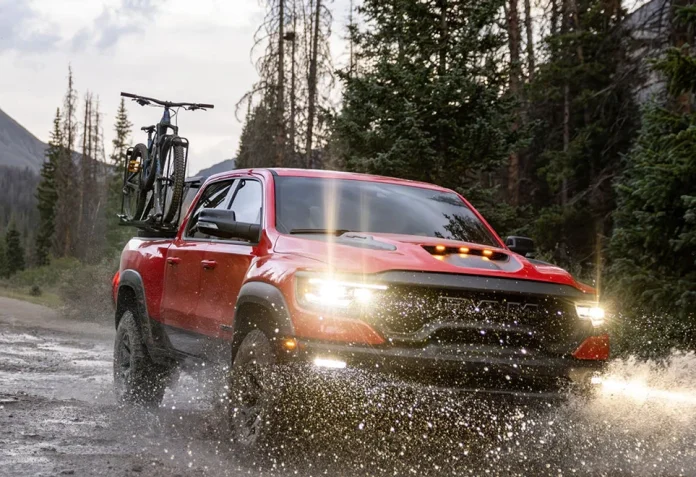

Most overlanding truck builds fail for one simple reason. They get designed for one kind of trip. The first time you swap a summer weekend run for a shoulder-season road trip, or trade camping gear for bikes and day-ride essentials, the setup starts to feel like a compromise instead of a tool.
The fix is not more gear. The fix is a plan that treats your truck like a platform. When you build around a modular truck bed rack system, you can shift storage, mounting, and clearance to match the trip instead of fighting your own build. You stop rebuilding, stop re-buying, and start dialing in a system that grows with you.
This guide, which features the Kuat Ibex, walks through a practical approach to building a setup that stays useful year-round. You will start with weight and payload reality, then build a foundation around a modular truck bed, and finally layer on flexibility with adjustable height, T-channels, and accessories that make changeovers fast.
Table of Contents
- Define Modularity and Plan Around Real Trips
- Start With Payload, Weight Ratings, and Smart Load Planning
- Make the Truck Bed Rack the Foundation of the System
- Choose Adjustable Height and T-Channel Flexibility for a Modular Truck Bed
- Keep Daily Driver Practicality and Multi-Season Use in Mind
- A Modular Truck Bed Example: Kuat Ibex Ecosystem in Practice
- Build Over Time and Avoid Common Modularity Mistakes
- A Setup That Keeps Evolving With Your Trips
- FAQ
Define Modularity and Plan Around Real Trips
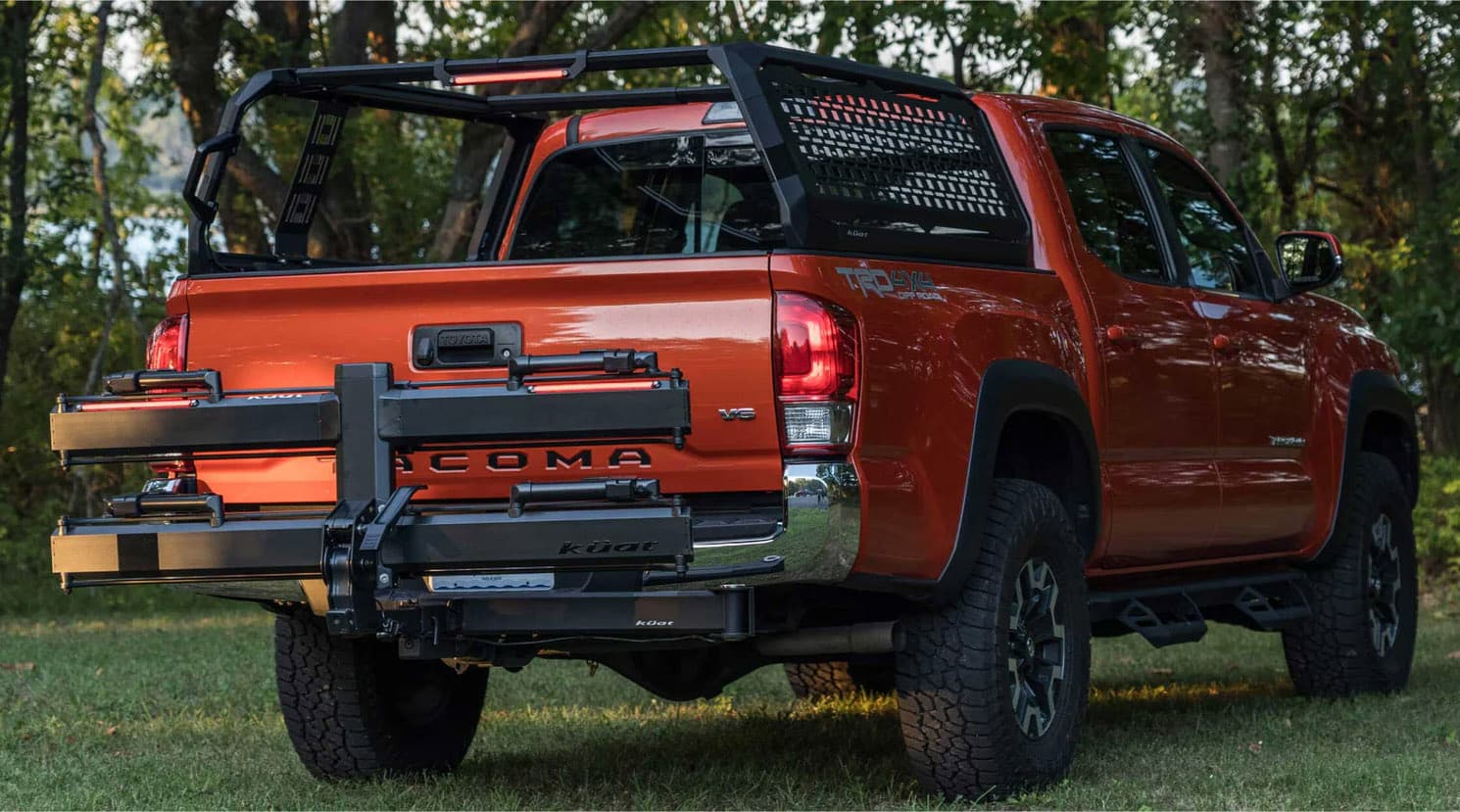
Modular means you can reconfigure your system without starting over. In truck terms, that means your core mounting points stay consistent while your accessories, height, and storage layout change based on the trip. A modular truck bed approach treats your gear like interchangeable building blocks, not a permanent one-and-done build.
Start by listing your three most common trip types. A quick overnighter has different needs than a week-long route that demands water capacity, food organization, and more redundancy. A trailhead weekend with bikes shifts priorities again, because you need fast access and secure transport without burying helmets, pumps, and spares under camp bins.
When you plan around real trips, you also plan around real friction. Ask where you lose time at the trailhead, what gets wet when the weather turns, and what you end up leaving behind because it is too annoying to pack. Those answers shape your modular truck bed layout better than any product list.
Finally, decide what stays constant. Many people choose a stable rack foundation, a consistent tie-down strategy, and a repeatable bin system. Once those anchors exist, you can rotate in a rooftop tent, bike mounts, jerry cans, a shovel mount, or a storage panel kit with minimal effort. That is the practical promise of a modular truck bed system.
Start With Payload, Weight Ratings, and Smart Load Planning

Before you buy parts, get honest about weight. The most common mistake is building a setup that looks capable but eats payload so quickly that every trip feels like you are pushing limits. A modular truck bed plan works best when it protects the payload and keeps the weight low, centered, and secured.
Static weight and dynamic weight are not the same thing. Static weight refers to the load when the truck is not moving, like a rooftop tent supporting sleepers at camp. Dynamic weight refers to the load while driving, especially on uneven roads where forces spike. If you want a modular truck bed that carries a tent, bikes, and a loaded box, you must respect dynamic limits first.
Next, map weight by category. Put heavy items low and between the axles when possible. Water, recovery gear, tools, and spare parts can easily become the densest pieces of your kit. Your modular truck bed should keep those items stable and easy to reach, because digging for a recovery strap in mud or snow is never fun.
Lastly, plan for the trip, not the maximum. You don’t need to carry everything on every run. A modular truck bed system should let you scale up for big trips and scale down for quick weekends. The goal is to drive better, pack faster, and arrive less fatigued because your truck behaves predictably.
Make the Truck Bed Rack the Foundation of the System
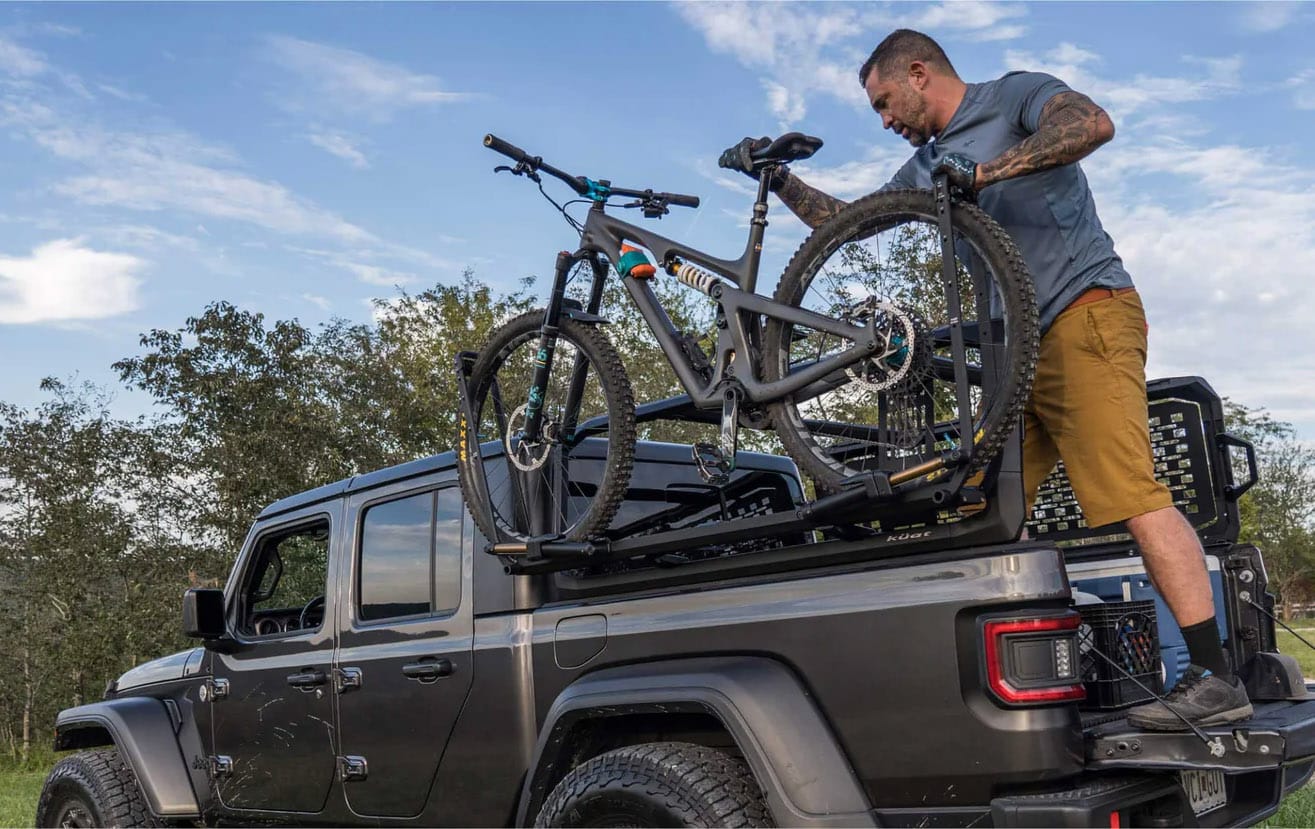
When people talk about modularity, they often focus on accessories. In practice, the rack and mounting platform do most of the work. A solid rack turns empty vertical space into usable volume, and it creates consistent attachment points so you can add or remove gear without improvising every time. That is the heart of a modular truck bed build.
A rack foundation also improves organization. Instead of stacking bins until tailgate access becomes a chore, you can separate zones. Put frequently used items near the tailgate, store seldom-used spares deeper, and keep bulky items mounted up top. With the right layout, your modular truck bed becomes easier to live with on the road and at camp.
Material and corrosion resistance matter here because the rack lives outside. Road salt, dust, rain, and sun do not care how expensive your gear is. A modular truck bed rack should use durable materials, thoughtful coatings, and hardware that resists corrosion over years of use.
Most importantly, a rack provides a repeatable interface. That interface is what makes changeovers quick. If you can mount crossbars, traction-board brackets, an awning, and a bike solution without drilling new holes or inventing new brackets, you keep your modular truck bed system truly modular.
Choose Adjustable Height and T-Channel Flexibility for a Modular Truck Bed
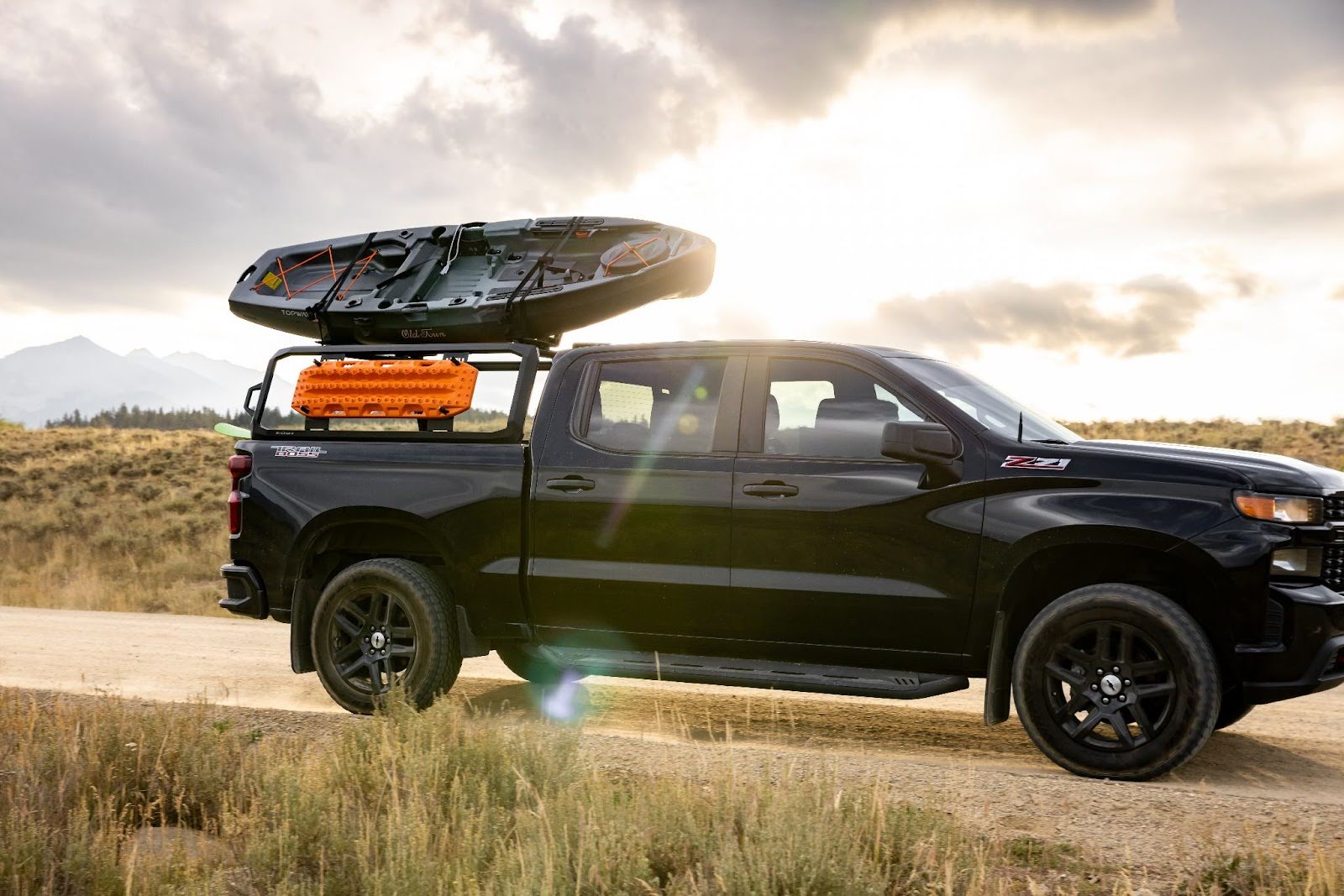
Adjustable height sounds like a small detail until you live with it. Full-height configurations create more clearance above the bed, which can help with tall cargo, certain gear boxes, and keeping crossbars closer to cab-roof height. Mid-height configurations can keep accessories closer to the cab line, which often helps with airflow and overall drivability. When you can change height, your modular truck bed adapts instead of forcing compromises.
Think about what you mount most. Rooftop tents often work best when the tent line matches the cab line. That keeps the profile clean and can reduce wind noise. Other loads benefit from more space, like bulky duffels or odd-shaped camp gear. The best modular truck bed setups pick a default height and then switch when the trip demands it.
T-channels push modularity further because they give you standardized attachment points. A rack with ample T-channels can accept a wide range of mounts, sliders, eyelets, and accessory plates. That matters because your needs will change. As your kit grows, a modular truck bed with T-channels lets you expand without starting from scratch.
Crossbar design matters too. Telescoping crossbars help you dial in fit across different bed widths and accessory footprints. If you can move crossbars forward, backward, and adjust their spacing, you can mount a tent one weekend and a pair of bikes the next without feeling boxed in. That kind of flexibility is what separates a true modular truck bed platform from a fixed rack.
Keep Daily Driver Practicality and Multi-Season Use in Mind

A build that only works on trips is not a good build. Most owners drive their truck far more days than they camp in it. So, a modular truck bed setup must support daily life. If you hate parking, hate loading groceries, or cannot access the bed without a full teardown, you will stop using the system.
Start with bed access and workflow. Make sure you can open the tailgate, reach your most-used gear, and load normal cargo without moving half your kit. Your modular truck bed should have a “daily mode” where it stays organized but stays out of your way.
Security and weather protection matter too. Many people prefer a retractable tonneau cover because it protects gear while keeping the bed usable. If your rack and cover can work together, you avoid an either-or decision. That compatibility helps your modular truck bed serve both overlanding and everyday errands.
Finally, think about seasonal swaps. Summer might mean a tent, shade, and water. Winter might mean traction gear, a shovel, and layered storage for cold-weather clothing. If your modular truck bed can rotate accessories quickly, you will stay ready without overpacking year-round.
A Modular Truck Bed Example: Kuat Ibex Ecosystem in Practice

It helps to look at a real rack ecosystem to see how modular principles show up in hardware. The Kuat Ibex is a good example because it is designed as an aluminum rack platform with multiple configuration options. That design goal aligns with what you want from a modular truck bed foundation.
The Ibex uses aluminum construction and is finished with a tough powder-coat, which supports long-term exposure to weather and trail grime. It also uses stainless steel and automotive-grade hardware, which matters if you travel in wet climates or salty winter roads. These details don’t make a trip more fun by themselves, but they keep your modular truck bed reliable when conditions turn ugly.

Capacity and configuration help illustrate the difference between “strong” and “useful.” The Ibex lists a 1,200-pound static capacity and a 300-pound dynamic capacity. That split matters when you plan a rooftop tent and camp load versus what you can safely carry while driving. It also supports the idea that a modular truck bed needs to handle changing loads without feeling fragile.
The Ibex also leans into modularity with full-height and mid-height configurations, plus telescoping crossbars and multiple T-channels for accessory mounting. That kind of layout supports a changeover mindset. You can mount crossbars, add reinforcement crossbars later, and use T-channel and J-hook mounting hardware depending on your truck. It also offers adapters for certain retractable tonneau covers, which helps keep the bed protected while still building out a modular truck bed system.
Build Over Time and Avoid Common Modularity Mistakes

The best modular setups rarely get built in one purchase. They evolve. Start with the foundation, then add only what solves a real problem you have already experienced. That approach keeps your modular truck bed clean and functional, instead of crowded with gear that sounded useful online.
Begin with a simple roadmap. Decide what your “base kit” is, then create a short list of add-ons for specific trip types. For example, your modular truck bed base might include a rack, two crossbars, and a secure bin layout. Your bike weekend add-on might include bike mounts and a small tool roll. Your long-trip add-on might include extra water and a storage panel for quick-access items.
Avoid compatibility traps, too. Many people buy accessories first, then realize they don’t mount cleanly to the rack they want. Others ignore how a tonneau cover affects rack fitment. A modular truck bed works when your mounting system is consistent, your accessories share that interface, and you can swap gear without drilling new holes each season.
Also avoid overbuilding early. Heavy systems often start as an attempt to “prepare for everything.” In reality, too much fixed gear reduces payload, increases noise, and makes daily life harder. A modular truck bed should help you carry what you need today, then expand later when your actual travel style proves what you really need.
A Setup That Keeps Evolving With Your Trips
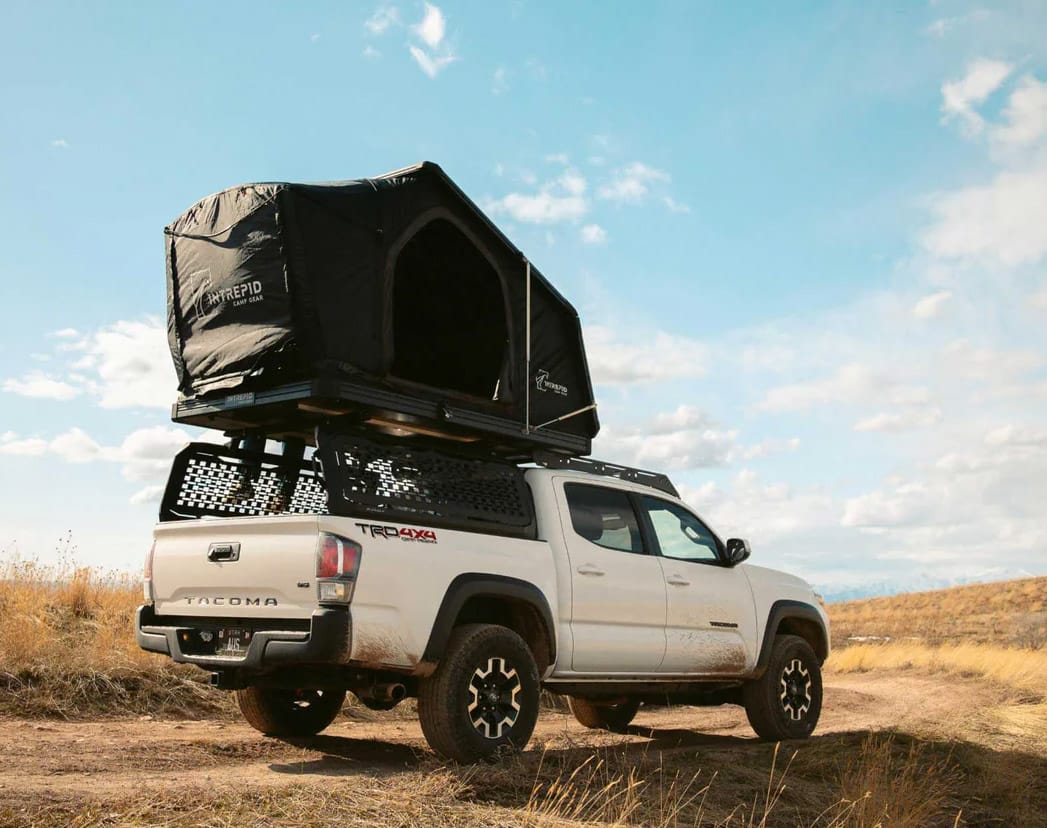
If you want a truck that adapts, treat your build like a system, not a project. Define your trip types, set weight rules, and build around a stable rack foundation. Then use height adjustments, crossbar positioning, and T-channel accessories to keep your modular truck bed flexible.
When you do this well, your packing routine gets faster, and your truck feels more predictable on the road. You stop fighting clutter, stop second-guessing weight, and stop leaving key items buried. Your modular truck bed becomes a platform you trust.
Most importantly, you avoid rebuild fatigue. You will still refine your setup over time, because experience always changes preferences. But you will do it with small, logical changes instead of expensive overhauls. That is what a modular truck bed approach gives you: a setup that keeps pace with your trips instead of lagging behind them.
FAQ
How many times should I reconfigure a modular truck bed setup each year?
Reconfigure it whenever your trip type changes. Most people do seasonal swaps plus small changes for sports weekends, which keeps a modular truck bed practical without constant tinkering.
What is the practical difference between static and dynamic weight ratings?
Static ratings apply when parked, like supporting sleepers in a rooftop tent. Dynamic ratings apply while driving, especially on rough roads. Build your modular truck bed plan around dynamic limits first.
Is mid-height or full-height better for a modular truck bed rack?
Mid-height often matches cab height and can reduce wind noise with certain loads. Full-height can improve cargo clearance. A modular truck bed benefits most when you can switch based on the trip.
Do T-channels actually make a modular truck bed easier to use?
Yes, because they provide consistent attachment points for different accessories. With T-channels, a modular truck bed can accept new mounts without custom drilling or one-off brackets.
How do I keep a modular truck bed setup from becoming too heavy?
Start with a lightweight foundation, keep heavy items low, and only add accessories that solve a proven problem. A modular truck bed should scale up for big trips and scale down for daily driving.
Can I run a retractable tonneau cover with a modular truck bed rack?
Often, yes, but compatibility depends on the rack and the cover. If your rack offers adapters for specific retractable covers, you can keep security and weather protection while still running a modular truck bed system.
Heads up: Clicking on our affiliate links and exploring our sponsored content helps us at no extra cost to you, and we only recommend gear we’re absolutely crazy about!