


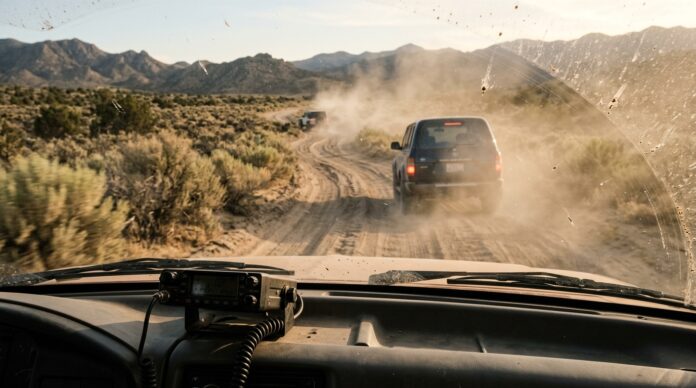

A weekend trip forgives a lot of small mistakes. A cross-country overlanding trip does not. Even a worn belt or a soft tire barely matters two hours from home. The same issue three states out, on a dirt road with no cell signal, turns into a real problem fast. Consequently, cross-country prep starts well before the drive itself.
My own rig prep routine grew out of a breakdown early in my overlanding years, when a fuel filter I meant to replace before a big trip failed halfway across Nevada. This mistake taught me to treat prep as a checklist, not a feeling or something I think my 30 years of camping and overlanding can magically fix. This guide walks through the mechanical checks, gear, and connectivity setup turning a long trip from a gamble into a plan so you don’t have the same troubles I did all those years ago.
Quick Facts:
- Topic: Preparing a vehicle and gear for a cross-country overlanding trip
- Best for: Overlanders planning a multi-week or multi-state route
- Core checks: Fluids, tires, suspension, and electrical systems
- Gear priorities: Recovery kit, spare parts, and reliable connectivity
- Prep timeline: Start two to three weeks before departure
8 min read
In This Guide
- Why Cross-Country Trips Need More Prep Than a Weekend Run
- Rig Prep Checklist at a Glance
- Mechanical Checks Before You Leave
- Packing Recovery Gear and Spare Parts
- Setting Up Connectivity for the Long Haul
- Planning Fuel, Water, and Route Stops
- Pros and Cons of a Full Prep Checklist
- Final Verdict
- Frequently Asked Questions
Why Cross-Country Trips Need More Prep Than a Weekend Run

Distance changes the math on risk. A rig running fine for months of local trails and weekend runs gets exposed differently once it covers a thousand miles of varied terrain, climate, and elevation in a single trip. Components wear at different rates depending on heat, altitude, and road surface, so a route crossing desert, mountains, and open plains puts stress on a vehicle that a single-region weekend trip never approaches.
Help also thins out fast. A local trail run keeps you within a tow truck’s easy reach the whole time. A cross-country route can put hundreds of miles between you and the nearest shop with the right parts or expertise for your specific rig.
Time works against you too. A short trip has a natural safety margin built in: worst case, you turn around and go home. A multi-week cross-country trip does not offer that same escape hatch once you are deep into it, since going home might mean another several days of driving regardless of which direction you choose.
That reality changes how much margin belongs in your prep. Spare parts that seem unnecessary for a weekend trip start to make sense once the nearest dealership might be two states and three days away. The goal is not to prepare for every possible scenario. It is to shrink the list of problems that can actually strand you.
Featured at Flagpole Buddy
Mini Starlink Flat Mount, Magnetic Version
Mount your Starlink Mini fast. No drilling. Works on any long-haul rig.
Rig Prep Checklist at a Glance
| Area | What to Check |
|---|---|
| Fluids | Oil, coolant, transmission, and brake fluid levels and age |
| Tires | Tread depth, sidewall damage, spare condition, and pressure |
| Suspension | Shocks, bushings, and any unusual noise over bumps |
| Electrical | Battery health, alternator output, and wiring connections |
| Connectivity | Mounted internet setup, backup messenger, and offline maps |
Mechanical Checks Before You Leave
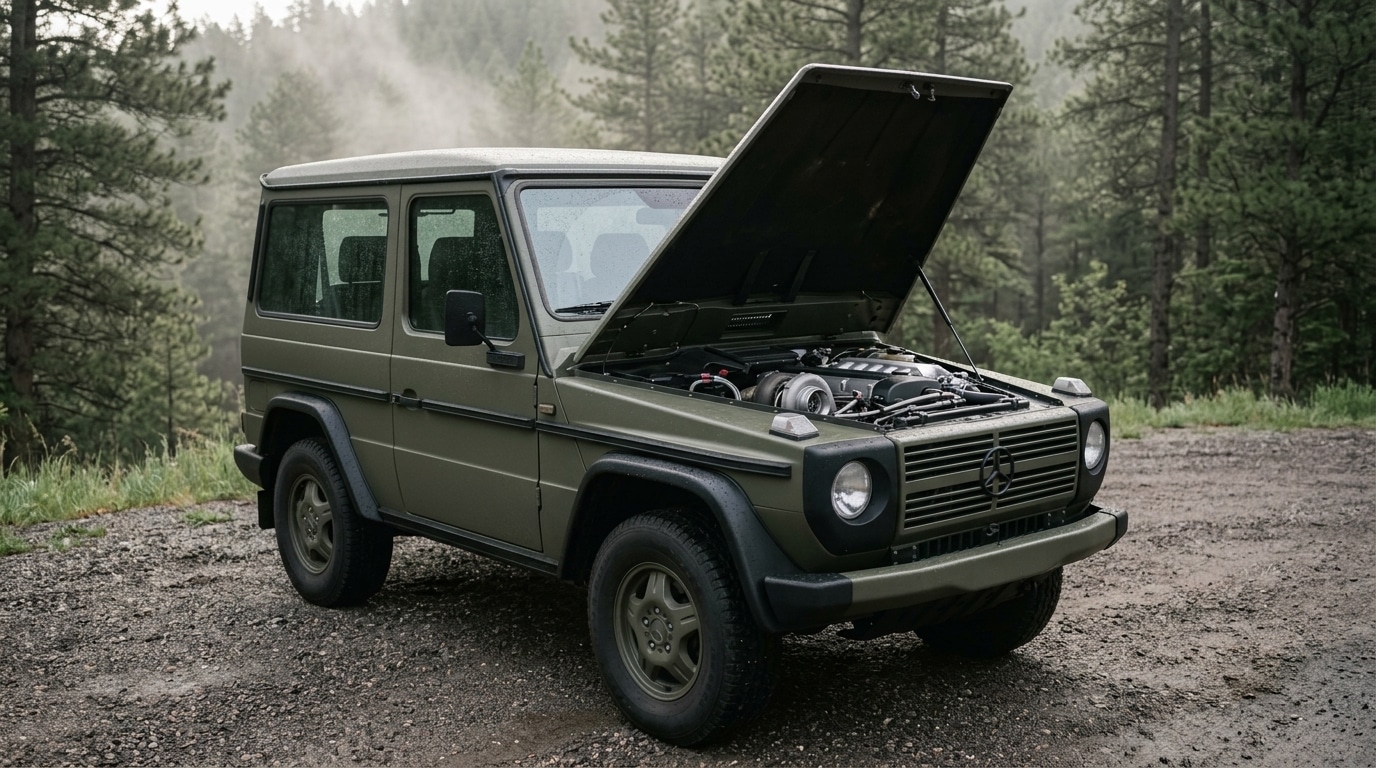
Start with fluids. Old oil, low coolant, or aging brake fluid cause problems getting worse under the extra strain of a long trip. Fresh fluids cost little and save real trouble later. For this reason, getting an oil change close to departure makes sense, even if the rig is not quite due.
Tires deserve close attention too. Check tread depth and look for any sidewall cuts or bulges. Specifically, a worn tire surviving daily commuting sometimes fails under the extra weight and rough roads of an overlanding trip. Check the spare with the same care. After all, a flat spare found three states out helps nobody.
Suspension and Electrical Systems
Listen for clunks, squeaks, or new noise over bumps before you go. A loaded rig on rough roads exposes weak suspension components fast. Consequently, a quick shop inspection catches most issues before they turn into a roadside repair.
Battery health matters equally. A weak battery holds a charge fine around town but struggles once winches, fridges, and mounted electronics start pulling from it daily. Consequently, a quick battery test at any auto parts store takes minutes and heads off a dead-battery morning far from help.
Packing Recovery Gear and Spare Parts

Recovery gear earns its keep on a cross-country overlanding trip more than on any weekend run. Traction boards, a shovel, and a basic tow strap cover most common situations. Additionally, a tire repair kit and a portable compressor round out the essentials for handling flats on the road.
Spare parts matter too, though packing every possible part is not realistic. Specifically, a spare belt, extra fuses, and basic fluids cover common failure points without filling the whole rig with parts you might never need. Knowing your specific vehicle’s weak points, from a known sensor issue to a common belt failure, helps target what belongs in the kit.
Setting Up Connectivity for the Long Haul
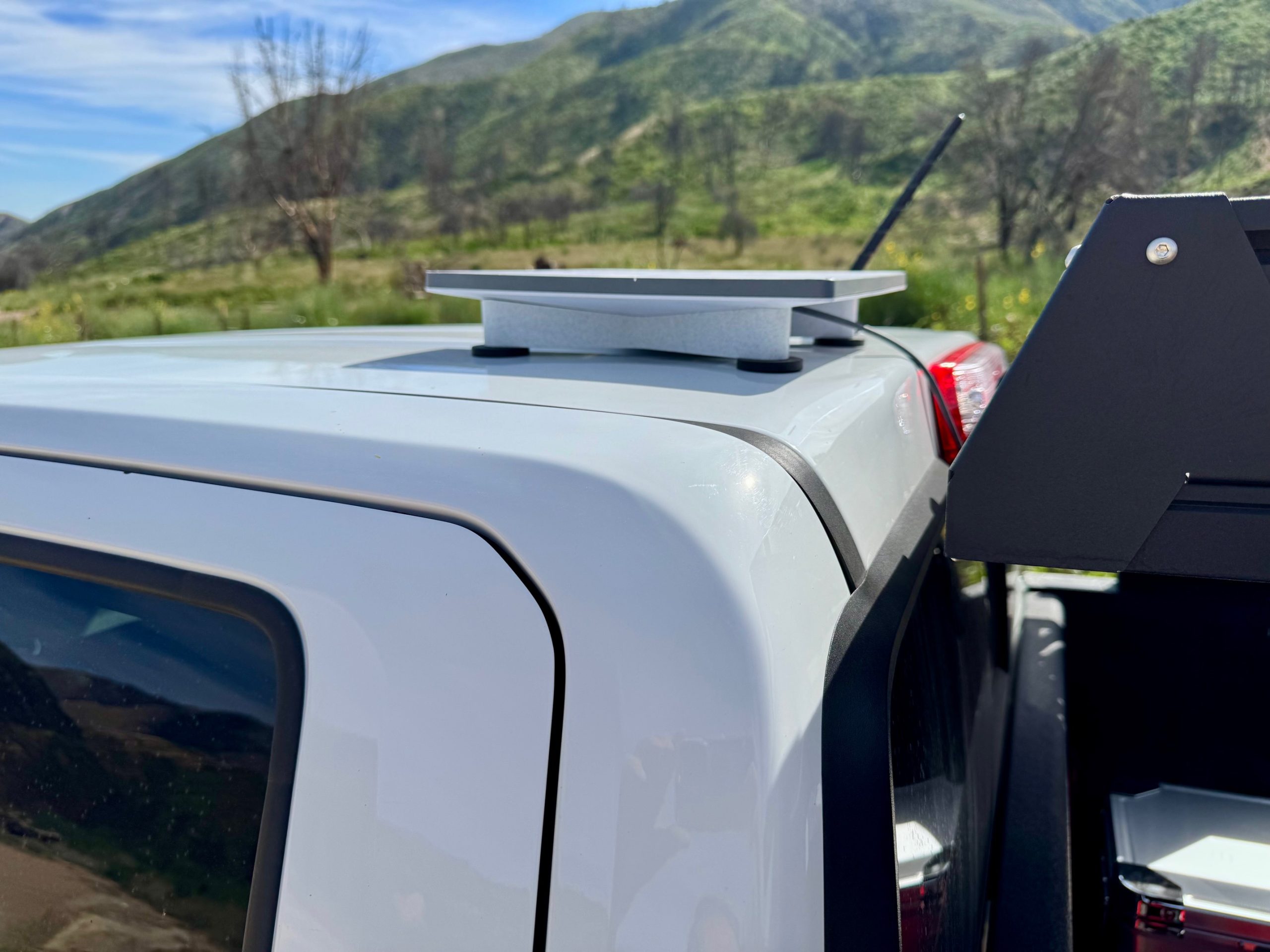
A cross-country route crosses long stretches with no cell signal at all. Weather updates, road condition checks, and simple check-ins with family all depend on some form of connectivity along the way. Consequently, a Starlink Mini solves this gap better than a cell booster, since it works even where no cell signal exists to boost.
Mounting matters as much as the hardware itself. I run a magnetic Flat Mount from Flagpole Buddy on my own rig, since it adds height above the roofline in under two minutes with no drilling. It comes off equally fast for storage during highway stretches where a mounted dish is not needed. Curious how this mount performs across rough roads? Our magnetic mount review covers the testing in depth.
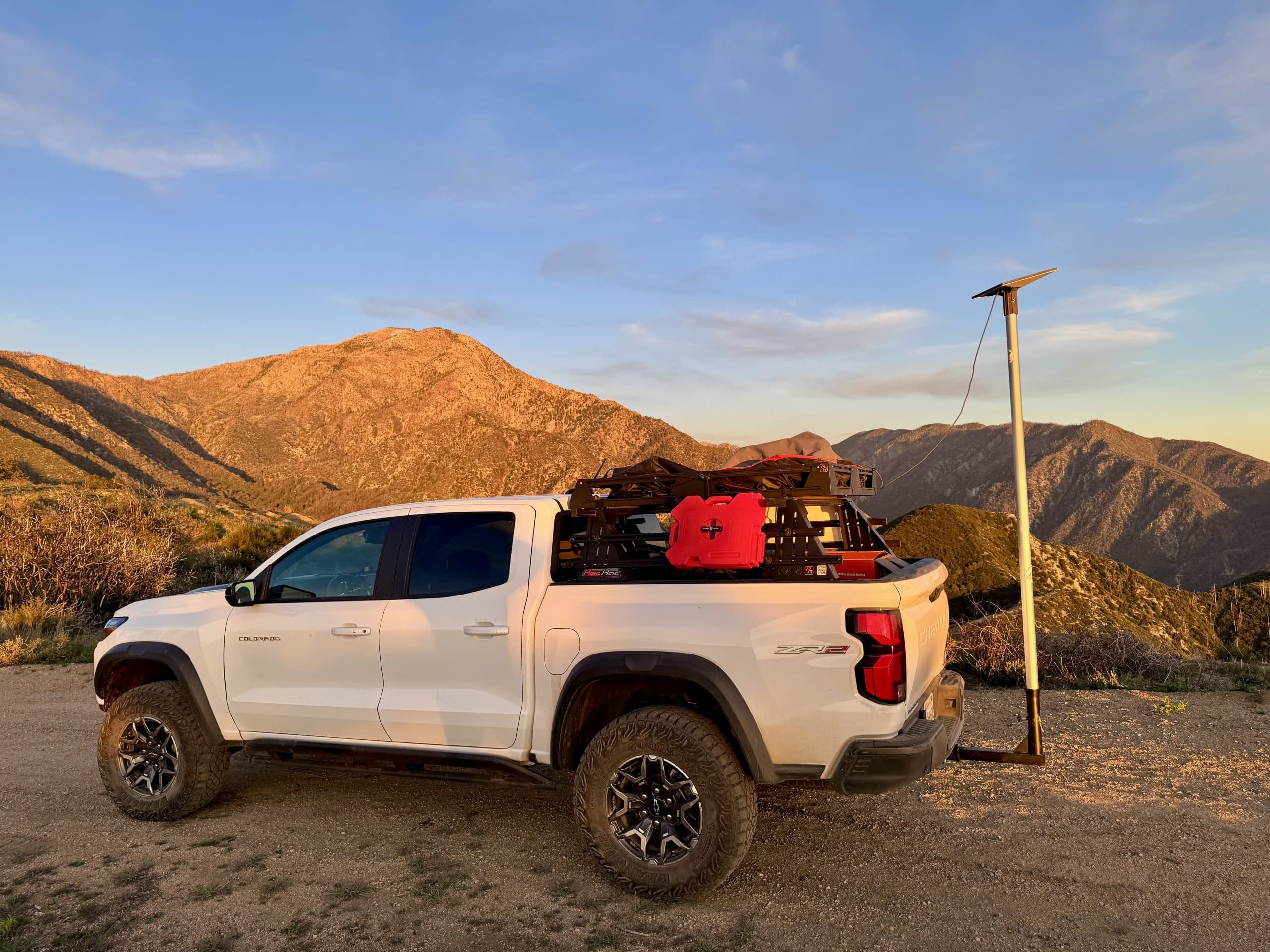
Routes with denser tree cover or deep canyon sections sometimes need extra height beyond a roof mount. Our hitch-mounted pole kit review covers this taller option in detail. For travelers combining a long trip with remote work along the way, our guide to working remotely from camp covers the daily habits keeping both running smoothly.
Planning Fuel, Water, and Route Stops
Fuel range planning matters more on a long cross-country run than a short trip near home. Mapping fuel stops in advance avoids the stress of guessing whether the next station sits close enough. Consequently, carrying extra fuel becomes worth the weight on remote stretches where stations run scarce.
Water works the same way. Specifically, planning resupply points before departure beats hoping a random gas station carries enough. A rough calendar of overnight stops, even a loose one, helps everything else fall into place around it, and consequently reduces daily decision fatigue on a long trip.
Pros and Cons of a Full Prep Checklist
Pros
- Fewer breakdowns and roadside surprises far from help
- A magnetic Starlink mount keeps connectivity simple across the whole route
- Recovery gear covers most common trail and road issues
- Fuel and water planning removes daily guesswork
- Peace of mind lets you enjoy the trip instead of worrying about the rig
Cons
- Full prep takes real time, often two to three weeks
- Spare parts and recovery gear add weight and cost upfront
- Shop inspections cost money even when nothing turns up wrong
- No checklist eliminates every possible mechanical surprise
Final Verdict
Preparing a rig for a cross-country overlanding trip takes more effort than most people expect. The payoff shows up the moment something would have gone wrong on an unprepared rig. Fresh fluids, sound tires, and a solid electrical system prevent most of the breakdowns ruining a long trip.
Recovery gear and a few key spare parts close the remaining gap for issues still slipping through. Reliable connectivity, built around a properly mounted Starlink setup, keeps you in touch with weather, road conditions, and home base across the whole route.
None of this guarantees a trip with zero problems. It does, however, turn most problems into minor inconveniences instead of trip-ending emergencies. This trade-off is worth the two or three weeks of prep every time.
Ready for the Long Haul?
Mount Starlink in Minutes With Flagpole Buddy
Backed by a 2-year warranty and free domestic shipping.
Frequently Asked Questions
How long should I spend prepping for a cross-country overlanding trip?
Two to three weeks gives enough time for a full mechanical check, gear packing, and route planning without rushing. Starting earlier gives more room to fix anything a shop inspection turns up.
What mechanical checks matter most before a long trip?
Fluids, tires, suspension, and electrical systems top the list. Each one handles more strain on a long trip than on daily driving, so small issues at home become bigger issues far from a shop.
What connectivity setup works best for long-distance overlanding?
A Starlink Mini mounted on the vehicle roof covers most connectivity needs across a long route, since it works in areas with no cell signal at all. A magnetic mount adds flexibility for storing the dish during highway stretches.
What recovery gear should I pack for a cross-country trip?
Traction boards, a shovel, a tow strap, a tire repair kit, and a portable compressor cover most common situations. A few vehicle-specific spare parts round out a practical kit without overloading the rig.
How do I plan fuel stops for a long overlanding route?
Mapping known fuel stations along the route in advance, and carrying extra fuel for remote stretches, removes the daily stress of guessing whether the next station sits close enough.
Heads up: Clicking on our affiliate links and exploring our sponsored content helps us at no extra cost to you, and we only recommend gear we’re absolutely crazy about!